Fly Fishing for Trout on the Bow River
For many anglers, the thought of fly fishing a world-renowned river like the Bow can feel incredibly intimidating. You hear stories of monster trout, complex hatches, and experienced guides, making it seem like an exclusive club. But trust me, the Bow River is for everyone, and with the right understanding, gear, and techniques, you can absolutely unlock its magic. This comprehensive guide is designed to demystify fly fishing on the Bow, helping you navigate its waters, understand its vibrant ecosystem, and ultimately, find your own success chasing its incredible trout.
Understanding the Bow River: A Trout Angler's Paradise
The Bow River isn't just another river; it's a true gem, especially the tailwater section below Calgary. Its reputation as a world-class trout fishery is well-earned, attracting anglers from all corners of the globe. But what makes it so special, and why do these trout grow so big and fight so hard? It boils down to a perfect storm of consistent water flows, nutrient-rich environments, and excellent habitat. Understanding these foundational elements is crucial before you even make your first cast.
The Unique Ecology of the Bow
The Bow River’s tailwater section below the Bearspaw Dam (and later the Glenmore Reservoir in Calgary) is largely fed by cold, stable water releases, creating ideal conditions for trout. This consistent flow regime prevents extreme temperature fluctuations that can stress fish and disrupt insect life cycles in other rivers. More importantly, the nutrient load from Calgary’s wastewater treatment plants (which are, thankfully, highly advanced) introduces a steady supply of nutrients into the system. While this might sound unappealing, it fuels a tremendous abundance of aquatic invertebrates—things like midges, caddisflies, mayflies, and stoneflies—which form the primary food source for the Bow’s trout. This dense food web allows trout to grow at an exceptional rate, leading to the large, healthy fish that the river is famous for. This is a critical factor in why the Bow sustains such an incredible population of trophy fish, far beyond what many other rivers can offer.
The river's substrate, a mix of gravel, cobble, and rock, provides excellent spawning grounds and habitat for these insects, further reinforcing the robust food chain. The water clarity can vary, but generally, the Bow maintains good visibility, which is a blessing for sight fishing but also means the trout can be wary. Knowing that you're fishing a river with such a rich natural larder should inspire confidence; the fish are there, and they're hungry.
Navigating Different Sections: Upper, Middle, Lower Bow
While the entire fishable section of the Bow River holds promise, understanding its general character can help you plan your day. The river changes as it flows downstream, and what works in one area might be less effective in another. Most fly anglers focus on the 50-kilometer stretch between Calgary and Carseland, often referred to as the "Blue Ribbon" section.
The Upper Bow (above Calgary, within city limits) sees heavy recreational use and can be quite busy. While still productive, it's often best navigated by drift boat or raft, as shore access can be limited and crowded. Fish here can be pressured but are still plentiful. The city parks and pathways offer various entry points, but be mindful of private property. For those looking for a quick escape, there are still some fantastic spots here, especially during non-peak hours.
The Middle Bow, roughly from the downstream city limits of Calgary to the Carseland Weir, is arguably the most famous section. This is where you'll find expansive braids, deep runs, and classic riffles, all teeming with large trout. Access here is a mix of private land and designated public access points, making a drift boat or raft the preferred method for covering significant water and finding unpressured fish. Many guided trips focus on this stretch because of its consistent productivity.
The Lower Bow below Carseland Weir widens and slows down significantly. While still holding good numbers of fish, they can be more spread out, and the river takes on more of a prairie river characteristic. It's often less pressured and can be excellent for those seeking solitude and willing to explore. You might find a higher concentration of northern pike here as well, especially in the slower, deeper sections, adding a fun element of variety to your day. Regardless of the section, always be aware of your surroundings, potential hazards, and the best public access points.
Bow River Trout Species: Rainbows and Browns
The Bow River is predominantly known for its thriving populations of wild Rainbow Trout and Brown Trout. Both species grow large, fight hard, and are highly sought after by fly anglers. While you might occasionally encounter a Brook Trout in some of the smaller tributaries, it's the rainbows and browns that truly define the Bow River experience.
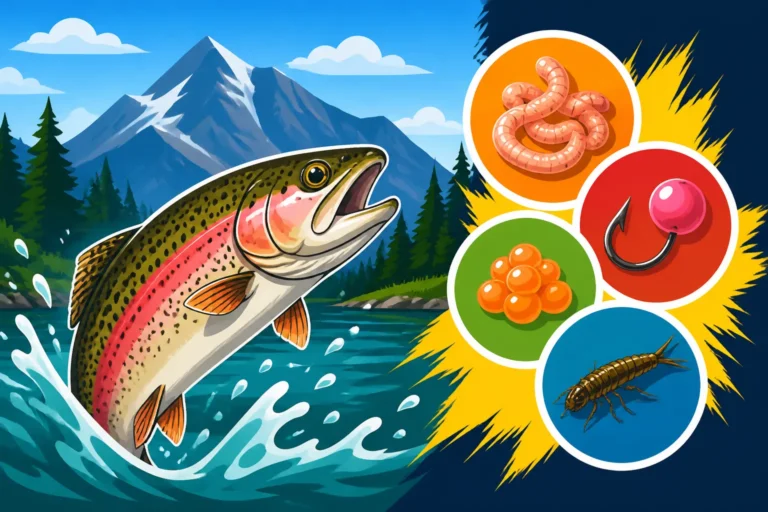
Rainbow Trout are the superstars of the Bow. They are renowned for their acrobatic jumps and powerful runs, often making multiple leaps out of the water once hooked. These fish thrive in the Bow's cold, oxygenated waters and can grow to impressive sizes, with 18-22 inch fish being common, and 24-inch or larger specimens a real possibility. They typically feed actively on insects throughout the water column, making them susceptible to dry flies, nymphs, and streamers. Understanding the habits of these fantastic fish will greatly enhance your success. If you're keen to dive deeper, we have a whole article dedicated to the specifics of Rainbow Trout Fishing on the Bow River.
Brown Trout are the other main event. These cunning predators often prefer to hold in deeper, slower water, under cut banks, or near submerged structure. They are known for their beautiful golden-brown hues, often adorned with red and black spots, and their tendency to be less flashy than rainbows but incredibly powerful fighters, often staying deep and making strong, stubborn runs. Brown trout on the Bow also grow very large, with fish over 20 inches being common. They are often more active feeders during low light conditions or when targeting larger prey like sculpins and baitfish, making streamer fishing particularly effective for them. You can find more specific advice on targeting these beautiful fish in our guide to Brown Trout Fishing in Alberta. Knowing the difference in their habits can help you adjust your presentation and fly choice depending on which species you're hoping to encounter.
Essential Gear for Bow River Fly Fishing
Heading out on the Bow River without the right gear is like trying to bake a cake without flour – it’s just not going to work. While you don’t need the absolute top-of-the-line equipment to have a successful day, having reliable, appropriate gear makes all the difference in casting accurately, fighting fish effectively, and staying comfortable. Don't let the sheer volume of fly fishing gear overwhelm you; we can break it down into essentials.
Rod, Reel, and Line Selection
For the Bow River, you'll want a setup that can handle larger fish and cast a variety of fly sizes, often into windy conditions.
A 9-foot, 5-weight or 6-weight fly rod is the workhorse for the Bow. A 5-weight is versatile for most nymphing and dry fly situations, offering a good balance of power and finesse. If you anticipate heavy winds, need to cast larger streamers, or simply prefer a bit more backbone for fighting bigger fish, a 6-weight rod is an excellent choice. Many anglers even carry both or opt for a 9.5-foot or 10-foot rod if their primary focus is indicator nymphing or Euro nymphing, as the extra length helps with line control and mending. When looking for a new rod, consider checking out models from brands like Orvis, Sage, or G. Loomis, which are often available on platforms like Amazon with detailed reviews. To help you choose, we have a detailed guide on the Best Fly Rods for the Bow River.
Your fly reel for the Bow doesn't need to be exceptionally expensive, but it should have a smooth, reliable drag system. These fish are powerful, and a sticky drag can lead to break-offs. A large arbor reel is beneficial for quicker line retrieval, which can be critical when a big rainbow decides to charge you. Ensure your reel is properly balanced with your rod for comfortable casting.
For fly line, a weight-forward floating line is standard for most dry fly and nymphing applications. If you plan on doing a lot of streamer fishing, especially from a boat, you might consider a sinking tip or full sinking line to get your flies down quickly. Always match your line weight to your rod weight (e.g., a 5-weight line for a 5-weight rod). Don't forget backing; these Bow River beasts can peel off a lot of line in a hurry!
Waders, Boots, and Safety Essentials
Comfort and safety on the river are paramount. Being cold, wet, or unsafe will quickly ruin your day, no matter how many fish you catch.
Waders are non-negotiable for most Bow River angling. Chest waders are highly recommended, as river levels can fluctuate, and you'll often find yourself wading in deeper water. Look for breathable waders, especially if you're fishing in warmer months or walking a lot, as they'll prevent you from overheating. Brands like Simms, Patagonia, and Orvis offer excellent breathable waders known for their durability. When purchasing, ensure a comfortable fit that allows for layering in colder weather without being overly baggy. A good pair of waders can be a significant investment, but their value in keeping you dry and warm cannot be overstated.
Your wading boots should provide excellent ankle support and grip on slippery riverbed rocks. Felt soles offer superior traction on wet, mossy rocks but are often restricted in some areas due to concerns about invasive species. Rubber soles with studs or cleated outsoles are generally more versatile and widely accepted. Always clean your boots thoroughly between trips to prevent the spread of aquatic invasive species. For specific recommendations, check out our guide on the Best Waders for Alberta Trout Rivers. A wading belt is crucial for safety; it cinches your waders around your waist, preventing them from filling completely with water if you take a tumble, which can be a serious hazard.
Beyond waders and boots, always carry a personal floatation device (PFD) if you're drifting in a boat or kayak. A wading staff is highly recommended, especially if you're venturing into unfamiliar or fast-moving water, as it provides stability and helps probe for deep spots or slippery rocks. A first-aid kit, bear spray (especially if exploring more secluded areas), and plenty of water and snacks are also essential for any prolonged outing.
Fly Boxes, Tools, and Accessories
Once you've got your rod, reel, and waders sorted, a handful of smaller items will greatly enhance your fishing experience.
A well-organized fly box is your portable tackle shop. You'll want several, categorized by type (nymphs, dry flies, streamers) or by size, to quickly find what you need. Consider waterproof fly boxes to protect your precious patterns from the elements. Don't overcrowd them; you need to see what you have! For insights on what flies to pack, our article on Fly Patterns for the Bow River is a must-read.
Essential tools include hemostats or forceps for easily unhooking fish (especially important for catch and release), nippers for cutting line (often attached to a zinger for easy access), and a knot-tying tool if you struggle with small knots. A landing net with a rubberized, knotless mesh is highly recommended to protect the fish's slime coat and fins. For larger Bow River trout, a net with a wider hoop and deeper basket will be invaluable. You can find many of these accessories, including various net options, on online retailers like Amazon.
Finally, don't forget polarized sunglasses to reduce glare and spot fish, a hat for sun protection, sunscreen, and a rain jacket (even on sunny days, Alberta weather can change quickly!). A small backpack or sling pack will help you carry all these essentials comfortably, leaving your hands free for casting.
Reading the Water: Where Trout Hide on the Bow
One of the biggest frustrations for new fly anglers is staring at a vast river and having no idea where to even begin. It's like looking for a needle in a haystack, but trust me, trout are creatures of habit. They seek out specific conditions that offer them food, shelter, and comfort. Learning to "read the water" is perhaps the most crucial skill you can develop for consistent success on the Bow River. It's not about magic; it's about understanding trout behavior and habitat.
Understanding Structure: Riffles, Runs, Pools, and Eddies
The Bow River has a diverse range of water types, each holding trout in different ways. Knowing what to look for can narrow down your search significantly.
Riffles are shallow, fast-moving sections where the water tumbles over rocks and gravel. These are highly oxygenated areas and act as insect factories, dislodging nymphs and emergers into the current. Trout will often position themselves at the head or tail of a riffle, or in the calmer pockets within, waiting for food to drift by. They also use riffles for spawning. Don't be fooled by the speed; often, the largest fish are holding in the seemingly small, calm pockets right in the middle of a fast current seam.
Runs are deeper, smoother, and more consistent currents that flow after a riffle or between pools. They offer a steady conveyer belt of food with less effort for the fish. Trout will often hold along the edges of runs or in the deeper parts, especially where the current slows slightly. These are prime nymphing areas. Look for subtle current breaks or changes in depth within a run; these are often key holding lies.
Pools are deep, slow-moving sections of the river. While they might not seem as productive as riffles or runs, pools offer security and comfort, especially for larger, more wary trout. Fish in pools will often rise to dry flies during hatches, but they can also be found near the bottom, feeding on nymphs or larger baitfish. The transition areas where a run enters or exits a pool are often excellent spots, as they combine current-delivered food with the safety of deeper water.
Eddies are swirling pockets of slower water formed behind obstructions like large rocks, logs, or bends in the river. Food gets caught in the calmer currents of an eddy, making them a cafeteria for trout. The "seam" where the fast water meets the slow water of an eddy is a classic trout lie, offering a constant food supply with minimal energy expenditure. However, be aware that the swirling currents in an eddy can make fly presentation challenging, requiring careful mending.
Current Seams and Oxygenated Zones
Beyond the major structures, paying attention to subtle current dynamics can unlock even more fish. Trout are masters of energy conservation, always looking for places where they can get food delivered to them with the least amount of effort, while staying safe.
Current seams are where different speeds of water meet. Think of the distinct line where fast water brushes against slower water. This is a prime holding lie because it acts as a food funnel. Nymphs, emergers, and even terrestrial insects that fall into the river are swept along by the faster current and then funneled into these seams, becoming easy pickings for a trout lying just on the slower side. Learning to cast and mend your line so your fly drifts naturally along these seams is a fundamental skill on the Bow. It's not always obvious, but a keen eye will spot the subtle color or texture differences in the water.
Oxygenated zones are areas where the water is turbulent and mixes with air, such as at the bottom of riffles, around rapids, or near waterfalls (though the Bow doesn't have large waterfalls). Trout, especially in warmer months, will gravitate towards these areas as they require well-oxygenated water to thrive. The riffles themselves are excellent oxygenators, and often, the fish aren't directly in the fastest, frothy water, but rather just below it, or on the edges where the oxygen content is high but the current is less strenuous. When the water temperatures climb in summer, focusing on these highly oxygenated areas can be particularly productive.
Identifying Feeding Lanes and Holding Lies
Putting all this together means identifying the specific spots where trout are most likely to be. These are often referred to as "feeding lanes" and "holding lies."
A feeding lane is essentially the path that food drifts down the river. Trout will position themselves precisely in these lanes, often just out of the main current, to intercept passing meals. These lanes are often found along current seams, in the quieter water behind large rocks, or in the "soft" water directly in front of and behind major obstructions. When you see a fish rise repeatedly in the same spot, you've likely identified a feeding lane. Your goal is to get your fly to drift naturally down that same path.
A holding lie is a place where a trout feels safe, has easy access to food, and can conserve energy. These can be deep pools, undercut banks, submerged logs, large boulders, or even just a subtle depression in the riverbed. A good holding lie offers cover from predators and relief from strong currents. Often, the biggest trout occupy the best holding lies. Even if fish aren't actively feeding, they'll be in these comfortable spots, waiting for the right moment. Learning to recognize these spots, often by looking for changes in water color, depth, or current speed, is a key part of becoming proficient at Wading Techniques for Alberta Trout Rivers and overall fly fishing success. By systematically fishing these likely spots, you greatly increase your chances of connecting with a Bow River leviathan.
Mastering Techniques for Bow River Trout
Once you understand where the trout are, the next step is presenting your fly in a way that convinces them to eat it. The Bow River's trout are often highly educated, so perfecting your technique is paramount. While there are countless variations, most Bow River fly fishing can be categorized into three main approaches: nymphing, dry fly fishing, and streamer fishing. Each offers a unique challenge and reward.
Nymphing: The Bread and Butter
Nymphing is, without a doubt, the most consistently productive technique on the Bow River. Why? Because trout feed on aquatic insect nymphs and larvae subsurface for about 80-90% of their diet. If you want to catch fish consistently, especially big ones, you need to master nymphing.
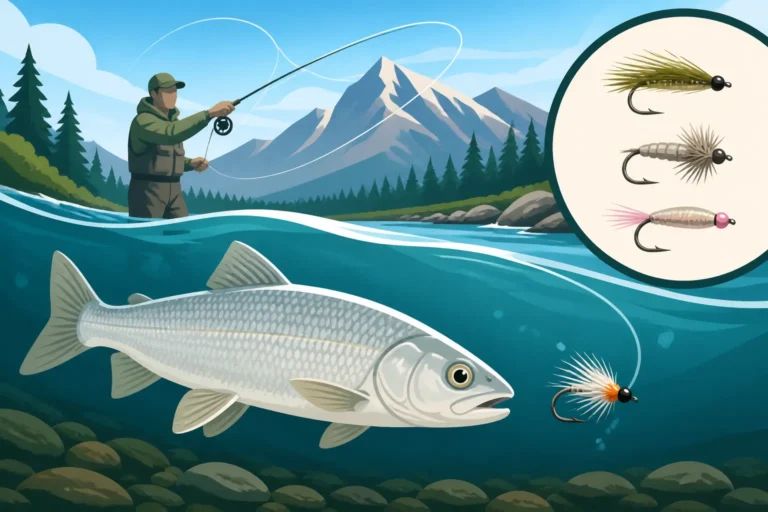
The most common nymphing setup involves a floating line, a long leader, an indicator (strike indicator), and one or two weighted nymphs. The indicator helps you detect subtle takes and controls your drift. The goal is a drag-free drift, mimicking a natural insect tumbling helplessly in the current. This often means casting upstream, letting your flies sink, and mending your line repeatedly to keep the indicator and flies drifting at the same speed as the current. It sounds simple, but managing line, detecting subtle takes, and mending effectively in varied currents takes practice. Many anglers choose to use two nymphs, one heavier "point" fly to get the rig down and a lighter "dropper" fly trailing behind. Common Bow River nymphs include Hare's Ear, Pheasant Tail, Prince Nymph, and various stonefly and caddisfly larva patterns. Don't be afraid to experiment with depth and weight; sometimes, a slight adjustment is all it takes to find the fish.
Dry Fly Fishing: The Thrill of the Take
While nymphing might be the bread and butter, dry fly fishing is often considered the icing on the cake, offering the most visually exciting aspect of fly fishing. There’s nothing quite like seeing a large Bow River trout slowly rise and gently sip your imitation off the surface. It’s a moment that can make your heart pound.
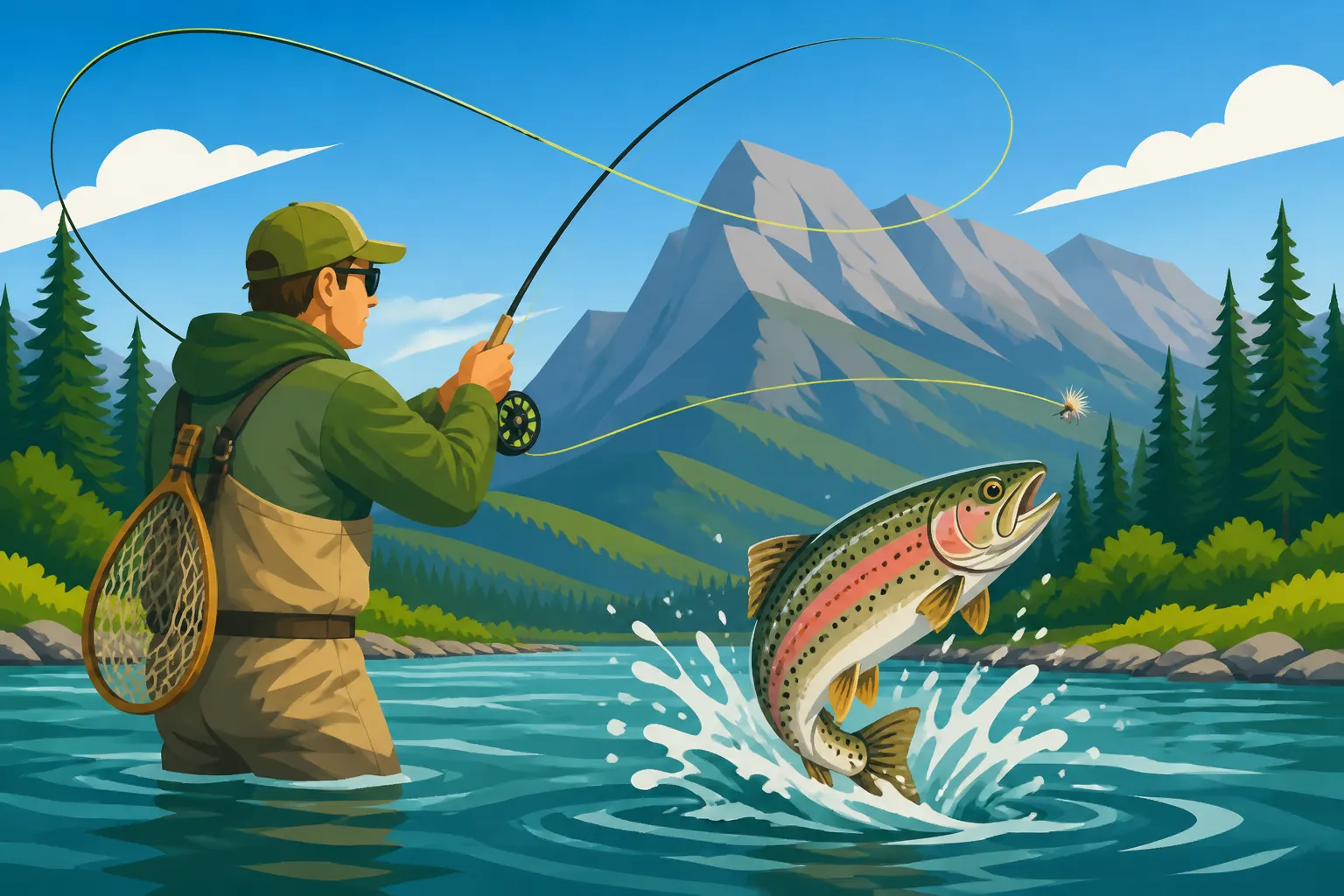
Dry fly fishing on the Bow is best during specific insect hatches when trout are actively feeding on adult insects on the surface. Mayflies, caddisflies, and midges are common hatches that bring fish up. Success hinges on precise casting, presentation, and matching the specific insect size and profile the fish are keying on. Your fly must float naturally, without any drag, to fool these often-wary trout. A "drag-free drift" means your fly is moving at the exact same speed as the current it's sitting in. Any unnatural drag will immediately spook a discerning trout. This often requires casting upstream and making precise mends to feed line to your fly as it drifts. Even if no specific hatch is occurring, attractor patterns like hoppers, stimulators, or ants can entice opportunistic strikes, especially in late summer and fall when terrestrial insects are abundant.
Streamer Fishing: Chasing Bigger Fish
If you’re hunting for the biggest, most aggressive brown trout on the Bow, streamer fishing should be in your arsenal. This technique imitates baitfish, sculpins, or leeches—the larger prey items that trophy trout often target.
Streamer fishing involves casting a relatively large, often weighted, fly and then stripping it back through the water to mimic a fleeing or injured baitfish. The retrieves can vary from slow, steady strips to aggressive, erratic pulls, often punctuated with pauses. The key is to impart action to the fly that triggers a predatory response. This isn't about delicate presentation; it's about getting the fish's attention and provoking a chase. Sink-tip or full-sinking lines are often used to get streamers down to the fish quickly, especially in deeper runs or pools. Favorite Bow River streamer patterns include various sculpin imitations (e.g., Bow River Bugger), Clouser Minnows, and articulated streamers. Streamer fishing is particularly effective in lower light conditions (dawn, dusk, overcast days) or when the water is slightly off-color. It’s a more active, aggressive style of fishing, and when a big trout slams your streamer, the take is often violent and unforgettable.
Euro Nymphing: Advanced Presentation
For those looking to take their nymphing game to the next level, Euro Nymphing, also known as Contact Nymphing, has become incredibly popular on the Bow River. This specialized technique offers unparalleled sensitivity and precision in presenting nymphs in specific depths and currents.
Euro Nymphing typically uses a longer, lighter rod (10-11 feet, 2-4 weight), a specialized leader system with a sighter (a brightly colored section of monofilament), and no strike indicator. The angler maintains direct contact with the nymphs through the leader, using the rod tip to track the flies and detect incredibly subtle takes that would be missed with a traditional indicator rig. The longer rod allows for exceptional line control, making it easier to keep all the fly line off the water for a perfectly drag-free drift. It’s especially effective in faster, complex currents where traditional indicators struggle, or when targeting fish in very specific holding lies. This technique requires a hands-on approach, often involving a lot of wading and careful positioning, but the rewards can be immense, particularly for catching highly pressured fish. If you're serious about honing this skill, checking out a dedicated guide to Euro Nymphing the Bow River would be highly beneficial. It’s a steeper learning curve, but once you get the hang of it, your nymphing success can skyrocket.
Seasonal Strategies for Success
The Bow River is a year-round fishery, but the experience changes dramatically with the seasons. What works in spring might be completely ineffective in summer, and vice-versa. Understanding the seasonal nuances of trout behavior, insect hatches, and water conditions is key to consistent success. Don't be that angler trying dry flies in a blizzard or heavy streamers during a delicate midge hatch!
Spring: High Water and Early Hatches
Spring on the Bow River can be a tale of two conditions: the tail end of winter and the onset of runoff. Early spring, usually March and April, often sees stable flows and excellent midge and blue-winged olive (BWO) hatches, especially on warmer, overcast days. This can be prime dry fly time. However, as the snowmelt from the mountains begins in earnest, typically from late April through June, the river can become high, cold, and off-color due to runoff.
During this high-water period, trout will move to slower water, along the banks, in eddies, and behind obstructions to escape the main current. This is a fantastic time for nymphing with larger, heavier stonefly patterns and San Juan Worms, as these are often dislodged by the increased flows. Streamer fishing can also be highly effective, as the limited visibility allows predatory trout to ambush larger meals. Water clarity is your biggest challenge during runoff. Look for areas where feeder creeks are less affected by muddy water or where the river has had a chance to settle. Always check river conditions and forecasts before heading out in spring. Our guide to Alberta Fishing Season Dates by Zone can give you a general idea of when different zones typically experience these changes.
Summer: Prolific Hatches and Terrestrials
Summer, from July to early September, is often considered prime time on the Bow. Water levels usually drop and clear after runoff, and the river comes alive with diverse insect hatches and abundant terrestrial insects.
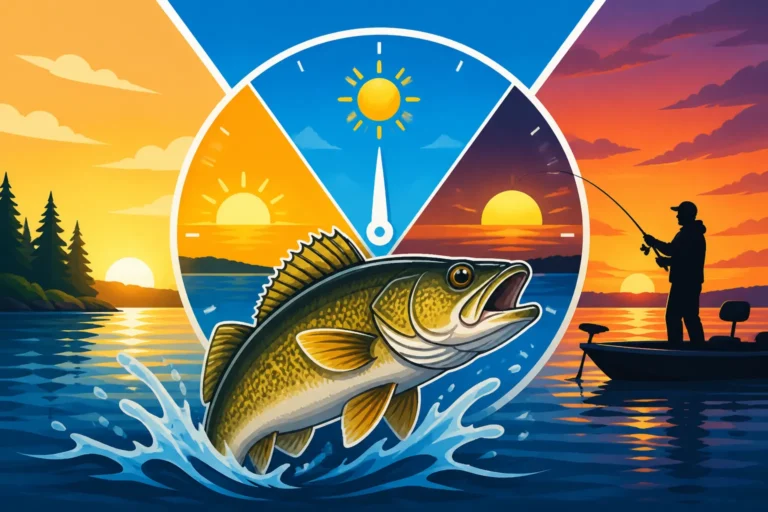
This is when you'll experience prolific caddisfly hatches, various mayfly species (like PMDs and Tricos), and a host of terrestrial insects like grasshoppers, ants, and beetles. Dry fly fishing can be phenomenal, with specific windows of opportunity during hatches. Even when hatches aren't visible, fishing attractor patterns or terrestrials can be very productive. Nymphing remains consistently strong, especially with smaller patterns mimicking emerging insects. Look for trout holding in riffles, runs, and current seams, actively feeding. Warmer water temperatures in mid-summer can make trout less active during the heat of the day, so early mornings and late evenings often offer the best fishing. Pay attention to water temperatures; if they get too high (above 20°C or 68°F), it's often best to give the trout a break to avoid stressing them.
Fall: Aggressive Feeding and Spawning Colors
Fall on the Bow River, from September through November, is a favorite season for many experienced anglers, and for good reason. As the days shorten and water temperatures cool, trout become incredibly aggressive, packing on weight before winter.
This is arguably the best time to target large brown trout, as they become very active and move into shallower water for their spawning ritual (though always remember to avoid disturbing spawning fish on their redds). Streamer fishing can be deadly during the fall, with aggressive takes from large browns. Nymphing remains highly effective, with stoneflies, caddis, and BWO nymphs being good choices. Late-season mayfly (like large Baetis or Mahoganies) and midge hatches can also provide excellent dry fly opportunities, especially on calm, overcast days. The vibrant autumn colors along the riverbanks make for a stunning backdrop, making fall not just productive, but incredibly picturesque.
Winter: Midge Fishing and Subtle Takes
Winter fly fishing on the Bow River is a unique and rewarding experience for those brave enough to face the cold. While not for everyone, the solitude and the challenge of catching a large trout on a tiny fly can be incredibly satisfying.
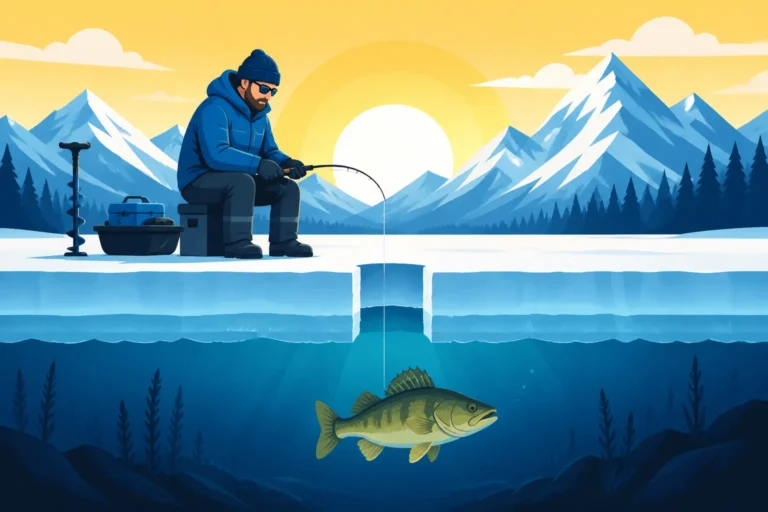
The river rarely freezes completely due to the stable tailwater flows, making it accessible even in the depths of winter. Trout become sluggish in the cold water and hold in deeper, slower pools and runs, often near the bottom. The primary food source in winter is tiny midges, which hatch year-round. This means midge nymphing (often with tiny #18-24 zebra midges, Black Beauties, or other midge larvae patterns) is the dominant technique. You'll need light tippets (5x, 6x, or even 7x), ultra-sensitive strike detection, and a very slow, drag-free drift. Dry fly opportunities can occur on calm, sunny winter days during a strong midge hatch, but they are rare. Streamer fishing can also be effective in winter for larger, opportunistic trout, but you’ll need to strip them very slowly. Dress in layers, stay warm, and focus on slow, deliberate presentations. It's often about patience and perseverance, but the rewards can be magnificent.
Fly Selection: Matching the Hatch and Beyond
Stepping into a fly shop and seeing walls lined with thousands of different flies can be overwhelming. How do you choose? The key to fly selection on the Bow River is understanding the major food sources for trout and having a diverse, but not overwhelming, selection of patterns that imitate them. It's not about having every fly in the book, but having the right flies for the right conditions.
Common Hatches on the Bow River
The Bow River is famous for its prolific insect hatches, which can provide incredible dry fly fishing opportunities. Knowing the general timing and appearance of these major hatches will help you select the appropriate patterns.
Midges: These tiny insects are present year-round, making them a consistent food source. They are most critical in winter, but fish will feed on them any time. Carry a range of sizes (#18-24) in black, olive, and cream. Patterns like Zebra Midges, Black Beauties, and Griffith's Gnats are essential.
Blue-Winged Olives (BWOs): These small mayflies hatch in cooler, overcast conditions, typically in spring (April-May) and fall (September-November). They are a significant food source. Carry nymphs, emergers, and adult patterns in sizes #18-22. Baetis imitations are key here.
Caddisflies: Caddis hatch in abundance from late spring through summer (May-August). Look for them skittering across the surface. Carry larva, pupa, and adult patterns in various shades of olive, tan, and brown, primarily in sizes #14-18. Elk Hair Caddis, CDC & Elk, and various Pupa patterns are staples.
Pale Morning Duns (PMDs): These medium-sized mayflies hatch throughout the summer (June-August), often in the late morning to early afternoon. PMD nymphs, emergers, and dry fly patterns (#14-18) are very important during these periods.
Tricos: These tiny, black and white mayflies hatch in incredible numbers on calm summer mornings (July-September). The "Trico Spinner Fall" can create highly technical dry fly fishing, requiring tiny flies (#20-26) and perfect drifts.
While not a hatch, don't forget Terrestrials (grasshoppers, ants, beetles) from late summer into fall (July-October). Big foam hopper patterns or smaller ant/beetle imitations can be incredibly effective when fish are looking up.
Versatile Nymphs and Streamers
Even when trout aren't rising, they're almost always feeding subsurface. Having a good selection of versatile nymphs and streamers will keep you catching fish when dry fly action is slow.
For nymphs, you can't go wrong with tried-and-true patterns that imitate the general forms of aquatic insects. Pheasant Tail Nymphs and Hare's Ear Nymphs (both in various sizes #14-20 and weighted versions) are universal buggy patterns that imitate many mayfly species. Prince Nymphs are great attractors. For stonefly imitations, a variety of Pat's Rubber Legs or other black/brown stonefly nymphs (#6-12) are critical, especially during runoff or in faster water. Remember to carry them in different weights to cover various depths. Small emergers, like a Barr's Emerger or Mercury Black Beauty, are also crucial when fish are feeding on insects just below the surface.
When it comes to streamers, you're largely imitating baitfish, sculpins, and leeches. The Bow River Bugger (a local variant of the Woolly Bugger) in olive, black, or brown, and various sizes (#4-10), is an absolute must-have. Other excellent patterns include Sculpzillas, Articulated Minnows, and Clouser Minnows. These are designed to trigger aggressive predatory strikes. For a more detailed breakdown of what specific patterns work best, be sure to consult our guide on Fly Patterns for the Bow River. When buying new flies, particularly for specific hatches, I often start by checking what's available and well-reviewed on Amazon, before heading to my local fly shop for expert advice and local favorites.
Terrestrials and Attractor Patterns
Sometimes, the trout aren't keyed into a specific hatch, or there isn't one happening. This is where terrestrials and attractor patterns shine. They capitalize on opportunistic feeding and provoke strikes based on curiosity or general "bugginess."
Terrestrials are insects that live on land but occasionally fall into the water, becoming an easy meal for trout. Grasshoppers, ants, and beetles are the most common. In late summer and early fall, when the banks are alive with grasshoppers, a large foam hopper pattern (e.g., Chubby Chernobyl, Morrish Hopper) can be incredibly effective, especially when fished along grassy banks or under cut banks. Ants (sizes #14-20 in black or cinnamon) and beetle patterns are also excellent choices, particularly on slower, quieter days. A single large terrestrial can be a significant meal for a trout, so they often won't pass up the opportunity.
Attractor patterns are flies that don't necessarily imitate a specific insect but rather suggest a general food source or simply grab a trout's attention. Examples include brightly colored nymphs (like a Copper John or red San Juan Worm) or flashy dry flies (like a Stimulator or Royal Wulff). These flies can be effective when fish aren't actively rising or when you're simply trying to cover water and see if anything is home. They often work well as the lead fly in a two-nymph rig or as a prospecting dry fly. Having a few of these in your box can turn a slow day around by appealing to a trout's innate curiosity or aggressive streak.
Conservation and Etiquette on the Bow River
The Bow River is a precious resource, and its world-class status depends on all of us doing our part to protect it. Fly fishing is more than just catching fish; it's about connecting with nature and ensuring future generations can enjoy the same experiences. Understanding and adhering to conservation practices and river etiquette is a fundamental responsibility of every angler.
Catch and Release Best Practices
The Bow River is predominantly a catch-and-release fishery for its wild trout. While there are some limited harvest opportunities for certain species with a special harvest license (like walleye in some areas), the health of the trout population relies on proper catch-and-release techniques.
Minimize Fight Time: Use appropriate tackle (a 5 or 6-weight rod is usually sufficient) to land fish as quickly as possible without over-stressing them. Prolonged fights, especially in warmer water, can be fatal.
Keep Fish in Water: This is perhaps the most important rule. Keep the fish submerged as much as possible, especially during unhooking and photography. Removing a fish from the water, even for a few seconds, can damage its gills, remove its protective slime coat, and drastically reduce its chances of survival, particularly when combined with warmer air temperatures. A good landing net with rubber mesh helps keep the fish contained and safe while you remove the hook.
Use Barbless Hooks: This is a regulation in many Alberta waters, including portions of the Bow, but it's a good practice everywhere. Barbless hooks greatly reduce tissue damage and make unhooking much easier and quicker. If your hook has a barb, simply pinch it down with pliers.
Gentle Handling: Handle fish with wet hands, supporting their body, especially their belly. Avoid squeezing them. If a fish is exhausted, hold it gently in the current, facing upstream, until it revives and can swim away under its own power. Don't simply toss it back; ensure it's strong enough to fend for itself. For more insights on this, you might find our guide to How to Catch Bull Trout and Release Them Safely to be helpful, as many of the principles apply to all trout.
Respecting Other Anglers and Wildlife
The Bow River is a popular place, and sharing it respectfully is key to a positive experience for everyone.
Give Space: Maintain a respectful distance from other anglers. A general rule of thumb is to give at least 50-100 yards of space, or more if the river allows. If you’re wading, try to stay out of another angler’s line of sight or casting lane. If you approach another angler, ask if you can fish nearby or pass through. Don't cast over someone else's line. It’s basic courtesy, and it goes a long way.
Be Mindful of Boats: Drift boats and rafts are common on the Bow. If you’re wading, be aware of approaching boats and give them room to navigate. If you’re in a boat, be respectful of wading anglers and give them a wide berth. Communication is always a good idea.
Protect the Banks: Avoid trampling fragile vegetation along the riverbanks. Stick to established paths where possible. Bank erosion can degrade fish habitat.
Leave No Trace: Pack out everything you pack in. This includes all trash, broken leader material, and used fly line. Litter not only detracts from the beauty of the river but can also be harmful to wildlife. Even seemingly harmless items like cigarette butts are toxic and should be packed out.
Wildlife Encounters: The Bow River corridor is home to various wildlife, including deer, coyotes, and sometimes even bears (especially in the upstream sections closer to the mountains). Be aware of your surroundings, carry bear spray in bear country, and never approach or feed wildlife. Always give wildlife plenty of space.
Understanding Regulations and Limits
Alberta's fishing regulations are in place to protect fish populations and ensure sustainable fishing opportunities. It is your responsibility to know and follow them. Ignorance is not an excuse.
Fishing License and WIN Card: You must possess a valid Alberta fishing license and a Wildlife Identification Number (WIN) card to fish in Alberta. These are easily obtainable online through the MyWildAlberta portal. Carry them with you at all times when fishing. Don't forget, the rules for children and seniors also apply, so know the Alberta Fishing License Age Requirements.
Zone-Specific Regulations: Alberta is divided into different fishing zones, and regulations (season dates, bag limits, special restrictions) can vary significantly between them and even within different sections of the same river. The Bow River, particularly its "Blue Ribbon" section, has very specific regulations, often including bait restrictions (fly fishing only or artificial lures only), barbless hook requirements, and zero possession limits for trout. Always check the current Alberta Guide to Sportfishing Regulations for the specific section of the Bow you plan to fish. You can find essential information on this in our comprehensive article, Alberta Fishing Regulations Explained.
Special Restrictions: Some areas of the Bow River may have unique restrictions, such as "catch-and-release only" or "single barbless hook only." Pay close attention to signage at access points and the specific regulations for that body of water. Failure to comply can result in significant fines and loss of fishing privileges. Being prepared means knowing before you go.
Planning Your Bow River Fly Fishing Trip
A successful Bow River fly fishing trip, whether it's a quick afternoon outing or a multi-day adventure, requires a bit of planning. From deciding whether to hire a guide to figuring out where to access the river, a little forethought goes a long way in maximizing your enjoyment and success.
Hiring a Guide vs. DIY
This is often the first big decision for anglers new to the Bow River, or those visiting from out of province. Both options have their merits.
Hiring a Guide: For many, especially first-timers or those wanting to truly maximize their experience, hiring a professional fly fishing guide is an invaluable investment. A good Bow River guide brings years of local knowledge, knows where the fish are holding on any given day, understands the current hatches and best techniques, and can provide personalized instruction. They typically provide the drift boat, all the necessary flies, and often lunch, making it a hassle-free experience. Guides are experts at navigating the river safely and efficiently, ensuring you cover the most productive water. While it's an added expense, the learning curve is dramatically shortened, and your chances of catching quality fish significantly increase. Many excellent guiding services operate out of Calgary and nearby towns, such as Fish Tales Fly Shop or Out Fly Fishing Outfitters. This is highly recommended for anyone new to the river or looking for an educational experience.
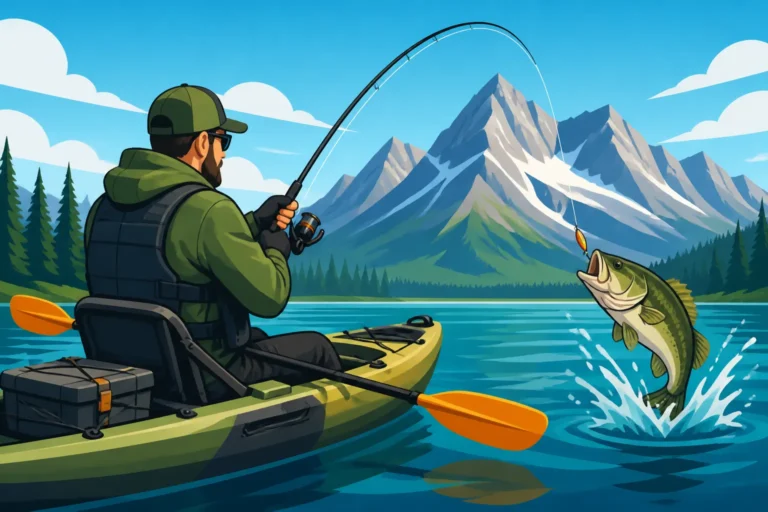
Do-It-Yourself (DIY): If you're an experienced angler, prefer solitude, or are on a budget, a DIY trip is completely feasible. However, it requires more preparation and local knowledge. You'll need to research access points, river conditions, and effective techniques. Wading anglers will be limited to public shore access points, which can be busy. If you plan to float the river, you'll need your own boat (drift boat, raft, or even a sturdy fishing kayak) and knowledge of put-in and take-out points. Keep in mind that many sections of the Bow have limited public access, with long stretches of private land. The "Blue Ribbon" stretch requires careful navigation, and having a second vehicle for shuttles is essential if floating. Planning for a DIY float trip means understanding the river's complexities, and knowing where you can and cannot access the water. For more general advice, you might want to look at a guide to the Best Fishing Rivers in Alberta to see how the Bow compares.
Access Points and Logistics
Whether you're wading or floating, knowing your access points is fundamental.
For Wading Anglers: Public access points along the Bow River are available, especially within Calgary's extensive park system (e.g., Fish Creek Provincial Park, Pearce Estate Park). Outside the city, access can be more challenging due to private land. Always look for designated public access signs or recreation areas. Never trespass on private property. Be mindful that even at public access points, popular spots can get crowded, especially on weekends. Parking can also be an issue, so plan accordingly.
For Floating Anglers: If you're floating the river, you'll need clear put-in and take-out points. Popular floating stretches often run from McKinnon Flats downstream to Policeman's Flats, or from Policeman's Flats down to Wyndham-Carseland Provincial Park. You'll need two vehicles for a shuttle, or you can arrange a shuttle service with a local outfitter (which is often a much more convenient option). Always check river conditions, including flow rates and potential hazards like submerged debris, before launching. High flows can make certain sections dangerous, especially for inexperienced boaters. Always remember that Alberta Boating Laws for Anglers apply, so ensure you have all required safety gear and a Pleasure Craft Operator Card.
Accommodation and Amenities: Depending on the length of your trip, you'll need to consider accommodation. Calgary offers a wide range of hotels and restaurants. Smaller towns along the river, like Chestermere or Carseland, might offer limited options. Ensure you have ample food, water, and appropriate clothing for unpredictable Alberta weather.
Local Fly Shops and Resources
Don't underestimate the wealth of knowledge available at local fly shops. These establishments are more than just places to buy gear; they are community hubs and invaluable resources.
Expert Advice: Local fly shop staff are often seasoned Bow River anglers themselves. They can provide up-to-the-minute information on river conditions, recent hatches, effective fly patterns, and where fish are being caught. They can also offer advice on specific techniques or sections of the river. Don't be shy; tell them what you're hoping to achieve, and they'll usually point you in the right direction.
Gear and Flies: Beyond advice, fly shops stock the specific gear and flies proven to work on the Bow River. While you can find general gear on platforms like Amazon, local shops curate their inventory based on what's effective in the local fishery. They often tie or carry locally tied patterns that are deadly on the Bow. This is especially true for specific hatches; they'll have the exact sizes and colors you need.
Guiding Services and Shuttles: Many fly shops also operate guiding services or can recommend reputable guides. They can also often arrange shuttle services for float trips, which simplifies logistics immensely. Some even offer casting clinics or workshops, which can be a great way to improve your skills. Supporting local fly shops helps keep these vital resources alive and thriving, benefiting the entire angling community. Always check in with a shop like Fish Tales Fly Shop or Country Pleasures Fly Shop in Calgary for the latest insights before your trip.
Disclaimer
Please remember that fishing regulations and conditions can change rapidly. Always consult the current Alberta Guide to Sportfishing Regulations and check local conditions before heading out on the water. Safety is paramount; be aware of weather, river currents, and wildlife. This guide is for informational purposes only and does not replace official regulations or professional advice.