How to Catch Walleye in Alberta
Ah, walleye! There's something undeniably captivating about chasing these delicious, elusive fish across Alberta's diverse waters. Many anglers, myself included, have spent countless hours on lakes and rivers, scratching their heads, wondering why the walleye just aren't biting. It can be incredibly frustrating to know these prized fish are down there, lurking in the depths, but simply refusing to cooperate. But don't you worry, because cracking the code of walleye fishing in Alberta is absolutely achievable. This comprehensive guide is designed to peel back the layers, demystify their habits, and equip you with the knowledge, gear, and techniques you need to consistently land more walleye in our beautiful province.
Understanding Alberta Walleye: Habits and Habitat
Before you can even think about what lure to tie on, you've got to get inside the head of a walleye. These fish aren't just random swimmers; they have predictable behaviors, preferred hangouts, and specific dietary needs that change with the seasons. Understanding these fundamental aspects is the bedrock of successful walleye fishing.
Where Walleye Live in Alberta Lakes and Rivers
Walleye are incredibly adaptable, thriving in a variety of aquatic environments across Alberta. From vast, sprawling lakes to winding prairie rivers, they've made themselves at home. But within these larger bodies of water, they're always looking for specific conditions.
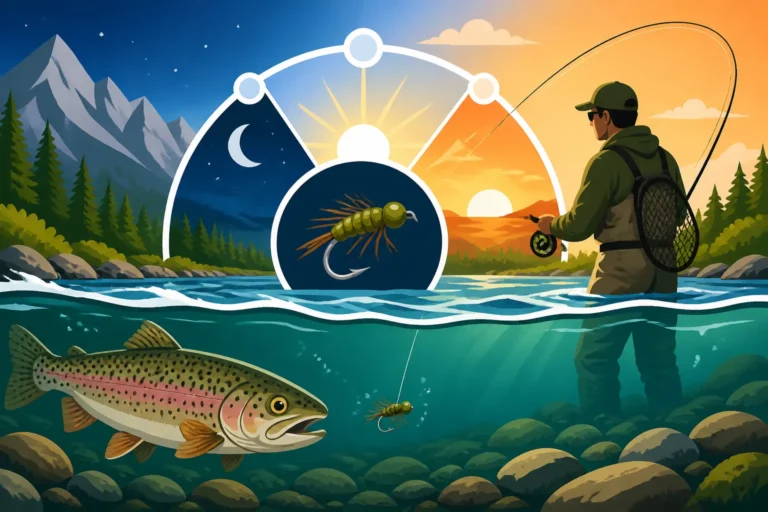
In lakes, you'll find walleye gravitating towards structure – anything that offers cover, ambush points, or concentrates baitfish. Think rocky points that extend into deeper water, submerged humps, weed lines (especially the edges where green weeds meet open water), and sharp drop-offs. These are highways and diners for walleye. For instance, on a massive body like Lesser Slave Lake, understanding the contours and identifying offshore reefs or transition areas between hard and soft bottom can be the difference between a slow day and a banner day. Walleye are often found relating to the bottom, but their exact depth will fluctuate depending on light conditions, water temperature, and where their food source is. During bright daylight, they'll typically retreat to deeper, darker water or thick cover, only to move shallower to feed during low light periods like dawn, dusk, or overcast days.
River walleye are a different beast altogether. They use current to their advantage, often staging in slack water areas adjacent to faster flows, like behind wing dams, large boulders, or in deep current seams. Confluence areas, where two rivers meet, are also prime spots because they concentrate baitfish and nutrients. The North Saskatchewan River, for example, has numerous bends and deeper holes where walleye will congregate. They're often found on the down current side of structures, waiting to ambush anything the current sweeps by. Unlike lake walleye that might roam more broadly, river walleye are usually holding tight to specific current breaks or depth changes.
Walleye Behavior Through the Seasons
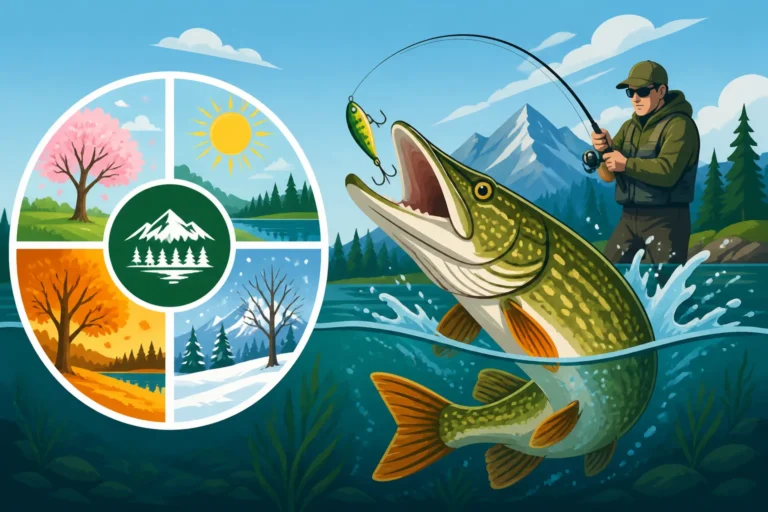
A walleye's personality and location shift dramatically with the changing seasons, driven primarily by spawning instincts, water temperature, and food availability. This seasonal variability is why a tactic that crushed them in May might not get a single bite in August.
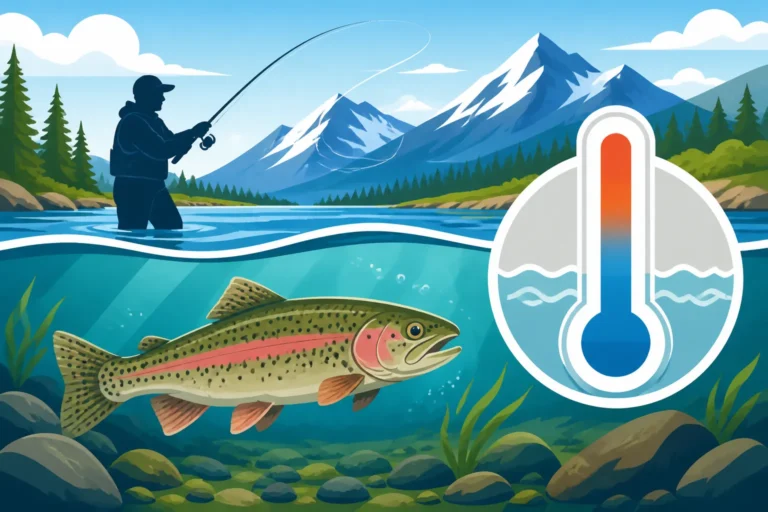
In spring, immediately after ice-out, walleye are in pre-spawn mode. They'll stage near traditional spawning grounds, often shallower rocky areas or river sections with good current. As the water warms, usually when it hits 40-50°F (4-10°C), they move to spawn. During this time, they can be finicky. Post-spawn, usually mid to late spring, they're hungry and aggressive, moving into shallower feeding flats to gorge themselves after the rigors of spawning. This can be one of the best times to target them.
Summer sees walleye moving to deeper, cooler water, especially during the heat of the day. They'll relate to the thermocline (the layer in the lake where warm surface water meets cooler deep water), deep structure, or dense weed beds that offer shade and oxygen. Low-light periods become crucial, as they'll move shallower to feed under the cover of darkness. This is when Night Fishing for Walleye in Alberta can be incredibly productive. As the water temperatures climb, these fish become more lethargic in direct sunlight, preferring the comfort of the deep.
As fall progresses and water temperatures begin to drop, walleye enter a major feeding frenzy. They sense the impending winter and actively pack on calories. They'll often move back into shallower areas, especially rocky main lake points and flats, chasing schools of baitfish. This period, from late September through October, can offer some of the most consistent and exciting walleye fishing of the year. They're aggressive and willing to chase larger baits.
Winter brings a whole new challenge with ice fishing. Walleye move to deeper basin areas, often congregating in large schools over mud flats, humps, or deep points. Their metabolism slows, making them less active, but they still need to feed. The bites can be subtle, requiring patience and finesse. Knowing the seasonal patterns for walleye is as important as knowing where to find them, and for a broader look at how the year unfolds, check out our guide on Alberta Fishing Seasons by Zone and Month.
Walleye Diet and Forage
Walleye are primarily piscivorous, meaning they eat other fish, but they're also opportunistic feeders. Their diet heavily influences what lures and baits will be most effective. Understanding what they're munching on in a specific body of water is a huge advantage.
Their main food sources in Alberta waters often include yellow perch, cisco (lake herring), minnows, and shiners. In some lakes, insects, leeches, and even crayfish can make up a significant portion of their diet, especially for smaller walleye or when preferred baitfish are scarce. For instance, in areas where perch are abundant, walleye will almost exclusively key in on them. This means using lures that imitate perch in size, shape, and color can be incredibly effective. If a lake is rich in cisco, longer, slender baits like crankbaits or swimbaits that mimic these baitfish will often out-produce other presentations.
Walleye have excellent low-light vision, which gives them an edge when hunting. Their eyes are specially adapted to gather light, making them proficient predators at dawn, dusk, cloudy days, or in deeper, darker water. This means matching the hatch, so to speak, not just in terms of species but also in how the bait moves and reflects light, is critical. Sometimes, a subtle flutter of a jig will seal the deal, while other times a hard-thumping crankbait that displaces a lot of water is what gets their attention.
Essential Gear for Alberta Walleye Anglers
Having the right tools for the job is non-negotiable when you're targeting walleye. While you don't need to break the bank, investing in quality gear tailored to walleye fishing will significantly improve your experience and success rate.
Rods and Reels for Walleye
When it comes to walleye rods, sensitivity is paramount. Walleye often have a subtle bite, feeling more like a slight weight or a "thump" than a violent strike. A good walleye rod will transmit these subtle signals directly to your hand.
Most walleye anglers opt for spinning setups, especially for jigging and lighter presentations. A medium-light to medium power rod, typically 6'6" to 7'6" in length, with a fast or extra-fast action, is ideal. The fast action means the rod bends mostly in the tip, giving you that crucial sensitivity for detecting bites and setting the hook quickly. For example, a 7-foot medium-fast spinning rod paired with a 2500-series reel is a versatile setup for casting jigs, throwing light crankbaits, or even drifting live bait. Brands like St. Croix, Fenwick, or Shimano make excellent walleye-specific rods that you can often find readily available on Amazon.
Baitcasting setups have their place too, particularly for heavier presentations like trolling larger crankbaits or using heavy bottom bouncers in deeper water. A medium to medium-heavy power baitcasting rod, around 6'6" to 7'6", with a moderate-fast action, provides the backbone needed for these applications. The longer handle on many baitcasting rods also provides extra leverage for fighting bigger fish or for the consistent retrieve needed in trolling. The reel's gear ratio also matters; a higher ratio is great for quickly taking up slack, while a lower ratio provides more torque for battling stubborn fish or deep-running lures.
Line, Leaders, and Terminal Tackle
Your line choice is as critical as your rod. Many walleye anglers swear by braided line as their main line due to its incredible sensitivity, zero stretch, and strength-to-diameter ratio. A common setup involves 10-20 lb braided line, which allows you to feel even the most delicate tap. However, braid's visibility can be an issue in clear water, so it's almost always paired with a fluorocarbon leader.
Fluorocarbon leaders, typically 6-10 lb test, are practically invisible underwater, making them perfect for stealthy presentations. They also offer excellent abrasion resistance, which is handy when fishing around rocks or zebra mussels. The length of your leader can vary, from a couple of feet for jigging to 6-8 feet for trolling crankbaits. Monofilament line still has its place, especially for techniques where some stretch is desirable, like trolling with snap weights or for specific live bait rigs where you want a bit more give.
Terminal tackle includes everything from hooks to swivels. When using live bait, razor-sharp hooks are essential. Octopus style hooks, in sizes #4 to #1/0, are popular for minnows or leeches. For jigs, quality jig heads with stout, sharp hooks are a must. Ball head, stand-up, or banana-shaped jig heads all have their specific applications. Swivels, particularly barrel or ball-bearing swivels, are important for preventing line twist, especially when using spinner rigs or trolling lures that spin. Don't cheap out on these small components; a dull hook or a faulty swivel can cost you a prized walleye.
Must-Have Walleye Baits and Lures
This is where the fun begins! Walleye anglers have an arsenal of baits and lures, each designed for specific conditions and presentations.
Jigs: These are arguably the most versatile walleye lure. Tipped with soft plastics (like a Berkley Gulp! Minnow, PowerBait grub, or a simple plastic minnow imitation), live minnows, or leeches, jigs can be worked effectively year-round. Jig heads come in various weights (from 1/8 oz to 1 oz or more) and colors, allowing you to match depth and forage. Bucktail jigs, often tipped with a minnow, are also deadly, especially in current. You can find an extensive selection of these and other specialty baits on platforms like Amazon.
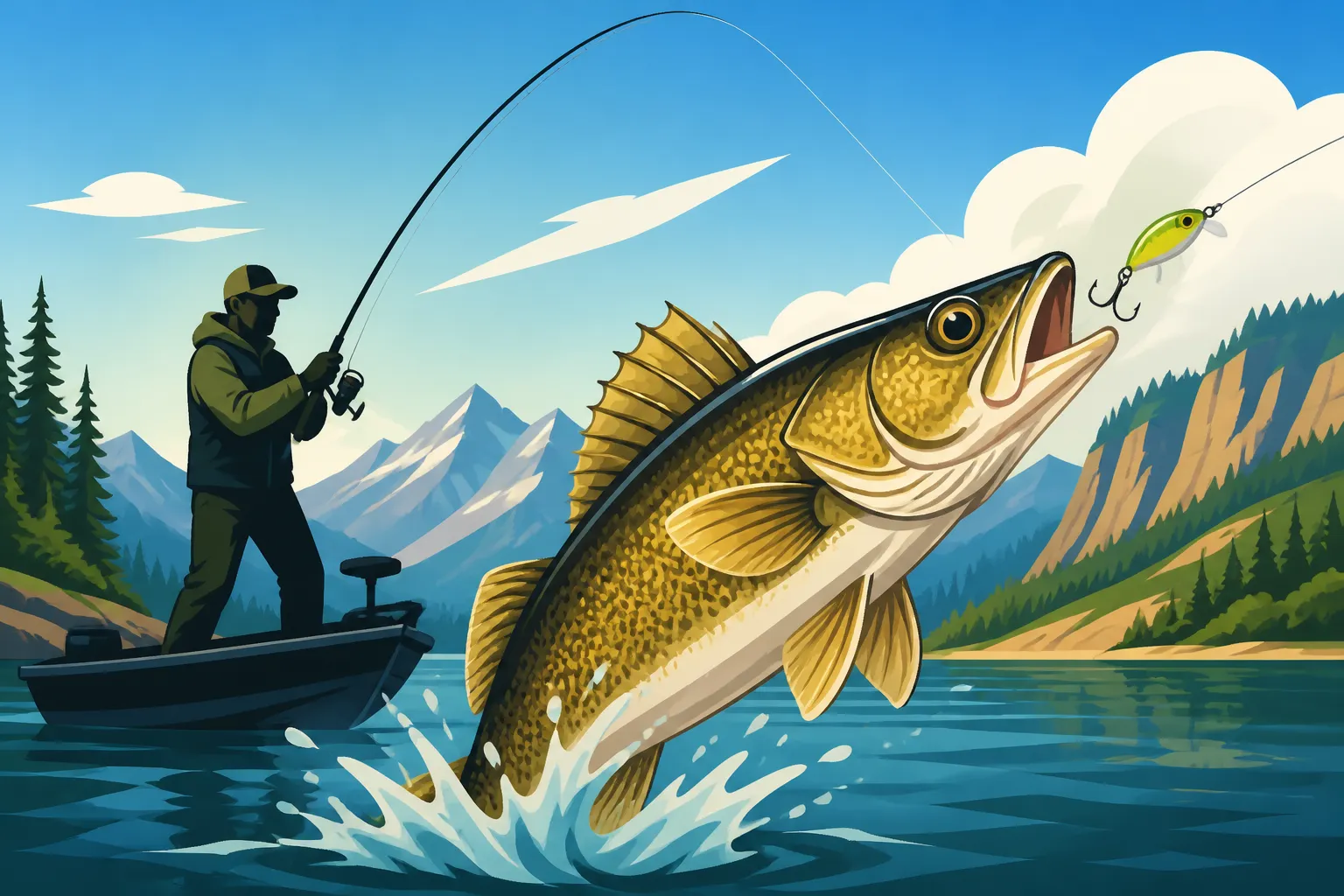
Crankbaits: These lures are fantastic for covering water, whether casting from shore or trolling from a boat. They come in many styles: shallow divers, medium divers, deep divers, and floating/suspending models. Popular crankbait brands for walleye include Rapala, Berkley, and Salmo. Matching the crankbait's size and color to the local forage is key. For instance, in lakes with a lot of perch, a perch-patterned crankbait can be incredibly effective. They're especially great for trolling, and often, the right crankbait will outfish other presentations when walleye are spread out.
Spinner Rigs/Crawler Harnesses: These are typically used with live bait, primarily nightcrawlers. A spinner rig consists of a blade (Colorado, Indiana, or willowleaf), some beads, and two hooks snelled in tandem. They're incredibly effective when trolled slowly behind a bottom bouncer or drift-fished. The flash and vibration of the blade, combined with the scent and action of a live crawler, is often irresistible to walleye.
Swimbaits: Soft plastic swimbaits, either paddle tail or boot tail, rigged on a weighted swimbait hook or a jig head, are becoming increasingly popular. They imitate baitfish beautifully and can be retrieved steadily, jigged, or even trolled. These are particularly effective when walleye are actively chasing larger forage.
Choosing the right lure is often a matter of experimenting, but starting with these categories will put you in a strong position.
| Lure Type | Best Use Case | Retrieve Style | Seasonal Effectiveness | Common Depths |
|---|---|---|---|---|
| Jigs | Versatile, bottom contact, subtle bites | Vertical, pitching, snap, dragging | All seasons, especially Spring/Ice | 5-40+ feet |
| Crankbaits | Covering water, actively feeding fish, trolling | Steady retrieve, troll | Spring, Summer, Fall | 5-30+ feet |
| Spinner Rigs | Live bait presentations, slow troll/drift | Slow troll, drift with bottom bouncer | Summer, Fall | 10-35 feet |
| Soft Swimbaits | Baitfish imitation, active fish | Steady retrieve, jigging, rip-pause | Summer, Fall | 5-25 feet |
| Blade Baits | Vertical jigging, deep water, ice fishing | Lift-drop, snap-fall, vibrating retrieve | Fall, Winter, deep Summer | 15-50+ feet |
Mastering Walleye Techniques for Success
Knowing the right gear is only half the battle; knowing how to use it effectively is the true key to consistently catching walleye. Different conditions and locations call for different presentations.
Jigging Techniques
Jigging is perhaps the most fundamental and versatile walleye fishing technique. It's about presenting a lure in a way that mimics a wounded baitfish or a crawling invertebrate, often right on or near the bottom where walleye feed.
Vertical Jigging is most effective when you're directly over fish, whether you've spotted them on your fish finder or you're fishing a known hotspot. The idea is to drop your jig straight down, maintaining constant contact with the bottom. You lift the rod tip 6-12 inches, then let the jig fall back down on a semi-slack line, feeling for that subtle thump or unexpected weight that indicates a bite. This works exceptionally well in deeper water or when fishing through the ice. A common mistake is to over-jig; often, a more subtle lift-and-drop, or even just deadsticking (holding the jig perfectly still) can be deadly.
Pitch Jigging involves casting your jig out and retrieving it back, making bottom contact throughout. This is excellent for covering shallow flats, weed edges, or river current breaks. After casting, let the jig sink to the bottom. Then, with a series of short lifts of the rod tip, hop or drag the jig along. Pay close attention to your line as the jig falls; many strikes happen on the drop. This technique is fantastic for covering ground when walleye are more spread out or when you're targeting specific structures that are too shallow for vertical jigging.
Snap Jigging is a more aggressive presentation, often used to trigger reaction bites from active walleye. Instead of a gentle lift, you use a sharp, quick snap of the rod tip to make the jig dart upwards, then let it fall quickly. This erratic action can be irresistible to walleye, especially when they're chasing baitfish. It's particularly effective in fall when walleye are aggressively feeding. Whether you're vertical jigging, pitch jigging, or snap jigging, feeling the bite takes practice. It's rarely a violent tug; instead, it's often a subtle change in pressure, a light tap, or a sudden heaviness on the line.
Trolling for Walleye
Trolling is an incredibly efficient way to cover large expanses of water and present lures to widely scattered fish, especially in large lakes like Lesser Slave Lake. It allows you to maintain your bait at a consistent depth and speed, which can be crucial for enticing strikes.
The most common trolling methods involve crankbaits or spinner rigs behind bottom bouncers. When trolling crankbaits, the depth of your lure is determined by its lip design, the amount of line out, line diameter, and trolling speed. Using a line counter reel is immensely helpful for replicating successful presentations. Troll in an S-pattern rather than a straight line; the outside turn speeds up your lure, and the inside turn slows it down, often triggering strikes as the bait changes action. For a related challenge, understanding How deep to troll for lake trout on Cold Lake provides similar insights into achieving precise depth control with your lures.
Spinner rigs, often tipped with a nightcrawler or a minnow, are usually trolled slower than crankbaits, often at 0.8 to 1.5 mph. They're typically fished with bottom bouncers, which keep your bait just off the lakebed, minimizing snags while maintaining depth. The weight of your bottom bouncer (e.g., 1-3 oz) depends on your trolling speed and depth. Fan casting multiple rods with different lures and depths can help you quickly identify the day's pattern. Pay attention to your electronics to identify baitfish schools or structural changes, and always be ready to make adjustments to your speed or direction based on bites.
Casting and Drifting Strategies
While jigging and trolling are staples, casting and drifting techniques offer additional versatility, particularly when targeting specific features or fishing in river environments.
Casting is your go-to when you're working visible structure, like rocky shorelines, prominent points, or specific weed beds. Cast crankbaits, swimbaits, or even heavy jigs to these areas. The retrieve can vary: a steady retrieve for crankbaits, a stop-and-go for swimbaits, or a twitch-pause for jerkbaits. This allows you to meticulously work smaller, high-percentage areas. Early morning or late evening often sees walleye moving shallow, making casting from shore or from a boat positioned a short distance out extremely effective.
Drifting is a fantastic way to fish larger areas, especially in windy conditions or in rivers where the current does the work for you. In lakes, let the wind push your boat across flats, humps, or along drop-offs, dragging live bait rigs (like slip bobbers with leeches or minnows) or bottom bouncers with spinner rigs. In rivers, letting the current carry your boat or simply walking along the bank and casting a weighted jig-and-minnow downstream can be incredibly productive. The key to successful drifting is to maintain a natural presentation, allowing your bait to move freely with the water, mimicking natural forage. Adjust your weight or float size to ensure your bait is at the right depth and speed for the conditions.
Seasonal Walleye Fishing Strategies
Mastering the seasonal movements of walleye is crucial for consistent success. Each season presents unique opportunities and challenges that require specific approaches.
Spring Walleye Hot Spots and Tactics
Spring is a time of transition and renewed activity for walleye. Immediately after ice-out, pre-spawn walleye will stage in relatively shallow areas, often around rocky reefs, current breaks in rivers, or shallow bays that warm up quickly. They're gathering energy for the spawn, but can be somewhat sluggish.
Once spawning is complete, usually when water temperatures reach the low 50s Fahrenheit, walleye move into a post-spawn recovery phase. This is when they become incredibly hungry and aggressive, often moving onto shallow feeding flats, rocky points, and weed lines to gorge themselves. These areas are typically 8-20 feet deep, rich in baitfish. Slow presentations are often key during this cooler water period. Jigging with soft plastics or live minnows, slowly retrieved or dragged along the bottom, can be deadly. Shallow-running crankbaits can also be very effective for covering water and triggering strikes from active fish. For similar cold-water strategies, you might find our guide on Best Techniques for Early Spring Pike helpful, as many cold-water tactics overlap between these predatory species.
Summer Walleye Patterns
As summer progresses and water temperatures rise, walleye typically move to deeper, cooler, and more oxygenated water. They'll often relate to the thermocline, which is the layer in the lake where water temperature changes rapidly. This is where baitfish often congregate, providing a buffet for walleye.
Look for walleye around deep structure: submerged humps, offshore reefs, rock piles, deep weed lines, or main lake points that drop off into significant depth. During the brightest parts of the day, walleye might be as deep as 30-40 feet or more. Trolling deep-diving crankbaits or bottom bouncers with spinner rigs is very effective for covering these vast deep-water expanses. When fishing specific structures, vertical jigging with live bait or plastics can produce. Early morning, late evening, and overcast days will see walleye move shallower to feed, often into 10-20 feet of water. This is when casting can become effective, and many anglers discover the immense potential of Night Fishing for Walleye in Alberta during these warmer months.
Fall Feeding Frenzy Tactics
Fall is a prime time for trophy walleye. As water temperatures cool down, walleye embark on a major feeding binge, packing on fat reserves for the long winter ahead. Their metabolism is high, and they become incredibly aggressive.
They will often move back into shallower water, especially around rocky points, main lake shorelines, and expansive flats in 10-25 feet of water. Baitfish schools also become more concentrated as the water cools, drawing walleye into predictable patterns. Larger lures often work best now, as walleye are looking for substantial meals. Trolling magnum crankbaits, casting large swimbaits, or aggressive snap jigging with heavy jigs and big plastics can all be very productive. Don't be afraid to experiment with faster retrieves and more erratic actions. This is often when you'll encounter some of the biggest walleye of the year. To pinpoint the most opportune times, refer to our detailed breakdown on the Best months to catch walleye in Alberta.
Ice Fishing for Walleye
When the lakes freeze over, the chase for walleye continues, albeit with a different set of strategies. Ice Fishing in Alberta is a popular pastime, and walleye are a top target through the hard water.
Walleye typically move to deeper basin areas in winter, often congregating over mud flats, deep points, or humps in 20-50 feet of water. They form schools, and once you find one, you can often catch several fish from the same hole. Electronics, like a flasher or a portable fish finder, are invaluable for locating fish and understanding their behavior. Common tactics include vertical jigging with spoons (like Northland Buck-Shot Rattle Spoon or Williams Wabler) tipped with a minnow head or a minnow tail. Deadsticking a live minnow on a plain hook a foot or two off the bottom in an adjacent hole can also be incredibly effective, often triggering bites from less active fish. Fish tend to bite best during low-light periods (dawn and dusk) and often during the midday "prime time" if there's sufficient cloud cover or heavy snowfall. Your retrieve should generally be slower and more subtle than open water jigging, reflecting their slower winter metabolism.
Navigating Alberta's Walleye Regulations and Conservation
Responsible angling is paramount, especially when it comes to a highly sought-after species like walleye. Alberta has specific regulations designed to manage walleye populations and ensure their sustainability. Ignoring these rules can lead to heavy fines and jeopardize the future of walleye fishing.
Understanding Walleye Limits and Special Harvest Licenses
Alberta's fishing regulations are dynamic, constantly adapting to population assessments and conservation goals. This is particularly true for walleye, which have faced significant pressures in some lakes. It's not uncommon for lakes to have varying daily possession limits, size restrictions (e.g., slot limits), or even specific "no retention" periods.
The province also implements a crucial Alberta Walleye Special Harvest Licence Program. This program allows for a limited harvest of walleye in specific lakes that have shown sufficient population recovery, but only through a draw system. This means you cannot simply decide to keep a walleye from a designated Special Harvest Lake; you must first apply for and be drawn for a license. The draw ensures that only a sustainable number of fish are removed, aiding in the continued recovery of these precious stocks. Always check the current Alberta Guide to Sportfishing Regulations for the specific zone and water body you plan to fish, as rules can change annually and vary wildly from one lake to another. This is where a general understanding of Alberta Fishing Regulations Explained becomes indispensable.
Catch and Release Best Practices
Even if you have a Special Harvest License, practicing responsible catch and release is vital, especially for fish outside the slot limit or if you simply choose to release your catch. Walleye are relatively hardy, but improper handling can still lead to post-release mortality.
Minimize Fight Time: Bring the fish in as quickly as possible to reduce exhaustion.
Use Appropriate Gear: Ensure your rod and line are heavy enough to land the fish without an excessively long fight.
Avoid Direct Contact with Dry Hands: Wet your hands before handling the fish to protect its slime coat, which is crucial for its health and disease resistance.
Support the Fish: Hold the fish horizontally, supporting its belly, especially if it's a larger walleye. Never hold a walleye vertically by the jaw alone, as this can damage its internal organs.
Quick Hook Removal: Use needle-nose pliers or a de-hooking tool to remove the hook quickly. If the fish is deeply hooked, especially in the gills, it might be best to cut the line as close to the hook as possible rather than trying to remove it, as this can cause more harm. Barbless hooks also make release much easier and less damaging.
Revive if Necessary: If the fish seems sluggish, gently hold it upright in the water, facing into the current (if in a river) or moving it back and forth (if in a lake) until it regains its strength and can swim away on its own.
Reading the Alberta Guide to Sportfishing Regulations
This cannot be stressed enough: the Alberta Guide to Sportfishing Regulations is your bible. It’s freely available online through the MyWildAlberta portal and at most tackle shops and license vendors. Relying on outdated information or hearsay is a recipe for trouble.
The guide is organized by fishing zones and then by specific lakes and rivers within those zones. It details season dates, bag and possession limits for each species, tackle restrictions (e.g., single barbless hooks only on some trout streams), and any special conditions that apply to particular waters. For example, some lakes might be designated "catch and release only" for walleye, while others might allow a specific slot size for retention. It will also outline what a Alberta WIN Card, Explained is and why you need it before purchasing a license. Always make it a habit to check the current year's regulations before every fishing trip, as rules are subject to change annually based on conservation efforts and species management. Ignorance of the law is not an excuse, and fisheries officers are diligent in enforcing these critical regulations.
Top Alberta Walleye Destinations
Alberta is blessed with numerous fantastic walleye fisheries, offering opportunities for anglers of all skill levels. While regulations might dictate what you can keep, the thrill of the chase and the fight of a walleye are always on the table.
Renowned Walleye Lakes
When you think of walleye fishing in Alberta, certain lakes immediately come to mind due to their consistent productivity and reputation for producing large fish.
Lesser Slave Lake stands out as Alberta's largest fishing lake and a premier walleye destination. It's renowned for its incredible walleye population, which has seen a significant recovery thanks to careful management. Anglers here often employ trolling with crankbaits or bottom bouncers with spinner rigs, covering vast areas of flats and breaklines. During low light, shallow rocky points become hotbeds of activity. Understanding the nuances of this massive lake is key, which is why we have a dedicated guide on Lesser Slave Lake Walleye Fishing.
Lac La Biche is another fantastic walleye lake, offering a mix of size and numbers. It has varied structure, including deep basins, weed beds, and rocky reefs. Jigging with live bait or plastics, as well as trolling, are popular methods here. The lake is generally shallower than some of the mountain lakes, meaning walleye patterns can shift more quickly with weather changes.
Pigeon Lake and Gull Lake, both near Edmonton, are also popular choices. They are generally shallower lakes with abundant weed growth and mud flats, making them ideal habitats for walleye and their forage. Jigging the weed edges, trolling shallow-running crankbaits, or using slip bobbers with leeches can be very effective, especially during low light hours. These lakes often offer more accessible fishing, making them great choices for a day trip. For a broader overview of the best spots, check out our guide on the Best Walleye Lakes in Alberta.
Productive Walleye Rivers
While lakes often get the spotlight, Alberta's rivers offer some excellent walleye fishing, particularly for those who enjoy the challenge of current and dynamic environments.
The North Saskatchewan River is a fantastic walleye fishery, winding its way through Edmonton and beyond. Walleye here relate heavily to current breaks, deep holes, and submerged structure like fallen trees or bridge pilings. Pitching jigs tipped with minnows or soft plastics into current seams, or drifting live bait rigs along the bottom, are productive methods. Access points are plentiful, making it a popular choice for urban anglers.
The Battle River and Pembina River are also known for their walleye populations. These smaller rivers offer a more intimate fishing experience. Walleye in these systems will hold in deeper pools, undercut banks, and around any snags or rocks that break the current. Light jigs, small crankbaits, and even simple live bait rigs (like a worm on a plain hook with a split shot) can be effective. Our guide specifically detailing Pembina River Walleye Fishing offers targeted advice for that excellent waterway. Fishing these rivers often involves a bit more exploring and hiking to find those secluded, productive bends.
Lesser-Known Gems
Beyond the marquee destinations, Alberta has countless smaller lakes and reservoirs that hold healthy walleye populations, often offering less pressured fishing. These might not produce trophy-sized fish as regularly as Lesser Slave Lake, but they can provide consistent action and a more peaceful experience.
These smaller fisheries often require a bit more research and local knowledge. They might be stocked lakes, or natural lakes with specific seasonal patterns that aren't widely publicized. Examples might include some of the smaller reservoirs in southern Alberta or lesser-known lakes in the central part of the province. Tactics here often involve scaled-down versions of lake fishing – smaller jigs, shallower presentations, and paying close attention to contours and weed lines. Always consult the provincial fishing regulations for any water body you plan to fish, as rules can vary greatly. Exploring these hidden gems can be incredibly rewarding, offering a sense of discovery along with the thrill of the catch.
Disclaimer
Fishing regulations, season dates, and limits are subject to change at any time. It is the responsibility of the angler to consult the current Alberta Guide to Sportfishing Regulations before heading out on the water. This guide is for informational purposes only and should not be considered a substitute for the official provincial regulations.