Best technique for sight fishing trout on the Bow River
There’s nothing quite like the thrill of spotting a wild trout in the clear, pristine waters of the Bow River, anticipating its next move, and then making the perfect cast. However, this magical experience often comes with its own set of challenges. Glare, fickle feeding patterns, and the sheer stealth required can make sight fishing for Bow River trout feel like an impossible puzzle. This guide will walk you through the precise techniques, essential gear, and insightful strategies you need to elevate your sight fishing game and truly connect with these magnificent fish.
Understanding the Bow River's Unique Challenges for Sight Fishing
The Bow River is renowned worldwide for its incredible trout fishery, but its very nature presents distinct obstacles for anglers hoping to spot and stalk fish. It's not just a matter of clear water; there are layers of complexity that make sight fishing here a truly advanced skill.
Water Clarity and Depth Variations
While generally clear, the Bow River's water clarity can fluctuate significantly based on recent rainfall, snowmelt, and even the time of day. A slight murkiness can drastically reduce your ability to see fish, turning what was a sight-fishing opportunity into a blind-casting endeavor. Furthermore, the river features a diverse range of depths, from shallow riffles where trout might be visible against the bottom, to deep, dark pools where fish disappear into the shadows. You might be able to spot a brown trout holding in a shallow seam near the bank, only to lose sight of it completely as it drifts into the deeper main current. This constantly changing visual environment demands adaptability and a keen eye to even begin to locate your quarry. Understanding the subtle shifts in water depth and how light penetrates these different zones is crucial for predicting where a fish might be visible.
The Bow's Abundant Insect Life
The sheer abundance and variety of insect life on the Bow River, from prolific mayfly hatches to caddis and stoneflies, are a blessing for the trout but can be a visual distraction for the angler. When a major hatch is on, the surface can be covered with emerging insects, creating a kaleidoscope of movement that makes it incredibly difficult to discern a feeding trout from floating debris. Even below the surface, clouds of nymphs can obscure your view. Trout often become highly selective during these times, focusing on a specific insect stage or size. If you're trying to sight fish in a dense hatch, you're not just looking for a fish; you're looking for a fish that's actively feeding on a specific bug among thousands, and that can make spotting their subtle rises or subsurface movements incredibly tricky. It's a testament to the river's richness, but also a test of an angler's focus.
Spooky Trout Behavior
Bow River trout, especially the larger, more experienced ones, are incredibly wary. They face constant angling pressure and are highly attuned to their environment. A misplaced shadow, a heavy step on the bank, or an errant line slap on the water can send them bolting for cover, often taking an entire pod of fish with them. This "spookiness" is amplified when you're trying to get close enough to sight fish. You need to approach them with the stealth of a predator stalking its prey, recognizing that even a slight silhouette against the skyline or an unnatural movement can give you away. These fish have learned to associate certain movements or disturbances with danger, making a careful, deliberate approach paramount. Trying to spot these fish before they spot you is the ultimate challenge and often the difference between a successful hook-up and an empty net.
Essential Gear for Successful Bow River Sight Fishing
Having the right tools isn't just about comfort; it's about maximizing your ability to see fish, make precise presentations, and handle the unique conditions of the Bow River. Without the correct gear, you're essentially handicapping your sight fishing efforts before you even make a cast.
Polarized Sunglasses and Vision Aids
This is, without a doubt, the most critical piece of equipment for any sight fisherman on the Bow. High-quality polarized sunglasses are not a luxury; they are an absolute necessity. They cut through the surface glare, allowing your eyes to penetrate the water and reveal the fish, the structure they're holding near, and even the subtle movements of insects. Amber, copper, or brown lens tints are generally preferred for river fishing as they enhance contrast and work well in varying light conditions, from bright sun to overcast skies. Don't skimp on these! Investing in a good pair, perhaps from a reputable brand you can find on Amazon, will pay dividends. Many anglers also find that a brimmed hat helps reduce overhead glare, further improving visibility. Some even use clip-on magnifying lenses or reading glasses under their sunglasses for those super-close, super-picky situations where tying on a tiny fly or observing a subtle rise becomes paramount. You might also want to check out our guide on the best polarized sunglasses for sight fishing clear water to get an even deeper dive.
Rod, Reel, and Line Considerations
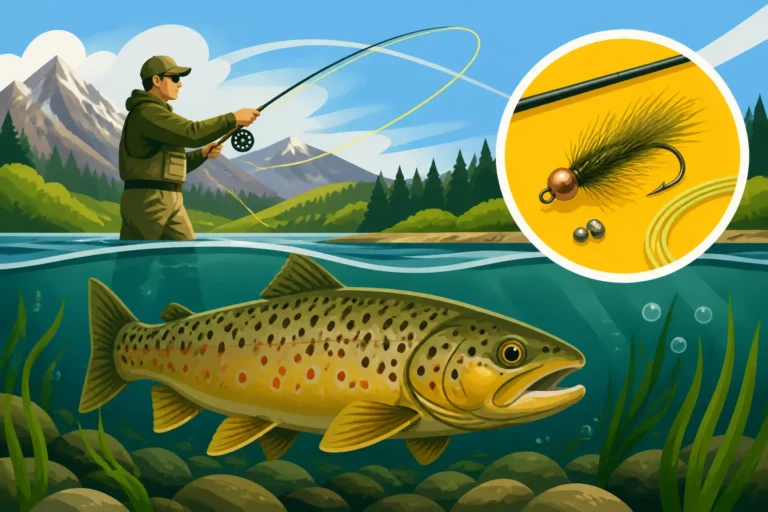
For sight fishing on the Bow, precision and delicate presentation are far more important than brute force. A medium-fast action fly rod in a 4-weight or 5-weight is typically ideal, offering the sensitivity to feel subtle takes and the finesse to present small flies accurately. A longer rod, perhaps 9 to 10 feet, can provide better line control and allow for longer, more delicate drifts, which is critical when targeting specific fish. The reel should be lightweight and balanced with the rod, primarily serving as storage for your line, though a smooth drag is always a plus for those bigger Bow River rainbows. When it comes to line, a weight-forward floating line with a subtle taper is standard. Your leader and tippet choices are paramount: a long, fine leader (9-12 feet, tapering to 5X or 6X tippet) is essential for stealth. This fine diameter helps present the fly naturally and minimizes the chances of spooking the fish with a heavy line crash. Understanding your gear setup is key to executing the Fly Fishing for Trout on the Bow River techniques effectively.
Wading Gear for Stealth and Safety
Wading is an integral part of Bow River fishing, particularly for sight fishing, as it allows you to get into prime casting positions and approach fish discreetly. Breathable chest waders are essential year-round, offering protection from cold water and allowing for comfort on warmer days. Durability is key, as you'll be navigating rocky riverbeds. Paired with sturdy wading boots that offer excellent grip – either felt or rubber soles with studs – you'll maintain stability and reduce your chances of slipping. Remember, stealth means quiet movement, so careful foot placement is crucial. A good wading staff, which you can easily purchase online through retailers like Amazon, is highly recommended for added balance and probing deeper water, especially when you're focused on spotting fish and not always looking down at your feet. Being well-equipped with the right wading gear ensures not only your safety but also your ability to move silently and efficiently without disturbing the fish. For more detailed information on selecting the right gear, consider reading our guide on the Best Waders for Alberta Trout Rivers.
Advanced Sight Fishing Techniques on the Bow River
Once you have your gear in order, it's time to delve into the nuanced techniques that separate successful sight anglers from those who merely cast blindly. Sight fishing is as much about observation and patience as it is about casting.
Reading the Water and Identifying Holding Lies
Before you even think about casting, spend time observing the water. Look for seams where faster current meets slower water, eddies, current breaks behind rocks or submerged logs, and subtle changes in depth. These are prime holding lies where trout conserve energy and wait for food to drift by. Pay close attention to subtle movements: a flash of silver, a dark shadow, or the slight opening and closing of a fish's mouth as it sips an insect. Often, you'll see the effect of a fish before you see the fish itself – a slight disturbance on the surface, a sudden dart, or even a ripple indicating a rise. Look for tell-tale signs of feeding activity, such as rising fish, even if you can't see the trout directly. Over time, you'll develop an intuition for where fish are likely to be. Remember, the fish are almost always facing upstream, into the current, waiting for their meal.
Approach, Presentation, and Drift Control
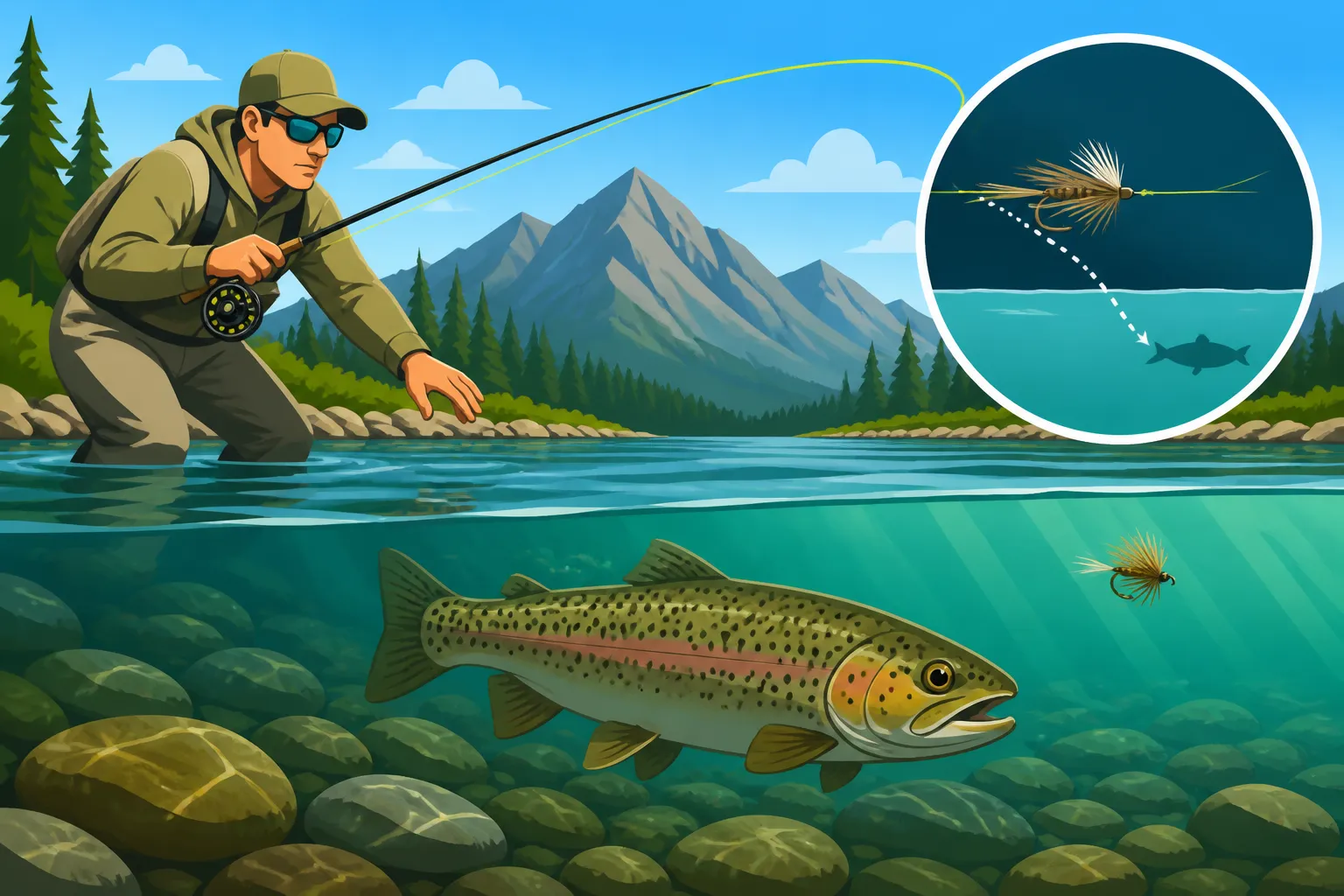
Your approach is paramount. Move slowly and deliberately, always trying to stay low and use bankside vegetation or terrain to break up your silhouette. Avoid casting a shadow over the water where you expect fish to be. Once you've spotted a fish, take a moment to assess its feeding rhythm and the exact current lines that will carry your fly to it. Your cast needs to be accurate, landing the fly gently a few feet upstream of the fish, allowing it to drift naturally into its feeding lane. This requires precise presentation and delicate drift control. Mend your line upstream to avoid drag, which will immediately alert the trout to the unnatural movement of your fly. A perfectly executed, drag-free drift is arguably more important than the fly pattern itself when sight fishing a wary Bow River trout. Aim for a trajectory that allows the fly to enter the trout's feeding zone as subtly as possible, without any unnatural splash or disturbance.
Dealing with Wind and Sun Angles
Wind and sun can be both a blessing and a curse for sight fishing. A slight breeze can ruffle the water's surface, breaking up your outline and making you less visible to the fish, but strong winds can make casting accurately incredibly difficult and create too much surface chop, obscuring your view. Practice casting in windy conditions to maintain accuracy and develop a low, tight loop that can punch through the gusts. The sun's angle is equally critical. Ideally, you want the sun at your back or to your side, illuminating the water and helping your polarized lenses cut through the glare. Fishing directly into the sun is almost impossible for sight fishing. Plan your approach to keep the sun to your advantage, or be prepared to adjust your position significantly throughout the day. Sometimes, even waiting a half hour for the sun to shift can dramatically improve your visibility. This constant adaptation to environmental factors is a hallmark of truly effective sight fishing.
Fly Selection and Imitation for Sight Fishing
While a perfect drift is often key, having a fly that closely matches what the trout are feeding on is the other half of the equation, especially when they are being selective.
Matching the Hatch on the Surface
When Bow River trout are rising, they are often incredibly selective about what they will eat. Your job, when sight fishing, is to observe the insects on the water's surface, in the air, and even clinging to streamside vegetation. Are they small, dark mayflies? Larger, pale caddis? Pay attention to the size, shape, and color of the natural insects. Then, select a dry fly from your Fly Patterns for the Bow River box that closely imitates that specific insect. A precise match is often crucial. Observe how the natural insects drift on the water – do they float high, or do they sit flush with the surface film? Does your imitation do the same? The beauty of sight fishing a rising fish is that you can often see it accept or reject your offering, giving you immediate feedback on your fly choice. If they refuse it, it’s time to change the pattern or size until you find something they deem acceptable.
Subsurface Nymphing and Streamer Tactics
Not all trout feed on the surface, even during a hatch. Many larger, more opportunistic fish will remain deep, feeding on nymphs, larvae, or baitfish. When sight fishing subsurface, you'll be looking for subtle indicators: a flash as a fish turns to intercept a nymph, a momentary pause in its drift, or a slow, deliberate mouth movement. For nymphing, choose patterns that mimic the predominant subsurface insects, like pheasant tails, hare's ears, or various stonefly imitations. Using a strike indicator can help detect takes you might not see directly, especially if the fish is deep. For more aggressive trout, or when targeting larger brown trout, streamers can be incredibly effective. Cast a small, baitfish-imitating streamer ahead of a spotted fish and strip it past them. Watch for their reaction – a dart, a follow, or a sudden lunge. This method requires a more active presentation but can be exhilarating when a big fish commits. Consider exploring techniques like Euro Nymphing the Bow River for highly effective subsurface presentations.
Adjusting to Trout Behavior
Trout behavior isn't static; it changes throughout the day and with conditions. A fish that was aggressively rising in the morning might be sulking under a log by noon, or actively chasing streamers after an afternoon shower. When sight fishing, continuously observe how the fish are acting. Are they actively cruising and feeding, or are they tucked tight to cover? Are they reacting positively to your presentations, or are they bolting? If they're spooked by a certain fly, change it. If they're ignoring dry flies, switch to nymphs. If they're wary of your close approach, try a longer cast or find a different angle. The ability to quickly interpret and adapt to the fish's mood and environment is a cornerstone of successful sight fishing. It’s a dynamic puzzle, and your willingness to experiment and adjust is what ultimately leads to consistent success on the water.
Here's a quick look at common Bow River conditions and corresponding fly recommendations for sight fishing:
| Condition | Visibility (Angler) | Trout Behavior | Recommended Fly Type | Examples (General) | Approach Notes |
|---|---|---|---|---|---|
| Clear, Sunny, Slow Water | Excellent | Wary, selective | Dry Fly (Small) / Nymph | Trico, Baetis, Midge / Pheasant Tail, Zebra Midge | Stealth, long leader, perfect drift |
| Clear, Sunny, Fast Water | Good | Active, opportunistic | Nymph / Dry-Dropper | Stonefly, Caddis Nymph / Elk Hair Caddis, Dropper | Accurate casts, mending to avoid drag |
| Overcast, Mild Wind | Good (reduced glare) | Less wary, active | Dry Fly (Larger) / Streamer | Parachute Adams, BWO / Sculpin, Zonker | Can be more forgiving, watch for subtle rises |
| Post-Rain, Slightly Off-Color | Moderate | Feeding subsurface | Nymph (Darker) / Streamer | Prince Nymph, Pat's Rubber Legs / Woolly Bugger | Focus on current seams and structure |
| Mid-Summer, Low Water | Excellent | Highly selective | Terrestrial / Small Dry | Hopper, Ant, Beetle / Small Mayfly | Ultra-stealth, long leaders, tiny flies |
Disclaimer
This article is for general informational purposes only and does not constitute professional advice. Laws, prices and regulations vary by location and change over time. Consult a qualified professional for guidance on your specific situation.