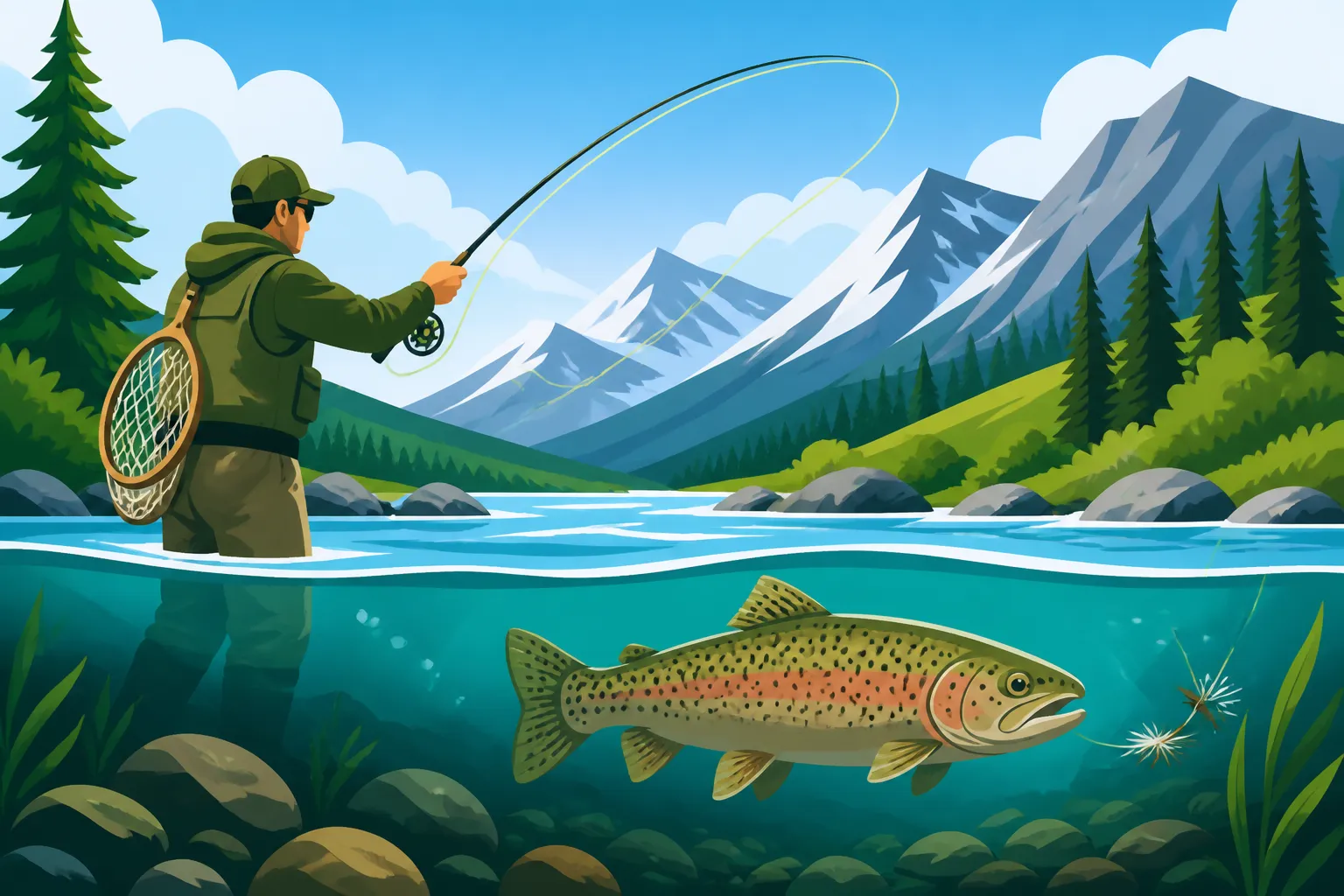
Alberta fly fishing only special regulation waters
It can be incredibly frustrating to scout out a beautiful stretch of river, cast your line with anticipation, only to realize you’ve misunderstood a crucial regulation and are actually breaking the rules. Many anglers find themselves in a bind when they encounter "fly fishing only" signs, unsure exactly what that means for their gear and technique. This comprehensive guide will clear up all the confusion around Alberta's fly fishing only special regulation waters, explaining precisely what these rules entail, why they exist, and how you can best prepare to enjoy these unique angling opportunities without a hitch.
What "Fly Fishing Only" Really Means in Alberta
When you see a sign or read in the regulations that a specific body of water, or a section of it, is designated "fly fishing only," it's not just a suggestion – it's a hard and fast rule. This regulation is put in place for very specific conservation and management reasons, and it strictly dictates the type of gear and methods you can use. Simply put, it means you can only fish with a fly rod, fly reel, fly line, and an artificial fly.
This definition is crucial because it immediately rules out a whole host of popular fishing methods. No spinning rods, no casting rods, no baitcasting reels. You can't use conventional lures like spinners, spoons, crankbaits, or soft plastics, no matter how much they resemble an insect. And perhaps most importantly for many anglers, no bait whatsoever is permitted. This includes worms, minnows, salmon eggs, or any natural food source that might entice a fish. The intent is to provide a very specific, low-impact angling experience, often in waters that are particularly sensitive or hold valuable fish populations.
It's easy to confuse "fly fishing only" with other common regulations, but they are distinct. For instance, a waterbody might be "barbless hook only" but still allow spinning gear and lures, as long as the hooks are barbless. Or it might be "catch and release only," which focuses on the disposition of the fish after it's caught, but doesn't necessarily restrict the gear. When you encounter "fly fishing only," it subsumes these other potential rules if they are also applied, but its core definition is about the method of fishing. You're entering a realm where precision, presentation, and the art of imitating natural insects are paramount.
Identifying Alberta's Key Fly Fishing Only Waters
Alberta is blessed with incredible fisheries, and within that network, some truly special spots are reserved for the fly-only purist. These waters are often celebrated for their pristine conditions and healthy fish populations, making them highly sought after by those who appreciate the challenge and beauty of fly fishing. Knowing where these specific regulations apply is half the battle, and it's essential to always consult the current Alberta Guide to Sportfishing Regulations before heading out, as regulations can and do change. For a deeper understanding of the rules, make sure to check out our guide on Reading the Alberta Guide to Sportfishing Regulations.
Many of these specialized waters are found in the southwestern corner of the province, within the Eastern Slopes. This region is renowned for its cold, clear rivers and streams that are ideal habitats for various trout species.
Here are a few prominent examples:
- Portions of the Bow River: While much of the world-famous Bow River is open to various methods, specific stretches, particularly certain private access points or areas managed by outfitters, might have stricter "fly fishing only" rules. However, the most commonly known "fly fishing only" designations are usually found on smaller, more sensitive tributaries or spring creeks feeding into larger systems. It's crucial to check local signs and the specific zone regulations if you're exploring different sections of the Bow. Our Bow River Fishing Guide covers a lot of ground, but always verify current rules for fly-only sections.
- The Crowsnest River: Certain sections of the Crowsnest River, especially the upper stretches known for their beautiful wild trout, have historically had "fly fishing only" rules. These areas are truly gems, offering incredible opportunities for casting to hungry cutthroat and rainbow trout. For more specific details on this river, check out our Crowsnest River Trout Fishing article.
- Smaller Mountain Streams and Spring Creeks: Many of the smaller, unnamed, or less accessible streams and spring creeks throughout the Kananaskis Country and other parts of the Eastern Slopes might also fall under fly-only regulations. These are often highly sensitive ecosystems where native trout species, like the vulnerable westslope cutthroat trout, thrive. These delicate environments benefit immensely from the reduced impact of fly fishing.
To give you a better idea of some specific areas, here's a table of commonly known or historically designated "fly fishing only" waters, but again, always verify with the latest provincial guide!
| Waterbody / Section | Primary Fish Species | General Restrictions (often paired with) | Notes |
|---|---|---|---|
| Crowsnest River (Upper Sections) | Rainbow Trout, Cutthroat Trout | Barbless, Catch & Release | Renowned for dry fly fishing and healthy wild trout. Consult specific zone regulations. |
| Livingstone River (Portions) | Bull Trout, Cutthroat Trout | Barbless, Catch & Release, Zero Possession for Bull Trout | A delicate fishery known for native species. Requires careful wading. |
| Ram River (Upper Reaches) | Cutthroat Trout, Bull Trout | Barbless, Catch & Release, Zero Possession for Bull Trout | Remote and wild, offering an authentic mountain stream experience. |
| Castle River (Upper Sections) | Cutthroat Trout, Bull Trout | Barbless, Catch & Release, Zero Possession for Bull Trout | Beautiful scenery and challenging fishing for native trout. |
| Specific Spring Creeks | Brook Trout, Rainbow Trout | Barbless, Catch & Release | Often small, technical, and require stealthy approaches. Locations can be sensitive. |
Remember, these are just a few examples. The official Alberta Guide to Sportfishing Regulations is your best friend when planning a trip to any specific waterbody. Pay close attention to the specific zone, as regulations can change dramatically from one bridge crossing to the next, or even just a few kilometers upstream or downstream.
Why These Regulations Exist
It might feel restrictive at times, but the "fly fishing only" rule isn't arbitrarily enforced. There are some very sound ecological and experiential reasons behind these special regulations, all designed to protect our precious fisheries and enhance the quality of the angling experience for everyone.
Protecting Sensitive Fish Populations and Habitats
Many of the waters designated "fly fishing only" are home to sensitive fish populations, particularly native trout species like westslope cutthroat trout and bull trout. These fish are often slow-growing, highly susceptible to fishing pressure, and inhabit fragile ecosystems. The unique characteristics of fly fishing make it a less impactful method in these environments.
- Reduced Mortality: While no fishing method is entirely impact-free, fly fishing, especially with barbless hooks, generally leads to lower fish mortality rates compared to conventional gear. Lures with multiple treble hooks or bait that can be swallowed deeply often cause more severe injuries, making successful release less likely. Fly anglers typically use single, barbless hooks, which are easier to remove cleanly, reducing stress and damage to the fish. This is critically important for species like Bull Trout: Alberta's Threatened Native Fish, which have very specific zero possession rules in many areas.
- Targeting Species: Fly patterns, by their nature, are typically designed to imitate aquatic or terrestrial insects, or small baitfish. This often targets fish that feed primarily on these sources, which aligns well with the diets of many trout and char in cold, clear mountain streams. Conversely, certain baits or larger lures might attract non-target species or larger, more aggressive fish in ways that could disrupt the ecological balance or place undue stress on a particular population.
- Habitat Preservation: Fly fishing often involves wading in shallower, clearer waters. While anglers should always be mindful of spawning beds and sensitive streambed habitats, the gear itself is generally less intrusive than, say, a heavily weighted conventional lure digging into the bottom. The emphasis on subtle presentation and matching the hatch often encourages anglers to be more attuned to the aquatic environment.
Managing Angling Pressure and Enhancing Experience
Beyond pure conservation, these regulations also play a significant role in managing the overall angling pressure and preserving a specific type of outdoor experience.
- Creating a Unique Angling Experience: For many, fly fishing is more than just catching a fish; it's an art form, a dance with nature, and a deeply immersive experience. Designating waters as "fly fishing only" helps maintain the character of these locations, offering a quieter, more traditional angling experience away from the heavier gear and faster retrieves often associated with spin fishing. This can be especially appealing in areas known for their natural beauty, like the Eastern Slopes. If you're looking for where to practice this art form, our guide on Best Fly Fishing Rivers in Alberta is an excellent resource.
- Reducing Congestion: By limiting the methods allowed, these regulations can naturally filter the number of anglers on a particular stretch of water. Fly fishing typically requires a bit more dedication, specialized knowledge, and equipment. This can lead to fewer people, which in turn reduces crowding and minimizes angler-to-angler conflict, allowing everyone to enjoy more solitude and space.
- Promoting Skill Development: Fly fishing has a steeper learning curve than some other forms of angling. By dedicating certain waters to this method, it encourages anglers to learn and refine their skills, fostering a deeper appreciation for the sport. It's about the challenge and the satisfaction of fooling a fish with a meticulously tied fly and a perfect cast.
These multifaceted reasons underscore why "fly fishing only" waters are so important. They are a testament to Alberta's commitment to preserving its natural heritage and ensuring high-quality fishing opportunities for generations to come.
Gear and Techniques for Fly Fishing Only Waters
Stepping into "fly fishing only" waters requires a bit of a shift in mindset and, often, a specific set of gear. Don't worry, it's not as intimidating as it sounds, and many of these items can be found readily, perhaps even through a quick search on Amazon for specific fly patterns or fly line. The key is to be prepared and understand the nuances of this beautiful discipline.
Essential Fly Fishing Gear
You won't be bringing your spin casting rod here! Here's what you'll need:
- Fly Rod and Reel: A lightweight fly rod, typically a 3-weight to 6-weight, is perfect for most Alberta trout streams. The specific weight will depend on the size of the fish you're targeting and the size of the flies you plan to cast. A 5-weight is a fantastic all-around choice for rivers like the Crowsnest or even some sections of the Bow where you might encounter Rainbow Trout Fishing on the Bow River. Match it with a corresponding fly reel that balances the rod and holds your fly line and backing.
- Fly Line: This is what gives your cast its weight. You'll need a weight-forward (WF) floating line for most trout fishing, which allows for delicate presentations and keeps your fly on or near the surface. Depending on conditions, a sink-tip or full sinking line might be useful for getting flies deeper, but always ensure it's an actual fly line that propels the cast.
- Leader and Tippet: This is the nearly invisible connection between your fly line and your fly. A tapered leader helps transfer casting energy smoothly, and a piece of tippet material (often lighter breaking strain) is tied to the end, to which you attach your fly. Having a variety of tippet sizes (e.g., 3X to 6X) is wise for different fly sizes and water conditions.
- Artificial Flies: This is the heart of fly fishing! You'll need a selection of flies that imitate the local insects. This could include dry flies (imitating insects on the surface), nymphs (imitating underwater insect larvae), streamers (imitating baitfish or leeches), and emergers (imitating insects hatching). For general trout fishing, having patterns like Elk Hair Caddis, Adams, Prince Nymphs, Pheasant Tail Nymphs, and Woolly Buggers is a good starting point. You can find excellent variety on Amazon, often in convenient multipacks.
- Waders and Wading Boots: For most river and stream fly fishing, waders are essential to stay dry and warm. Combine them with sturdy wading boots that offer good grip on slippery riverbeds. Choosing the right Best Waders for Alberta Trout Rivers will make your experience much more comfortable and safer.
- Landing Net: A good quality, catch-and-release friendly landing net (rubberized mesh is best to protect fish slime) is crucial for safely handling and releasing your catch, especially when fishing for delicate species like Brown Trout Fishing in Alberta.
Key Techniques to Master
Fly fishing is all about presentation and reading the water.
- Casting: The fundamental skill. Practice your roll cast, overhead cast, and false casts to be able to present your fly accurately and delicately to rising or holding fish. Delicacy is key, as a heavy splash can spook wary trout.
- Reading the Water: Learn to identify likely holding spots for fish: riffles, runs, pools, eddies, and seams where fast and slow water meet. Look for current breaks created by rocks, fallen trees, or undercut banks.
- Matching the Hatch: This is where local knowledge comes in. Pay attention to what insects are active on or near the water. If fish are rising, try to identify what they're eating and select a dry fly that matches. If nothing is rising, nymphs fished subsurface are often very effective. For more on this, check out our guide on Fly Patterns for the Bow River.
- Presentation: This refers to how your fly lands on the water and drifts. Aim for a natural, drag-free drift that makes your fly appear as a real, unattached insect floating downstream. Mending your line (making small adjustments to the fly line on the water) is a critical technique to achieve this.
- Stealth: Trout in clear, shallow, or pressured "fly fishing only" waters are often very spooky. Approach slowly, stay low, and minimize movement. Sometimes the fish you're trying to catch are closer than you think. Using a longer tippet can also help keep your fly further from the visible fly line, making for a more natural presentation.
Being prepared with the right gear and a basic understanding of these techniques will set you up for success and, more importantly, a truly rewarding experience on Alberta's special "fly fishing only" waters. Remember, these regulations are there to ensure these unique environments remain vibrant and productive for years to come.
Disclaimer
The information provided in this article is for general guidance only and is subject to change. Fishing regulations in Alberta are dynamic and can be updated annually or even more frequently. Always consult the most current version of the Alberta Guide to Sportfishing Regulations published by Alberta Environment and Protected Areas before engaging in any fishing activities. Compliance with all provincial and federal laws is the responsibility of the angler.