Replacing a lost Alberta fishing license
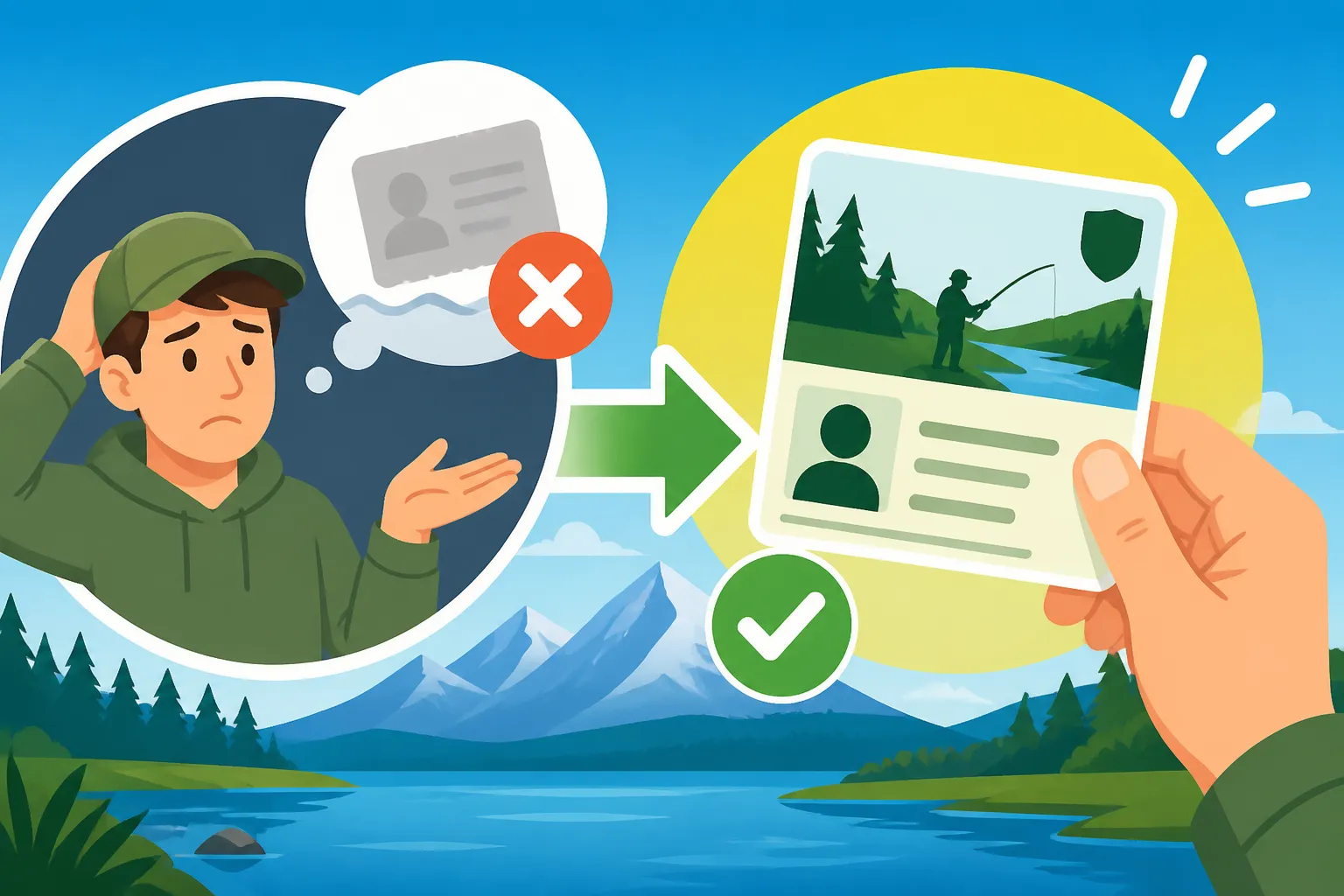
There's nothing quite like that sinking feeling when you realize your Alberta fishing license has vanished into thin air, right when you're about to head out for a much-anticipated day on the water. It can instantly turn excitement into sheer panic, leaving you wondering if your fishing trip is doomed before it even begins. Don't worry, friend, you're not alone in this. This guide is here to walk you through exactly what to do when your Alberta fishing license goes missing, ensuring you can get back to casting lines without unnecessary stress or legal trouble.
The Initial Panic of a Lost Fishing License in Alberta
That moment of realization—your wallet is lighter, your digital copy seems to have evaporated, or perhaps you just can't for the life of you remember where you put that flimsy piece of paper. It's a universal angler's nightmare, often accompanied by a rapid-fire mental checklist: "Did I check the truck? The tackle box? Is it in my other jacket?!" The immediate concern is, of course, that you can't fish without it, but the panic often stems from not knowing how quickly or easily you can replace it.
Why a Fishing License is Non-Negotiable
First things first, let's underscore why having that license in your possession is absolutely, unequivocally essential. In Alberta, fishing without a valid license is more than just a minor oversight; it's a serious offense. Conservation officers have the authority to check for licenses at any time, and if you're caught without one, even if you genuinely purchased it but simply lost it, you could face significant fines. These penalties are designed to deter illegal fishing and uphold the integrity of our precious fisheries management system.
Beyond the legal ramifications, your fishing license is proof that you've contributed to the conservation efforts that keep Alberta's waters teeming with fish. The funds generated from license sales directly support fish stocking programs, habitat restoration, research, and enforcement. So, while losing it is a hassle, remember that carrying it is part of being a responsible steward of our natural resources. You can learn more about the legal framework in our comprehensive guide to the Alberta Fishing Regulations Explained.
Common Scenarios for Losing a License
Losing a fishing license can happen in countless ways, and almost every angler has a story to tell. Maybe your paper license slipped out of your pocket while you were scrambling down a riverbank on the Bow River, or perhaps it got soaked and disintegrated during an unexpected downpour on Lesser Slave Lake. Sometimes, it’s as simple as misplacing your wallet, which contains not only your license but also your crucial WIN Card.
Even digital licenses aren't immune to "loss." Your phone battery dies out in the backcountry, or you accidentally delete the PDF. The frustration is real, and it often feels like it only happens right when you're about to have an amazing day of fishing. Validating these experiences is important because knowing that it's a common issue can make the resolution feel less daunting. The good news is, getting a replacement is usually much easier than you might think.
Your Step-by-Step Guide to Replacing an Alberta Fishing License
Alright, take a deep breath. Panicking won't make your license magically reappear. The process for replacing a lost Alberta fishing license is quite straightforward, thanks to modern technology and accessible services. The primary route for most anglers will be through the provincial government's online portal, MyWildAlberta.
Checking Your MyWildAlberta Account Online
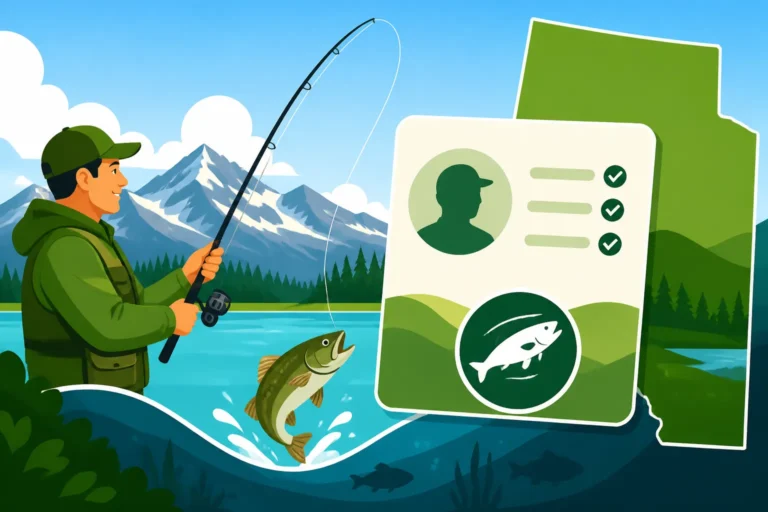
For the vast majority of anglers, the quickest and easiest way to replace a lost fishing license is by accessing your MyWildAlberta account. This online portal is a treasure trove of information regarding your outdoor pursuits in Alberta, and it’s where you originally purchased your license.
Here’s how you typically navigate the process:
- Log In: Head over to the MyWildAlberta website and log in using your WIN Card number and password. If you’ve forgotten your password, there’s usually a convenient "forgot password" link that will guide you through resetting it. It’s absolutely vital to have your WIN Card number handy, as it’s your unique identifier in the system. If you need a refresher on this, check out our article on the Alberta WIN Card, Explained.
- Access Purchase History: Once logged in, look for a section like "My Account," "My Licenses," or "Purchase History." Here, you'll find a record of all the hunting and fishing licenses you've acquired through the system.
- Reprint or Download: Your active fishing license should be listed. You'll typically find an option to "Reprint" or "Download" a copy. This allows you to either print a physical copy at home or save a digital PDF to your smartphone or other device. This digital copy is perfectly legal to carry, as discussed in our guide on Printing or Carrying a Digital Fishing License in Alberta.
This online method is fantastic because it's available 24/7, meaning you can often resolve the issue without even leaving your house. It’s designed for convenience, recognizing that anglers might need a replacement at odd hours, like the night before an early morning trip to a remote fishing spot. Just ensure your printer has ink, or your phone has enough battery to display the digital version reliably.
Visiting a License Issuer in Person
While the online route is often the fastest, there might be times when visiting a designated license issuer in person is your best, or only, option. Perhaps you don't have internet access, or you need immediate assistance and are already on your way to a fishing destination that has a vendor nearby. These physical locations are typically sporting goods stores, bait shops, or certain hardware stores that are authorized by Alberta Environment and Protected Areas (AEPA) to sell licenses.
When you go in person, make sure you bring your Alberta WIN Card number and a piece of valid government-issued identification. The staff at the counter will be able to access your account through their system, verify your purchase, and then print a replacement license for you on the spot. It’s a very helpful option, especially if you’re tech-averse or simply prefer face-to-face service. You can usually find a list of these agents by searching for "Alberta Environment and Protected Areas license agent list" online.
Contacting Alberta Environment and Protected Areas AEPA
For more complex situations, technical difficulties with the MyWildAlberta portal, or if you can't access an authorized vendor, contacting Alberta Environment and Protected Areas (AEPA) directly is your next step. They have a customer service line and often an email support option for license-related inquiries. This might be necessary if, for example, your WIN Card itself has issues, or if there's a discrepancy in your purchase history.
When contacting AEPA, be prepared with as much information as possible: your full name, WIN Card number, date of birth, and details about when and where you originally purchased the lost license. This will help them locate your records quickly and provide the specific assistance you need. While it might take a bit longer than self-service online, their team is equipped to handle unique situations and ensure you get your valid fishing license sorted out.
Important Considerations for Your Replacement License
Getting a replacement license isn't just about printing a new piece of paper; there are a few important details to keep in mind that will make the process smoother and ensure you're fully compliant with all regulations. Understanding these aspects will save you future headaches.
Understanding Your WIN Card's Role
Your Wildlife Identification Number (WIN) Card isn't just a membership card; it's the fundamental piece of identification linking you to all your hunting and fishing licenses in Alberta. It's a permanent identification number, much like a driver's license number, that stays with you year after year. Every time you purchase an Alberta fishing license, it’s associated with your unique WIN Card.
This is why, when you lose your actual fishing license document, your WIN Card becomes incredibly important for the replacement process. The provincial system uses your WIN Card number to access your profile and confirm your valid license purchases. Without it, verifying your identity and past purchases becomes significantly more difficult. So, while your fishing license might be lost, ensuring your WIN Card is safe and accessible (or knowing your WIN Card number by heart) is paramount. If you've also lost your WIN Card, you'll need to sort that out first, which is typically also done through the MyWildAlberta portal.
Costs and Fees for Replacement
One common concern when replacing a lost license is whether you'll have to pay for it again. The good news is, in most cases, if you're simply reprinting or redownloading an already purchased valid license through your MyWildAlberta account, there is no additional charge. You've already paid for the license itself, and the system is designed to allow you access to your purchase records.
However, if you require a physical reprint from an authorized license issuer in person, there might be a small service fee associated with the transaction to cover their administrative costs. This fee is usually minimal, a few dollars at most, and is separate from the original license cost. Always confirm any potential fees with the vendor beforehand. It's certainly much less than the initial How Much Does an Alberta Fishing License Cost, so it's a minor inconvenience compared to fishing illegally.
Digital vs. Printed: Carrying Your License
In today's digital age, many anglers wonder if a digital copy of their fishing license is sufficient, or if they absolutely need a physical paper copy. The good news for Alberta anglers is that both are generally accepted! You are legally permitted to carry a digital image or PDF of your valid Alberta fishing license on your smartphone or other electronic device. This flexibility is a huge convenience, especially for those who prefer to travel light or worry about losing paper documents.
However, there are practical considerations. If you choose to carry a digital copy, ensure your device is fully charged and protected from the elements. A dead phone battery in the middle of nowhere means you essentially don't have your license accessible. For this reason, many experienced anglers opt for a hybrid approach: they'll have a digital copy on their phone AND a laminated paper copy in their tackle box or wallet. This redundancy acts as a safeguard against unexpected issues, providing peace of mind whether you're fishing a stocked pond or venturing into the wilderness.
| Method of Carry | Pros | Cons |
|---|---|---|
| Printed Paper Copy | Always accessible (no battery needed), traditional, easy for officers to check, durable if laminated. | Can get wet, torn, or lost easily; requires a printer; takes up physical space. |
| Digital Copy on Phone | Convenient, always with you (if you have your phone), eco-friendly, quick access. | Dependent on battery life, screen visibility in bright sun, risk of phone damage/loss, requires an electronic device. |
| Both | Maximum redundancy, peace of mind, covers all scenarios. | Requires managing two copies. |
Preventing Future Lost License Headaches
The best way to deal with a lost fishing license is, of course, to prevent it from happening in the first place! A little proactive planning can save you a lot of stress and frantic searching. Developing good habits for managing your important fishing documents is a skill every seasoned angler perfects over time.
Best Practices for Storing Your License
Think of your fishing license as an essential piece of gear, just like your rod and reel. It deserves proper care and storage. One of the simplest and most effective strategies is to laminate your paper license as soon as you print it. Many office supply stores or even local print shops offer lamination services for a small fee. A laminated license is waterproof, tear-resistant, and much more durable. You can then keep it securely in your wallet, a dedicated fishing pouch, or a waterproof compartment in your tackle box.
For your digital copy, don't just rely on keeping it in your phone's downloads folder. Take a few extra steps: email a copy to yourself so it's always in your inbox, save it to a cloud storage service (like Google Drive or Dropbox), and consider taking a screenshot of it and saving it as an image in your phone's photo gallery. This way, even if you accidentally delete the PDF, you have multiple backups. Having your Alberta Fishing License Guide for 2026 always at hand can be a great way to stay informed, so ensuring your license is accessible alongside it is key.
Regular Checks Before You Head Out
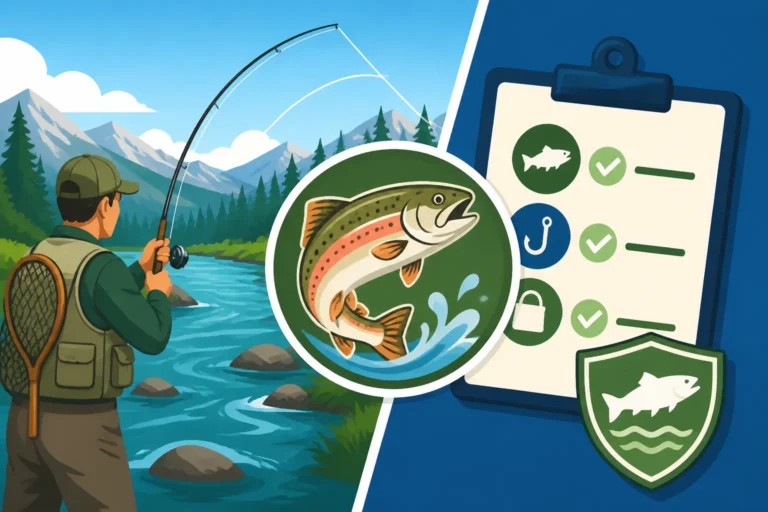
Make it a ritual: before every fishing trip, perform a quick "license check." Just like you check your gas tank, your tackle, and your snacks, always confirm you have your valid fishing license and your WIN Card. This simple habit can prevent that awful moment of realization when you're already miles from home. Get into the habit of leaving your license in the same designated spot – perhaps with your car keys, or clipped inside your fishing vest – so it becomes second nature to grab it.
Imagine planning a fantastic trip to fish for walleye on Lesser Slave Lake or fly fishing for trout on the Crowsnest River. You've packed all your gear, checked the forecast, and planned your route. The last thing you want is to arrive at the water's edge, only to discover your license is still sitting on your kitchen counter. A quick double-check before you leave the driveway can prevent the need to turn back, or worse, face fines for Fishing Without a License in Alberta: Penalties.
Disclaimer
The information provided in this guide is for general informational purposes only and does not constitute legal advice. While we strive to provide accurate and up-to-date information, fishing regulations and administrative processes in Alberta can change. Always refer to the official Alberta Guide to Sportfishing Regulations and the MyWildAlberta website for the most current and authoritative information. Compliance with all provincial regulations is the sole responsibility of the angler.