Alberta fishing license reciprocity on the Milk River with Montana
Fishing on the Milk River, where Alberta and Montana meet, can be a beautiful and rewarding experience. However, the excitement of casting a line can quickly turn into a headache when you start trying to figure out which province's or state's rules apply. It’s a common frustration for anglers trying to do the right thing when crossing international borders, and this guide is here to clear up all that confusion so you can focus on catching some fish.
Understanding Cross-Border Fishing on the Milk River
The Milk River is a bit of a geographical anomaly, and its unique path makes understanding fishing regulations particularly tricky. Imagine trying to follow a specific set of rules while a river snakes in and out of different jurisdictions—it’s enough to make anyone scratch their head!
The Unique Nature of the Milk River's Shared Waters
The Milk River actually starts its journey in Glacier County, Montana, before flowing north into southern Alberta near Coutts. It then meanders through Alberta for a stretch, looping through areas like Writing-on-Stone Provincial Park, before making its way back south into Montana to eventually join the Missouri River. This kind of back-and-forth dance across an international border is quite rare, which means the usual "one country, one rule" approach simply doesn't cut it.
For anglers, this unique geography creates a real challenge. You might be fishing a stretch that looks like Alberta, but a quick bend in the river could technically place you in Montana waters, or vice versa, without any clear signage. This uncertainty can make even the most seasoned angler hesitant, fearful of accidentally breaking a rule. It's not just about what license you hold; it's about understanding that the river itself doesn't care about our imaginary lines on a map, but the fish and game officers certainly do.
The General Rule: No Reciprocity
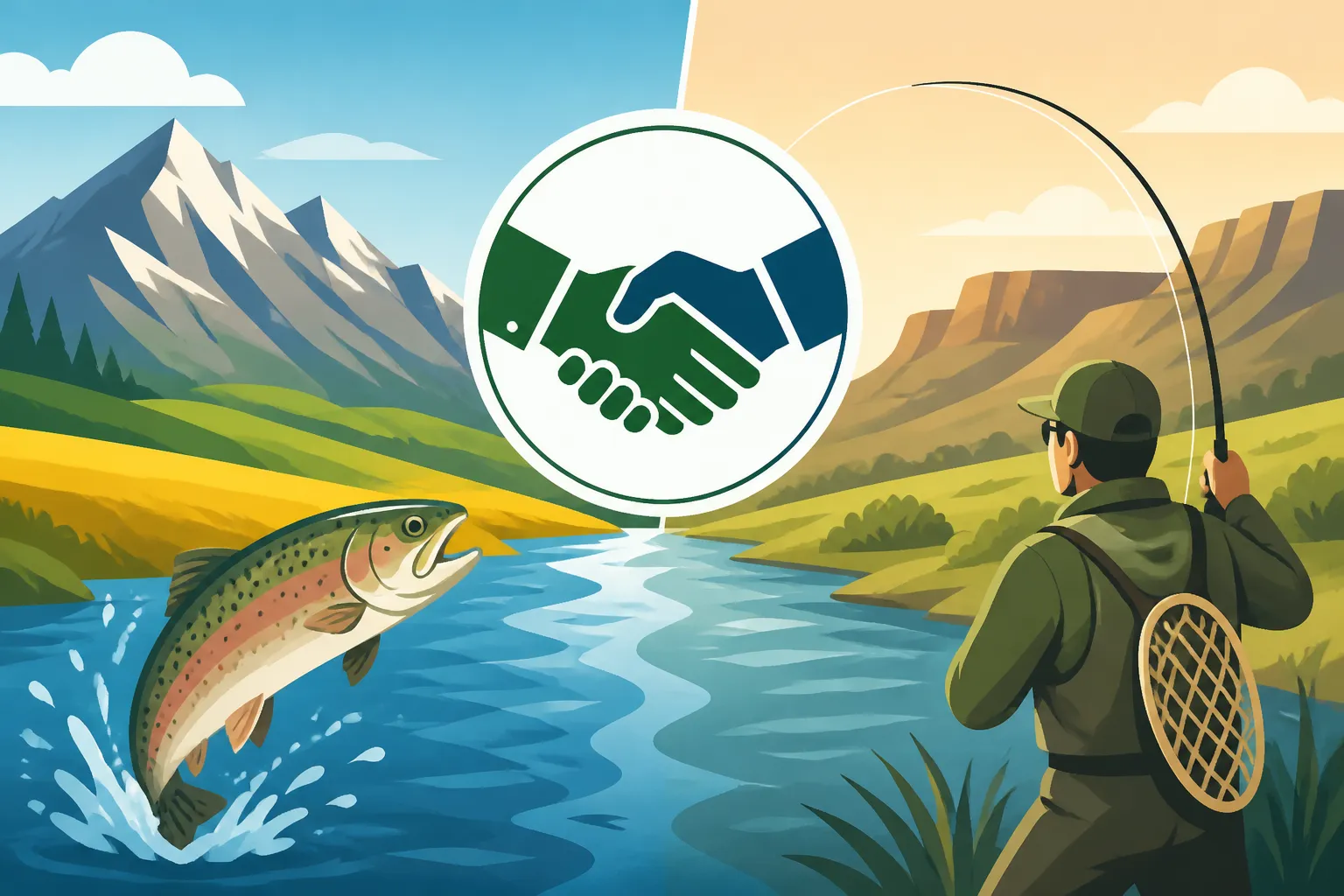
Let’s get straight to the point to avoid any doubt: there is generally no reciprocity when it comes to fishing licenses between Alberta and Montana on the Milk River. This means that an Alberta fishing license will not permit you to fish in the Montana section of the river, and similarly, a Montana fishing license will not allow you to legally fish in the Alberta sections.
This can feel incredibly frustrating, especially for residents living near the border. You might live just a few kilometers from a prime fishing spot, but if that spot happens to be across the invisible line, your local license isn't worth the paper it's printed on there. The reason for this strict separation lies in the distinct fisheries management practices, conservation efforts, and revenue generation strategies of each jurisdiction. Both Alberta Environment and Protected Areas and Montana Fish, Wildlife & Parks have their own budgets, their own stocking programs, and their own enforcement priorities, all funded by their respective license sales.
Consider a hypothetical scenario: You're an Alberta resident, living just outside Coutts. You head down to the Milk River for a morning of fishing. If you launch your boat and drift downstream, even a short distance, you could easily cross back into Montana waters without realizing it. If a Montana FWP officer checks your license and you only have your Alberta one, you'd be in violation, regardless of your intentions. The same applies if you're a Montana resident who ventures upstream into Alberta waters. The bottom line is, if you plan to fish any part of the Milk River that is not entirely within your home jurisdiction, you'll need to secure the appropriate non-resident license for the other side.
Specific Regulations for Alberta and Montana Anglers
To ensure you're always fishing legally, it’s crucial to understand the specific requirements for each side of the border. It's not just about buying "a license"; it's about buying the correct license for the exact water you're fishing.
Fishing in the Alberta Section of the Milk River
If you're planning to fish any portion of the Milk River that flows through Alberta, you'll need an Alberta fishing license.
-
For Alberta Residents: As an Alberta resident, you'll need a valid Alberta fishing license and a Wildlife Identification Number (WIN) card. The WIN card is essentially your permanent customer ID, and you only need to buy it once, then renew your fishing license annually. You can learn more about this by checking out our guide on the Alberta WIN Card, Explained. The Milk River in Alberta falls within specific fishing zones, primarily the ES1 (Eastern Slopes 1) zone in its upper reaches, and then typically General Regulations for other parts. Always consult the current Alberta Guide to Sportfishing Regulations for precise zone boundaries and rules, as these can change. You can usually pick up a physical copy at tackle shops or view it online via the MyWildAlberta portal.
-
For Montana Residents and Other Non-Residents: If you're a Montana resident (or from any other province or country), and you wish to fish the Alberta section of the Milk River, you must purchase a non-resident Alberta fishing license. This also requires you to obtain an Alberta WIN card. The process is straightforward, but it's a separate purchase from your Montana license. These licenses can be purchased online through the MyWildAlberta portal, which is often the easiest way, or from authorized license vendors across Alberta. Costs vary depending on your residency status and the duration of the license. For a deeper dive into the costs, you might find our article on Non-Resident Annual Fishing License Cost in Alberta particularly helpful. Remember, just because you can see Montana from the Alberta bank doesn't mean your Montana license covers you.
Fishing in the Montana Section of the Milk River
Conversely, if your angling adventure takes you into the Montana sections of the Milk River, you'll be subject to Montana's regulations.
-
For Montana Residents: If you're a proud Montana resident, you'll need a valid Montana fishing license, typically accompanied by a conservation license. These can be purchased through the Montana Fish, Wildlife & Parks (FWP) website or at various licensed vendors throughout the state. Montana also has specific fishing districts with their own sets of regulations, so it's vital to know which district the Milk River falls under for the stretch you intend to fish and to consult their annual fishing regulations booklet.
-
For Alberta Residents and Other Non-Residents: If you're an Alberta resident (or from any other province or country) looking to fish the Montana sections of the Milk River, you'll need to purchase a non-resident Montana fishing license. This will likely also require a non-resident conservation license, and possibly other stamps depending on the species you're targeting or the methods you're using. These non-resident licenses can typically be purchased online via the Montana FWP licensing system or from vendors in Montana. The cost for a non-resident Montana license is generally higher than for residents, reflecting the difference in state-funded conservation efforts. It’s important to familiarize yourself with their specific rules regarding possession limits, tackle restrictions, and season dates, as these will likely differ from Alberta's.
Navigating the Border: Practical Advice for Anglers
Fishing the Milk River can be a fantastic experience, but given its unique cross-border nature, preparation is key. You don't want a memorable day on the water to end with a costly fine or a confiscated catch.
Always Carry Both Licenses When Border Fishing
This might sound obvious, but it's often overlooked in the excitement of a fishing trip. If you have any intention of fishing both sides of the Milk River, or if there's even a slight chance you might inadvertently drift across the international boundary, you must carry a valid fishing license for both Alberta and Montana. This includes your Alberta WIN card and any equivalent Montana identifiers or conservation licenses.
Imagine being pulled over by a game warden on either side. If you're fishing in Montana waters with only an Alberta license, you're fishing illegally, plain and simple. The same applies in Alberta. The penalties for fishing without a license can range from significant fines to the seizure of your fishing gear, vehicle, or even your boat. These fines are designed to deter illegal activity and help fund conservation, so wardens are not usually lenient, regardless of whether you claim ignorance of the border. It's far cheaper and less stressful to buy both licenses than to face the legal consequences. Remember, digital copies are often accepted, but ensure your device is charged, or consider printing your licenses and keeping them in a waterproof bag. Our guide on Printing or Carrying a Digital Fishing License in Alberta has more details on this.
Understanding Physical Boundaries and GPS
Rivers, especially winding ones like the Milk, don't have clear lines painted on them to mark international borders. On land, you have customs offices and monuments, but on the water, it's far more ambiguous. The international boundary typically runs along the 49th parallel, but pinpointing that exact line on a flowing river can be incredibly difficult.
This is where technology becomes your best friend. Investing in a reliable GPS device or using a robust mapping app on your smartphone can save you a lot of grief. Many modern fish finders also have detailed mapping capabilities. Look for apps or devices that clearly show international or provincial boundaries overlaid on waterways. Before you head out, mark the exact border coordinates on your map or GPS. This way, if you're drifting, you'll get a visual or audible alert when you're approaching a boundary. You can find many excellent waterproof GPS devices or rugged phone cases on platforms like Amazon that can help protect your tech on the water. This small investment can provide immense peace of mind.
Furthermore, consider the specific sections of the river you'll be targeting. For instance, the Milk River flows through Writing-on-Stone Provincial Park in Alberta, which might have additional specific regulations that apply within its boundaries, regardless of the broader provincial rules.
Gear Considerations for Cross-Border Trips
Beyond licenses and navigation, your gear can also be impacted by cross-border regulations. Different jurisdictions often have different rules regarding bait, tackle, and even boat equipment to prevent the spread of invasive species.
- Bait Regulations: What's legal for bait in Alberta might not be in Montana, and vice-versa. Live bait restrictions are particularly common, especially concerning species that could become invasive. Always check both sets of regulations before you pack your bait cooler.
- Tackle Restrictions: While less common for recreational gear, some specific waters or conservation efforts might mandate certain hook types (like barbless hooks, as discussed in our Alberta Barbless Hook Requirement Waters guide) or prohibit lead tackle. Double-check these details to ensure your tackle box is compliant with both Alberta and Montana rules.
- Invasive Species Prevention: Both Alberta and Montana are very serious about preventing the spread of aquatic invasive species like zebra and quagga mussels. If you're transporting a boat or even just waders and fishing gear between the two, you'll need to follow strict clean, drain, dry protocols. Montana has mandatory watercraft inspections for all motorized and non-motorized boats entering the state. Make sure your boat and gear are thoroughly cleaned, drained of all water, and completely dry before crossing the border. Failure to comply can result in fines and impoundment of your watercraft. You might also want to ensure your boat meets all Alberta Boating Laws for Anglers before heading out.
Beyond the License: Other Important Regulations
Getting the right licenses is a huge step, but it's just one piece of the puzzle. Anglers fishing the Milk River need to be aware that nearly every other aspect of fishing might also differ between Alberta and Montana.
Bag and Possession Limits
This is where many anglers get into trouble. The number of fish you can catch (daily bag limit) and the number you can have on hand (possession limit) will almost certainly differ between Alberta and Montana for the same species.
For example, Alberta might have specific limits for walleye, northern pike, or various trout species that are entirely different from Montana's. Alberta has very specific regulations for Alberta Walleye Limit by Zone and Alberta Northern Pike Limit, and these limits are often carefully managed based on the health of individual fish populations within the province. You could be legally holding three walleye in Alberta waters, cross into Montana, and suddenly be over their limit, or vice-versa. This means you need to be constantly aware of which jurisdiction you're in and adhere to that jurisdiction's limits for any fish you keep. If you're planning a multi-day trip where you keep fish, this becomes even more complex, requiring careful tracking of where each fish was caught and under which jurisdiction's limit it falls. Always consult the most current version of the Alberta Guide to Sportfishing Regulations and the Montana FWP regulations guide for the specific species you're targeting.
Season Dates and Special Regulations
Just like bag limits, fishing season dates are not universally aligned. The opening and closing dates for various species can differ between Alberta and Montana, sometimes by weeks or even months. What's open for trout in Alberta might be closed for spawning in Montana, or a specific type of fishing (like ice fishing) might have different timelines. You might check out our general guide on Alberta Fishing Season Dates by Zone to understand how Alberta handles this.
Beyond general season dates, both jurisdictions often implement special regulations for specific stretches of water or particular species. These can include:
- Catch and Release Only Zones: Certain areas might be designated as strictly catch and release, often for sensitive species like bull trout in Alberta.
- Gear Restrictions: Some waters might mandate the use of single, barbless hooks, or prohibit certain types of lures or bait.
- Time of Day Restrictions: Occasionally, certain waters may have restrictions on night fishing or other specific times.
Always ensure you have reviewed both sets of regulations to avoid accidentally violating a local rule. A quick glance at the regulations before heading to a specific stretch of the Milk River can save you a world of trouble.
Boating and Watercraft Rules
If your fishing involves a boat, be prepared for another layer of differing regulations. While some international agreements exist, the specifics of boating laws often fall under provincial or state authority.
For Canadian waters, including the Alberta section of the Milk River, you'll need to adhere to Transport Canada regulations. This includes carrying proof of your Pleasure Craft Operator Card (PCOC), ensuring your vessel is properly registered (if required), and having all mandatory safety equipment on board. Our article on Alberta Pleasure Craft Operator Card Requirement can clarify what you need for Alberta waters. Similarly, our guide on Life Jacket Requirements for Alberta Boaters will detail the type and number of personal flotation devices you must carry.
When you cross into Montana waters, their specific boating laws take precedence. While a Canadian PCOC is generally recognized in the United States, other aspects of your boat's safety equipment might differ. For example, the types of flares, sound-signaling devices, or fire extinguishers required could vary. Additionally, Montana may have different rules regarding boat registration, lighting requirements, or speed limits in certain areas. It's best to consult Montana FWP's boating guidelines before launching your vessel on their side of the border. Always have all your vessel's documentation readily accessible, including registration and proof of operator competency for both jurisdictions.
Here's a quick comparison table to summarize key differences you might encounter:
| Feature | Alberta (Milk River Section) | Montana (Milk River Section) |
|---|---|---|
| Resident License | Alberta Fishing License + WIN Card | Montana Fishing License + Conservation License |
| Non-Resident License | Non-resident Alberta Fishing License + WIN Card | Non-resident Montana Fishing License + Conservation License |
| Regulation Source | Alberta Guide to Sportfishing Regulations (MyWildAlberta) | Montana FWP Fishing Regulations (FWP website) |
| Bag/Possession Limits | Specific to Alberta zones & species, e.g., Walleye, Pike | Specific to Montana districts & species |
| Season Dates | Alberta-specific opening/closing dates by zone | Montana-specific opening/closing dates by district |
| Boating Regulations | Transport Canada (PCOC, safety gear, registration) | Montana FWP & US Coast Guard (safety gear, registration) |
| Invasive Species | Alberta Clean, Drain, Dry; potential inspections | Mandatory Watercraft Inspections (Clean, Drain, Dry) |
Fishing the Milk River offers a truly unique experience, straddling an international border and allowing access to diverse fish populations. While the regulatory landscape can seem daunting at first, a little homework and careful planning will ensure your trip is both legal and enjoyable. By understanding and respecting the rules of both Alberta and Montana, you'll contribute to the conservation efforts that keep these waters healthy for generations of anglers to come.
Disclaimer
The information provided in this guide is for general informational purposes only and is subject to change. Fishing regulations in Alberta and Montana are updated periodically, and it is the sole responsibility of the angler to consult the most current official regulations from Alberta Environment and Protected Areas and Montana Fish, Wildlife & Parks before fishing. This guide does not constitute legal advice, and we recommend always verifying information with official sources.