Best strike indicator for nymph fishing
There's nothing quite as frustrating in fly fishing as watching your line drift, wondering if that subtle pause was a snag on a rock or the take of a hungry trout. Nymphing is incredibly effective, especially on Alberta's rich trout rivers, but feeling those delicate strikes can be a real challenge. This guide is here to walk you through the world of strike indicators, helping you choose and use the best one to turn those undetectable nudges into hooked fish, making your time on the water more productive and much less perplexing.
Why Strike Indicators Are Your Nymphing Best Friend in Alberta
You've probably heard the old saying, "ninety percent of a trout's diet comes from below the surface." That's exactly why nymphing is such a cornerstone of fly fishing, particularly in our Alberta waters. But unlike dry fly fishing where you see the take, nymphing is a subtle dance, and missing those strikes can be maddening.
The Subtlety of Nymphing in Alberta Waters
Alberta's rivers, like the famous Bow River or the crystal-clear Crowsnest River, are teeming with aquatic insect life. Trout spend most of their lives feeding on nymphs, larvae, and pupae drifting along the riverbed. When you're nymphing, you're trying to imitate these natural drifts, presenting your fly close to the bottom where the fish are actively feeding. The problem is, a trout often doesn't "smash" a nymph; they might just gently inhale it, moving only an inch or two before spitting it out if it doesn't feel right.
Without a reliable indicator, these takes are almost impossible to detect by feel alone. The current, the depth, the weight of your nymphs – all conspire to mask those crucial moments. Imagine fishing a deep run on the Highwood River where the water is pushing hard. Your line might twitch or hesitate, but is it a fish, or just your fly bouncing off a submerged branch? A good strike indicator acts as your eyes on the water, translating those minuscule movements into clear signals that it's time to set the hook. It's truly a game-changer for anyone serious about improving their nymphing success.
Reading the Drift: More Than Just a Bobber
For some, a strike indicator might look like just another bobber, something you might use while bait fishing for pike in a prairie lake. But in the world of nymphing, it's far more nuanced. A strike indicator isn't just about keeping your fly at a certain depth; it's a critical tool for reading the water, managing your drift, and detecting the most subtle of takes.
When your indicator is drifting naturally with the current, it tells you that your nymphs are also drifting naturally. Any interruption in that perfect drift – a sudden stop, a hesitation, a rapid downstream acceleration, or even a subtle dip – is a potential strike. The best indicators are designed to be highly sensitive, allowing you to interpret these changes. If your indicator is too big or too heavy for your setup, it can drag your line unnaturally or fail to register those soft takes. Conversely, one that's too small might get pulled under by your weighted nymphs, leaving you guessing. It's about finding that sweet spot where the indicator is buoyant enough to support your flies, yet sensitive enough to signal the slightest bump. Understanding how to mend your line to keep that indicator drifting freely, without drag, is also paramount. Euro Nymphing the Bow River often foregoes traditional indicators for direct line contact, but for those of us using a standard fly line, the indicator is key.
Understanding Different Types of Strike Indicators for Alberta Conditions
The world of strike indicators is surprisingly diverse, and each type has its strengths and weaknesses depending on the fishing conditions and your personal preferences. Knowing these differences will help you choose the best tool for the job, whether you're targeting Rainbow Trout Fishing on the Bow River or native bull trout in a high mountain stream.
Foam Indicators: Versatile and Visible
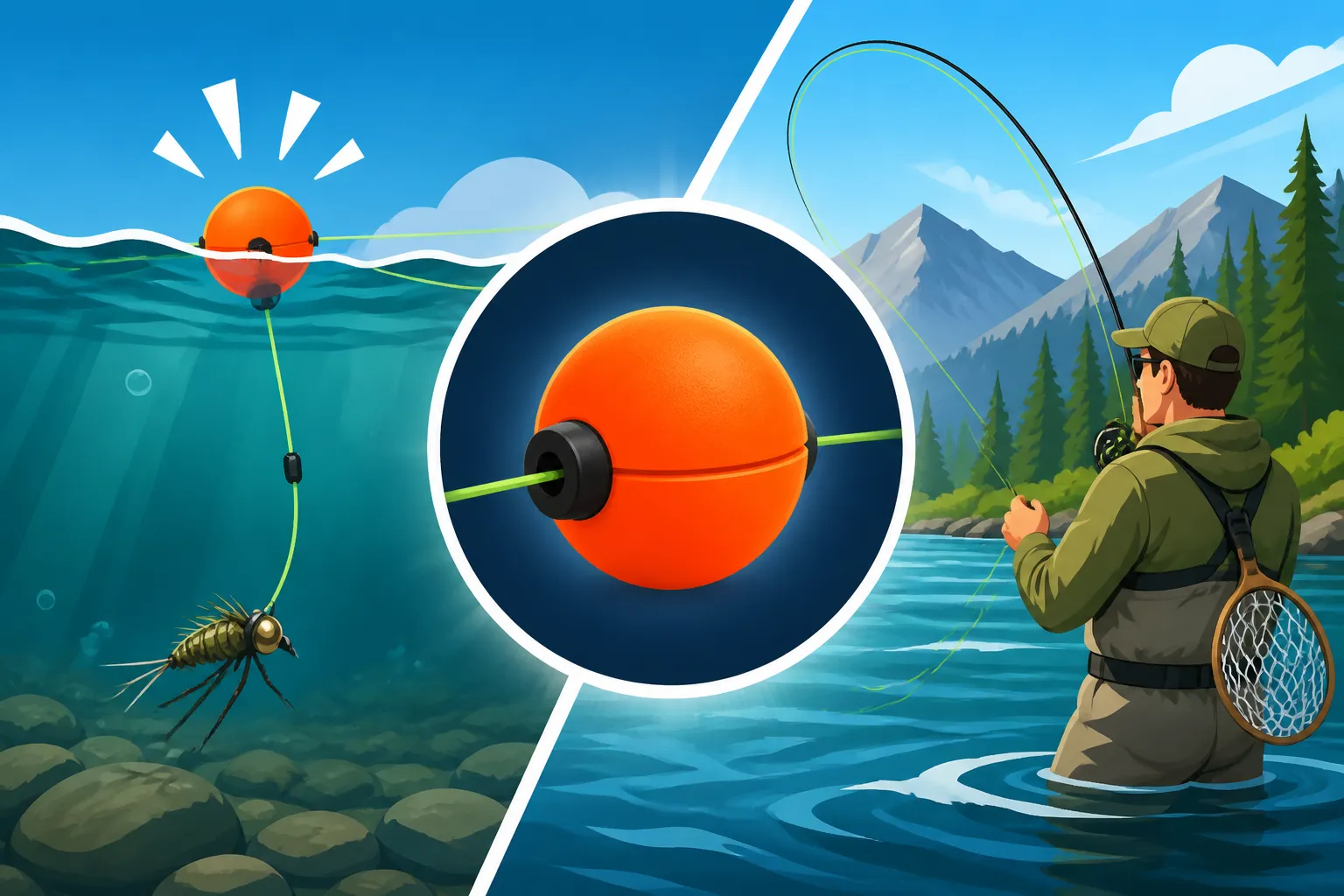
Foam indicators are perhaps the most popular and widely used type, and for good reason. They are highly buoyant, easy to see, and come in a variety of shapes and sizes. Think of classic "Thingamabobbers" or similar designs. These are fantastic for situations where visibility and buoyancy are key.
Pros:
- High Visibility: Often brightly colored (orange, yellow, pink), making them easy to spot even in choppy water or at a distance.
- Excellent Buoyancy: Can easily support heavily weighted nymphs and split shot, making them ideal for deep runs and fast currents, like those found on the lower Bow River.
- Durability: Most foam indicators are quite robust and can withstand repeated casting and bumps against rocks.
- Easy to Cast: Their generally round or oval shape tends to cast relatively well, reducing tangles.
Cons:
- Less Sensitive: The larger and more buoyant they are, the less sensitive they can be to very light strikes. A fish might take and release a nymph without the indicator dipping significantly.
- Can Spook Fish: Their size and splash can sometimes alarm very spooky trout in clear, shallow water.
- Wind Resistance: Larger foam indicators can be caught by the wind, making accurate casting challenging in gusty conditions, which are common in many Alberta valleys.
Best Uses in Alberta: Foam indicators excel on larger rivers with moderate to fast currents and deeper water. They are a go-to choice when you're using multiple heavy nymphs or a lot of split shot to get down to the fish quickly. They are also great when visibility is challenging, such as during low light conditions or when fishing into glare. You'll find a wide selection of these at places like Bass Pro Shops or online retailers like Amazon.
Yarn and Wool Indicators: Sensitivity and Stealth
Yarn and wool indicators offer a completely different approach. These are typically made from a synthetic or natural wool material that you treat with a floatant to make them buoyant. They attach to your leader using a variety of methods, often with a small piece of surgical tubing or a slip-on knot.
Pros:
- High Sensitivity: Because they are lightweight and have less surface tension than foam, they react to the slightest touch from a fish. A mere twitch can indicate a strike.
- Minimal Splash: They land very gently on the water, making them ideal for spooky fish in calm or clear conditions.
- Adjustable Buoyancy (to a degree): You can adjust their buoyancy by applying more or less floatant, or by trimming the yarn.
- Good for Fine Leaders: They don't put much strain on delicate leaders and tippets.
Cons:
- Lower Visibility: While some come in bright colors, they generally aren't as visible as foam indicators, especially at a distance or in choppy water.
- Requires Floatant: You absolutely need to treat them with a good fly floatant, and reapplication might be necessary throughout the day.
- Can Absorb Water: If the floatant wears off, they can get waterlogged and lose buoyancy, dragging your nymphs unnaturally.
- Can be Harder to Cast: They can sometimes create more wind resistance than a sleek foam indicator, particularly if the yarn is untamed.
Best Uses in Alberta: Yarn or wool indicators are perfect for fishing clear, slow-moving streams where stealth is paramount, or when targeting very selective trout. Think about fishing a small spring creek in the foothills or a section of the Oldman River during a calm afternoon. They are also excellent when you're using very light nymphs and want to ensure the most natural drift possible. If you’re fishing Alberta Catch and Release Only Waters or very pressured fish, these are often the way to go.
Slip-On and Adjustable Indicators: Precision for Varying Depths
These indicators are designed for easy and quick depth adjustments, making them incredibly versatile. They typically consist of a small piece of foam or plastic that slides freely on your leader, secured by a small stopper knot or a rubber O-ring that grips the line.
Pros:
- Rapid Depth Adjustment: You can quickly slide them up or down your leader to adjust to different water depths without re-rigging, which is incredibly useful when moving between shallow riffles and deep pools.
- Streamlined Casting: When slid down to your fly, they create a more compact rig, which can aid in casting, especially with long leaders.
- Good for Deep Water: Their ability to slide allows you to fish extremely deep, far beyond what a fixed indicator would allow without a wildly long leader.
Cons:
- Can Slip: Depending on the design and the diameter of your leader, some slip-on indicators can occasionally move during casting or when fighting a fish, changing your depth unintentionally.
- Leader Abrasion: Repeated adjustments on fine leaders can sometimes cause minor abrasion over time.
- Not Always as Sensitive as Yarn: While generally quite sensitive, they might not match the ultra-fine detection of a perfectly floatant-treated yarn indicator.
Best Uses in Alberta: Slip-on indicators are fantastic for stillwater nymphing on lakes like Gull Lake or Sylvan Lake, where fish might be suspended at various depths. They are also invaluable on rivers with highly variable depths, allowing you to quickly adapt your presentation. If you're exploring a new river section and aren't sure about the depth, these indicators let you experiment easily. For those exploring Kananaskis Country Fishing Guide opportunities where water depths can change dramatically, these are highly recommended.
Slinky/Lead Core and Pinch-On Indicators: Lightweight Options
These indicators represent a more minimalist approach, often prioritizing stealth and direct contact over overt buoyancy. Slinky or lead core indicators are essentially weighted sections of line that sink, acting as a "sub-surface indicator" that you watch for movement in your main line. Pinch-on indicators are small, often made of foam or a buoyant putty, that you literally pinch onto your leader.
Pros:
- Extreme Stealth (Slinky/Lead Core): Since they are below the surface, they are virtually invisible to fish. They work by causing a distinct "hinge" or movement in your main line when a fish takes.
- High Sensitivity (Pinch-on): The smallest pinch-on indicators can be very sensitive to light strikes due to their minimal weight and size.
- Quick Application (Pinch-on): Easy to add or remove from your leader.
- No Leader Knot Issues (Slinky/Lead Core): You're essentially using a weighted leader, no separate indicator attachment point.
Cons:
- Difficult to See (Slinky/Lead Core): This is their biggest drawback. You have to be very attentive to your fly line or leader for subtle movements, which can be tough in choppy water or bright glare.
- Limited Buoyancy (Pinch-on): Pinch-on indicators are typically very small and can only support very light nymphs. Not suitable for heavy rigs.
- Can Damage Leader (Pinch-on): Repeated pinching and removal, especially on fine leaders, can crimp or weaken the line if not careful.
- Casting Challenges (Slinky/Lead Core): Casting a heavily weighted leader can take some getting used to and might not be suitable for all fly rods.
Best Uses in Alberta: Slinky or lead core systems are often favoured by experienced anglers looking for the ultimate in stealth and feel, particularly in very clear, slow-moving water, or when nymphing small, intimate streams where fish are easily spooked. Pinch-on indicators are great for adding a tiny bit of buoyancy to a very light nymph rig or for quick adjustments in very specific, shallow spots. They're often seen when anglers are trying to replicate extremely delicate drifts, perhaps on a smaller tributary of the Red Deer River.
| Indicator Type | Key Pros | Key Cons | Best for Alberta Scenarios |
|---|---|---|---|
| Foam (e.g., Thingamabobber) | High visibility, excellent buoyancy, durable, good casting. | Less sensitive to light takes, can spook fish, wind resistance. | Larger rivers (Bow, North Saskatchewan), deep runs, heavy nymphs, windy conditions, low light. |
| Yarn/Wool | High sensitivity, minimal splash, adjustable buoyancy (with floatant). | Lower visibility, requires floatant, can get waterlogged, harder to cast in wind. | Clear, slow streams, spooky trout, light nymphs, precise presentations, small mountain creeks. |
| Slip-On/Adjustable | Rapid depth adjustment, streamlined casting, good for very deep water. | Can slip on leader, potential leader abrasion, not always ultra-sensitive. | Stillwaters (Gull, Sylvan), variable river depths, experimenting with depth, multi-nymph rigs. |
| Pinch-On | High sensitivity, quick application, extremely stealthy (small sizes). | Very limited buoyancy, can damage leader, poor visibility at distance. | Very light nymphs, shallow water, highly technical nymphing, adding minimal floatation. |
| Slinky/Lead Core | Extreme stealth, direct feel, no surface disturbance. | Extremely difficult to see subtle strikes, requires specific casting technique, less versatile. | Ultra-clear water, extremely spooky fish, experienced anglers seeking maximum stealth and feel. |
Choosing the Right Indicator for Alberta's Diverse Nymphing Scenarios
Now that you know the different types, how do you pick the right one for your next trip to Alberta's incredible fishing grounds? It all comes down to matching your indicator to the specific conditions you're facing.
Matching Indicator Size to Nymph Weight and Water Speed
This is one of the most critical factors. Your indicator needs to be appropriately sized to support the weight of your nymphs and any added split shot, while still maintaining sensitivity.
- Heavy Nymphs in Fast Water: If you're fishing a deep, fast run on the Athabasca River with multiple tungsten nymphs and a few split shot, you'll need a highly buoyant, larger indicator. A larger foam indicator, like a size 1/2" or 3/4" Thingamabobber, will keep your flies drifting naturally and prevent the indicator from being dragged under by the weight. An indicator that's too small will struggle to hold up the weight, constantly dipping or sinking, making strike detection impossible.
- Light Nymphs in Slow Water: Conversely, if you're presenting a single unweighted emerger pattern in a slow, glassy pool on a small tributary, a large foam indicator would create too much splash and be overkill. Here, a small yarn indicator, lightly treated with floatant, or a tiny pinch-on indicator would be perfect. It offers maximum sensitivity and a gentle presentation. Best Techniques for High Water Spring Conditions might call for heavier indicators, while Best Techniques for Low Clear Water Conditions would require more subtle options.
Remember, the goal is for the indicator to ride high enough to be seen, but not so high that it creates unnatural drag or masks subtle takes. If your indicator is constantly diving, add more buoyancy (a bigger indicator, or more floatant for yarn). If it's standing too proud and creating a wake, you might be able to downsize.
Color and Visibility: A Personal Preference with Practical Considerations
Indicator color isn't just about aesthetics; it plays a big role in how well you can see it and how likely it is to spook fish.
- Angler Visibility: For most situations, especially on larger rivers or when fishing at a distance, bright colors like fluorescent orange, yellow, or pink are preferred. They stand out against various backgrounds and water conditions, making it easier to track your drift and spot those subtle movements. Bass Pro Shops and Amazon carry a wide array of these bright options. When fishing into glare or against a busy background (like rapids or sun-dappled trees), contrasting colors can also be very helpful.
- Fish Visibility and Stealth: While you want to see your indicator, you generally don't want the fish to notice it. For highly selective or spooky trout in clear, shallow water, a more subdued color might be beneficial. Some anglers opt for white or even black yarn indicators, believing they blend in better with the sky or shadows. However, the impact of indicator color on fish spookiness is often debated and can be less significant than the splash or drag created by a poorly cast or drifting indicator. Focus more on a gentle landing and drag-free drift.
Ultimately, experiment with different colors and see what works best for your eyes and the conditions you're fishing. What's easily visible to one angler might be a struggle for another.
Considering Water Type: Rivers, Streams, and Lakes
Alberta offers a huge variety of fishing environments, and your choice of indicator should reflect that diversity.
- Large Rivers (e.g., Bow River, North Saskatchewan River): These rivers often have strong currents and varying depths. You'll likely be using heavier nymph rigs, so buoyant foam indicators or larger slip-on indicators are excellent choices for maintaining a natural drift and visibility across longer distances. Bow River Trout Fishing Near Calgary often involves these types of indicators due to the river's size and current.
- Small Streams and Mountain Creeks (e.g., Crowsnest River, smaller Kananaskis streams): These waters are typically clearer, shallower, and often hold spookier fish. Stealth and sensitivity are paramount here. Smaller yarn indicators or tiny pinch-on foam indicators are often the best choice. Their gentle landing and delicate nature won't alarm fish, and their sensitivity will pick up even the softest takes. You'll be making shorter casts and focusing on precise presentations.
- Lakes and Stillwaters (e.g., Lesser Slave Lake for walleye, stocked trout ponds): When nymphing stillwaters, especially for suspended fish, the ability to adjust depth is key. Slip-on indicators are invaluable here, allowing you to quickly change your fly's depth until you find the feeding zone. Since there's no current to create drag, sensitivity is still important, but buoyancy needs to be enough to support your flies at the desired depth. For Ice Fishing in Alberta, the indicator might be integrated into a bobber or spring-loaded tip-up for ultimate sensitivity.
Tips and Tricks for Maximizing Your Indicator's Effectiveness
A great indicator is just one part of the equation; knowing how to rig it properly and fish it effectively will truly unlock its potential.
Proper Rigging and Leader Setup
The way you set up your leader and attach your indicator can make a huge difference in your success.
- Leader Length: For nymphing, you'll generally want a longer leader than for dry fly fishing, often 9 to 12 feet, sometimes even longer depending on depth. This helps create distance between your fly line and your indicator, reducing spookiness and allowing for a more natural drift. Your indicator should be positioned at a depth roughly 1.5 to 2 times the depth of the water you're fishing. For example, in 5 feet of water, your indicator might be 7.5 to 10 feet above your bottom nymph. This allows your nymphs to get down to the fish.
- Tippet Length: Your tippet should be long enough to allow your nymphs to swing naturally. If you're using a two-nymph rig, the distance between your two flies and the length of the dropper off the bottom fly are important. Adjust these lengths based on the current and how far the fish are holding off the bottom.
- Split Shot Placement: If you need extra weight, place split shot on your leader above your nymphs but below your indicator. This ensures that your nymphs sink quickly, while the indicator remains buoyant. Placing it too close to the indicator can make it harder to detect strikes, and placing it too close to the flies can impede their natural movement. Experiment with different amounts of weight to find what gets your nymphs down without dragging your indicator.
- Indicator Attachment: Ensure your indicator is securely attached. For foam indicators with O-rings, make sure the O-ring is snug. For yarn indicators, ensure the surgical tubing or knot grips the leader without slipping. Some indicators can be tough on leaders, so always check your leader for nicks or damage before and after fishing, especially if you're frequently adjusting a pinch-on type.
Mastering the Drift and Detecting Strikes
Even with the perfect indicator, a poor drift will lead to fewer fish. The goal is always a "drag-free drift," meaning your nymphs are moving at the exact same speed as the natural current, mimicking real insects.
- Mending Line: This is crucial. As your fly line and indicator drift downstream, different current speeds will pull on your line, causing unnatural drag. Learn to "mend" your line by flipping upstream loops of line to put slack back into the system, allowing your indicator to continue its drag-free journey. Practice makes perfect here.
- Watching for Subtle Cues: Don't just wait for your indicator to disappear underwater! Be hyper-vigilant for:
- A Pause or Hesitation: Your indicator stops abruptly in the current.
- A Quick Dip or Twitch: Even a slight, momentary dip or jerk.
- Upstream Movement: Your indicator moves upstream against the current. This often means a fish has taken the fly and is moving with it.
- Downstream Acceleration: The indicator suddenly speeds up, usually indicating a fish has taken the fly and is drifting faster than the current.
- Subtle Line Straightening: Sometimes the indicator itself doesn't move much, but you'll see a slight straightening or tension in the leader connecting to it.
- Practice Setting the Hook: When you see any of these subtle cues, set the hook! It's often better to set on a false alarm than to miss a real fish. A good hook set for nymphing is typically a quick, sharp upward or sideways movement of the rod, picking up the slack and driving the hook home.
Maintenance and Longevity
Like all your fishing gear, taking a little care of your strike indicators will ensure they last longer and perform better.
- Cleanliness: After a day on the water, especially if you've been using yarn indicators with floatant, give them a quick rinse. This prevents dirt and grime from building up and affecting their performance.
- Storage: Store them in a cool, dry place. If you have yarn indicators, ensure they are completely dry before putting them away to prevent mildew. Many anglers keep their yarn and floatant in a small pocket on their Best Tackle Bag for Bank Fishing.
- Floatant for Yarn: For yarn indicators, consistently applying a high-quality fly floatant is key. Apply it thoroughly before you start fishing and reapply as needed throughout the day. Some popular floatants are silicone-based gels or powders.
- Inspect Regularly: Before each outing, quickly check your indicators for any wear and tear. Look for cracks in foam, frayed yarn, or stretched O-rings. Replacing a worn indicator before it fails on the water is a smart move. You can easily stock up on replacements on Amazon or during your next visit to Bass Pro Shops.
Choosing the right strike indicator and mastering its use is a fundamental step in becoming a more successful and confident nymph angler in Alberta's stunning fisheries. Happy fishing!
Disclaimer
This article is for general informational purposes only and does not constitute professional advice. Laws, prices and regulations vary by location and change over time. Consult a qualified professional for guidance on your specific situation.