Best Life Jacket for Lake Kayak Fishing
Finding the right life jacket for a long day of kayak fishing on Alberta's beautiful lakes can feel like a daunting task. You want to be safe, of course, but you also need something that won't restrict your casting, paddling, or access to your gear. This comprehensive guide will walk you through everything you need to know to pick the perfect personal flotation device (PFD) that keeps you comfortable, compliant, and ready to reel in your next catch on any Alberta lake.
Why Your Life Jacket Matters More Than You Think on Alberta Lakes
It’s easy to think of a life jacket as just another piece of safety gear, something you grudgingly wear because the law says so. But for us kayak anglers, especially on Alberta's diverse and sometimes unpredictable lakes, a PFD is so much more. It's an essential part of your fishing system, impacting not only your safety but also your comfort and effectiveness on the water. Ignoring its importance can quickly turn a peaceful fishing trip into a stressful, or even dangerous, ordeal.
Beyond Basic Safety: The Kayak Angler's Perspective
While the primary function of any life jacket is to keep you afloat in an emergency, for a kayak angler, that's just the starting point. Think about it: you're sitting in a relatively small, often tippy craft, casting repeatedly, perhaps reaching for tackle, and constantly adjusting your position. A bulky, ill-fitting PFD can be a massive hindrance. It can chafe, ride up, block your view, or simply make it difficult to perform essential fishing movements. Imagine trying to cast a heavy spoon for northern pike on Keho Lake when your PFD is constantly hitting your chin. That's not just annoying; it's distracting and can lead to poor technique or even lost fishing time.
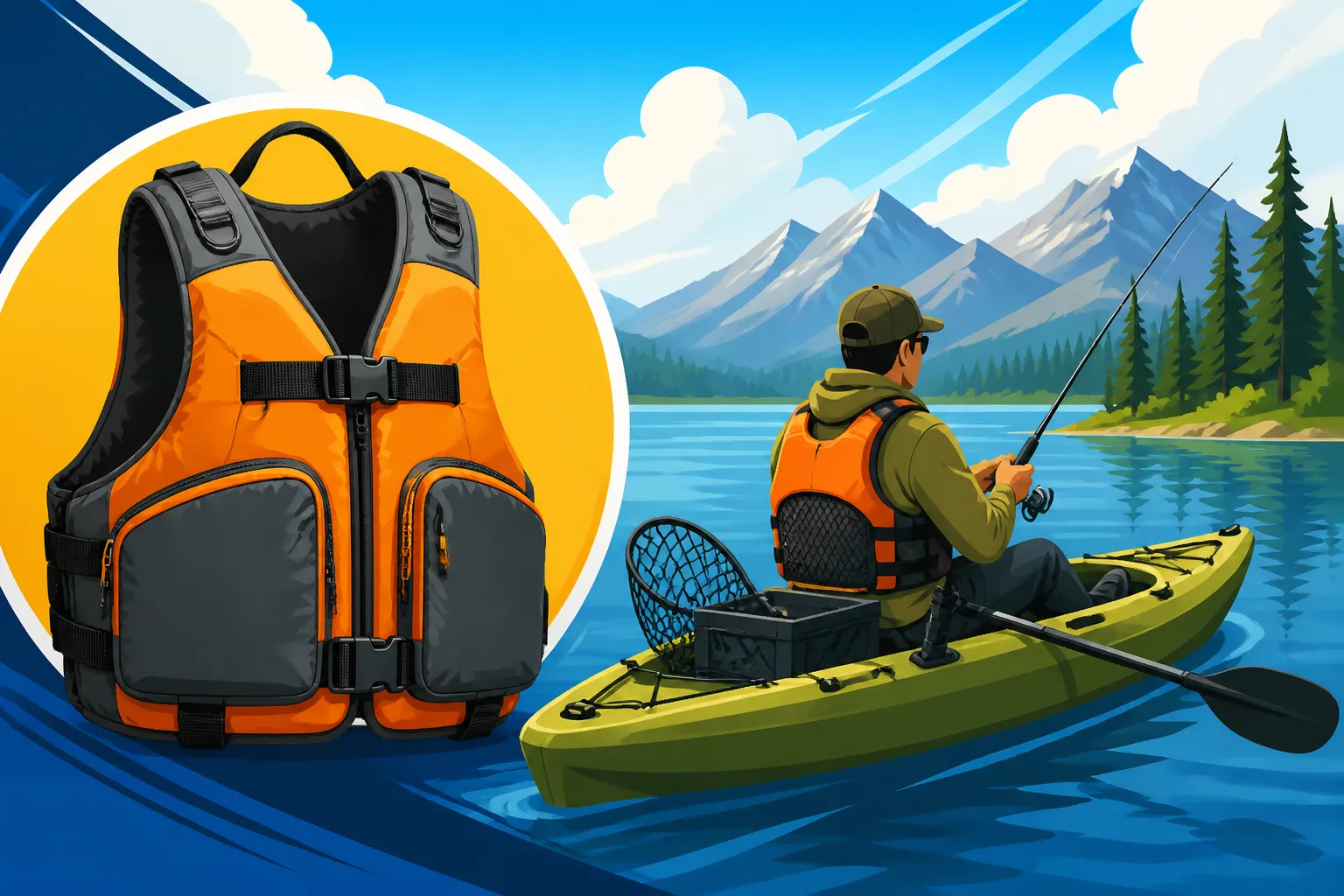
A good fishing PFD is designed with these activities in mind. It offers strategic buoyancy, often concentrating flotation higher on the back to allow for comfortable seating in a kayak. It also provides storage, turning a safety device into an organized mini-tackle box right on your chest. This integration means less fumbling for gear, more efficient fishing, and ultimately, a more enjoyable day on the water. It becomes an extension of your fishing kit, not just a mandatory item you tolerate.
Understanding Alberta's PFD Regulations for Kayakers
Before you even think about styles and features, you need to understand the legal requirements for wearing a life jacket in Alberta. Transport Canada regulations, which Alberta adheres to, are clear: every vessel, including a kayak, must have a Canadian-approved PFD or lifejacket of appropriate size for each person on board. While the specific requirements can sometimes feel a bit like reading a legal textbook, the bottom line for kayak anglers is simple: you need one, and it needs to fit you properly. You can learn more about the broader rules by checking out Alberta Boating Laws for Anglers.
It's not enough to simply have a PFD stowed away in your kayak; for vessels under 6 meters (which most fishing kayaks are), it's often recommended, and sometimes implicitly required by common sense, to wear it. Falling out of a kayak, especially in cold water or if you're alone, can happen in an instant. Trying to don a PFD while you're already in the water is incredibly difficult and dangerous. On many of Alberta's larger lakes, like Lesser Slave Lake or Cold Lake, conditions can change rapidly. A calm morning can turn into a windy, choppy afternoon, making an unexpected swim a real possibility. Always err on the side of caution and wear your PFD. This simple act is the single most important safety decision you can make. The rules regarding Life Jacket Requirements for Alberta Boaters provide a general overview that applies to all recreational boaters, including kayakers.
Key Features to Look for in a Lake Kayak Fishing PFD
When you start browsing for a life jacket, you'll quickly realize there's a huge variety out there. It's not just about picking one that's orange anymore! For kayak fishing, specific features make a world of difference. Think about how you fish, what kind of weather you typically encounter on Alberta lakes, and how long you plan to be on the water. These considerations will guide you to a PFD that truly enhances your experience rather than detracting from it.
Comfort and Fit for Long Days on the Water
Comfort is paramount, especially when you're going to be wearing your PFD for hours on end, paddling and casting. An uncomfortable PFD can quickly ruin a fishing trip. The fit should be snug but not restrictive. You want it to stay put if you go into the water, but not to dig into your armpits or neck while you're actively fishing. Many fishing-specific PFDs feature thinner back panels or mesh lower backs to accommodate the high seatbacks found on many fishing kayaks. This design prevents the PFD from riding up and bunching around your ears, a common frustration for kayakers.
Look for adjustable straps at the shoulders, sides, and waist. These allow you to customize the fit to your body shape and layering choices – a snug fit over a t-shirt in summer, or adjusted to fit over a warm jacket in the shoulder seasons. Padded shoulder straps can also prevent chafing and add to overall comfort. Remember, you'll be performing repetitive motions like casting and paddling, so ensure the PFD allows for a full range of motion. Spend some time trying on different models, and even mimic casting or paddling motions in the store. You'll be surprised how quickly you can tell if a PFD is going to be a friend or foe on the water.
Pockets, Attachments, and Accessibility for Gear
This is where fishing PFDs truly differentiate themselves from generic life jackets. Kayak anglers often have limited space, and having essential tools and tackle easily accessible can be a game-changer. Look for multiple pockets, preferably with zippers or secure closures, to hold things like small tackle boxes, pliers, line clippers, and your phone (in a waterproof case, of course!). Some PFDs even have dedicated spots for a VHF radio or a small first-aid kit.
Beyond pockets, consider attachment points. D-rings, loops, and bungee cords are incredibly useful for clipping on lanyards for your tools, attaching a fishing net, or securing a small dry bag. Imagine being able to grab your pliers off a retractable lanyard without rummaging through a crate in the back of your kayak. It's these small conveniences that make a big difference in the flow of your fishing day. Companies like Bass Pro Shops offer a wide array of PFDs with these angler-specific features. You might also want to explore options for Best Dry Bag for Kayak Fishing to complement your PFD's storage capabilities.
Buoyancy and Mobility for Casting and Paddling
The level of buoyancy is a critical safety feature. All Canadian-approved PFDs meet specific buoyancy standards, but their design can impact your mobility. Foam PFDs, for instance, offer inherent buoyancy and are always ready to go. They come in various configurations, with some having flotation concentrated in the chest and front sides, leaving the back thinner to accommodate a kayak seat. This distribution ensures you stay afloat with your head above water while still allowing you to lean back comfortably.
Inflatable PFDs, on the other hand, offer superior mobility and are far less bulky. They are typically worn like a lightweight vest or waist pack and inflate either automatically upon water immersion or manually with a pull cord. While they offer unparalleled freedom of movement, they require more attention: regular inspection, CO2 cartridge replacement, and the understanding that they are not inherently buoyant until activated. For experienced kayakers who prioritize unrestricted movement for casting and paddling, an inflatable might be ideal. However, they aren't suitable for all situations, like unconscious wearers, and are generally not recommended for children. Regardless of the type, the goal is a PFD that provides sufficient flotation without hindering your ability to paddle efficiently or execute a perfect cast for those elusive walleye. For a deeper dive into this type, check out Best inflatable life jacket for kayak anglers.
| PFD Type | Key Benefit | Buoyancy | Mobility | Storage | Maintenance |
|---|---|---|---|---|---|
| Vest-Style (Foam) | Always buoyant, high durability | Inherent | Moderate | Often excellent | Low |
| Inflatable | Unrestricted movement, low bulk | On-demand (CO2) | Excellent | Minimal | Moderate (cartridge, inspection) |
| Hybrid | Balance of safety & comfort | Inherent + On-demand | Good | Varies | Moderate |
Types of Life Jackets Suitable for Kayak Fishing
Choosing the right type of life jacket really boils down to balancing safety, comfort, and the specific demands of kayak fishing. There isn't a one-size-fits-all answer, as what works for a relaxed paddle on a small, calm pond might not be ideal for battling waves on a big Alberta lake. Let's break down the main categories you'll encounter and why each might be a good fit for your angling adventures.
Vest-Style PFDs: The Workhorses of Fishing
When most people think of a life jacket, they picture the traditional vest-style PFD. These are often made with foam flotation, meaning they are inherently buoyant and require no activation. For kayak fishing, these have evolved significantly from the bulky, bright orange vests of yesteryear. Modern fishing-specific vest PFDs are designed with kayak seats in mind. They often have a high back, where the flotation foam is thinned out or even removed, and replaced with mesh, to prevent it from pushing up against your kayak seat and riding up around your chin. This design allows for maximum comfort while seated, which is crucial for long hours on the water.
These PFDs are typically durable, reliable, and come packed with features tailored for anglers. You'll find a plethora of pockets for tackle, pliers, and other essentials, as well as attachment points for lanyards and gear. They are an excellent choice for anglers who prioritize constant, reliable flotation and need a practical "wearable tackle box." They're particularly well-suited for cooler conditions where the added insulation of a foam vest can be a bonus, or for beginners who want the reassurance of immediate flotation without any action required. You'll find a huge selection of these workhorse PFDs from brands often carried by Amazon or local outdoor retailers.
Inflatable PFDs: When Less Bulk is More
Inflatable PFDs represent a significant leap in comfort and mobility for anglers, especially those who find traditional foam vests too bulky. These PFDs are worn like a lightweight vest or a small waist pack and remain uninflated until needed. They work by using a CO2 cartridge to rapidly inflate a bladder when activated. Activation can be manual (you pull a cord) or automatic (it inflates when immersed in water). The automatic versions are particularly popular as they offer passive safety, inflating even if you're incapacitated.
The main advantage of an inflatable PFD is the incredible freedom of movement they offer. When uninflated, they're barely noticeable, allowing for completely unrestricted casting, paddling, and reaching for gear. This can be a huge benefit when you're targeting fast-moving species or need precise casting accuracy. However, there are trade-offs. They require more maintenance, including regular checks of the CO2 cartridge and inflation mechanism, and replacement of cartridges after each use. They are also generally more expensive than foam vests and are not suitable for all situations, such as fast-moving water or for individuals who cannot self-rescue (like young children or unconscious persons). For experienced anglers on calmer lake waters, or those who truly value the minimal bulk, an inflatable can be a fantastic option. Just remember to always check your CO2 cartridge before each outing!
Hybrid and Specialty Kayak Fishing PFDs
Beyond the two main categories, there are also hybrid PFDs and specialized designs that try to offer the best of both worlds or cater to very specific needs. Hybrid PFDs combine a small amount of inherent foam flotation with a CO2 inflatable bladder. This provides some baseline buoyancy even if the inflatable component isn't activated, offering a degree of passive safety while still maintaining a lower profile than a full foam vest. They are a great compromise for those who want more mobility than a traditional vest but still desire some inherent flotation.
Specialty kayak fishing PFDs are often designed with very specific features in mind. This can include integrated hydration systems, specialized pockets for things like fish finders or cameras, or even unique attachment points for mounting accessories. Some might have unique zipper configurations for easier donning and doffing, or highly reflective materials for low-light visibility. When you're looking at these options, it’s important to think about your personal fishing style and the environments you fish in. Do you need extra warmth? Do you do a lot of night fishing for walleye? Are you carrying specialized electronics? These niche designs can offer tailored solutions that significantly improve your fishing experience. Brands like Mustang Survival and Old Town (often found at retailers like Bass Pro Shops) excel in creating these purpose-built PFDs for specific angling needs.
Choosing the Right PFD for Different Alberta Lake Conditions
Alberta is a big province with an incredible diversity of lakes, from vast, deep bodies of water like Cold Lake to smaller, sheltered ponds. The conditions on these waters can vary wildly, not just from lake to lake but also hour by hour. This means that the "best" life jacket for lake kayak fishing isn't just about personal preference; it's also about matching your PFD to the environment and conditions you'll be facing. Thinking about the potential challenges of your chosen fishing spot will help you make a safer and more effective choice.
Calm Inlets vs. Big, Choppy Lakes
Imagine paddling a small, sheltered inlet on a calm summer day – perhaps a quiet corner of Pigeon Lake. Here, a lightweight inflatable PFD might be perfect, offering maximum freedom for casting and barely noticeable comfort. The risks of sudden capsizing are relatively low, and help is likely nearby. In these conditions, mobility and comfort often take precedence.
Now, picture yourself on the main basin of Lesser Slave Lake on a breezy afternoon. This is a vast body of water, and winds can whip up significant waves in a matter of minutes. Here, an inherently buoyant vest-style PFD becomes incredibly reassuring. If you unexpectedly go into the water, you're immediately floating, no action required. The extra bulk is a small price to pay for the increased safety and peace of mind when facing potentially challenging conditions. Large lakes also mean longer distances to shore or other boats for assistance. Always consider the size and exposure of the lake you'll be fishing. For tips on navigating these larger bodies of water, consider checking out articles like Best Kayak for Lesser Slave Lake.
Warm Summer Days vs. Cold Shoulder Seasons
The temperature of the air and, more critically, the water, plays a huge role in PFD selection. On warm summer days, a bulky foam PFD can feel hot and uncomfortable, making you sweat and potentially encouraging you to take it off (a big no-no!). In these conditions, a highly breathable, mesh-backed fishing PFD or an inflatable PFD can keep you much cooler and more comfortable, increasing the likelihood that you'll keep it on.
However, once the shoulder seasons hit – think early spring or late fall when you're chasing trophy pike or walleye – water temperatures can be dangerously cold, even if the air feels mild. Cold water shock and hypothermia are serious risks. In these conditions, a foam PFD offers not only flotation but also a small amount of thermal insulation, which can buy you precious minutes if you end up in the water. Some anglers even opt for specialized cold-water PFDs that offer enhanced insulation. The general rule is: the colder the water, the more you want a PFD that offers immediate and reliable flotation without any need for action on your part. Always layer appropriately under your PFD for the expected water and air temperatures.
Solo Trips vs. Guided Adventures
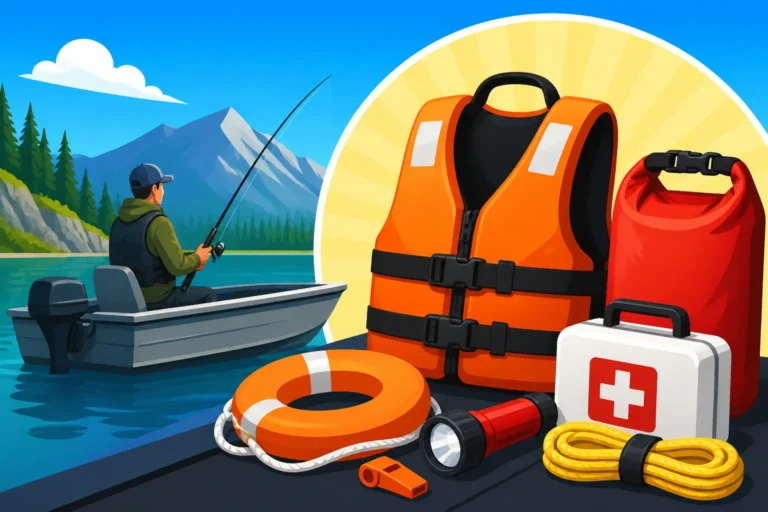
The level of support and assistance available to you also influences PFD choice. If you're heading out solo on an unfamiliar lake, perhaps exploring new Best Fishing Lakes in Alberta, you are your own first responder. In such situations, the inherent safety of a vest-style PFD that provides instant flotation is highly recommended. You don't want to be fumbling with a pull cord or hoping for automatic inflation if you're stunned or injured from a capsize. Carrying extra safety gear, like a whistle, signal mirror, and a basic first aid kit, becomes even more critical on solo adventures.
On a guided trip, or when fishing with a group of experienced kayakers, you might have more leeway to choose a less bulky option like an inflatable, knowing that immediate assistance is available. However, even with a group, personal responsibility for safety remains paramount. Never rely solely on others to keep you safe. Ensure everyone in your party understands basic water safety, and that all PFDs are properly fitted and in good working order. Regardless of company, having a properly fitted and ready-to-go PFD is a non-negotiable part of your Best Kayaks for Alberta Fishing setup.
Maintenance and Care for Your Fishing Life Jacket
A life jacket isn't a "set it and forget it" piece of gear. Like any other vital fishing equipment, it needs regular attention and proper care to ensure it remains effective and safe. Neglecting your PFD can lead to its premature degradation, reduced buoyancy, or worse, failure when you need it most. Think of it as an investment in your safety and comfort on the water; a little care goes a long way in protecting that investment.
Extending the Life of Your PFD
The lifespan of your PFD largely depends on how well you care for it. After each trip, especially if it's been exposed to saltwater (rare on Alberta lakes, but possible if you travel with it) or muddy water, give it a quick rinse with fresh water. Use mild soap if needed, but avoid harsh detergents or bleach, which can degrade the fabric and flotation material. Always allow your PFD to air dry completely in a well-ventilated area, away from direct sunlight or excessive heat. Hanging it to dry helps maintain its shape and prevents mildew. Never store a damp PFD, as mildew can quickly set in, weakening materials and causing unpleasant odors.
Sunlight, particularly UV rays, is a major enemy of PFDs, degrading the outer fabric and eventually the foam. Store your PFD indoors, in a cool, dry place, out of direct sunlight. Avoid leaving it exposed in your vehicle for extended periods. If you have an inflatable PFD, pay extra attention to the CO2 cartridge. Check the expiry date and ensure the indicator shows it's armed and ready. Keep spare cartridges on hand, especially if you're prone to accidental activations or planning multi-day trips. These simple steps ensure your PFD is ready to perform when called upon, extending its functional life for many seasons of Alberta fishing adventures.
Proper Storage and Inspection
Before every outing, get into the habit of performing a quick inspection of your PFD. This only takes a minute but can make all the difference. Check all straps, buckles, and zippers for signs of wear, fraying, or damage. Make sure they function smoothly and securely. Examine the outer fabric for rips, tears, or punctures, which can compromise the integrity of the foam or inflatable bladder. For foam PFDs, gently squeeze the foam to check for any signs of waterlogging or excessive compression, which can indicate a loss of buoyancy.
For inflatable PFDs, confirm the CO2 cylinder is properly installed and the indicator tab (if present) shows it's armed. It's a good practice to manually inflate an inflatable PFD once a season (or according to manufacturer recommendations) to check for leaks and ensure the bladder holds air. Let it sit for 12-24 hours; if it loses air, it needs repair or replacement. After testing, simply deflate it, fold it according to the manufacturer's instructions, and replace the CO2 cartridge. Proper storage means hanging it in a closet or laying it flat, avoiding crushing it under other gear, which can damage the foam or inflation mechanism. By treating your PFD with care, you're not just maintaining a piece of equipment; you're maintaining your personal safety net on the water.
Where to Find Your Perfect Kayak Fishing PFD
So, you've done your research, you know what features you need, and you understand the importance of a good fit. Now comes the exciting part: actually getting your hands on that perfect PFD! Luckily, in this day and age, you have a wealth of options, from the convenience of online shopping to the personalized service of local shops. Each has its advantages, depending on what you prioritize in your shopping experience.
Online Retailers and Their Benefits
Shopping online offers an unparalleled selection. Websites like Amazon, for instance, carry a massive inventory of PFDs from various manufacturers, often at competitive prices. You can browse different styles, compare features side-by-side, and read countless customer reviews to get a real-world sense of how a PFD performs. This can be especially helpful if you're looking for a specific niche feature or a less common brand. The convenience of having your chosen PFD shipped directly to your door is also a huge plus, saving you time and travel.
However, there's a significant drawback when buying a PFD online: you can't try it on. Fit is absolutely crucial for both comfort and safety. What looks great on a model online might not feel right on your body. Sizes can vary between brands, and photos don't always convey how bulky or streamlined a vest truly is. If you do buy online, make sure the retailer has a clear and easy return policy. Many experienced anglers use online shopping for research, narrowing down their choices, and then visit a physical store to try on their top picks before committing.
Local Shops and Expert Advice
For something as critical as a life jacket, especially one you'll be wearing for hours while actively fishing, there's immense value in visiting a dedicated outdoor or fishing supply store. Places like Bass Pro Shops, with their extensive fishing departments, often have a wide selection of PFDs specifically designed for kayak anglers. The biggest benefit here is the ability to physically try on different models. Don't just stand there – sit down, simulate paddling and casting motions, and see how the PFD feels against your kayak seat.
Beyond the try-on factor, local shops offer invaluable expertise. The staff are often experienced anglers themselves and can provide personalized advice based on your body type, fishing style, and the specific Alberta lakes you plan to fish. They can guide you through different buoyancy ratings, explain the nuances of various features, and ensure you understand the proper fit and care. While prices might sometimes be slightly higher than online, the ability to get expert fitting and advice for such a vital piece of safety equipment is often well worth the investment. Plus, supporting local businesses keeps our communities strong and vibrant. Whether online or in person, the goal is to find a PFD that feels like it was custom-made for your Alberta lake kayak fishing adventures.
Disclaimer
This article is for general informational purposes only and does not constitute professional advice. Laws, prices and regulations vary by location and change over time. Consult a qualified professional for guidance on your specific situation.