Best Pike Gear for Alberta Lakes
So you've heard the stories, haven't you? Tales of monstrous northern pike lurking in Alberta's sprawling lakes, ready to give you the fight of your life. But if you've ever hooked into one with inadequate gear, you know the frustration of a snapped line, a bent hook, or a broken rod. This guide is all about equipping you with the best pike gear for Alberta lakes, ensuring you're ready to tackle these freshwater predators head-on and bring home those unforgettable stories.
Understanding Alberta Pike: Why Specialized Gear Matters
Before we dive into the specifics of rods, reels, and lures, it’s crucial to understand why northern pike demand a specialized approach to gear. These aren't your average panfish; they are apex predators with a distinct set of characteristics that will test your tackle to its limits. Treating them like any other fish is a surefire way to lose a trophy and leave you wondering what went wrong.
Pike are known for their explosive strikes, their powerful runs, and their infamous headshakes. They'll dive into weed beds, wrap your line around submerged timber, and often put up a brutal fight right at the boat. Without gear designed to withstand this kind of abuse, you're setting yourself up for disappointment. It's not just about strength; it's about the right balance of sensitivity, durability, and specialized features that cater to the pike's unique fighting style and razor-sharp teeth.
The Fight of a Northern Pike
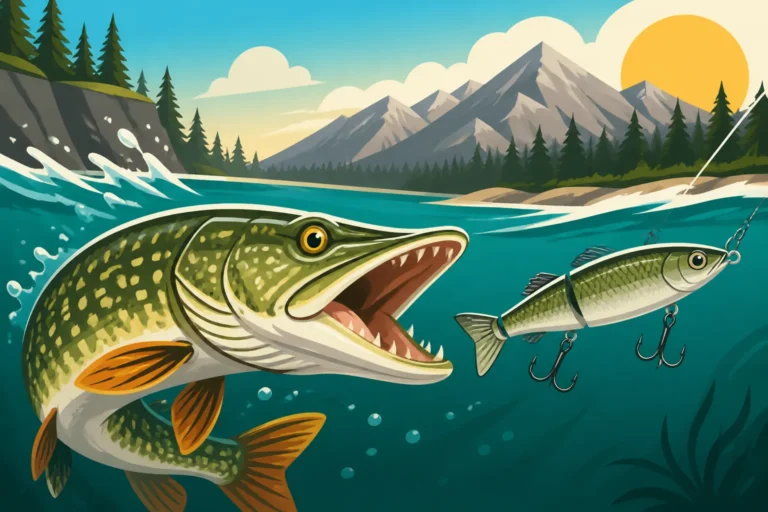
When a pike hits your lure, it's rarely subtle. It’s an ambush predator, often striking with incredible force and speed. Imagine casting near a weed line on Lesser Slave Lake, and suddenly your retrieve is violently interrupted by a tug that nearly rips the rod from your hands. That's a pike. They often make short, powerful runs, testing your drag to its maximum, before changing direction abruptly. Then come the headshakes, designed to dislodge the hook, which can put immense stress on your line and knots.
What makes their fight so distinctive is their tendency to use their environment to their advantage. A big northern pike, especially one over the Northern Pike Growth Rate to Trophy Size, will instinctively try to bury itself in thick cover – reeds, lily pads, submerged logs – any place where it can snag your line and escape. This means your gear needs to have the backbone to turn a fish away from trouble, combined with the resilience to withstand sudden, jarring impacts. A lighter setup might be fun for smaller fish, but for a true Alberta gator, you need power.
Habitat and Size of Alberta Pike
Northern pike are incredibly widespread across Alberta, inhabiting a vast array of lakes, rivers, and even larger ponds. From the shallower, weed-choked bays of Pigeon Lake to the deeper structures of Lake Athabasca, pike thrive in diverse environments. They prefer areas with ample cover, like weed beds, fallen trees, and rocky outcrops, which provide excellent ambush points for their prey. Understanding their preferred habitats helps in choosing the right presentations and, by extension, the right gear to get your lure into those prime locations.
The size of pike in Alberta can vary dramatically. While you'll encounter plenty of smaller "hammer handles," Alberta is also home to legitimate trophy pike, often exceeding 40 inches and weighing well into the double digits. Imagine hooking into one of those giants in the clear waters of Cold Lake or the sprawling expanse of Lake Athabasca. Your gear needs to be robust enough to handle these larger specimens without fear of it failing mid-fight. A general-purpose medium-heavy rod might suffice for average fish, but when a true monster strikes, you'll be thankful for that extra heavy action and strong line. This isn't just about landing the fish; it's about doing so efficiently to ensure a safe release if you're practicing catch-and-release, or to prevent unnecessary stress on the fish.
Rods and Reels: The Backbone of Your Pike Setup
Your rod and reel are the primary interface between you and the fish. For northern pike in Alberta, this isn't an area to compromise. The combination needs to be robust, reliable, and capable of delivering big lures while handling powerful fish. Skimping here will only lead to heartbreak and missed opportunities. Think of it as the foundation of your entire pike fishing system.
Rods: Power, Length, and Action
When choosing a rod for pike, "heavy" is often the operative word. You'll want to look for rods rated as Medium-Heavy (MH) or, even better, Heavy (H) power. This refers to the rod's ability to lift weight, which translates directly to its capacity to fight strong fish and cast heavier lures. Pike lures, such as large spinnerbaits, oversized spoons, or substantial swimbaits, can be quite heavy, and a powerful rod is essential to cast them effectively without fear of snapping your rod tip.
As for length, rods typically range from 6'6" to 7'6" for casting applications. A longer rod, say 7' to 7'6", offers several advantages. It provides more leverage for casting those heavier baits, allows for longer casts to cover more water (especially crucial on large lakes), and offers better line control when fighting a fish, helping to steer it away from snags. The action of the rod, which describes where the rod bends, should ideally be Fast or Extra-Fast. A fast-action rod bends mostly in the tip section, giving you excellent sensitivity to feel subtle bites and the quick responsiveness needed for powerful hooksets to penetrate a pike's bony mouth. This combination of heavy power and fast action is critical for both presentation and fighting ability. When looking for Best Fishing Rods for Alberta Rivers, many of those principles also apply to pike fishing in lakes, as rivers can have strong currents mimicking a pike's powerful fight.
Reels: Baitcasters for Big Pike
For serious pike fishing, a baitcasting reel is almost universally preferred over a spinning reel. While spinning reels are versatile, baitcasters offer superior casting control with heavy lures, more torque for reeling in big fish, and a stronger drag system. Look for a baitcaster in the 200 to 300 size range, designed for heavier lines. The robust construction and gear ratios of these reels are specifically suited to handling the demands of pike fishing.
When selecting your reel, pay attention to the gear ratio. A ratio around 6.4:1 to 7.1:1 is a good all-around choice. Lower ratios (e.g., 5.X:1) provide more cranking power for retrieving large, high-resistance baits, while higher ratios (7.X:1 or more) are excellent for quickly picking up slack line and working faster baits. The key is to find a reel with a smooth, reliable drag system, as this is your ultimate shock absorber when a big pike decides to run. A high-quality drag will prevent line breaks and allow you to tire out the fish effectively. Many anglers seek out specific models in Best Baitcasting Reels for Pike Fishing for their durability and performance.
Line and Leaders: Unbreakable Connections
The line connecting you to your lure, and the leader protecting it from those notorious teeth, are perhaps the most critical components of your pike setup. A failure here means a lost fish, a lost lure, and potentially leaving tackle in the water. This is not the place to economize or cut corners. Your line and leader must be up to the task of not only casting heavy baits but also withstanding the brutal force and sharp edges of a pike's mouth.
Main Line: Braided Strength
For pike fishing, braided line is the undisputed champion. It offers incredible strength-to-diameter ratio, has virtually no stretch (providing excellent sensitivity and powerful hooksets), and is exceptionally abrasion-resistant. For your main line, you'll want to spool up with braided line in the 30-65 lb test range, depending on the size of pike you're targeting and the weight of your lures. A common choice is 50 lb test, which provides ample strength for most Alberta pike, even the true monsters.
The lack of stretch in braided line means every twitch, every subtle tap, and every powerful strike is transmitted directly to your rod tip. This enhanced sensitivity can be a game-changer when fishing in heavy cover or in conditions where bites are light. Its thin diameter for its breaking strength also allows you to spool more line on your reel, which can be beneficial for those long runs a big pike might make across a wide-open lake. Brands like PowerPro or Sufix are popular choices among pike anglers for their reliability and performance. When considering Best Line Weight for Pike Fishing, braided line always comes out on top for pike.
Leaders: The Tooth Barrier
This is where many anglers make a crucial mistake. Northern pike have mouths full of needle-sharp teeth that can sever monofilament or fluorocarbon lines with frightening ease. A proper pike leader is absolutely non-negotiable. Without one, you’re practically guaranteeing a bite-off on any decent-sized fish. Leaders serve as a sacrificial, robust connection between your main line and your lure, designed to withstand those sharp teeth.
There are two primary types of leaders for pike:
- Wire Leaders: These are typically made from steel or titanium wire. They are the most bite-proof option available and are often pre-made with swivels and snaps for easy attachment. Look for wire leaders in the 6-12 inch range, with a test strength of 30-80 lbs. While they can be somewhat visible in clear water and might slightly inhibit lure action, their protective qualities are paramount.
- Heavy Fluorocarbon Leaders: While not as bite-proof as wire, heavy fluorocarbon (80-120 lb test) offers a more subtle presentation, which can be advantageous in clear water or when fish are finicky. Fluorocarbon is significantly more abrasion-resistant than mono and much less visible than wire. However, even heavy fluorocarbon can be cut by a large pike's teeth if it gets lodged just right. Many anglers opt for longer fluorocarbon leaders, sometimes 18-24 inches, to give themselves a little more protection.
The choice between wire and heavy fluorocarbon often comes down to fishing conditions and personal preference, but always ensure your leader is strong enough and long enough to protect your main line from those formidable jaws. For most aggressive pike fishing, I lean towards wire for absolute peace of mind.
Lures and Baits: Tempting the Toothies
Once your rod, reel, line, and leader are sorted, it's time to talk about what actually attracts these toothy critters. Pike are opportunistic predators, and a wide variety of lures can be effective. However, certain styles and sizes tend to perform exceptionally well, especially when targeting larger fish in Alberta's diverse lake environments. The key is to present something enticing that mimics their natural prey, or irritates them enough to strike. For more specific lure recommendations, check out Best Lures for Northern Pike in Alberta.
Hard Baits and Spinnerbaits
Hard Baits: These include crankbaits, jerkbaits, and swimbaits, often made from plastic or wood.
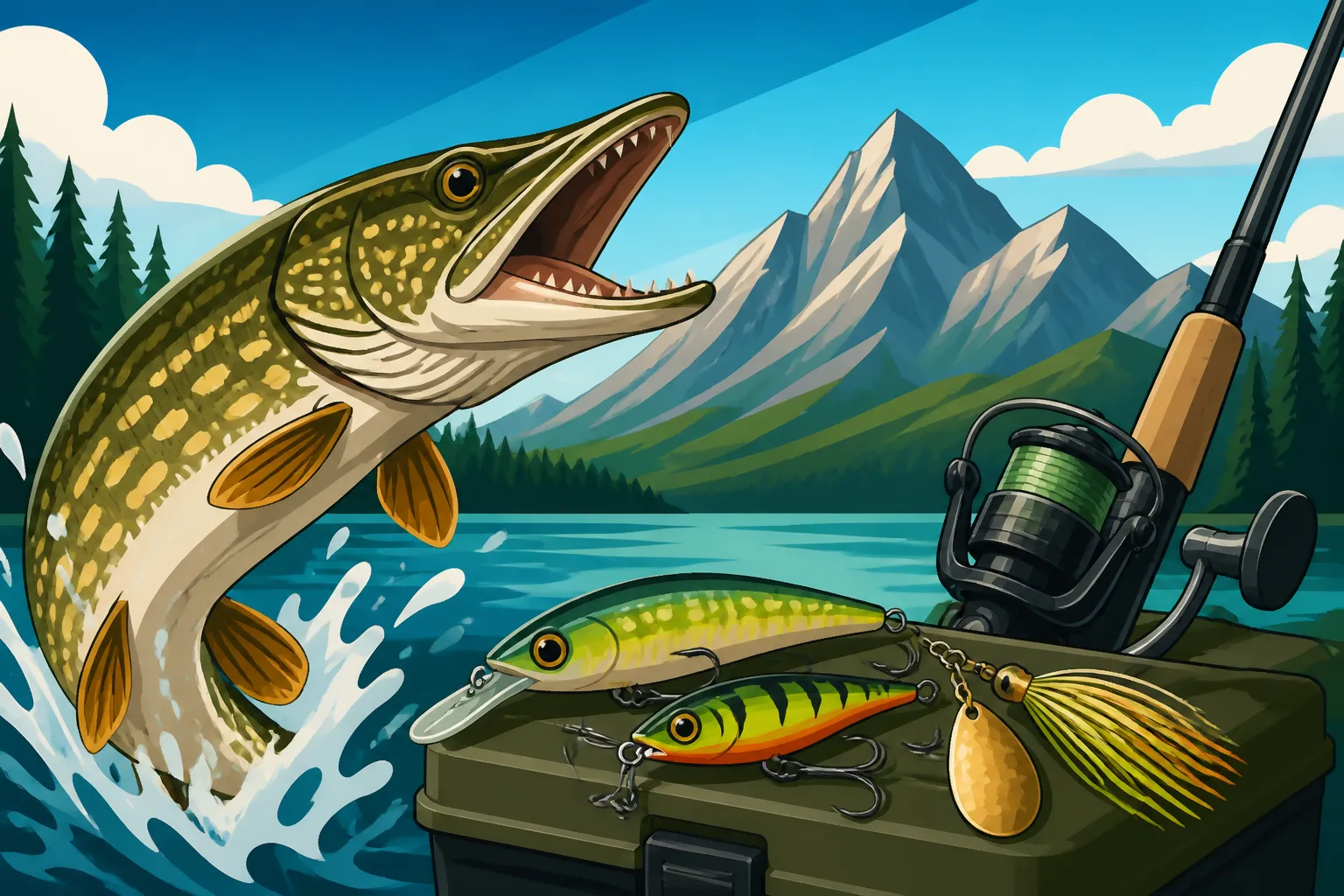
- Crankbaits: Medium to large crankbaits (4-8 inches) are excellent for covering water. Choose models that dive to the depths where pike are holding, whether that's shallow weed flats or deeper breaks. Rattling crankbaits can also be very effective, especially in stained water, as the sound helps pike locate the lure. Bright colours like firetiger, perch patterns, or chrome are often productive.
- Jerkbaits: Long, slender jerkbaits (5-9 inches) that suspend or slowly float are fantastic for working over weed beds or around structure. The erratic, darting action created by twitching your rod tip can drive pike absolutely wild, mimicking a wounded baitfish. Natural baitfish colours (silver, perch, minnow patterns) are usually a good starting point.
- Topwater Lures: Think large poppers, walk-the-dog baits, or even buzzbaits. There's nothing quite like the explosive strike of a pike blowing up a topwater lure. These are best used in low-light conditions, over shallow weed beds, or in calm waters.
Spinnerbaits: These are a pike angler's secret weapon, especially for fishing in heavy cover. Their weedless design, thanks to the upward-riding wire arm, allows them to be retrieved through thick weeds and timber where other lures would snag. The flash and vibration created by the spinning blades are irresistible to pike. Opt for larger spinnerbaits (1/2 oz to 1 oz or more) with big Colorado or willow leaf blades. Tandem blades are particularly effective. Chartreuse, white, black, and combinations of these colours are perennial favourites. A single large spinnerbait can be incredibly versatile for covering many pike scenarios.
Soft Plastics and Swimbaits
The world of soft plastics has exploded, offering incredibly realistic presentations that pike often can't resist.
- Paddle-tail Swimbaits: These large, soft plastic lures (4-8 inches) with a thumping paddle tail create a strong vibration and a realistic swimming action. They can be rigged on jig heads or with weighted hooks for a weedless presentation. They are excellent for slow-rolling over weed edges or through open water, mimicking a large forage fish. Consider natural colours like perch or smelt, but also don't shy away from bright chartreuse or white.
- Soft Jerkbaits/Shad: Rigged weightless or lightly weighted, these soft plastic baits have a darting, erratic action similar to hard jerkbaits but can be worked even slower and more subtly. They are fantastic for finicky pike or when fishing sparse cover.
- Grubs and Tubes: While often associated with smaller fish, larger grub tails or tube baits (4-6 inches) on heavy jig heads can be very effective for pike, especially when vertically jigging or casting to deeper structure. The spiraling action of a grub or the subtle movement of a tube's tentacles can trigger strikes.
Natural Baits and Live Minnow Rigs
While many anglers prefer to throw artificials, natural baits can be incredibly effective for pike, particularly during colder water periods or for passive presentations like still-fishing or using tip-ups during ice fishing.
- Dead Bait: Whole or cut dead baitfish like smelt, ciscoes, or even large shiners can be rigged on quick-strike rigs (a specialized rig with multiple hooks designed for pike) and fished under a float or on the bottom. The scent trail of dead bait is a powerful attractant, drawing pike in from a distance. This is a very popular method during the colder months when pike become more lethargic. Always ensure you are using legally sourced bait and check the Alberta Fishing Regulations Explained for any restrictions on bait use in specific water bodies.
- Live Minnows (Where Legal): In waters where it's permitted, a large live minnow or chub, fished under a float or slow-trolled, can be irresistible to pike. Again, always verify local regulations on the use of live bait, as many waters in Alberta have restrictions to prevent the spread of disease or invasive species.
Essential Pike Fishing Accessories
Beyond the rod, reel, line, and lures, a few key accessories will significantly enhance your pike fishing experience. These items contribute to efficiency, safety, and responsible angling, especially when dealing with a powerful, toothy fish. For a complete safety checklist for your boat, refer to Alberta Required Boat Safety Equipment Checklist.
Landing Gear: Nets, Grips, and Pliers
Landing a large, thrashing pike safely for both you and the fish requires specialized tools. Trying to hand-land a big pike is a recipe for disaster (and potentially a trip to the emergency room).
- Large Landing Net: A wide, deep landing net with rubberized or knotless mesh is essential. The large size helps cradle the fish, preventing it from thrashing out, while the rubberized mesh protects the fish's slime coat and fins, crucial for catch-and-release. Ensure the handle is sturdy and long enough to reach from your boat or the bank. This is a must-have for safe handling, and you can find specific recommendations in Best Landing Net for Pike.
- Fish Grips/Boga Grips: These devices allow you to securely grip a pike's lower jaw without putting your hands near its teeth. They provide excellent control for weighing and unhooking, especially important for vigorous fish. Look for models with a comfortable handle and a strong, non-corrosive grip mechanism.
- Long-Nose Pliers or Forceps: Standard pliers won't cut it. You need at least 10-12 inch long-nose pliers, and even longer ones (14-18 inches) can be beneficial, especially for deep-set hooks. These allow you to reach into a pike's mouth and safely remove hooks without risking your fingers. Forceps are excellent for smaller hooks or more delicate work.
Storage and Organization: Tackle Boxes and Bags
Keeping your pike gear organized and protected is vital, given the size and quantity of lures you might be carrying.
- Large Tackle Box or Bag System: You'll need ample space for your oversized lures, leaders, and tools. A multi-compartment tackle box with adjustable dividers or a soft-sided tackle bag with utility boxes (like those from Plano or Bass Pro Shops) is ideal. Look for durable, waterproof materials to protect your gear from the elements.
- Lure Storage: Consider specialized lure wraps or individual lure boxes for your biggest baits to prevent hooks from tangling and lures from getting damaged. Many larger swimbaits and jerkbaits have multiple treble hooks that can become a tangled mess if not stored properly.
- Leader Wallets: A small, dedicated wallet or pouch to store pre-tied leaders will keep them organized and prevent them from getting bent or damaged.
Safety and Comfort on the Water
Fishing for pike, especially from a boat, involves certain safety and comfort considerations.
- First-Aid Kit: Accidents happen, and with sharp hooks and teeth around, a basic first-aid kit with bandages, antiseptic wipes, and pain relievers is a wise addition to your gear.
- Sun Protection: Alberta's sun can be intense on the water, even on cloudy days. A wide-brimmed hat, polarized sunglasses (essential for seeing structure and fish underwater), and sunscreen are a must.
- Appropriate Clothing: Dress in layers to adapt to changing weather conditions. Waterproof outer layers are crucial, as a sudden rain shower on a large lake can make for a miserable experience if you're not prepared.
- Boating Safety Gear: If you're fishing from a boat, ensure you have all the necessary safety equipment: life jackets (PFDs) for everyone on board, a sound-signaling device, a bailer or pump, and navigation lights for low-light conditions. Always check Life Jacket Requirements for Alberta Boaters and other local boating laws.
Special Considerations for Ice Fishing Pike
Alberta's ice fishing season offers a unique and incredibly rewarding opportunity to target pike. However, this cold-weather pursuit requires a distinct set of gear to be effective and comfortable. The dynamics of fishing through a hole in the ice are vastly different from open-water casting, and your gear needs to reflect that. Always exercise extreme caution on the ice and ensure it's thick enough to be safe. Ice Fishing in Alberta provides a great overview of the season.
Ice Rods and Tip-Ups
- Ice Rods: Unlike their open-water counterparts, ice fishing rods are much shorter, typically ranging from 28 to 48 inches. For pike, you'll still want a medium-heavy to heavy power rod with a fast action. The short length allows for easy maneuvering inside an ice hut or around a hole. These rods are usually paired with small spinning reels or specialized ice fishing reels. The combination provides the sensitivity to detect subtle bites through the ice and the power to haul a fish up through a relatively narrow opening. Many anglers prefer longer ice rods (36-48 inches) for pike as they help absorb the shock of a headshake.
- Tip-Ups: These iconic ice fishing devices are passive fishing tools where a flag "tips up" to signal a bite. They are incredibly effective for pike because you can spread multiple tip-ups over a wider area, increasing your chances of intercepting a cruising fish. When a pike takes the bait, it pulls line from the spool, releasing the flag. Tip-ups are typically rigged with strong braided line, a heavy fluorocarbon or wire leader, and a quick-strike rig or large single hook baited with dead baitfish. It's a fantastic way to cover different depths and structures, increasing your odds significantly, especially on sprawling lakes like Lesser Slave Lake.
Ice Augers and Shelters
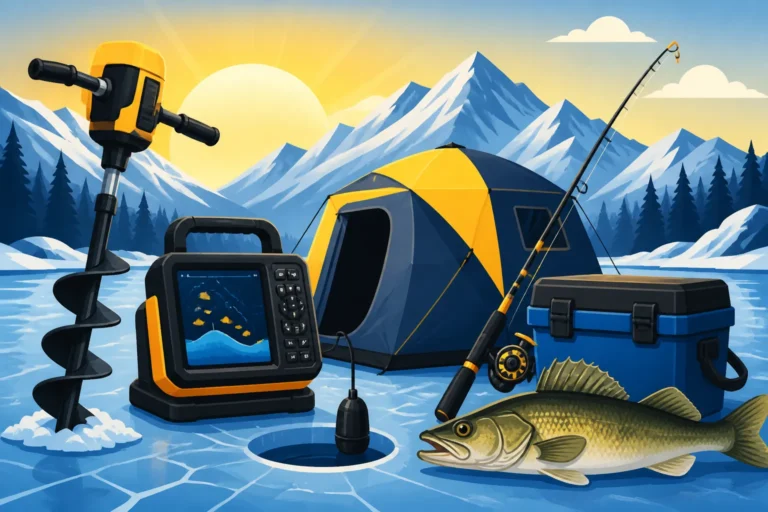
- Ice Augers: To get your line in the water, you need to cut a hole in the ice. For pike, you'll want a larger hole than you might use for panfish. An 8-inch or 10-inch auger is recommended to accommodate larger pike and prevent them from getting stuck in the hole. Both manual and power augers (gas, propane, or electric) are available. Power augers are a game-changer for drilling multiple holes quickly, especially in thick Alberta ice. A good auger makes the difference between struggling to cut a few holes and easily setting up your spread.
- Ice Shelters/Huts: Comfort is key for enjoying long days on the ice. Ice shelters, ranging from portable flip-over shacks to larger hub-style tents, provide protection from the wind, snow, and bitter cold. Many are insulated and can be heated with portable propane heaters, turning a potentially miserable day into a comfortable and enjoyable outing. Being comfortable allows you to stay out longer and focus on fishing, increasing your chances of success. Plus, a warm shelter means your hands stay nimble for retying knots or handling fish. Always ensure proper ventilation when using a heater in an enclosed space. Don't forget to check Alberta Ice Fishing Hut Registration Rules if you plan to leave your shelter on the ice for extended periods.
Where to Buy Your Alberta Pike Gear
Finding the right gear is part of the fun, but knowing where to look can save you time and ensure you're getting quality products. Alberta anglers have a few excellent options, ranging from large retail chains to specialized online stores. Always consider the value, product availability, and customer service when making your purchases.
Local Shops vs. Online Retailers
- Local Fishing Shops: These are often treasures, offering not just gear but also invaluable local knowledge. Shops like Wholesale Sports, or smaller independent tackle stores across Alberta, often have staff who are passionate local anglers. They can provide specific advice on what lures are working best right now on specific local lakes, which is gold for any angler. Buying locally supports your community and allows you to physically inspect rods and reels, feeling the balance and quality firsthand. You might find unique, locally tied flies or custom-painted lures that are proven fish catchers in the area.
- Large Retail Chains: Big box stores that carry outdoor gear, such as Canadian Tire or Cabela's, offer a wide selection and competitive prices. You can often find popular brands and common tackle items here. Bass Pro Shops is another excellent option, often having a huge selection of fishing gear, from entry-level combos to high-end specialist equipment. Their knowledgeable staff can also be a great resource.
- Online Retailers: The convenience and vast selection of online retailers cannot be overstated. Websites like Amazon or specialized fishing e-commerce sites offer access to virtually any piece of gear imaginable, often with detailed reviews and competitive pricing. This is particularly useful for finding niche items or comparing different brands and models from the comfort of your home. However, you miss out on the tactile experience of handling the gear and the immediate expert advice you'd get from a local pro shop. Always check shipping costs and return policies when buying online.
| Gear Item | Key Considerations | Where to Find (Examples) |
|---|---|---|
| Rods | Medium-Heavy to Heavy Power, Fast Action, 6'6" – 7'6" | Local tackle shops, Cabela's, Bass Pro Shops, Online retailers |
| Reels | Baitcasting, 200-300 size, Smooth Drag, 6.X:1 Gear Ratio | Local tackle shops, Cabela's, Bass Pro Shops, Online retailers |
| Line | Braided, 30-65 lb test, Low Stretch | All fishing retailers, including Amazon |
| Leaders | Wire (30-80 lb) or Heavy Fluorocarbon (80-120 lb) | Local tackle shops, Cabela's, Bass Pro Shops, Online retailers, Amazon |
| Lures | Large Crankbaits, Jerkbaits, Spinnerbaits, Swimbaits | Local tackle shops (for local hot lures), Cabela's, Bass Pro Shops, Online retailers |
| Landing Net | Large, Rubberized Mesh, Sturdy Handle | Local tackle shops, Cabela's, Bass Pro Shops, Online retailers |
| Pliers/Grips | Long-nose pliers (10"+), Fish Grips | All fishing retailers, including Amazon |
| Ice Augers | 8"-10" diameter, Manual or Power | Local tackle shops, Cabela's, Bass Pro Shops, Online retailers |
| Ice Shelters | Portable, Insulated, Room for Heater | Cabela's, Bass Pro Shops, Large outdoor stores, Online retailers |
Budgeting for Your Pike Setup
Investing in good pike gear doesn't necessarily mean breaking the bank, but it does mean making smart choices. You can build an effective setup incrementally. Start with a solid rod and reel combo that fits your budget, then add quality line and leaders. Lures can be accumulated over time. While it's tempting to buy the cheapest option, remember that pike fishing is demanding, and poorly constructed gear will fail you when it matters most.
Consider what kind of pike fishing you'll be doing most often. If you're primarily a fair-weather open-water angler, prioritize your casting setup. If ice fishing is your passion, allocate more to your auger, tip-ups, and shelter. You can often find great value in mid-range products that offer a good balance of durability and performance without the premium price tag of top-tier professional gear. Remember, a good setup is an investment that will provide years of enjoyment on the water targeting Alberta's formidable northern pike. The key is to get out there and start making those memories!
Disclaimer
This article is for general informational purposes only and does not constitute professional advice. Laws, prices and regulations vary by location and change over time. Consult a qualified professional for guidance on your specific situation.