Best Boats for Alberta Lakes and Rivers
Choosing the right boat for fishing in Alberta can feel like a daunting task, especially when you consider the sheer diversity of our province's waters. From the vast, wind-swept prairies to the turbulent mountain rivers and the expansive northern lakes, each offers a unique challenge and opportunity. This guide is here to help you navigate the complexities of boat selection, ensuring you find the perfect vessel to enhance your Alberta fishing adventures, no matter where your angling passion takes you.
Navigating Alberta's Diverse Angling Landscapes
Alberta's fishing opportunities are as varied as its geography, presenting a delightful challenge when it comes to picking the perfect vessel. One boat simply cannot do it all, and understanding the distinct characteristics of our provincial waterways is the first crucial step in making an informed decision. You wouldn't bring a bass boat to a mountain stream, just as you wouldn't expect a canoe to handle the choppy waters of a massive reservoir. It's about matching your vessel to the very environment you intend to explore.
The Calm Expanses of Prairie Lakes and Reservoirs
Picture yourself on a serene prairie lake, the sun glinting off the water, a gentle breeze ruffling the cattails along the shore. Or perhaps you're envisioning the vastness of a major reservoir like Travers, McGregor, or Newell Lake, where the horizon stretches endlessly. These bodies of water, common across southern and central Alberta, are often characterized by their broad, open expanses, relatively consistent depths, and sometimes, very significant wind exposure. What seems calm at the dock can quickly turn into a legitimate chop, especially on large, shallow bodies of water where the wind has a long fetch to build waves.
Anglers targeting walleye, northern pike, perch, and sometimes even lake trout in these environments need a boat that offers stability, comfort, and the ability to cover significant distances safely. The biggest frustration here is often feeling vulnerable in a smaller, less stable craft when the wind picks up, or being limited in how far you can venture from the launch. Safety is paramount, and a boat that can handle unexpected weather changes, while providing a stable platform for casting or trolling, becomes an absolute game-changer. These are the kinds of places where you truly appreciate a hull designed to cut through waves rather than just bounce over them, making your day on the water much more enjoyable and productive. Best Walleye Lakes in Alberta often fall into this category, demanding a boat that's up to the task.
The Dynamic Flows of Mountain and Foothills Rivers
Now, let's shift gears to the rushing currents of our mountain and foothills rivers – think the Bow River, Crowsnest River, or the Oldman River. These waterways are a completely different beast. They feature shallower sections, powerful currents, hidden rocks, sudden drops, and often require precise boat handling. The challenge here isn't usually massive waves, but rather navigating obstacles and maintaining control in moving water, all while trying to present a fly or lure to wary trout. Many anglers, especially fly fishermen, dream of drifting silently down these rivers, presenting their offering to prime lies. However, doing so safely and effectively requires a specific type of boat that can handle these dynamic conditions.
Your primary frustration here might be trying to maneuver a boat that's too heavy or too deep-drafted for the skinny water, constantly bumping rocks or getting stuck. Conversely, a boat that's too light or lacks proper rowing capabilities can quickly become a dangerous liability in strong currents, making it difficult to maintain position or avoid hazards. The ideal vessel for these rivers offers superb maneuverability, a shallow draft, and is often designed for silent drifting, allowing you to sneak up on those elusive trout. This is where specialized boats really shine, providing access to incredible fishing that shore-bound anglers can only dream of. For those interested in Fly Fishing for Trout on the Bow River, the right boat is absolutely essential.
Exploring Northern Alberta's Vast, Wild Waters
Venturing into Northern Alberta introduces another dimension entirely. Lakes like Lesser Slave Lake, Lake Athabasca, or those tucked deep into the boreal forest are often immense, remote, and truly wild. These waters are characterized by their sheer size, often deep, cold, and subject to dramatic weather shifts. The infrastructure might be sparse, meaning long runs across open water are common, and self-sufficiency is key. Anglers here might be targeting colossal lake trout, massive northern pike, or robust walleye in truly remote settings.
The major pain points in these northern reaches include the need for extreme durability and reliability. A breakdown miles from the nearest civilization is a serious issue. You also need a boat capable of handling very rough conditions that can appear quickly, as well as ample space for gear, fuel, and perhaps even overnight camping supplies. Fishing these waters often means long days, significant travel, and the possibility of encountering challenging conditions. Therefore, your boat needs to be a dependable, sturdy, and capable platform, not just for fishing, but for survival and comfort in a wilderness environment. The vastness and wildness demand a boat that instills confidence and can reliably get you there and back again. Navigating Lake Athabasca Fishing Guide waters, for instance, requires a boat that's truly built for the long haul.
Popular Boat Types for Alberta Fishing Adventures
Now that we've painted a picture of Alberta's diverse aquatic playground, let's dive into the actual vessels that anglers commonly use to conquer these waters. Each type comes with its own set of advantages and limitations, and understanding these will help you narrow down what might be the perfect fit for your specific angling dreams. There's no single "best" boat, only the best boat for your needs.
Utility and Jon Boats: The Workhorses of Shallow Waters
When you think of a no-nonsense, get-the-job-done fishing boat, aluminum utility boats and jon boats often come to mind. These are the quintessential workhorses for many Alberta anglers, and for good reason. They are typically flat-bottomed or have a very shallow V-hull, making them incredibly stable in calm water and ideal for accessing shallow back bays, small lakes, and slower-moving rivers. Their aluminum construction makes them relatively lightweight and incredibly durable – they can take a serious beating from rocks, docks, and trailer mishaps without catastrophic damage. If you've ever cringed at the sound of fiberglass scraping on a rocky shore, you'll appreciate the ruggedness of aluminum.
The beauty of a jon boat or utility boat lies in its simplicity and versatility. They're often bare-bones, offering a blank canvas for customization. Many anglers will add pedestal seats, a small casting deck, or even a basic fish finder. Their shallow draft allows them to venture into water where larger, deeper-V boats wouldn't dare, which is a huge advantage when targeting pike in weedy channels or exploring remote ponds. Think about those hidden gems in rural Alberta that are only accessible via a muddy launch or a shallow stream – a jon boat often gets you there. You'll find a range of sizes, from small, car-top models to larger, trailerable versions. While they excel in calm and shallow waters, their flat bottom can make for a very bumpy and wet ride in chop, so they aren't ideal for large, open lakes on windy days. However, for sheer accessibility and toughness, they're hard to beat. Best Kayak Fishing Spots in Alberta sometimes overlap with great jon boat territory due to similar shallow water access needs.
Multi-Species Boats and Deep-V Hulls: Conquering Big Water
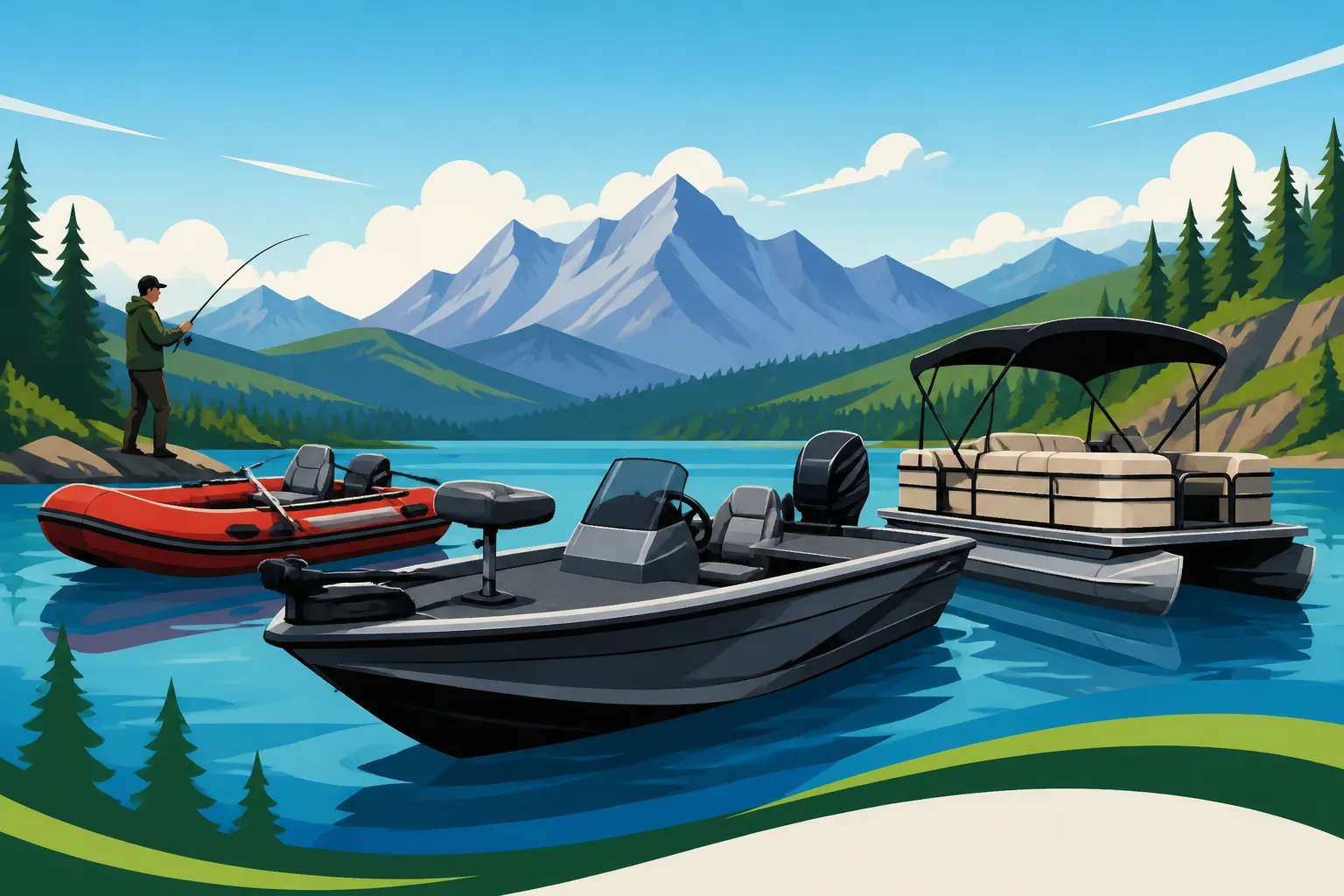
For those who frequently brave the bigger lakes and reservoirs, or who want a comfortable ride in choppier conditions, multi-species boats and deep-V hull designs are often the preferred choice. These boats are built to handle waves, providing a much smoother and drier ride than a flat-bottomed jon boat. The deep-V hull cuts through waves rather than pounding over them, making long runs across large bodies of water significantly more comfortable and safer, especially when the weather turns sour. They typically range in length from 16 to over 20 feet and are often powered by larger outboard motors, allowing for faster travel and greater range.
Multi-species boats, as the name suggests, are designed with versatility in mind. They usually feature spacious casting decks at both bow and stern, plenty of livewell capacity, abundant rod storage, and often come equipped with advanced electronics. These boats are perfect for anglers who pursue everything from walleye and pike on Lesser Slave Lake to lake trout on Cold Lake. Their stable platforms are excellent for both casting and trolling, and their higher freeboard provides a greater sense of security in rough water. The main drawback is their cost, which is generally higher than utility boats, and their deeper draft can limit access to very shallow areas. Launching and retrieving also requires more substantial boat launches, which might not be available at every fishing spot. However, for serious anglers who demand comfort, capability, and safety on larger waters, these boats are an outstanding investment. You might find a great selection of these robust boats at a major outdoor retailer like Bass Pro Shops. Best Fishing Lakes in Alberta often require a boat of this caliber.
Inflatables and Kayaks: Accessible and Versatile Options
Not every fishing adventure requires a big, powerful boat. In fact, for many, the intimate experience offered by an inflatable boat or a fishing kayak is exactly what they're looking for. These smaller, often human-powered vessels have exploded in popularity among Alberta anglers due to their accessibility, portability, and unique fishing advantages.
Inflatable Boats: Forget those flimsy pool toys; modern inflatable fishing boats are robust, stable, and surprisingly capable. Made from durable PVC or Hypalon, they can withstand punctures and abrasions, and their inflatable pontoons make them incredibly stable on the water. They are usually lightweight, can be deflated and stored in a car trunk, and can be easily launched almost anywhere, from established ramps to remote shorelines. Many can accommodate a small outboard motor (electric or gas), transforming them into capable, portable fishing platforms. They are excellent for small lakes, slow rivers, and accessing areas where traditional boats can't go. The low profile also allows for quieter approaches to fish. While they might not be built for speed or navigating rough open water, their versatility and ease of transport make them a fantastic option for casual anglers or those with limited storage space.
Fishing Kayaks: Kayak fishing has revolutionized access to countless fishing spots. These sleek, often purpose-built vessels offer a stealthy, intimate way to connect with the water and its inhabitants. Available in sit-on-top or sit-inside configurations, fishing kayaks come equipped with features like rod holders, storage hatches, and even pedal drives for hands-free propulsion. They are exceptionally maneuverable, can navigate extremely shallow water, and allow you to get incredibly close to cover where fish hide. Think about those tight eddies on a trout stream or the lily pad fields in a pike pond – a kayak can get you right in there. They are also fantastic for exercise and offer a unique perspective on the environment. The primary limitations include speed (though pedal drives help), limited storage compared to powerboats, and exposure to the elements. However, for solo anglers or pairs looking for an active, close-to-the-water experience on smaller lakes and rivers, a fishing kayak is unparalleled. Finding the Best Kayaks for Alberta Fishing is a popular search for many. You can often find a good selection of accessories for kayak fishing, from anchor systems to dry bags, on sites like Amazon.
| Boat Type | Best Use Case | Pros | Cons |
|---|---|---|---|
| Utility/Jon Boat | Shallow lakes, small rivers, ponds | Rugged, affordable, stable in calm water, shallow draft, easy to launch/retrieve | Rough ride in chop, wet, limited amenities |
| Multi-Species/Deep-V | Large lakes, big reservoirs, rough water | Smooth ride, stable, good for all species, plenty of storage/amenities, safe in chop | More expensive, heavier, deeper draft, requires better launch |
| Inflatable Boat | Small lakes, slow rivers, portable access | Lightweight, highly portable, stable, durable (modern), quiet | Slower, not for rough open water, less storage |
| Fishing Kayak | Small lakes, calm rivers, stealth fishing | Extremely portable, stealthy, great exercise, accesses very shallow water, intimate | Limited speed, exposed to elements, less storage, usually single/double occupancy |
Essential Considerations for Choosing Your Fishing Vessel
Beyond just the basic boat type, there are several critical factors that will heavily influence your satisfaction and safety on Alberta's waters. These elements speak to the boat's performance, durability, and how well it integrates with your personal fishing style and practical needs. Overlooking any of these could lead to buyer's remorse, or worse, an unsafe situation.
Hull Material and Design: Durability Meets Performance
The hull is the foundation of any boat, and its material and design dictate much about how the boat performs and endures. In Alberta, you'll primarily encounter aluminum and fiberglass, with inflatables using specialized fabrics.
Aluminum Hulls: These are incredibly popular for good reason, especially in a province like Alberta where rocky shorelines and gravel launches are common. Aluminum is celebrated for its durability and resilience. It can take a considerable amount of abuse – bumps, scrapes, and minor collisions – without structural failure. This makes it ideal for utility boats and many multi-species rigs that might encounter varied conditions or occasional hazards. It's also lighter than fiberglass for a given strength, which can mean easier trailering and better fuel efficiency. However, aluminum can dent, and a rivet-built hull, while strong, can sometimes develop leaks over time if not well-maintained or if subjected to extreme stress. Welded aluminum hulls often offer superior strength and fewer potential leak points. A common frustration with aluminum can be the noise; dropping a tackle box can echo throughout the boat, potentially spooking fish in calm, shallow waters. Despite this, for many, the sheer toughness and lower maintenance (in terms of gel coat repair) make aluminum a top choice for practical fishing.
Fiberglass Hulls: Fiberglass offers a very different set of characteristics. Known for its smooth, customizable finish, fiberglass allows for complex hull designs that are highly optimized for performance and a comfortable ride. Deep-V fiberglass hulls excel at cutting through choppy water, providing a noticeably smoother and drier experience on large lakes and reservoirs. The material also absorbs sound better than aluminum, making for a quieter platform. Fiberglass boats often have integrated storage, livewells, and cleaner aesthetic lines. The downside is its vulnerability to impact. A significant hit on a rock can cause structural damage that is more complex and costly to repair than an aluminum dent. Fiberglass boats are also typically heavier and more expensive. For the angler who values ride comfort, aesthetics, and specialized designs for covering vast distances or handling big waves, fiberglass often takes the cake. However, you'll need to be more mindful of launching and retrieving in rocky areas.
Propulsion Systems: Outboards, Jets, and Trolling Motors
How your boat moves through the water is critical. Alberta's diverse waters demand different approaches to propulsion.
Outboard Motors: These are the most common powerplants for fishing boats in Alberta. Modern outboards are incredibly reliable, fuel-efficient, and powerful, allowing you to quickly reach distant fishing spots or troll effectively. The choice between two-stroke and four-stroke, or different horsepower ratings, will depend on your boat size, typical load, and desired speed. For larger lakes, a robust outboard is essential for safety and range. The main considerations are initial cost, fuel efficiency, and maintenance. Always choose a motor appropriate for the boat's maximum horsepower rating.
Jet Motors: For the shallow, rocky rivers of Alberta's mountains and foothills, a jet-driven outboard can be a game-changer. Instead of a propeller, a jet drive uses an impeller to suck water in and shoot it out the back, allowing the boat to operate in incredibly shallow water – often just inches deep – without fear of damaging a prop. This opens up countless miles of river fishing that would be inaccessible to propeller-driven boats. The trade-off is efficiency and power. Jet drives are less fuel-efficient and produce less thrust than a propeller of equivalent horsepower, meaning you'll need a larger motor to achieve similar performance. They also require careful operation, as they can ingest weeds or debris. However, for serious river anglers, the ability to navigate skinny water often outweighs these drawbacks. This kind of specialized access is invaluable for reaching those prime, untouched trout lies on rivers like the Oldman or Ram.
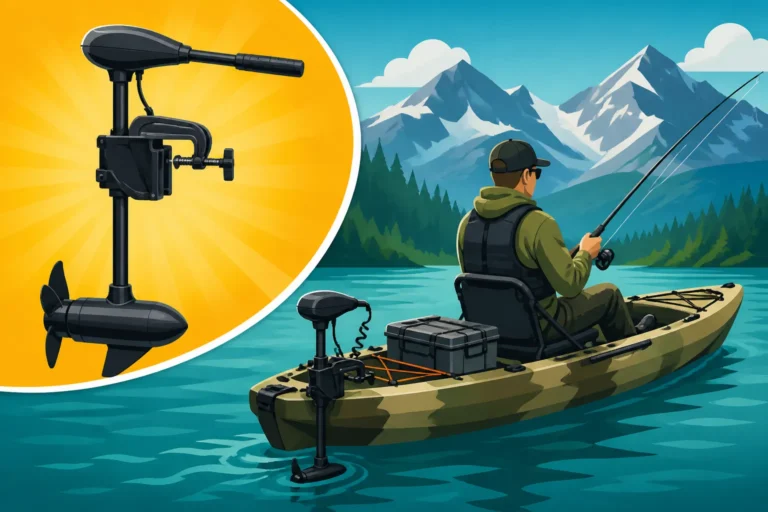
Trolling Motors: These electric motors are indispensable for precise boat positioning, stealthy approaches, and slow trolling. Mounted on the bow or transom, they allow you to maintain boat control in wind or current without constantly running your main outboard. Modern trolling motors feature advanced GPS capabilities like spot-lock (to hold your position like an anchor), autopilot, and integration with fish finders. This technology has revolutionized how anglers approach structure, cover, and schools of fish. For walleye anglers working specific break lines, or pike anglers meticulously casting weed beds, a reliable trolling motor is a must-have. They are typically powered by deep-cycle marine batteries, and battery life is a key consideration, especially for long days on the water. Many anglers choose to buy robust trolling motors from reputable retailers like Bass Pro Shops for their reliability.
Onboard Features: Storage, Deck Space, and Electronics
Once you have the right hull and motor, the interior layout and features become paramount for comfort, efficiency, and effectiveness on the water.
Storage and Deck Space: You'll accumulate a lot of gear: rods, tackle boxes, coolers, safety equipment, rain gear, and more. A well-designed boat will offer ample, accessible, and often waterproof storage. Look for dedicated rod lockers, dry storage compartments, and easily accessible areas for frequently used items. Deck space is equally important, especially if you plan on casting or moving around the boat. A cluttered deck is a tripping hazard and simply makes for an unenjoyable experience. Consider how many people will typically fish from the boat and ensure there's enough room for everyone to comfortably maneuver.
Livewells and Baitwells: For anglers who practice catch-and-release, or who want to keep their catch fresh for the table, a properly aerated livewell is essential. Look for capacity suitable for your typical catch, good aeration systems, and easy access. Baitwells, usually smaller, keep live bait lively. These features are particularly important for walleye and tournament anglers.
Electronics and Mounting Points: Modern fishing is often heavily reliant on electronics. Fish finders, GPS chartplotters, and even marine radios are common additions. Ensure the boat has suitable dash space for mounting these units and easy access for wiring. Pre-rigged boats often have dedicated transducer mounts and power points. Don't forget the importance of a quality battery system to power all your gadgets throughout the day. Best Fish Finders for Alberta Lakes are often integrated into these boat systems.
Understanding Alberta Boating Regulations and Safety
Owning a boat in Alberta comes with responsibilities, not just for your own safety, but for the safety of everyone on the water and the health of our aquatic ecosystems. Ignorance of the law is no excuse, and understanding the regulations is crucial before you even hit the launch.
Licensing, Registration, and Required Documentation
Just like driving a car, operating a motorized boat in Alberta requires certain documentation and knowledge. First and foremost, anyone operating a motorized pleasure craft in Canada needs a Pleasure Craft Operator Card (PCOC). This card proves you have successfully completed an accredited boating safety course and passed the exam. There's no minimum age to get the card, but age and horsepower restrictions may apply. Getting your PCOC is a one-time thing, but it's vital. Without it, you could face significant fines. If you lend your boat to someone, ensure they also have their PCOC. Alberta Pleasure Craft Operator Card Requirement is a mandatory piece of boating safety.
Beyond operator competence, the boat itself needs to be identified. All motorized boats (and non-motorized boats over 10 horsepower) in Canada must have a Pleasure Craft Licence. This is a free, non-transferable document that provides a unique license number that must be displayed prominently on your boat's bow. It's valid for ten years. This is distinct from boat registration, which is voluntary and more akin to registering a car title, primarily for commercial vessels or if you want an official name for your vessel. Most recreational anglers will only need a Pleasure Craft Licence. You also need to carry proof of ownership and insurance (though not legally required, insurance is highly recommended). Make sure all these documents are easily accessible on board. Losing or forgetting these documents can lead to delays and fines from enforcement officers. Alberta Boat Registration Rules are slightly different than licensing, and it's important to understand the distinction.
Life Jackets and Essential Safety Equipment
Safety is non-negotiable on the water. Even on a calm day, unexpected events can occur, and being properly equipped can be the difference between a minor incident and a tragedy. The Canadian Coast Guard sets minimum safety equipment requirements for all pleasure craft, and these must be on board and easily accessible.
The absolute most critical item is a Canadian-approved life jacket or PFD (Personal Flotation Device) for every person on board. Make sure they are correctly sized for each individual, especially children. They must be in good condition, free from rips or tears, and readily available – not stowed away under a pile of gear. While not legally required to wear it, it's highly recommended, especially for children, non-swimmers, and during rough weather or when fishing alone. Beyond PFDs, other mandatory equipment includes:
- A buoyant heaving line (at least 15 meters/50 feet)
- A bailer or manual bilge pump (unless the boat has a self-bailing design)
- Sound-signaling device (whistle, horn)
- Navigation lights (if operating between sunset and sunrise or in restricted visibility)
- A waterproof flashlight or 3 flares (not expired, specific types depending on boat size)
- Fire extinguisher (for boats with an engine, fuel tank, or cooking/heating appliances)
- Paddles or an anchor with rope/chain (depending on boat length, as auxiliary propulsion/mooring)
- Magnetic compass (for boats 8m or more, unless electronically equipped)
Always check the current regulations for your specific boat length and type, as requirements can vary. A pre-packaged boat safety kit is a good starting point, often available at major outdoor stores or online retailers like Amazon. It's also smart to carry a first-aid kit, spare clothes, communication devices (fully charged cell phone, satellite messenger in remote areas), and emergency food/water. Being prepared isn't just about following the rules; it's about being responsible. Life Jacket Requirements for Alberta Boaters are strict and for good reason.
Navigating Special Regulations and Conservation Zones
Alberta's fisheries are managed to ensure sustainability, and this often means specific regulations apply to particular bodies of water, species, or even fishing methods. It's not enough to just have your license; you must also be familiar with the Alberta Guide to Sportfishing Regulations. This guide, available online and at license vendors, is your bible for what, where, and when you can fish.
Crucially, Alberta is divided into various fishing zones (e.g., Eastern Slopes, Prairie, Northern Boreal). Each zone, and often specific lakes or rivers within them, will have unique rules regarding season dates, bag and possession limits, size restrictions, and gear restrictions (e.g., bait bans, single barbless hooks only, fly fishing only). Some waters are designated Special Regulation Waters or Alberta Catch and Release Only Waters, which might protect sensitive populations like bull trout or native cutthroat. For instance, Alberta Bull Trout Zero Possession Rule is critical to understand.
Before you even launch your boat, you absolutely must check the regulations for the specific body of water you intend to fish. A small oversight, like using bait in a bait-ban zone or keeping a fish that's out of season, can result in significant fines and loss of fishing privileges. This guide changes annually, so always refer to the most recent version. Many anglers now use the Alberta Fishing Regulations app, which provides quick, on-the-go access to zone and water body rules. Staying informed helps protect our fisheries for future generations and ensures your fishing trip remains enjoyable and legal.
Matching Your Boat to Your Angling Pursuits
The type of fishing you love to do most should be the primary driver behind your boat choice. A boat that's perfect for trolling the depths of Cold Lake will likely be a hindrance when trying to sneak up on rising trout in a shallow stream. It's all about optimizing your vessel for your preferred method and target species.
Fly Fishing and Drifting Rivers
For the passionate fly fisherman or anyone who enjoys the subtle art of drifting down a river, certain boat features become paramount. The goal is often stealth, maneuverability, and the ability to hold position or slow down precisely in current, presenting a fly or lure to specific lies without spooking fish.
Drift Boats and Rafts: These specialized vessels are the gold standard for river fly fishing. Drift boats are rigid, wide-bottomed boats with flared sides, designed to be rowed or guided through rapids and calm stretches alike. They are incredibly stable, offer excellent maneuverability in current, and allow for multiple anglers to stand and cast comfortably. Their shallow draft also means they can navigate thinner water. Their main appeal is the ability to present a perfect drift while slowly covering miles of river. Best Drift Boats for the Bow River are often custom-built for these conditions.
Fishing Rafts: Similar to drift boats in their function, fishing rafts offer even greater flexibility and portability. Inflatable, they can absorb impacts from rocks and are lighter to transport. They excel in more technical or remote river sections, often allowing access to waters that rigid boats cannot reach. Both drift boats and rafts typically rely on a skilled rower to position the boat, providing a quiet and effective fishing platform.
Kayaks and Canoes: For smaller, calmer rivers or those with easy portage points, a fishing kayak or canoe can be an excellent choice. They offer a silent approach and the ability to slip into very tight spots. While they require more paddling or paddling technique to maintain position in current, they are incredibly accessible and can offer a very intimate fishing experience. The key is to choose a stable model designed for fishing, with good storage for gear and perhaps a sturdy anchor system to hold position when needed. For instance, fishing the Crowsnest River for trout might be ideal with a kayak or canoe, depending on the section. Wading Techniques for Alberta Trout Rivers might be necessary in some sections even with a boat.
Trolling and Casting Large Lakes
If your heart beats for the vast, open waters of Alberta's big lakes and reservoirs, where you might spend hours trolling for lake trout or methodically casting for walleye and pike, then your boat needs to be a robust, comfortable, and well-equipped platform.
Deep-V Boats and Multi-Species Rigs: As mentioned earlier, these are the kings of big water. Their deep-V hulls provide a smooth, dry ride, crucial when covering long distances or encountering unexpected chop. When trolling, stability is key, allowing you to focus on your lines and electronics, not on bracing against waves. These boats offer ample space for multiple rod holders, downriggers, and large fish finders that are essential for locating deep-water structure and fish. Livewells and baitwells are also critical for preserving your catch or keeping bait fresh over extended periods.
Jon Boats (Larger, Modified): While not ideal for truly rough water, a larger, wider jon boat (16-18 feet) with a moderate V at the bow can be a surprisingly effective platform for trolling and casting on medium-sized lakes, especially if rigged with a powerful outboard and a good bow-mount trolling motor. Their open layout allows for customization with casting decks and plenty of room to move. The trade-off is always ride comfort in choppy conditions, but for anglers on a tighter budget or those primarily fishing calmer, larger lakes, they can be a versatile option. When searching for Best Lures for Northern Pike in Alberta or Best Baits for Walleye on Lesser Slave Lake, having a stable platform to deploy these effectively is paramount.
Ice Fishing and Winter Operations
While ice fishing usually involves stepping onto the frozen water, a boat plays an indirect but significant role for many dedicated hardwater anglers, particularly in accessing equipment or even setting up year-round.
Transporting Ice Huts and Gear: For many, the "boat" during ice fishing season is actually their truck or snowmobile. However, for getting ice fishing shelters, augers, heaters, and other gear onto the ice, a utility sled or even a small, sturdy jon boat (stripped down and pulled over the snow/ice) can serve as an excellent cargo carrier. The robustness of aluminum or heavy-duty plastic sleds is appreciated when dragging heavy loads across potentially rough ice. A large, open boat or trailer is also crucial for transporting your ice fishing equipment to the lake and storing it off-season. Some anglers even use their summer boats to scout locations right before freeze-up, noting depths and structure that will be prime ice fishing spots.
Year-Round Structures: On some of Alberta's larger lakes, you might see elaborate ice fishing shacks that remain on the ice for much of the winter. Transporting and initially placing these heavier, more permanent structures often requires robust trailers and sometimes even special permission. The planning and logistical effort involved in setting up these "ice homes" means your summer transport and storage solutions for your boat and gear are indirectly supporting your winter passions. Many anglers store their large ice huts at facilities that can easily be accessed by their primary fishing vehicle, often a truck, which is the "boat" of winter.
The Journey of Boat Ownership: From Purchase to Maintenance
Embarking on the path of boat ownership is an exciting prospect, but it's a journey that extends far beyond the initial purchase. From deciding between new or used to navigating trailering and mastering maintenance, each step ensures your investment provides years of enjoyment on Alberta's diverse waters. Making informed decisions at every stage will save you headaches, money, and most importantly, keep you fishing.
New vs. Used: Weighing Your Options
This is often the first big decision for aspiring boat owners, and both avenues have distinct advantages and disadvantages. There's no right or wrong answer, just what makes the most sense for your budget, experience, and risk tolerance.
Buying New:
- Pros: You get a brand-new boat with the latest features, technology, and often a comprehensive factory warranty on both the hull and the engine. There's peace of mind knowing you're the first owner, and you can often customize certain aspects of the boat to your exact specifications. The dealer will typically handle all the setup, registration paperwork, and often provide an orientation to the boat. You start with zero hours on the engine, and everything is pristine.
- Cons: The biggest drawback is the cost. New boats come with a premium price tag, and like a new car, they depreciate significantly the moment they leave the dealership. You'll also likely pay more in taxes and potentially higher insurance premiums. If you're new to boating, diving into a large investment might be intimidating.
- Consideration: A new boat is a great option if you have a clear vision of what you want, a solid budget, and value warranties and the latest tech. Many reputable dealers, including those associated with larger brands carried by Bass Pro Shops, offer new boats with financing options.
Buying Used:
- Pros: This is where you can find incredible value. Used boats are significantly cheaper than new ones, allowing you to get more boat for your money, or get into boating for a lower entry cost. Depreciation has already hit, so you won't lose as much value if you decide to sell later. There's a vast selection of makes and models on the used market.
- Cons: This option carries more risk. You might be inheriting someone else's problems. Warranties are often non-existent or limited, and you'll need to thoroughly inspect the boat, engine, and trailer for hidden issues like hull damage, engine hours, electrical problems, or outdated components. The history of maintenance might be unknown, and you could face unexpected repair costs shortly after purchase.
- Consideration: Buying used requires diligence. Always inspect the boat thoroughly, ideally with a marine mechanic, and ask for maintenance records. Test drive the boat on the water to check the engine, steering, and overall performance. Platforms like Kijiji, Facebook Marketplace, and local marine dealers often list used boats. It's a fantastic way to get on the water without breaking the bank, but be prepared to do your homework. Alberta boat registration renewal period might be something you'll need to keep in mind after purchase.
Transport, Launching, and Storage Solutions
A boat is only useful if you can get it to the water, launch it easily, and store it safely when not in use. These logistical considerations are often overlooked but are crucial for enjoyable boat ownership.
Trailering: Most Alberta anglers transport their boats on a trailer. Ensure your tow vehicle is rated to safely pull the combined weight of your boat, motor, fuel, and gear. The trailer itself needs to be in good condition, with functioning lights, good tires (including a spare), and properly maintained wheel bearings. Learn how to back up a trailer, as crowded boat launches can be stressful! Practice in an empty parking lot before attempting a busy lake. A well-fitted trailer makes launching and retrieving much smoother, reducing strain on your vehicle and frustration at the ramp. For smaller boats, you might opt for a lighter aluminum trailer, while larger vessels will require a heavy-duty galvanized or painted steel trailer.
Launching and Retrieving: Alberta offers a mix of excellent public boat launches and more rustic, sometimes challenging, access points. Before heading out, check the conditions of your intended launch. Are there docks? Is the ramp paved or gravel? Is the water deep enough? For smaller boats like jon boats or kayaks, hand-launching from almost any shoreline is possible, offering incredible access. Larger boats demand proper concrete ramps. Always prepare your boat (unstrap, remove motor cover, attach lines, load gear) before you get on the ramp, not while blocking traffic. Once launched, move your boat away from the ramp quickly to allow others access.
Storage: When not on the water, your boat needs a home.
- At Home: Many owners store their boats in their driveway, garage, or backyard. This is convenient and cost-effective, but ensure you have the space and that local bylaws permit it. A good boat cover is essential to protect it from the elements.
- Storage Facilities: If space is an issue, consider renting a spot at a dedicated storage facility. These can be open-air, covered, or even indoor climate-controlled. Prices vary, but they offer security and free up your home space.
- Marina: For larger boats, especially those kept on big lakes, a marina slip can be ideal. Your boat is always in the water, ready to go. However, this is typically the most expensive option and not always practical for boats that are trailered to various locations.
Routine Care and Winterization for Longevity
A boat is an investment, and like any investment, it needs regular care to maintain its value, performance, and reliability. Neglecting maintenance is a surefire way to encounter costly breakdowns and shorten your boat's lifespan.
Routine Checks: Every time you use your boat, do a quick visual inspection. Check fuel lines for leaks, ensure battery connections are tight, and look for any new dents or scratches. After each outing, rinse your boat thoroughly, especially if fishing in saltwater (though less common in Alberta, it's good practice) or murky water. Clean out any debris, wipe down surfaces, and empty livewells. Check your trailer tires and lights before and after each trip. Regular cleaning prevents buildup, corrosion, and keeps your boat looking good.
Engine Maintenance: The outboard engine is the heart of your boat. Follow the manufacturer's recommended service schedule, which typically includes oil changes (for four-strokes), spark plug replacement, fuel filter changes, and checking the propeller for damage. A good marine mechanic can perform annual servicing to ensure everything is running optimally. Don't skip these; proactive maintenance is always cheaper than reactive repairs. Consider investing in a good quality marine battery and maintaining its charge, especially during periods of inactivity.
Winterization: This is perhaps the most critical maintenance step for Alberta boat owners, given our harsh winters. Improper winterization can lead to catastrophic damage from freezing water.
- Engine: The engine must be properly fogged and all water drained or replaced with antifreeze to prevent freezing and corrosion. Fuel should be treated with a stabilizer to prevent breakdown.
- Hull: The hull should be thoroughly cleaned and inspected for any damage.
- Systems: All water systems (livewells, baitwells, washdowns) must be completely drained and flushed with non-toxic antifreeze. Batteries should be removed, cleaned, and stored in a warm place on a trickle charger.
- Storage: The boat should be covered securely to protect it from snow, ice, and wildlife. Ensuring proper ventilation prevents mold and mildew. Many marine service centers offer professional winterization services, which can be a wise investment to protect your boat from the ravages of an Alberta winter. This crucial step is directly related to protecting your asset and ensuring it's ready for Spring Trout Fishing Techniques for Alberta Streams.
Enhancing Your Boating Experience with Key Accessories
Once you've got your primary vessel sorted, the world of boat accessories opens up, offering endless ways to customize your ride for comfort, convenience, and superior fishing performance. These additions can transform a basic boat into a highly specialized fishing machine, tailored perfectly to your angling adventures.
Fish Finders and Navigation Aids
In today's world, fishing electronics are no longer just for the pros; they're an indispensable tool for every serious angler. They help you locate fish, understand underwater structure, and navigate safely.
Fish Finders (Sonar/Echosounders): A good fish finder is arguably the most impactful accessory you can add to your boat. It uses sonar waves to detect fish, baitfish, and underwater features like drop-offs, humps, and submerged timber. Modern units often combine traditional 2D sonar with advanced technologies like Down Imaging (showing clearer images directly below the boat) and Side Imaging (scanning wide areas to the sides of the boat). This allows you to literally "see" the underwater world and precisely target fish-holding structure. For example, a walleye angler on Lesser Slave Lake can use Side Imaging to sweep a large area, pinpointing schools of fish or rock piles that hold them, then use 2D sonar to drop a jig right on their heads. The frustration of casting blindly is largely eliminated. Many popular brands offer various models, from basic units to advanced, networkable systems.
GPS Chartplotters: Integrating GPS with your fish finder creates a chartplotter, allowing you to view detailed digital maps (charts) of lakes and rivers. This is invaluable for navigation, especially on large, unfamiliar waters or in low visibility. You can mark waypoints for hot fishing spots, safe navigation routes, or submerged hazards. The ability to return to an exact spot where you caught a fish last week is a huge advantage. They also ensure you stay within legal fishing zones and help guide you back to the launch in adverse conditions. Some units even offer real-time mapping features, allowing you to create your own detailed contour maps of unexplored areas. Best Fish Finders for Alberta Lakes often combine these GPS functionalities.
Marine Radios (VHF): For those venturing onto large, open bodies of water or into remote areas, a VHF marine radio is a critical safety device. Unlike cell phones, which can lose signal, a VHF radio allows you to communicate with other boats, shore stations, and emergency services. It's particularly useful for staying updated on weather forecasts or calling for assistance in an emergency. Many units also have a Digital Selective Calling (DSC) feature which, when connected to your GPS, can send an automated distress signal with your exact location. It’s peace of mind for you and your family.
Rod Holders, Livewells, and Comfort Upgrades
These accessories focus on making your time on the water more comfortable, efficient, and enjoyable. Small additions can make a huge difference in your overall experience.
Rod Holders: Whether you're trolling for lake trout, drifting for walleye, or simply need a safe place to put your rod while unhooking a fish, rod holders are essential. They come in various styles – flush-mount, clamp-on, pedestal-mount – and can be fixed or adjustable. Choose sturdy, durable holders that can withstand the pull of a fighting fish. For multi-rod trolling setups, adjustable holders allow you to spread your lines and cover more water, preventing tangles. Many anglers have a mix of holders for different purposes.
Advanced Livewells and Aeration Systems: While many multi-species boats come with built-in livewells, you can upgrade them for better performance. This might include adding extra aeration pumps, oxygenation systems, or circulation pumps to keep fish healthier longer. For serious tournament anglers or those who want to transport fish over longer distances, these upgrades are crucial. Even for utility boats, portable livewells or insulated coolers with aerators can be added to serve the same purpose.
Comfort and Convenience: Fishing can be an all-day affair, so comfort is key.
- Swivel Seats and Pedestals: Upgrading from basic bench seats to comfortable, swiveling pedestal seats can dramatically improve your fishing experience, reducing fatigue and allowing for easier casting.
- Marine Flooring: While some boats come with vinyl or carpet, adding specialized marine matting can improve grip, reduce noise, and provide cushioning, especially when standing for long periods.
- Canopy/Bimini Top: For protection from the intense Alberta sun or unexpected rain showers, a bimini top or canopy is a welcome addition, providing shade and shelter.
- Storage Organizers: Adding tackle organizers, tool holders, or specialized tackle boxes (many excellent options are available from Bass Pro Shops or on Amazon) within easy reach keeps your deck tidy and your gear accessible.
- Coolers: A good quality marine cooler for drinks, snacks, and perhaps some ice to keep your catch fresh is a must-have. Look for models that can double as extra seating.
Anchoring Systems and Safety Additions
Beyond the mandatory safety gear, several optional accessories enhance both your safety and your ability to fish effectively.
Anchoring Systems: Being able to hold your boat in a specific spot is critical for many fishing techniques, from targeting structure in current to fishing a precise depth.
- Traditional Anchors: Depending on the bottom composition, you'll want a suitable anchor (e.g., fluke/Danforth for sand/mud, grappling for rocks, mushroom for soft bottoms) with enough rope and chain. An anchor trolley system on a kayak or small boat allows you to deploy and retrieve the anchor from any position, then easily shift its pull point along the boat's side.
- Shallow Water Anchors (e.g., power poles): These motorized units rapidly deploy a spike into the bottom, instantly holding your boat in shallow water. They are incredibly popular with bass and walleye anglers for quickly positioning on specific spots.
- Spot-Lock Trolling Motors: As mentioned earlier, a GPS-enabled trolling motor with "spot-lock" or "anchor mode" can hold your boat’s position incredibly precisely, even in wind or current, without actually deploying a physical anchor. This technology has revolutionized boat positioning. Best Anchor System for River Fishing for drift boats are also very specialized.
Additional Safety Gear:
- First-Aid Kit: A comprehensive marine first-aid kit is crucial for treating minor injuries or stabilizing more serious ones until professional help arrives.
- Emergency Repair Kit: Duct tape, zip ties, spare fuses, basic tools – small items can often fix minor issues that could otherwise end your day.
- De-Hookers and Pliers: Essential for safely removing hooks from fish, especially toothy critters like pike, minimizing harm to both fish and angler. Many good options can be found on Amazon.
- Nets: A good quality landing net with a rubberized, knotless mesh protects the fish's slime coat and fins, ensuring a healthy release. Choose a net sized appropriately for the fish you expect to catch. Best Landing Net for Pike will be much different than Best Landing Net for Trout.
- Sun Protection: Sunscreen, wide-brimmed hats, and polarized sunglasses are not just comfort items; they're essential safety gear against harmful UV rays, preventing sunburn and allowing you to see into the water better.
Disclaimer
This article is for general informational purposes only and does not constitute professional advice. Laws, prices and regulations vary by location and change over time. Consult a qualified professional for guidance on your specific situation.