Alberta boat registration renewal period
Navigating the world of boat ownership in Alberta can sometimes feel like a bit of a labyrinth, especially when it comes to understanding all the rules and paperwork. Many new boaters, or even experienced ones new to the province, often wonder about the "Alberta boat registration renewal period" and how it all works. The good news is, it's likely simpler than you think, but there are crucial distinctions to understand to stay on the right side of the law. This guide is here to untangle that knot, explaining exactly what type of registration your boat needs, how long it lasts, and what you need to do to keep it current.
Navigating Alberta's Boating Identification Landscape
Deciphering the "Boat Registration" in Alberta
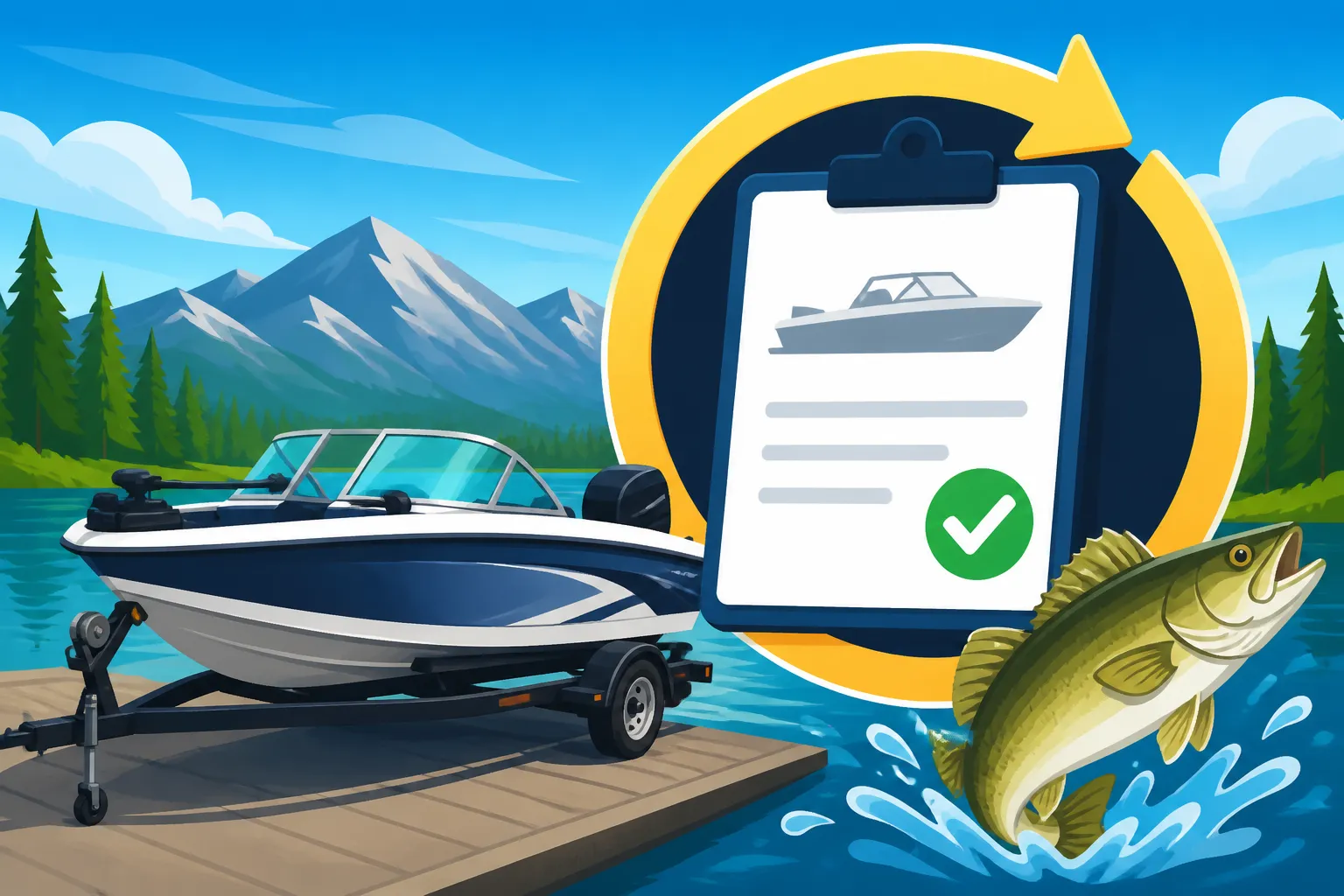
Many anglers and boaters in Alberta get tangled up in the terminology surrounding boat registration. Unlike cars, there isn't a provincial "Alberta boat registration" in the traditional sense that you renew annually with the province at a registry office. This is a common point of confusion, as our vehicle registration system has conditioned us to expect annual renewals. Instead, what most people refer to as "boat registration" is actually a Pleasure Craft License issued by Transport Canada.
This is a federal requirement, not a provincial one, and it's absolutely crucial for most powered vessels. It's designed to identify your boat, making it traceable in emergencies, aiding search and rescue, and deterring theft. Think of it as your boat's unique identifier, similar to a license plate for a car, but specifically for your vessel. Without this federal license, your boat essentially doesn't have an official identity on the water, which can lead to complications and penalties. For a deeper dive into what this entails, check out our guide on the Alberta Pleasure Craft License, Explained.
Which Vessels Require a Pleasure Craft License?
This is where it gets specific, and understanding the criteria can save you a headache. Not every floating device needs a license, which can sometimes lead to confusion. Generally, any pleasure craft equipped with a motor of 10 horsepower (7.5 kW) or more requires a Pleasure Craft License. This applies whether you're cruising on Lesser Slave Lake in a fishing boat, navigating the North Saskatchewan River in a jet boat, or even just using a small inflatable with a powerful outboard for a quick run across a local pond.
There are, however, some key exemptions. Vessels that are solely human-powered (like canoes, kayaks, or paddleboards) do not require a Pleasure Craft License. Similarly, if your boat has a motor less than 10 horsepower, you're also exempt. Certain commercial vessels or foreign vessels temporarily visiting Canada also have different rules. For a comprehensive overview of all the rules your boat needs to follow, consult our detailed article on Alberta boat registration rules. Always double-check the specifics based on your vessel type and intended use to ensure full compliance.
The Initial Steps to Obtain Your Boat's ID
Before you can even think about renewal, you've got to get that initial license. This involves submitting an application to Transport Canada. The process is designed to be relatively straightforward, but requires attention to detail. You'll need proof of ownership, such as a bill of sale or builder's certificate, which clearly shows you are the rightful owner. You'll also need comprehensive details about your vessel, including its make, model, year, and the all-important Hull Identification Number (HIN). Additionally, some personal identification will be required.
The application can typically be completed online through the official Transport Canada website, which is often the quickest method, or you can print the necessary forms and mail them in. It’s vital to ensure all information is accurate and matches your supporting documents to avoid delays in processing. Once approved, you'll receive your Pleasure Craft License document, and your unique license number will need to be prominently displayed on the bow of your boat according to federal regulations.
The 10-Year Cycle: Unpacking Your Pleasure Craft License Renewal Period
The Exact Renewal Period: A Decade of Clarity
This is the golden nugget of information many Alberta boaters are looking for: your Pleasure Craft License is valid for an impressive 10 years from the date of issue. That's a full decade! This is a stark contrast to the annual renewals most of us are used to for our car registrations or even other permits like an Alberta Fishing License Guide for 2026. This extended period is a huge benefit for boat owners, cutting down on administrative hassle and ensuring you don't have to scramble every year to get your paperwork in order.
Imagine the relief of not having to think about "boat registration" for ten whole years after the initial application. This long validity period acknowledges that while boats need identification, the ownership and physical characteristics of a pleasure craft don't change as frequently as, say, a vehicle might.
Why Transport Canada Opted for a Longer Term
You might wonder why the federal government decided on a 10-year cycle when other registrations, like vehicle registration plates, are much shorter. The main reason is efficiency and reducing the administrative burden on both boat owners and the government itself. A longer term means significantly fewer renewals to process, less paperwork for individuals to keep track of, and a simpler system overall.
It reflects a practical understanding of pleasure craft ownership. Unlike a vehicle that might be driven daily and have its ownership transferred more frequently, a pleasure craft might be used seasonally, and its ownership tends to be more stable over longer periods. The unique identifier (the license number) remains with the vessel, not the owner, which further streamlines the process over a longer term. This decision was a thoughtful approach to balancing public safety, identification needs, and the convenience of Canadian boaters.
The Renewal Procedure: Don't Let it Lapse!
Even with a generous 10-year window, it's easy for that decade to slip by unnoticed! While Transport Canada aims to send out reminders as your license approaches its expiry date, it’s ultimately your responsibility as the boat owner to ensure your license is current. Relying solely on a reminder can be risky, especially if your contact information has changed over the years.
Renewing your Pleasure Craft License is generally a straightforward process. You'll need to confirm your vessel's details, update any personal contact information, and ensure all the required documentation is still accurate. The process can often be completed online through the Transport Canada website's Pleasure Craft Electronic Licensing System, which is usually the quickest and most convenient method. Similar to how you might How to Buy an Alberta Fishing License Online, digital processes make it much easier. Alternatively, you can download the renewal forms and submit them via mail. It's crucial to proactively mark your calendar and set your own reminders well in advance of the expiry date to avoid any last-minute stress or potential penalties.
Keeping Your Pleasure Craft License Valid and Avoiding Pitfalls
The Steep Cost of Non-Compliance
Letting your Pleasure Craft License expire, or operating without one when required, can lead to significant penalties. Enforcement officers from Transport Canada, the RCMP, or provincial authorities are authorized to issue fines for non-compliance, and these can quickly add up, easily reaching into the hundreds of dollars. Beyond the financial hit, an unregistered or expired boat can complicate things immensely if it's involved in an accident, if it's stolen, or if you need emergency assistance on the water.
Search and rescue operations rely heavily on accurate vessel identification to locate and assist boaters in distress. If your boat lacks proper identification, it makes their job incredibly difficult and can delay crucial response times. So, a current license isn't just a legal formality – it's a vital safety measure for you, your passengers, and anyone else on the water. Understanding these Alberta Boating Laws for Anglers is key to safe and responsible enjoyment of our waterways.
When to Update, Not Just Renew: Changes in Ownership or Vessel Details
This is a critical distinction that many boaters misunderstand and it's a common trap. A change in the ownership of your vessel (for example, if you sell your boat, or if you purchase a used boat from someone else) does not mean you simply renew the old owner's license or transfer it. Instead, the new owner must apply for a brand new Pleasure Craft License with Transport Canada. The old license effectively becomes void with the change of ownership, and the new owner needs their own unique license. This is a crucial step to establish legal ownership and identification for the vessel under its new stewardship. This differs from a simple Alberta boat title vs registration difference which might focus more on provincial record keeping for larger vessels.
Similarly, if there are major changes to the boat itself, such as a new hull identification number (HIN) due to a rebuild, or significant structural modifications that alter its descriptive information (e.g., length, propulsion type), these updates must be reported to Transport Canada. Minor changes, like a new residential address or phone number for the owner, can usually be updated as part of the renewal process or separately through the Transport Canada portal if they occur mid-cycle. Always err on the side of reporting any significant changes to ensure your license accurately reflects your vessel and personal details.
Essential Companion: The Pleasure Craft Operator Card (PCOC)
While distinct from your boat's Pleasure Craft License, the Pleasure Craft Operator Card (PCOC) is another crucial piece of federal boating documentation that often causes confusion. Your PCOC proves that you've completed a boating safety course and possess the basic knowledge required to operate a powered vessel safely in Canadian waters. It's often thought of as a "driver's license" for your boat, and it's mandatory for anyone operating a powered craft, regardless of the motor size or whether the boat requires a Pleasure Craft License.
The great news is, once you obtain your PCOC, it's valid for life! You don't ever have to worry about renewing it. This lifetime validity means one less piece of paperwork to track and renew, a welcome relief for busy boaters. You can complete the required course and exam through various accredited providers. Many people find it convenient to study online, or you can even purchase comprehensive study guides and practice test books from retailers like Amazon to get fully prepared before taking the official exam. To learn more about this crucial certification, check out our article on Does a Pleasure Craft Operator Card Expire in Alberta?
Beyond Paperwork: Practical Tips for Responsible Boating in Alberta
Equipping Your Boat for Safety on Alberta Waters
Registration and your PCOC are just the starting point for responsible boating. Every seasoned boater in Alberta knows that proper safety equipment is absolutely paramount. Transport Canada mandates specific items be on board your vessel, and these requirements vary slightly depending on the size and type of your boat. Essential items typically include:
- Life Jackets: You must have a Canadian-approved life jacket or PFD (Personal Flotation Device) for every person on board. These should be easily accessible, in good condition, and properly sized for each individual.
- Bailing Device: A bucket or pump to remove water from your boat.
- Sound-Signalling Device: A whistle or horn to signal other vessels or call for help.
- Navigation Lights: If operating after sunset or in restricted visibility conditions.
- Fire Extinguisher: For boats with an inboard engine, fixed fuel tank, or portable fuel tank not secured.
- Throw Line: A buoyant heaving line, at least 15 meters long, for rescuing someone in the water.
- Visual Signals: Flares or a watertight flashlight for distress signaling, especially important for larger vessels.
Don't cheap out on safety; reliable, good quality gear is readily available from marine supply stores or online through platforms like Amazon, which offers a wide selection of Coast Guard-approved life jackets, marine first-aid kits, and signal flares. Investing in proper safety gear is an investment in your well-being and that of your loved ones. For more specific details, you can read our guide on Life Jacket Requirements for Alberta Boaters.
Planning Ahead: Know Your Zones and Regulations
Alberta's diverse waterways, from vast prairie lakes to winding mountain rivers, mean that fishing and boating regulations can sometimes vary significantly by zone, lake, or river. Before you head out, always make it a habit to consult the most current Alberta Guide to Sportfishing Regulations if you're planning to cast a line. Beyond fishing rules, be aware of any local bylaws or specific rules for provincial parks (like Kananaskis Country) or national parks (like Banff or Jasper).
For instance, some lakes might have speed restrictions to protect wildlife or limit erosion, while others could have specific motor size limits to preserve water quality or maintain quiet zones. You might encounter "no wake" zones near shorelines or in specific channels. Ignorance of the law is never an excuse, and enforcement officers are out there to ensure everyone adheres to the rules. A quick check before launching ensures you're compliant and helps you avoid unwelcome surprises, ensuring a smooth, enjoyable, and safe day on the water for everyone. Make sure to consult Reading the Alberta Guide to Sportfishing Regulations for all your angling-specific questions.
Pleasure Craft License vs. Pleasure Craft Operator Card: A Quick Comparison
To help clear up any lingering confusion between these two critical pieces of federal boating documentation, here's a handy comparison table:
| Feature | Pleasure Craft License | Pleasure Craft Operator Card (PCOC) |
|---|---|---|
| What it is | Unique identification for your powered boat | Proof of boating competency for the operator |
| Issued by | Transport Canada (Federal) | Accredited course providers (Federal standard) |
| Who needs it | Owner of a pleasure craft with 10+ HP motor | Anyone operating a powered pleasure craft |
| Validity Period | 10 years (requires renewal) | Lifetime (no renewal required) |
| Purpose | Vessel identification for safety, search & rescue, theft | Ensures operator has basic boating safety knowledge |
| Display Requirement | License number displayed on bow of boat, document carried on board | Document (card) carried on board by operator |
| Transferable? | No, new owner must apply for a new license | Yes, individual's card is valid regardless of boat owned |
Disclaimer
The information provided in this guide is for general informational purposes only and does not constitute legal advice. While we strive to keep the information up-to-date and correct, rules and regulations can change. Always refer to the official Transport Canada website and the current Alberta Guide to Sportfishing Regulations for the most accurate and up-to-date information regarding boating and fishing in Alberta.