Best Drift Boats for the Bow River
Navigating the beautiful, often challenging waters of Alberta's Bow River in pursuit of its legendary trout is an experience unlike any other. However, many anglers find themselves frustrated by the limitations of bank fishing or the cumbersome nature of traditional powerboats in such a dynamic river environment. Choosing the right vessel is paramount to both safety and fishing success, and for the Bow, that often means a drift boat. This guide will meticulously walk you through everything you need to know about selecting, outfitting, and caring for the best drift boat to unlock the Bow River's full potential.
Why Drift Boats Are Ideal for the Bow River
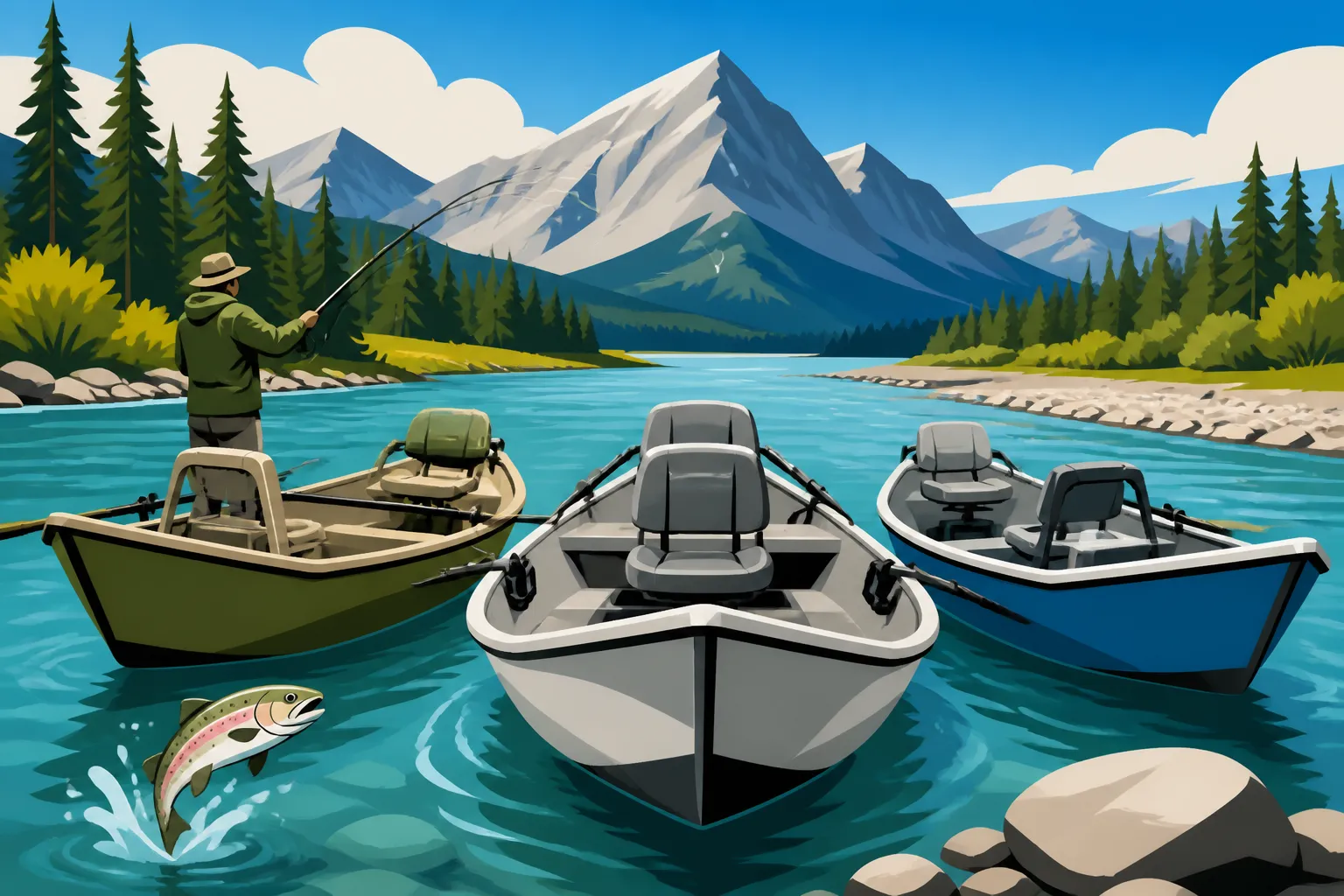
The Bow River, particularly its famed trout sections near Calgary, is a truly unique fishery. It's not a placid lake, nor is it a raging whitewater torrent. It's a braided, freestone river with swift currents, submerged obstacles, and sections of shallow riffles interspersed with deep runs and pools. This distinct character demands a specialized approach, and that's precisely where the drift boat shines.
Navigating Currents with Precision
One of the primary advantages of a drift boat on the Bow is its unparalleled ability to navigate currents with precision. Unlike a powerboat that fights the current, a drift boat is designed to flow with it, allowing the oarsman to expertly control speed and direction. This isn't about simply floating; it's about holding a seam, slowing down over a promising run, or quickly moving across conflicting currents to reposition anglers. The high rocker at the bow and stern allows the boat to pivot quickly, making it incredibly responsive to oar strokes, even in swift water. This means you can effectively present flies or lures to fish holding in specific lies, which is crucial for success on a technical river like the Bow. Without this control, you'd constantly be overshooting prime spots or battling the river, diminishing your fishing time and increasing frustration.
A Stealthy Approach to Spooky Trout
Bow River trout, especially the larger brown and rainbow trout, can be incredibly wary. Heavy boat traffic, loud engines, or clumsy approaches can easily spook them, sending them darting for cover and ruining a prime opportunity. Drift boats, by their very nature, are designed for stealth. They are propelled by oars, making virtually no noise beyond the gentle splash of water against the hull. This silent approach allows you to glide into prime fishing spots undetected, presenting your offerings to unpressured fish. Imagine slowly creeping up on a rising trout in a glassy section of the river, or slipping into a quiet eddy where fish are holding, without the jarring sound of an outboard motor. This stealth factor is a game-changer, especially on popular sections of the Bow where fish can become accustomed to human presence and react negatively to anything unusual. A quiet approach gives you a distinct advantage.
Angler Comfort and Optimal Casting Positions
Fishing from a drift boat isn't just about getting down the river; it's about providing a stable, comfortable platform for anglers to fish effectively for hours on end. Most drift boats feature elevated casting braces and comfortable seating, allowing anglers to stand and cast without feeling cramped or unstable. This is a massive improvement over traditional boats or wading, especially for fly fishing where proper backcasts and presentations are essential. The open layout provides ample space for multiple anglers to cast simultaneously without interfering with each other. Furthermore, the oarsman typically sits in the middle, allowing a guided float trip to have two anglers fishing from either end, each with their own clear casting lane. This thoughtful design means less fatigue, more focused fishing, and ultimately, a more enjoyable and productive day on the water. It’s about maximizing your time with a line in the water, not constantly adjusting your position or battling discomfort. You can learn more about specific techniques in our guide Drift Fishing for Trout on the Bow River.
Key Features to Look for in a Bow River Drift Boat
Choosing the right drift boat for the Bow River involves more than just picking a pretty colour. You need a vessel that's specifically designed to handle the river's unique demands, offering a blend of durability, maneuverability, and angler comfort. Let's break down the crucial features to consider.
Hull Material and Design
The material and design of your drift boat's hull are fundamental to its performance and longevity on the Bow.
- Fiberglass: Fiberglass boats are incredibly popular due to their smooth finish, easy repairability, and relatively quiet glide through the water. They offer a good balance of durability and performance. However, they can be heavier than aluminum and might show scratches more prominently if you're frequently scraping over rocks, which can happen in lower water conditions on the Bow. They tend to have more complex hull shapes, allowing for a better "rocker" (the curvature of the hull from front to back), which is vital for quick pivots and maneuverability in currents.
- Aluminum: Aluminum drift boats are renowned for their rugged durability. They can take a beating from rocks and shallow sections without significant damage, making them a favourite for rivers with unpredictable depths or many submerged obstacles. While they might be noisier than fiberglass when scraping bottom, their low maintenance and robust nature are a huge plus for heavy use. They are generally lighter than fiberglass, making them easier to trailer and push. The downside can be that the hull might flex more than a rigid fiberglass one, and the ride can sometimes feel a bit harsher in chop.
- Rocker: Regardless of material, pay close attention to the boat's "rocker." This is the upward curve of the bow and stern. A good amount of rocker allows the boat to pivot quickly and easily, crucial for navigating rapids and precise boat placement. A flatter hull might track straighter but will be much harder to turn. For the Bow, where you're constantly adjusting your angle and position, a higher rocker is generally preferred.
Interior Layout and Seating
A well-thought-out interior makes all the difference for a comfortable and efficient day of fishing.
- Casting Braces: For fly anglers, solid, secure casting braces at the bow and stern are non-negotiable. These provide stability when standing and casting, especially in moving water. Look for braces with padded tops for comfort and an intelligent design that doesn't impede casting. Some braces are adjustable or removable, offering flexibility depending on how many anglers are in the boat.
- Seating: Comfort is key. Angler seats should be comfortable, often swivelling, and ideally have some dry storage beneath them. The oarsman's seat should also be ergonomic and provide good leverage for rowing. Some boats offer lean bars for additional support for the standing angler, which can be a lifesaver on a long day of casting. Consider the height of the seats; taller seats offer better visibility for spotting fish and casting, but can make the boat feel less stable if not properly designed.
- Storage: Ample, accessible, and dry storage is crucial. You'll need space for tackle boxes, extra layers of clothing, lunch, and safety gear. Look for integrated dry compartments under seats or in the bow and stern. Rod holders are also a must, allowing you to safely secure rods while moving between spots or when a fish is on the line. Thoughtful placement of these features ensures your gear is protected and within easy reach, minimizing clutter and maximizing fishing space.
Oar System and Controls
The oar system is the heart of a drift boat's maneuverability and the oarsman's control.
- Oars: Invest in high-quality oars, typically made from wood, fiberglass, or carbon fibre. Length is critical; they should be long enough to provide good leverage without hitting the water too shallow or too deep. Wooden oars offer a traditional feel and good flex, while composite oars are lighter and stiffer. Carry a spare oar – a broken oar on the Bow River can quickly turn a fun day into a serious situation.
- Oar Locks: The oar locks (or oarlocks) are what connect the oars to the boat. Look for heavy-duty, robust oar locks that won't fail under pressure. Bronze, stainless steel, or durable composite materials are common. Some prefer pinned oar locks for security, while others like free-moving ones for a wider range of motion. The system should feel smooth and secure, allowing the oarsman precise control over each stroke. The mounting system should also be sturdy, as weak mounts can quickly lead to fatigue or even failure.
- Anchor System: A reliable anchor system is non-negotiable for the Bow River. You'll need to hold position in currents to fish specific runs or to manage the boat during breaks. Look for a smooth, easily operated pulley system with a robust cleat to secure the rope. The anchor itself should be heavy enough (typically 25-35 lbs for river use) and designed to bite into the riverbed, often a pyramid or mushroom style. A quick-release mechanism is also a smart safety feature for emergencies. Consider a system that allows for both bow and stern anchoring, or at least a centrally accessible one. Our guide on Best Anchor System for River Fishing delves deeper into this.
Different Types of Drift Boats
When you start looking at drift boats, you'll quickly realize there's a range of options beyond just size and colour. Each type has its own characteristics, making it more or less suited for specific fishing styles and river conditions. For the Bow River, understanding these differences is crucial.
Fiberglass vs. Aluminum: A Practical Comparison
This is often the first big decision prospective drift boat owners face. Both materials have their ardent fans, and for good reason.
-
Fiberglass Drift Boats:
- Pros: Fiberglass boats are known for their quiet ride, which is a huge advantage when stalking wary Bow River trout. The material allows for more intricate hull designs, often resulting in a more pronounced rocker and superior maneuverability. They tend to track very smoothly and are relatively easy to repair cosmetic damage with gel coat kits. Aesthetically, they often have a sleek, polished look.
- Cons: While durable, fiberglass can be more susceptible to serious structural damage from hard impacts with rocks compared to aluminum. They are generally heavier, which can make them a bit more challenging to push or trailer without assistance. They can also be more expensive upfront.
- Bow River Suitability: Excellent choice for anglers prioritizing stealth, smooth tracking, and intricate boat control, especially those who tend to fish deeper channels or in conditions where avoiding significant rock contact is easier. Many guides favour fiberglass for the comfortable, quiet experience they offer clients.
-
Aluminum Drift Boats:
- Pros: The undisputed champion of ruggedness. Aluminum boats can withstand considerable abuse from rocks and shallow riverbeds, making them ideal for aggressive river running or exploring lesser-known, potentially more challenging sections of the Bow. They are typically lighter than fiberglass, making them easier to handle on and off the water. They are also often more affordable initially.
- Cons: Aluminum can be noisier on the water, especially when scraping against rocks, which can potentially spook fish. The material can also get hot in direct sun and cold in winter, though seating pads mitigate this. Repairing serious structural damage can require specialized welding.
- Bow River Suitability: A fantastic option for anglers who prioritize durability and lower maintenance, or those who frequently fish in varied conditions where rock encounters are common. If you're tackling lower water levels or exploring different stretches of the river, the peace of mind that comes with an aluminum hull is significant.
Wooden Drift Boats: The Timeless Classic
There's a certain romantic appeal to a wooden drift boat, harkening back to the early days of river fishing.
- Pros: Wooden boats offer an unparalleled aesthetic, a quiet ride, and a very smooth, forgiving drift. They often have a warm, classic feel and can be surprisingly durable if well-maintained. Many believe they handle the water with a unique grace. For some, the craftsmanship itself is a major draw.
- Cons: Wood requires significantly more maintenance than fiberglass or aluminum. They need to be regularly varnished or painted, and prolonged exposure to moisture can lead to rot if not cared for properly. They are also generally heavier and can be more expensive, especially if custom-built. Repairing them effectively requires specific woodworking skills.
- Bow River Suitability: While beautiful and effective, wooden drift boats are usually chosen by enthusiasts who appreciate the tradition and are willing to commit to the higher maintenance. They are perfectly capable on the Bow, but their delicate nature compared to modern materials means they might not be the most practical choice for everyday, hard-use guiding or casual fishing without dedicated care.
Inflatable Alternatives: More Than Just Rafts
While not strictly "drift boats" in the traditional hard-sided sense, inflatable fishing rafts have become a popular alternative for their portability and versatility.
- Pros: Inflatables are incredibly lightweight and portable, able to be deflated and packed down for transport or storage. They are extremely stable and forgiving when bouncing off rocks, making them very safe for rougher water or novice oarsmen. Many models are designed specifically for fishing, with rigid floors, casting platforms, and oar systems. They are often more affordable than hard-sided boats.
- Cons: They don't track as precisely as hard-sided drift boats, making subtle boat control in complex currents more challenging. They can also be slower to row and more susceptible to wind. Punctures, though rare with modern materials, are always a possibility. Storage and rigging can be less organized than in a purpose-built hard boat.
- Bow River Suitability: A great option for anglers who lack dedicated boat storage, frequently travel to different rivers, or prefer a highly stable, forgiving platform. While they might not offer the same surgical precision as a hard-sided drift boat on the Bow, their accessibility and ease of use make them a viable alternative for many. Some smaller models are fantastic for accessing spots that are difficult for traditional boats.
| Feature | Fiberglass Drift Boat | Aluminum Drift Boat | Wooden Drift Boat | Inflatable Raft (Fishing Specific) |
|---|---|---|---|---|
| Durability | Good, but prone to spider cracks/gouges from impacts | Excellent, very tough against rocks | Good, but requires consistent maintenance to prevent rot | Excellent, bounces off obstacles |
| Weight | Moderate to Heavy | Light to Moderate | Heavy | Very Light (when deflated) |
| Noise on Water | Very Quiet | Can be noisy when scraping rocks | Quiet | Quiet |
| Maneuverability | Excellent, precise tracking, good rocker | Good, agile, but sometimes less precise than fiberglass | Excellent, smooth, graceful turns | Good, but less precise tracking, more wind-affected |
| Maintenance | Moderate (gel coat repair, waxing) | Low (minimal upkeep, tough finish) | High (varnishing, sealing, careful storage) | Moderate (cleaning, drying, occasional patch repair) |
| Cost (General) | Medium to High | Medium | High (especially custom) | Low to Medium |
| Bow River Fit | Excellent: Stealth, precise control for wary fish | Excellent: Ruggedness for varied conditions, lower water | Good: Classic feel, quiet, but high maintenance | Good: Portable, stable, forgiving for varied access |
Essential Accessories for Bow River Drift Boats
Once you've chosen your drift boat, the next step is to outfit it properly. The right accessories aren't just about convenience; they're about enhancing your fishing experience, ensuring safety, and making your day on the Bow River as smooth and productive as possible.
Anchoring Systems: Staying Put and Safe
A well-functioning anchoring system is perhaps one of the most critical accessories for any drift boat on a flowing river like the Bow.
- Anchor Weight and Type: For the Bow River's currents, you'll need a substantial anchor, typically ranging from 25 to 35 pounds. Pyramid or mushroom-style anchors are excellent for gripping riverbeds, which can vary from rocky to silty. The weight helps ensure it bites quickly and holds securely, preventing unwanted downstream movement.
- Rope and Line Management: Invest in high-quality anchor rope that is resistant to abrasion and UV degradation. A typical length of 50 to 75 feet is usually sufficient for most Bow River conditions, allowing for a good scope (the ratio of rope length to water depth). A smooth-operating pulley system on both the bow and stern (or a single, centrally located system) is essential for easy deployment and retrieval. Look for robust cleats or jam locks to secure the rope firmly. Some systems even integrate a quick-release mechanism for safety, allowing you to instantly drop the anchor in an emergency without having to untie a knot. This is crucial for avoiding obstacles or when you hook a particularly feisty fish that wants to take you for a ride.
- Drag Chains/Anchor Retrieval Aids: For especially strong currents or deep water, a drag chain can be added before your anchor to increase holding power. Similarly, anchor retrieval aids, like buoys that float the anchor to the surface, can save a lot of back strain at the end of a long day, especially if your anchor gets snagged. Remember to always pull your anchor straight up to avoid leaving it behind. For specific advice, check out Best Anchor System for River Fishing.
Oars and Oar Locks: Your Connection to the Water
Your oars and oar locks are your primary means of control on the river. Don't skimp here!
- Oar Material and Length: Good oars are an investment. Wooden oars offer classic aesthetics and a forgiving flex, while composite (fiberglass or carbon fibre) oars are lighter, stiffer, and often more durable. The correct oar length is vital for efficient rowing; it depends on your boat's beam (width) and your height, but generally, 9.5 to 10.5 feet is common for a standard drift boat. Proper length ensures maximum leverage and efficient strokes.
- Spare Oar: This is non-negotiable. A broken or lost oar on the Bow River can leave you stranded or, worse, put you in a dangerous situation. Always carry a spare, securely stowed but easily accessible.
- Oar Locks and Collars: Heavy-duty oar locks are crucial. Bronze or robust stainless steel are preferred over weaker materials. Ensure they fit your oars snugly but allow for smooth rotation. Oar collars (or stoppers) keep the oars from slipping through the locks and help maintain proper oar position. Consider a system that allows for adjustable oar positions to fine-tune your rowing ergonomics. A comfortable and efficient rowing setup reduces fatigue and allows for more precise boat control throughout the day.
Safety and Comfort Gear: Prepared for Anything
Beyond the basics, a well-outfitted drift boat includes gear for safety, comfort, and general preparedness.
- Personal Flotation Devices (PFDs): Every person on board must have a properly fitting PFD. Modern PFDs are much more comfortable and less bulky than older models, with many designed specifically for fishing, offering pockets for small tackle or tools. Ensure they are easily accessible and worn, especially in challenging sections of the river. Check our guide on Life Jacket Requirements for Alberta Boaters for specifics.
- First Aid Kit and Emergency Gear: A comprehensive first aid kit is essential. Also, include a throw bag (a rope in a bag for swiftwater rescue), a bailing bucket or pump, a whistle, a signalling mirror, and a basic repair kit for your boat. A dry bag containing a change of clothes, fire-starting materials, and high-energy snacks is also a smart addition for unexpected emergencies.
- Dry Storage and Bags: Even with integrated dry compartments, extra dry bags are invaluable for protecting electronics, cameras, extra clothing, and anything else you can't afford to get wet. Look for roll-top or zipper-seal designs in various sizes.
- Cooler and Food Storage: Staying hydrated and fed is crucial for a full day of fishing. A good cooler that fits securely in your boat will keep drinks and snacks cool. Some anglers even use a dedicated cooler for fish if they plan to keep their catch (check regulations for Alberta Bag and Possession Limits by Species).
- Sun Protection: The Alberta sun can be intense, even on cloudy days. Wide-brimmed hats, quality polarized sunglasses (which also help spot fish!), and high-SPF sunscreen are vital. A Bimini top can offer welcome shade on hot, sunny days. You might find a wider selection of these comfort items, from sunglasses to dry bags, on sites like Amazon or at larger retailers like Bass Pro Shops.
Maintenance and Care for Your Drift Boat
Owning a drift boat is a joy, but it also comes with the responsibility of proper maintenance. The Bow River can be tough on equipment, and consistent care will ensure your investment lasts for many seasons, performs reliably, and keeps you safe on the water. Ignoring maintenance can lead to costly repairs, unexpected breakdowns, and even dangerous situations.
Seasonal Preparation and Storage
Getting your drift boat ready for the season and putting it away properly for the off-season are critical steps.
- Spring De-Winterization: Before the season kicks off, give your boat a thorough inspection. Check the hull for any new dings, scratches, or stress cracks that developed over winter. Inspect all wiring for lights or electronics for corrosion or damage. Lubricate all moving parts, especially the oar locks and anchor system. Check the tires and wheel bearings on your trailer – many a fishing trip has been cut short by a trailer issue. Ensure all safety gear, including PFDs, throw bags, and first aid kits, are accounted for, in good condition, and up to date. Top up any fluids in the trailer wheel hubs and ensure brake lights are working. This pre-season check saves headaches later.
- Winterization and Storage: At the end of the fishing season, a proper winterization ritual is essential. Thoroughly clean the entire boat, inside and out, removing all dirt, debris, and fish scales. Allow it to dry completely to prevent mould and mildew. Remove all gear, especially anything electronic or fabric, for separate storage in a climate-controlled area. If you have a motor (even a small electric one), ensure it's winterized according to the manufacturer's instructions. Cover the boat with a breathable, waterproof cover to protect it from snow, ice, and UV damage. Store it on its trailer with the bow slightly elevated to allow for drainage. If possible, remove the tires from the trailer and store them indoors, or at least place the trailer on blocks to prevent flat spots on the tires. Proper winter storage prevents material degradation and unpleasant surprises when spring rolls around.
Hull and Interior Care
The visible parts of your boat are constantly exposed to the elements and river abuse, requiring ongoing attention.
- Cleaning the Hull: After every few trips, or certainly at the end of each major outing, give your hull a good scrub. River grime, algae, and fish slime can build up. Use a non-abrasive boat soap and a soft brush or sponge. For fiberglass boats, a good waxing once or twice a season will help protect the gel coat and make cleaning easier. For aluminum boats, a simple wash is usually sufficient, though specialized aluminum cleaners can restore shine. Pay particular attention to the bottom of the hull, as scraping over rocks can leave scuffs and minor damage that should be addressed before they worsen.
- Interior Upkeep: The interior of your boat sees a lot of action – muddy boots, spilled coffee, and fish guts. Keep it clean! Regular sweeping and wiping down of surfaces will prevent build-up. Inspect the floorboards or casting platforms for wear and tear. If your boat has carpeting, vacuum it and address any stains promptly. Check the condition of your seats and upholstery; protect them from prolonged sun exposure when not in use. Ensuring the interior is clean and organized not only makes fishing more pleasant but also helps identify potential issues like loose screws or worn components before they become problems.
Minor Repairs and Upgrades
Even with the best care, wear and tear are inevitable. Being prepared for minor repairs can save you time and money.
- Gel Coat/Paint Repair: For fiberglass boats, minor gel coat scratches and chips can be repaired with a readily available gel coat repair kit. Matching the colour might take a bit of practice, but it's a DIY job for superficial damage. For aluminum boats, deeper scratches can be touched up with marine-grade paint, although many anglers embrace the "river patina" as a badge of honour. Addressing these cosmetic issues prevents them from potentially allowing water intrusion over time.
- Oar System Maintenance: Regularly inspect your oars for cracks or splinters, especially wooden ones. Sand and re-varnish wooden oars as needed. Check oar locks for any signs of wear, bending, or excessive play. Tighten any loose bolts or screws on the oar mounts. Replacing worn components in the oar system is far cheaper and safer than dealing with a failure mid-river.
- Tackle Organization Upgrades: As you gain experience, you might realize your initial tackle organization isn't working as efficiently as you'd like. Consider adding specialized rod holders, cup holders, or small tackle organizers that securely attach to your boat's interior. This keeps essential items close at hand, reduces clutter, and ensures you're ready when the fish bite. You can find a vast array of these practical upgrades at stores like Bass Pro Shops or online through platforms like Amazon. Upgrading your tackle management can significantly improve your fishing efficiency and enjoyment on the Bow.
Where to Buy and Outfit Your Drift Boat
The journey to owning a drift boat for the Bow River culminates in finding the right vessel and equipping it for adventure. Whether you're looking for a new model or a seasoned pre-owned option, knowing where to start your search is key.
Local Dealers and Outfitters
Alberta is a vibrant fishing community, and you'll find excellent resources right in your backyard.
- Specialized Marine Dealers: Many marine dealers in and around major Alberta cities like Calgary and Edmonton specialize in fishing boats, and often carry a selection of drift boats or can order them for you. These dealers often have experienced staff who understand the local waters, including the Bow River, and can offer valuable advice on hull design, accessories, and maintenance specific to the region. They can also help with financing, registration, and warranty services. Visiting in person allows you to physically inspect boats, sit in them, and get a feel for the layout and build quality.
- Fishing Outfitters and Guides: Local fly shops and fishing outfitters, particularly those focused on the Bow River, are goldmines of information. While they might not always sell new boats directly, they often have connections to local manufacturers or reliable used boat sellers. More importantly, their guides often run drift boats day in and day out and can provide real-world insights into what works best on the Bow River, from anchor systems to seating configurations. They can also recommend reputable places for boat repairs or custom modifications. Don't be shy about asking for advice; the Alberta fishing community is generally very welcoming.
- Advantage: Local dealers provide professional service, often have specific models on display, and can offer package deals with trailers and accessories. You'll also have a local point of contact for any issues that arise.
Online Marketplaces and Classifieds
The internet offers a vast array of options for both new and used drift boats, though it requires a more cautious approach.
- Manufacturer Websites: Many reputable drift boat manufacturers, even those not based in Alberta, have comprehensive websites detailing their models, features, and custom options. This is a great place to research different brands and compare specifications before visiting a dealer. They often have dealer locators to help you find the closest distributor.
- Online Classifieds (e.g., Kijiji, Facebook Marketplace): For used drift boats, online classifieds are a popular choice. You can often find great deals on well-maintained boats. However, due diligence is paramount. Always arrange to inspect the boat in person, ideally with someone knowledgeable about boats. Check the hull thoroughly for damage, inspect the trailer, and test the anchor and oar systems. Ask for maintenance records and inquire about the boat's history. Be wary of deals that seem too good to be true, and always meet in a safe, public place.
- Dedicated Boating Forums and Groups: Online forums and Facebook groups dedicated to drift boating or Alberta fishing can also be excellent resources. Members often sell their boats, share reviews, and provide advice. This can be a more community-driven way to find a boat, offering a bit more transparency about its history.
- Advantage: Wider selection, potential for better prices (especially used), and the convenience of browsing from home. However, it requires more personal responsibility for inspection and verification.
Custom Builders
For the angler with very specific needs or a desire for a truly unique vessel, a custom drift boat builder might be the answer.
- Bespoke Design: Custom builders can create a boat tailored exactly to your specifications, from hull dimensions and material choices to interior layout, storage solutions, and even specific aesthetic details. If you have unique requirements for a particular type of fishing on the Bow, or if standard models don't quite fit your vision, a custom build offers unparalleled personalization.
- Local Craftsmanship: Some talented boat builders in Alberta or neighbouring provinces specialize in custom drift boats. Working with a local craftsman allows for direct communication, visits during the build process, and the ability to incorporate local river knowledge into the design.
- Considerations: Custom boats are typically the most expensive option and involve a longer lead time for construction. You'll need a clear vision of what you want and be prepared for a detailed design process. However, the result is a one-of-a-kind boat perfectly suited to your needs. This option is often pursued by seasoned anglers or professional guides who rely on their boat as a primary tool.
No matter where you choose to acquire your drift boat, remember that the goal is to find a vessel that enhances your Bow River fishing experience, offering safety, comfort, and the precision needed to tackle this incredible fishery. For more general advice on what to look for, check out our piece on Best Boats for Alberta Lakes and Rivers.
Disclaimer
This article is for general informational purposes only and does not constitute professional advice. Laws, prices and regulations vary by location and change over time. Consult a qualified professional for guidance on your specific situation.