How many trout Alberta stocks each year
It's a common question that swirls through the minds of anglers across Alberta, especially when you're planning a family trip or hoping to introduce a new generation to the joys of fishing: "Just how many trout does Alberta actually stock each year?" You've likely heard whispers of millions, or maybe you're wondering if that little pond near your cabin gets its fair share. It can be frustrating to plan a fishing outing when you're not sure if the waters you're heading to will be teeming with fish or feeling a little sparse. This guide aims to pull back the curtain on Alberta's trout stocking programs, helping you understand the scale, purpose, and impact of these efforts so you can plan your angling adventures with more confidence.
The Purpose Behind Alberta's Trout Stocking Program
Many people think trout stocking is simply about putting fish in a lake for anglers to catch, and while that's certainly a part of it, the reality is much more complex and serves several vital purposes. It's not just a free-for-all; it's a carefully managed program designed to enhance angling opportunities, support conservation, and even contribute to the overall ecological health of various water bodies. Understanding the 'why' behind the numbers can help you appreciate the effort and resources dedicated to these initiatives.
Enhancing Angling Opportunities for Everyone
One of the primary drivers for stocking trout in Alberta is to create and sustain vibrant fishing opportunities, particularly in areas where natural reproduction might be limited or nonexistent. Think about urban ponds or smaller lakes that see a lot of fishing pressure; without regular stocking, these spots would quickly be fished out, leading to disappointment for countless families and casual anglers. The Alberta Environment and Protected Areas (AEPA), often through its fish culture stations, works tirelessly to ensure there are plenty of fish to go around.
This means that even if you're new to the sport, you can often find a stocked pond or lake not too far from home that offers a great chance to catch fish. It’s perfect for beginners, folks with young kids, or even those just looking for a relaxing day on the water without the need for extensive travel or specialized gear. You might even find some fantastic deals on beginner kits on Amazon to get started. These programs ensure that the experience of a tug on the line is accessible to as many people as possible, fostering a love for the outdoors and fishing from a young age.
Supporting Conservation and Biodiversity Efforts
Beyond simply providing fish for sport, stocking programs play a crucial role in broader conservation efforts. In some cases, native fish populations may have declined due to habitat loss, environmental changes, or past overfishing. Stocking can help re-establish these populations or provide a buffer while natural recovery efforts take hold. It's a delicate balance, as careful consideration must be given to avoid negatively impacting existing wild fish stocks through disease introduction or genetic mixing.
Sometimes, non-native but ecologically appropriate species are introduced to fill specific niches in certain water bodies, especially if they can thrive without disrupting the existing ecosystem. This might be the case in lakes that were historically barren or where native species are not suited to current conditions. The long-term goal is always to support healthy aquatic ecosystems, and stocking is one tool in the conservation toolkit, often working in conjunction with habitat restoration and strict Alberta Fishing Regulations Explained.
Providing Economic and Community Benefits
Let's not forget the ripple effect these programs have on local economies and communities. When fishing opportunities are abundant, more people are drawn to these areas, leading to increased tourism, spending at local tackle shops, restaurants, and accommodation providers. Think of small towns that rely on the influx of anglers during peak seasons – stocked lakes are a lifesaver for many of these communities.
This economic activity, in turn, helps fund further conservation efforts and local amenities, creating a positive feedback loop. It's about more than just catching fish; it's about building vibrant communities and supporting a lifestyle that values outdoor recreation. The fishing industry, from local guides to gear manufacturers like those selling through Amazon, benefits immensely from a healthy and accessible fishery.
The Scale of Alberta's Trout Stocking: Numbers and Species
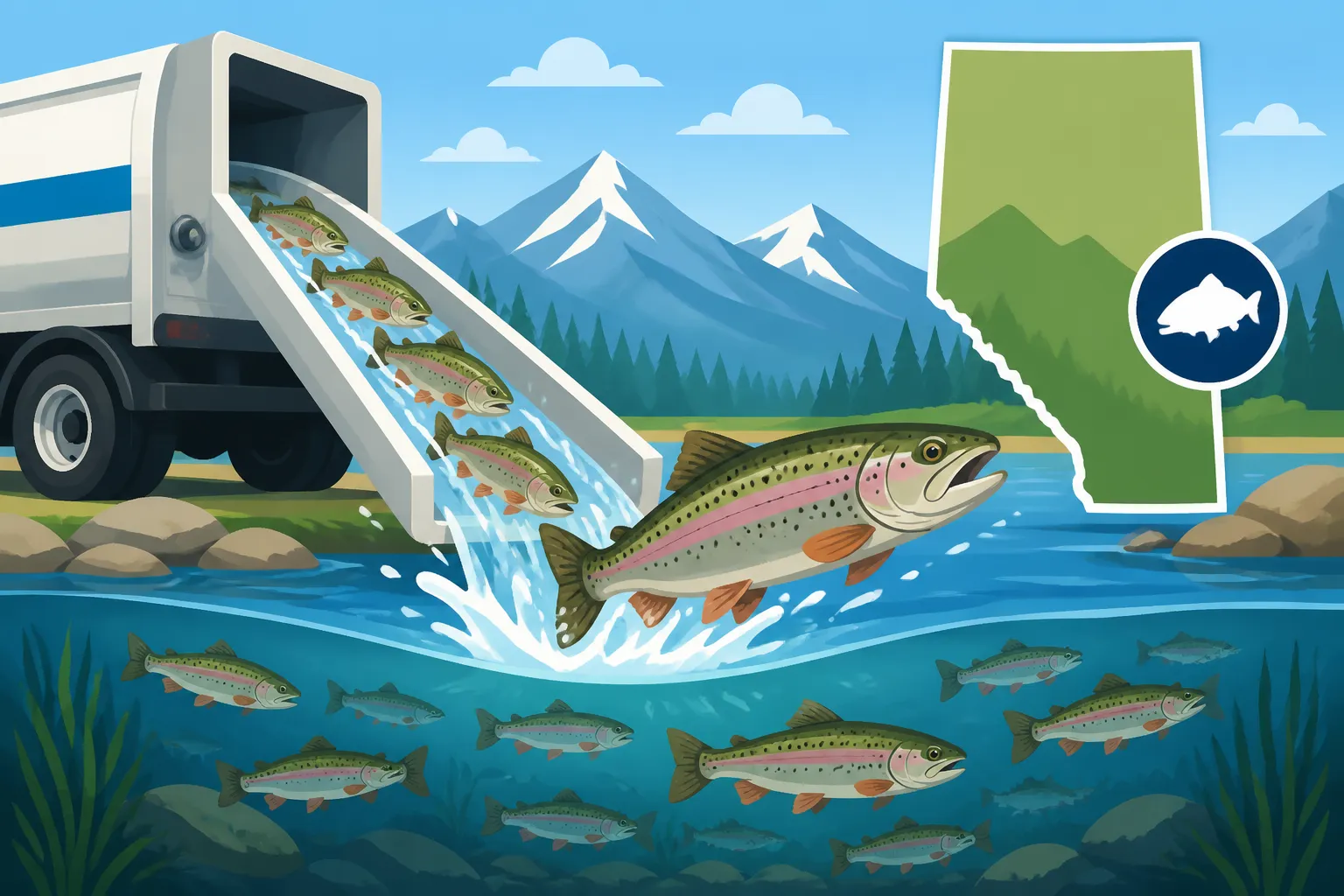
Alright, let's get down to the nitty-gritty of how many trout Alberta stocks. While giving you an exact, up-to-the-minute figure is impossible as numbers fluctuate annually based on budgets, environmental conditions, and specific program goals, I can tell you that Alberta's fish culture operations are substantial. We're talking about a significant commitment that sees hundreds of thousands, sometimes even well over a million, trout fingerlings and catchable-sized fish released into provincial waters each year.
How Many Trout Are Released Annually?
The sheer volume of fish released by Alberta Environment and Protected Areas (AEPA) each year is truly impressive. While the precise annual figure can vary depending on operational capacity, environmental factors, and specific program objectives, it's generally in the range of hundreds of thousands to over a million trout. These aren't just random fish; they are carefully raised at provincial fish hatcheries like the Raven Creek Hatchery and the Sam Livingston Fish Hatchery, ensuring they are healthy and ready for release.
It's a massive logistical undertaking, involving everything from spawning and egg incubation to fry and fingerling rearing, and finally, transport and release. These numbers reflect the province's dedication to providing robust fishing opportunities across a wide array of water bodies. The majority of these fish are stocked into public lakes and ponds to supplement existing populations or create new fisheries where natural reproduction is limited. For those eager to know more about where these efforts are concentrated, checking out the List of Alberta stocked trout lakes is a great next step.
Common Trout Species Stocked in Alberta
Alberta's stocking program focuses on several key trout species, each chosen for its suitability to different aquatic environments and its popularity among anglers. You won't find every species in every lake, as decisions are made based on water temperature, food availability, and potential interactions with native species.
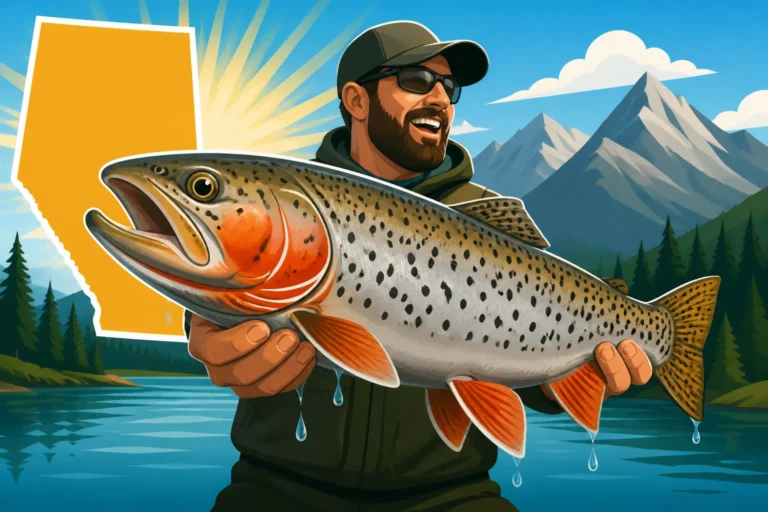
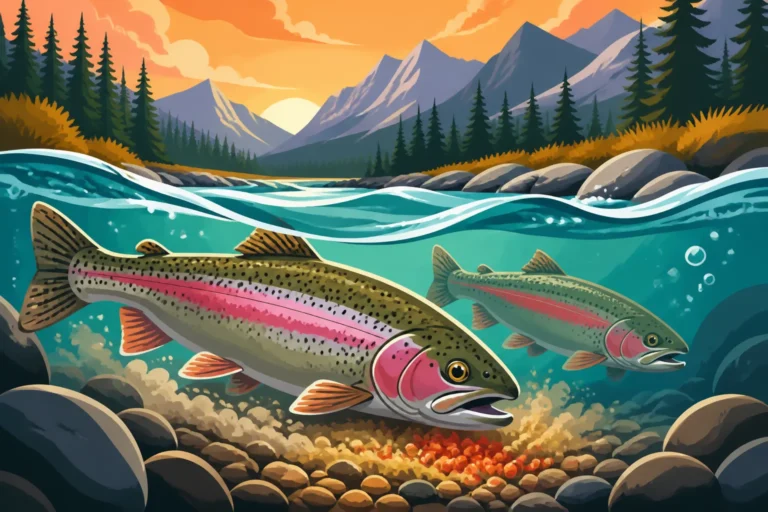
- Rainbow Trout: These are arguably the most popular and widely stocked trout in Alberta. They are adaptable, grow relatively quickly, and provide excellent sport. You'll find them in countless lakes and ponds, from small, easily accessible urban waters to larger, more remote destinations. They are a favourite for families and beginners due to their willingness to bite.
- Brook Trout: Known for their beautiful markings and often found in cooler, clear waters, brook trout are another common species in stocking programs. They tend to thrive in smaller ponds and stream environments, offering a different angling experience, particularly for those who enjoy fly fishing.
- Brown Trout: While some brown trout populations in Alberta are wild and self-sustaining, they are also part of stocking efforts to enhance fisheries in certain rivers and lakes. Brown trout are known for their wariness and can grow to impressive sizes, offering a challenge for experienced anglers.
- Cutthroat Trout: These native trout species are sometimes stocked, especially in efforts to bolster wild populations or introduce them to suitable new habitats. The Westslope Cutthroat, in particular, is a species of conservation concern, and carefully managed stocking can be part of recovery strategies.
- Tiger Trout & Splake: These are hybrid trout species, often stocked to provide unique angling opportunities. Tiger trout (a cross between a brown trout and a brook trout) and splake (a brook trout and lake trout hybrid) are typically sterile, meaning they don't reproduce, which allows fisheries managers to control their populations and impacts more effectively. They offer distinct fighting characteristics and can be a thrilling catch.
It's important to always check the specific regulations for the water body you plan to fish, as bag and possession limits, as well as season dates, can vary by species and location.
Factors Influencing Stocking Numbers and Locations
The decision of where and how many fish to stock isn't arbitrary. It's a strategic process influenced by a multitude of factors, ensuring the program is effective and sustainable.
- Public Access and Angler Demand: High-use areas, especially those close to population centers, often receive more fish to meet demand. Urban ponds, for example, are frequently stocked to provide easy access for city dwellers.
- Water Body Characteristics: Lake size, depth, temperature, oxygen levels, and available food sources all play a role. Hatchery managers carefully match species to environments where they are most likely to thrive. For instance, cold, deep lakes might be suitable for species like splake, while warmer, shallower ponds might be perfect for rainbow trout.
- Natural Reproduction Capacity: If a lake or river has a healthy, self-sustaining wild population of a certain species, stocking efforts for that species might be reduced or eliminated to protect genetic integrity and natural ecological processes.
- Budget and Resources: The cost of raising and transporting hundreds of thousands of fish is significant. Budgetary allocations directly impact the scale of the stocking program each year.
- Disease Management: Fish health is paramount. Hatcheries adhere to strict biosecurity protocols to prevent the spread of diseases, and stocking decisions can be influenced by disease outbreaks or concerns in specific water bodies.
- Conservation Goals: As mentioned, stocking can be a tool for species recovery, especially for native fish. Decisions are often guided by scientific assessments of population health and habitat viability.
Understanding these factors helps explain why some lakes receive regular, large stockings, while others might receive occasional, smaller introductions, or no stocking at all.
How Stocked Trout Impact Your Fishing Experience
Knowing that hundreds of thousands of trout are released into Alberta's waters each year is one thing, but understanding how that translates to your actual fishing experience is key. Stocked trout present both unique opportunities and specific considerations for anglers, whether you're a seasoned veteran or just dipping your toes into the sport.
Increased Catch Rates and Beginner-Friendly Fishing
The most immediate and obvious impact of robust stocking programs is the boost in catch rates, especially in designated stocked ponds and lakes. When you head to a lake knowing it's regularly stocked, your chances of hooking into a fish significantly increase. This is fantastic news for beginners and families with children, as constant action helps keep interest high and builds confidence. There’s nothing quite like the excitement of a child reeling in their first fish, and stocked waters often make that memory a regular occurrence.
These waters are often perfect for simple bait fishing techniques. A classic worm on a hook, some corn, or even dough baits can be incredibly effective. You don't need fancy gear; a basic spinning rod and reel combo, easily found on Amazon or at your local tackle shop, is often all it takes. This accessibility is a huge win for promoting the sport and getting more people outdoors. Learning How to catch trout right after stocking in Alberta can be a game-changer for a successful day.
Seasonal Dynamics and Best Times to Fish
Stocking efforts often follow a seasonal pattern, primarily in the spring and fall, avoiding the extreme heat of summer or the deep freeze of winter when fish survival rates might be lower. This means that if you know when your local waters typically get stocked, you can plan your trips around these times for the best results. The "trout opener" in spring, for instance, often sees a fresh batch of eager fish, making for some exciting fishing right out of the gate. Alberta Trout Season Opener Dates by Zone can provide specific information to help you plan.
However, it's worth noting that immediately after stocking, fish might be a little disoriented, but they usually quickly adapt and start feeding. The "best time of year" to fish for stocked trout is generally during the cooler months of spring and fall, when they are most active and water temperatures are ideal. Fishing in the mornings and evenings during these seasons often yields the best results.
| Season | Typical Stocking Activity | Angling Experience | Tips |
|---|---|---|---|
| Spring | High | Excellent, fish are hungry and active after stocking | Focus on shallow areas; use small spoons, spinners, or bait |
| Summer | Low to Moderate | Fish can be harder to find, move to deeper, cooler water | Fish early mornings/late evenings; use light line and smaller baits |
| Fall | High | Very good, fish are feeding aggressively before winter | Target drop-offs and structure; focus on bait or jigging |
| Winter | Low (Ice Fishing) | Great for ice fishing where lakes are open and safe to fish | Jig with small spoons, soft plastics; use maggots or power bait |
Gear Considerations for Stocked Trout
While you don't need to break the bank, having the right gear can make your stocked trout fishing experience more enjoyable and successful. For lighter, smaller trout found in many stocked ponds, an ultralight or light action spinning rod is often ideal. This setup allows you to cast light lures and feel those subtle bites. You can find many suitable options for a Best rod and reel combo for beginners that won't cost an arm and a leg.
When it comes to lures and baits, variety is your friend. Small inline spinners, spoons, and tiny crankbaits are often very effective. For bait fishing, worms, power bait, and corn are perennial favorites. Don't forget a small landing net, especially if you plan to practice catch and release, to minimize stress on the fish. You can find many of these essentials, from tackle boxes to nets, readily available on platforms like Amazon.
Navigating Regulations and Resources for Stocked Fisheries
Even in heavily stocked waters, understanding the rules and knowing where to find information is crucial. Fishing in Alberta, whether for wild or stocked fish, comes with specific regulations designed to ensure sustainable practices and enjoyable experiences for everyone.
Understanding Alberta's Fishing Regulations
Before you even cast a line, make sure you have your Alberta Fishing License Guide for 2026 in order, and don't forget your Alberta WIN Card, Explained. Even if you're fishing a stocked pond, these are mandatory for most anglers over the age of 16 (or older in some cases, check for Alberta Youth Fishing License Exemption Under 16 or Alberta Senior Fishing License Exemption at 65). The regulations will outline:
- Season Dates: When you can legally fish a particular water body.
- Bag Limits: How many fish of a certain species you can keep per day.
- Possession Limits: The total number of fish you can have in your possession, including those at home.
- Size Limits: Minimum or maximum sizes for retained fish, sometimes called slot limits.
- Bait Restrictions: Whether bait is allowed, or if it's a "flies and lures only" water.
- Barbless Hook Requirements: Certain waters, especially those with sensitive populations, might require barbless hooks for easier and safer release.
It's tempting to think that stocked waters have fewer rules, but that's not always the case. Always consult the current Alberta Guide to Sportfishing Regulations before heading out. A lot of this information is easily accessible through the MyWildAlberta portal or their handy mobile app, which allows for quick zone lookups on the fly.
Locating Stocked Waters and Planning Your Trip
Finding out exactly which waters are stocked and with what species is easier than you might think. The provincial government provides detailed information, usually online, listing the lakes and ponds that receive fish, often including the species stocked and sometimes even the approximate stocking dates.
- MyWildAlberta Portal: This is your go-to resource. The Alberta government's MyWildAlberta website typically publishes an annual list of stocked water bodies. It's an invaluable tool for planning your trips, helping you pinpoint locations that are regularly refreshed with trout.
- Local Bait and Tackle Shops: These spots are treasure troves of local knowledge. The folks working there often know precisely which lakes have been recently stocked and what's been biting. They can also recommend the Best bait for opening day trout in Alberta for your specific location.
- Fishing Forums and Social Media Groups: Online communities dedicated to Alberta fishing can be a great place to get real-time updates and tips from other anglers. Just remember to verify any information with official sources.
When planning your trip, consider accessibility. Many stocked ponds are designed for ease of access, with pathways, docks, and sometimes even amenities like washrooms. This makes them ideal for family outings or for individuals with mobility challenges.
Contributing to the Program's Success
As anglers, we all play a role in the success of these stocking programs. By adhering to regulations, practicing responsible catch and release, and disposing of litter properly, we help ensure these resources remain healthy and abundant for future generations. If you catch a fish that appears unhealthy or notice unusual conditions in a water body, reporting it to provincial authorities can also contribute to the ongoing management and monitoring efforts.
Ultimately, Alberta's trout stocking program is a testament to the commitment to providing accessible, enjoyable, and sustainable fishing experiences. So next time you're wondering how many trout are out there, remember the hundreds of thousands, if not millions, that the province works hard to provide, giving every angler a chance to enjoy the thrill of the catch.
Disclaimer
This article is for general informational purposes only and does not constitute professional advice. Laws, prices and regulations vary by location and change over time. Consult a qualified professional for guidance on your specific situation.