What a tiger trout is a cross between
Imagine you're out on an Alberta lake, reeling in what you think is a brown trout, but something about its markings just feels… different. It's got those worm-like patterns, but they're so striking, so vivid. You might just have a tiger trout on the end of your line, and let me tell you, these unique fish are truly something special. Many anglers, even experienced ones, get a bit confused when they first encounter one, wondering if it's a mutation or just a really oddly patterned standard trout. This guide is here to unravel that mystery, explaining exactly what a tiger trout is and why they've become such a fascinating and sought-after catch in Alberta's waters.
The Unique Genetic Blend: Brown Trout and Brook Trout
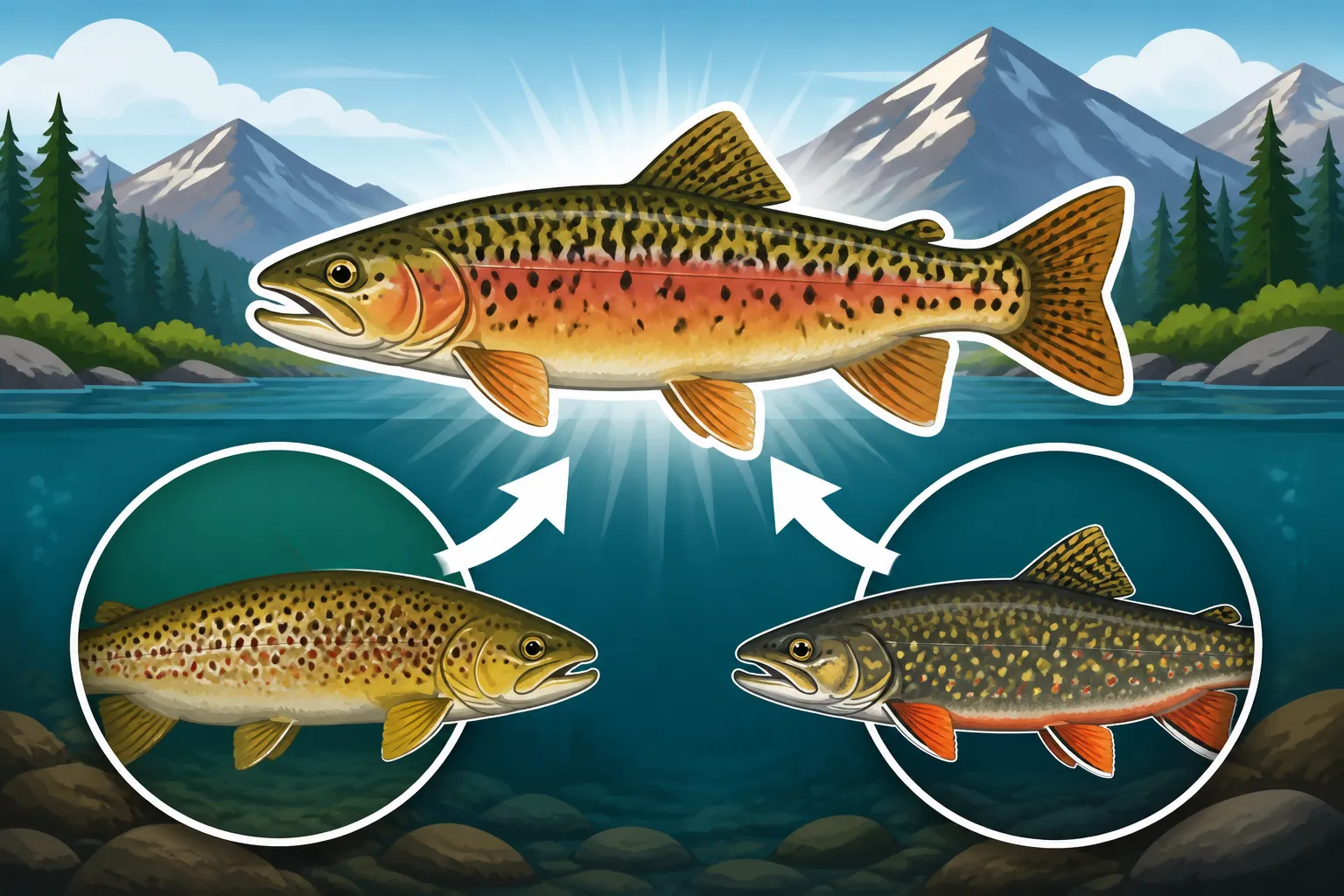
Let's cut right to the chase: a tiger trout is a sterile hybrid fish resulting from the cross between a female brown trout (Salmo trutta) and a male brook trout (Salvelinus fontinalis). It's a natural phenomenon, albeit a rare one, and has been successfully replicated and leveraged in fish hatcheries for stocking programs. This hybridization gives them a unique combination of traits from both parent species, making them distinct in appearance, behavior, and even their ecological role in the waters they inhabit. They are truly one of nature's fascinating experiments, brought to a wider audience through careful human intervention.
Think about it: the brown trout is renowned for its elusive nature and strong fighting spirit, often preferring larger rivers and lakes. On the other hand, brook trout, though technically a char, are admired for their vibrant colors and willingness to hit a fly or lure, typically found in colder, pristine streams and smaller lakes. The tiger trout, therefore, often inherits the best of both worlds, presenting a challenging and rewarding angling experience. This genetic mashup is precisely what makes them so intriguing and a topic of conversation among those who love to fish our beautiful province.
Distinguishing Features and Appearance
The most striking characteristic of a tiger trout is its mesmerizing vermiculated pattern, a series of dark, wavy, maze-like lines that resemble a tiger's stripes or marble veining, covering a lighter, often yellowish to greenish-brown body. These patterns are truly unique to each fish, like fingerprints, and can range from subtle to incredibly intricate and bold. This contrasts sharply with the distinct spots found on both brown and brook trout, though a closer look might reveal hints of their parentage.
Let's break down some of the visual cues you can use to identify a tiger trout:
- Body Coloration: Often a pale yellow to orange-brown along the flanks, transitioning to a darker olive or greenish-brown on the back. The belly is usually lighter, sometimes white or cream.
- Vermiculated Pattern: This is the key. Instead of distinct spots, look for the intricate, worm-like, dark patterns that weave across the entire body, including the dorsal and caudal fins. These patterns are irregular and rarely form distinct spots.
- Fins: The dorsal and caudal (tail) fins also typically display these vermiculated patterns. The pectoral and pelvic fins might have a reddish or orange tint, a nod to their brook trout ancestry.
- Mouth: They tend to have a larger mouth, characteristic of a predatory fish, similar to a brown trout.
- Size: While their growth rate can be quite impressive, especially in waters with abundant food, their size can vary widely depending on age, habitat, and food availability.
To really appreciate the differences, it helps to compare them side-by-side with their parent species. For more on general trout identification, check out our Trout Species Identification Guide for Alberta.
| Feature | Tiger Trout | Brown Trout | Brook Trout |
|---|---|---|---|
| Parentage | Female Brown x Male Brook | Salmo trutta (pure species) | Salvelinus fontinalis (pure species/char) |
| Appearance | Striking vermiculated (worm-like) patterns | Dark spots with halos, some red spots | Light spots (often white/yellow) on dark body |
| Body Color | Yellow-brown to olive, dark stripes | Golden brown to olive, often lighter belly | Dark olive to black, vibrant red spots |
| Tail Fin | Square, often with vermiculated patterns | Square, often with few or no spots | Square, often faintly spotted |
| Fertility | Sterile | Fertile | Fertile |
| Typical Habitat | Stocked lakes and ponds, cool waters | Larger rivers, lakes, tolerant of warmer water | Cold, clear, oxygenated streams and lakes |
Why Do Tiger Trout Exist?
The existence of tiger trout is a fascinating tale of both nature's serendipity and human ingenuity. While they can occur naturally, it's incredibly rare. The vast majority of tiger trout you'll encounter in Alberta, or indeed anywhere, are the result of deliberate hatchery programs. There's a good reason for this strategic approach, as these hybrids offer distinct advantages for fisheries management.
Nature's Rare Accident vs. Human Intervention
In the wild, the natural crossing of a brown trout and a brook trout is an exceptionally uncommon event. For it to happen, the two species need to share spawning grounds at precisely the same time, and even then, the conditions for successful fertilization and hatching are slim. It's truly a biological anomaly when it occurs without human assistance. The two species belong to different genera within the salmonid family, making their hybridization somewhat unusual, much like a mule being the offspring of a horse and a donkey.
However, in controlled hatchery environments, biologists have mastered the technique of creating these hybrids. They carefully collect eggs from female brown trout and milt (sperm) from male brook trout, then manually fertilize them. The resulting fry are then raised in controlled conditions before being stocked into various water bodies. This controlled breeding allows for consistency in stocking numbers and ensures the desired genetic cross is achieved, maximizing the unique benefits these fish offer.
The Benefits of Stocking Tiger Trout
So, why go through the effort of creating a hybrid fish? There are several compelling reasons why fisheries managers, including those in Alberta, choose to stock tiger trout:
- Sterility: This is arguably their biggest advantage. Because tiger trout are sterile, they cannot reproduce. This means that they don't impact the genetic integrity of native fish populations, nor do they contribute to overpopulation issues. They are essentially a "put-and-take" fishery, meaning they are stocked for anglers to catch without concerns about them establishing self-sustaining, potentially invasive, populations. This is a crucial consideration, especially in waters where delicate native fish populations like Bull Trout: Alberta's Threatened Native Fish might be present.
- Aggressive Growth and Feeding: Tiger trout tend to grow quickly and are known for their voracious appetites. This makes them excellent for controlling nuisance species, such as overpopulated yellow perch or other undesirable baitfish, in certain lakes and ponds. Their aggressive feeding habits also mean they can reach a catchable size faster than some other trout species, providing a quicker return on investment for stocking programs.
- Hardiness and Adaptability: They often exhibit a degree of hybrid vigor, meaning they can be more robust and tolerant of varying water conditions than either of their parent species. While they still prefer cooler, well-oxygenated water, this hardiness can allow them to thrive in certain waters where pure brown or brook trout might struggle slightly.
- Unique Angling Experience: Their aggressive nature and strong fighting abilities make them a thrill to catch. They strike hard and put up a formidable fight, challenging anglers of all skill levels. Plus, their unique appearance adds an extra layer of excitement to any catch. For anglers looking for a distinct challenge beyond the usual Rainbow Trout Fishing on the Bow River, tiger trout offer something truly different.
- Dietary Control: As mentioned, their predatory nature can be a tool for ecosystem management. In ponds or lakes with an overabundance of small, stunted panfish or other forage species, tiger trout can help bring the ecosystem back into balance by culling these populations. This can, in turn, lead to healthier overall fish populations.
For more on Alberta's approach to stocking, you might find information on programs like Splake Stocking in Alberta Lakes useful, as splake are another popular hybrid often stocked for similar reasons.
Where Can You Find Tiger Trout in Alberta?
While tiger trout are not native to Alberta, they have found a welcome home in many of our stocked lakes and ponds across the province. You won't typically find them naturally reproducing in rivers or streams here, which is by design. Their presence is a direct result of the dedicated efforts of Alberta's fisheries management to provide diverse angling opportunities.
Alberta's Stocking Program for Tiger Trout
Alberta Environment and Protected Areas (AEPA) runs an extensive fish stocking program, and tiger trout are a key part of that. These fish are primarily stocked in smaller, designated "put-and-take" lakes and ponds, often close to urban centers, to create easily accessible fishing opportunities for families and anglers of all skill levels. The sterility of tiger trout makes them ideal for these environments, as they provide an exciting fishery without the risk of impacting natural ecosystems or competing with native species.
You'll find these stocking efforts are usually focused on waters that can support good trout growth and survival, but where natural reproduction might be limited or undesirable. This ensures that the stocked fish have a good chance to grow to a respectable size, offering a rewarding experience for those who cast a line. The specific lakes and ponds that receive tiger trout can change year to year based on management objectives, so it's always a good idea to consult the most recent Alberta Guide to Sportfishing Regulations or the MyWildAlberta portal for the up-to-date stocking schedules. You can also look for information on Tiger Trout Stocking in Alberta Lakes directly.
Ideal Habitats and Water Conditions
Tiger trout, like their parent species, generally prefer cool, well-oxygenated water. However, they can show a surprising resilience to slightly warmer temperatures than pure brook trout, a trait likely inherited from their brown trout side. You'll often find them in:
- Ponds and Small Lakes: These are the most common places for stocked tiger trout. They thrive in environments where they have ample forage and cooler deep water during the summer months. These waters are typically managed for recreational angling, making them easy to access and fish.
- Reservoirs: Some larger reservoirs that maintain good water quality and temperature throughout the year can also be excellent tiger trout fisheries. These often have more diverse structures, offering different depths and cover for the fish.
- Clear Water: While they can tolerate some turbidity, clearer waters generally indicate better oxygen levels and a healthier ecosystem, which tiger trout appreciate. This also makes them a bit more challenging for sight fishing, as they can be wary.
Understanding their preferred habitat helps you narrow down where to focus your efforts. Look for deeper sections of ponds during warmer weather, or around submerged structures and weed lines where they can ambush prey. Many of the Best Fishing Lakes in Alberta that are regularly stocked with trout might also be home to tiger trout.
Fishing for Tiger Trout in Alberta
Catching a tiger trout is an exciting experience, whether you're a seasoned angler or just starting out. They are known for their aggressive strikes and spirited fights, often making powerful runs and acrobatic jumps. Because they're a hybrid, they can exhibit a blend of the cautiousness of a brown trout and the eagerness of a brook trout, keeping you on your toes! Knowing a bit about their behavior and what gear works best can significantly improve your chances.
Remember, always consult the Alberta Fishing Regulations Explained and Alberta Bag and Possession Limits by Species before you head out, as rules for specific lakes can vary.
Recommended Gear and Lures
Given their predatory nature and preference for varied forage, tiger trout are generally willing to hit a wide range of lures and flies. Versatility is key when targeting these unique fish.
- Spinning Gear: A light to medium-light spinning rod, around 6 to 7 feet in length, paired with a matching reel spooled with 4-6 lb test monofilament or fluorocarbon line is a great all-around setup. This offers enough sensitivity for light bites but enough backbone to handle their powerful runs. You can find some excellent options for Best Fishing Rods for Alberta Rivers that would also work well for stocked lakes.
- Flies: For fly anglers, streamers are often incredibly effective, imitating baitfish or leeches that tiger trout love to chase. Patterns like Woolly Buggers (black, olive, brown), Clouser Minnows, and other baitfish imitations in sizes 6-10 are good starting points. Nymphs and even dry flies can work, particularly during hatches or when fish are feeding on insects near the surface. If you're into fly fishing, many of the principles for other trout, like those detailed in Best Gear for Bow River Fly Fishing, will apply.
- Lures: Small inline spinners (Mepps, Panther Martin, Rooster Tail) in silver, gold, or brass finishes with red or orange accents are perennial favorites. Small spoons (Kastmasters, Little Cleos, Williams Wobblers) that mimic injured baitfish are also very effective. Hard body lures like small crankbaits or jerkbaits can also elicit aggressive strikes, especially those with natural baitfish patterns or bright, attracting colors. You can often find a great selection of these on platforms like Amazon.
- Bait: For bait fishing, worms, maggots, or scented dough baits (PowerBait) fished under a bobber or on the bottom with a light sinker can be very productive, especially in stocked ponds where fish are accustomed to these offerings.
The choice of lure or bait often depends on the time of year and the specific water you are fishing. In spring, when the water is cold, a slower retrieve with a spoon or a still-fished worm can be deadly. In summer, as fish become more active, faster retrieves with spinners or aggressive streamer stripping can trigger strikes. For tips on seasonal tactics, consider our guide on Spring Trout Fishing Techniques for Alberta Streams.
Behavior and Fighting Characteristics
Tiger trout are known for their aggressive nature and spirited fights, a characteristic that makes them so popular among anglers. They often strike lures with confidence and immediately try to run or jump, mimicking the strong fighting instincts of their brown trout parent.
Here’s what you can generally expect when you hook into one:
- Hard Strikes: Don't expect a subtle tap. Tiger trout often hit lures with conviction, making a clear and decisive strike that can be exhilarating.
- Strong Runs: They are powerful swimmers and will make strong, often sustained runs, particularly when first hooked. Be prepared to let them take line, and ensure your drag is set properly.
- Aerobatics: While not always as acrobatic as a rainbow trout, tiger trout can and often do jump clear of the water, especially if they feel pinned or when trying to throw a hook. This adds to the thrill of the fight.
- Bottom Huggers: Like brown trout, they might try to dive for cover or hug the bottom, particularly in waters with structure. This can make for a challenging retrieve, requiring you to steer them away from snags.
- Patience is Key: Due to their aggressive nature, sometimes they'll follow a lure for a while before committing. Varying your retrieve speed, adding pauses, or twitching your rod tip can often trigger a strike from a hesitant fish.
When fishing for tiger trout, remember that they are often a stocked species, meaning they might behave slightly differently than wild trout. They can be less wary in heavily stocked ponds but still retain their inherent predatory instincts. Always approach the water stealthily, especially in smaller ponds, to avoid spooking them. Keeping your presentation natural and your gear appropriate will set you up for success, and you might just land one of these truly beautiful and unique hybrids that Alberta has to offer.
Disclaimer
This article is for general informational purposes only and does not constitute professional advice. Laws, prices and regulations vary by location and change over time. Consult a qualified professional for guidance on your specific situation.