Are Tiger Trout Stocked in Alberta Lakes?
It's easy to get excited when you hear about unique fish species, especially hybrids like the tiger trout, and wonder if you can find them in Alberta's beautiful waters. Many anglers are constantly looking for new challenges and distinct fishing experiences, and it's frustrating when you don't know if a particular species is even an option in your local area. This comprehensive guide will clear up the mystery around tiger trout in Alberta, detail the province's stocking programs, and point you towards the incredible trout fishing opportunities that do exist right here in our backyard.
Demystifying the Tiger Trout: What They Are and Why They're Special
When you hear about a "tiger trout," it's natural for your ears to perk up. They sound exotic and thrilling, and for good reason! They've gained quite a reputation in other parts of the world, making many of us wonder if they grace Alberta's waters. Let's dive into what makes these fish so captivating.
The Unique Genetics of a Tiger Trout
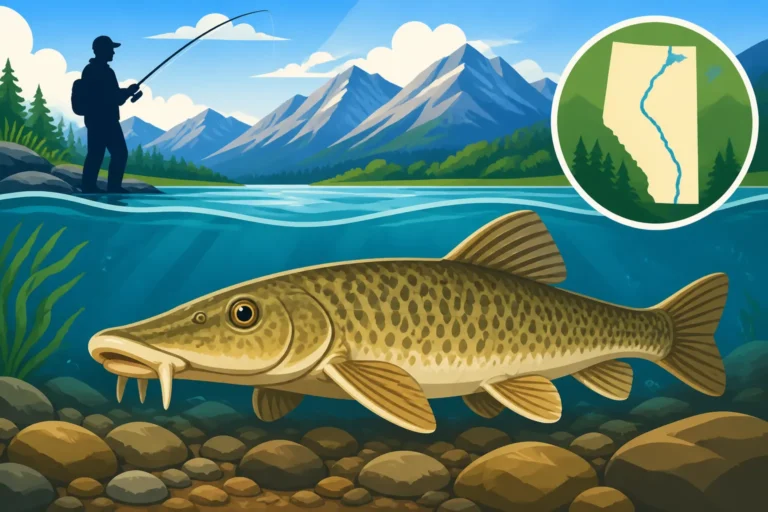
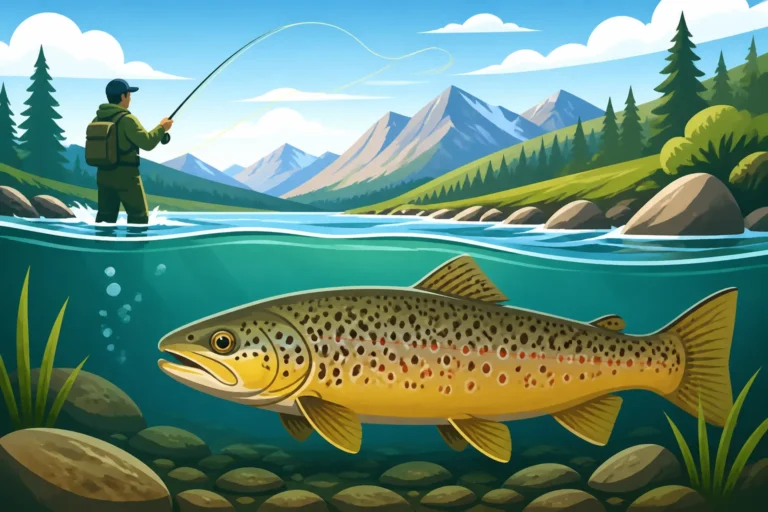
A tiger trout isn't a naturally occurring species; it's a sterile hybrid, a fascinating cross between a female brown trout (Salmo trutta) and a male brook trout (Salvelinus fontinalis). Because they are hybrids, they can't reproduce on their own, which means any population of tiger trout in a fishery is there solely because of a stocking program. They get their name from their distinctive, worm-like patterns (vermiform markings) that cover their sides, often resembling the stripes of a tiger. These patterns vary from fish to fish, making each catch a unique visual treat. It’s truly something special when you see one flash in the water!
Why Anglers Are Drawn to These Striped Hybrids
Beyond their striking appearance, tiger trout are highly sought after by anglers for a few key reasons. First, they're known for their aggressive nature and strong fighting spirit. When you hook a tiger trout, be prepared for a spirited battle! They hit hard and pull harder, offering an exhilarating experience that seasoned anglers crave. Secondly, because they are sterile, all their energy goes into growth rather than reproduction, which can lead to larger, healthier fish. This is appealing to fisheries managers who want to provide a robust catch for recreational anglers. Imagine reeling in a fish that's not only beautiful but also puts up a fight you'll remember!
Alberta's Approach to Trout Stocking: Are Tiger Trout on the List?
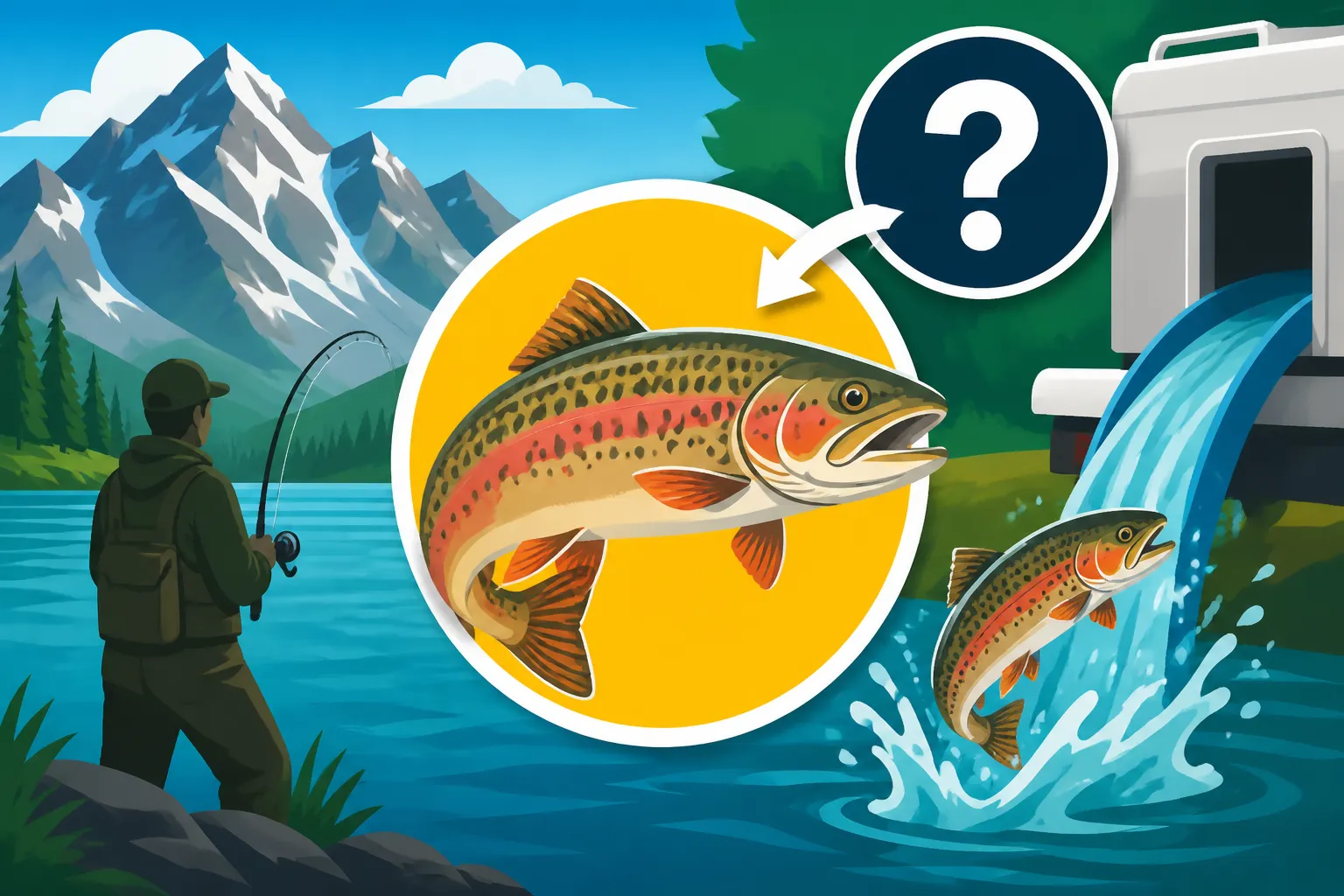
Given the allure of tiger trout, it’s a fair question to ask if Alberta's fisheries include them in their stocking efforts. The short answer for widespread stocking is generally no. Alberta's approach to fisheries management is deliberate and focused on specific goals.
The Alberta Environment and Protected Areas Stocking Philosophy
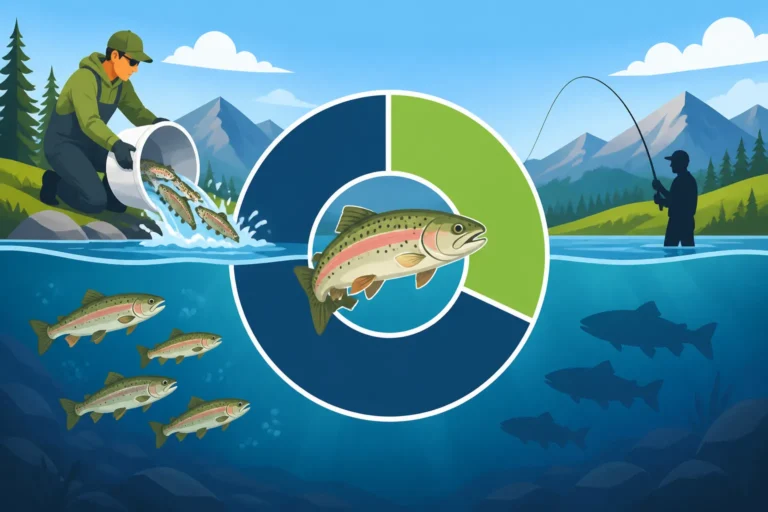
Alberta Environment and Protected Areas (AEPA) has a well-defined strategy for managing our provincial fisheries, which includes carefully planned stocking programs. Their primary goals typically revolve around enhancing recreational fishing opportunities, supporting native species conservation, and rehabilitating certain populations. This means that stocking decisions are made based on scientific data, environmental suitability, and the overall health of the ecosystem. The focus is often on species that are well-adapted to Alberta's diverse aquatic environments, or those that have historically provided strong recreational value.
While tiger trout are intriguing, they haven't been a prominent feature of Alberta's stocking program. This is often due to the provincial emphasis on supporting native species and established non-native populations that thrive here, like rainbow trout and brown trout. Conservation efforts, especially for our native bull trout and cutthroat trout, play a significant role in these decisions. You can find detailed information about the provincial approach by checking the Alberta Guide to Sportfishing Regulations each season.
Understanding Alberta's Stocked Trout Species
Instead of tiger trout, Alberta's stocking programs focus heavily on other popular and readily available trout species. The most common you'll find stocked in ponds, lakes, and some rivers are:
- Rainbow Trout: These are probably the most widely stocked trout in Alberta. They grow quickly, fight well, and are quite adaptable to various conditions. Many of our smaller ponds and lakes are regularly stocked with rainbow trout to provide accessible fishing opportunities for families and beginners.
- Brown Trout: While some populations are wild and self-sustaining in rivers like the Bow, brown trout are also stocked in certain areas to enhance angling. They are known for being a bit more elusive and growing to impressive sizes, offering a thrilling challenge.
- Brook Trout: These beautiful, cold-water loving fish are stocked in some mountain lakes and ponds, providing a fantastic experience, particularly for those who enjoy fishing in scenic, alpine settings.
- Splake: Ah, now here's a hybrid that is part of Alberta's stocking program! Splake are a cross between a brook trout and a lake trout. Like tiger trout, they are sterile and grow large, offering an exciting angling experience. They combine the aggressive nature of a brook trout with the deep-water dwelling habits of a lake trout, making them a unique target. If you're looking for a hybrid trout experience in Alberta, splake are definitely one to consider. You can learn more about Splake Stocking in Alberta Lakes.
The table below provides a quick comparison of these popular stocked trout species in Alberta:
| Species | Type | Common Size (stocked) | Habitat Preference | Fight Rating (1-5, 5 being strongest) |
|---|---|---|---|---|
| Rainbow Trout | Non-native | 10-20 inches | Lakes, ponds, rivers | 4 |
| Brown Trout | Non-native | 12-25 inches | Cool rivers, some lakes | 4 |
| Brook Trout | Non-native | 8-15 inches | Cold, clear lakes and ponds | 3 |
| Splake | Hybrid (Brook x Lake) | 12-25 inches | Deeper, cold lakes | 5 |
| Tiger Trout | Hybrid (Brown x Brook) | (Not widely stocked in AB) | (Cool lakes and ponds) | (5) |
How to Find Official Stocking Information for Alberta Lakes
So, if you're keen on finding out which lakes are stocked with what, where do you look? The Alberta Environment and Protected Areas (AEPA) provides an excellent resource through the MyWildAlberta portal. This is your go-to source for the most accurate and up-to-date information on fish stocking. They typically publish annual stocking reports and often have interactive maps or lists that show which lakes have received fish, what species were stocked, and sometimes even the approximate numbers.
I highly recommend bookmarking the MyWildAlberta website or even checking out the How to use the Alberta sportfishing regulations app for on-the-go information. It’s an invaluable tool for planning your fishing trips, ensuring you know exactly what to expect when you get to the water. This also helps you identify Alberta stocked trout lakes that are perfect for a family outing or a dedicated trophy hunt.
Fishing for Hybrids (and other Trout) in Alberta Waters
Even without widespread tiger trout stocking, Alberta offers incredible opportunities to chase other exciting trout species, including the splake hybrid. Let's talk about how you can gear up and get out there!
Targeting Splake: Alberta's Stocked Hybrid
Since splake are the hybrid trout you can find in Alberta, let's talk about fishing for them. They tend to prefer cooler, deeper waters, especially during the warmer months, similar to lake trout. However, they also retain some of the aggression and shallower water tendencies of their brook trout parent. This means you might find them cruising along drop-offs, around underwater structures, or near points where they can ambush baitfish.
For techniques, trolling with spoons, crankbaits, or even a classic worm harness can be very effective in deeper lakes. In shallower stocked ponds, casting small spinners, spoons, or even still fishing with power bait or worms can yield good results. Pay attention to temperature; like most trout, splake will be more active in cooler water. Early mornings and late evenings are often prime times, or you might need to fish deeper during the heat of the day.
Gear Recommendations for Stocked Trout in Alberta
Regardless of whether you're chasing splake, rainbows, or brown trout, having the right gear can make all the difference. You don't need to break the bank, but investing in a few quality pieces will certainly enhance your experience.
- Rods and Reels: A medium-light to medium action spinning rod, about 6 to 7 feet long, paired with a reliable spinning reel, is a fantastic all-around choice for most Alberta trout. This setup offers enough backbone to handle a fighting fish while being sensitive enough to detect subtle bites. For those who enjoy fly fishing, a 5 or 6-weight fly rod is versatile for many of our trout streams and lakes, especially on renowned waters like the Bow River. If you're just starting, Amazon has a great selection of beginner-friendly rod and reel combos that won't overwhelm your budget.
- Line: Opt for a good quality monofilament line in 4 to 8 lb test. Fluorocarbon leaders are also excellent, especially in clear waters, as they are nearly invisible to fish. Braided line can be used for its sensitivity, but I’d recommend a fluorocarbon leader with it to avoid spooking wary trout.
- Lures and Baits: Trout are attracted to a variety of presentations. Spinners (Mepps, Panther Martin), small spoons (Little Cleo, Five of Diamonds), and small crankbaits (Rapala countdowns) are perennial favorites. For bait, power bait in various colors, worms, or even corn can be incredibly effective, especially in stocked ponds. Don't forget to check the regulations for any bait restrictions in specific waters!
- Essentials: Always carry a small pair of pliers for unhooking fish safely, a landing net (preferably rubberized mesh to protect fish), and a small tackle box or bag to keep your gear organized. Amazon is a great place to stock up on these essentials, often with convenient bundles. Having a good pair of polarized sunglasses will also help you spot fish and see underwater structure.
Remember, the best time to fish a stocked lake can often be right after a fresh stocking, when the fish are acclimating and often quite hungry! You can often find this information on the MyWildAlberta portal.
Where to Find Your Next Great Trout Fishing Adventure
Alberta is truly a paradise for trout anglers, whether you're seeking a specific species or just looking for a beautiful spot to cast a line.
- Rivers: The Bow River is world-renowned for its incredible rainbow and brown trout fishing, particularly near Calgary. The Crowsnest River, Oldman River, and Red Deer River also offer fantastic opportunities for various trout species. For a challenging but rewarding experience, head to the mountain streams for cutthroat and brook trout.
- Lakes and Ponds: From the numerous small ponds stocked regularly with rainbow trout (perfect for kids and beginners!) to larger lakes like those in Kananaskis Country or the areas surrounding Waterton Lakes, there are options for every skill level. Cold Lake offers excellent lake trout fishing, and many smaller lakes hold good populations of splake.
- National and Provincial Parks: Many parks offer stunning scenery combined with excellent fishing. Just be sure to check the specific regulations for fishing within these protected areas, as they can sometimes differ from general provincial rules.
No matter where you choose to go, make sure you have your Alberta Fishing License Guide for 2026 in order. It's a fundamental step to enjoying your time on the water legally and responsibly.
Conservation and the Future of Alberta's Trout Fisheries
Our fishing opportunities today are a direct result of careful planning and conservation efforts. It's not just about stocking fish; it's about protecting the entire aquatic ecosystem for generations to come.
Balancing Stocking with Native Species Protection
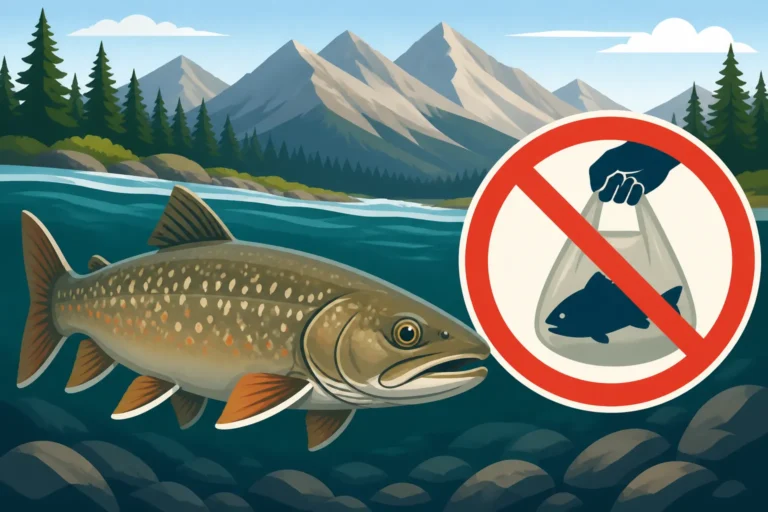
Alberta's fisheries managers walk a fine line, aiming to provide exciting fishing for everyone while also safeguarding our precious native species. Non-native species like rainbow and brown trout are stocked primarily in environments where they won't outcompete or hybridize with native fish. This careful consideration is why species like bull trout, our provincial fish and a native species, are strictly protected with Alberta Bull Trout Zero Possession Rule in most waters. The presence (or absence) of certain stocked species, including the decision not to widely stock tiger trout, reflects this dedication to ecological balance.
The long-term health of our fisheries depends on this thoughtful approach. It’s about creating diverse fishing experiences without compromising the natural heritage of our rivers and lakes.
The Importance of Responsible Angling
As anglers, we all have a vital role to play in conservation. This means understanding and adhering to regulations, practicing catch-and-release properly, especially for sensitive species, and minimizing our impact on the environment. Learning how to properly handle fish, especially when releasing them, ensures they have the best chance of survival. Even if you're fishing a stocked pond, respectful angling practices contribute to the overall health and enjoyment of our shared resources.
Always consult the latest copy of the Alberta Guide to Sportfishing Regulations before heading out. It’s your rulebook for responsible and legal fishing.
Staying Informed About Stocking Updates
Fisheries management is dynamic; it evolves with new research, environmental conditions, and angler feedback. To stay connected and informed about stocking changes, new regulations, or conservation initiatives, regularly check the official MyWildAlberta website. They are constantly updating information, and it's the best way to ensure you're always fishing smart and staying within the rules. Becoming an informed angler helps you not only find the best spots but also contribute to the ongoing efforts to maintain Alberta as a world-class fishing destination.
Disclaimer
This article is for general informational purposes only and does not constitute professional advice. Laws, prices and regulations vary by location and change over time. Consult a qualified professional for guidance on your specific situation.