Where walleye get the biggest in Alberta
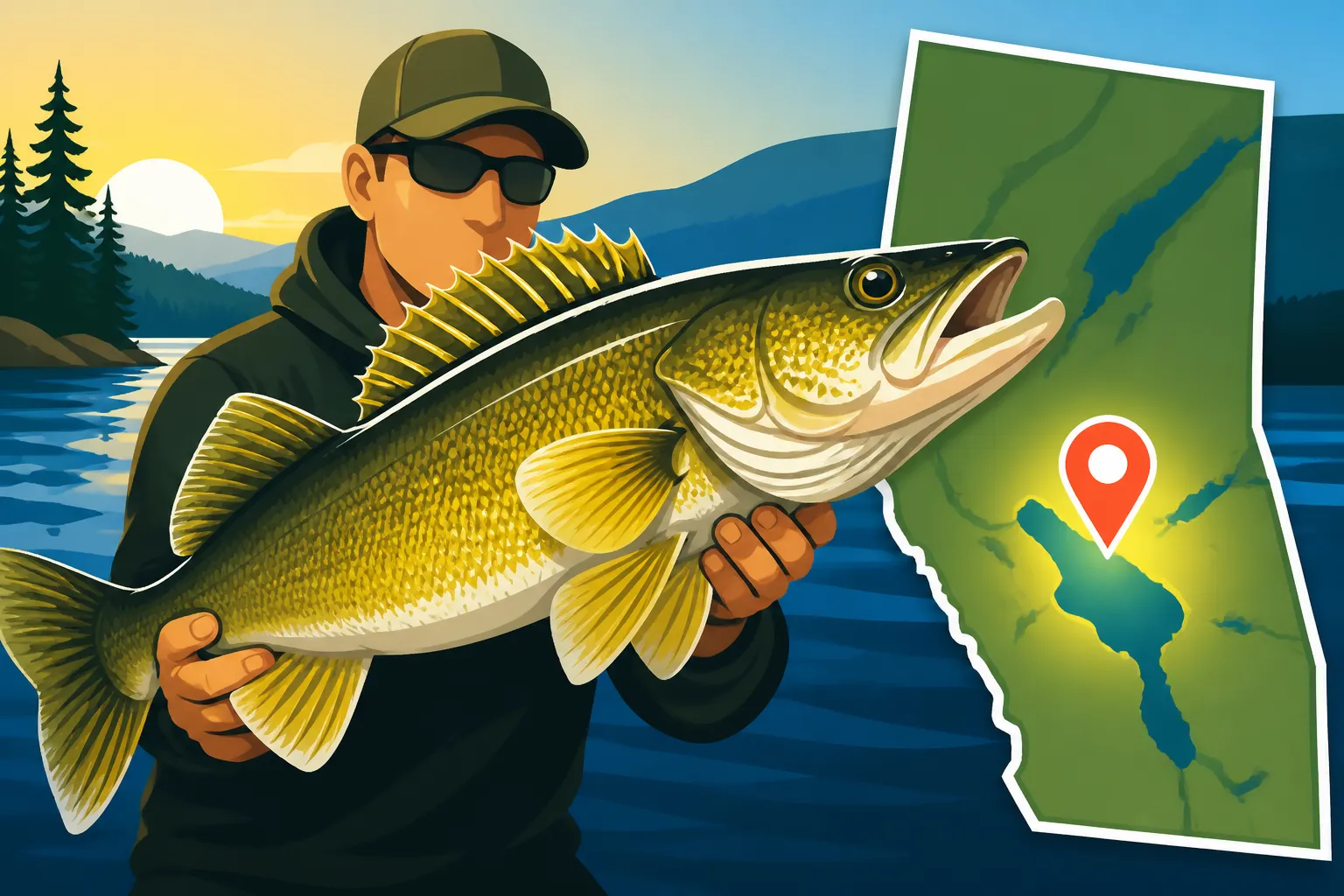
For many anglers, the pursuit of a truly colossal walleye in Alberta isn't just about catching dinner; it's about the thrill of the hunt, the patience tested, and the sheer challenge of landing a fish that could be the personal best of a lifetime. If you've spent countless hours on the water, only to pull up smaller, eater-sized walleye, you know the frustration. This guide will take a deep dive into the specific characteristics and locations within Alberta that consistently produce the biggest walleye, helping you narrow down your search and increase your chances of hooking into that elusive trophy.
Understanding Walleye Growth in Alberta
Before we pinpoint specific lakes, it's crucial to understand what makes a walleye grow to impressive sizes here in Alberta. It's not just luck; it's a combination of environmental factors, food sources, and the delicate balance of the ecosystem. Understanding these elements can help you identify potential trophy waters, even those less known.
Factors Influencing Walleye Size
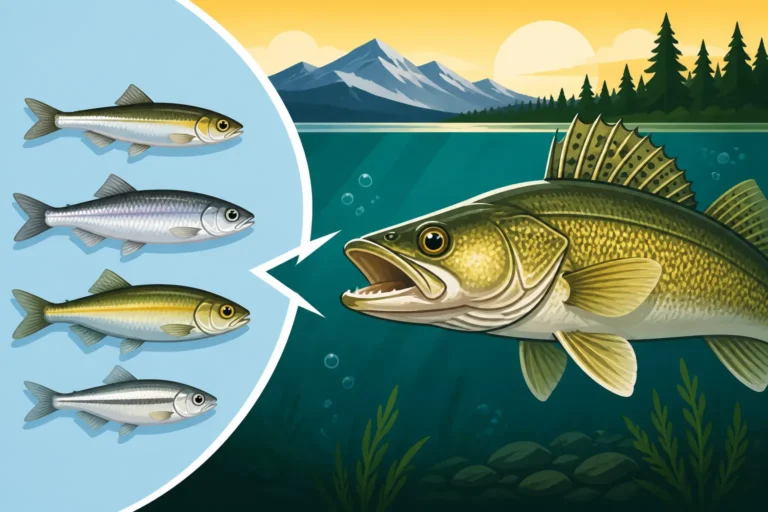
Several key factors contribute to a walleye's ability to reach monster dimensions. Firstly, genetics play a role; some walleye strains simply have the potential for greater growth. However, this is heavily influenced by their environment. A plentiful food supply, particularly protein-rich baitfish like cisco (lake herring) or smelt, is paramount. Lakes with abundant populations of these forage species tend to produce bigger, fatter walleye. Think of it like a buffet for fish – the more options and the richer the food, the more they can pack on the pounds.
Water quality and temperature also play a critical part. Walleye thrive in cooler, well-oxygenated waters, typically ranging from 60-70°F (15-21°C). Lakes that maintain these conditions throughout the warmer months allow walleye to feed actively and grow without undue stress. Conversely, poor water quality or extreme temperature fluctuations can hinder growth and even reduce survival rates. Lastly, fishing pressure has a significant impact. Heavily fished lakes, especially those where anglers consistently harvest larger walleye, may see a reduction in the average size over time. Lakes with responsible catch-and-release practices or more remote access often hold older, larger specimens.
The Importance of a Balanced Ecosystem
A truly healthy ecosystem is the bedrock for producing big walleye. This means not just good water quality and abundant forage, but also a balanced predator-prey relationship. If there are too many walleye for the available food, or if other predator species compete too heavily, individual walleye might struggle to find enough to eat and won't grow as large. Healthy aquatic vegetation provides cover for young walleye and baitfish, while deep-water structure offers sanctuary for larger fish.
Lakes that are well-managed, sometimes even with specific recovery programs like the Walleye Special Harvest Licence Recovery Program, often show improvements in fish size and population health. These programs aim to restore balance and allow fish to reach their full potential. Without this ecological harmony, even the best genetics won't produce a true behemoth. It's about letting nature do its work, with a little help from thoughtful management practices.
Top Alberta Lakes for Trophy Walleye
Alright, let's get down to brass tacks. While walleye are found throughout Alberta, a few specific lakes stand out consistently for their potential to produce truly enormous fish. These aren't just good walleye lakes; they are trophy walleye lakes.
Lesser Slave Lake
When you talk about big walleye in Alberta, Lesser Slave Lake Walleye Fishing almost always comes up first. This massive lake in northern Alberta is legendary for a reason. Its immense size, incredible forage base (especially cisco), and diverse structure create the perfect environment for walleye to grow to staggering dimensions. Many anglers report catching walleye well over the 5-pound mark, with genuine monsters exceeding 10 pounds not uncommon.
The sheer volume of water and the extensive network of humps, reefs, and deep basins provide endless habitat for walleye. It's a lake that demands patience and a good understanding of walleye behavior, but the rewards can be truly spectacular. During the summer, walleye often inhabit deeper water, moving onto structure during prime feeding times. In the fall, they can be found staging in shallower areas before heading to their wintering grounds. Best walleye spots on Lesser Slave Lake are often those deep humps and transition zones.
Lake Athabasca
If you're looking for truly wild, untouched waters with the potential for genuinely giant walleye, Lake Athabasca should be on your radar. While not as easily accessible as Lesser Slave Lake, its remote nature, vastness, and rich ecosystem contribute to producing some of the largest walleye in the province. This lake, spanning across the Alberta-Saskatchewan border, is a powerhouse for trophy fish of several species, and walleye are no exception.
The challenge here lies in its immense size and often formidable conditions. However, for those willing to put in the effort, the rewards can be monumental. The walleye in Lake Athabasca have access to an incredible abundance of forage and face less angling pressure in many areas, allowing them to grow old and huge. Focus on areas with significant river inflows and outflows, as these can concentrate baitfish and provide oxygen-rich current seams that attract large walleye. This is an adventure that requires careful planning, but it's where you might encounter the kind of walleye that makes local legends. You might even find specialized gear on Amazon that handles the ruggedness of such trips.
Other Noteworthy Walleye Waters
While Lesser Slave and Lake Athabasca are the crown jewels, other Alberta lakes also hold significant potential for large walleye, especially if you hit them at the right time or focus on less-pressured areas.
- Pigeon Lake: Known for its consistent walleye population, Pigeon Lake can produce some surprisingly large fish, particularly during early and late season. It's heavily fished but still has the capacity for big ones. Best time of day to catch walleye on Pigeon Lake can make a difference.
- Cold Lake: While often celebrated for its lake trout, Cold Lake also has a healthy walleye population that includes some impressive specimens. Its deep, cold waters provide ample habitat for larger fish.
- Lac La Biche: Another large northern lake, Lac La Biche has a history of producing quality walleye. Its diverse structure and good forage base contribute to healthy, growing fish.
These lakes might not consistently produce the sheer numbers of giants that Lesser Slave does, but they certainly have the potential for a personal best. It’s all about doing your homework, understanding the specific nuances of each body of water, and sometimes, just getting lucky!
| Lake Name | Primary Target Species | Key Characteristics | Trophy Walleye Potential | Notes |
|---|---|---|---|---|
| Lesser Slave Lake | Walleye, Pike | Large, diverse structure, rich forage | High | Alberta's premier walleye lake, consistent large fish. |
| Lake Athabasca | Walleye, Pike, Lake Trout | Remote, vast, pristine, abundant forage | High | Challenging access, but holds truly giant, wild walleye. |
| Pigeon Lake | Walleye, Pike, Perch | Popular, good structure, accessible | Medium-High | Can produce large walleye, especially outside peak pressure. |
| Cold Lake | Lake Trout, Walleye | Deep, cold, clear water, diverse species | Medium | Walleye can grow large in its deep waters, often overlooked for lake trout. |
| Lac La Biche | Walleye, Pike | Large, varied habitat, good forage | Medium-High | Strong walleye population with good potential for larger fish. |
Strategies for Targeting Big Walleye
Catching a truly big walleye isn't just about showing up at the right lake; it's about employing the right strategies. Trophy walleye behave differently than their smaller counterparts and often require specialized approaches.
Seasonal Movements and Deep Water Tactics
Big walleye are often more elusive because they tend to be deeper, shyer, and more structure-oriented than smaller fish. In warmer months, especially on large lakes, don't be afraid to target deep water structure. This could be humps, submerged islands, break lines, or channel edges. How deep walleye go in summer can be surprising, sometimes congregating in 25-40 feet or even deeper if oxygen levels permit. They’re often feeding on larger baitfish that also inhabit these deeper zones.
Early spring and late fall can be excellent times for trophy walleye as they move shallower to spawn or feed aggressively before winter. However, even then, the biggest fish might be just off the main congregation, holding to deeper cover nearby. Consider using your fish finder to locate schools of baitfish and prominent structure, then focusing your efforts there. Pay attention to changes in barometric pressure, as this can affect how barometric pressure affects Alberta walleye fishing.
Best Baits and Lures for Large Walleye
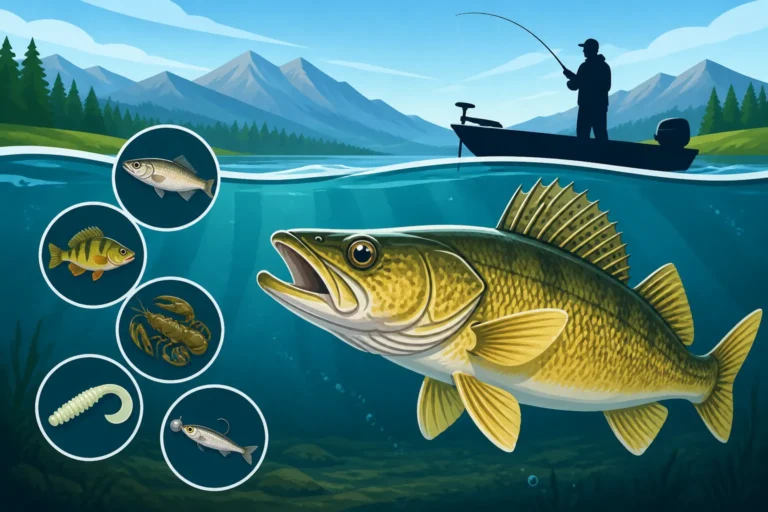
When it comes to tempting a giant walleye, presentation and bait choice are crucial. While smaller walleye might hit almost anything, big fish are often more discerning, looking for a substantial meal. Large crankbaits, especially those that mimic native forage like cisco or perch, are highly effective when trolling deeper breaks or expansive flats. Brands like Rapala and Berkley offer excellent options you can find on Amazon.
Jigging with larger soft plastics or heavier jigging spoons can also be deadly when fishing vertical structure or deeper humps. Many anglers will tip their jigs with a substantial minnow or a strip of sucker meat to add scent and bulk. Don't be afraid to go big with your bait; a trophy walleye isn't afraid to inhale a mouthful. Knowing what lures imitate the baitfish walleye eat can give you a significant edge.
Importance of Conservation and Responsible Angling
The future of trophy walleye fishing in Alberta rests heavily on our shoulders as anglers. Catching a true giant is a privilege, and returning these larger, genetically superior fish to the water ensures they can spawn and contribute to the next generation of big walleye. Implement proper catch and release techniques: minimize handling, keep the fish in the water as much as possible, use a knotless rubberized landing net, and ensure they are revived before release.
Many of Alberta's best walleye lakes are actively managed, sometimes under specific harvest limitations or special draw programs, to help protect these valuable populations. Understanding and adhering to regulations like the Alberta Walleye Limit by Zone is not just about legality, it’s about responsible stewardship. By practicing selective harvest – keeping smaller, eating-sized fish and releasing the big breeders – we help sustain the very fishery we love to enjoy.
Gear Up for Giant Walleye
Hooking into a truly enormous walleye requires more than just luck; it demands the right equipment that can withstand the power and weight of these incredible fish. Skimping on gear can quickly turn a potential trophy into a heartbreaking "one that got away" story.
Rods, Reels, and Line for the Fight
For trophy walleye, you'll want a rod with enough backbone to handle a powerful fish, but with a sensitive tip to detect those subtle walleye bites. A medium-heavy spinning or casting rod, typically 6'6" to 7'6" in length, is a solid choice. Graphite blanks offer the best balance of sensitivity and power. Pair this with a reliable, smooth-dragging reel in the 2500-4000 series for spinning or a medium-heavy baitcasting reel for casting applications. A good quality reel from a brand like Shimano or Daiwa will make all the difference when a big walleye makes a run.
Line choice is also critical. For main lines, 10-15 lb braided line is excellent for sensitivity and strength, especially in deeper water, often tied to a 10-12 lb fluorocarbon leader for abrasion resistance and stealth. Fluorocarbon is nearly invisible underwater, which can be crucial for enticing wary trophy walleye. Best fluorocarbon leader for clear water walleye typically means a lighter pound test in clear lakes, but you might bump it up slightly in murkier conditions.
Essential Electronics and Accessories
Modern electronics have revolutionized walleye fishing, and for targeting giants, they are almost indispensable. A quality fish finder with GPS and mapping capabilities will help you locate those deep-water humps, break lines, and schools of baitfish where big walleye often lurk. Look for units that offer side-imaging or down-imaging to get a clearer picture of the underwater structure. Garmin and Humminbird offer many options that are great for finding deep structure on lakes like Cold Lake.
Beyond electronics, a few other accessories are vital. A robust, knotless rubberized landing net with a wide hoop is essential for safely landing and releasing big walleye without damaging their fins or slime coat. Long-nosed pliers or a dehooking tool are crucial for easy hook removal, especially from deep-set hooks. Finally, a good cooler for any fish you intend to keep and plenty of water for yourself are always good ideas, especially if you're out on the water for extended periods. You can find many of these essential items, from electronics to coolers, easily on Amazon.
Disclaimer
This article is for general informational purposes only and does not constitute professional advice. Laws, prices and regulations vary by location and change over time. Consult a qualified professional for guidance on your specific situation.