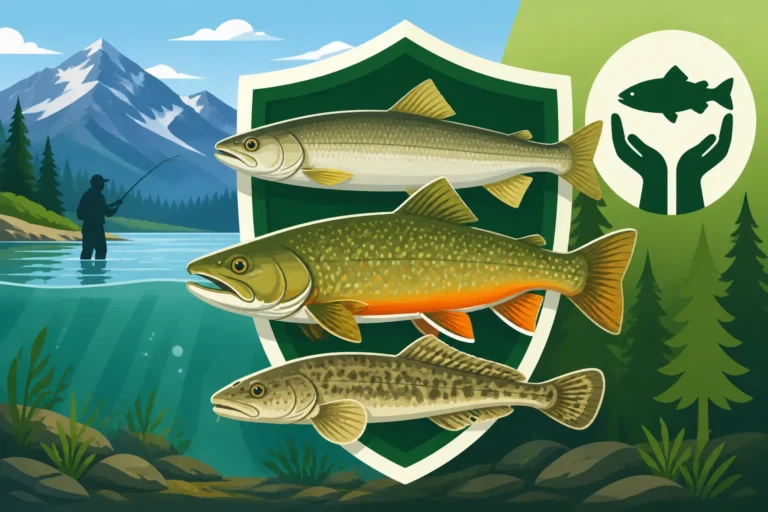
Non-native trout species stocked in Alberta
It’s easy to think that every shimmering fish you pull from an Alberta stream or lake is a native inhabitant, perfectly adapted to its surroundings. But the truth is, many of our most popular fishing opportunities, especially when it comes to trout, are thanks to careful stocking programs that introduce non-native species. This guide will take a deep dive into the fascinating world of non-native trout that call Alberta waters home, explaining why they're here, how to tell them apart, and how you can enjoy fishing for them responsibly.
Why Alberta Stocks Non-Native Trout Species
You might wonder why Alberta, with its incredible natural beauty and abundant waterways, would need to introduce fish species that aren't originally from here. It's a question many anglers ponder, especially those passionate about preserving our native fish populations. The reality is that stocking non-native trout is a strategic decision driven by a blend of environmental considerations, angler demand, and fishery management goals. It's not about replacing native species, but rather augmenting opportunities and addressing specific pressures.
Meeting Angler Demand
Let's be honest, we all love to catch fish, and sometimes, the demand for easily accessible, high-action fishing opportunities outstrips what native populations can sustainably provide. Many of Alberta's native trout species, like the Bull Trout or Westslope Cutthroat, are sensitive and often face conservation challenges. If every angler focused solely on these native populations, it wouldn't take long for the pressure to become unsustainable, leading to declines and even stricter regulations.
Introducing robust, fast-growing non-native trout into designated waters helps divert fishing pressure away from more vulnerable native stocks. These non-native species are often chosen for their resilience and ability to thrive in a variety of conditions, providing consistent angling success. This means more people can enjoy a day out with a rod and reel, whether they're seasoned veterans or just starting, without negatively impacting the delicate balance of our wild fisheries. It's a way to ensure that the joy of fishing remains accessible to everyone, across many different parts of the province, year after year.
Creating Put-and-Take Fisheries
One of the most common reasons for stocking non-native trout, particularly rainbow trout, is to create what we call "put-and-take" fisheries. These are generally smaller lakes or ponds, often close to urban centers, that are stocked regularly with catchable-sized fish. The idea is pretty simple: you "put" the fish in, and anglers "take" them out. These areas are designed for high catch rates, making them absolutely fantastic for families, beginners, or anyone looking for a fun, productive day on the water without having to trek deep into the wilderness.
These "put-and-take" fisheries provide an invaluable service by offering low-barrier entry to the sport. Imagine introducing a child to fishing for the first time; their excitement skyrockets with every bite! These stocked ponds practically guarantee that kind of success, fostering a love for angling that might eventually lead them to explore more challenging wild fisheries. Beyond the pure enjoyment, these accessible fishing spots also stimulate local economies, from bait shops to gas stations, and even help fund conservation efforts through license sales. It’s a win-win scenario that supports both recreational opportunity and the broader management of Alberta's aquatic resources. Many of these lakes can be found in the List of Alberta stocked trout lakes.
Rehabilitation and Augmentation
While the primary focus for non-native stocking is often recreational, there are instances where these species play a role in the rehabilitation or augmentation of specific fisheries. Sometimes, a body of water might have suffered historical degradation, or perhaps it simply lacks a self-sustaining native fish population due to natural limitations or past environmental changes. In such cases, carefully selected non-native species can be introduced to revitalize the ecosystem and provide fishing opportunities where none currently exist.
This isn't about replacing natives but rather about utilizing the adaptability of certain non-native species to fill an ecological niche or support a recreational fishery that wouldn't otherwise be viable. For example, some lakes might be stocked with a particular type of trout because they thrive in those specific conditions, even if they aren't endemic to Alberta. This allows for productive angling in areas that might otherwise remain barren, maximizing the potential of our diverse water resources. The management decisions behind these programs are often complex, balancing ecological considerations with the desire to offer robust fishing experiences to Albertans and visitors alike.
Key Non-Native Trout Species Stocked in Alberta
When you're out on the water, you might hook into a variety of trout, and knowing what you've caught can be half the fun! While Alberta has its fair share of spectacular native trout, a significant portion of our angling success comes from several non-native species that have been successfully introduced and managed across the province. Let's get to know the key players you're likely to encounter.
Rainbow Trout (Oncorhynchus mykiss)
Oh, the rainbow trout! If you've fished in Alberta, chances are you've encountered this vibrant species. Originally hailing from the Pacific Ocean drainage, these fish have become a staple in fisheries worldwide, and Alberta is no exception. They are, without a doubt, the most widely stocked trout species in our province, and for good reason. They're aggressive eaters, grow relatively quickly, and put up a fantastic fight on the end of a line.
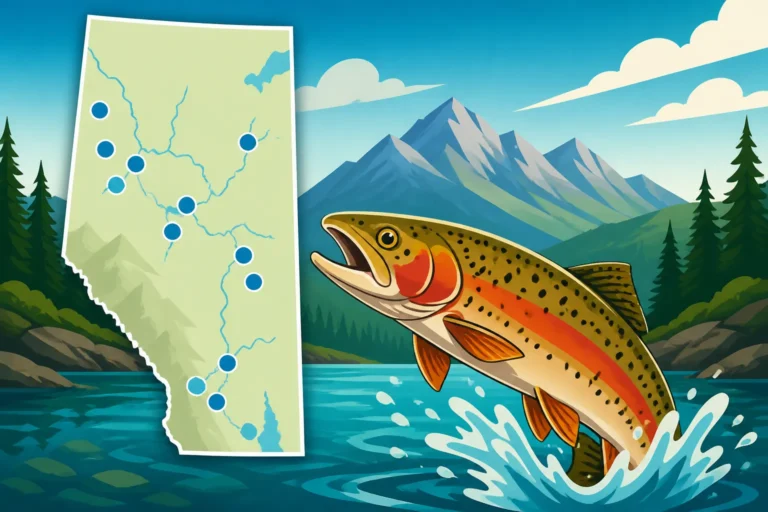
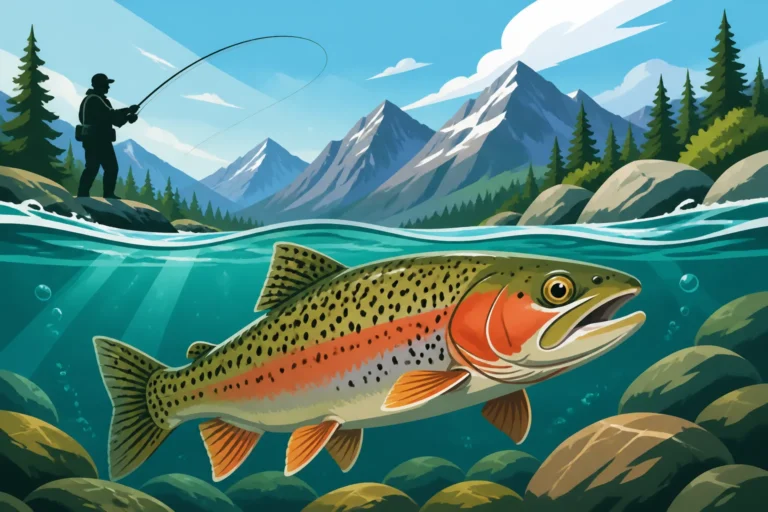
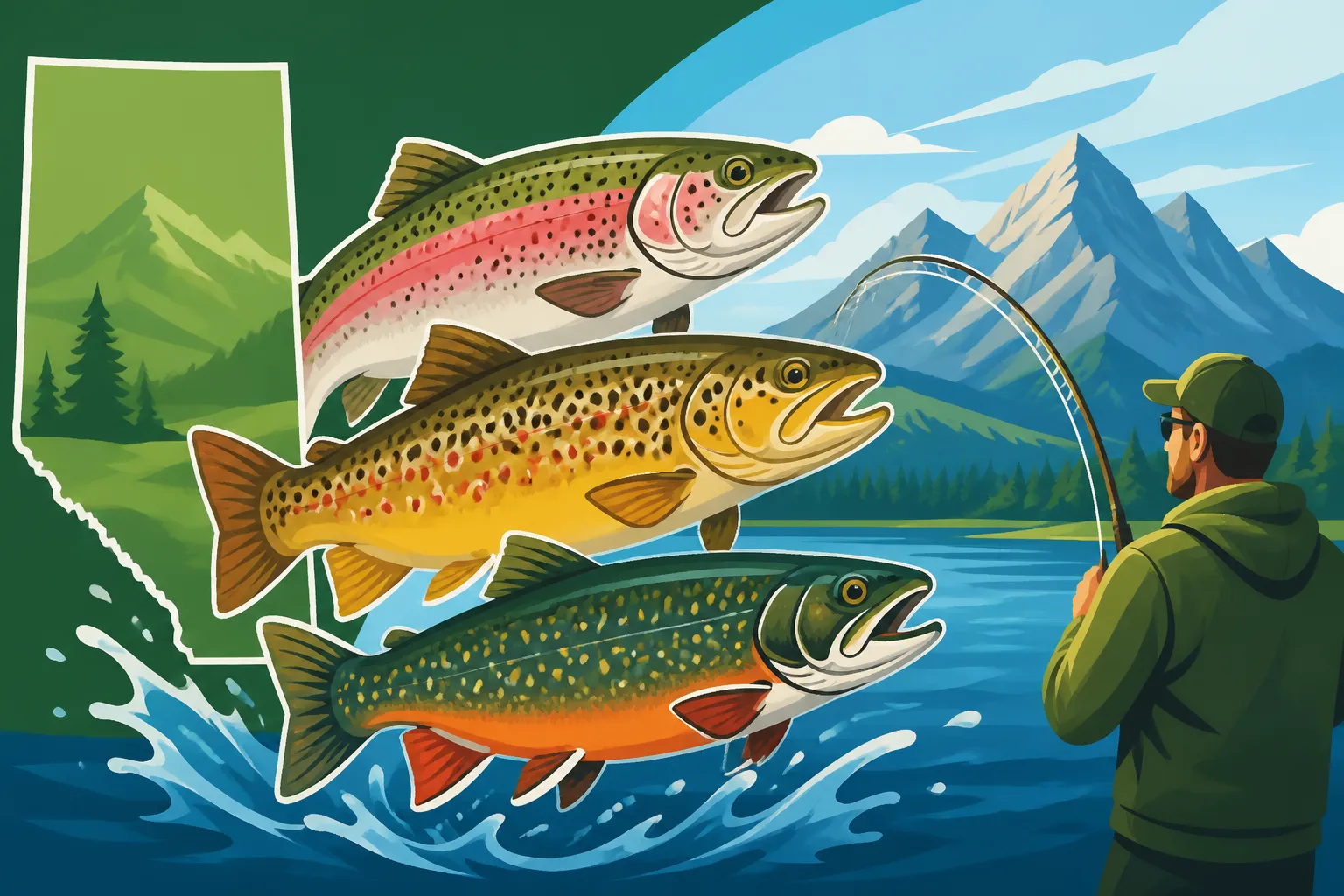
Identifying a rainbow trout is usually quite straightforward. Look for that characteristic iridescent, often pinkish-red, stripe running horizontally along its side, from its gills to its tail. Their bodies are typically covered in small, evenly distributed black spots, including on their dorsal fin and tail. You'll find them stocked in countless community ponds, smaller lakes, and some rivers across Alberta. They’re adaptable, making them perfect for those "put-and-take" scenarios we talked about earlier. For anglers, they're not too picky, responding well to everything from worms and powerbait to spinners, spoons, and a wide array of fly patterns. If you're looking to target them, especially in larger rivers, check out guides like Rainbow Trout Fishing on the Bow River for specialized tips.
Brown Trout (Salmo trutta)
The brown trout, with its European and West Asian origins, carries a reputation among anglers as a more elusive and challenging quarry than its rainbow cousin. These fish are often lauded for their intelligence and wariness, making a successful catch feel like a true accomplishment. In Alberta, you'll typically find brown trout in some of our larger, colder river systems and a select few lakes, where they can often grow to impressive sizes, offering a truly memorable angling experience.
Distinguishing a brown trout involves looking for their unique spotting pattern. Unlike the rainbow's uniform black spots, brown trout feature scattered dark spots, often surrounded by a lighter halo, and frequently display reddish or orange spots along their sides. Their tails are generally less spotted than a rainbow's. They tend to prefer structured habitats, hiding under cutbanks, submerged logs, or deep pools, making them a fantastic target for anglers who enjoy a bit of stealth and precision. When it comes to fishing for them, many seasoned anglers lean towards streamers, large subsurface presentations, or imitating natural prey with flies or lures. If you're ready to take on the challenge, our Brown Trout Fishing in Alberta guide offers some great starting points.
Brook Trout (Salvelinus fontinalis)
Despite their common name, brook trout are actually a char, more closely related to lake trout than rainbow or brown trout. They are native to eastern North America but have been widely introduced across the continent, including in Alberta. These are truly stunning fish, known for their vibrant colours and the picturesque, cold, clear waters they inhabit, often in higher elevations and remote mountain streams and small lakes.
Identifying a brook trout is a real treat for the eyes. They boast a dark, often olive-green to black, marbled pattern (known as vermiculations) across their back and dorsal fin, which contrasts beautifully with their lighter sides. You'll also notice distinct red spots, often encircled by striking blue halos, along their flanks, and their lower fins frequently have a bright white leading edge, followed by black and then orange or red. Due to their preference for cold, pristine water, you'll often find them in the crystal-clear streams and small alpine lakes of our mountain regions, requiring a hike or backcountry exploration to reach. For such beautiful fish, they aren't overly complicated to catch, responding well to small spinners, spoons, flies like dry flies or nymphs, and even a simple worm presented naturally. They're a true gem of the stocked species.
Hybrid Trout Species: Splake and Tiger Trout
Alberta's stocking programs sometimes include fascinating hybrid trout, which combine the traits of two different species. These hybrids are usually sterile, meaning they cannot reproduce, which makes them excellent tools for fishery management as their populations can be precisely controlled through stocking. They often exhibit unique characteristics that make them a thrilling catch for anglers.
Splake (Salvelinus fontinalis x Salvelinus namaycush)
A splake is a cross between a brook trout and a lake trout. The name itself is a portmanteau of "speckled trout" (another common name for brook trout) and "lake trout." They are typically stocked in lakes where managers want to provide a fast-growing, catchable fish that can withstand fishing pressure, without the risk of overpopulation or competition with native species. Splake often grow larger than brook trout but mature faster than lake trout, offering an excellent angling experience. Identifying them can be a bit tricky as they exhibit a mix of traits from both parents. They might have the worm-like markings of a brook trout but often less pronounced, along with a more forked tail similar to a lake trout. Their colouring can vary, but generally leans towards the darker hues of a brook trout with some of the lighter spots you might see on a lake trout. What a splake is and where they are stocked goes into more detail.
Tiger Trout (Salmo trutta x Salvelinus fontinalis)
The tiger trout is another remarkable hybrid, a cross between a brown trout and a brook trout. They are named for their stunning and unmistakable maze-like, vermiculated patterns that resemble tiger stripes, running across their flanks and back. This distinctive pattern makes them relatively easy to identify compared to other trout. Like splake, tiger trout are sterile and are stocked in specific lakes to provide unique angling opportunities. They are known for their aggressive nature and willingness to strike lures and flies, making them a highly sought-after catch for many anglers. Their unique appearance alone makes catching one a special event. If you're curious about their parentage, you might be interested in What a tiger trout is a cross between.
Here's a quick comparison of these non-native stocked trout:
| Species | Origin | Key Identification Features | Typical Stocked Habitats | Notes |
|---|---|---|---|---|
| Rainbow Trout | Pacific Drainage | Reddish stripe, evenly distributed small black spots | Community ponds, small lakes, some rivers | Most common, aggressive feeders, popular for "put-and-take" |
| Brown Trout | Europe, West Asia | Scattered dark spots with light halos, orange/red spots | Colder, larger rivers, some lakes | Wary, can grow large, challenging to catch |
| Brook Trout | Eastern NA | Worm-like markings (vermiculations), red spots with blue halos | Cold, clear mountain streams & small lakes | Vibrant colours, smaller size, prefers high-elevation waters |
| Splake | Hybrid | Mix of Brook & Lake Trout features, often faint vermiculations | Stocked lakes, resemble brook trout but larger | Sterile hybrid, fast growing, good for angling pressure relief |
| Tiger Trout | Hybrid | Distinctive worm-like maze patterns (tiger stripes) | Stocked lakes, specific management areas | Sterile hybrid, aggressive, unique appearance |
Where to Find Stocked Non-Native Trout
Finding the perfect spot to cast a line for stocked non-native trout in Alberta is easier than you might think, thanks to a well-managed stocking program that spans the province. Whether you're looking for a quick, family-friendly outing or a more adventurous trek into the backcountry, there’s likely a stocked fishery that fits your bill. The key is knowing where to look and understanding the different types of waters that receive these fish.
Urban and Community Ponds
For many Albertans, the first introduction to fishing for non-native trout happens in the numerous urban and community ponds scattered throughout the province. These are truly gems for easy access and consistent action. Often located within city limits or in nearby towns, these ponds are designed with the angler in mind, offering amenities like picnic areas, walking paths, and sometimes even accessible fishing piers. The Alberta Environment and Protected Areas program regularly stocks these waters with catchable-sized rainbow trout, ensuring a high likelihood of success.
These spots are ideal for families with young children, new anglers, or anyone simply looking for a relaxing afternoon on the bank without a long drive. They provide a fantastic environment to learn the basics of casting, baiting a hook, and reeling in a fish. You can find up-to-date information on stocking schedules and locations through provincial resources, making it easy to plan your next outing. It's a testament to the dedication to making fishing accessible and enjoyable for everyone, regardless of experience level.
Mountain and Foothills Lakes
If you're willing to put in a bit more effort, Alberta's mountain and foothills regions offer some spectacular opportunities for fishing stocked non-native trout. Here, you'll often find brook trout and sometimes splake or tiger trout in the colder, pristine waters of high-elevation lakes and streams. Reaching these spots might involve a scenic drive followed by a hike, but the reward is often breathtaking scenery and some truly memorable catches. The fish in these more remote locations, while still stocked, can often exhibit wilder tendencies due to their environment, presenting a different kind of challenge.
Exploring areas like Kananaskis Country Fishing Guide or other provincial parks and wilderness areas can lead you to these hidden gems. Remember, backcountry fishing often comes with unique regulations and requires a greater degree of self-sufficiency. Always check the specific rules for these areas, as some might have special limits or gear restrictions. The solitude, natural beauty, and the vibrant colours of a brook trout pulled from an alpine lake make these trips an unforgettable part of the Alberta angling experience.
Larger Rivers and Lakes
While many of Alberta's larger rivers are renowned for their native species, some sections also hold thriving populations of non-native trout, often due to historical stocking or migration from connecting waters. The most famous example is undoubtedly the Bow River, where rainbow and brown trout (both non-native) have established incredibly robust, self-sustaining populations, growing to impressive sizes. These fish coexist alongside native species in these complex ecosystems.
Fishing these larger water bodies presents a different set of challenges and rewards. The fish can be more wary, requiring advanced techniques like fly fishing, drift fishing, or careful lure presentation. It's also crucial to understand the regulations for specific sections of these rivers, as rules can change depending on the zone and the time of year. For instance, Bow River Fishing Guide can provide invaluable insights for targeting trout in this world-class fishery. Learning to differentiate between wild-reproducing non-native fish and those recently stocked, or even between different trout species, becomes an important skill here. Always remember to consult the Alberta Fishing Regulations Explained before heading out.
Responsible Angling for Stocked Non-Native Trout
Just because a fish is stocked doesn't mean we can forget about responsible angling practices. In fact, understanding how to fish ethically and sustainably for non-native trout is just as crucial as it is for our native species. It ensures the health of the fish, the quality of the fishing experience for everyone, and the long-term viability of Alberta's diverse fisheries. Let's cover some key considerations to keep in mind every time you head out.
Understanding Regulations and Limits
This is probably the most critical aspect of responsible angling, regardless of whether you're targeting native or non-native species. Regulations are put in place for a reason: to manage fish populations and ensure healthy ecosystems. For stocked non-native trout, regulations might differ significantly from those for wild populations or native species. Many "put-and-take" ponds, for example, might have more generous possession limits for stocked fish, encouraging harvest to keep the population balanced.
However, other waters, especially larger rivers where stocked fish might intermingle with wild populations, could have stricter catch-and-release rules or specific size limits. It's your responsibility as an angler to always consult the current Alberta Guide to Sportfishing Regulations before each outing. Pay close attention to zone-specific rules, bait restrictions, and, of course, the Alberta Bag and Possession Limits by Species. Ignorance of the rules is never an excuse, and penalties for non-compliance can be significant. A quick check of the regulations app or the physical guide can save you a lot of headache and protect our fisheries.
Catch and Release Best Practices
While many stocked non-native trout are intended for harvest, situations often arise where you might want or need to release a fish, perhaps it's undersized, or you've already met your limit. Even if the fish isn't a rare native species, practicing proper catch and release techniques is a mark of a respectful and ethical angler. The goal is always to minimize stress and injury to the fish, giving it the best possible chance of survival after release.
This starts with using appropriate gear. Barbless hooks are highly recommended, as they greatly reduce tissue damage and make unhooking much faster. If you're using barbed hooks, consider pinching the barb down with a pair of pliers – it makes a huge difference. Handle the fish as little as possible, and always with wet hands to protect its delicate slime coat, which acts as a barrier against disease. Avoid placing the fish on dry ground or in a boat. Use a knotless landing net, which is much gentler on fins and scales than traditional knotted nets. When removing the hook, use forceps or pliers, especially if it's deep. Release the fish gently back into the water, allowing it to recover on its own. These small actions contribute significantly to the well-being of the fish. You can find excellent quality knotless nets and forceps on platforms like Amazon, making it easy to equip yourself properly for humane handling. For more detailed tips, check out Bull trout catch and release survival tips, which apply to all trout species.
Gear Considerations for Stocked Waters
The beautiful thing about fishing for stocked non-native trout is the versatility of gear you can use. Whether you're a seasoned fly angler or a newcomer with a spin rod, there's a setup that will work. The key is to match your gear to the size of the fish you're targeting and the conditions of the water you're fishing.
For most community ponds and stocked lakes, a simple light to medium-light action spinning rod and reel combo, spooled with 4-8 pound monofilament or fluorocarbon line, is perfect. This setup allows for casting small baits like worms, PowerBait, or small spinners and spoons. You can find many affordable yet reliable combos on Amazon that are ideal for beginners. If you're targeting larger brown or rainbow trout in rivers like the Bow, you might want to step up to a medium-action rod, or even consider fly fishing with a 5 or 6-weight rod for a more engaging experience. Guides like Best Fishing Rods for Alberta Rivers and Best Gear for Bow River Fly Fishing offer more specific advice. Always bring a variety of tackle, as trout can be finicky. Small inline spinners, spoons, jigs, and a selection of soft plastics can all be effective. Don't forget essentials like a pair of long-nosed pliers for hook removal, sunscreen, a hat, and plenty of water, especially on warmer days. Being prepared ensures a comfortable and successful day on the water.
Disclaimer
This article is for general informational purposes only and does not constitute professional advice. Laws, prices and regulations vary by location and change over time. Consult a qualified professional for guidance on your specific situation.