Where bull trout still live wild in Alberta
It's heartbreaking to hear about the dwindling numbers of our magnificent native bull trout, a true icon of Alberta's pristine waters. Many anglers feel a deep sense of loss, and it can be incredibly frustrating to try and understand where these incredible fish still thrive, especially with all the talk about their protected status. This guide is here to cut through the confusion and provide you with a clear picture of where wild bull trout can still be found in Alberta, along with how you can contribute to their preservation.
The Plight and Preservation of Alberta's Wild Bull Trout
Catching a wild bull trout in Alberta is often considered the pinnacle of freshwater angling for many, a testament to the wildness and health of our river systems. These fish are not just another species; they are apex predators, indicators of clean, cold water, and a vital part of Alberta's natural heritage. However, their populations have faced significant challenges over the decades, leading to strict conservation measures. Understanding why they are so precious and vulnerable is the first step in appreciating the special places they still call home.
Why Bull Trout Are So Special (and Vulnerable)
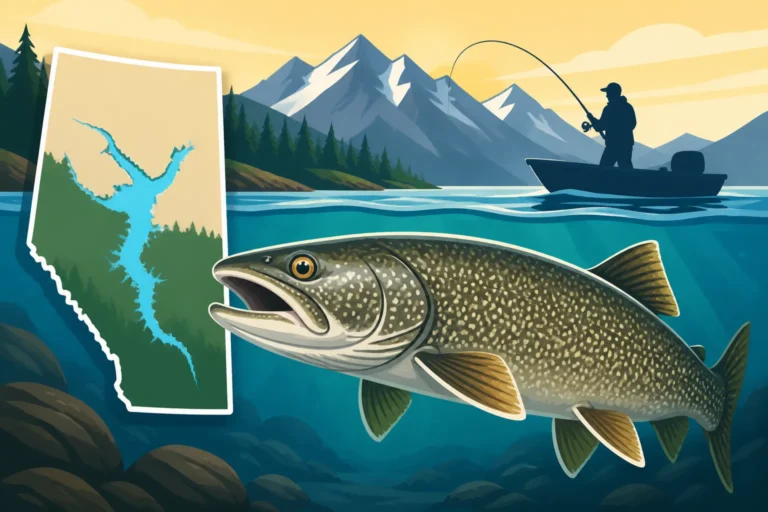
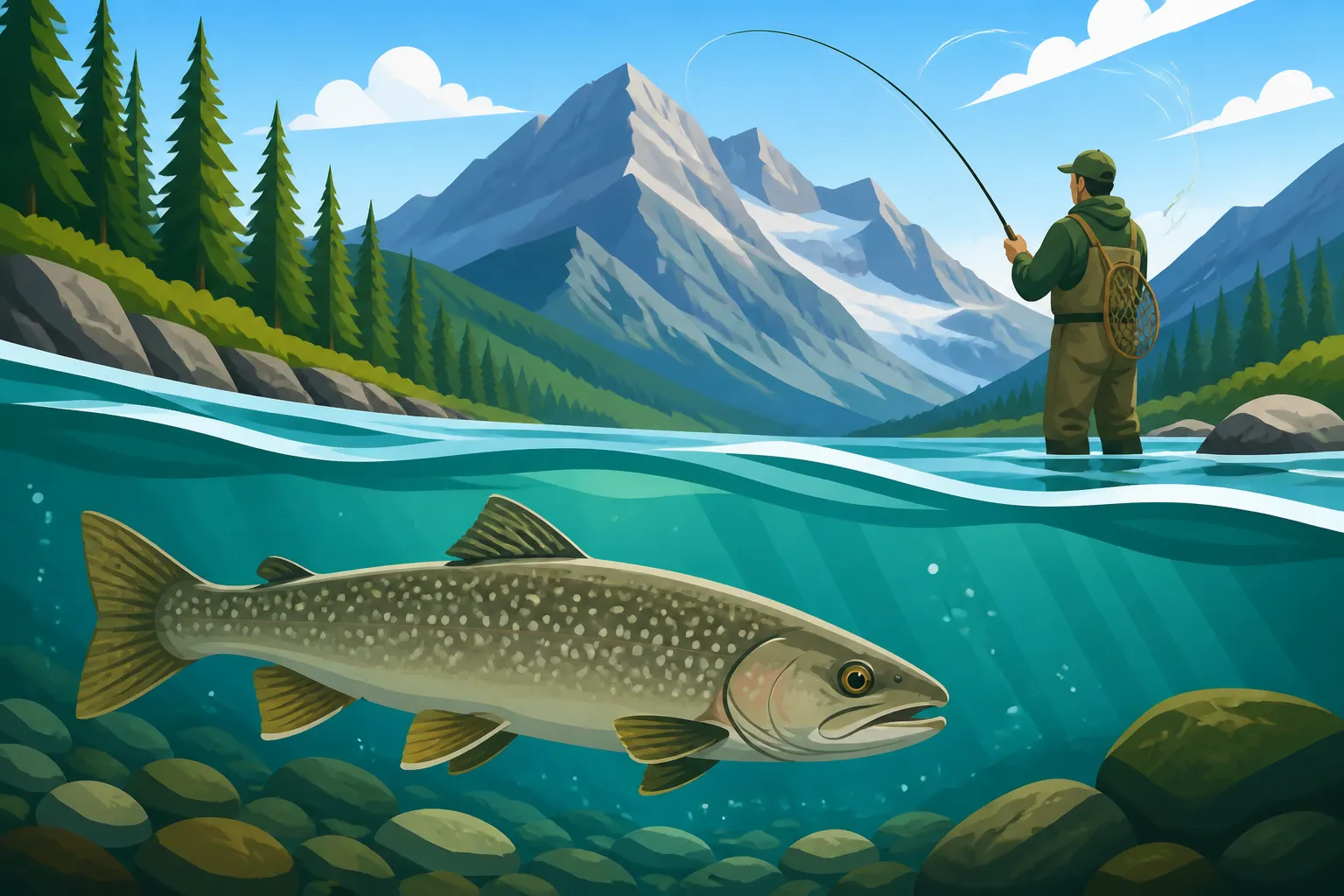
Bull trout are truly a unique species, distinct from other trout found in Alberta. They are members of the char family, known for their striking pale spots on a darker body, a large head, and an impressive mouth. What makes them so special is their reliance on very specific habitat requirements: extremely cold, clean water, complex river systems with deep pools, and undisturbed spawning grounds. They are also long-lived and slow to reproduce, making them particularly vulnerable to environmental changes. They are a native species, meaning they belong here, and their health reflects the overall health of our aquatic ecosystems. Finding a wild bull trout is like finding a hidden gem – it signifies a truly wild and healthy piece of Alberta. For a deeper dive, check out Bull Trout: Alberta's Threatened Native Fish.
The Harsh Reality: Threats to Their Survival
The reasons for the bull trout's decline are multifaceted and often interconnected, creating a perfect storm for this sensitive species. Habitat degradation has been a huge factor, with forestry, agriculture, and urban development leading to increased sedimentation, warmer water temperatures, and reduced water quality in many historical bull trout strongholds. Road crossings and dams fragment their spawning and rearing habitats, making it impossible for them to complete their life cycles. Competition and predation from non-native species, such as brook trout, which were introduced decades ago, also add pressure on young bull trout. Historically, overfishing also took its toll before conservation efforts really kicked in. It's a tough reality, and it means the places they still thrive are truly special.
Alberta's Dedication to Bull Trout Recovery
Recognizing the dire situation, Alberta has implemented robust conservation strategies aimed at protecting and recovering bull trout populations. The most significant measure is the "zero possession" limit for bull trout across virtually all of Alberta, meaning any bull trout caught must be immediately and safely released. There is a Alberta Bull Trout Zero Possession Rule in place for a reason. Furthermore, habitat restoration projects are underway in key watersheds, working to improve water quality, reconnect fragmented habitats, and stabilize streambanks. Research and monitoring programs help biologists understand population dynamics and adapt management strategies. These efforts are crucial, and they highlight the importance of every angler understanding and adhering to the regulations to give these fish a fighting chance.
Prime River Systems: Where Wild Bull Trout Still Roam
Despite the challenges, there are still incredible pockets of wilderness in Alberta where wild bull trout continue to thrive. These areas are characterized by their cold, clean, and often remote waters, providing the essential conditions these majestic fish need to survive and reproduce. If you're hoping to encounter one of these elusive beauties, these river systems are your best bet, but remember, respect for the fish and their habitat is paramount.
The Southern Rockies Strongholds: Crowsnest and Oldman River Basins
When we talk about bull trout strongholds, the river systems flowing out of the Southern Alberta Rockies immediately come to mind. The Crowsnest River, especially in its upper reaches and many of its pristine tributaries, is legendary for its wild trout populations, including bull trout. The cold, clear water, gravel beds, and abundant insect life make it an ideal environment. Similarly, the Oldman River basin, with its network of feeder streams and the mainstem itself, holds significant numbers of bull trout. These areas benefit from the protection afforded by the mountain landscape, limiting some of the human pressures seen elsewhere. Anglers here often spend days exploring the deeper pools and undercut banks, always with an eye out for that tell-tale flash of a bull trout. Proper identification is key; review How to tell a bull trout from a lake trout before you head out.
The Bow River's Untamed Tributaries
While the mainstem of the Bow River is world-renowned for its rainbow and brown trout, it's in its colder, higher-elevation tributaries where you're more likely to find wild bull trout. Think about the smaller streams and rivers that feed into the Bow in the Kananaskis Country region. These headwaters often maintain the incredibly cold temperatures bull trout require, especially during warmer months. Access to some of these areas can be challenging, often requiring hiking or even backcountry camping, which naturally helps preserve their wild character. It's important to remember that these smaller streams are incredibly fragile, and any fishing here must be done with the utmost care, prioritizing catch and release practices to avoid stressing these precious fish.
Northward Ventures: Lesser-Known Mountain Headwaters
Beyond the more frequently discussed southern systems, wild bull trout persist in the headwaters of mountain rivers further north in Alberta. Think about the upper reaches of the North Saskatchewan River system, or even tributaries feeding into the Athabasca River or Peace River systems that originate high in the Rocky Mountains. These remote areas offer some of the most undisturbed habitats left in the province. Access to these spots is often extremely limited, requiring significant effort, expert navigation, and sometimes even float plane access. This remoteness is a double-edged sword: it protects the fish but also means fewer eyes on the water, making responsible angling even more crucial for those who venture there. These areas truly embody the "wild" aspect of bull trout angling.
High-Altitude Havens: Bull Trout in Alpine Lakes
Beyond the intricate network of mountain rivers, a secret world of bull trout exists in Alberta's high-elevation alpine lakes. These are some of the most spectacularly beautiful and challenging places to fish, offering a stark contrast to the flowing river systems. These aquatic environments, often hidden deep within the provincial parks and wilderness areas, provide crucial refuge for wild bull trout populations.
The Unique Ecosystem of Glacier-Fed Lakes
Alpine lakes, particularly those fed by glaciers or snowmelt, represent a unique and often harsh ecosystem perfectly suited to the bull trout's cold-water preferences. These lakes are characterized by incredibly clear, often turquoise waters, sparse vegetation, and deep, cold thermal layers that persist even in summer. The food web in these high-altitude environments is simpler than in lower-elevation lakes, often relying on terrestrial insects, small forage fish, and even cannibalism among larger bull trout. The sheer cold of these waters means fish grow slowly but can reach impressive sizes over many years. It's a stark, beautiful, and utterly wild environment, demanding respect from anyone who visits.
The Challenges and Rewards of Alpine Access
Reaching these high-altitude sanctuaries is rarely easy, and that's often their saving grace. Access typically involves strenuous hikes, sometimes multi-day backpacking trips, through rugged mountain terrain. Trails can be poorly marked or non-existent, and weather conditions can change rapidly. This natural barrier protects these lakes from heavy fishing pressure and excessive human impact, allowing bull trout to thrive relatively undisturbed. The rewards, however, are immense: breathtaking scenery, unparalleled solitude, and the chance to cast a line in waters where few others tread, potentially encountering a truly ancient and magnificent fish. Always be prepared for your trip, carrying proper gear, navigation tools, and safety equipment.
Regions Offering Remote Lake Opportunities
While specific lake names are often kept guarded by those who frequent them to preserve their pristine nature, you can generally look to the high country of areas like Kananaskis Country, Peter Lougheed Provincial Park, and the more remote reaches of Willmore Wilderness Park for these alpine gems. These regions, with their numerous peaks and valleys, cradle countless lakes, many of which are cold enough and remote enough to support wild bull trout. Remember that many of these areas are part of Jasper National Park Fishing Guide and Banff National Park Fishing Guide or adjacent wilderness areas, meaning specific park regulations and permits apply above and beyond provincial fishing licenses. Always check the local regulations for the specific area you plan to visit before you even pack your backpack.
Angler's Ethic: Protecting Wild Bull Trout on Your Adventures
Encountering a wild bull trout is a privilege, and it comes with a significant responsibility to ensure these fish continue to survive and thrive for future generations. Our actions as anglers have a direct impact on their populations, especially given their vulnerable status. Adopting a strong ethical approach to bull trout fishing is not just about following the rules; it's about being a genuine steward of Alberta's precious aquatic resources.
Mastering Catch and Release for Bull Trout
Since bull trout are strictly catch and release in almost all Alberta waters, mastering the techniques for minimizing harm is absolutely critical. This isn't just a suggestion; it's a conservation imperative.
Here are some best practices:
- Use Barbless Hooks: This is often a regulatory requirement in bull trout waters anyway, but even if it's not, it drastically reduces harm and makes hook removal much easier. Which Alberta rivers mandate barbless hooks only is a great resource.
- Minimize Handling: Keep the fish in the water as much as possible. If you must handle it, do so with wet hands and support its body horizontally. Never squeeze or put fingers in its gills.
- Quick Release: Have your camera ready before you land the fish. Take a quick photo, then release it gently, facing it upstream in the current until it swims away under its own power.
- Avoid Prolonged Fights: Use appropriate tackle that can bring the fish in relatively quickly, reducing exhaustion. A good quality rod and line can be found on Amazon and other reputable retailers.
- Fish During Cooler Times: If water temperatures are high (above 18-20°C), consider fishing for other species or at different times of day (dawn/dusk) when the water is cooler, as warm water stresses trout significantly.
Remember, every safely released bull trout is a victory for conservation. Read How to Catch Bull Trout and Release Them Safely for more detailed guidance.
Navigating Regulations: Your Guide to Responsible Angling
Alberta's fishing regulations are designed to protect vulnerable species like the bull trout, and they can be complex due to zone-specific rules and special restrictions. It's not enough to just buy a license; you need to thoroughly understand the rules for the specific waters you intend to fish.
Here's how to stay informed:
- The Alberta Guide to Sportfishing Regulations: This annual publication is your bible. It outlines all season dates, bag limits (including the zero possession for bull trout), and specific rules for each water body. Make sure to consult the most current version. Reading the Alberta Guide to Sportfishing Regulations can help you navigate it.
- MyWildAlberta App: The Alberta Environment and Protected Areas has a fantastic app that allows you to look up regulations by lake or river right on your phone. It's an indispensable tool for on-the-go checks. Alberta Fishing Regulations App and Zone Lookup, Explained can walk you through it.
- Zone-Specific Rules: Pay close attention to the specific zone and water body you are fishing. A river might have different rules for its upper and lower sections, or for its tributaries. Never assume.
Always err on the side of caution. If you're unsure about a regulation, don't fish that specific spot until you can confirm the rules. The future of bull trout depends on educated and responsible anglers.
Essential Gear for Ethical Bull Trout Fishing
Having the right gear isn't just about catching fish; it's also about ensuring their safety during the encounter. For bull trout, selecting gear that facilitates quick fights and easy, safe releases is key.
| Gear Item | Recommended Features | Why It Matters for Bull Trout |
|---|---|---|
| Fishing Rod | Medium-heavy power, fast action, 6-7.5 feet | Allows for quick hooksets and battles, minimizing exhaustion. |
| Fishing Reel | Smooth drag system, good line capacity | Prevents sudden jerks and ensures a consistent fight without breaking off. |
| Line | Fluorocarbon or strong monofilament, 10-20 lb test | Offers strength and abrasion resistance against rocks; good knot strength. |
| Hooks | Single, barbless hooks only | Essential for easy, minimal-damage release. Many regulations mandate this. |
| Lures/Flies | Larger streamers, spoons, spinners, jerkbaits (appropriately sized for bull trout) | Targets larger, predatory bull trout; helps avoid smaller, non-target species. |
| Landing Net | Large, rubberized, knotless mesh | Protects the fish's slime coat and fins; rubber is gentler than nylon. |
| Forceps/Pliers | Long-nosed, sturdy | For quick and safe hook removal, especially from deep-set hooks. |
| Water Thermometer | Digital, accurate | Helps you decide if water temperatures are safe for fishing sensitive species like bull trout. |
When it comes to lures, many anglers find success with larger streamer patterns on a fly rod, or robust spoons, spinners, and jerkbaits when using spinning or baitcasting gear. Brands like Rapala, Blue Fox, and Mepps are often favorites, and you can find a huge selection of these, and even special forceps, on Amazon that are perfect for bull trout. Remember, the goal is a healthy release, so choose gear that helps you achieve that efficiently. Always double-check your leader and knots before each cast, especially if you bought your line from Amazon and are trying a new brand. Even for small accessories like a line cutter, ensure it's reliable.
By understanding where these incredible fish still live wild in Alberta, appreciating their vulnerability, and committing to ethical angling practices, we can all play a part in ensuring the future of this truly magnificent native species. The wild bull trout is a symbol of Alberta's untamed spirit, and it's up to us to protect it.
Disclaimer
This article is for general informational purposes only and does not constitute professional advice. Laws, prices and regulations vary by location and change over time. Consult a qualified professional for guidance on your specific situation.