Alberta record brown trout weight
There’s a certain magic that surrounds brown trout fishing in Alberta. For many of us, it’s not just about getting a bend in the rod; it’s about the chase, the cunning of the fish, and the sheer beauty of those golden, red-spotted specimens. But beyond our personal bests, there’s always that lingering question: what's the biggest brown trout ever caught in Alberta? This guide dives deep into the world of record-setting browns, exploring the legends, the techniques, and the waters that produce these incredible fish.
The Thrill of Chasing Trophy Brown Trout in Alberta
The pursuit of a trophy brown trout isn't just a hobby; for many, it's a passion, an obsession fueled by the promise of connecting with one of Alberta's most enigmatic and powerful game fish. These fish don't give themselves up easily, and that's precisely why they command such respect and admiration from anglers across the province.
Why Brown Trout Capture Anglers' Hearts
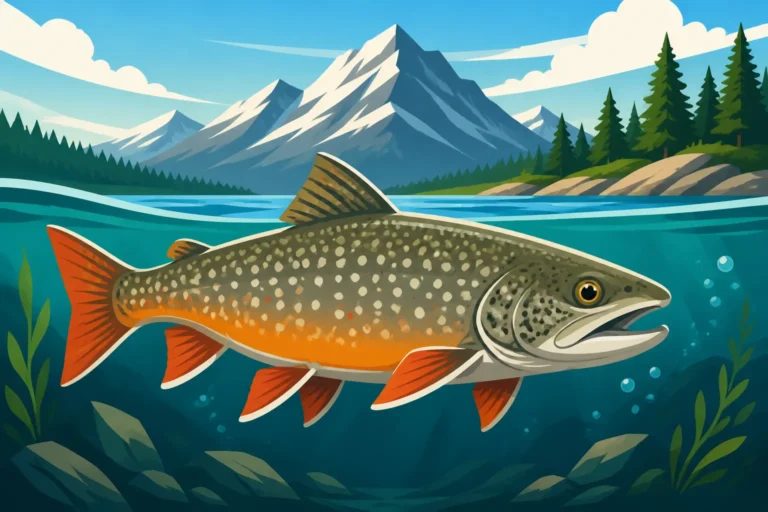
Brown trout, often distinguished by their gorgeous golden-brown flanks, red spots surrounded by pale halos, and sometimes a truly menacing kype (hooked jaw on males), possess an almost mythical allure. Unlike their often more flamboyant rainbow trout cousins, browns tend to be more secretive, nocturnal, and incredibly wary, especially the larger ones. They are survivors, often thriving in waters that might challenge other species, becoming true apex predators in their domain. Their fighting spirit, characterized by powerful runs, deep dives, and often acrobatic jumps, makes every hook-up an unforgettable battle. It’s this combination of beauty, intelligence, and brute strength that truly captures our hearts and keeps us coming back for more.
For many years, the dream of a huge brown trout has drawn anglers to specific rivers, leading to countless hours spent perfecting casts, understanding entomology, and honing presentation. There's a deep satisfaction in outsmarting a fish that has likely evaded countless other attempts. You can spend an entire day on the water, seeing nothing, only for one momentary flash of a monster brown to keep you dreaming for weeks.
Understanding What Makes a "Trophy"
What constitutes a "trophy" brown trout can be subjective, varying from angler to angler and even river to river. For someone new to the sport, a 16-inch brown might feel like a true accomplishment, and rightly so! For seasoned veterans on renowned big-fish waters, a trophy might start at 24 inches or even higher. It’s not just about the weight or length in isolation; it's about the context – the water it came from, the conditions, the method of catch, and the challenge it presented.
A "trophy" fish often represents the pinnacle of what a particular waterbody can produce, a testament to healthy ecosystems and years of growth. It's the culmination of countless casts, careful observation, and sometimes, a little bit of luck. Whether you're targeting small mountain streams or larger, more accessible rivers, the feeling of hooking into a truly substantial brown trout is a universal thrill that transcends simple measurements. It’s a moment of connection with wild nature, a powerful reminder of what these incredible fish represent.
Alberta's Prime Brown Trout Waters
Alberta is blessed with some truly exceptional brown trout fisheries, each offering its own unique challenges and rewards. When we talk about trophy browns, one river almost always comes to mind first: the Bow River. This world-renowned fishery, particularly the stretch near Calgary and downstream, is famous for its prolific hatches and the sheer size and abundance of its brown trout. Anglers flock here from all over, dreaming of hooking into one of its legendary specimens. Bow River Trout Fishing Near Calgary
Beyond the Bow, other rivers like the Crowsnest River in the southwestern part of the province also hold fantastic brown trout populations, though they might demand a more nuanced approach. Further afield, various smaller streams and even some lakes, especially those with good forage bases and cool, clear water, can surprise anglers with genuinely large browns. The key is often finding waters with stable food sources, good hiding cover, and minimal pressure, allowing these fish to grow to impressive sizes over many years. Each of these locations offers a distinct flavor of the Alberta brown trout experience, from the wide-open expanse of the Bow to the intimate, challenging runs of smaller creeks. Best Fishing Rivers in Alberta
The Elusive Alberta Record Brown Trout Weight
The question of the official provincial record is one that often sparks conversation and fuels dreams around campfires and fly shops. Anglers are naturally curious about the benchmark, the ultimate achievement in a specific species.
Unpacking the Official Record
The official provincial record for a brown trout in Alberta stands as a testament to the incredible potential of our waters and the skill of dedicated anglers. While these records can sometimes be updated, the long-standing benchmark for Alberta's brown trout is recognized as a magnificent fish weighing 17 pounds, 6 ounces. This colossal brown trout was reportedly caught in the Bow River back in 1980 by an angler named John Koegler. Imagine the thrill of landing a fish of that magnitude – a true leviathan that has likely eaten countless meals and survived many seasons, outsmarting predators and previous angling attempts.
This kind of record isn't just a number; it represents a fish that has lived a long and successful life, thriving in a rich ecosystem. It showcases the incredible productivity of Alberta's fisheries and stands as a beacon for what is truly possible when conditions align perfectly. Catching such a fish is a rare occurrence, a once-in-a-lifetime event that many anglers can only dream of.
The Story Behind the Catch
While the specifics of John Koegler's record-setting catch are part of angling lore, we can imagine the circumstances. The Bow River in the early 1980s was already a renowned fishery, though perhaps not as heavily pressured as it is today. A fish of that size would have been an apex predator, likely feeding heavily on other fish, large insects, or even small rodents. It likely resided in a deep, protected pool with ample cover, venturing out during low light conditions to ambush unsuspecting prey.
The gear involved would have been robust enough to handle such a powerful fish, and the angler's skill and patience would have been paramount. Landing a nearly 18-pound trout in a river with strong currents and potential snags is no small feat. It would have involved a careful fight, balancing the pressure to bring the fish in without breaking the line or exhausting the fish to the point of no return. Such stories, even if only partially known, serve to inspire us all, reminding us that with persistence and a bit of luck, true giants still swim in Alberta's waters.
The Importance of Official Recognition
Official fishing records serve several crucial purposes beyond just bragging rights. Firstly, they establish a historical benchmark, allowing us to track the health and potential of our fisheries over time. A record fish indicates that a specific waterbody has the capacity to support exceptionally large individuals, often a sign of abundant food, suitable habitat, and healthy genetics.
Secondly, records inspire future generations of anglers. They set a goal, a dream that keeps people casting and exploring. This inspiration can lead to increased interest in conservation, as anglers passionate about catching trophy fish often become passionate advocates for protecting the very waters these fish inhabit. Finally, the meticulous process of record keeping, often involving weigh-ins on certified scales and verification, adds a layer of respect and legitimacy to the sport. It's a way of celebrating the exceptional, not just the everyday catch, ensuring that extraordinary achievements are properly acknowledged and remembered.
Chasing Your Own Personal Best Brown Trout
While breaking the provincial record is a monumental task, setting a new personal best is a much more achievable and equally rewarding goal for any angler. The thrill of improving your own skills and landing a bigger fish than ever before is truly intoxicating.
Essential Gear for Big Browns
When you’re specifically targeting larger brown trout, your gear choices become even more critical. These fish are powerful, often residing in heavy cover, and require tackle that can stand up to a serious fight.
- Rods: For fly anglers on rivers like the Bow, a 9-foot, 6 or 7-weight fly rod is a common choice, offering enough backbone to cast larger streamers and subdue big fish, while still being sensitive enough for delicate presentations. Spin anglers might opt for medium to medium-heavy action rods, around 7 to 7.5 feet, which provide casting distance and leverage. You can find a huge selection of these rods on platforms like Amazon, allowing you to compare different brands and reviews before making a choice.
- Reels: A quality reel with a smooth, reliable drag system is non-negotiable. Large browns will test your drag with powerful runs, so ensure your reel can handle the pressure. For fly fishing, a large arbor reel helps pick up line quickly.
- Line and Leaders: For fly fishing, a weight-forward line matched to your rod weight is standard. Leaders should be robust, often stepping up to 0X or 1X (15-20 lb test) for streamer fishing, and for spinner/bait anglers, a strong fluorocarbon leader in the 10-15 lb range is often preferred for its abrasion resistance and low visibility. Best Fluorocarbon Leader for Clear Water Walleye
- Lures/Flies: Bigger fish often mean bigger meals. Streamer patterns that imitate baitfish or sculpins, large nymphs, and even sizable dry flies can be effective. For spin anglers, crankbaits, swimbaits, and heavy jigs in natural baitfish patterns can entice aggressive browns.
- Landing Net: A large, rubberized landing net is crucial for safely subduing and releasing big fish. Rubber mesh is much gentler on fish scales and slime coats. Best Landing Net for Trout
Investing in quality gear isn't just about performance; it's about minimizing stress on the fish and ensuring you have the tools to handle a once-in-a-lifetime catch appropriately.
Tactics for Targeting Large Brown Trout
Big brown trout are notoriously cunning, making them a fantastic challenge. Here are a few tactics to increase your chances of hooking into your personal best:
- Fish Low Light Conditions: Brown trout are often most active during dawn, dusk, and even at night, especially during warmer months. These are prime times to target them as they move out of cover to feed. Many an angler has stories of hooking their biggest brown just as the light fades.
- Focus on Structure: Large browns are ambush predators and will hold tight to structure – undercut banks, submerged logs, rock piles, deep pools, and current seams. Present your lure or fly close to these features, giving the fish minimal time to think before striking. Don't be afraid to put your presentation right into the "strike zone."
- Go Big: While small flies and lures catch fish, bigger browns often key in on larger meals. Don't be shy about throwing larger streamers, swimbaits, or crankbaits that mimic a substantial food source. This can be more exhausting, but the reward is often a much larger fish.
- Vary Your Retrieve: Whether fly fishing or spin fishing, experiment with different retrieve speeds and cadences. Sometimes a slow, steady retrieve is key; other times, erratic jerks and pauses will trigger a strike. Observing how baitfish move in the water can often inform your retrieve. Best Streamer Patterns for Alberta Brown Trout
- Stealth is Key: Especially in clear water, big browns are incredibly wary. Approach quietly, wear natural colors, and minimize shadows cast over the water. A long cast from a distance is often better than a short cast from too close. Wading Techniques for Alberta Trout Rivers
Remember, patience and persistence are your greatest allies when targeting these magnificent fish.
Practicing Responsible Angling
Catching a trophy brown trout is an incredible experience, and ensuring the fish's survival post-release is paramount. Many large brown trout in Alberta's renowned rivers are caught and released multiple times throughout their lives, making proper handling critical for their continued health and growth.
- Minimize Fight Time: While exciting, prolonged fights can exhaust a large fish, making it harder for them to recover. Use appropriate tackle to bring the fish in as quickly and safely as possible.
- Keep Them Wet: Try to keep the fish in the water as much as possible. If you must take a photo, do so quickly, supporting the fish horizontally with both hands. Avoid holding them vertically by the jaw.
- Barbless Hooks: In many special regulation waters in Alberta, barbless hooks are mandatory. Even where not required, they significantly reduce damage to the fish and make for quicker, easier releases. Which Alberta rivers mandate barbless hooks only
- Revive Carefully: If the fish seems sluggish, hold it gently in the current, facing upstream, until it can swim away strongly on its own. Don't simply toss it back; ensure it's ready to rejoin the river. Bull trout catch and release survival tips
By practicing responsible catch-and-release, we contribute to the health of Alberta's fisheries and ensure that future generations of anglers can also experience the thrill of connecting with these incredible fish.
Alberta's Brown Trout Habitats and Habits
Understanding where brown trout live and what drives their behavior is fundamental to consistently finding and catching them, especially the larger, more elusive ones. Their survival instincts are finely tuned, and they've adapted to their environments over generations.
Where Brown Trout Thrive
Brown trout are incredibly adaptable, capable of living in a wide range of aquatic environments, from cold mountain streams to larger, warmer prairie rivers and even lakes. However, when we talk about trophy browns, certain habitat characteristics become crucial. They prefer water that is cool, well-oxygenated, and offers ample cover. This cover can come in many forms: deep pools, undercut banks where they can hide from predators and strong currents, fallen trees (snags), large boulders, and dense weed beds.
In rivers, they often position themselves where they can ambush prey with minimal energy expenditure – think current seams, eddy lines, and the heads or tails of pools. They're often found near the bottom, utilizing the available structure. In lakes, they might patrol rocky points, drop-offs, or submerged structures where baitfish congregate. The common thread is security and proximity to food. A mature brown trout is a creature of habit, often holding in the same prime lies day after day, year after year, until disturbed. Brown Trout Habits in Alberta Streams
Preferred Forage for Big Browns
What makes a brown trout grow truly large? A rich and varied diet. While young browns might subsist primarily on aquatic insects, larger browns become increasingly piscivorous, meaning they eat other fish. Their diet expands to include a significant amount of protein from sources like:
- Baitfish: Minnows, sculpins, dace, and juvenile trout or whitefish are prime targets. Any healthy river system with a good baitfish population has the potential for large brown trout.
- Large Insects: Stoneflies, caddisflies, and mayflies, especially the larger species, remain on their menu. Terrestrial insects like grasshoppers and ants also become important seasonal food sources.
- Crayfish: Where present, crayfish are a highly nutritious and sought-after food item for big browns.
- Rodents and Amphibians: In some environments, mice, voles, and frogs that fall into the water can become an opportunistic meal for a truly giant brown trout.
Understanding the local forage base in the specific water you are fishing is key to selecting the right flies or lures. "Matching the hatch" isn't just about insects; it's about matching the predominant food source, whatever it may be.
Seasonal Movements and Feeding Patterns
Brown trout behavior, like that of most fish, is heavily influenced by the seasons and water conditions.
- Spring: As water temperatures rise after ice-out, browns become more active. They'll feed heavily on emerging insects and baitfish. Higher water levels from snowmelt can push them into slower current seams and eddies. This is a great time for streamers and larger nymphs.
- Summer: During the heat of summer, brown trout often become more nocturnal, seeking cooler, deeper water during the day and feeding most actively during dawn, dusk, and night. Terrestrial insects (hoppers, ants, beetles) falling into the water become important, as do baitfish in deeper pools.
- Fall: This is often considered prime time for trophy browns. As water temperatures cool and daylight shortens, they become incredibly aggressive, feeding heavily in preparation for winter and their spawning season. During the fall spawn, male browns develop their characteristic kype and become very territorial, making them vulnerable to aggressive streamer and bait presentations. Best Techniques for Fall Trout Fishing
- Winter: Under the ice or in very cold, open water, browns become less active but still feed. Deep pools and slower runs are key. Slower presentations with jigs or nymphs are often most effective. Ice Fishing in Alberta
Understanding these seasonal shifts allows anglers to adjust their strategies and increase their chances of encountering these magnificent fish.
Brown Trout Facts and Figures
To help put the Alberta record in perspective and understand the typical brown trout encounter, here's a quick comparison.
| Characteristic | Typical Small Stream Brown Trout | Typical Alberta River Brown Trout (e.g., Bow River) | Trophy Brown Trout (Personal Best) | Alberta Record Brown Trout |
|---|---|---|---|---|
| Length (Approx.) | 8 – 14 inches | 16 – 22 inches | 24+ inches | Around 30+ inches |
| Weight (Approx.) | Under 1 lb | 1.5 – 4 lbs | 5 – 10+ lbs | 17 lbs, 6 ounces |
| Age (Approx.) | 1 – 3 years | 3 – 6 years | 7+ years | Likely 10+ years |
| Distinguishing Features | Often more colorful, pronounced spots | Strong, muscular body, often silver-sided with spots | Deep body, large kype (males), powerful build | Exceptional girth and length |
| Primary Diet | Aquatic insects, small minnows | Mix of insects, baitfish, crayfish | Heavy reliance on baitfish, large prey | Apex predator diet |
This table illustrates the journey of a brown trout from a small stream resident to a true record-breaker, highlighting the significant growth and development required to reach such an impressive size.
Disclaimer
This article is for general informational purposes only and does not constitute professional advice. Laws, prices and regulations vary by location and change over time. Consult a qualified professional for guidance on your specific situation.