Alberta record northern pike weight
There's nothing quite like the thrill of feeling that solid strike, the line screaming off your reel, and the tell-tale head shakes that let you know you've hooked into something truly special. For many anglers in Alberta, the northern pike is that fish—a toothy, aggressive predator that can grow to astonishing sizes. It’s natural to wonder, as you wrestle with a particularly large one, just how big these freshwater giants can actually get in our beautiful province. This guide is dedicated to satisfying that curiosity, revealing Alberta's official record northern pike weight and exploring what it takes for these impressive fish to reach such monumental proportions.
The Alberta Record Northern Pike: A True Monster Among Fish
Let's cut right to it, because when you're talking about records, the numbers are what everyone wants to know. The provincial record for northern pike in Alberta stands as a testament to the incredible growth potential of these apex predators in our waters.
The Unbelievable Catch: A Tale of a Giant
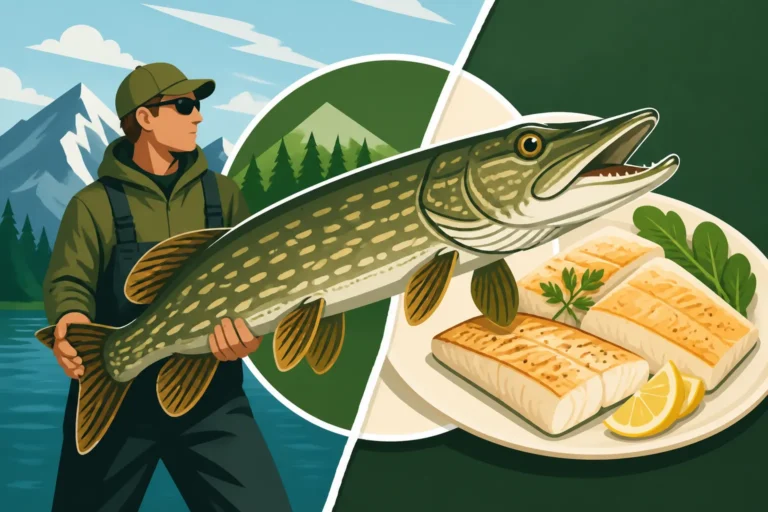
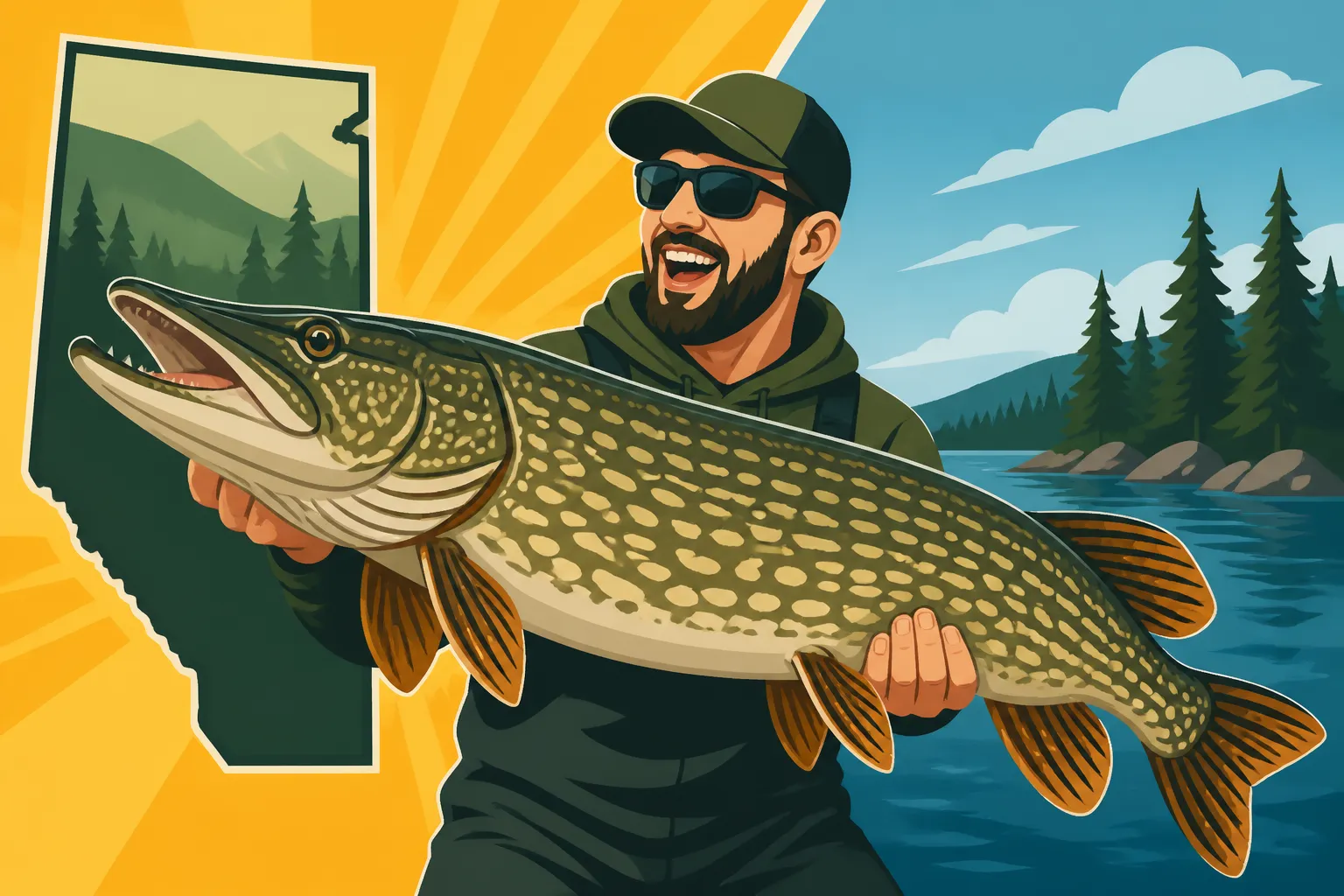
The official Alberta record for northern pike is an astounding 38 pounds, 0 ounces. This magnificent specimen was caught by Frank Scarpelli way back in 1968, from the cold, clear waters of Keho Lake. Imagine reeling in a fish that heavy—it would have been an absolute battle, a memory etched into his mind forever. Keho Lake, located in southern Alberta, is a relatively shallow, productive lake known for its healthy pike population, and clearly, it had the right ingredients to grow a true giant. This record has stood for decades, becoming the benchmark against which all other monster pike are measured in the province. It proves that Alberta's waters hold fish of truly epic proportions, inspiring generations of anglers to chase their own personal bests.
What Makes a Pike a Record Breaker
A fish doesn't just decide to be 38 pounds overnight. For a northern pike to reach such colossal dimensions, a perfect storm of environmental factors and genetic predisposition has to align over many, many years. Think about it:
- Longevity: Pike are relatively long-lived fish, and the older they get, the bigger they can become. A record-setting pike would likely be quite old, perhaps 15-20 years or even more, having successfully evaded anglers and other predators for a significant portion of its life.
- Abundant Food Source: Keho Lake, like many prime pike waters, likely had an incredibly rich and accessible food base. Smaller fish like perch, minnows, and even other smaller pike would have provided the sustained, high-protein diet necessary for such rapid and continuous growth. A well-fed pike, with plenty of calories, can dedicate more energy to simply getting bigger.
- Genetics: Just like in humans, some fish are simply predisposed to grow larger. There’s a genetic component that allows certain individuals to reach sizes beyond the average. The record pike likely came from a lineage of robust, fast-growing fish.
- Habitat and Water Quality: A stable, nutrient-rich environment with plenty of cover (like weed beds) allows pike to thrive. Good water quality ensures a healthy ecosystem, which in turn supports a strong baitfish population, essential for a predator at the top of the food chain. Understanding Northern Pike Habits in Alberta Lakes can shed more light on these factors.
Understanding Northern Pike Habits for Trophy Potential
If you're dreaming of your own trophy pike, even if it's not quite a record breaker, understanding the habits of these incredible fish is crucial. They are efficient hunters with distinct preferences for where they live and what they eat.
Where Big Pike Live: Prime Alberta Haunts
Northern pike are ambush predators, meaning they love to hide and wait for their prey. This dictates their preferred habitat, which often includes shallow, weedy areas that provide both cover and a buffet of smaller fish. However, for the really big ones, there's often more to the story.
- Weedy Bays and Drop-offs: These are classic pike haunts. The weed beds offer camouflage, and the edges of these beds, especially where they meet deeper water (drop-offs), are perfect ambush points. Big pike will cruise these edges, waiting for unsuspecting prey to pass by.
- Submerged Structure: Sunken logs, rock piles, old bridge pilings, or even submerged humps in deeper water can hold giant pike. These structures provide cover and attract baitfish, making them prime locations for a patient predator.
- Specific Trophy Lakes: While the record came from Keho Lake, Alberta boasts several other bodies of water renowned for producing monster pike. Lesser Slave Lake, for example, is famous for its robust pike population, including many that push into the high-teens and twenties of pounds. Other lakes like Lac La Biche and some of the larger lakes in the northern part of the province also have reputations for massive pike. These lakes often share characteristics like vast expanses of prime habitat, an abundant food supply, and sometimes, less fishing pressure on the biggest individuals. When considering How Big Northern Pike Get in Alberta, these specific lakes are often at the forefront.
What Big Pike Eat: Fueling the Growth
A pike's diet is largely opportunistic, but for a truly massive pike, it’s all about efficiency and caloric intake. They are primarily piscivores, meaning they eat other fish.
- Baitfish Abundance: Their diet consists mainly of whatever smaller fish are most abundant. In many Alberta lakes, this means yellow perch, cisco (lake herring), suckers, and whitefish. A lake with a healthy population of these forage fish is a lake where pike can grow large.
- Cannibalism: Larger pike aren't shy about eating smaller pike. This, while seemingly gruesome, is another factor in their growth, as it removes competition and provides a high-calorie meal. It also demonstrates their dominance in the ecosystem.
- Opportunistic Feeding: While fish are their staple, big pike will also take advantage of other food sources if available, such as frogs, ducks, muskrats, or even mice if they happen to fall into the water. These infrequent but high-energy meals can contribute significantly to their bulk. The sheer volume of food a 30-pound pike needs to sustain itself is staggering, requiring a highly productive ecosystem to support it.
Strategies for Chasing Giant Northern Pike
So, you're inspired by the record and want to try your hand at landing a personal best? Chasing giant northern pike is an exciting challenge that requires patience, the right gear, and a solid understanding of their behaviour.
Top Techniques and Lures for Trophy Pike
To catch big pike, you often need to think big yourself—big lures, heavy gear, and strategic approaches.
- Trolling Large Baits: This is a highly effective method, especially in large lakes. Trolling allows you to cover vast amounts of water and present a large bait (like a large crankbait, spoon, or even a dead baitfish rig) at a consistent depth and speed. Big pike are often lazy and will hit a large, easy meal. Look for lures that mimic their natural prey, such as perch or cisco patterns. Many excellent options can be found online, perhaps on sites like Amazon, offering a huge selection of specialized trolling lures.
- Casting Big Jerkbaits and Swimbaits: For more active fishing, casting oversized jerkbaits or soft plastic swimbaits near weed lines, submerged timber, or rocky points can trigger aggressive strikes. These lures are designed to imitate larger baitfish and attract the attention of the biggest, most territorial pike. A slow, erratic retrieve often works best, mimicking an injured fish.
- Heavy Spoons and Spinnerbaits: Classic, reliable choices. Large, flashy spoons (like Daredevls or Len Thompson spoons) and heavy-duty spinnerbaits with big blades can provoke powerful strikes. These are particularly effective when casting into heavy cover or along expansive flats. Ensure your tackle is robust enough to handle the immense power of a large pike. For more detailed advice, check out Best Lures for Northern Pike in Alberta.
- Dead Bait Rigs: Especially effective during colder water periods (late fall, ice fishing), a dead bait rig (often a large sucker or cisco) fished under a float or on the bottom can entice a monster pike looking for a high-calorie, low-effort meal.
Best Times and Conditions for Monster Pike
Timing can be everything when targeting giant pike.
- Early Spring: Right after ice-out, pike are often shallow and incredibly hungry after a long winter. They're looking to feed heavily before and during the spawn. This can be an excellent time to target them in relatively accessible areas.
- Fall Feeding Frenzy: As water temperatures drop in the autumn, pike go on a serious feeding binge to pack on weight for the upcoming winter. They are often aggressive and can be found in a variety of depths, from shallow weed beds to deeper structure. This is perhaps one of the most consistent times to land a trophy.
- Low Light Conditions: Like many predators, pike are often most active during dawn and dusk. These low-light periods offer them an advantage over their prey. Overcast days can also be productive, as the reduced light penetration makes them feel more secure.
- Weather Fronts: While a severe cold front can shut fish down, stable periods before a front, or even the immediate aftermath of a gentle front, can sometimes trigger a bite. Understanding how Cold Front Fishing Tactics for Alberta Walleye work can offer insights that apply to pike as well, as both are affected by pressure changes. Always be prepared for Alberta's fickle weather; having quality rain gear is essential, and many anglers find great durable options for coats and pants on Amazon.
The Importance of Records and Ethical Angling
Record fish are a big deal, and they serve a purpose beyond just bragging rights. They highlight the health of our fisheries and the potential that Alberta waters hold. But with the pursuit of giants comes great responsibility.
Verification and Recognition of Record Catches
When someone lands a fish that they believe might be a provincial record, it's not simply a matter of saying "I caught a big one!" There's a stringent process to ensure accuracy and legitimacy.
- Certified Scale: The fish must be weighed on a provincially certified scale, often found at reputable butcher shops or fishing lodges. This ensures the weight is accurate and verifiable.
- Witnesses: Usually, multiple independent witnesses are required to confirm the catch and the weighing process.
- Photos and Documentation: Clear photographs from various angles are essential, showing the full length of the fish and often the angler with the catch. Detailed information about the date, location, and method of catch is also collected. This meticulous process ensures that records like the Alberta Provincial Fish Records by Species are truly legitimate and hold up over time.
Catch and Release for Future Giants
The magnificent 38-pound northern pike caught in 1968 was, by the standards of the time, likely kept. However, today, ethical angling has evolved significantly, especially when it comes to trophy-sized fish.
- Conservation: Big, old fish are incredibly valuable to a fishery. They are the prime spawners, contributing significantly to the next generation. Removing them can impact the genetics and overall health of the population. Therefore, many anglers, myself included, advocate for the careful catch and release of trophy pike. This ensures that these incredible fish can continue to grow and reproduce, and perhaps even be caught again by another lucky angler.
- Proper Handling: If you are lucky enough to land a true giant, responsible handling is paramount. Use a large, knotless rubberized net to minimize harm to the fish's slime coat and fins. Avoid dragging the fish onto rough surfaces. Support its weight horizontally with two hands (one under the head, one under the tail) if you must lift it for a quick photo. Use long-nosed pliers to safely remove hooks, minimizing time out of the water. Many anglers invest in specialized tools for safe release, which are readily available through retailers like Amazon.
- Quick Release: Get your measurements, photos, and release the fish as quickly and gently as possible. Allow the fish to revive itself in the water, sometimes holding it upright by the tail in the current, until it swims away under its own power. These giants are too precious not to return to the water. Understanding Bull Trout Catch and Release Survival Tips can also provide valuable insights into safely handling sensitive species, which apply to large pike as well.
Comparing Pike Sizes
To give you a clearer picture of just how massive a 38-pound pike really is, let's look at typical size ranges you might encounter in Alberta waters.
| Pike Size Category | Approximate Weight Range | Common Length Range (Approx.) | Experience Level to Catch |
|---|---|---|---|
| Hammer Handle | Up to 5 lbs | Under 24 inches | Beginner |
| Average Keeper | 5 – 12 lbs | 24 – 32 inches | Intermediate |
| Large/Trophy | 13 – 25 lbs | 33 – 42 inches | Experienced |
| Giant/Record | 25+ lbs | 42+ inches (up to 50+ inches) | Expert/Luck |
| Alberta Record | 38 lbs | Estimated 48-55 inches | Once-in-a-lifetime |
As you can see, the record pike is truly in a league of its own, far exceeding even what most experienced anglers would consider a trophy. It represents the pinnacle of pike fishing in Alberta. The sheer size of this record makes the pursuit of a Northern Pike Growth Rate to Trophy Size even more exciting for dedicated anglers.
Conclusion: The Lure of Alberta's Giants
The Alberta record northern pike of 38 pounds, caught by Frank Scarpelli from Keho Lake in 1968, stands as a testament to the incredible fish lurking in our provincial waters. It's a reminder that while not every outing will yield a record-breaker, the potential for a truly monster pike is always there.
Chasing these toothy giants is a journey that combines skill, patience, and a deep respect for the resource. By understanding where they live, what they eat, and using the right techniques—and crucially, practicing ethical catch and release—we can all contribute to maintaining Alberta's reputation as a fantastic destination for northern pike fishing. So, gear up, hit the water, and who knows? Maybe you'll be the one to challenge that incredible 38-pound record. Just remember to have the certified scale ready!
Disclaimer
This article is for general informational purposes only and does not constitute professional advice. Laws, prices and regulations vary by location and change over time. Consult a qualified professional for guidance on your specific situation.