Bull Trout: Alberta’s Threatened Native Fish
There's something truly special, almost sacred, about the bull trout in Alberta. These are not just any fish; they are a native char, an ancient resident of our cold, clear mountain waters, and a species that faces immense challenges to its survival. For many anglers, just seeing one is a privilege, a fleeting glimpse into the wild heart of our province. This comprehensive guide will delve deep into the world of Alberta's bull trout, exploring their unique characteristics, the threats they face, and crucially, how we, as responsible anglers, can play a vital role in their conservation and ensure these magnificent fish have a fighting chance for future generations.
The Majestic Bull Trout: An Alberta Icon
Catching a bull trout is often considered the pinnacle for many Alberta anglers, not just for their formidable size and fighting spirit, but for the profound respect they command as a truly wild and threatened species. They embody the untamed spirit of the Rockies, thriving where few other fish can. Understanding their nature is the first step in appreciating and protecting them.
A Glimpse into Their Unique Biology
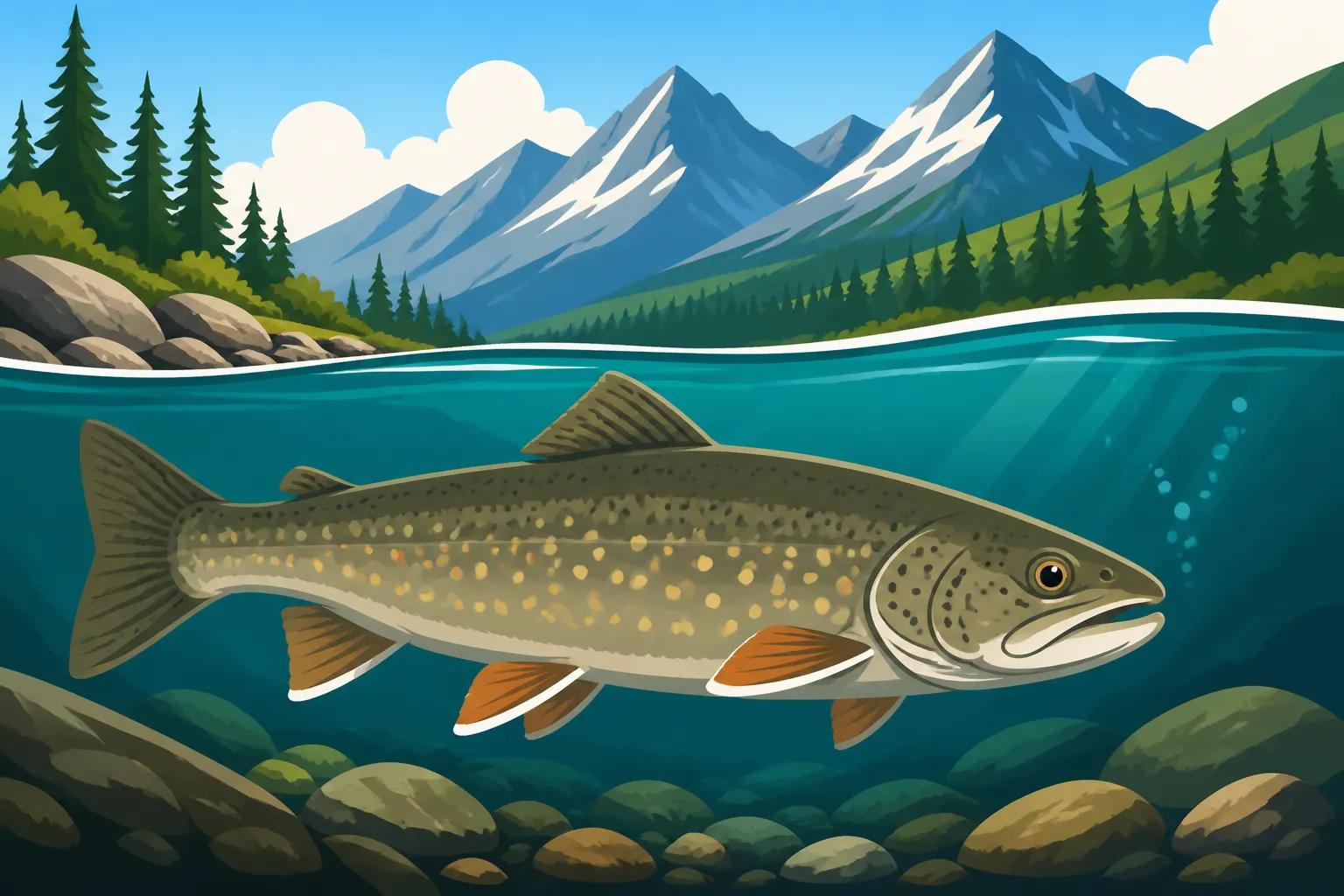
Bull trout are not actually trout, but char, members of the Salvelinus genus, which also includes lake trout and brook trout. What sets them apart visually is their striking appearance: a long, slender body typically olive-green to bluish-grey on the back, fading to white or yellow on the belly. Their flanks are adorned with pale yellow, orange, or reddish spots that are never ringed with halos, a key identifier distinguishing them from other trout species like rainbows or browns. They possess a distinctive large head and mouth, well-suited for their predatory lifestyle, and a noticeably forked tail. The leading edges of their pectoral, pelvic, and anal fins usually have a prominent white stripe, another characteristic char mark.
Beyond their looks, bull trout are epitomes of adaptability to harsh, cold environments. They require exceptionally clean, cold, and oxygen-rich water to survive, which is why their presence is a strong indicator of a healthy aquatic ecosystem. These fish are opportunistic predators, feasting on smaller fish, insects, and even small mammals or amphibians. Their diet shifts with age and opportunity, making them top predators in their native watersheds. This role as an apex predator is critical to maintaining the balance of their ecosystems.
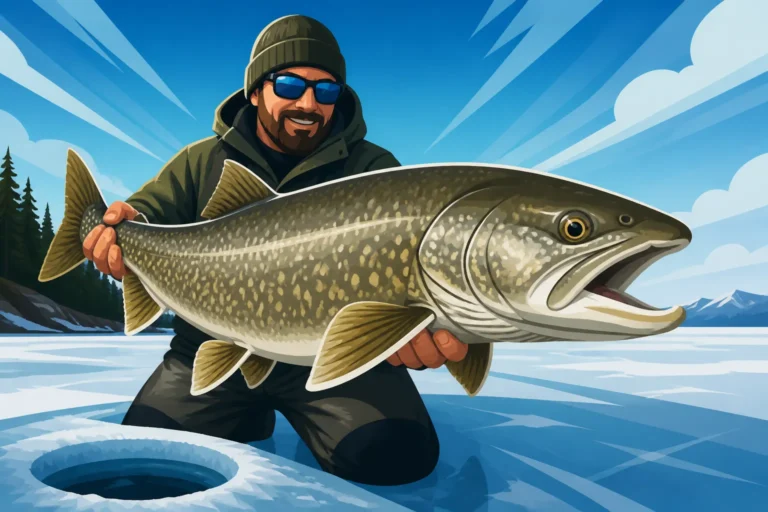
These fish can grow to impressive sizes, with some individuals reaching lengths of over 80 centimeters and weights exceeding 10 kilograms, though fish of this magnitude are rare and represent a lifetime of survival in challenging conditions. Their growth rates are slow compared to many other fish species, making each adult a precious asset to the population. Longevity is also a hallmark of bull trout, with individuals living well over a decade in ideal conditions. Their life cycle often involves significant migrations between spawning, rearing, and foraging habitats, sometimes covering many kilometers across river systems.
Distinguishing Bull Trout from Their Cousins
For anglers, accurate identification is paramount, especially given the strict regulations surrounding bull trout. They are often confused with other char species, particularly lake trout and brook trout, which share similar cold-water preferences and some physical traits. However, there are clear distinctions that every responsible angler should know.
Lake trout, while also a char, typically have a more deeply forked tail, a lighter overall coloration with worm-like or irregular spots (vermiculations) on their back and dorsal fin, and often a larger average size in many Alberta lakes. Their spots are also generally lighter against a darker background, rather than the darker spots on a lighter background often seen in bull trout. The mouth of a lake trout tends to extend past the eye, but perhaps not as dramatically as a bull trout. For a more detailed look, check out How to tell a bull trout from a lake trout. This visual guide is incredibly helpful for on-the-water identification.
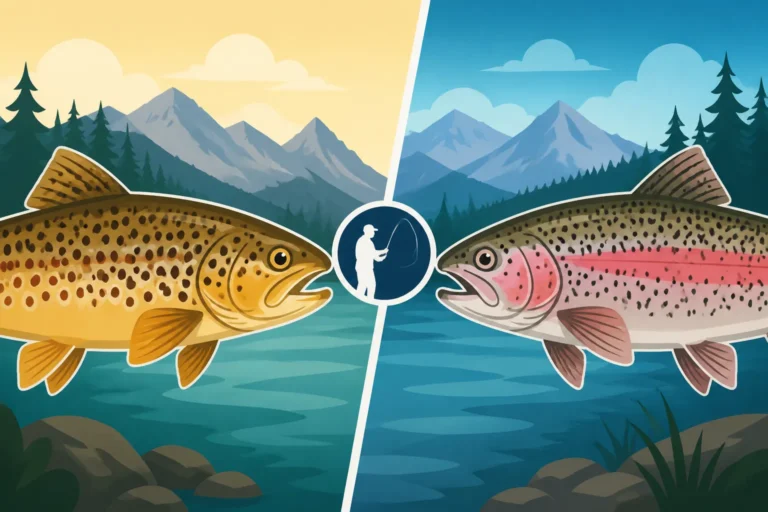
Brook trout, another char species, are also commonly found in Alberta and are perhaps the most frequently mistaken for bull trout. Brook trout are characterized by their vibrant coloration, often featuring red or orange spots (sometimes with blue halos) on their flanks, and distinct worm-like markings on their back and dorsal fin, much like lake trout, but typically much more pronounced. They rarely grow as large as a bull trout and prefer smaller stream habitats, though some populations can be found in lakes. The most telling difference, aside from the spots, is the square or slightly forked tail of a brook trout versus the more deeply forked tail of a bull trout. When you're out on the water, pay close attention to the spot coloration and tail shape – these are your best clues. Knowing these differences isn't just about curiosity; it's about adhering to crucial conservation regulations.
Where the Wild Things Live: Bull Trout Habitat in Alberta
The habitat of the bull trout is as rugged and beautiful as the fish themselves. They are a true indicator species; if you find healthy populations of bull trout, you know that the entire ecosystem is thriving and relatively undisturbed. Their specific habitat requirements underscore their vulnerability to environmental changes.
The Cry of Cold, Clean Water
Bull trout are exceptionally demanding when it comes to their living conditions. They require cold water, typically preferring temperatures below 15°C (59°F), and absolutely cannot tolerate prolonged exposure to temperatures above 18°C (64°F). This physiological need means they are primarily found in the headwaters of major river systems flowing out of the Rocky Mountains and into the foothills of Alberta. Think of crystal-clear, glacier-fed streams and rivers like the Oldman, Bow, Kananaskis, and Crowsnest systems, and their many tributaries. These are the arteries of their existence, providing the thermal refugia necessary for survival, especially during warmer summer months. Bull Trout Native Range in Alberta offers an excellent overview of the specific areas where these fish historically and currently reside.
Beyond temperature, water quality is paramount. Bull trout thrive in environments with low sediment loads, high dissolved oxygen, and minimal pollution. They depend on complex stream structures, including deep pools, undercut banks, and large woody debris, which provide cover from predators and strong currents, and critical resting areas. The surrounding riparian vegetation – the plants along the riverbanks – also plays a crucial role by shading the water, helping to maintain those vital cold temperatures, and stabilizing the banks, preventing erosion that would otherwise introduce harmful sediment.
Their habitat isn't static; bull trout are known for their migratory patterns. Some populations are adfluvial, meaning they live in lakes and migrate into rivers to spawn. Others are fluvial, living entirely within river systems, moving between different sections for spawning, foraging, and overwintering. These migrations highlight the need for connected, unimpeded waterways, free from dams or other barriers that could block their essential movements. When a river system is healthy enough to support these extensive migrations, it's a good sign that the entire watershed is functioning properly.
Spawning Requirements and Stream Health
The life cycle of a bull trout is intimately tied to the health of its spawning grounds. Unlike many other trout and char species that spawn in spring, bull trout are fall spawners, typically laying their eggs from late August through November. They require pristine conditions for successful reproduction, specifically clean, gravelly streambeds with excellent water flow and minimal siltation. The female will dig a "redd" (a nest) in the gravel, where she deposits her eggs, which are then fertilized by the male. These eggs overwinter in the gravel, hatching in early spring.
The success of their spawning is highly dependent on the stability and quality of the streambed. Silt, often introduced by erosion from human activities like logging, road construction, or improper agricultural practices, can smother eggs, significantly reducing their survival rate. Any disturbance to the spawning redds can be catastrophic for the future generation. This makes protecting critical spawning habitats a cornerstone of bull trout conservation.
The intricate link between bull trout survival and stream health extends beyond spawning. Juvenile bull trout require different habitats than adults, often preferring shallower, slower-moving side channels and areas with abundant cover from vegetation or rocks. As they grow, they move into larger pools and faster currents, eventually undertaking the migratory journeys characteristic of the adults. Therefore, a healthy bull trout population requires not just pristine spawning grounds but a diversity of connected habitats capable of supporting all life stages. Any degradation to any part of this complex system can severely impact the population. When we talk about protecting bull trout, we're really talking about protecting the very integrity of the wild Alberta landscapes they call home.
The Weight of History: Why Bull Trout Are Threatened
It's a sobering reality that one of Alberta's most iconic native fish is also one of its most imperiled. The bull trout's journey to its current threatened status is a complex story of environmental changes, historical practices, and the relentless pressure of human activity on their delicate ecosystems. Understanding these threats is crucial for appreciating the conservation efforts currently underway.
Habitat Loss and Degradation
Perhaps the most significant and pervasive threat to bull trout populations is habitat loss and degradation. These fish are exquisitely sensitive to changes in their environment, and the expansion of human presence in their native ranges has taken a heavy toll. Logging practices, particularly those that occur too close to sensitive stream banks, can remove crucial shade-providing riparian vegetation, leading to increased water temperatures that are lethal for bull trout. The removal of trees also destabilizes soil, leading to erosion and the introduction of fine sediments into rivers, which smothers spawning redds and reduces habitat quality for juveniles.
Road construction, often associated with logging, oil and gas exploration, or recreational access, further exacerbates these issues. Roads can fragment habitat, introduce pollutants, and disrupt natural water flow. Stream crossings, if not properly designed (e.g., culverts that create barriers), can impede the vital migratory movements that bull trout undertake between spawning, rearing, and foraging areas. Agricultural runoff, containing pesticides, fertilizers, and animal waste, can also pollute waterways, altering water chemistry and further stressing these sensitive fish. Even seemingly minor disturbances, when compounded across a watershed, can have devastating cumulative effects on bull trout populations.
The cumulative impact of these activities fragments once continuous populations into smaller, isolated groups. These smaller populations are more vulnerable to genetic bottlenecks, disease, and localized extinction events, making recovery all the more challenging. Protecting and restoring critical habitat, therefore, is not just beneficial for bull trout, but for the countless other species that rely on these pristine mountain and foothill ecosystems. It's a testament to how interconnected our natural world truly is.
The Ghost of Overfishing Past
While habitat degradation is a modern problem, historical overfishing played a significant role in the initial decline of bull trout populations. In the early to mid-20th century, bull trout were often perceived differently than they are today. They were sometimes considered a "rough fish" or a nuisance by some anglers, particularly those focused on introduced trout species like rainbow or brown trout. There was less understanding of their ecological importance or their vulnerability, and regulations were often less restrictive than they are today.
Prior to the widespread implementation of strict conservation measures, bull trout were frequently targeted without adequate limits. Their large size and predatory nature made them an attractive catch, and they were often harvested in unsustainable numbers. Furthermore, their tendency to congregate during spawning migrations made them particularly vulnerable to harvest at critical times, directly impacting their reproductive success. The combination of easy access, high catch rates, and a lack of protective regulations led to substantial population declines in many areas across their range.
The legacy of this historical overfishing is still felt today. It takes many years for long-lived, slow-growing fish like bull trout to recover from such intense pressure. The populations that remain often have reduced genetic diversity, making them less resilient to environmental stressors. This historical context is why current regulations are so stringent, and why catch-and-release is universally mandated for this species in Alberta. We are still actively working to undo the damage of past practices and give these magnificent fish the best possible chance to rebound.
Invasive Species and Genetic Purity
Beyond direct human impact on habitat and historical overfishing, bull trout face a silent and insidious threat from invasive species, particularly the brook trout. Brook trout, while also a char, are not native to Alberta's headwater streams. They were introduced from eastern North America and have proven to be highly adaptable and competitive in many of the same cold-water environments where bull trout naturally thrive.
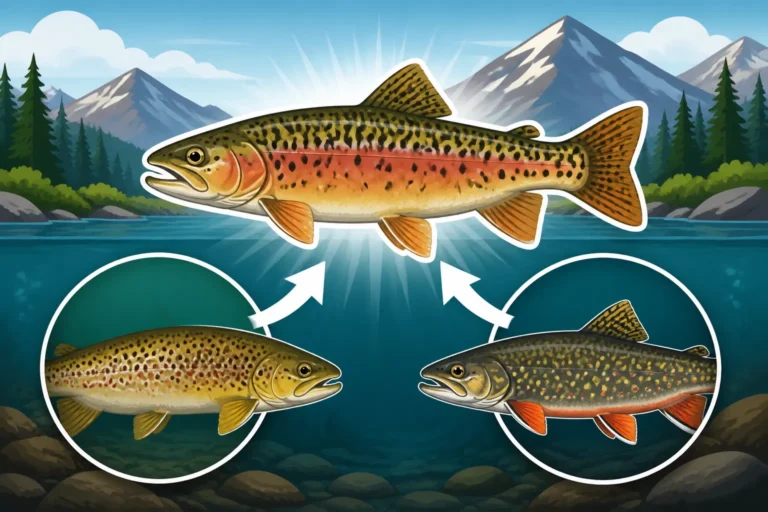
The primary concern with brook trout is hybridization. Bull trout and brook trout can interbreed, producing sterile offspring known as "tigers" or "splake" (though true splake are usually a brook trout/lake trout cross). This hybridization dilutes the genetic integrity of pure bull trout populations, reducing their fitness and reproductive capacity. As brook trout populations increase, they can outcompete bull trout for food and spawning habitat, further stressing already vulnerable populations. The smaller size and faster reproductive rates of brook trout often give them a competitive edge in certain conditions.
Other introduced species can also pose problems. For instance, the introduction of other aggressive predatory fish can increase competition for food and space, or even directly prey on juvenile bull trout. These introduced species can alter the delicate food web dynamics that bull trout rely on. This is why careful management of fish stocking programs is essential, and why anglers are encouraged to never illegally move fish between water bodies. The fight to protect bull trout is not just about managing human fishing pressure or habitat, but also about safeguarding the genetic purity and ecological balance of their native waters from the impacts of non-native invaders.
Protecting the Precious: Alberta's Zero Possession Rule
When you're out on an Alberta river or lake, there are few regulations as clear-cut and as critically important as the one pertaining to bull trout. This isn't just a suggestion; it's a legal mandate that reflects the dire conservation status of this incredible native species.
Understanding the Mandate
In Alberta, the regulation regarding bull trout is unequivocally "zero possession." What this means for every angler, regardless of whether you're a seasoned veteran or a first-time fisher, is that if you catch a bull trout, you must immediately release it back into the water where it was caught. There is absolutely no scenario where it is legal to keep a bull trout in Alberta. This isn't a catch-and-release recommendation; it's a legal requirement designed to give every single bull trout the best possible chance to survive and reproduce. You can find this explicitly stated within the Alberta Bull Trout Zero Possession Rule and detailed further in the provincial sportfishing regulations.
This zero possession rule applies year-round, across all waters in Alberta where bull trout may be found. There are no exceptions for size, time of year, or method of catch. Even if you accidentally catch one and it appears to be injured, the law still requires its immediate release. The intent is to eliminate any incentive for harvesting these fish and to minimize any potential mortality from fishing pressure. It's a stark reminder of how fragile their populations have become.
It's also crucial to distinguish this from general "catch and release only waters" where specific species might be protected. The bull trout rule is species-specific and province-wide. If you're fishing in a river known to hold bull trout, you need to be especially diligent in your identification and handling practices. Ignorance of the law is not a defence, and the penalties for fishing without a license or illegally possessing protected species can be severe, including significant fines and forfeiture of gear. Is Keeping a Bull Trout Ever Legal in Alberta? emphatically answers this question: no, it is not.
The Spirit Behind the Law
The zero possession rule isn't just an arbitrary restriction; it's a critical conservation measure born out of decades of observation and scientific understanding of bull trout biology and population dynamics. The spirit behind this law is to provide maximum protection for a species teetering on the edge. Bull trout are long-lived, slow-growing, and have specific habitat requirements, making them particularly vulnerable to overharvesting and environmental changes. Each adult bull trout that survives to spawn is incredibly valuable to the recovery of the species.
By implementing a zero possession limit, fisheries managers aim to ensure that every individual bull trout caught has the opportunity to return to the water to continue its life cycle, reproduce, and contribute to the genetic health of its population. This approach directly combats the historical overfishing that contributed to their decline. It's a proactive measure designed to halt further losses and, hopefully, set the stage for population recovery. This protective stance is clearly articulated in materials discussing Why Bull Trout Have a Zero Possession Limit in Alberta.
Furthermore, the rule emphasizes the importance of preserving the genetic diversity within bull trout populations. Since they are sensitive to hybridization with brook trout, maintaining strong, pure native populations is vital. Allowing any harvest would inevitably remove individuals from the gene pool, potentially compromising the long-term viability of the species. The rule acts as a constant reminder to anglers of their role as stewards of these precious fish and their unique ecosystems. It's about respecting the vulnerability of the species and contributing to a future where bull trout can once again thrive naturally in Alberta's wild waters.
Hook, Hold, and Hope: Catch and Release Best Practices
Since all bull trout caught in Alberta must be immediately released, mastering proper catch and release techniques is not just good angling etiquette—it's a critical component of conservation. A poorly handled release can be just as detrimental as harvest, so doing it right is paramount. Every angler has a responsibility to minimize stress and injury to these magnificent fish.
Gear Up for Success
The foundation of responsible catch and release begins before you even cast a line. Your choice of gear can significantly impact a bull trout's survival chances. First and foremost, using barbless hooks is a non-negotiable best practice. Barbless hooks greatly reduce tissue damage and make unhooking quicker and easier, especially when fishing for sensitive species. You can buy hooks that are already barbless, or you can easily crimp down the barbs on your existing hooks with a pair of pliers. Many experienced anglers keep a pair of long-nosed pliers or forceps handy for this exact purpose, and you can find excellent options for these on Amazon, often in sets with other useful fishing tools.
Secondly, selecting appropriate tackle – a rod and line strong enough to quickly land the fish – is crucial. While it might seem counterintuitive, prolonged fights can exhaust a fish, increasing its stress levels and reducing its chances of survival after release. A lighter setup might be fun, but if it extends the fight to the point of exhaustion, it's doing more harm than good for a bull trout. Aim for a balance where you can exert enough pressure to bring the fish in efficiently without overpowering it or risking a break-off with lost gear.
Lastly, a proper landing net is an invaluable tool. Opt for a net with rubberized or knotless mesh. Traditional knotted nylon nets can abrade a fish's delicate slime coat, remove scales, and even damage fins or eyes, leaving them vulnerable to infection. Rubberized or knotless nets are much gentler on the fish and prevent hooks from getting tangled, making the entire unhooking process smoother. Having one of these readily available when fishing known bull trout waters is a smart move. When you combine barbless hooks, adequate tackle, and a gentle net, you're setting yourself up for a successful and ethical catch and release.
The Gentle Touch: Handling Bull Trout with Care
Once you've hooked a bull trout, the way you handle it is critical for its survival. The goal is always to keep the fish in the water as much as possible and to minimize physical contact. When the fish is alongside your boat or at the bank, use your rubberized net to gently scoop it up. Avoid dragging the fish onto dry land or rocks, as this strips their protective slime coat and can cause internal and external injuries.
With the fish still in the net and submerged or partially submerged in the water, use your forceps or pliers to quickly remove the barbless hook. If the hook is deeply set and cannot be removed easily without causing significant damage, it's often best to cut the line as close to the hook as possible. Barbless hooks will typically rust out over time, and the stress of a prolonged unhooking can be far worse than leaving a small piece of metal behind. Always avoid touching the fish's gills or eyes, as these are extremely delicate and vital organs. Try to support the fish horizontally with wet hands if you must lift it for a quick photo, never holding it vertically by the jaw or tail, which can dislocate organs or damage the spine.
After unhooking, keep the fish in the water and support it gently upright in a current, facing upstream, until it regains its strength and can swim away under its own power. This revival process is often called "fanning" or "venting" and can take a few seconds to several minutes, depending on the length of the fight and the water temperature. Watch for strong tail kicks and independent swimming before you release your grip. Every second you keep a bull trout out of the water reduces its chances of survival. These detailed steps and more are covered in How to Catch Bull Trout and Release Them Safely and Bull trout catch and release survival tips, which are essential reading for any angler targeting these sensitive fish.
Recognizing Signs of Distress
Knowing how to properly release a bull trout also involves being able to recognize when a fish is in distress. A fish that has been fought for too long, especially in warmer water temperatures, will show clear signs of exhaustion and stress. These can include a loss of equilibrium, difficulty righting itself, or shallow, rapid gill movements. Its coloration might also appear dulled or stressed.
If you observe these signs, it's even more critical to spend extra time reviving the fish in the water. Support it gently, allowing fresh, oxygenated water to pass over its gills until it can hold itself upright and shows strong tail movements. Sometimes, a gentle forward and backward motion can help push water through the gills, but avoid vigorous pumping actions that can damage gill filaments. If the fish rolls over or floats belly-up immediately upon release, gently recapture it and continue the revival process.
Understanding that even a seemingly successful release doesn't guarantee survival is important. Post-release mortality can occur hours or even days later due to stress, injury, or infection. This reinforces the need for meticulous care during the entire catch-and-release process. It means choosing your fishing spots wisely during very warm periods, considering if the water temperatures are too high for safe catch and release, and always prioritizing the well-being of the fish over a quick photo. Our actions on the water directly determine the future of these threatened fish.
The Path to Recovery: Conservation and the Angler's Role
The plight of the bull trout isn't just a concern for scientists and conservationists; it's a call to action for every single person who cherishes Alberta's wild places and its unique aquatic inhabitants. Recovery is a long, arduous journey, but it's one that shows promise when approached with dedication and collective effort.
Government Initiatives and Research
Alberta's Environment and Protected Areas (AEPA) and its partners are actively engaged in numerous initiatives aimed at bull trout recovery. These efforts span a wide range of activities, from habitat restoration projects to scientific research and monitoring. On the habitat front, projects often focus on stabilizing eroding stream banks, planting riparian vegetation to provide shade and reduce sediment, and removing or modifying culverts and dams that block fish passage. These actions directly address the primary threat of habitat degradation and fragmentation.
Research and monitoring are critical components, as they provide the data needed to understand bull trout populations and the effectiveness of conservation strategies. Scientists use various methods, including electrofishing surveys, radio telemetry to track fish movements, and genetic analysis to assess population health and identify areas where hybridization with brook trout is a significant issue. This research helps pinpoint critical spawning and rearing habitats, understand migratory patterns, and evaluate the impacts of different land-use practices. These efforts are often highlighted in discussions around Bull Trout Recovery Efforts in Alberta.
Furthermore, the province regularly reviews and updates fishing regulations, adapting them based on the latest scientific findings to ensure the best possible protection for bull trout. This adaptive management approach means that our understanding of the species and its needs is constantly evolving, and regulations reflect that. While progress can be slow, these sustained, science-based efforts are foundational to giving bull trout a chance to rebound.
Your Part in the Picture
As anglers, our role in bull trout conservation extends far beyond simply following the zero possession rule. We are often the eyes and ears on the water, and our actions and observations can make a significant difference. The most fundamental contribution is, of course, strictly adhering to all fishing regulations, especially the catch-and-release mandate for bull trout. This also includes understanding and respecting the broader Alberta fishing regulations explained, as a healthy ecosystem benefits all species.
Beyond compliance, practicing impeccable catch and release techniques, as detailed earlier, is paramount. Every bull trout released carefully and successfully is a victory for conservation. Educating fellow anglers, especially those new to the sport, about the importance of bull trout conservation and proper handling is also incredibly valuable. Share your knowledge respectfully; a friendly word about barbless hooks or keeping fish wet can go a long way.
Consider becoming an advocate for cold-water conservation. Support organizations that work on habitat restoration or advocacy for healthy watersheds. Report any suspicious activities, such as poaching or pollution, to provincial authorities. Even participating in citizen science initiatives, if available, by reporting your bull trout sightings (without revealing exact locations to avoid fishing pressure) can contribute valuable data to research efforts. Every small action taken by an informed and responsible angler adds up to a powerful force for conservation. Your individual decisions on the water directly contribute to the future of these incredible fish.
Looking Towards a Brighter Future
The future of Alberta's bull trout is by no means certain, but it's far from hopeless. The dedicated efforts of conservationists, scientists, and responsible anglers are making a difference. While some populations remain highly vulnerable, others are showing signs of stability or even modest recovery in areas where habitat has been protected or restored, and where fishing pressure has been managed effectively.
The increased public awareness surrounding the threatened status of bull trout is a positive sign. More people understand the value of these native fish as indicators of ecosystem health and as an integral part of Alberta's natural heritage. This shift in perception, from a "rough fish" to a cherished icon, is a powerful driver for continued conservation action. While the zero possession rule is a strict measure, its widespread acceptance demonstrates a collective commitment to protecting what is precious.
Ultimately, the long-term survival of bull trout hinges on our continued commitment to protecting and restoring their pristine cold-water habitats. This requires ongoing vigilance against industrial development impacts, responsible land-use planning, and the continued dedication of funding and resources to conservation programs. The bull trout is a symbol of Alberta's wildness, and its recovery would be a triumph for all who believe in preserving nature for generations to come. Anglers play a pivotal role in this narrative, serving as guardians of these living treasures.
Distinguishing Bull Trout from Other Species
Accurate identification is not just a nice-to-have skill; it's absolutely essential for ethical angling in Alberta, especially when dealing with protected species like the bull trout. Mistakes can have serious consequences for the fish and for the angler. It pays to take a moment and confirm your catch before release.
Key Features to Look For
When you land a fish and suspect it might be a bull trout, the first thing to do is keep it in the water, ideally in a rubberized net. Then, observe its key characteristics:
- Spots: Bull trout have pale yellow, orange, or reddish spots on a darker background. Crucially, these spots never have halos (a lighter ring around the spot). This is a primary differentiator from brook trout, which often have blue halos, and sometimes rainbow or brown trout.
- Coloration: Their overall body color is typically olive-green to brownish-grey on the back, fading to white or yellowish on the belly. Spawning males can take on a vibrant orange-red hue on their flanks and belly.
- Head and Mouth: Bull trout have a distinctly large, broad head and a formidable mouth that extends well past the rear margin of the eye. This gives them a very predatory appearance.
- Tail Fin: While char generally have forked tails, the bull trout's tail is moderately forked, more so than a brook trout but less deeply forked than a lake trout.
- White Fin Edges: Look for a prominent white leading edge on the pectoral, pelvic, and anal fins, often with a thin black line immediately behind the white. This is a common char characteristic.
- Absence of Black Spots: Unlike rainbow or brown trout, bull trout generally lack the small, dark spots found on the back and tail fin of these other species.
By carefully checking these features, you can confidently identify a bull trout. If you are ever in doubt, treat the fish as if it is a bull trout and release it with the utmost care. It's always better to err on the side of caution.
Comparing Char Species Found in Alberta
To really drive home the identification points, let's look at a quick comparison between the three main char species you might encounter in Alberta: Bull Trout, Lake Trout, and Brook Trout. Understanding these differences is crucial for responsible angling.
| Feature | Bull Trout | Lake Trout | Brook Trout |
|---|---|---|---|
| Spots | Pale yellow/orange/red; NO halos | White/light irregular spots/vermiculations; NO halos | Red/orange spots with blue halos; worm-like markings |
| Overall Color | Olive-green/grey back, white/yellow belly | Grey/silver/dark green back, lighter belly | Dark green/brown back, red/orange belly |
| Head/Mouth Size | Very large head; mouth extends past eye | Large head; mouth extends past eye | Smaller head; mouth may not extend past eye |
| Tail Fin | Moderately forked | Deeply forked | Square to slightly forked |
| White Fin Edge | Prominent white leading edge on lower fins | May have white edge, less prominent | Prominent white leading edge on lower fins |
| Native to AB | Yes (Threatened) | Yes (some populations) | No (Introduced) |
| Legal to Keep | No (Zero Possession) | Yes (with specific limits) | Yes (often with liberal limits) |
This table provides a quick reference for distinguishing between these species. Remember, practice makes perfect when it comes to fish identification. The more you observe these characteristics, the easier it will become to correctly identify your catch on the water.
The Angler's Role in Bull Trout Recovery
Beyond simply following the rules, the angling community holds immense power and responsibility in the ongoing efforts to protect and recover bull trout populations. We are not just participants in a sport; we are critical stewards of these precious natural resources.
Respecting Regulations and Reporting
The most fundamental way anglers contribute is by consistently respecting and adhering to all fishing regulations. For bull trout, this means strictly observing the zero possession rule and practicing meticulous catch and release techniques. But it goes further than that. It means understanding Alberta Zone-Specific Season Dates, Explained and other regulations that protect critical habitats and spawning periods for all species, as a healthy ecosystem benefits bull trout indirectly. This also includes respecting private property, accessing public lands responsibly, and minimizing your footprint on fragile riparian zones.
Beyond personal compliance, responsible anglers are also vigilant observers. If you witness someone violating fishing regulations, whether it's keeping a bull trout, exceeding bag limits for other species, or polluting a waterway, it's your duty to report it. Alberta Environment and Parks has a dedicated reporting line (Report-A-Poacher or Report-A-Problem) that allows concerned citizens to discreetly report violations. Documenting what you see—time, location, description of individuals, vehicles, and the nature of the violation—can be incredibly helpful for enforcement officers. Many anglers feel hesitant to report others, but ignoring violations ultimately harms the resource we all cherish. Think of it as protecting our shared passion.
Advocacy and Education
Anglers are uniquely positioned to be powerful advocates for cold-water conservation. We spend time on the water, observe changes firsthand, and often have a deep appreciation for the health of aquatic ecosystems. Use your voice to support conservation initiatives. This could involve writing letters to local politicians, supporting non-profit conservation organizations like Trout Unlimited Canada (who often lead local habitat restoration projects), or simply discussing the importance of bull trout with friends, family, and fellow anglers.
Education is also a key component. Many people, particularly those new to fishing or visitors to the province, may not be aware of the delicate status of bull trout or the importance of proper handling. A friendly, non-judgmental conversation about barbless hooks, keeping fish wet, or the zero possession rule can be far more effective than confrontation. Share resources, point people to the official Alberta Guide to Sportfishing Regulations, and model best practices yourself. Think of yourself as an ambassador for bull trout. You can even find educational materials, like identification charts or conservation pamphlets, for sale on Amazon that you could carry with you.
Ultimately, the future of bull trout in Alberta depends on a collaborative effort. By taking our role seriously—by adhering to regulations, reporting violations, advocating for conservation, and educating others—we can help ensure that these magnificent, threatened native fish continue to grace Alberta's pristine waters for generations to come.
Disclaimer
This article is for general informational purposes only and does not constitute professional advice. Laws, prices and regulations vary by location and change over time. Consult a qualified professional for guidance on your specific situation.