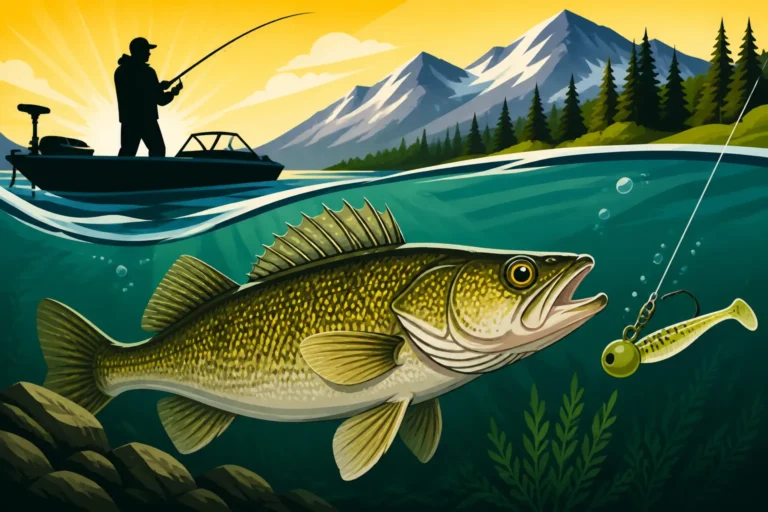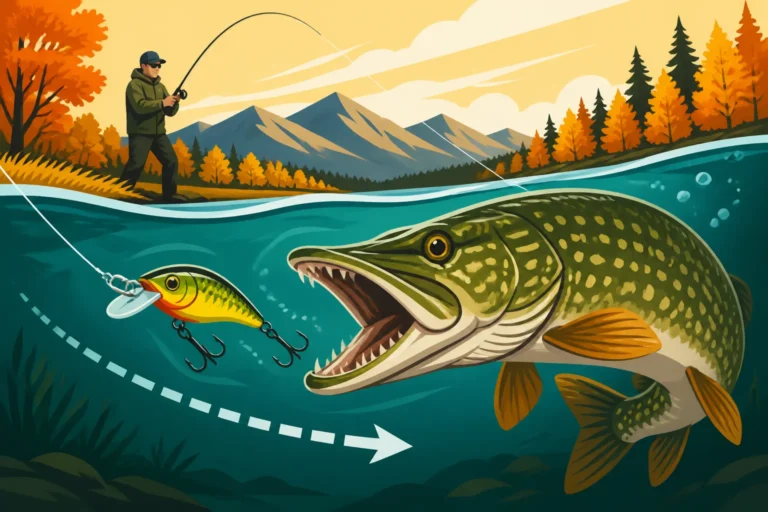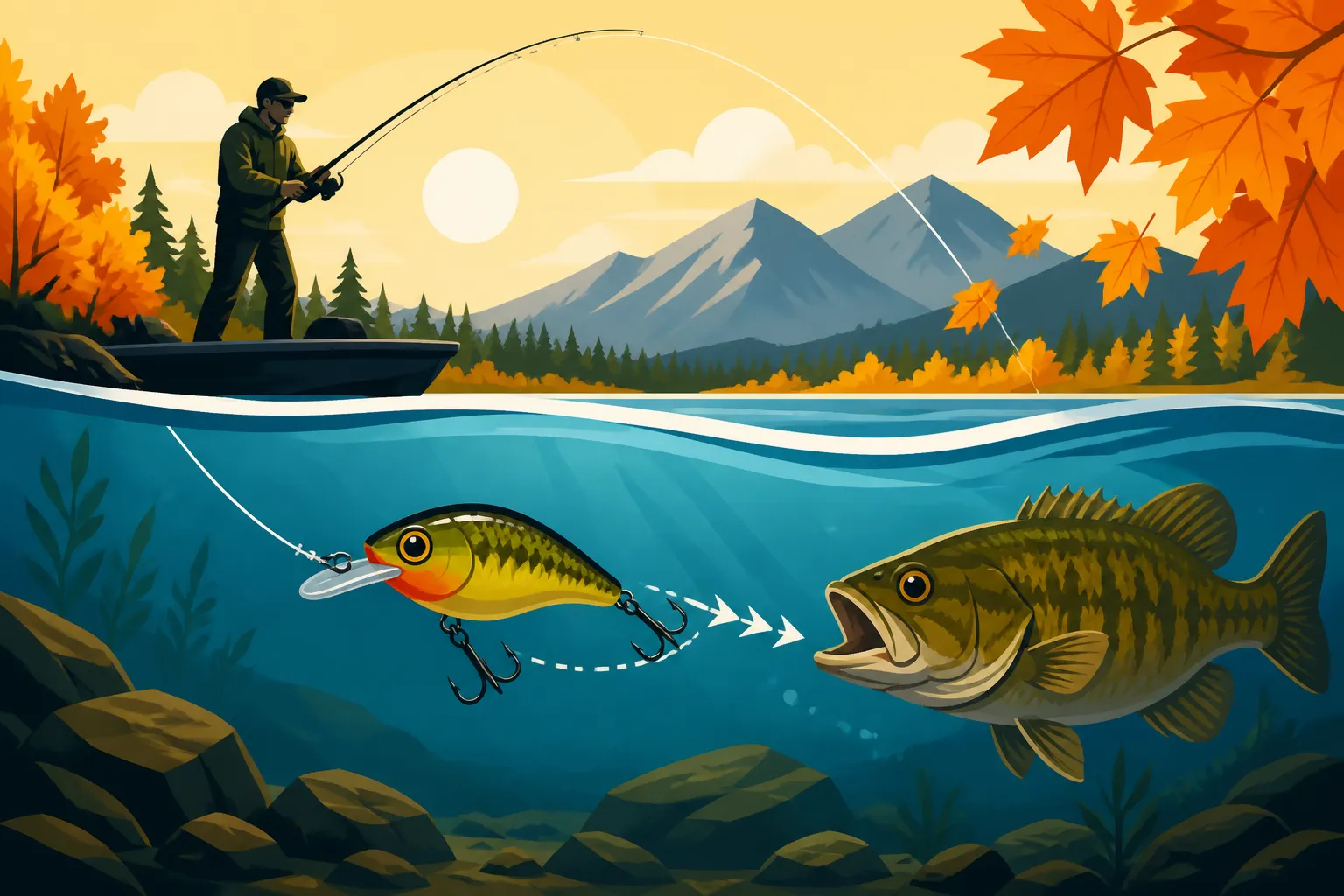
Best technique for fall crankbait fishing
As the leaves start to turn those brilliant golds and fiery reds across Alberta, many anglers feel that familiar tug of sadness, thinking the best fishing is behind them. But let me tell you, that couldn't be further from the truth! Fall, with its cooling waters, actually offers some of the most exciting and productive fishing of the year, especially if you're keen on mastering the art of crankbait fishing. This guide is all about equipping you with the knowledge and tactics to make your fall crankbait efforts truly shine, turning those cooling days into hot fishing memories.
Why Fall is the Ultimate Season for Crankbait Fishing in Alberta
Fall brings about a significant shift in fish behavior across Alberta's lakes and rivers. Those lazy summer patterns where fish might be scattered and lethargic give way to an urgent, aggressive feeding spree. This period, often called the "fall turnover" or simply the "fall bite," is when many species pack on the pounds for the long winter ahead, making them highly receptive to a well-presented crankbait.
The Impact of Cooling Water Temperatures
One of the biggest drivers of this fall feeding frenzy is the cooling water temperature. As air temperatures drop, the surface water cools, eventually becoming denser than the water below. This leads to the water column "turning over," essentially mixing oxygen and nutrients throughout the lake. This mixing can temporarily make fishing a bit tougher, but once the lake settles, it often consolidates baitfish into specific areas.
For anglers, this means a more predictable bite. Fish like walleye, northern pike, and even lake trout will begin to move from their deep summer haunts towards shallower, structure-rich areas or specific deep points where baitfish are congregating. They're not just looking for a meal; they're looking for big meals, and a crankbait perfectly imitates the larger forage they're chasing. Understanding these thermal changes is key to unlocking the fall bite.
Fish Aggression and the Pre-Winter Feast
Beyond just locating bait, the fish themselves become incredibly aggressive. It's a biological imperative to gorge before the lean times of winter. This heightened aggression means they're often willing to chase down a fast-moving or erratic crankbait, even if they might have ignored it in the summer. Think of it like a grocery store closing soon – everyone's rushing to grab what they need!
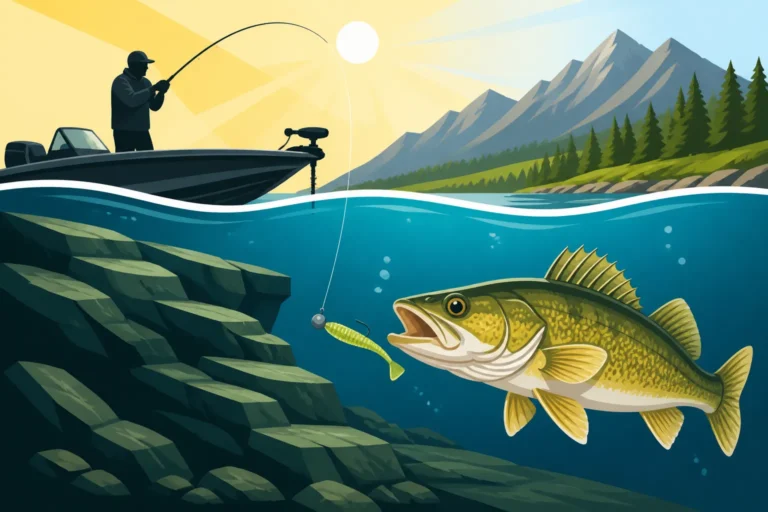
This pre-winter feast applies to almost all sportfish in Alberta. Walleye will aggressively hit a crankbait working along a weed edge or rocky drop-off, while northern pike, already apex predators, become even more ferocious in their pursuit of dying baitfish schools. Even some of the larger trout species in lakes might be more inclined to chase a bigger profile crankbait in fall than at other times of the year. It's an exciting time to be on the water because you often don't just get bites; you get strikes.
Selecting the Perfect Crankbait for Alberta's Fall Waters
With so many crankbaits on the market, it can feel overwhelming trying to pick the right one. But don't fret! For fall fishing in Alberta, you'll want to consider a few key factors: diving depth, profile, and color. Matching these to the specific conditions and target species can dramatically increase your success.
Diving Depth: Matching the Zone
The cooling waters of fall mean fish might be anywhere from shallow flats in the morning to deeper breaks during the day. Your crankbait needs to be able to reach them. This is where diving depth comes into play.
- Shallow Divers (0-5 feet): Perfect for those early fall mornings when fish are still moving into shallower bays to feed, or when targeting northern pike lurking in dying weed beds. These typically have smaller lips and a tighter wobble.
- Medium Divers (5-15 feet): Your bread and butter for many fall scenarios. These are versatile for fishing along breaklines, over submerged structure, or when walleye are holding in that intermediate depth. Look for a longer, more angled lip.
- Deep Divers (15+ feet): Essential for reaching those fish that have transitioned deeper as the water continues to cool or when targeting species like lake trout that prefer colder, deeper water. These often have very large, nearly vertical lips designed to get down quickly and stay there. For trophy lake trout, sometimes even deeper cranks designed for saltwater species can be effective in larger, deeper lakes like Cold Lake, where you might be employing Trolling Techniques for Alberta Lake Trout.
Always check the packaging for the specified diving depth, but remember that line diameter, retrieve speed, and casting distance can all influence how deep your crankbait actually runs.
Profile and Action: Imitating Fall Forage
In the fall, baitfish are often larger as they've had a whole summer to grow. This means you can often size up your crankbaits compared to summer presentations.
- Minnow/Shad Profiles: These are generally slender and mimic the most common baitfish species like shiners, ciscoes, and perch that many Alberta game fish feast on. Many come in a "suspending" version, which means they'll stay at a specific depth when you pause your retrieve, often triggering hesitant bites.
- Fatter/Rounder Profiles: These usually create a wider, more aggressive wobble and push more water. They can be excellent for calling in aggressive northern pike or triggering a reaction strike from a walleye.
- Rattles vs. Silent: Some crankbaits have internal rattles, creating noise and vibration that can attract fish in stained or murky water, or simply trigger an aggressive response. Others are silent, which can be beneficial in clear water or for finicky fish that might be spooked by too much noise. Having a mix of both in your tackle box is a smart move. When looking for new lures, a quick search on Amazon can reveal a vast selection of options for Best Crankbaits for Alberta Walleye or Best Lures for Northern Pike in Alberta.
Color Choices: From Natural to Reactionary
When it comes to crankbait colors in the fall, think about matching the hatch, but don't be afraid to throw in some "reaction" colors.
- Natural Baitfish Patterns: Colors like silver, chrome, perch, shad, and subtle browns or greens are almost always a safe bet. These imitate the natural forage the fish are accustomed to seeing. If the water is clear, these natural patterns often outperform brighter options.
- Reaction Colors: Sometimes, especially on cloudy days or in stained water, a flashier color can be the ticket. Firetiger (a mix of bright greens, yellows, and oranges) is a classic for a reason, as are chartreuse, hot pink, and other vibrant hues. These colors don't necessarily mimic a specific baitfish but are designed to trigger an aggressive, instinctual strike from a fish. Don't be shy about experimenting, especially if the bite is slow. What works one day can be completely ignored the next.
Consider the water clarity of your chosen fishing spot. For instance, if you're fishing a river with a bit of a stain after a rain, a brighter color might be more visible. Conversely, on a crystal-clear mountain lake, a subtle, natural pattern will likely be more effective.
Mastering the Retrieve: Bringing Your Crankbait to Life
A crankbait is only as good as the retrieve you give it. It’s not just about reeling it in; it’s about making that lure look like a struggling, fleeing, or injured baitfish. The nuances of your retrieve can be the difference between a productive day and a frustrating one.
The Stop-and-Go Retrieve: A Fall Classic
The stop-and-go retrieve is arguably one of the most effective techniques for fall crankbait fishing, particularly for walleye and pike. Here’s how it works:
- Cast it Out: Make a long cast to your target area, whether it's a rocky point, a weed line, or a submerged hump.
- Crank it Down: Reel steadily to get the crankbait down to its desired depth. You should feel the lip occasionally "ticking" the bottom or submerged structure if you're fishing that deep.
- Pause and Suspend: Once it's at depth, pause your retrieve for anywhere from 1 to 5 seconds. If you're using a suspending crankbait, it will hang tantalizingly in the water column. If it's a floating crankbait, it will slowly rise. This pause often imitates an injured or disoriented baitfish, and it's frequently when a strike occurs.
- Rip and Reel: After the pause, give your rod tip a sharp twitch or rip, then resume your steady retrieve. This sudden burst of speed can trigger a chase instinct. Repeat this pattern all the way back to the boat or shore.
This method gives fish time to react and investigate, then provides a sudden, irresistible movement that encourages them to strike. It's a fantastic technique for targeting walleye in some of Alberta's best lakes for walleye during the fall.
Varying Retrieve Speed and Cadence
While the stop-and-go is excellent, don't be afraid to experiment with pure retrieve speed and cadence. Sometimes, a slow, steady retrieve where the crankbait just barely wobbles is all it takes. Other times, a fast, aggressive burn that makes the bait dart erratically will elicit a violent strike.
- Slow Roll: A consistent, slow retrieve where the lure maintains its depth and action. This is often good when fish are sluggish or in very clear water.
- Burn and Kill: A fast retrieve to cover water, followed by a complete stop, letting a floating crankbait rise or a suspending one hang. This is particularly effective for aggressive northern pike.
- Yo-Yo Retrieve: This is where you quickly reel for a few cranks, then drop your rod tip, letting the lure fall or glide, then reel up again. It creates an up-and-down motion that can be deadly over deeper humps or drop-offs, especially for lake trout. For deeper fish, this technique with a larger crankbait can be incredibly effective when you consider How deep to troll for lake trout on Cold Lake.
Pay attention to how the fish are reacting. If they're hitting on the pause, lean into the stop-and-go. If they're chasing it down with speed, try a faster, more continuous retrieve. The fall bite can be dynamic, so adapt your presentation!
Rod Position and Feel: The Angler's Connection
Your rod position and how you interpret what your crankbait is doing are crucial.
- Rod Tip Down: Generally, keeping your rod tip pointed down towards the water (or even into it if you're trying to gain a little extra depth) helps to maintain better contact with the lure and enhances the crankbait's diving ability. It also gives you a more direct line to feel subtle bites.
- Feeling the Bottom: When fishing crankbaits, you want to be "ticking" the bottom or deflecting off submerged cover. That feeling of the crankbait bouncing off rocks or grinding through weeds is often what triggers a reaction strike. The deflection off an obstacle makes the crankbait mimic a confused or escaping baitfish.
- Line Choice: Using a low-stretch line like fluorocarbon can greatly enhance your feel for the crankbait's action and any subtle bites. However, some anglers prefer monofilament for its stretch, which can act as a shock absorber when a fish strikes aggressively. Braided line offers excellent sensitivity and casting distance but has no stretch, so a proper rod action is critical to prevent hooks from pulling out. For instance, when pursuing How to Catch Walleye in Alberta, a sensitive rod combined with appropriate line helps detect those often subtle walleye bites.
Prime Locations for Fall Crankbait Success
Finding the fish in fall can be half the battle, but once you know where to look, a crankbait can be your best friend for covering water and triggering strikes. Fall migration patterns mean fish are often concentrated in specific areas as they prepare for winter.
Transition Zones and Breaklines
These are absolute gold mines in the fall. Fish, especially walleye and lake trout, will often relate to areas where shallow water quickly transitions to deep water. This could be:
- Sharp Drop-Offs: Look for points that extend out into a lake and then quickly drop off into deeper water. Fish will stage along these breaks, moving up to feed on the flats during low light and retreating to the depths during brighter conditions.
- Submerged Humps and Islands: These underwater structures offer both shallow feeding areas and deep-water refuge. Walleye and pike will often hold on the sides or tops of these humps, ambushing passing baitfish. Casting a medium-diving crankbait over the top and letting it "walk" down the sides can be incredibly effective.
- River Channels in Lakes: In large lakes with distinct river channels, these can act as highways for fish migrating or moving between feeding and holding areas. Trolling or casting crankbaits along the edges of these channels can intersect many fish. Many of Alberta's Best Fishing Rivers in Alberta empty into larger lakes, creating such zones.
These transition zones are prime because they offer access to both shallow, warmer water and deeper, cooler water, providing options for fish regardless of the specific fall conditions.
Dying Weed Beds and Rocky Structure
As autumn progresses, many shallower weed beds begin to die off and recede. This forces baitfish and the predators that eat them to concentrate in the remaining healthy weeds or move to new types of cover.
- The Last of the Green Weeds: Find the patches of green, healthy weeds that still hold oxygen and shelter baitfish. Northern pike, in particular, will often stack up in these areas, ready to ambush. Casting a shallow-diving, weedless crankbait or a lipless crankbait that can be ripped free of snags is key here.
- Rocky Shoals and Reefs: Rocks retain heat better than mud, and they offer excellent ambush points and shelter for baitfish. Walleye love rocky structure. Look for rocky points, rip-rap along shorelines, or extensive rock reefs. Cranking over and around these rocks, letting your lure deflect off them, is a prime fall tactic for How to Catch Walleye in Alberta. The vibrations created by the crankbait deflecting off the rocks can act as a powerful strike trigger.
When fishing these areas, especially with a boat, take advantage of modern fish finders. They can help you pinpoint those specific rock piles or the last remaining weed lines where fish are holding. Many good quality fish finders are readily available on Amazon.
Back Bays and Shallow Flats (Early Fall)
In early fall, before the water gets truly cold, don't overlook shallower areas. Back bays that are protected from the main lake wind can often hold warmer water for longer, attracting baitfish and hungry predators.
- Protected Bays: These can be great for northern pike and even some walleye, especially during periods of high pressure or when the main lake is rough. Look for any remaining submerged vegetation, docks, or fallen trees that provide cover. A medium-diving crankbait can work wonders here, or even a shallow diver if the depths are minimal.
- Wind-Blown Shorelines: While a quiet bay can be good, don't ignore wind-blown shorelines on the main lake. The wind pushes baitfish against these shores, creating a feeding opportunity for game fish. Use a crankbait that can handle the chop and cast parallel to the shoreline to cover water effectively. A steady retrieve, or a subtle stop-and-go, can often tempt fish that are actively hunting. For instance, when thinking about Best Time of Day to Catch Walleye on Pigeon Lake, often those wind-blown shores during prime feeding windows are very productive.
By understanding these key locations and matching them with the right crankbait and retrieve, you'll be well on your way to enjoying some of Alberta's most memorable fall fishing experiences. Remember that Alberta Fishing Seasons by Zone and Month will dictate when certain species are open, so always consult the regulations before heading out.
Troubleshooting Your Fall Crankbait Strategy
Even with the best techniques, fishing can be challenging. Sometimes the fish just aren't biting, or you're not getting the results you expect. Don't throw in the towel! There are always ways to adjust and refine your approach to entice those fall fish.
Adjusting to Changing Conditions
Fall weather in Alberta can be notoriously unpredictable, swinging from warm, sunny days to cold, blustery ones in a heartbeat. These changes directly impact fish behavior.
- Post-Front Conditions: A cold front can shut down the bite fast. Fish often become lethargic and less willing to chase. In these situations, slow down your retrieve significantly. Focus on the pause in a stop-and-go retrieve, making it longer. Downsize your crankbait slightly and opt for more natural, subtle colors. Fish might be holding tight to structure, so make sure your crankbait is ticking bottom or deflecting off cover to get a reaction strike.
- Cloudy and Overcast Days: These are often fantastic for fall fishing! The low light encourages fish to move shallower and feed more actively throughout the day. You can often get away with faster retrieves and bolder, more aggressive crankbait colors. Don't be afraid to experiment with brighter patterns like firetiger or chartreuse on these days, especially in stained water, as they can be highly visible.
- Water Clarity Changes: Heavy rains or increased wind can stir up sediments, leading to muddier or stained water. In these conditions, fish rely more on their lateral line (to feel vibrations) and scent. Crankbaits with loud rattles become more effective, and brighter, contrasting colors will stand out better. Conversely, in very clear water, scale back the rattles, use more natural colors, and focus on suspending baits with longer pauses to allow fish to inspect the lure without being spooked. Sometimes, what you learn about Best Lure Color for Muddy Water Walleye Fishing in summer holds true for fall as well.
Fine-Tuning Your Gear for Optimal Performance
Your equipment plays a big role in how well you can present a crankbait and detect strikes. A few tweaks can make a significant difference.
- Rod and Reel Match: For crankbait fishing, especially with larger lures, a medium-heavy power rod with a moderate or moderate-fast action is often ideal. The more forgiving action allows the fish to engulf the bait fully before the hook set, and it helps prevent hooks from tearing out during the fight. For walleye, a sensitive spinning rod, perhaps a Best Spinning Rods for Walleye, is great, while for pike, a robust baitcasting setup like a Best Baitcasting Reels for Pike Fishing is often preferred.
- Line Choices: While braid offers sensitivity and strength, many crankbait anglers prefer fluorocarbon or monofilament for its stretch, which helps during those aggressive strikes. Fluorocarbon is nearly invisible underwater and sinks, which can help deep-diving crankbaits get to their maximum depth. Monofilament floats, which can be useful for shallow divers or for "backing down" a crankbait to a specific depth. Consider a leader when using braid to prevent bite-offs from toothy critters like northern pike.
- Hook Sharpening: This might seem basic, but sharp hooks are paramount for crankbait fishing. Fish often just "swipe" at a crankbait, and super-sharp hooks ensure a solid hookup. Carry a small hook file and touch up your trebles regularly. Dull hooks lose fish. A good set of fishing pliers, readily available on Amazon, can make this task easier and safer.
Understanding Species-Specific Nuances
While many fall crankbait techniques apply broadly, understanding the specific habits of your target species can give you an edge.
- Walleye: These fish are notorious for their light bite. Pay close attention to subtle "thumps" or feeling your lure suddenly stop. The pause is often key for walleye. They love feeding on perch, shiners, and ciscoes, so match your crankbait profile and color to these forage species. In Best Lakes for Walleye in Alberta, like Lesser Slave Lake, knowing What Walleye Eat in Alberta Lakes can make a huge difference.
- Northern Pike: Pike are ambush predators, often found relating to cover. They're typically more aggressive. Don't be afraid to use larger crankbaits and faster, more erratic retrieves to trigger their predatory instincts. They'll often hit crankbaits that mimic larger forage like whitefish, suckers, or even smaller walleye. For How to Catch Northern Pike in Alberta, larger, more aggressive lures are often the ticket.
- Lake Trout: In fall, as surface waters cool, lake trout can become more accessible to crankbait anglers, moving shallower in the water column to feed. Trolling deep-diving crankbaits around main lake points, deep humps, and thermocline edges can be very effective. Look for areas where How deep lake trout go in summer starts to change as they move up. Trolling speed is often critical for lake trout; experiment until you find what triggers bites.
By consistently evaluating conditions, fine-tuning your gear, and understanding your target species, you'll greatly increase your chances of fall crankbait fishing success in Alberta.
Table: Fall Crankbait Selection Guide for Alberta
To help you quickly decide which crankbait to reach for, here's a handy guide tailored for Alberta's fall fishing conditions.
| Crankbait Type | Ideal Diving Depth (Approx.) | Target Species | Key Fall Conditions | Retrieve Tip |
|---|---|---|---|---|
| Shallow Runner | 0-5 feet | Northern Pike, Walleye | Early fall, dying weed beds, shallow flats, low light | Slow roll, burn and kill near cover |
| Medium Diver | 5-15 feet | Walleye, Northern Pike | Breaklines, submerged humps, structure, variable light | Stop-and-go, steady retrieve with occasional pauses |
| Deep Diver | 15+ feet | Walleye, Lake Trout, Pike | Deep drop-offs, main lake points, after cold front | Trolling, slow yo-yo over deep structure |
| Lipless Crankbait | Variable (depth controlled by retrieve & weight) | Walleye, Northern Pike, Perch | Over submerged weeds, open water schooling baitfish | Rip-jigging, fast retrieve with stops |
| Suspending Minnow | 3-15 feet (depends on model) | Walleye, Trout, Pike | Clear water, finicky fish, post-front conditions, rock reefs | Long pauses after a few cranks |
This table should give you a good starting point for building your fall crankbait arsenal and understanding where and how to best deploy each type. Remember, experimentation is always part of the fun!
Disclaimer
This article is for general informational purposes only and does not constitute professional advice. Laws, prices and regulations vary by location and change over time. Consult a qualified professional for guidance on your specific situation.