Gull Lake best fishing spots
Heading out to a new lake, or even a familiar one that seems to have gone quiet, can be a real head-scratcher. You've got your gear, your license (you've definitely checked your Alberta Fishing License Guide for 2026 right?), and that eager anticipation, but then you get there and wonder, "Where do I even start?" Gull Lake, one of Alberta's larger and more popular central lakes, is no exception. It can be incredibly productive, but also a bit overwhelming if you don't know its secrets. This guide is here to unravel those mysteries, helping you pinpoint the best fishing spots on Gull Lake, understand the local nuances, and ultimately put more fish in your net.
Understanding Gull Lake's Unique Fisheries
Gull Lake isn't just another body of water; it's a vibrant ecosystem with distinct characteristics that influence where and how fish thrive. Knowing these details is your first step to unlocking its potential, whether you're chasing a trophy walleye or just looking for a fun day out.
What Makes Gull Lake a Hotspot?
Nestled in central Alberta, Gull Lake is a relatively large, shallow, and fertile lake, which makes it a prime habitat for a variety of fish species. Its rich, productive waters support abundant baitfish, like minnows and perch, which in turn fuel healthy populations of predators. What truly makes Gull Lake a hotspot, though, is its consistent reputation for producing good numbers of walleye and northern pike, two of Alberta's most sought-after game fish. Beyond these mainstays, you'll also find yellow perch and burbot, offering diverse angling opportunities.
The lake itself is quite spread out, covering about 80 square kilometers, but with an average depth of only around 8 meters and a maximum of about 25 meters, it warms up relatively quickly in the spring and holds that warmth well into the fall. This contributes to excellent growth rates for the fish. The bottom composition varies from soft, silty areas to harder sand and gravel flats, creating diverse foraging and spawning grounds. Throughout the lake, you'll encounter extensive weed beds, particularly in the shallower bays and along the shorelines, which are absolute magnets for pike and offer crucial cover for baitfish.
Seasonal Fishing Patterns
Gull Lake truly offers year-round angling, with distinct patterns emerging as the seasons change. Understanding these shifts is crucial for success, as a spot that's red hot in summer might be barren in winter.
In spring, right after ice-out, the shallower bays and points that warm up fastest become prime locations. Walleye and pike will move into these areas for their post-spawn recovery and to feed aggressively on emerging baitfish. This is an exciting time, with fish often shallower and more accessible. As spring progresses into early summer, fish gradually disperse, but continue to relate to weed lines and transition areas where shallow water drops into deeper flats.
Summer fishing on Gull Lake often means targeting fish in and around the extensive weed beds. Pike are almost always found here, ambushing prey. Walleye might move slightly deeper during the day, especially in the heat, congregating on the edges of weed beds, rock piles, or subtle depth changes. Early mornings and late evenings often see them pushing shallower to feed. If you're planning a trip, booking a guide through platforms like FishingBooker can provide invaluable real-time insights into summer patterns and active feeding zones.
Fall is a fantastic time for trophy hunters. As the water cools, baitfish school up, and walleye and pike go on a feeding frenzy to pack on weight for winter. Fish often move out of the densest weeds, relating more to deeper drop-offs, points, and humps. They'll still be shallow at times, but can be found in a wider range of depths. This is when larger, more aggressive presentations can pay off.
And then there's winter, which transforms Gull Lake into an ice fishing paradise. The relatively shallow nature of the lake means it freezes solid and offers accessible ice conditions, often making it one of the Best Ice Fishing Lakes in Alberta. Both walleye and pike are actively pursued through the ice. We'll dive into specific ice fishing spots shortly, but generally, shallower bays and extensive flats with remnant weed growth become key areas.
Top Fishing Spots for Walleye and Pike
Gull Lake's main draw for many anglers is its robust populations of walleye and northern pike. While these species often inhabit similar areas, understanding their specific preferences will help you dial in your approach.
Targeting Walleye: Key Structures and Depths
Walleye in Gull Lake are often found relating to structure, whether it's subtle depth changes, harder bottom areas, or the edges of vegetation. They are schooling fish, so when you find one, there are often more nearby.
- Pigeon Creek Mouth and Adjacent Flats: The area around the mouth of Pigeon Creek, particularly the flats and slight depressions just offshore, is a perennial walleye hotspot. This creek brings in nutrients and draws baitfish, making it an attractive feeding ground. In spring, walleye will stage here before and after spawning, and throughout summer and fall, they can be found patrolling these flats, especially during low light conditions. The depths here typically range from 6 to 12 feet, with occasional deeper pockets.
- The Humps and Reefs North of Wilson's Beach: As you move offshore from Wilson's Beach, there are several subtle humps and reefs that rise from the lakebed. These underwater structures act as congregation points for walleye, providing ambush points and feeding lanes. Modern fish finders are invaluable here, as these structures can be hard to spot without electronics. Anglers often drift or slow-troll over these humps, presenting jigs, bottom bouncers with worms or leeches, or crankbaits. The fish will move up and down these structures depending on light and weather, so be prepared to adjust your depth.
- The East Side Drop-offs (Bentley Area): The eastern shoreline, particularly around the Bentley area, offers more defined drop-offs compared to the generally shallower western side. Walleye will use these deeper edges, especially during the brighter parts of the day in summer or as they transition into deeper water for winter. Look for areas where the depth quickly drops from 10-15 feet down to 20 feet or more. Vertically jigging spoons or swimbaits can be very effective in these deeper zones. When considering a trip, checking with a local guide via FishingBooker might give you the most current hot spots and effective techniques for How to Catch Walleye in Alberta on Gull Lake.
- Ice Fishing Walleye on the Central Flats: In winter, the large central flats of Gull Lake, often in the 10-15 foot range, become prime ice fishing real estate for walleye. Look for subtle depressions, old weed lines, or areas with slightly harder bottom. Many anglers use tip-ups with minnows, or jigging spoons and small soft plastics. Being mobile and drilling several holes to locate active fish is key. Remember to always be aware of the Alberta Walleye Limit by Zone before you hit the ice!
Locating Northern Pike: Weeds and Shallow Bays
Northern pike are ambush predators, and on Gull Lake, that means they're almost always found in or near the extensive weed beds and shallow bays that offer excellent cover. They are less particular about depth than walleye, often holding in just a few feet of water.
- The Northern and Southern Bays (Aspen Beach, Sandy Point, Parkland Beach): The large, shallow bays on the northern end (like those around Aspen Beach Provincial Park) and the southern end (Sandy Point and Parkland Beach) are quintessential pike territory. These areas feature vast expanses of submerged vegetation, providing perfect ambush cover. Casting spinnerbaits, spoons, or weedless soft plastics into and along the edges of these weed beds is incredibly effective. Trolling shallow-running crankbaits just outside the weed lines can also produce results, especially for larger fish.
- Along the Western Shoreline Weed Beds: The entire western shoreline of Gull Lake is characterized by extensive, often dense, weed beds stretching far out from shore. This is prime real estate for pike throughout the open water season. Look for pockets, points, or irregularities within these weed lines where a pike might be lurking. Remember, pike love structure, and a weed bed is structure to them. Think about casting topwater lures over the weeds in early morning or late evening for some explosive action! You'll want to be familiar with the Alberta Northern Pike Limit before you start your day.
- Ice Fishing Pike in Shallow Weedy Areas: Just like in open water, pike are highly accessible through the ice in the shallower, weedy bays. Targeting depths of 5-10 feet with tip-ups set with large minnows (like smelts or large shiners) or even dead bait under a bobber is a classic and effective method. Around Aspen Beach or near Sandy Point, you'll see plenty of ice shacks congregated in these areas. Be sure to use a strong leader, as pike have razor-sharp teeth! If you're new to ice fishing, this is a great spot to try your hand at How to Catch Northern Pike in Alberta through the ice.
Strategies for Other Species and Shore Anglers
While walleye and pike grab most of the headlines, Gull Lake still offers opportunities for other species, and it's also a very accessible lake for those who prefer to keep their feet on solid ground.
Perch and Burbot Opportunities
Don't overlook the "other" fish in Gull Lake, especially if you're looking for consistent action or trying to put some tasty fillets on the table.
- Yellow Perch: Perch are abundant in Gull Lake and provide fantastic action, particularly for kids or when the main game fish are being finicky. They are typically found in schools, often associating with weed beds, especially edges, and soft bottom areas where they can root around for invertebrates. During the open water season, small jigs tipped with a piece of worm, minnow imitations, or tiny spinners are effective. In winter, perch are a prime ice fishing target. Look for them in areas similar to walleye, but often shallower, in 6-12 feet of water. Small jigging spoons or tungsten jigs tipped with a maggot or a piece of perch eye are deadly. The large central flats and bays near Parkland Beach are good starting points for perch.
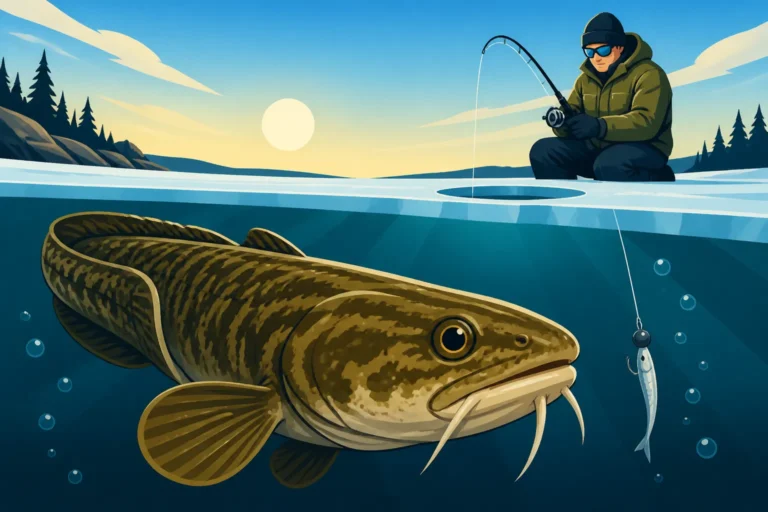
- Burbot (Ling): Alberta's only freshwater cod, burbot, are often overlooked but offer a unique angling experience, especially in winter. These bottom-dwelling fish are most active at night and prefer deeper, cooler water in the summer. However, through the ice, they become much more accessible. Look for them in slightly deeper pockets within the main lake basin, or where soft bottom meets harder structure. They're scavengers, so baits like cut bait (fish pieces), dead minnows, or even shrimp presented on the bottom are highly effective. You can often target them in the same areas as deep-water walleye on the east side of the lake or on deeper central flats. When it comes to Ice Fishing in Alberta, targeting burbot can be a really fun way to extend your fishing day into the evening.
Best Shore and Public Access Points
Not everyone has a boat, and that's perfectly fine! Gull Lake offers several excellent shore fishing opportunities, particularly from its provincial parks and public access points.
- Aspen Beach Provincial Park: Located on the north end of the lake, Aspen Beach offers extensive shoreline access, picnic areas, and even a boat launch. The shallow, weedy bays here are fantastic for targeting northern pike from shore, especially in spring and fall. You might also pick up some perch. Just be mindful of swimmers and other beach-goers during peak summer months.
- Parkland Beach: Situated on the south end, Parkland Beach also provides good public access and a boat launch. The long, sandy stretches and adjacent weed beds make it another strong contender for shore anglers seeking pike or perch. In the spring, you might even have a shot at a walleye moving into shallower water.
- Wilson's Beach and Adjacent Public Lands: While some areas around Wilson's Beach are private, there are public access points and boat launches. Fishing from docks or nearby public shoreline can yield good results for pike and perch. Just ensure you respect private property boundaries.
- Mouth of Gull Lake (Outlet into Blindman River): While technically no longer in Gull Lake, the immediate area where Gull Lake flows into the Blindman River can be an interesting spot, particularly for opportunistic species. However, always double-check specific regulations for river sections, as they can differ from lake rules. For more general information about Alberta Fishing Regulations Explained, it's always a good idea to consult the provincial guide.
Essential Tips for a Successful Gull Lake Trip
To really make the most of your time on Gull Lake, a few extra tips regarding gear, techniques, and respecting the rules will go a long way.
Gear and Techniques to Consider
Having the right tools for the job can make all the difference between a frustrating day and a fantastic one.
- For Walleye: Medium-light to medium power spinning rods (6'6" to 7'6") paired with 10-15 lb braided line and a fluorocarbon leader are a versatile setup. Jigs (1/4 to 3/8 oz) tipped with soft plastics (grubs, paddle tails) or live bait (minnows, leeches, worms) are staples. Bottom bouncers with spinner rigs or a plain hook and worm are also highly effective, especially when drifting. For trolling, use crankbaits like Rapala Shad Raps or Berkley Flicker Shads in natural baitfish colours. If you're looking for guidance, a local expert listed on FishingBooker could provide tailored advice for Best Tackle for Alberta Walleye.
- For Northern Pike: Medium-heavy to heavy power baitcasting or spinning rods (6'6" to 8'0") with 20-50 lb braided line and a steel or heavy fluorocarbon leader are essential to prevent bite-offs. Spinnerbaits (1/2 to 1 oz), spoons (Daredevils, Five of Diamonds), large crankbaits, and swimbaits are all excellent choices. For topwater action, try buzzbaits or walk-the-dog style lures. If you're boating, having a good pair of long-nosed pliers and a jaw spreader is critical for safe unhooking.
- Boats and Kayaks: Given Gull Lake's size, a motorboat can greatly increase your fishing range. Smaller Jon boats or aluminum boats are common. However, for targeting the weed beds and shallower bays, a fishing kayak or even a canoe can be incredibly effective, allowing you to access areas larger boats can't. If you're exploring options, our guide on Best Kayaks for Alberta Fishing might offer some good ideas. Always remember to follow all Alberta Boating Laws for Anglers for safety.
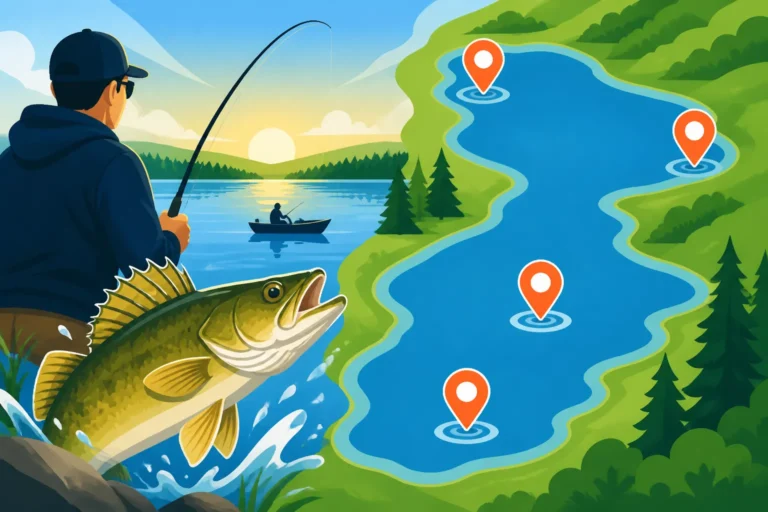
- Electronics: A good fish finder is invaluable for locating depth changes, humps, and schools of fish, particularly for walleye. Even a basic portable unit can give you a significant advantage. GPS mapping on your unit or phone can help you mark productive spots and navigate the lake.
Navigating Regulations and Conservation
Fishing responsibly on Gull Lake means understanding and adhering to provincial regulations. These rules are in place to protect the fishery and ensure its health for future generations.
- Know Your Limits: Always check the current Alberta Guide to Sportfishing Regulations for the most up-to-date information on catch limits, size restrictions, and bait restrictions for Gull Lake. The regulations for Alberta Walleye Limit by Zone and Alberta Northern Pike Limit can change, so a quick check before each season is a must. Remember, Gull Lake falls within the Central Zone (ES1).
- WIN Card and License: Before you even cast a line, ensure you have a valid Alberta fishing license and a Wildlife Identification Number (WIN) card. These are mandatory for most anglers over 16 and under 65. Our guide on Where and How to Buy an Alberta Fishing License has all the details.
- Catch and Release: While Gull Lake offers harvest opportunities, practicing responsible catch and release, especially for larger fish, helps maintain healthy populations. Handle fish gently, minimize their time out of water, and use appropriate landing nets (rubberized mesh is best). Barbless hooks are always a good idea and often mandated in certain areas; always check the specific regulations.
- Respect the Environment: Pack out everything you pack in. Dispose of fishing line, lures, and other garbage properly. Be mindful of wildlife and other lake users. Avoid disturbing nesting birds or sensitive shoreline habitats.
Conclusion
Gull Lake truly is a jewel in Alberta's central fishing landscape, offering fantastic opportunities for walleye, pike, perch, and burbot throughout the year. Whether you're casting from a boat, jigging through the ice, or enjoying a peaceful session from shore, understanding its diverse habitats and seasonal patterns is the key to a successful trip. By using the tips and spot recommendations in this guide, arming yourself with the right gear, and always adhering to the regulations, you're well on your way to making lasting memories on this beautiful Alberta lake. Don't be afraid to experiment, explore, and maybe even discover a new favourite spot! Tight lines out there, fellow anglers.
Disclaimer
Fishing conditions and regulations in Alberta can change. Always consult the most current Alberta Guide to Sportfishing Regulations before heading out. The information provided in this article is for general guidance only and should not be considered legal advice. Your safety and adherence to all local laws are your responsibility.