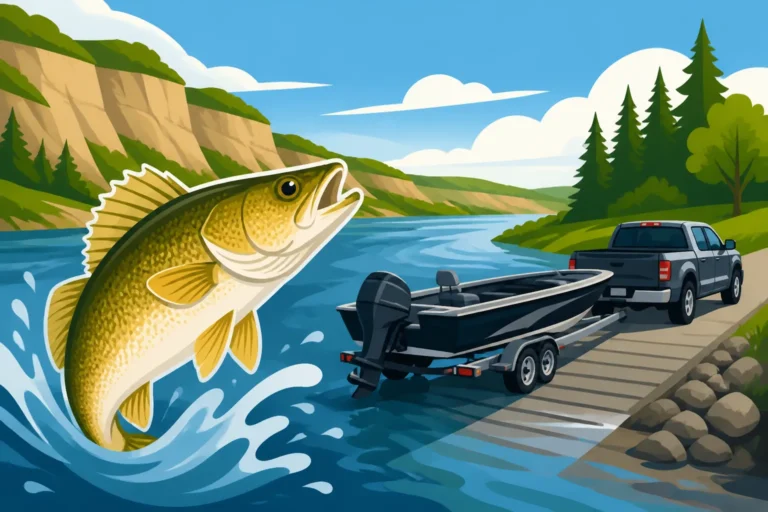
Best trophy walleye waters in Alberta
Chasing that elusive trophy walleye in Alberta can feel like a lifelong quest, often met with countless hours on the water, frustration, and maybe a few "almost had it!" stories. It's tough when you hear whispers of giants, but never quite know where to focus your efforts or what truly sets a lake apart for growing these impressive fish. This guide is here to cut through the chatter, revealing Alberta's prime waters for landing that true wall-hanger walleye, and equipping you with the knowledge to make those dreams a reality.
Defining a Trophy Walleye in Alberta's Waters
When we talk about a "trophy walleye" here in Alberta, we're not just talking about any fish that puts a bend in your rod. We're talking about those giants that make your heart pound and your knees weak – the kind that takes a special kind of dedication to find. These aren't your average eaters; they're the big, old, wise ones that have survived countless anglers and harsh winters.
What Qualifies as a True Monster Walleye
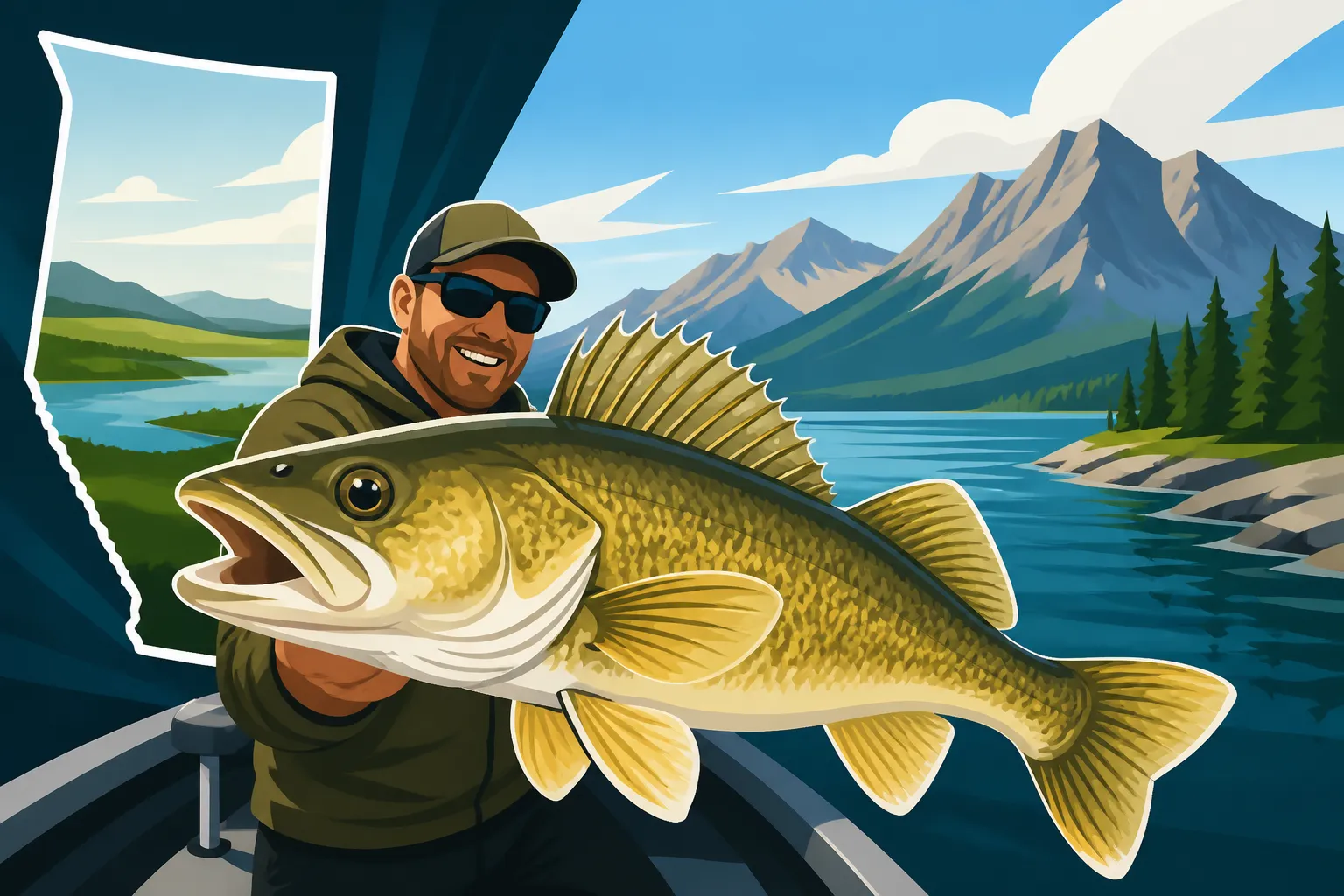
Generally speaking, an Alberta walleye pushing over 10 pounds or exceeding 28-30 inches in length is firmly in "trophy" territory. While the provincial record sits considerably higher, consistently landing fish in this size class is what serious anglers dream about. These fish represent years, sometimes a decade or more, of growth, relying on abundant forage and suitable habitat to reach their impressive size. They’ve seen it all, and they’ve learned to be incredibly cautious. It's a testament to the health of our fisheries when lakes can produce such magnificent specimens, offering a thrilling challenge to even the most seasoned angler.
The Ideal Conditions for Growing Big Walleye
What makes certain Alberta lakes better for growing these massive walleye? It boils down to a few critical factors:
- Abundant Forage: Trophy walleye need a reliable and plentiful food source to grow large. Lakes with healthy populations of cisco (tullibee), perch, and other baitfish provide the protein-rich diet necessary for sustained growth.
- Deep, Diverse Structure: Big walleye, especially in summer and winter, relate heavily to structure. This includes deep ledges, humps, points, rock piles, and submerged timber. These areas offer ambush points, shelter from predators, and cooler water temperatures.
- Good Water Quality and Oxygen Levels: Consistent oxygen levels, especially in deeper water during summer and under ice in winter, are crucial. Lakes with healthy ecosystems and good water exchange support thriving walleye populations.
- Sustainable Management: Perhaps most importantly, lakes managed with conservation in mind, often through catch-and-release programs, slot limits, or special harvest licenses, allow fish to reach older ages and larger sizes. The Alberta Walleye Special Harvest Licence Program is a prime example of such efforts, recognizing the importance of protecting these valuable fish.
When these elements align, a lake has the potential to consistently produce those memorable, once-in-a-lifetime walleye catches. It’s a delicate balance, and understanding these factors can help you pinpoint the most promising fishing grounds.
Top Trophy Walleye Waters in Alberta
Alberta is blessed with some incredible walleye fisheries, but a few lakes consistently stand out when it comes to the sheer size of the fish they produce. These are the destinations that anglers whisper about, the places where dreams of a true giant often come true. It's not just about numbers; it's about the quality of the fish.
Lesser Slave Lake: A Walleye Paradise
Without a doubt, Lesser Slave Lake is often crowned as Alberta's premier trophy walleye destination. This massive, relatively shallow lake in northern Alberta offers an expansive habitat perfect for growing large walleye. The lake's vastness means there's always new water to explore, but it also means understanding its nuances is key. You can find out more about specific techniques in our guide to Lesser Slave Lake Walleye Fishing.
Its sheer size and productive waters hold an incredible biomass of baitfish, particularly cisco and perch, which are the main diet for growing monster walleye. Anglers frequently report walleye in the 8-12 pound range, with even larger specimens being caught and released. The lake's average depth of 9 meters (around 30 feet) combined with numerous humps, shoals, and soft bottom transitions creates a diverse environment for walleye to thrive. Access is good, with several public boat launches around the lake, making it a popular destination for serious walleye hunters. If you're planning a trip, consider checking out local outfitters or guides through services like FishingBooker, who can provide invaluable insight into current conditions and hot spots.
Cold Lake: Deep Water Giants
While more famous for its spectacular lake trout, Cold Lake, straddling the Alberta-Saskatchewan border, is also a serious contender for trophy walleye, especially in certain areas. This deep, clear lake offers a completely different challenge compared to Lesser Slave Lake.
Walleye in Cold Lake tend to be found deeper, often relating to the thermocline in summer, or staging off steep breaks and points. They can grow to impressive sizes, feasting on the abundant cisco and whitefish populations. Anglers often target Cold Lake's walleye in shallower bays and points during spring and fall, but come summer, the big ones move to deeper structures. Finding these fish often requires good electronics to locate bait balls and significant underwater features. The reward, however, can be a walleye that rivals anything caught in the prairie lakes, with some pushing well into the double-digit weight class.
Lac La Biche: Consistent Large Walleye
Lac La Biche, another large lake in northeastern Alberta, has a long-standing reputation for producing quality walleye. While perhaps not as widely known for absolute monsters as Lesser Slave, it offers a consistent fishery for larger-than-average walleye, with many fish in the 5-8 pound range and regular catches well over that.
This lake combines areas of significant depth with expansive shallow bays, providing a variety of habitats for walleye throughout the year. Its fertile waters support a diverse forage base, contributing to the healthy growth rates of its walleye population. Like Lesser Slave, understanding the fish movements relative to seasonal changes and forage locations is key here. Anglers who spend time learning the lake's numerous points, reefs, and weed lines often find great success. It's an excellent choice for those looking for a strong chance at a quality walleye without the intense pressure sometimes found on other renowned trophy waters.
Here's a quick comparison of some of Alberta's top walleye fisheries:
| Lake Name | Primary Target Species | Max Depth (Approx.) | Average Trophy Size (lbs) | Key Forage Species | Typical Habitat for Walleye | Special Regulations |
|---|---|---|---|---|---|---|
| Lesser Slave Lake | Walleye, Pike | 20m (65 ft) | 8-12+ | Cisco, Perch | Shoals, humps, weed lines | Special Harvest Licence often required |
| Cold Lake | Lake Trout, Walleye, Pike | 100m (328 ft) | 7-10+ | Cisco, Whitefish | Deep breaks, points, offshore | Walleye often catch & release or slot limit |
| Lac La Biche | Walleye, Pike | 30m (98 ft) | 5-8+ | Perch, Suckers | Reefs, bays, weed edges | Often includes slot limits and reduced possession |
| Pigeon Lake | Walleye, Pike, Perch | 9m (30 ft) | 4-7 | Perch, Minnows | Weed beds, mud flats, shallow | Catch & Release, draws |
| Sylvan Lake | Walleye, Pike, Perch | 30m (98 ft) | 4-8 | Cisco, Perch | Drop-offs, rocky points | Catch & Release or limited retention |
This table provides a snapshot, but always remember to consult the current Alberta Fishing Regulations Explained for the most up-to-date rules specific to each water body before heading out. Regulations can change annually to ensure the sustainability of these precious fisheries.
Strategies for Chasing Trophy Walleye
Landing a trophy walleye isn't just about showing up at the right lake; it's about understanding their habits, movements, and preferred presentations. These big fish are old, smart, and often solitary, making them a unique challenge. Successful trophy hunters develop a keen sense of observation and adapt their tactics to the conditions at hand.
Understanding Seasonal Movements and Habitat Preferences
Trophy walleye, like all fish, are slaves to their environment, moving to optimize feeding, spawning, and comfort.
- Spring (Post-Spawn): After the spawn (which usually happens shortly after ice-out, as discussed in Walleye Spawning Season in Alberta), big walleye are often found shallower, recovering and feeding aggressively in bays and along shorelines where baitfish are abundant. This is a great time to target them with shallow-running crankbaits or jigs tipped with minnows.
- Summer: As waters warm, the biggest walleye often retreat to deeper, cooler waters, relating to structure like offshore humps, deep points, and the edges of thermoclines. Finding the "right" depth where the baitfish are concentrated and the oxygen levels are optimal is critical. Trolling deep-diving crankbaits or jigging spoons on structure can be highly effective. Understanding What water temperature walleye prefer can make a huge difference here.
- Fall: As water temperatures drop, walleye move shallower again, gorging themselves in preparation for winter. This is often considered one of the best times to target trophy fish. They'll be aggressively feeding on baitfish in classic walleye haunts like reefs, rock piles, and points. Jigging, casting large swimbaits, or trolling larger crankbaits can be deadly.
- Winter (Ice Fishing): Even through the ice, trophy walleye can be caught. They'll often be found near deep-water structure, sometimes cruising flats adjacent to deeper breaks. Large jigging spoons, lipless crankbaits, or even dead sticks with live bait (where legal) can entice a bite. Patience and good electronics are paramount for ice fishing for giants.
The Right Gear and Techniques for Giants
You don't go after record-class fish with flimsy gear. Trophy walleye require specialized tackle and honed techniques.
- Rods and Reels: A medium-heavy to heavy power spinning or baitcasting rod, 6'6" to 7'6" in length, is ideal. Pair this with a robust reel spooled with 15-20 lb braided line, topped with a 10-15 lb fluorocarbon leader. The braid provides sensitivity and hook-setting power, while the fluorocarbon offers stealth in clear water.
- Baits and Lures: While there's no single magic lure, certain presentations consistently produce big fish. Large crankbaits (like those from Rapala or Berkley), especially those that dive to appropriate depths, are excellent for trolling. For jigging, heavy jigs (1/2 to 1 ounce) tipped with large soft plastics (grubs, paddle tails) or live bait (where legal) are deadly. Don't forget large swimbaits, especially in fall, which perfectly imitate the big baitfish trophy walleye crave. Check out our guide on Best Baits for Walleye on Lesser Slave Lake for more specific recommendations.
- Electronics are Your Friend: Modern fish finders are indispensable. Side imaging, down imaging, and 2D sonar help you locate subtle structure, baitfish schools, and even individual walleye. Being able to mark fish and structure before you even cast a line dramatically increases your odds. Investing in one of the Best Fish Finders for Alberta Lakes is highly recommended for serious anglers.
- Patience and Persistence: Trophy walleye don't often jump into the boat. They might be in a negative feeding mood, or you might need to make hundreds of casts to find that one active fish. Persistence, experimenting with presentations, and being ready for that single, solid strike are the hallmarks of a successful trophy hunter. Remember, the Best time of day to catch walleye can vary, so be prepared for dawn, dusk, or even night fishing where permitted.
Conservation and Responsible Angling
Catching a true trophy walleye is a monumental achievement, and it comes with a responsibility to protect these incredible fish for future generations.
- Practice Catch and Release: Many trophy walleye waters have strict catch-and-release regulations or slot limits designed to protect large breeding fish. Even where retention is allowed, consider releasing the biggest fish. They are vital for the health of the fishery and often don't make the best table fare compared to smaller, younger walleye.
- Proper Fish Handling: Use a large, knotless rubberized landing net to minimize damage to fins and slime coat. Handle the fish minimally, supporting its weight horizontally. If taking a photo, do it quickly and get the fish back in the water as fast as possible.
- Know the Regulations: Always, always check the current Alberta Guide to Sportfishing Regulations for the specific water body you are fishing. Regulations change frequently, and being informed about Alberta walleye daily limit, slot limits, and general Walleye Fishing in Alberta rules is your responsibility as an angler. Fines for non-compliance are steep, and more importantly, it impacts the resource we all love.
By adopting these strategies and embracing a conservation-minded approach, you not only increase your chances of landing a trophy walleye but also contribute to the long-term health of Alberta's world-class fisheries. Good luck out there, and may your next cast be the one for a giant!
Disclaimer
Fishing conditions, regulations, and access can change. Always consult the most current Alberta Guide to Sportfishing Regulations and local authorities before planning any fishing trip. This guide is for informational purposes only.