Wabamun Lake best fishing spots
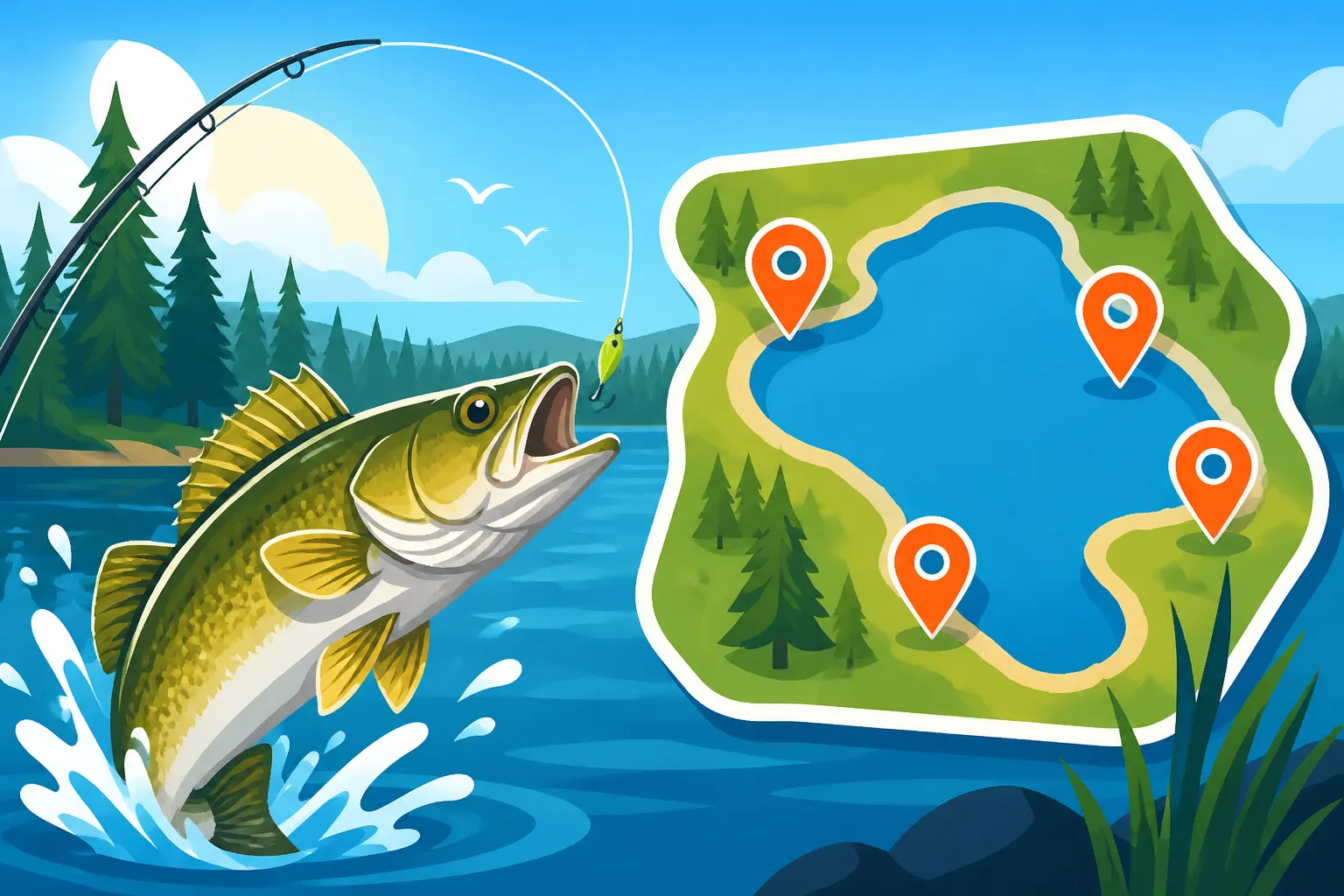
Finding the perfect fishing spot on a large, diverse lake like Wabamun can sometimes feel like trying to find a needle in a haystack. You hear whispers of incredible catches, but when you get out there, it's easy to feel overwhelmed by the sheer amount of water. This guide is here to cut through the guesswork, offering you the insider scoop on Wabamun Lake's best fishing spots, what to target, and how to make your next trip a truly memorable one.
Understanding Wabamun Lake's Unique Appeal for Anglers
Wabamun Lake, a sprawling body of water just west of Edmonton, Alberta, isn't just a picturesque spot for boating and recreation; it's a true angling gem. Its sheer size and varied underwater topography make it a fantastic, if sometimes challenging, destination for fishers of all skill levels. Many anglers consider it one of the Best Fishing Lakes in Alberta.
What Makes Wabamun a Top Destination
Wabamun's appeal lies in its impressive size – it's one of the largest lakes in central Alberta, spanning over 80 square kilometers. This massive aquatic environment supports a robust ecosystem, making it fertile ground for several popular sport fish. Beyond the fish, the lake offers easy access from major urban centers, making it a convenient escape for a day trip or a longer fishing vacation. There are numerous public access points, boat launches, and even camping facilities around the lake, making it a very family-friendly destination. The lake's substantial size also means that even on busy weekends, you can often find quieter coves and less pressured spots if you're willing to explore a bit.
Key Fish Species You'll Find
Wabamun Lake is renowned primarily for three main species: Walleye, Northern Pike, and Yellow Perch. Each offers a distinct challenge and reward for anglers:
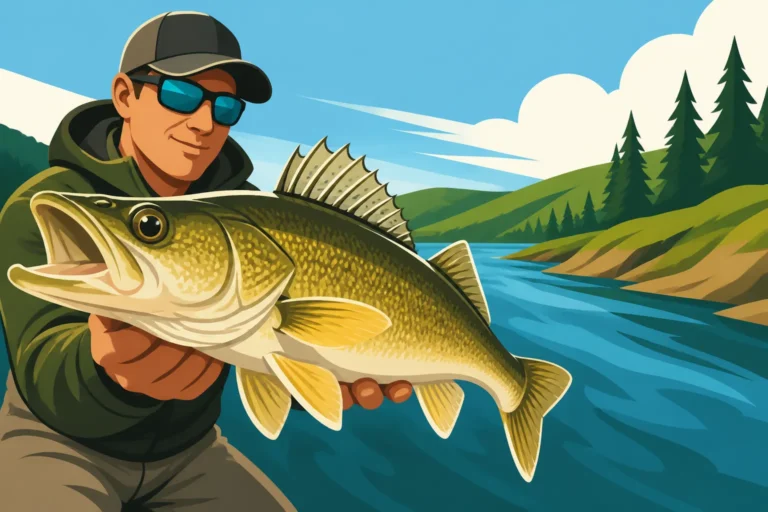
- Walleye: These highly sought-after fish are present in good numbers and can grow to impressive sizes. They are known for their delicious white flesh and are a favorite target for many. Walleye typically prefer deeper, cooler water, often found near structure or drop-offs, making them a great challenge for those who love to read the lake bottom. Understanding How to Catch Walleye in Alberta can significantly boost your success here.
- Northern Pike: If you're looking for aggressive strikes and a thrilling fight, Wabamun's pike population will not disappoint. The lake holds a healthy number of pike, including trophy-sized specimens. They are ambush predators, often found lurking in shallow, weedy areas. Their powerful runs and sharp teeth make them an exciting target, particularly for those using casting or trolling techniques.
- Yellow Perch: A fantastic species for both beginners and seasoned anglers, perch are abundant in Wabamun. They are excellent table fare and offer consistent action, especially through the ice. Perch are often found in schools, so once you locate one, you're likely to find many more. They tend to stick to weed edges, shallower flats, and areas with submerged timber.
- Lake Whitefish: While not as commonly targeted by recreational anglers, lake whitefish are also present in Wabamun Lake, particularly in deeper, cooler parts of the lake. They are usually caught incidentally while targeting other species, but some dedicated anglers specifically go after them, especially during the ice fishing season. Knowing the Alberta Lake Whitefish Limit is always a good idea.
Decoding Wabamun Lake's Walleye Hotspots
Walleye fishing on Wabamun Lake can be incredibly rewarding, but it requires a bit of strategy. These fish are often found relating to specific structures and depths, making a good fish finder and understanding of the lake bottom invaluable.
Rocky Reefs and Shoals
Many of Wabamun's most productive walleye spots are found around its numerous rocky reefs and shoals. These underwater structures provide excellent ambush points and foraging grounds for walleye, attracting baitfish that the walleye prey upon.
- Moonlight Bay Shallows: Just off Moonlight Bay, there are some excellent rocky areas that transition into deeper water. These spots can be particularly productive during low-light conditions (dawn and dusk) when walleye move shallower to feed. Vertical jigging with a 3/8 to 1/2 ounce jig tipped with a minnow or a soft plastic, or slowly trolling crankbaits like Rapala Shad Raps or Berkley Flicker Shads, can be highly effective here. Pay close attention to your fish finder for bait balls or individual fish hugging the bottom.
- Coal Point to Point Allison: This stretch features a series of underwater humps and rocky ledges that are prime walleye habitat. The transitions from hard bottom to softer mud are key, as walleye will often patrol these edges. Drifting with a pickerel rig, a bottom bouncer, or a Lindy Rig with a live minnow or leech can produce consistent results. If using live bait, make sure to check the latest Alberta Fishing Regulations Explained for any restrictions.
Weedlines and Drop-offs
Walleye also gravitate towards the edges of extensive weed beds and the steep drop-offs that lead into the deeper basin of the lake. These areas offer both cover and access to cooler water.
- The East End Drop-off: Near the east end of the lake, particularly around the areas leading to the outflow, there's a distinct drop-off where the bottom quickly plunges. This deep edge, often lined with submerged weeds, is a classic walleye hangout. Trolling parallel to this drop-off with deep-diving crankbaits or snap-jigging heavy jigs can entice strikes. If you're looking to book a guided trip to truly uncover these secrets, platforms like FishingBooker can connect you with experienced local guides who know these waters like the back of their hand.
- Weed Edges near Seba Beach: The areas around Seba Beach, especially where the weeds meet deeper water, can hold significant numbers of walleye, particularly earlier in the season or during cooler periods. Casting spinnerbaits or suspending jerkbaits over the tops of the weeds, or working jigs along the outside edge, can be very productive. Always be mindful of the Alberta Walleye Limit by Zone to ensure sustainable fishing practices.
Seasonal Walleye Movements
Walleye movements are heavily influenced by water temperature and spawning cycles.
- Spring/Early Summer: Post-spawn walleye will often be found shallower, recovering and feeding aggressively near points and transitions. As the water warms, they'll start to move towards deeper structures.
- Summer: During the heat of summer, walleye will hold to cooler, deeper water, often concentrating around the main lake basin's deeper reefs, humps, and drop-offs during the day, moving shallower to feed at night or in low light.
- Fall: As water temperatures drop, walleye become very active, feeding heavily in preparation for winter. They can be found shallower again, often along breaklines and points, chasing baitfish.
Pinpointing Northern Pike Havens on Wabamun
Northern Pike are aggressive predators, and Wabamun Lake provides them with ample habitat to grow large and healthy. If you're looking for exciting action, focusing on their preferred hunting grounds is key.
Shallow Bays and Weed Beds
Pike are masters of ambush, and their preferred method is to hide in dense vegetation, waiting for unsuspecting prey. Wabamun has no shortage of prime weedy habitat.
- Lily Lake Inlet: This shallow bay on the south side of Wabamun is a classic pike haunt. Its extensive weed beds, especially in spring and early summer, provide perfect cover. Casting large spoons (like Daredevils), spinnerbaits with big blades, or topwater lures like frogs and poppers over and around these weeds can result in explosive strikes. Early mornings and evenings are particularly effective.
- Moonlight Bay (Shallow Sections): While the deeper parts of Moonlight Bay hold walleye, the shallower, weed-choked sections are prime territory for pike. Working the edges of the reeds and submerged weed lines with weedless presentations, or slowly retrieving large soft plastic swimbaits, can trigger a bite. Keep an eye out for submerged timber as well; pike love to hide in any available cover. For those using boats, remember to review Alberta Boating Laws for Anglers to ensure safe navigation in these shallow areas.
Submerged Structure and Inlets
Beyond the obvious weed beds, pike will also relate to other forms of submerged structure and areas where baitfish congregate, such as inlets and creek mouths.
- Point Allison North Shore: The north shore near Point Allison features some interesting submerged structure, including old docks, fallen trees, and rocky outcroppings. These provide excellent cover for pike, especially if there's a nearby weed line or drop-off. Trolling large spoons or crankbaits along these structures, or casting bucktail spinners, can be effective. If you're thinking about investing in a new boat to explore these spots, check out guides on the Best Boats for Alberta Lakes and Rivers.
- Inlets and Creek Mouths: Any area where smaller creeks or channels flow into Wabamun Lake can be a pike magnet, particularly during periods of higher water or baitfish migrations. These spots often concentrate nutrients and bait, attracting hungry pike. Casting into the current and allowing your lure to drift into deeper pockets can be a great strategy. Always be aware of the Alberta Northern Pike Limit to stay within regulations.
Trophy Pike Opportunities
Wabamun Lake is known to produce pike well over the 10-pound mark, with some reaching truly massive sizes. To target these giants, consistency and persistence are key. Focus on fishing larger baits, such as big swimbaits, jerkbaits, or even dead bait under a float, in known deep weed edges or around significant submerged structure in the main lake. Dawn and dusk are often the best times for these larger fish, and cold front conditions can sometimes trigger a feeding frenzy among the biggest pike.
Discovering Panfish Paradises: Perch and Whitefish
While walleye and pike often grab the headlines, Wabamun Lake also offers fantastic opportunities for smaller but equally enjoyable species like Yellow Perch and Lake Whitefish. These can be particularly good for a relaxed day on the water or when introducing new anglers to the sport.
Finding Yellow Perch Schools
Yellow Perch are abundant in Wabamun and are a popular target, especially for their delicious fillets and their willingness to bite. They typically school up, so finding one often means finding many.
- Shallow Flats with Sparse Weeds: Throughout the lake, particularly on the south side near areas like Seba Beach and Kapasiwin, there are extensive shallow flats with scattered weed growth. These areas are ideal for perch. During open water season, small jigs tipped with a piece of worm, minnows under a bobber, or tiny crankbaits can be very effective. Look for areas with a mix of sand and gravel bottom near weed patches.
- Deep Edges and Drop-offs (Winter): During the ice fishing season, perch often move to slightly deeper water, congregating along the edges of drop-offs or over deeper flats. Using small spoons like Northland Forage Minnows or tiny jigs tipped with a maggot or wax worm is a classic perch setup. A good portable Best Fish Finders for Alberta Lakes can be invaluable for locating these schools under the ice. Always respect the Alberta Yellow Perch Limit to ensure future populations.
Targeting Lake Whitefish
Lake whitefish are often overlooked but can provide excellent sport and table fare, particularly for those willing to adapt their techniques. They are more common in the main lake basin's deeper, cooler waters.
- Deep Water Humps and Bottom Structure: Whitefish typically prefer cooler water, so during open water, they are found over deeper humps and along the main lake's bottom contours, often near mud flats or transitions. Vertical jigging with small, heavy spoons or tiny tube jigs can provoke strikes.
- Ice Fishing Opportunities: Through the ice, whitefish can be found patrolling deeper flats and humps. They are often caught on small spoons or jigs, sometimes tipped with a small piece of bait or a grub. Some anglers find success using a unique "whitefish rig" which involves a small, weighted spoon or jig with a fly tied above it. When ice fishing, safety is paramount, so always check ice conditions before heading out.
| Species | Primary Habitat | Preferred Depth (Open Water) | Common Baits/Lures | Notes |
|---|---|---|---|---|
| Walleye | Rocky reefs, shoals, weed edges, drop-offs | 10-30 feet | Jigs (minnow/plastic), crankbaits, bottom bouncers | Active low light, good table fare |
| Northern Pike | Shallow bays, dense weed beds, submerged structure | 3-15 feet | Spoons, spinnerbaits, large swimbaits, jerkbaits | Aggressive, ambush predators, exciting fight |
| Yellow Perch | Shallow flats, sparse weeds, deeper winter structure | 5-20 feet | Small jigs (worm/maggot), minnows, tiny spoons | Schooling fish, great for beginners & eating |
| Lake Whitefish | Deep water humps, mud flats, bottom structure | 20-50+ feet | Small spoons, tiny tube jigs, specialized flies | Often caught incidentally, excellent through ice |
Essential Gear and Techniques for Wabamun Lake Success
Having the right gear and understanding effective techniques will dramatically increase your chances of success on Wabamun Lake. It’s not just about getting lucky; it's about being prepared.
Recommended Rods, Reels, and Line
Choosing the right setup makes a huge difference, whether you're battling a monster pike or feeling the subtle bite of a walleye.
- For Walleye: A medium-light to medium power spinning rod, 6'6" to 7' long, paired with a 2500 or 3000 series spinning reel, is a versatile choice. Spool up with 8-10 lb braided line for sensitivity, with a 6-8 lb fluorocarbon leader for stealth. This setup allows for jigging, casting crankbaits, and even light trolling.
- For Northern Pike: You'll want something with more backbone. A medium-heavy to heavy power casting or spinning rod, 7' to 8' long, is ideal. Pair it with a robust baitcasting reel (for casting heavier lures) or a 4000 series spinning reel. Use 20-30 lb braided line, always with a 40-60 lb fluorocarbon or wire leader to prevent bite-offs from their sharp teeth.
- For Yellow Perch and Whitefish: A lightweight, sensitive setup is best. An ultralight to light power spinning rod, 5'6" to 6'6" long, with a 1000 or 2000 series spinning reel, will let you feel those delicate bites. Spool with 4-6 lb monofilament or braided line with a light fluorocarbon leader. For ice fishing, specialized shorter ice rods will be your best friend.
Proven Lures and Baits
Different species and conditions call for different presentations. Having a diverse tackle box is crucial for adapting to what the fish want.
- Walleye Favorites: Jigs, in various colors (chartreuse, white, black, green pumpkin) and weights (1/4 to 1/2 oz), are a staple. Tip them with live minnows, leeches, or soft plastic paddle tails and grubs. Crankbaits like Rapala Shad Raps, Flicker Shads, or Salmo Hornets, in natural baitfish colors or bright firetiger patterns, are deadly for trolling or casting along drop-offs. Bottom bouncers with spinner rigs (like a snell rig with a crawler) are also highly effective for drifting.
- Pike Powerhouses: Large spoons (red and white, five of diamonds, silver), big inline spinners (Mepps Musky Killers), and oversized spinnerbaits are classic pike getters. For trophy seekers, large soft plastic swimbaits (6-10 inches), lipped jerkbaits (like a Rapala X-Rap or Storm ThunderStick), and topwater baits (frogs, poppers) can draw aggressive strikes. Don't forget a sturdy landing net and long-nose pliers for safe handling, as discussed in Best Landing Net for Pike.
- Perch & Whitefish Delights: Small jigging spoons (1/8 to 1/4 oz) in silver, gold, or bright colors, tipped with maggots or wax worms, are irresistible to perch, especially through the ice. Tiny tube jigs, grubs, and small minnows suspended under a bobber are also very effective. For whitefish, small jigs, sometimes specialized whitefish flies, or even just a bare hook with a single maggot or mealworm, fished near the bottom, often gets results.
Mastering these techniques and having the right equipment will make your Wabamun Lake fishing adventure far more enjoyable and successful, no matter which species you're targeting.
Disclaimer
Fishing regulations are subject to change. Always consult the most current Alberta Guide to Sportfishing Regulations before heading out on the water. This guide is for informational purposes only and does not supersede official regulations. Stay safe and fish responsibly.