Best trout fishing spots near Waterton
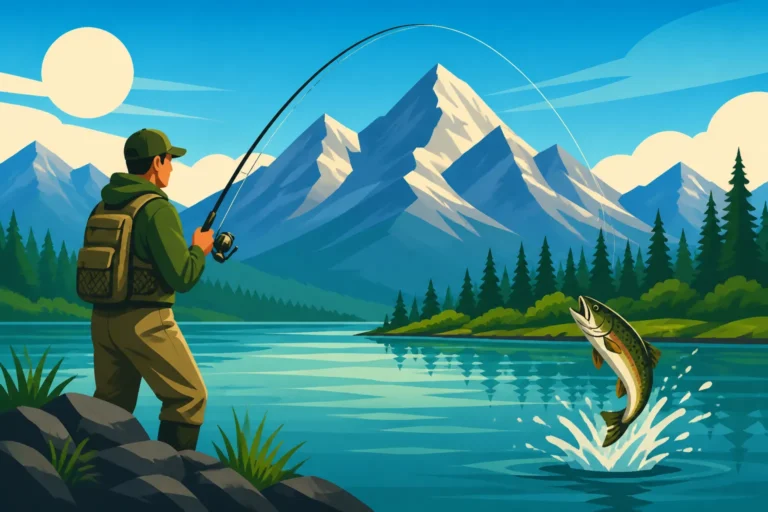
Finding those perfect, serene spots to cast a line for trout near Waterton Lakes National Park can feel like hunting for a hidden gem. It's frustrating when you're geared up and ready, only to find crowded shores or confusing regulations that stop you before you even start. This guide aims to cut through that frustration, offering you clear, detailed insights into the best trout fishing spots in the Waterton area, covering everything from the iconic park waters to lesser-known local havens, so you can spend less time searching and more time fishing.
Understanding Waterton's Unique Fishing Landscape
Waterton Lakes National Park, nestled in the southwest corner of Alberta, is a truly special place, a UNESCO World Heritage Site where the mountains meet the prairies. This unique geography means diverse fishing opportunities, but it also comes with specific challenges and responsibilities. Anglers here need to be particularly mindful of regulations, as they can differ significantly from those in provincial waters. The park's pristine environment is a magnet for both wildlife and visitors, which means understanding the local ecosystem and rules is paramount to a successful and responsible trip.
The Allure and Challenge of Waterton's Waters
The crystal-clear, glacier-fed lakes and rivers in and around Waterton are simply breathtaking. You're not just fishing; you're immersed in a landscape of towering peaks, lush forests, and abundant wildlife. This natural beauty, however, attracts a lot of people, especially during peak summer months. It's not uncommon to share the shoreline or boat launch with other anglers and tourists, which can be a bit of a surprise if you're used to more remote, quiet spots.
Beyond the crowds, the primary challenge within Waterton Lakes National Park itself is navigating the specific fishing regulations. You can't just rely on your standard provincial Alberta Fishing License Guide for 2026 A separate National Park fishing permit is required, and the rules regarding bait, tackle, and even possession limits can be much stricter. For instance, many waters within the park are strictly fly-fishing or artificial lure-only zones, and protecting native species like the Westslope Cutthroat Trout means strict catch-and-release protocols in certain areas. Always double-check the Waterton Lakes National Park fishing regulations before you head out; they are updated annually and are crucial for avoiding fines and protecting these fragile ecosystems.
Target Trout Species You'll Encounter
The Waterton area is home to a fantastic variety of trout species, each offering a different angling experience. Knowing what you're likely to hook into can help you tailor your gear and techniques.
- Westslope Cutthroat Trout: These beautiful native trout are a real prize, known for the distinctive red or orange slash under their jaw. They prefer cold, clear mountain streams and lakes and are often found in the smaller, higher-elevation waters. Due to their conservation status, they are often designated Alberta Catch and Release Only Waters. If you're lucky enough to catch one, handle it with extreme care.
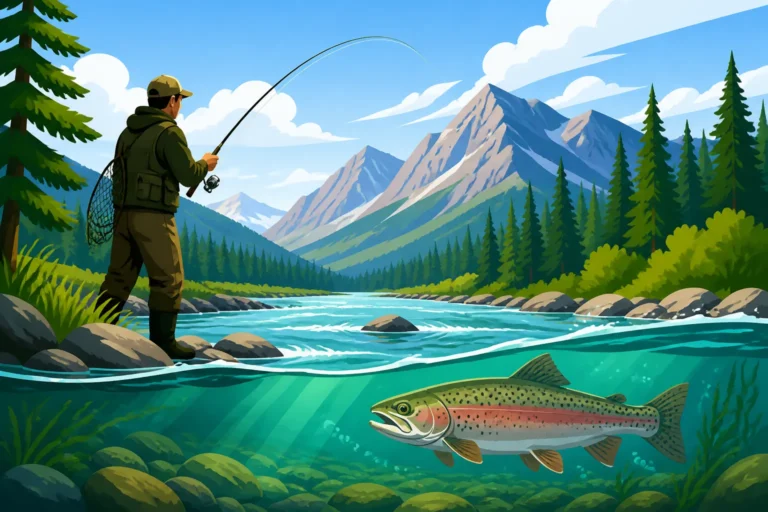
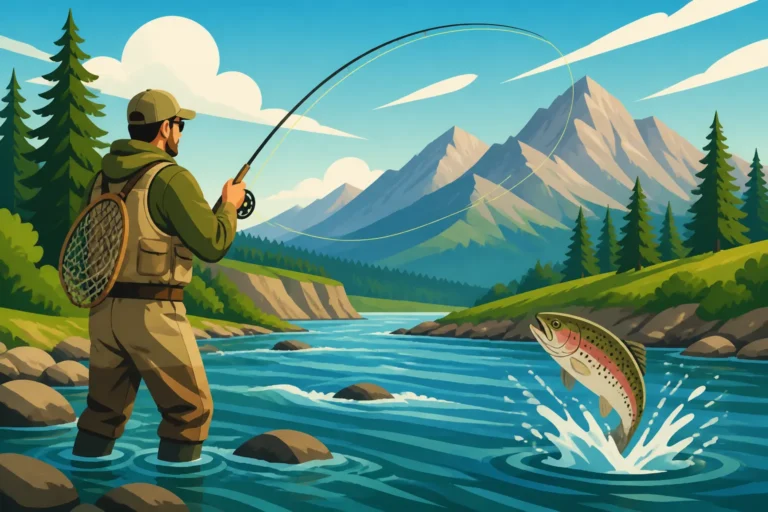
- Rainbow Trout: Plentiful in many of the region's rivers and lakes, rainbow trout are famous for their acrobatic fights. They're a favorite among fly anglers and spin casters alike, responding well to a variety of presentations. You'll find them thriving in the more accessible rivers and stocked lakes outside the immediate park boundaries.
- Lake Trout: For those seeking a larger, harder-fighting fish, lake trout are the titans of the deeper lakes, especially Waterton Lake itself. These powerful fish can grow to impressive sizes and are often targeted by boat anglers using downriggers or heavy jigging techniques. Don't underestimate their strength, particularly when trying to bring a big one up from the cold depths. You can learn more about Lake Trout Fishing in Alberta.
- Brown Trout: While not as prevalent as rainbows or cutthroat in the immediate park, brown trout can be found in some of the feeder streams and rivers just outside the park boundaries. They are wily fish, often nocturnal, and prefer slightly warmer, more turbid waters than their cutthroat cousins. They offer a unique challenge for those looking to diversify their catch.
- Bull Trout: Alberta's provincial fish, the bull trout, is a magnificent native species that is critically important to the ecosystem. Due to their vulnerable status, there's a strict Alberta Bull Trout Zero Possession Rule. If you happen to catch one, identify it carefully, admire its beauty, and release it immediately and gently. Proper catch and release techniques are vital for their survival.
Top Trout Fishing Destinations Near Waterton
When planning your Waterton fishing adventure, you have a blend of options both inside the national park and in the surrounding provincial lands. Each spot offers a unique experience, from serene mountain lakes to winding rivers.
Fishing Within Waterton Lakes National Park
The national park waters offer some truly iconic fishing, but remember that National Park fishing regulations apply. Always check the current park fishing guide for specific rules, bait restrictions, and season dates.
Upper, Middle, and Lower Waterton Lakes
These three interconnected lakes form the heart of Waterton's fishing scene. The Upper Waterton Lake, being the largest and deepest, is renowned for its large lake trout. It's a vast body of water, shared with Montana, and can be challenging to fish without a boat or a guide who knows the deep-water structure. Boat fishing here often involves trolling with large spoons or plugs, or deep jigging over submerged ledges. The Middle and Lower Waterton Lakes are shallower and can offer good opportunities for rainbow trout and even some smaller lake trout, particularly near the mouths of feeder streams. Shore access can be limited in some areas due to the steep terrain, but spots around the townsite and Maskinonge Lake (a shallow, marshy extension) can be productive, especially during morning and evening hatches for rainbows. For a truly unique experience, consider hiring a local guide who can navigate the nuances of this grand lake. You can often find experienced guides through platforms like FishingBooker, who are well-versed in both the fishing and the park's specific rules, ensuring a legal and fruitful trip. For a deeper dive into these waters, check out our Waterton Lakes Fishing Guide.
Cameron Lake and Akamina Lake
For a classic alpine trout experience, Cameron Lake is a gem. Located at the end of the scenic Akamina Parkway, this beautiful lake is relatively small and can be fished effectively from shore, canoe, or kayak. It’s a fantastic spot for rainbow trout and cutthroat trout, with fly anglers often doing well with small nymphs and dry flies, especially later in the season. The serene setting makes it a popular spot, so arrive early during peak season. A short hike from Cameron Lake will take you to Akamina Lake, an even smaller, more secluded option that can yield some beautiful native cutthroat. These high-elevation lakes often have shorter seasons due to ice cover, so plan your visit for summer or early fall. The clear water makes for excellent sight fishing on calm days, but it also means the trout can be easily spooked. Stealth is key.
Forum Lake
If you're looking for a true wilderness experience and are up for a hike, Forum Lake is a destination that truly delivers. Tucked away in the backcountry, this lake is accessed via a strenuous trail, typically taking several hours to reach. The reward, however, is often solitude and pristine fishing for cutthroat trout. The fish here are wild and often eager to bite, as they see less pressure. Pack light, bring bear spray, and ensure you have all the necessary backcountry permits and safety gear. The remoteness means you should be self-sufficient and prepared for changing mountain weather.
Provincial Fishing Spots Near Waterton
Venturing just outside the national park boundaries opens up more options, where provincial Alberta Fishing Regulations Explained, which can sometimes be a bit more flexible regarding bait and tackle, apply. Always verify specific regulations for each waterbody.
Belly River
Flowing east from the park, the Belly River offers excellent opportunities for rainbow trout and cutthroat trout. It’s a beautiful, freestone river with plenty of riffles, runs, and pools. Access points can be found along range roads and bridges outside the park. Fly fishing is particularly popular here, with anglers presenting nymphs, streamers, and dry flies. Spin fishers can do well with small spinners and spoons. The river can fluctuate with rain and snowmelt, so checking water levels before you go is always a good idea. The Belly River often falls under special regulations, so be diligent in consulting the provincial guide.
Waterton River
The Waterton River is another prime destination as it flows out of the lower Waterton Lake. This river is known for holding good numbers of rainbow trout, brown trout, and even some migratory lake trout pushing up from the main lake during certain times of the year. Access is generally good along its course, particularly where it runs parallel to highways and secondary roads. Wading can be excellent in many sections, but be aware of private land and respect signage. This river offers a diverse challenge, from fast-flowing riffles to deeper, slower pools, requiring a variety of techniques. It's one of the Best Fishing Rivers in Alberta, offering consistent action for a variety of species.
Beauvais Lake Provincial Park
A bit further north but still within a reasonable drive, Beauvais Lake Provincial Park offers a fantastic family-friendly fishing experience, especially for those who prefer stocked waters. The lake is regularly stocked with rainbow trout and cutthroat trout, providing consistent action. Shore fishing is popular, and there are designated fishing piers. Boating is also permitted, making it easy to cover more water. It’s a great option if you’re looking for a less challenging day of fishing or introducing kids to the sport. The park also features camping and amenities, making it a good base for exploring the region. Beauvais Lake is a shining example of an Alberta Provincial Park Fishing Guide destination.
Castle River and Lee Creek
Further west of Waterton, closer to the Crowsnest Pass area, the Castle River system and its tributaries like Lee Creek offer exceptional, wild trout fishing. These rivers are true mountain streams, requiring careful wading and presentation, often for wary cutthroat and bull trout (remember the zero possession rule for bulls!). They are typically Alberta Barbless Hook Requirement Waters, emphasizing careful catch and release. Access can sometimes require a bit of bushwhacking or knowing the local public access points. These waters are best suited for experienced fly anglers looking for a challenging but rewarding experience in a wild setting.
Essential Tips for Success in Waterton's Waters
Fishing in the Waterton area, with its diverse waters and regulations, requires a thoughtful approach. Beyond just knowing where to go, understanding the how and what to bring can significantly improve your chances of success and ensure you're fishing responsibly.
Gear and Tackle Recommendations
The type of gear you bring will largely depend on your target species and preferred fishing style, but a versatile setup is often best for this region.
- For River and Stream Anglers (Fly Fishing): A 4- or 5-weight fly rod, 8.5 to 9 feet long, is a versatile choice for most trout in the smaller rivers and streams. Pair this with a floating line and a tapered leader (9-12 feet) ending in 4x or 5x tippet. For flies, carry a selection of nymphs (Prince, Pheasant Tail, Hare's Ear), dry flies (Elk Hair Caddis, Adams, Parachute Adams for various hatches), and small streamers (Woolly Buggers). Since many waters are barbless hook only, ensure your hooks are crimped down. A good pair of wading boots with felt or rubber soles (check park rules on felt) and breathable waders are essential for comfort and safety in the often-cold mountain streams.
- For River and Stream Anglers (Spin Fishing): A light to medium-light spinning rod (6 to 7 feet) with a fast action is ideal. Pair it with a reel spooled with 4-6 lb monofilament or fluorocarbon line. Small spinners (Mepps, Panther Martin) in sizes 0-2, spoons (Kastmasters, Little Cleos) in 1/8 to 1/4 oz, and small inline swimbaits or soft plastics can be very effective. Ensure any hooks are barbless or crimp them down before you start. Consider using a float if you're drifting bait (where allowed) or jigs.
- For Lake Anglers (Waterton Lake – Boat Fishing): For lake trout, you'll need heavier gear. A medium-heavy to heavy conventional or spinning rod with a sturdy reel spooled with 15-30 lb braided line is recommended, often with a fluorocarbon leader. Downriggers are common for reaching deep-lying lake trout, especially in Upper Waterton Lake. Large spoons, plugs (e.g., Rapalas, Flatfish), and tube jigs in white or chartreuse are popular choices. A fish finder is invaluable for locating depth contours and schools of baitfish.
- For Smaller Lakes (Cameron, Akamina, Beauvais): A light spinning rod or a 4-5 weight fly rod will work well. For spin fishing, small spoons, spinners, and jigs are effective. For fly fishing, retrieve small streamers, or fish nymphs and dry flies depending on conditions and hatches. A float tube, kayak, or canoe can greatly expand your reach on these smaller waters.
Understanding Seasons and Prime Times
Trout fishing seasons in the Waterton area are heavily influenced by weather, ice conditions, and specific regulations.
- Spring (May-June): This can be a challenging but rewarding time. Ice-off on the lakes can offer fantastic action for hungry trout. Rivers might be high and turbid due to snowmelt (runoff), making fishing difficult, but as levels drop, the trout become more active. The official "trout opener" for many provincial waters is typically in May, creating a buzz of activity.
- Summer (July-August): This is prime time for most waters. Warmer weather means all lakes are open, and river levels are usually more stable. Early mornings and late evenings are often the most productive, as trout become more active during cooler parts of the day. High-elevation lakes become accessible, offering cooler water and eager cutthroat. Booking a guide or charter, especially for lake trout on Waterton Lake through services like FishingBooker, is often easiest during these months due to high demand.
- Fall (September-October): Many consider fall the best time for trophy trout. As water temperatures cool, trout become more active, feeding heavily before winter. Spawning runs for some species can offer incredible opportunities, but respect spawning fish and their redds. The crowds also thin out, providing a more peaceful experience. Be prepared for rapidly changing weather.
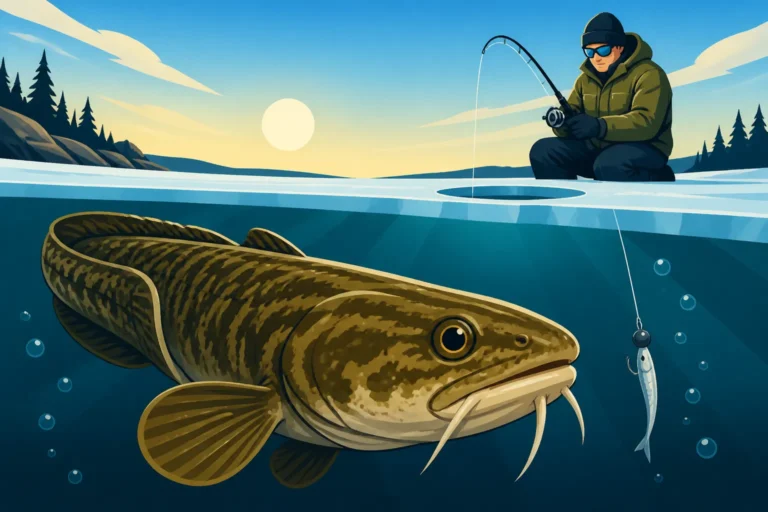
- Winter (November-April): Ice fishing is possible on some of the provincial lakes (like Beauvais Lake), but the national park waters typically close to fishing or have very specific winter regulations. Always check ice thickness and local conditions carefully.
Ethical Angling and Conservation
The Waterton area is a sensitive ecosystem, and practicing ethical angling is crucial for preserving its fisheries for future generations.
- Catch and Release: Many areas, especially within the National Park and for species like Bull Trout and Westslope Cutthroat Trout, are strictly catch and release. Use barbless hooks, minimize handling time, keep the fish in the water as much as possible, and revive it fully before release. Consider using a knotless rubber net to protect fish slime and fins.
- Respect Regulations: Ignorance is not an excuse. Familiarize yourself with both the Alberta Fishing Regulations Explained, which includes specific rules like Alberta Zone-Specific Season Dates, Explained, and the National Park's regulations. They can be complex, so carry a copy of the guide or use a reliable app.
- Leave No Trace: Pack out everything you pack in, including fishing line, hooks, and any litter. Avoid disturbing wildlife or natural habitats.
- Prevent Invasive Species: Clean, Drain, Dry! Always clean your boat, waders, and gear thoroughly between waterbodies to prevent the spread of invasive species like whirling disease or zebra mussels.
Navigating Regulations and Conservation Efforts
Fishing in an ecologically sensitive area like Waterton means understanding and respecting the rules is just as important as knowing where the fish are. These regulations aren't there to make your life harder; they're essential for preserving the unique fish populations and pristine environment of this beautiful region.
The Nuances of National Park vs. Provincial Regulations
One of the biggest hurdles for anglers visiting Waterton is distinguishing between National Park and provincial fishing regulations. It's not a "one size fits all" situation, and failing to understand the distinction can lead to penalties.
-
National Park Fishing Permit: First and foremost, if you plan to fish inside Waterton Lakes National Park, you absolutely need a National Park fishing permit. This is in addition to any provincial Alberta fishing license you may hold. These permits can be purchased at the park gates or visitor centers. The funds from these permits directly support conservation efforts within the park.
-
Specific Park Rules: The park also imposes its own specific rules that often go above and beyond provincial regulations. These can include:
- Bait Restrictions: Many park waters are artificial lure or fly-fishing only to minimize harm to fish and prevent the introduction of foreign organisms. Live bait is typically prohibited.
- Barbless Hooks: Barbless hooks are usually mandatory in the park to facilitate easy and safe catch-and-release, which is emphasized for many species.
- Possession Limits: While the province has its own Alberta Bag and Possession Limits by Species, the park often has even stricter or different limits, with many native species, like the Westslope Cutthroat Trout, being strictly catch and release.
- Seasonal Closures: Certain areas or entire lakes might have seasonal closures to protect spawning fish or sensitive habitats. Always check the Waterton Lakes National Park Fishing Regulations guide provided by Parks Canada. You can often find a detailed Reading the Alberta Guide to Sportfishing Regulations, but remember to layer the park rules on top.
-
Provincial Waters: Once you step outside the national park boundaries into areas like the Belly River, Waterton River, or Beauvais Lake, the provincial regulations found in the Alberta Guide to Sportfishing Regulations apply. While these are generally more uniform across the province, specific zones and water bodies can still have unique rules regarding seasons, bait, and limits. Always know which zone you're in and consult the current guide. For example, some rivers might be designated as Alberta Catch and Release Only Waters, while others allow harvest.
Conservation and Responsible Angling Practices
The fish populations in the Waterton area, particularly the native trout species, are under significant pressure from habitat loss, climate change, and human activity. Your actions as an angler have a direct impact on their future.
- Protecting Native Species: The Westslope Cutthroat Trout and Bull Trout are particularly vulnerable. When targeting these species, or if you accidentally catch one:
- Immediate Release: Release them as quickly and gently as possible.
- Wet Hands: Always wet your hands before touching a fish to protect its protective slime coat.
- Minimize Air Exposure: Keep the fish in the water as much as possible, especially during unhooking and photography.
- Proper Hook Removal: Use forceps or pliers for easy, quick hook removal. If the fish is deeply hooked, cut the line as close to the hook as possible.
- Clean, Drain, Dry: This mantra is crucial for preventing the spread of aquatic invasive species (AIS). Always thoroughly clean your boat, waders, and gear of all plants, mud, and debris. Drain all water from your boat and equipment. Dry everything completely before moving to another water body. Inspections are often mandatory for boats entering the province and potentially the park.
- Respect Private Land and Access: While there's plenty of public land, much of the surrounding area is private. Always seek permission before accessing private property and respect all signage. Utilize designated public access points and park in appropriate areas.
- Report Poaching and Violations: If you witness illegal fishing activity or environmental damage, report it to Parks Canada enforcement or Alberta Fish and Wildlife. These reports are vital for protecting the resource.
By being informed and responsible, you contribute to the long-term health of these incredible fisheries, ensuring that the next generation of anglers can also enjoy the unparalleled trout fishing opportunities near Waterton.
| Fishing Spot | Primary Target Species | Key Access & Tips | Special Considerations |
|---|---|---|---|
| Upper Waterton Lake | Lake Trout, Rainbow Trout | Boat required for best lake trout access; shore access near townsite. | National Park permit, deep-water techniques for lake trout. |
| Cameron Lake | Rainbow Trout, Cutthroat Trout | Shore, canoe, or kayak. Scenic Akamina Parkway access. | National Park permit, often fly/lure only, can be busy in summer. |
| Belly River | Rainbow Trout, Cutthroat Trout | Multiple access points via secondary roads outside park. Wading. | Provincial license, check specific zone regulations, can vary with runoff. |
| Waterton River | Rainbow, Brown, Lake Trout | Good access along its course, parallel to roads. Wading, shore fishing. | Provincial license, diverse fishery, often good during fall. |
| Beauvais Lake Provincial Park | Stocked Rainbow Trout, Cutthroat Trout | Easy shore access, piers, boat launches. Family-friendly. | Provincial license, great for beginners, amenities in park. |
| Castle River/Lee Creek | Cutthroat Trout, Bull Trout | Requires more effort for access (bushwhacking), wild mountain streams. | Provincial license, barbless hooks, challenging, zero possession for Bull Trout. |
Disclaimer
The information provided in this guide is for general informational purposes only and is subject to change. Fishing regulations in Alberta and within Waterton Lakes National Park are updated regularly. It is the sole responsibility of the angler to consult the most current official Alberta Guide to Sportfishing Regulations and the Waterton Lakes National Park Fishing Regulations before engaging in any fishing activity. Non-compliance with regulations can result in significant penalties. Always prioritize safety and environmental stewardship.