Best spinnerbait blade color for stained water
Fishing in Alberta's beautiful waters can sometimes throw a curveball, especially when the conditions aren't perfectly clear. We've all been there: you arrive at your favourite spot, only to find the water murky, stained with a greenish tint from an algae bloom, or muddy brown from recent rain. It's frustrating when your usual go-to lures just aren't getting any attention. This guide is all about helping you cut through the murk and figure out the best spinnerbait blade colors to use when fishing stained water in Alberta, ensuring you don't go home empty-handed just because of poor visibility.
Understanding Stained Water Conditions in Alberta
Before we dive into specific blade colors, it’s really important to understand what "stained water" actually means in the context of Alberta's diverse fishing environments. It's not just a single thing; stained water can manifest in many ways, and each type presents its own challenges and opportunities for anglers. Knowing the difference can really help you fine-tune your approach.
What "Stained Water" Actually Means for Anglers
When anglers talk about "stained water," we're generally referring to water that has reduced clarity due to suspended particles or dissolved organic matter, but it's usually not as opaque as truly "muddy" water. Think of it more like a cloudy glass of iced tea versus a cup of coffee.
In Alberta, you'll encounter a few common types of stained water. First, there's the turbid or muddy water often found in prairie rivers like the Red Deer River Fishing Spots or the Oldman River Fishing Spots after heavy rainfall or spring runoff. This water is usually a silty brown or grey and has very poor visibility. Then there's tannic stain, which you'll often see in northern lakes and rivers, or those surrounded by wetlands and coniferous forests. This water takes on a tea-stained, brownish, or even reddish hue from decaying vegetation releasing tannins into the water. It can be quite clear despite the colour. Lastly, some lakes experience algae blooms, giving the water a greenish or yellowish tint, which can also significantly reduce visibility. Each of these conditions changes how light penetrates the water and, consequently, what colours fish can perceive.
How Stained Water Affects Fish Behavior and Vision
Imagine trying to navigate your living room with the lights dimmed significantly; that's kind of what fish experience in stained water. Their primary sense of sight, while still important, becomes less effective. This reduced visibility forces fish to rely more heavily on their other senses: their lateral line to detect vibrations, and their sense of smell. This is why spinnerbaits, with their inherent flash and vibration, become such potent tools in these conditions.
Fish, especially predators like pike and walleye, are still looking for prey, but they need something to grab their attention. A lure that creates a strong vibration and a clear, easy-to-spot silhouette can trigger a strike even if the fish can't see it clearly from a distance. The challenge for us as anglers is to select colors and blade types that maximize these visual and vibrational cues in a way that penetrates the reduced light and stands out against the stained backdrop. It's a bit like shouting louder when someone can't hear you well, or waving something bright when they can't quite make out your face.
The Science Behind Spinnerbait Blade Colors in Stained Water
It’s easy to just pick a color you like, but understanding why certain colors work better than others in stained water can give you a real edge. It comes down to basic physics and how light behaves underwater. This isn't just guesswork; there's a real science to it that anglers have been refining for generations.
Light Penetration and Color Visibility Underwater
When light hits the water, different wavelengths (which we perceive as colors) are absorbed at different rates. Red light, for example, is the first to be absorbed and disappears almost entirely within the first 15-20 feet of water, even in relatively clear conditions. As you go deeper or as the water becomes more stained, orange, yellow, and green follow suit. Blue and violet light penetrate the deepest.
In stained water, this absorption happens much more rapidly. The particles or tannins in the water scatter and absorb light, drastically reducing its penetration. This means that colors that might look vibrant above water can quickly become muted or even invisible just a few feet below the surface. Therefore, to make our lures visible, we need to choose colors that either stand out due to their high contrast or are less prone to rapid absorption, even in diminished light. This is why a color that "pops" in clear water might be a dud in murky conditions.
Flash, Vibration, and Silhouette: More Than Just Color
While color is important, it's really just one piece of the puzzle when it comes to spinnerbaits in stained water. The flash created by metallic blades and the vibration they emit are often equally, if not more, critical. These elements help fish locate the lure when visual cues are limited.
The flash from a polished gold or silver blade can reflect what little ambient light is available, creating an intermittent sparkle that catches a fish's eye, even if the surrounding water is dim. The vibration generated by the spinning blades sends pressure waves through the water, which fish detect with their highly sensitive lateral line system. This allows them to "feel" the lure approaching and pinpoint its location without ever seeing it. Furthermore, the overall silhouette of the spinnerbait against the dim background can also be a deciding factor. A large, dark silhouette can appear as a substantial meal to a predator, even if the fine details aren't visible. This combination of visual (color, flash) and sensory (vibration, silhouette) appeal is what makes spinnerbaits so effective.
Top Spinnerbait Blade Colors for Alberta's Stained Waters
Alright, now that we've covered the science, let's get down to the brass tacks: what blade colors should you actually be tying on when the water gets cloudy? You'll find that some classics just consistently perform better when visibility is low.
Bright, High-Contrast Colors: Chartreuse and White
When the water turns dingy, chartreuse and white are your absolute best friends. These colors don't rely on light penetration to look natural; instead, their strength lies in their high visibility and contrast.
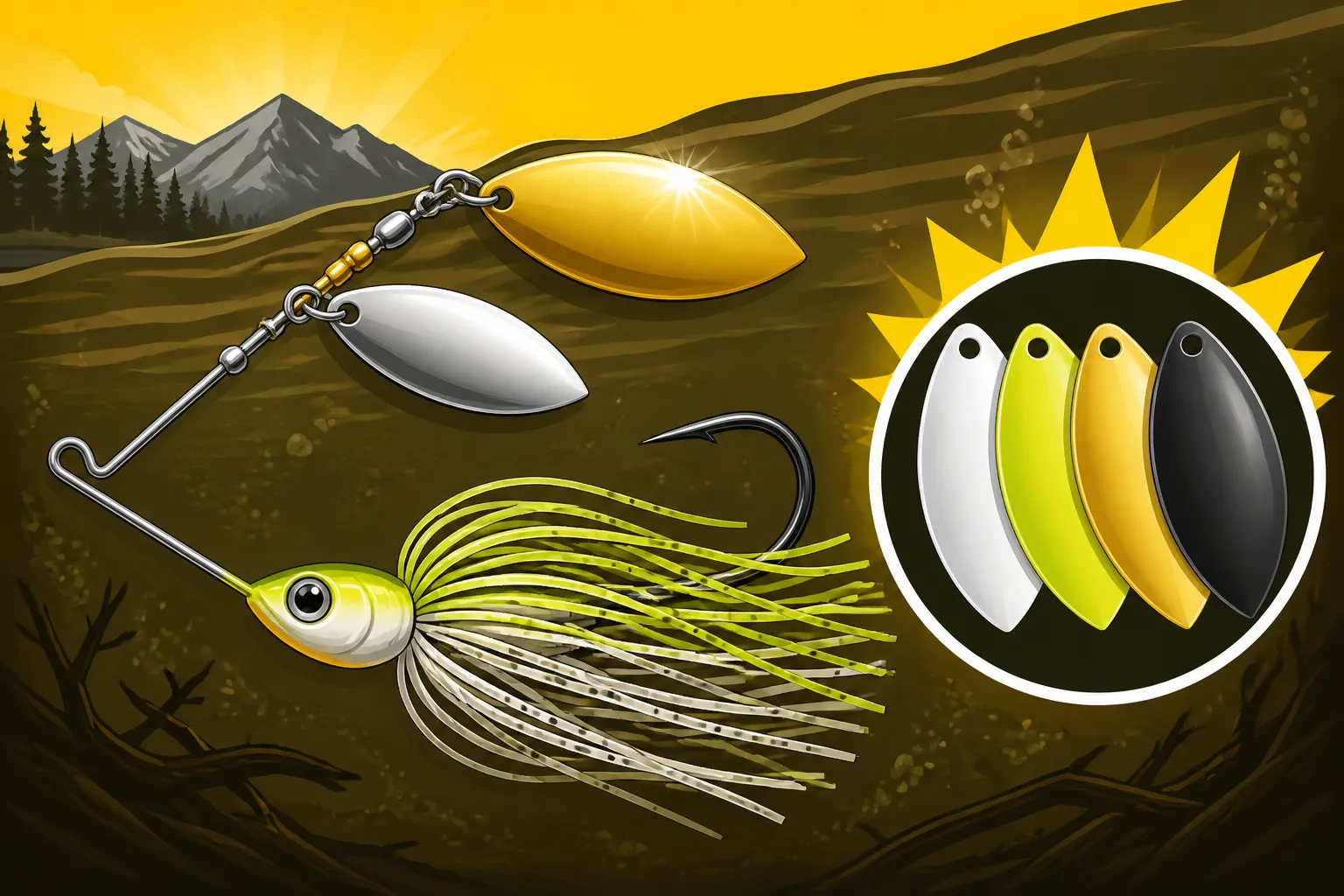
- Chartreuse: This vibrant, fluorescent green-yellow is a phenomenal choice for a reason. It stands out like a beacon in stained water. In low light, it holds its color better than many other hues, creating a strong visual target. It’s particularly effective in tannic, tea-stained waters or murky conditions where fish need something bold to key in on. Many anglers swear by it for aggressive pike strikes, and it can be deadly for walleye too. Think of it as the neon sign in a dim alley – it just screams "here I am!"
- White: Simple, classic, and incredibly effective. White blades (often painted or with white skirts) offer high contrast against any stained water background. In many cases, it mimics the belly flash of a fleeing baitfish, making it an irresistible target. It's especially good on overcast days or in heavily churned-up, muddy water. Paired with a contrasting skirt, a white blade can create a powerful visual trigger.
You'll find a massive selection of these at major retailers like Bass Pro Shops, or for sheer variety and convenience, online marketplaces like Amazon can't be beat. Having a good assortment of both chartreuse and white spinnerbaits in your tackle box is non-negotiable for Alberta's varied waters.
Metallic Finishes: Gold, Silver, and Copper
Beyond solid colors, metallic finishes are absolutely critical for their flash. This "bling" is often what makes the difference, even more so than the specific shade of a painted blade. The way these surfaces reflect and refract light can draw fish in from a surprising distance.
- Gold: This is my personal go-to for many stained water situations, especially in those brownish, tannic waters found in some of Alberta's northern lakes and slower-moving rivers. Gold blades give off a warmer, more natural flash that seems to mimic forage fish scales under these conditions. It's also excellent on cloudy days when there's less direct sunlight to reflect. The subtle warmth of gold can be more appealing than the starkness of silver in certain brownish stains.
- Silver: A universal classic, silver blades are fantastic in almost any stained water, particularly those with a greenish tint from algae or just generally overcast days. They provide a bright, aggressive flash that can simulate a panicked baitfish. If you're unsure, a silver blade is rarely a bad starting point. It's high contrast and highly reflective.
- Copper: This is a less common but sometimes deadly option. Copper offers a unique, subdued flash that can be very effective in extremely dark, heavily stained water, or on very bright, sunny days when gold or silver might be too overpowering. It has a deeper, redder tone than gold and can often stand out in situations where other metallics fail to produce. Think of it as a subtle flash that gets noticed without being overly aggressive.
Experimenting with these metallic finishes, often paired with a contrasting skirt color, can unveil a hot bite when other lures are ignored.
Specialty and Combination Colors for Nuance
Sometimes, a single color isn't enough, or you need something a little different to trigger a strike. That's when you turn to specialty colors or clever combinations that add a bit more nuance to your presentation.
Colors like orange, pink, or the classic firetiger pattern (a mix of chartreuse, orange, and black stripes) can be incredibly effective. Orange, for instance, can be a fantastic choice if you're trying to imitate crawfish or other crustaceans that might be prevalent in certain stained environments. Pink can sometimes be the magic color when nothing else works, especially for trout or other species that react to brighter, more unnatural hues. Firetiger is a tried-and-true pattern that combines the high visibility of chartreuse and orange with a dark accent, making it a powerful choice in a variety of stained and turbid waters. It essentially gives the fish multiple high-visibility cues.
Don't shy away from tandem blade setups either, where you might have one gold blade and one silver, or a chartreuse blade with a gold blade. These combinations create a dynamic flash and vibration that can be irresistible. The different light reflections from each blade can create a more complex, appealing target. For example, a Colorado blade and a willow blade together offer both maximum thump and strong flash. The versatility of ordering various options online from places like Amazon makes it easy to experiment with these specialized patterns without breaking the bank.
Matching Blade Color to Specific Stained Water Scenarios
Knowing the general rules is great, but applying them to specific Alberta conditions is where the real magic happens. Different types of stained water demand slightly different approaches when it comes to spinnerbait blade colors.
Prairie Rivers After a Rain (e.g., Red Deer River, Oldman River)
Picture this: you've just had a spring deluge, and the Red Deer River Fishing Spots or Oldman River Fishing Spots are running high and muddy. This is perhaps the most challenging type of stained water. Visibility can be less than a foot. In these situations, your primary goal is maximum disturbance and the most assertive visual cue possible.
For these heavily turbid, often silty brown waters, you want to lean heavily on bright, bold, high-contrast colors. Think fluorescent chartreuse or pure white blades, especially in larger sizes to create more bulk and vibration. Gold metallic blades can also work because their warmer tone can penetrate the brown stain a bit better than silver, and the flash is key. The vibration from larger, rounder blades (like Colorado blades, which we'll discuss soon) is just as important, if not more so, than the color itself. You're trying to send out a distress signal that fish can't ignore, even if they can't see it clearly.
Tannic Lakes and Rivers (e.g., northern Alberta waters)
Moving up north, you'll find lakes and rivers like those feeding into Lake Athabasca Fishing Guide that often have a distinct tea-stained, brownish hue from decaying vegetation. This water can actually be quite clear horizontally, but the color itself filters light differently.
In these conditions, gold metallic blades often shine brighter than silver. The warmer, yellowish flash of gold seems to blend more naturally with the tannic stain while still providing a strong reflective quality. Orange and chartreuse (especially when paired with gold) are also excellent choices, as they complement the brownish tint and offer high visibility. Sometimes, a "firetiger" pattern can be incredibly effective here, mimicking forage that might appear more camouflaged in these waters. The key here is to use colors that don't get 'swallowed' by the brown tint but rather stand out in it.
Low Light Conditions (Dawn, Dusk, Overcast Days)
Even if the water is relatively clear, low light conditions like dawn, dusk, or heavy overcast days can effectively create a "stained water" scenario for fish. The overall light penetration is simply reduced, making it harder for fish to spot your lure.
In these instances, silver metallic blades are often the best choice because they offer the brightest, most intense flash possible with minimal ambient light. They create a strong silhouette and a brilliant flicker. White blades are also superb for the same reason—they provide maximum contrast against the dim background. Chartreuse can also be effective, particularly when paired with a silver blade. These conditions are about maximizing whatever light is available and making your lure undeniable.
Quick Guide to Blade Colors for Stained Water
| Water Condition | Primary Blade Color Recommendations | Secondary Blade Color Options | Best Blade Type (General) | Notes |
|---|---|---|---|---|
| Heavily Muddy/Turbid | Chartreuse, White, Gold (solid or metallic) | Firetiger, Bright Orange | Colorado, Large Willow | Max vibration, strong contrast. |
| Tannic/Tea-Stained (Brownish) | Gold (metallic), Chartreuse, Orange | Firetiger, Copper (metallic) | Indiana, Willow, Colorado | Warmer tones, high visibility. |
| Greenish (Algae Bloom) | White, Silver (metallic), Chartreuse | Blue (very rarely), Bright Green | Willow, Indiana | High contrast, sharp flash. |
| Low Light (Clear Water) | Silver (metallic), White, Chartreuse | Gold (metallic for warmer light) | Willow, Indiana | Maximize available light reflection. |
| Overcast/Cloudy | Silver (metallic), Chartreuse, White | Gold (metallic), Firetiger | Willow, Indiana | Brightest flash, high contrast. |
Beyond Color: Blade Type and Skirt Combinations
While we're talking blade colors, it would be a huge disservice not to touch on the other critical components of a spinnerbait: the blade type and the skirt. These elements work hand-in-hand with color to create the ultimate fish-attracting package, especially in stained water where you need every advantage you can get. This is truly where the art of spinnerbait fishing comes alive, letting you customize your presentation for the exact conditions.
Willow, Colorado, and Indiana Blades
The shape of your spinnerbait blade dramatically impacts its flash, vibration, and how it moves through the water. Choosing the right blade type is just as important as choosing the right color, particularly when visibility is compromised.
- Colorado Blades: These are round, almost spoon-shaped blades that create the most vibration and "thump" in the water. They also provide maximum lift, allowing you to retrieve your spinnerbait slower while still keeping it off the bottom. In heavily stained or muddy water, where fish rely more on their lateral line than their eyes, Colorado blades are often superior. They send out powerful pressure waves that fish can easily detect. They're a fantastic choice for casting into murky shallows or for slow-rolling over submerged structure for walleye and pike.
- Willowleaf Blades: Long and slender, willowleaf blades produce the most flash and the least vibration. They are designed for speed and cut through the water efficiently, making them great for covering a lot of water quickly or when fishing in areas with heavy current. While they might not create as much thumping vibration as Colorado blades, their intense, flickering flash can be deadly in stained water where there's still some light penetration. They're excellent for simulating a fleeing baitfish and are often preferred for targeting aggressive pike or in moderately stained conditions.
- Indiana Blades: These blades are a hybrid, offering a balance between the vibration of a Colorado and the flash of a willowleaf. They're tear-drop shaped and provide a good compromise for versatility. If you're unsure which blade type to start with in moderately stained water, an Indiana blade is often a safe bet. They offer decent thump and good flash, making them a solid all-around performer.
Many spinnerbaits come with tandem blade setups, often combining a smaller Colorado blade for vibration with a larger willowleaf blade for flash. This can give you the best of both worlds in stained water, offering a complex, irresistible presentation.
Skirt Colors and Trailer Options
The skirt of your spinnerbait is another crucial visual and sensory component. It adds bulk, realism, and another layer of color to your presentation, complementing the blade color you've chosen.
When fishing stained water, think about high-contrast skirt colors that make the lure appear larger and more distinct. If you have a chartreuse blade, a white or dark green skirt can provide an excellent contrast. If you're using a gold blade, a black, brown, or orange skirt can create a natural yet eye-catching profile. Sometimes, a bright, solid-color skirt (like solid chartreuse or solid white) is all you need to make the lure stand out.
Adding a soft plastic trailer to your spinnerbait hook is also a game-changer, especially in stained water. Trailers add extra bulk, action, and sometimes scent, making the lure even more enticing. Options like grub tails, paddle tail swimbaits, or even simple plastic worms can extend the silhouette and provide a tantalizing wiggle that drives fish crazy. For instance, a white spinnerbait with a chartreuse skirt and a chartreuse paddle tail trailer offers multiple visual cues and an irresistible action. This is where you often find great choices at places like Bass Pro Shops or online, allowing you to customize your offerings. The right skirt and trailer can turn a good spinnerbait into an absolute magnet for fish in low-visibility conditions.
Disclaimer
This article is for general informational purposes only and does not constitute professional advice. Laws, prices and regulations vary by location and change over time. Consult a qualified professional for guidance on your specific situation.