Best headlamp for night walleye fishing
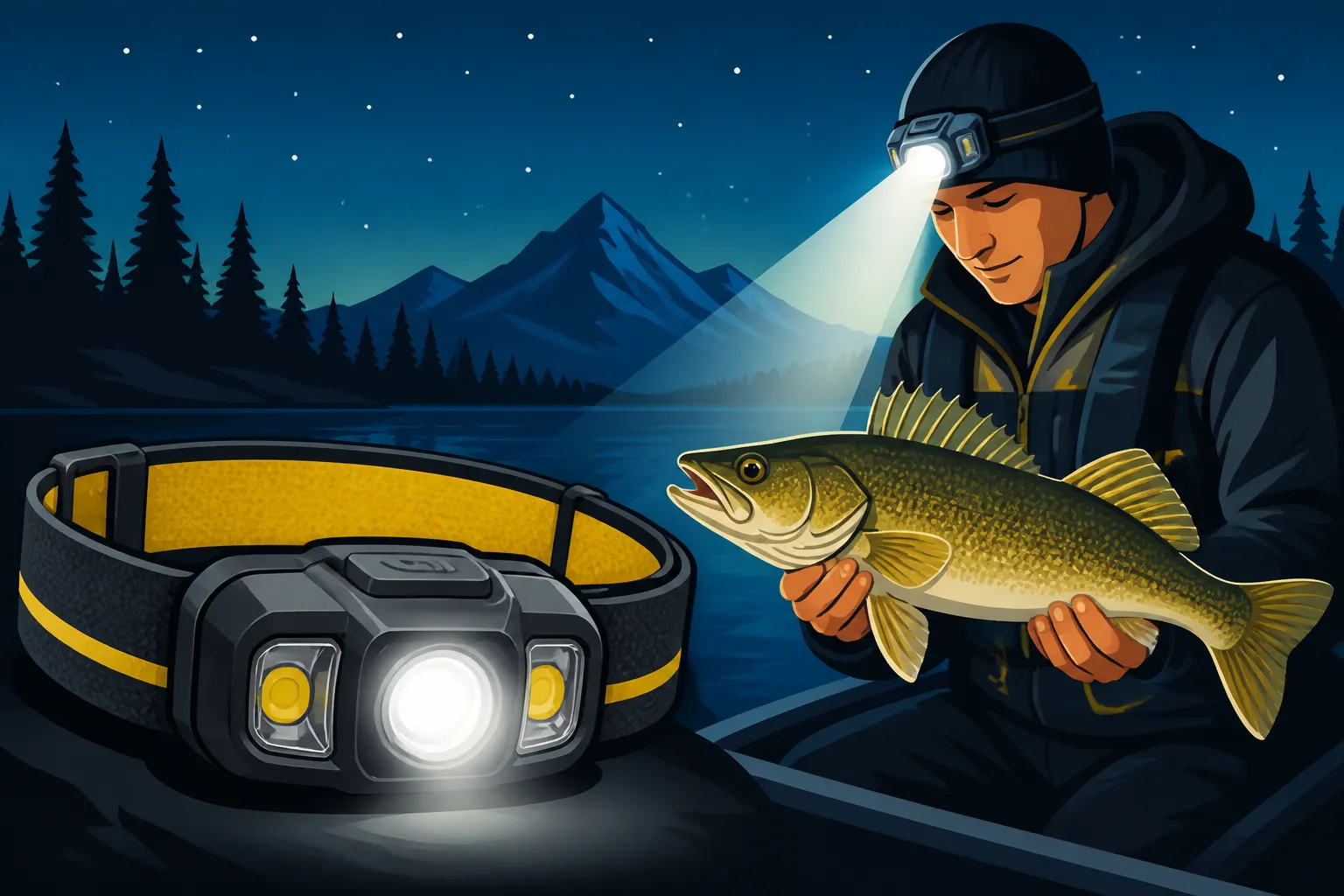
There's nothing quite like the tranquility and mystery of chasing walleye under the cover of darkness. But let's be honest, fumbling with your tackle box, tying knots, or trying to land a thrashing fish when you can barely see a thing can quickly turn a peaceful evening into a frustrating, even risky, ordeal. This guide is all about shedding light on the best headlamp options to keep you safe, efficient, and stealthy on your next Alberta night walleye adventure.
Why a Good Headlamp is Absolutely Essential for Night Walleye Fishing
Fishing at night, especially for a prized species like walleye, brings its own set of challenges that are often underestimated until you're right in the thick of it. The darkness isn't just an inconvenience; it can be a genuine hindrance to your success and, more importantly, your safety. Having the right headlamp isn't a luxury; it's a fundamental piece of gear that empowers you to tackle these challenges head-on.
Safety on the Water and Shore
Imagine walking along a rocky shoreline or navigating your boat's deck after sunset. Even familiar terrain can become treacherous when you can't clearly see your footing, misplaced gear, or unseen obstacles. A fall in the dark, especially near water, isn't just painful—it can be incredibly dangerous. A reliable headlamp provides that crucial illumination, allowing you to move confidently and identify potential hazards before they become serious problems. Whether you're casting from a public dock, wading a shallow flat, or simply getting in and out of your vehicle, clear vision is paramount.
Beyond just preventing slips and trips, being visible to others is another huge safety factor, especially if you're on a busy lake. Other boaters, even those moving slowly, might not see you until it's too late if you're not lit up. A headlamp gives you that quick burst of light to signal your presence, making you a much safer target to spot. It’s also invaluable for performing first aid if an unexpected injury occurs, or simply finding that dropped set of pliers or a key that went astray in the dark.
Improved Efficiency and Stealth
Night fishing demands precision. Tying on a new lure, re-rigging a snelled hook, or performing delicate tasks like unhooking a fish quickly and safely become a nightmare without adequate light. You don't want to spend precious moments fumbling around, losing your rhythm, or potentially harming a fish that you intend to release. A headlamp keeps your hands free, allowing you to focus on the task at hand with both dexterity and speed. This efficiency means more time fishing and less time struggling.
Moreover, the right kind of light can actually enhance your stealth. Walleye are often light-sensitive, especially in clear water. Blasting a bright white light all over the water can easily spook fish, sending them scattering into deeper water or darker cover. This is where specialized features come into play, allowing you to maintain your night vision and keep a low profile, increasing your chances of success. It's about seeing what you need to see, without drawing unnecessary attention to yourself or your presence on the water.
Key Features to Look For in a Night Fishing Headlamp
Choosing a headlamp isn't as simple as grabbing the brightest one you can find. For night walleye fishing, you need a headlamp that blends power with subtlety, and ruggedness with comfort. Each feature plays a vital role in ensuring your night on the water is both productive and enjoyable.
Brightness and Beam Type Lumens and Patterns
When we talk about brightness, we're really talking about lumens. A higher lumen count generally means a brighter light. For general navigation and setting up camp, you might want a headlamp that can kick out a few hundred lumens, giving you a broad, far-reaching beam to illuminate your surroundings. However, for tying knots or handling fish, you don't necessarily need maximum power; a focused, less intense beam can be more effective.
Beyond just raw brightness, consider the beam pattern. Some headlamps offer a "spot" beam, which is a concentrated, narrow light that shines a long distance—perfect for scouting the shoreline or spotting distant markers. Others provide a "flood" beam, which spreads a wider, more diffused light, excellent for close-up tasks like sorting tackle or baiting your hook without creating harsh shadows. Many quality fishing headlamps offer adjustable beams, allowing you to switch between spot and flood, or even vary the intensity, giving you versatility for different situations you might encounter Best Time of Day to Catch Walleye.
Battery Life and Power Source
There's nothing worse than your light dying when you're miles from home in the middle of the night. Prioritize headlamps with excellent battery life, especially if you plan on extended trips. Most headlamps use either standard alkaline batteries (AA or AAA) or rechargeable lithium-ion batteries. Rechargeable options are often more economical in the long run and more environmentally friendly, but you'll need a way to recharge them, perhaps even a portable power bank, if you're off-grid for a while.
Some headlamps even feature a battery indicator, which is an absolute godsend, giving you a heads-up before you're plunged into darkness. Consider models that allow you to easily swap out battery packs, or at least carry spare batteries. You might even find headlamps that can run on either rechargeable or standard batteries, offering the best of both worlds. Always check the manufacturer's stated runtimes, but remember that these are often for lower settings; high-power modes will drain batteries much faster.
Durability and Waterproofing
Fishing gear takes a beating, and headlamps are no exception. They get bumped, dropped, splashed, and exposed to all sorts of weather. Look for a headlamp constructed from robust materials that can withstand the rigors of the outdoors. An important factor is its Ingress Protection (IP) rating. This two-digit number tells you how resistant the device is to dust and water.
For fishing, you'll want a headlamp with at least an IPX4 rating, meaning it can handle splashes from any direction. An IPX7 rating means it can be submerged in up to 1 meter of water for 30 minutes, which is excellent peace of mind if you accidentally drop it in a puddle or off the side of your boat. Better waterproofing often means a more reliable light source when the weather turns or things get a little chaotic on the water.
Comfort and Adjustability
You'll be wearing this thing for hours, so comfort is non-negotiable. A lightweight design with an adjustable, comfortable strap is key. Some straps are made of breathable materials, while others might have a silicone grip on the inside to prevent slipping, especially if you're wearing it over a hat. The lamp itself should be easy to tilt up and down, allowing you to direct the beam exactly where you need it without having to crane your neck or adjust your entire body.
A well-balanced headlamp won't feel like it's dragging your head down or bouncing around while you're moving. Test different models if you can to see how they feel on your head. Some higher-end headlamps even distribute the battery pack to the back of your head, balancing the weight and making them more comfortable for extended wear.
Red Light Mode: The Game Changer
This is perhaps the most critical feature for night walleye fishing. A red light mode is a lifesaver for several reasons. Firstly, red light preserves your natural night vision. When you switch on a bright white light, your eyes have to completely readjust to the dark once you turn it off, which takes several minutes. Red light doesn't cause this severe adjustment, allowing you to maintain your natural night vision even after using your headlamp.
Secondly, and perhaps more importantly for fishing, many fish species, including walleye, are less sensitive to red light than white light. Using a red beam minimizes the chances of spooking fish when you need to illuminate your hands, tackle, or even the immediate water around your boat. It allows for discreet illumination, helping you maintain stealth, especially when walleye are feeding in shallow, clear waters. It's a subtle but significant advantage that can make a real difference in your success Night Fishing for Walleye in Alberta.
Specific Headlamp Recommendations and Considerations
When you're out there under the big Alberta sky, whether you're trying to land a trophy walleye on Lesser Slave Lake or simply packing up your gear after a long day on the Bow River Fishing Guide, having the right light can make all the difference. There's a huge range of headlamps out there, from simple budget options to high-tech marvels. Thinking about where and how you typically fish will help you narrow down the perfect fit.
Entry-Level and Budget-Friendly Options
For many anglers just getting into night fishing, or those who only go out occasionally, a basic, affordable headlamp is a great starting point. These often run on AAA batteries and provide a decent amount of white light, sometimes with a flashing mode or a simple red light setting. They might not have the highest lumen count or the most rugged waterproofing, but they'll get the job done for tying a quick knot or walking a familiar path.
You can often find these types of headlamps at local outdoor stores, or even on online marketplaces like Amazon. They're excellent for keeping in your tackle box as a backup or for casual use. While they might lack some of the advanced features, their simplicity and low cost make them highly accessible. Just remember to always carry spare batteries, as the battery life on these might not be as robust as their more expensive counterparts.
Mid-Range and Feature-Rich Models
Stepping up a bit, you'll find headlamps that strike a fantastic balance between features, performance, and price. These are often the sweet spot for serious recreational anglers. They typically offer higher lumen outputs, better waterproofing (often IPX5 or IPX7), and a more sophisticated array of beam modes, including dimmable white light and a dedicated red light. Rechargeable battery options become more common here, often with convenient USB charging.
Many popular outdoor brands offer excellent headlamps in this category. They're designed to withstand more abuse and perform reliably in varying conditions, from the humid nights on the eastern plains to the damp mountain air. These are the workhorses that can handle a full evening of fishing without a hitch, giving you plenty of light for everything from baiting hooks with leeches to carefully unhooking a walleye How to Catch Walleye in Alberta. Stores like Bass Pro Shops will often have a good selection of these mid-range options, allowing you to try them on and compare features.
Premium and Professional Grade Headlamps
For the dedicated night angler, or those who find themselves in truly remote or challenging conditions, investing in a premium headlamp is well worth it. These are built to the highest standards of durability, often with impact-resistant housings and top-tier waterproofing. They boast powerful lumen outputs, sometimes reaching over 1000 lumens, with advanced optics that provide crisp, even beams. Battery life is typically exceptional, often with smart power management systems and sophisticated battery indicators.
Some high-end models even feature reactive lighting, which automatically adjusts brightness based on the ambient light, preserving battery life and adapting to your needs without manual adjustment. While these come with a higher price tag, their reliability, performance, and advanced features can be a game-changer for professional guides, tournament anglers, or anyone who demands the absolute best from their gear. If you're planning multi-day trips or often fish solo in challenging environments, a headlamp from this category is an investment in safety and success.
Here's a quick comparison of typical headlamp tiers:
| Feature | Entry-Level Headlamp | Mid-Range Headlamp | Premium Headlamp |
|---|---|---|---|
| Lumens (typical) | 50-150 lumens | 200-500 lumens | 600-1500+ lumens |
| Red Light Mode | Basic / Flashing only | Yes, often dimmable | Yes, highly customizable |
| Waterproofing | IPX2-IPX4 (splash resistant) | IPX4-IPX7 (splash to submersible) | IPX7-IPX8 (submersible) |
| Battery Type | AAA/AA primary | Rechargeable (USB) or Hybrid | Rechargeable, advanced power management |
| Durability | Standard plastic | Robust plastic/some metal | Heavy-duty metal/composite |
| Comfort/Adjustability | Basic strap, simple tilt | Padded strap, smooth tilt | Ergonomic, balanced design, intuitive tilt |
| Price Shape | More affordable | Moderate | Higher investment |
Tips for Using Your Headlamp Safely and Effectively
Having the best headlamp is only half the battle; knowing how to use it smart can truly elevate your night fishing game. It’s not just about turning it on and off, but understanding when and how to deploy its features to your advantage while respecting fellow anglers and the nocturnal environment.
Minimizing Light Disturbance
The golden rule of night fishing with a headlamp is "use only the light you need, when you need it." While a powerful beam is great for navigating to your spot, once you're settled in and fishing, keep the bright white light to a minimum. Remember that many walleye, especially in clear water, can be sensitive to sudden bright flashes. If you're constantly shining a bright beam into the water, you could be sending them packing.
This is where the red light mode really shines. Use it for all your close-up tasks: tying a new Best Baits for Walleye on Lesser Slave Lake, checking your fishing line, or unhooking a fish. Only switch to white light when absolutely necessary, and try to direct it downwards or away from the water as much as possible. If fishing with others, be courteous; avoid shining your bright beam directly into their eyes or on their fishing spots. A quick "light check" with your buddies before you hit the water can prevent frustrations and keep everyone's night vision intact.
Battery Management Best Practices
Running out of juice on a dark night is a huge bummer and can even be dangerous. Always start your night with a fully charged headlamp or fresh batteries. If your headlamp uses standard batteries, consider carrying a spare set. For rechargeable models, a small, portable power bank can be a lifesaver, allowing you to top up your headlamp on the go. This is especially crucial on multi-day trips or when fishing remote locations where power outlets are non-existent.
Develop a habit of using the lowest effective brightness setting. Often, you don't need the maximum lumen output for simple tasks, and dialing back the brightness can significantly extend your battery life. If your headlamp has a battery indicator, pay attention to it. Don't wait until the light starts to dim before thinking about power. Proactive battery management ensures you'll have light when it truly matters most. You wouldn't hit the water without extra Best Tackle for Alberta Walleye or extra Best Fishing Rods for Alberta Rivers, so don't skimp on spare power for your headlamp either!
Maintenance and Storage
Proper care will extend the life of your headlamp and ensure it's ready when you need it. After each use, especially if it's been exposed to water or dirt, give it a quick wipe-down. If your headlamp is waterproof, a rinse under tap water can remove any accumulated salt or grime. Always make sure the battery compartment is clean and dry before storing. If you're using alkaline batteries, it's a good practice to remove them during long periods of storage to prevent corrosion, which can damage the device.
Store your headlamp in a cool, dry place, perhaps in your tackle bag or boat's dry storage area. Avoid leaving it in direct sunlight or extreme temperatures for prolonged periods, as this can degrade battery performance and plastic components. If your headlamp uses a fabric strap, allow it to dry completely after use to prevent mildew. By taking these simple steps, your trusty headlamp will be ready to guide you on countless more successful walleye adventures, allowing you to focus on the thrill of the catch rather than fumbling in the dark.
Disclaimer
This article is for general informational purposes only and does not constitute professional advice. Laws, prices and regulations vary by location and change over time. Consult a qualified professional for guidance on your specific situation.