Best cooler size for a day on Cold Lake
Oh, the age-old dilemma of packing for a day on the water, especially when you're heading out onto a massive and beautiful lake like Cold Lake! You’ve got your fishing gear, your snacks, your drinks, maybe even a shore lunch planned, and then you stare at your cooler, wondering if it's going to be the unsung hero or the frustrating hindrance of your trip. Picking the wrong size means either cramming everything in and compromising ice, or lugging around an unnecessarily huge box that eats up precious boat space. This guide is all about helping you figure out the perfect cooler size to keep your catch fresh and your beverages cold, making your Cold Lake adventure as smooth and enjoyable as possible.
Why Cooler Size is a Critical Decision for Cold Lake Anglers
Let's be honest, few things are more disheartening than reaching for a cold drink on a scorching summer day and finding it lukewarm, or worse, having your prized walleye catch spoil because your cooler couldn't keep up. Cold Lake is a significant body of water, known for its expansive nature and incredible fishing, but that also means long runs between spots and extended exposure to the elements. Your cooler isn't just a container; it's a vital piece of gear that directly impacts the quality and enjoyment of your day.
The Frustration of the Wrong Cooler Size
We've all been there. You grab the biggest cooler you own, thinking "more is better," only to realize it takes up half the boat, is a nightmare to move when full, and still has too much empty air space, which actually reduces ice retention. Or, perhaps you opt for a smaller, lighter model, only to find you can't fit your lunch, a full day's worth of drinks, and the couple of nice lake trout you managed to land. It's a Goldilocks problem for anglers, and on Cold Lake, where you might be out from dawn until dusk, getting it just right is paramount. The wrong size leads to wasted ice, wasted space, and ultimately, a less comfortable and less successful fishing trip.
Considering Your Trip Duration and Crew Size
The first, and perhaps most obvious, factor in choosing your cooler is how long you plan to be out and how many people you'll be feeding and watering. A quick two-hour solo jaunt in the evening for some pike fishing is a completely different scenario than a full-day excursion with your family, including a planned shore lunch. For a solo angler just taking a few drinks and a snack for half a day, a compact 20-quart cooler might be plenty. However, if you're bringing two buddies, aiming for a full day of Lake Trout Fishing in Alberta, and packing a substantial meal, that same cooler will quickly feel inadequate. Think about how much food and drink per person you'll need for the duration, plus the potential space for your catch, especially if you're hoping to meet those Alberta Bag and Possession Limits by Species.
Cold Lake's Unique Demands on Your Cooler
Cold Lake isn't your average pond. It's one of Alberta's deepest and largest lakes, which means a few things for your cooler. First, boat rides can be lengthy, with significant time spent exposed to direct sunlight. This sun exposure means your cooler needs to be top-tier in terms of insulation to prevent rapid ice melt. Second, the potential for big fish, like those trophy lake trout Cold Lake is famous for, means you need ample space. You don't want to finally land that personal best only to realize it won't fit without bending or cutting – a tragic scenario for any angler! Finally, the general ruggedness of boating on a large lake means your cooler needs to be durable, able to withstand bumps, waves, and the general wear and tear of a full day on the water.
Key Factors When Choosing Your Cold Lake Cooler
Beyond just size, several other considerations play a huge role in a cooler's effectiveness and how it fits into your fishing routine on Cold Lake. It’s not just about volume; it’s about performance and practicality.
Ice Retention and Insulation: Your Catch's Best Friend
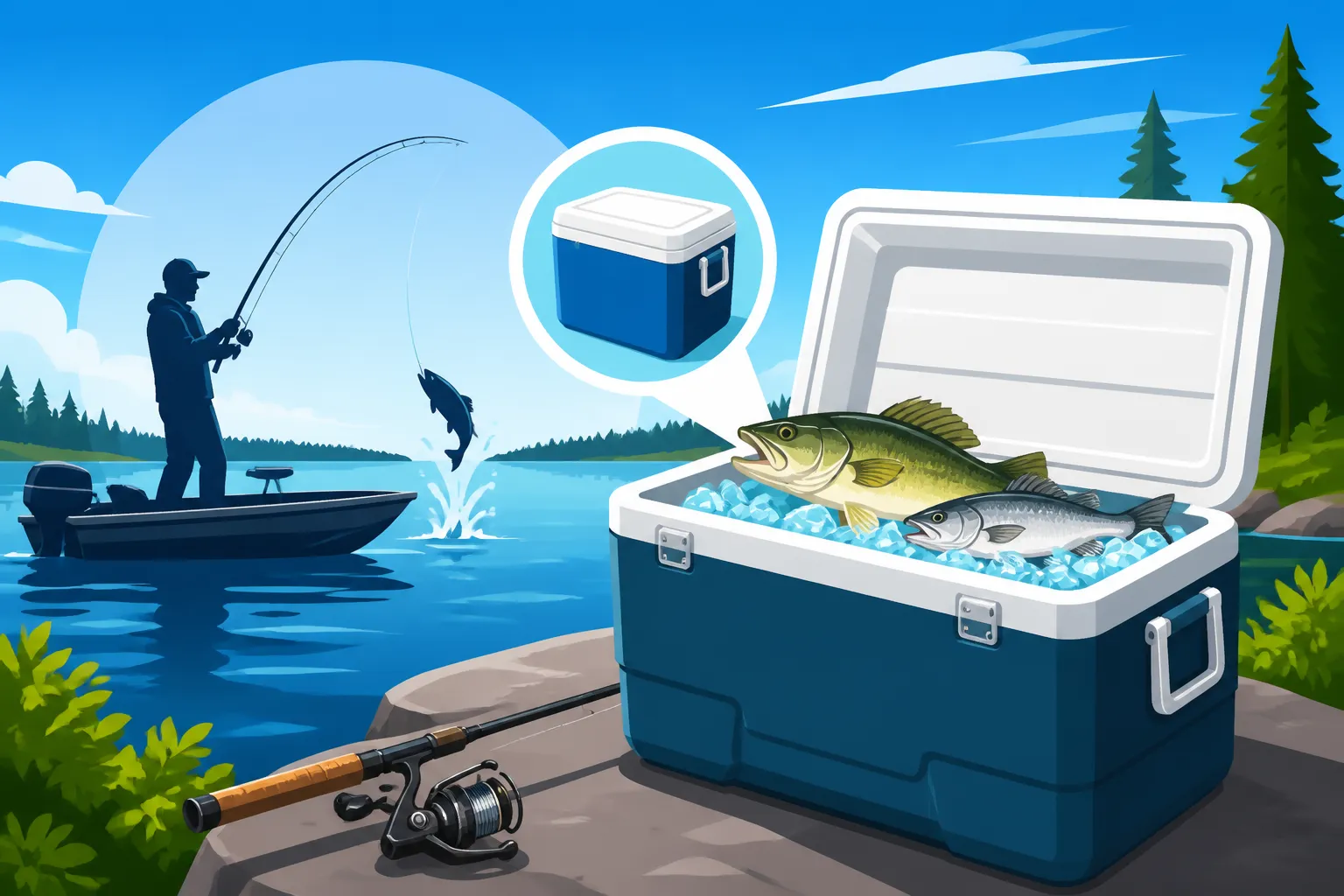
This is arguably the most critical feature for any cooler destined for Cold Lake. Good ice retention is the difference between fresh fillets for dinner and a disappointing loss. High-quality coolers, often referred to as "rotomolded" coolers, are built with thick, pressure-injected insulation in the walls and lid, coupled with a seamless construction that minimizes heat transfer. Brands often boast multi-day ice retention, which might sound like overkill for a single day, but it means your ice will last longer, even under the intense sun of a full summer day on the lake.
Think about the material: polyurethane foam insulation is standard, but the density and thickness vary greatly. A cheaper cooler might use thin, low-density foam, while a premium cooler will have several inches of high-density foam. Gaskets around the lid, often made of freezer-grade rubber, also play a crucial role in sealing cold air in and warm air out. This isn't just about keeping your beer cold; it's about preserving the quality of your catch, especially if you're targeting sensitive species or have a long drive home. Many anglers even check out what's available through retailers like Bass Pro Shops or look for deals on Amazon to find coolers renowned for their ice-keeping abilities.
Capacity Needs: How Much is "Just Right"?
When we talk about cooler capacity, it's often measured in quarts or liters. But what does that really mean for your fishing trip? Here's a rough guide:
- Small (20-30 Quarts / ~19-28 Liters): Perfect for a solo angler or two people for a half-day trip. Enough for a few sandwiches, snacks, a six-pack of drinks, and maybe a couple of smaller fish like perch or small pike.
- Medium (45-65 Quarts / ~42-61 Liters): The sweet spot for many full-day trips with 2-3 people. You can comfortably pack lunch, plenty of drinks, and have room for a respectable limit of walleye or a couple of decent lake trout. This size offers a good balance of capacity and portability.
- Large (70-100+ Quarts / ~66-95+ Liters): Ideal for larger groups (4+ people), extended full-day trips, or if you plan to keep a substantial amount of fish. This is where you can truly separate your catch from your food and drinks, or accommodate multiple large fish like northern pike or big lake trout without issue.
Remember to consider not just the volume of what you put in, but also the volume of ice you'll need. A good rule of thumb is a 2:1 ratio of ice to contents for optimal cooling. This means a 65-quart cooler won't hold 65 quarts of just food and drink; a significant portion will be ice.
Portability and Space on Your Boat
Cold Lake is big, but your boat might not be! The physical dimensions and weight of a cooler, especially when full, are incredibly important.
- Footprint: Will it fit comfortably in your chosen spot without blocking access, interfering with steering, or making it hard to move around? Measure your boat's storage areas before you buy.
- Weight: A 65-quart cooler can easily weigh over 100 pounds when packed with ice, food, and fish. Can you and your fishing buddies lift it in and out of the boat safely? Do you have a cart to move it from the vehicle to the dock?
- Features: Look for sturdy handles (rope handles with comfortable grips are a plus), non-slip feet to keep it from sliding around in choppy water, and a drain plug for easy cleaning. Some coolers even have wheels, which can be a lifesaver for larger models, though they might take up more space.
If you're operating a smaller craft or a kayak for fishing, like those discussed in Best Kayaks for Alberta Fishing, then portability becomes even more paramount. You might even opt for a soft-sided cooler for food and drink, reserving a smaller, hard-sided one purely for your catch.
Durability for Alberta Adventures
Alberta's fishing conditions can be tough, and Cold Lake is no exception. A cooler needs to be more than just insulated; it needs to be built to last. Look for:
- Robust Latches: Metal or heavy-duty rubber latches that securely hold the lid closed, even when bouncing over waves.
- Strong Hinges: Integrated or heavy-duty pin hinges that won't break under stress.
- UV Protection: If your cooler will be exposed to the sun all day, UV-resistant plastic will prevent it from becoming brittle and discolored over time.
- Impact Resistance: Accidents happen. A rotomolded cooler is generally much more resistant to drops and impacts than cheaper, injection-molded alternatives. You want a cooler that can handle being jostled around the boat, dragged across the ground, and potentially dropped without cracking or losing its structural integrity.
Recommended Cooler Sizes for Your Cold Lake Trip Scenarios
Let's get down to the brass tacks: what size should you actually consider for different Cold Lake outings?
Solo Angler or Duo: Short Trips or Minimal Carry (20-40 Quarts)
For those quick morning or evening trips, or if it's just you and a friend heading out for a few hours, a smaller cooler in the 20 to 40-quart range is usually perfect.
Imagine you're launching early, hoping to hit the Best deep water structure spots on Cold Lake for some lake trout before the midday sun gets too high. You've got your thermos of coffee, a couple of water bottles, maybe a granola bar or two, and you anticipate keeping one or two moderate-sized fish. A 25-quart cooler would fit snugly on the floor of your boat, leaving plenty of room for tackle boxes, extra rods, and your fishing buddy. It's light enough to carry easily from the truck to the boat, and it won't consume valuable deck space.
If you are a solo angler primarily focused on catch and release, but still want to keep your lunch and drinks cold, a 20-quart or even a larger soft-sided cooler can be an excellent choice. It's lightweight, easy to manage, and still offers good insulation for personal use. These smaller sizes are also great for separating beverages from your fish storage if you bring a larger cooler for the latter.
Small Group (2-3 People): Full Day Adventures (45-65 Quarts)
This is the most common scenario for many anglers exploring Cold Lake, and the 45-65 quart range is often the sweet spot. It provides enough volume for a full day's worth of provisions and a decent haul of fish.
Picture this: It's Saturday morning, and you, your partner, and a friend are heading out for a full day of Trolling Techniques for Alberta Lake Trout. You've packed a hearty picnic lunch, a cooler full of cold drinks, and you're planning to keep a few fish for a delicious dinner. A 60-quart cooler will give you the capacity you need. You can layer a bag of ice on the bottom, then your drinks, then food, and still have ample space on top for your fish as you catch them. This size is generally still manageable for two people to lift, even when full, and fits well in most recreational fishing boats without being overly cumbersome.
This size also allows for a bit of versatility. You can use half for drinks and food, and the other half strictly for iced down fish, minimizing cross-contamination. Many popular cooler brands offer fantastic options in this size, and you can compare models on Amazon or by visiting a local Bass Pro Shops to see them in person.
Large Group or Extended Stay: Serious Capacity (70-100+ Quarts)
For larger groups, family outings, or if you're planning an overnight camping trip where the cooler needs to hold food for multiple meals and your catch, you'll want to size up to 70 quarts or more.
Imagine a long weekend at a campsite near Cold Lake. You're bringing the whole family – kids, grandparents, and your spouse – for multiple days of fishing and lakeside relaxation. You need to pack breakfast, lunch, and dinner provisions, plus drinks for everyone, and still have room for potential catches. A 90-quart cooler, or even a 120-quart for truly ambitious trips, becomes necessary. These larger coolers are often heavier and bulkier, but they offer unparalleled storage. You can dedicate one side solely to your catch, keeping them perfectly chilled, while the other side holds all your family's food and beverages.
These behemoths are fantastic for keeping everything cold for extended periods, reducing the need for ice runs. However, be mindful of their footprint. You'll need a boat with ample deck space or a designated storage area. You also might want to consider models with wheels or plan to use a sturdy cart for transport from your vehicle to the boat launch, especially at busy spots like the best public boat launches on Cold Lake.
| Cooler Size (Quarts) | Approximate Liters | Ideal Users | Trip Duration | Typical Use Case on Cold Lake |
|---|---|---|---|---|
| 20-30 | 19-28 | 1-2 | Half-Day | Personal drinks/snacks, small fish |
| 45-65 | 42-61 | 2-3 | Full-Day | Lunch, drinks, moderate fish limit |
| 70-100+ | 66-95+ | 4+ | Full-Day+ | Family outing, large fish, multi-day food |
Tips for Maximizing Your Cooler's Performance on Cold Lake
Once you’ve chosen your perfect cooler, it’s not just about throwing ice in and hoping for the best. A few simple tricks can dramatically improve its ice retention and overall effectiveness on Cold Lake.
Pre-Chilling: The Unsung Hero of Ice Retention
This step is often overlooked, but it's probably the single most important thing you can do to keep your ice lasting longer. A cooler at room temperature, or worse, sitting in a hot garage, will immediately melt a significant portion of your fresh ice just bringing its internal temperature down.
To pre-chill, simply fill your cooler with sacrificial ice (or even frozen water bottles) the night before your trip. Let it sit for a few hours, or even overnight, with the lid closed. When you're ready to pack for your Cold Lake adventure, dump out the melted ice and any remaining water. Your cooler's walls will now be cold, ready to accept your fresh ice and keep it frozen for much longer. This simple act can add hours, if not a full day, to your ice life.
Smart Ice Management and Packing
The type of ice you use and how you pack it makes a big difference.
- Block Ice vs. Cubed Ice: Block ice melts much slower than cubed ice because it has less surface area. Consider using a large block of ice at the bottom of your cooler, then layering cubed ice on top for faster initial cooling. Many anglers even freeze their own large blocks in milk jugs or plastic containers.
- Layering: Place a layer of ice at the bottom, then your pre-chilled items, then more ice, and repeat. Try to minimize air pockets, as air will warm up faster than ice and cause it to melt. Filling empty spaces with crumpled newspaper or towels can help if you don't have enough contents.
- Frozen Items: Use frozen water bottles or frozen gel packs to supplement your ice. They keep things cold and, as they melt, provide cold drinking water without making a mess. Plus, they're reusable!
- Ice for Fish: If you plan on keeping fish, it’s a smart move to have a separate bag of ice specifically for your catch. This keeps your food and drinks from getting fishy and ensures your fish are kept in the cleanest possible environment. If you're really serious about fish preservation, consider a dedicated kill bag or a separate, smaller cooler just for your catch, especially if you’re pulling in a good number of big ones.
Strategic Placement and Minimal Opening
Where and how you use your cooler on the boat can greatly impact its performance.
- Shade is Your Friend: Always try to keep your cooler out of direct sunlight. Even the best insulated cooler will struggle if it's baking in the sun all day. Use bimini tops, canopies, or position it under a console if possible. If not, a wet towel draped over it can help reflect some heat.
- Keep it Closed: Every time you open the lid, warm air rushes in, and cold air escapes. Try to plan your access. If you need a drink, grab a few at once so you're not constantly opening and closing the lid. For food, pack snacks and lunch items in easily accessible containers near the top.
- Elevate it: If your boat deck gets hot, elevating your cooler even a few inches off the deck can help prevent heat transfer from below. Many coolers have integrated feet for this purpose, but a few wooden blocks or a mat can also work wonders.
Conclusion
Choosing the best cooler size for a day on Cold Lake isn't just about grabbing the first one you see. It's about thinking strategically about your trip: who's coming, how long you'll be out, what you plan to bring (and catch!), and how the unique conditions of Cold Lake will test your gear. By considering ice retention, capacity, portability, and durability, and then applying some smart packing and usage tips, you can ensure your cooler performs its vital duty. A well-chosen and well-managed cooler means colder drinks, fresher food, and ultimately, a more enjoyable and successful fishing adventure on one of Alberta's most incredible lakes. Tight lines!
Disclaimer
This article is for general informational purposes only and does not constitute professional advice. Laws, prices and regulations vary by location and change over time. Consult a qualified professional for guidance on your specific situation.