Alberta goldeye limit
It's incredibly frustrating when you're just trying to enjoy a day on the water, but the specific rules for a certain fish species feel like a moving target. You want to do the right thing, avoid fines, and most importantly, contribute to healthy fish populations, but figuring out the exact limits for species like goldeye can be surprisingly tricky. This comprehensive guide is here to clear up all that confusion, giving you the definitive scoop on Alberta's goldeye limits and everything you need to know to fish for them responsibly.
Understanding Alberta's Goldeye Limits and Regulations
When you're out on an Alberta river, rods bent, and a feisty goldeye puts a serious tug on your line, the last thing you want to be doing is guessing about the rules. Knowing the daily bag and possession limits for goldeye isn't just about compliance; it's about being a responsible angler who contributes to the health of our fisheries.
Why Specific Limits Exist for Goldeye
Every fishing regulation, including those for goldeye, is in place for a good reason. These limits are set by Alberta Environment and Protected Areas (AEPA) based on extensive scientific data, population surveys, and a deep understanding of each species' life cycle and habitat. For goldeye, a species widely distributed across Alberta's prairie rivers, setting limits helps manage their numbers, ensuring there are enough fish to sustain future generations of anglers and maintain the ecological balance of our waterways. Without these carefully considered limits, even a hardy fish like the goldeye could face population declines from overfishing, impacting not just anglers but also the countless other species that rely on them as a food source. It's all part of a larger plan to keep Alberta's fishing vibrant and sustainable for everyone.
The Current Daily Bag Limit for Goldeye
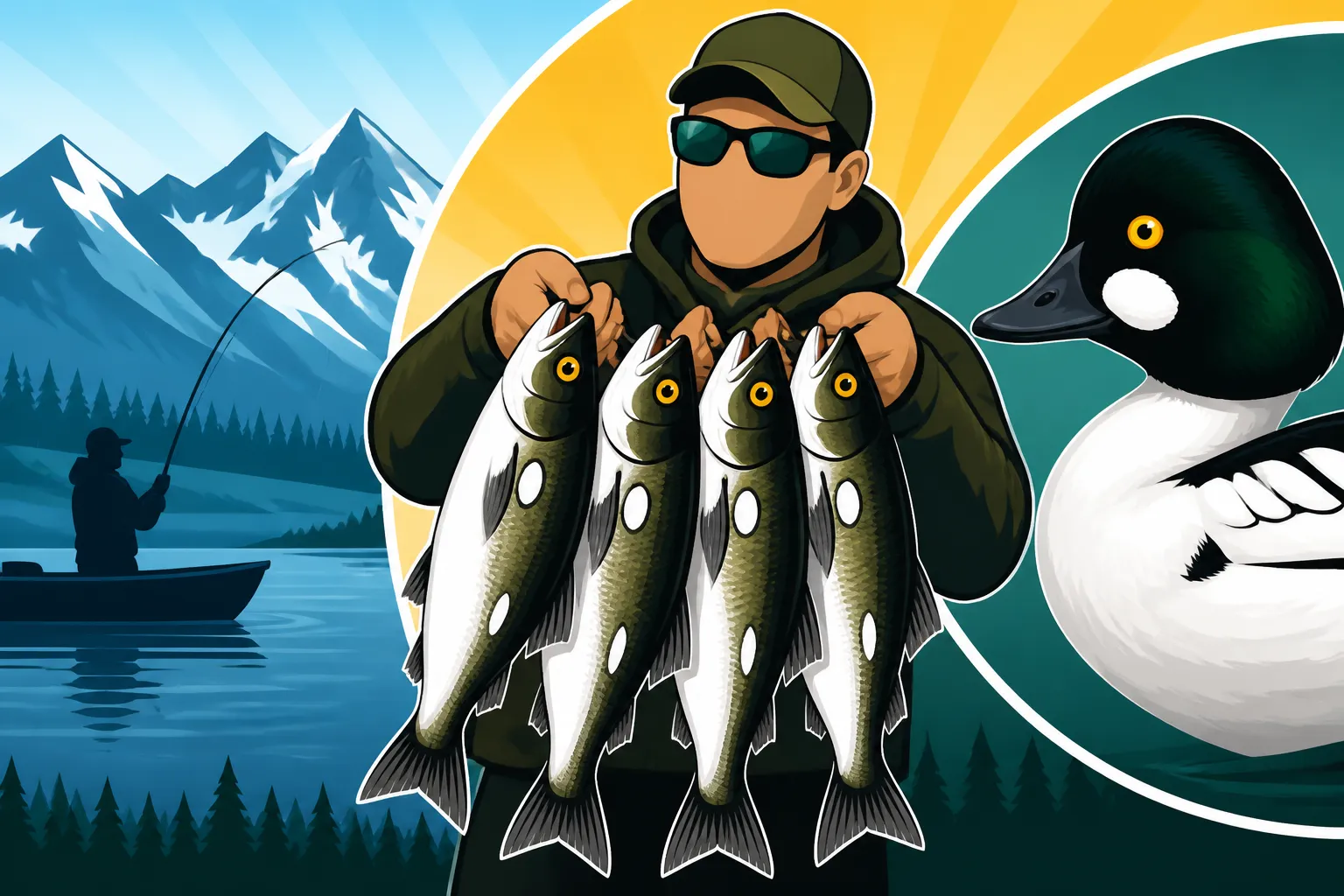
Let's get straight to it: for most general recreational fishing across Alberta's diverse zones, the current daily bag limit for goldeye is 10. This means that in any given day, you are permitted to catch and retain (keep) a maximum of ten goldeye. This limit applies to all anglers, whether you're an Alberta resident or visiting from elsewhere, unless specific exceptions are noted for a particular waterbody or zone in the official regulations. It's crucial to remember that this is a daily limit, meaning once you've kept ten, any additional goldeye you catch that day must be immediately and safely released back into the water. This straightforward rule helps distribute the harvest pressure across many anglers, preventing any single individual from depleting a localized population. Always double-check the latest Alberta Fishing Regulations Explained to be sure, as rules can sometimes change or have specific nuances for certain waters.
What the Possession Limit Means for Goldeye
Understanding the difference between a daily bag limit and a possession limit is fundamental to staying within the rules. While the daily bag limit dictates how many goldeye you can catch and keep in a single day, the possession limit refers to the total number of goldeye you can have in your possession at any given time, whether they are fresh, frozen, smoked, or otherwise preserved. For goldeye in Alberta, the possession limit is generally the same as the daily bag limit, which is 10. This means that if you've been on a multi-day fishing trip or have accumulated fish over several outings, the total number of goldeye in your cooler, vehicle, or freezer cannot exceed ten. The intent here is to prevent anglers from stockpiling large quantities of fish beyond what's considered reasonable for personal consumption. It’s a collective effort to manage the overall harvest. When you’re reviewing the rules, remember to consult the full Alberta Bag and Possession Limits by Species section in the official guide for any specific nuances related to goldeye or other species you might target.
Where to Find Goldeye in Alberta's Waters
Goldeye are a fantastic, hard-fighting fish, often overlooked but offering incredible sport, especially on light tackle. Knowing where to find them is key to a successful outing.
Prime Rivers and Lakes for Goldeye Fishing
Goldeye are predominantly a fish of Alberta's larger, slower-moving prairie rivers, though you can find them in some lakes as well. These fish thrive in systems with moderate currents, often congregating in eddies, backwaters, and deep pools where they can ambush prey. Some of the most prolific goldeye fisheries in the province include:
- The Red Deer River: Especially in its lower reaches, the Red Deer offers excellent opportunities for goldeye, particularly around areas with current breaks and deeper runs.
- The Bow River: While famous for its trout, the lower stretches of the Bow River, particularly downstream from Calgary towards Carseland, can hold good numbers of goldeye.
- The North Saskatchewan River: As it winds its way through Edmonton and further east, the North Saskatchewan is another prime goldeye destination, with many accessible spots from shore.
- The Peace River and Athabasca River: In Northern Alberta, these mighty rivers offer extensive habitats for goldeye, especially in their slower sections and tributaries.
- The Milk River: Down in the southern part of the province, the Milk River also provides good goldeye action.
You'll find that many of the Best Fishing Rivers in Alberta will have some population of goldeye, though their concentrations will vary. They tend to favor turbid or stained water conditions more than some other game fish, making them a reliable target even after a rain event. When you're planning your trip, consider focusing on the confluence of smaller creeks with these larger rivers, as these often create ideal feeding lies for goldeye. For more specific location tips, checking out guides on Where goldeye are caught in Alberta rivers can give you a head start.
Understanding Goldeye Habits and Behavior
Goldeye are fascinating fish with predictable behaviors that anglers can exploit. They are primarily insectivores, feasting on aquatic insects, terrestrial insects that fall into the water, and occasionally small baitfish. This makes them particularly responsive to topwater presentations and small flies. You'll often find them cruising just below the surface, especially during low light conditions like dawn and dusk, eagerly looking for an easy meal.
They are schooling fish, so if you catch one, there are often more in the immediate vicinity. This makes for exciting fast-paced fishing, where you can sometimes catch several in quick succession. Their preference for slower currents, particularly around submerged structures, bridge pilings, or undercut banks, means targeting these areas can significantly increase your success. While they can be active throughout the day, their feeding peaks usually coincide with insect hatches or periods of reduced light, making early mornings and evenings prime time for hooking into these silver fighters. They're not particularly shy, but a subtle approach will always yield better results.
Effective Techniques and Essential Gear for Goldeye Anglers
Catching goldeye isn't complicated, but having the right approach and gear can turn a good day into a truly memorable one. They're known for their powerful runs and aerial acrobatics, so be ready for a fight!
Recommended Baits and Lures for Goldeye
Goldeye are quite aggressive and not overly picky, which is great news for anglers. Their diet of insects and small fish means they respond well to a variety of presentations.
- Small Spinners: Classic inline spinners like a Mepps Aglia or Panther Martin in sizes #00 to #2 are incredibly effective. Their flash and vibration mimic small baitfish or fleeing insects, driving goldeye wild. Silver, gold, or even brightly colored blades often work wonders.
- Small Spoons: Tiny casting spoons, especially those with a fluttering action on the retrieve, can also be deadly. Again, silver or gold finishes are usually best.
- Flies: If you're into fly fishing, goldeye are a blast. Dry flies mimicking grasshoppers, caddis, or even small stimulators can draw explosive strikes when fish are feeding on the surface. Wet flies and small nymphs can also be effective when fish are deeper.
- Bait: For bait anglers, a simple setup with a small piece of worm, a mealworm, or maggots under a bobber can be irresistible. Many anglers use a small hook, often a size 8 or 10, to match their mouth size.
The key is often presentation – a slow, steady retrieve with spinners and spoons, or a natural drift with bait or flies, will typically entice strikes. You can find a fantastic selection of these small lures and baits on platforms like Amazon, making it easy to stock up before your next trip.
Optimal Times and Conditions for Catching Goldeye
Timing can make a big difference when targeting goldeye. While they can be caught throughout the open water season, certain periods and conditions really make them shine.
- Season: Late spring, through summer, and into early fall are generally the best times. As water temperatures rise, their metabolism increases, making them more active feeders.
- Time of Day: As mentioned earlier, dawn and dusk are often prime times. The lower light conditions make them feel more secure to feed in open water, and insect hatches are often strongest during these periods. However, a cloudy day can keep them active throughout the mid-day hours.
- Water Conditions: Goldeye seem to tolerate, and sometimes even prefer, slightly murkier water compared to some trout species. After a light rain that slightly colors the river, they can become very active. Avoid extremely high or muddy water, as this can make locating them difficult and reduce their feeding activity. Look for areas where the water starts to clear up, or slower eddies where they can escape the main current. You can check the Alberta Fishing Seasons by Zone and Month guide to get a general idea of when different species are most active across the province.
Essential Gear for a Successful Goldeye Outing
You don't need highly specialized gear to catch goldeye, which is one of their appeals. A light setup is usually all it takes to have a blast.
- Rod and Reel: A light to ultralight spinning rod (6-7 feet long) paired with a small spinning reel (2000-2500 size) spooled with 4-6 lb monofilament or braided line is perfect. This setup will allow you to cast light lures and still feel every head shake and run of these spirited fish. If you're looking for a good all-around setup, an Best ultralight rod for panfish will serve you very well for goldeye too.
- Line: Monofilament is a good choice for its stretch, which helps absorb the shock of their strikes. Fluorocarbon leaders can be used in clearer water but aren't strictly necessary given their aggressive nature.
- Hooks and Bobbers: For bait fishing, small Aberdeen hooks (size 8-10) are ideal. A small slip bobber or fixed bobber will help you present your bait at the right depth.
- Landing Net: While not strictly essential for smaller goldeye, a small, fine-mesh landing net can be very helpful for safely landing and releasing fish, especially if you're practicing catch and release. A net designed for trout, such as an Best landing net for trout, would be perfectly suitable. You can find a range of affordable and effective nets on Amazon.
- Pliers/Forceps: Always carry a pair of needle-nose pliers or hemostats for quickly and safely removing hooks, especially if fish have swallowed the bait or lure deeply.
Responsible Angling Practices for Sustainable Goldeye Fishing
As much fun as it is to catch goldeye, we all have a role to play in ensuring these exciting fish remain abundant for years to come. Responsible angling isn't just about following the rules; it's about ethical practice and genuine care for the resource.
Catch and Release Best Practices
Even if you plan to keep some goldeye up to your daily limit, practicing safe catch and release for fish you don't intend to retain is paramount. Goldeye are generally quite resilient, but proper handling minimizes stress and injury, increasing their chances of survival after release.
- Minimize Fight Time: Use appropriate tackle that allows you to land the fish efficiently without over-exhausting it.
- Wet Hands: Always wet your hands before handling a fish. Dry hands can remove the fish's protective slime coat, leaving it vulnerable to disease.
- Keep Fish in Water: Try to unhook the fish while it's still in the water as much as possible. If you must remove it, do so quickly and gently.
- Support the Fish: Support the fish horizontally, especially larger ones, to avoid damaging internal organs. Avoid holding them vertically by the jaw or tail alone.
- Use Barbless Hooks: Consider using barbless hooks. They make hook removal much easier and quicker, causing less damage to the fish. Some waters in Alberta even have Alberta Barbless Hook Requirement Waters for certain species, so it’s a good habit to get into.
- Quick Release: Once unhooked, gently place the fish back into the water, head first, and hold it until it swims away under its own power. Sometimes a gentle current will help revive them.
Checking Specific Waterbody Regulations
While the general goldeye limit across Alberta is 10, it is absolutely critical to remember that regulations can, and often do, vary by specific waterbody or management zone. What might be legal on the North Saskatchewan River could be different on a particular lake or a smaller tributary. The official source for all current rules is the annual Alberta Guide to Sportfishing Regulations, published by Alberta Environment and Protected Areas.
Before every fishing trip, make it a habit to:
- Consult the Digital Guide: The AEPA website has the most up-to-date digital version. You can download it to your phone or tablet.
- Use the App: There's also a fantastic AlbertaRELM app (formerly MyWildAlberta) that allows you to look up regulations by specific lake or river, making it incredibly convenient. Learning How to use the Alberta sportfishing regulations app can save you a lot of guesswork and potential headaches.
- Review the Printed Guide: For those who prefer a physical copy, print versions are often available where you purchase your fishing license or at local tackle shops. You can even find them for sale online through retailers like Amazon, though make sure it's the current year's version! It's worth learning Reading the Alberta Guide to Sportfishing Regulations effectively to ensure you're not missing any important details.
Ignoring these specific rules, even unintentionally, can lead to fines and a diminished reputation for anglers. It's our collective responsibility to know before we go. Remember, you'll also need a valid fishing license, so be sure to check out the details on things like the Alberta resident fishing license cost 2026 and Alberta fishing license age requirements before heading out.
Conservation Efforts and the Future of Goldeye Fishing
Goldeye are an important part of Alberta's aquatic ecosystems and provide a unique fishing experience. By adhering to bag and possession limits, practicing responsible catch and release, and staying informed about regulations, every angler contributes directly to their conservation. Unlike some other species that might be subject to special harvest licence draws, like the Alberta Walleye Special Harvest Licence Program, goldeye are generally managed through more straightforward daily and possession limits. This implies a relatively healthy and stable population, but continued vigilance and respectful angling are key to keeping it that way.
Conservation isn't just about government regulations; it's about the actions of individual anglers on the water. By fishing responsibly, we ensure that the thrill of a hard-fighting goldeye on the end of the line can be enjoyed by our children and grandchildren, keeping Alberta's fishing heritage strong and vibrant.
Alberta Goldeye Fishing Quick Reference
Here's a handy table to quickly recap key information about goldeye fishing in Alberta:
| Category | Details |
|---|---|
| Species Name | Goldeye (Hiodon alosoides) |
| Daily Bag Limit | 10 (for most general recreational fishing; always confirm with specific zone/waterbody regulations) |
| Possession Limit | 10 (same as daily bag limit) |
| Prime Habitats | Larger, slower-moving prairie rivers (e.g., Red Deer, Bow lower reaches, North Saskatchewan, Peace, Athabasca, Milk Rivers). Look for eddies, current breaks, deep pools, and backwaters. |
| Preferred Baits/Lures | Small inline spinners (#00-#2), small casting spoons, small dry flies (grasshopper, caddis), wet flies, nymphs, small pieces of worm, mealworms, or maggots under a bobber. |
| Optimal Times | Late spring to early fall. Dawn and dusk are often most productive, especially on calm days. Overcast days can extend feeding activity. |
| Recommended Gear | Light to ultralight spinning rod (6-7 ft), 2000-2500 size spinning reel, 4-6 lb mono/braid line, small hooks (size 8-10), small bobber, small fine-mesh landing net, needle-nose pliers/hemostats. |
| Key Regulation Source | Alberta Guide to Sportfishing Regulations (digital via AEPA website or AlbertaRELM app, or physical copy). Always check specific zone/waterbody regulations before fishing. |
Disclaimer
Please remember that fishing regulations, limits, and seasons are subject to change. While every effort has been made to provide accurate and up-to-date information in this guide, it is ultimately the angler's responsibility to consult the most current official Alberta Guide to Sportfishing Regulations before heading out. This guide is for informational purposes only and should not be considered a substitute for the official government publication.