Alberta boating under the influence penalties
There’s nothing quite like a peaceful day out on an Alberta lake or river, casting a line and soaking in the beauty of nature. But that serene picture can quickly turn into a nightmare if impaired judgment due to alcohol or drugs enters the equation. Many anglers don't realize just how severe the consequences are for boating under the influence (BUI) in Alberta, often thinking it's less serious than drunk driving. The reality is, the penalties are incredibly harsh, impacting your freedom, finances, and even your ability to fish or drive for years to come. This guide will walk you through the specifics of Alberta’s BUI penalties, helping you understand the gravity of the situation and why responsible choices on the water are paramount.
Understanding Boating Under the Influence (BUI) in Alberta
When we talk about boating under the influence, it's not just about alcohol. It encompasses impairment by drugs, whether prescription, over-the-counter, or illicit. The laws are designed to protect everyone on the water, from anglers and recreational boaters to paddlers and swimmers. The danger isn't just to yourself; it's to your passengers, other boaters, and anyone else enjoying Alberta's beautiful waterways.
Defining Impairment on the Water
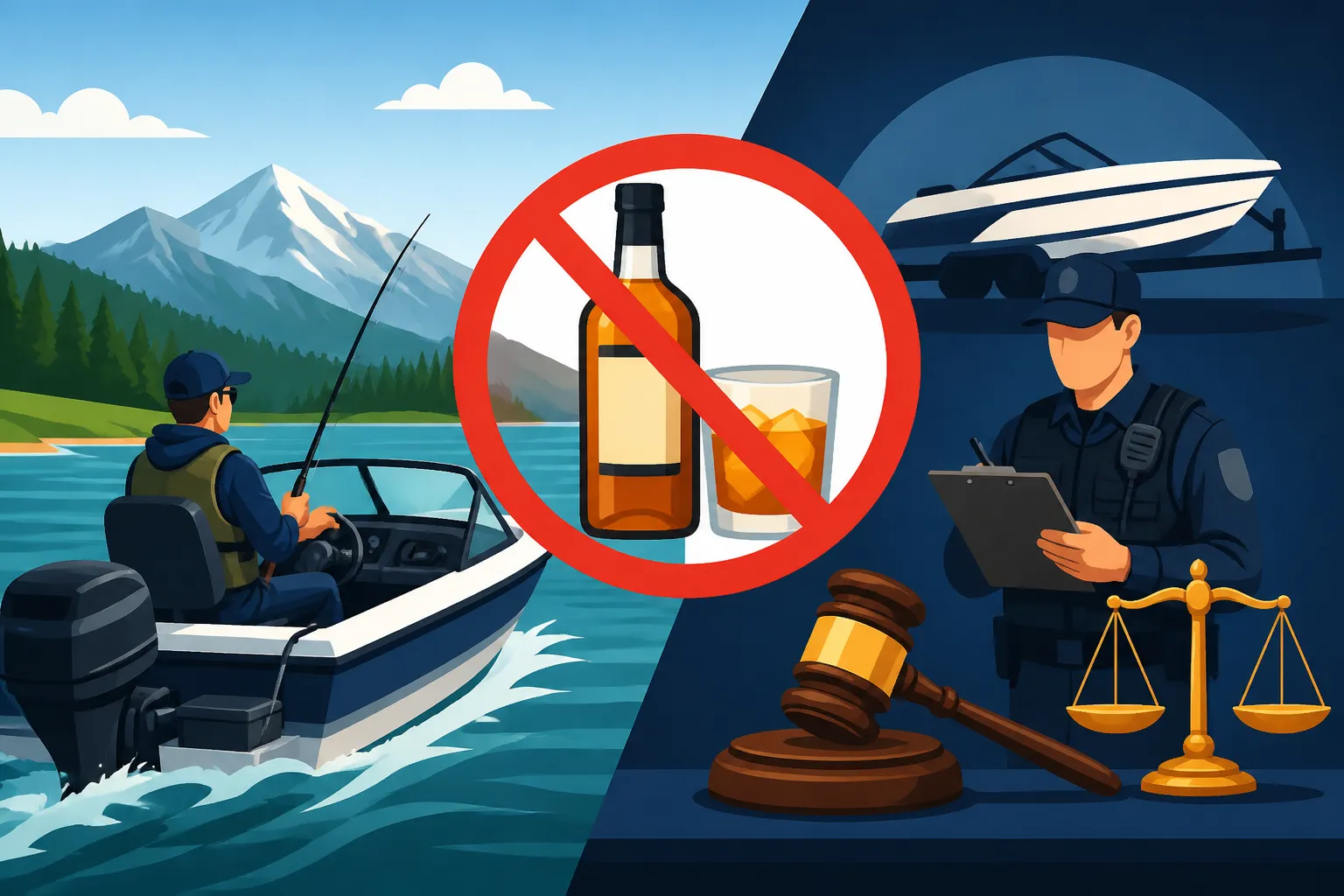
Just like driving, operating a boat, personal watercraft (PWC), or even a canoe while impaired is a criminal offense under the Criminal Code of Canada. This means it's not just an Alberta provincial regulation; it’s a federal law that carries significant weight across the country. The legal limit for alcohol in your blood while operating a vessel is generally 80 milligrams of alcohol per 100 milliliters of blood (0.08% BAC). However, law enforcement, including the RCMP and Alberta Fish and Wildlife officers, can charge you with impairment even if your BAC is below 0.08% if they believe your ability to operate the vessel is compromised. This "impairment by observation" clause is critical to understand; if you're swerving, acting erratically, or showing signs of impaired coordination, you can be charged regardless of a breathalyzer reading.
The definition of a "vessel" is also much broader than many people think. It doesn't just mean motorboats. It includes sailboats, canoes, kayaks, stand-up paddleboards, and even inflatable rafts if you are "operating" them in a way that could endanger others. So, that relaxing float down the river with a few beers? If you're steering or guiding the raft, you could be deemed an operator and face BUI charges. The risk is real, and the implications are far-reaching, making responsible decisions absolutely essential before you even leave the dock.
Why BUI Laws Are So Strict
The strictness of BUI laws isn't just about preventing accidents, though that's a huge part of it. It's about recognizing the unique dangers presented by the aquatic environment. On the water, factors like sun exposure, dehydration, and the constant motion of the waves can amplify the effects of alcohol and drugs, leading to impairment at lower consumption levels than on land. Your balance, coordination, and reaction time are all critical when boating, and impairment severely diminishes these faculties. Imagine trying to navigate a busy lake, react to sudden changes in weather, or perform a rescue while under the influence. The stakes are incredibly high.
Furthermore, Alberta's waterways, from the vast expanse of Lesser Slave Lake to the winding currents of the Bow River, see a lot of traffic, especially during peak fishing seasons. When someone operates a boat impaired, they put everyone at risk: swimmers, other boaters, and even the natural environment itself. The legal system acknowledges these heightened risks, which is why the penalties for BUI align closely with those for impaired driving, and in some cases, can be even more complicated due to the additional boating-specific regulations. It’s a serious offense designed to deter behavior that has potentially fatal consequences.
The Serious Penalties for BUI in Alberta
Unlike a minor traffic ticket, a BUI charge in Alberta is a criminal offense that can significantly alter your life. It’s not just a slap on the wrist; it comes with a cascade of legal, financial, and personal repercussions that can last for years. Understanding these penalties is the first step toward making smarter choices on the water.
Criminal Code of Canada Charges and Fines
When you're charged with BUI in Alberta, you're primarily facing charges under the Criminal Code of Canada. This immediately puts you in a much more serious legal situation than a simple provincial infraction. A conviction for BUI goes on your permanent criminal record, which can have long-lasting implications for employment, travel, and more.
The fines for BUI are substantial and have increased over the years to reflect the seriousness of the offense. For a first offense, you can expect a mandatory minimum fine of $1,000, but this can escalate significantly depending on your blood alcohol concentration (BAC) or the level of impairment. For example, a BAC between 0.08% and 0.119% might warrant a $1,000 fine, but if your BAC is 0.160% or higher, the mandatory minimum fine jumps to $2,000. If there’s an accident involving bodily harm, or worse, death, the fines can be astronomical, and that’s before considering other penalties. These fines are just the beginning, as legal fees for defending a criminal charge can easily run into the tens of thousands of dollars.
| Offence Number | Mandatory Minimum Fine (BAC 0.08-0.119%) | Mandatory Minimum Fine (BAC 0.12-0.159%) | Mandatory Minimum Fine (BAC 0.16% or higher) | Mandatory Minimum Fine (Refusal to Provide Sample) | Mandatory Minimum Jail Time (2nd Offence) | Mandatory Minimum Jail Time (3rd Offence) |
|---|---|---|---|---|---|---|
| First Offence | $1,000 | $1,500 | $2,000 | $2,000 | N/A | N/A |
| Second Offence | $1,000 | $1,500 | $2,000 | $2,000 | 30 days | N/A |
| Third or Subsequent Offence | $1,000 | $1,500 | $2,000 | $2,000 | N/A | 120 days |
Note: These are mandatory minimums. Actual fines and jail time can be significantly higher based on aggravating factors, such as involvement in an accident, injury, or death.
Jail Time and License Suspensions
While a first offense might result in a hefty fine and a criminal record, subsequent BUI convictions carry mandatory jail sentences. A second offense results in a minimum of 30 days in jail, and a third or subsequent offense leads to a minimum of 120 days behind bars. This isn't just a possibility; it's a certainty if you are convicted multiple times. The courts take repeat offenders very seriously, reflecting the severe risk they pose to public safety.
Perhaps one of the most immediate and impactful penalties for many anglers is the loss of their driving privileges. Under the Criminal Code of Canada, a BUI conviction automatically triggers a driver's license suspension, regardless of whether you were operating a car or a boat. For a first offense, you're typically looking at a one-year suspension. A second offense can lead to a two-year suspension, and a third offense results in a three-year suspension. This means no driving to your favorite fishing spot, no trips to the tackle shop, and significant disruption to your daily life, work, and family commitments. You'll need to look into options like public transport, rideshares, or relying on friends and family, which can be a huge inconvenience and source of frustration.
Beyond your driver's license, there are also consequences for your ability to operate a vessel. If you hold a Pleasure Craft Operator Card (PCOC), that can also be affected, leading to restrictions or suspension of your boating privileges. This means not only can you not drive your car, but you also cannot legally operate a boat. For those who rely on boating for their livelihood, or for whom fishing is a major part of their recreational life, this can be truly devastating. Learn more about the specific requirements for an Alberta Pleasure Craft Operator Card Requirement.
Impact on Your WIN Card and Fishing Privileges
An often-overlooked consequence of a BUI conviction in Alberta, especially for avid anglers, is the potential impact on your Wildlife Identification Number (WIN) card and your ability to purchase fishing licenses. While a BUI conviction doesn't automatically revoke your WIN card or directly suspend your fishing license, it can certainly make things complicated.
The Alberta government, through Environment and Protected Areas (formerly Alberta Fish and Wildlife), issues WIN cards and fishing licenses. While they are separate from your driving privileges, a criminal record can sometimes lead to additional scrutiny or difficulties when renewing or applying for permits, especially if your offense involved an interaction with Fish and Wildlife officers on the water. Although rare, in extreme cases or with repeated offenses, authorities could impose further restrictions related to outdoor recreational activities. More importantly, the social stigma and personal shame associated with a criminal record can deter you from participating in activities you once loved. Losing access to your vehicle due to a license suspension effectively cuts off access to many prime fishing locations, making the de facto impact on your fishing privileges very real. It's a layer of frustration and disappointment that no angler wants to face. Ensure you understand all aspects of the Alberta WIN Card, Explained.
How BUI Convictions Impact Your Future
A BUI conviction casts a long shadow, extending far beyond the immediate legal and financial penalties. It can create significant barriers in various aspects of your life, making simple tasks difficult and major life goals harder to achieve.
Employment and Career Opportunities
One of the most profound long-term impacts of a BUI conviction is on your employment prospects. A criminal record, especially for an impaired driving offense (which BUI falls under), can be a major red flag for potential employers. Many job applications now ask if you have a criminal record, and answering "yes" can significantly reduce your chances of being hired. For jobs requiring driving, operating heavy machinery, or positions of trust, a BUI conviction can be an automatic disqualifier.
Even if your current employer doesn't immediately dismiss you, a license suspension might make it impossible to perform your job duties, leading to job loss. Furthermore, for those in professions that require professional licensing or certification (e.g., healthcare, education, finance), a criminal record can jeopardize your ability to maintain or renew your credentials. The financial strain of legal fees, fines, and potentially lost income due to job loss or reduced hours can be overwhelming, affecting your ability to provide for yourself and your family. It’s a harsh reality that many people only fully grasp once they are already facing these consequences.
Travel Restrictions and Insurance Costs
A criminal record for BUI can significantly impact your ability to travel, particularly to the United States. Even a single conviction for an impaired driving offense can make you inadmissible to the U.S. without obtaining a temporary resident permit, a process that can be lengthy, costly, and isn't guaranteed. Imagine planning a fishing trip to Montana or a family vacation across the border, only to be denied entry. This can be a huge blow for many Albertans who frequently travel south.
On the financial front, your insurance costs will skyrocket. If you manage to get your driver's license back, you'll likely be categorized as a high-risk driver, leading to substantially higher premiums for car insurance for many years. Some insurance companies may even refuse to cover you. The same can apply to boat insurance, if you have it. The added financial burden of increased insurance costs can be a constant reminder of the conviction, long after the immediate legal proceedings are over. It's a hidden penalty that silently chips away at your finances month after month.
Social Stigma and Personal Reputation
While less tangible than fines or jail time, the social stigma and damage to your personal reputation from a BUI conviction can be just as difficult to bear. Explaining to friends, family, or colleagues why you can no longer drive, why you have a criminal record, or why you can't join them on a fishing trip can be incredibly uncomfortable. The judgment, spoken or unspoken, can take a toll on your mental well-being and relationships.
For many, the idea of being labeled a "criminal" is a deeply personal blow. It can affect your self-esteem and lead to feelings of shame and regret. Rebuilding trust and respect, both in your personal and professional life, takes time and concerted effort. The ripple effect of a BUI conviction can touch every corner of your life, creating a constant weight that underscores the importance of making responsible choices and valuing safety above all else when enjoying Alberta's beautiful waters.
Navigating the Legal Process and Prevention
If you find yourself facing a BUI charge, the situation can feel overwhelming and frightening. Knowing what steps to take and, more importantly, how to prevent such a situation from ever occurring, is crucial.
What to Do If Charged with BUI
If you are charged with Boating Under the Influence in Alberta, the first and most critical step is to remain silent and contact a lawyer specializing in impaired driving offenses immediately. Do not make any statements to law enforcement without legal counsel present. Anything you say can and will be used against you in court. Remember, you have the right to remain silent and the right to speak with a lawyer.
A lawyer can explain the charges against you, review the evidence, and help you understand your options. They can identify potential defenses, negotiate with the Crown prosecutor, and represent you in court. Attempting to navigate the criminal justice system on your own is highly ill-advised given the severe and long-lasting consequences of a BUI conviction. Gathering as much detail as you can about the incident (time, location, officers involved, what was said, any tests performed) immediately after it happens can also be helpful for your legal team. While this isn't a situation anyone wants to be in, having competent legal representation is your best line of defense.
Practical Steps for Prevention
The best way to avoid the harsh penalties of BUI is, quite simply, to never boat under the influence. It sounds obvious, but it requires conscious planning and commitment. Here are some practical steps you can take to ensure you and your companions stay safe and legal on the water:
- Designate a Sober Operator: This is the most effective prevention strategy. Before you even head out, decide who will be the sober boat operator for the day. This person should abstain from all intoxicating substances.
- Alcohol-Free Outings: Consider making your fishing trips or boating excursions completely alcohol-free. Pack non-alcoholic beverages and snacks instead. There are plenty of fantastic fishing spots to enjoy, and you’ll appreciate them even more with a clear head. Check out some of the Best Fishing Rivers in Alberta or Best Fishing Lakes in Alberta for inspiration.
- Educate Yourself: Understand the legal limits and how alcohol and drugs affect your judgment and coordination. Recognize that the effects can be amplified on the water due to environmental factors. If you're unsure about your own alcohol consumption levels or how quickly it metabolizes, personal breathalyzers are available on platforms like Amazon that can provide a preliminary, educational indication of your BAC, though these should never be solely relied upon for legal compliance.
- Plan Ahead: If you plan to consume alcohol, arrange for a designated driver on land to get you to and from your launch site, and ensure you have a designated sober operator for your vessel. Consider overnight accommodations if you'll be drinking.
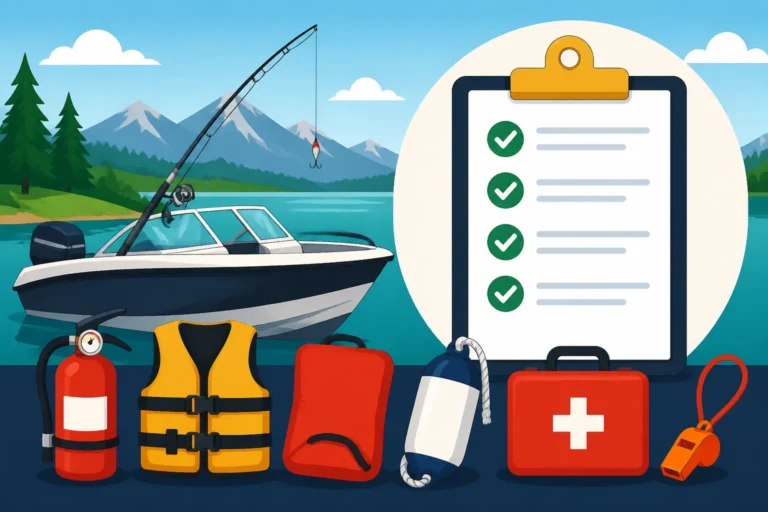
- Be Prepared with Safety Gear: While not directly preventing BUI, ensuring you have all required safety equipment, such as life jackets for everyone on board (you can find compliant options on Amazon), flares, and a sound-signalling device, helps you maintain a responsible mindset. A well-prepared boater is generally a more cautious boater. Make sure you're up to date on Life Jacket Requirements for Alberta Boaters.
- Know Your Limits: Even if you're not the designated operator, excessive consumption can lead to poor judgment, putting yourself and others at risk. Encourage responsible drinking among your companions.
- Stay Hydrated: Drink plenty of water throughout the day, especially on hot, sunny days. Dehydration can exacerbate the effects of alcohol.
Taking these proactive measures not only protects you from legal repercussions but, more importantly, ensures everyone enjoys a safe and memorable time on Alberta's beautiful waters.
Disclaimer
The information provided in this guide is for general informational purposes only and does not constitute legal advice. Boating under the influence laws are complex and subject to change. If you are facing BUI charges or have specific legal questions, it is crucial to consult with a qualified legal professional specializing in impaired driving law in Alberta.