Alberta Crown land camping and fishing access permit rules
Figuring out where you can legally pitch a tent or cast a line in Alberta can sometimes feel like a complex puzzle with missing pieces. Many anglers and outdoor enthusiasts struggle to understand the nuances of accessing and utilizing Crown land, especially when it comes to various permits and regulations. This guide is here to untangle that confusion, offering a clear roadmap to understanding Alberta's Crown land camping and fishing access permit rules, so you can enjoy our beautiful province responsibly.
Understanding Alberta Crown Land for Outdoor Enthusiasts
Alberta is blessed with vast tracts of Crown land, essentially public land managed by the provincial government for the benefit of all Albertans. These lands offer incredible opportunities for recreation, including fishing, hunting, hiking, and camping. However, simply knowing it's "public land" isn't enough; understanding the specific rules that govern its use is paramount to enjoying it responsibly and avoiding hefty fines. It’s not just about finding a spot; it’s about understanding the "how" and "where" of access.
Public vs. Private Boundaries: Knowing Where You Stand
One of the biggest challenges for anyone venturing into Alberta's outdoors is distinguishing between public Crown land and private property. Many prime fishing spots or access points can be bordered or even surrounded by private land, leading to potential trespassing issues if you're not careful. This can be incredibly frustrating when you're looking at a pristine river or lake, only to realize that getting to it requires crossing someone else's property. Always be aware that accessing a waterbody across private land without permission is trespassing, even if the water itself is public.
To avoid this common headache, always do your homework before heading out. Online resources like the Alberta government’s Recreational Access Tool (RAT) or third-party apps like iHunter Alberta can be invaluable. These tools overlay land ownership maps onto satellite imagery, helping you clearly identify Crown land boundaries, public road allowances, and areas where access might be restricted. Imagine driving hours to a promising fishing hole, only to find a "No Trespassing" sign, and you'll quickly appreciate the importance of checking these maps beforehand.
The Importance of Crown Land for Fishing and Camping
Crown land is the backbone of Alberta's outdoor recreational heritage. Without it, many of our favorite fishing rivers, pristine lakes, and remote camping areas would be inaccessible or privatized. It preserves vital ecosystems, provides habitat for fish and wildlife, and offers unparalleled opportunities for solitude and connection with nature. For anglers, Crown land ensures access to countless miles of rivers like the Bow River or the Oldman River, and numerous lakes that might otherwise be off-limits. For campers, it provides the chance to "random camp" away from developed campgrounds, truly immersing yourself in the wilderness experience.
This vast public domain also supports a thriving outdoor economy, from local tackle shops to guide services. Protecting and using Crown land responsibly means ensuring these opportunities remain available for future generations. It’s a shared resource, and with that comes a shared responsibility to respect its natural state and adhere to regulations designed to maintain its health and accessibility.
Fishing on Alberta Crown Land: Your License is Key
When it comes to fishing on any waterbody in Alberta, whether it's on Crown land, within a provincial park, or even a stocked pond, there's one non-negotiable requirement: a valid Alberta fishing license. This isn't just a suggestion; it's a legal necessity. Ignoring this rule can lead to significant penalties, including hefty fines and the seizure of your gear, making that dream fishing trip a very expensive mistake.
Understanding Your Alberta Fishing License
An Alberta fishing license is your golden ticket to the province's waters. It's not just a piece of paper; it's a contribution to the conservation and management of Alberta's fish populations and aquatic habitats. The revenue generated from license sales directly supports stocking programs, habitat restoration projects, and enforcement efforts by Alberta Environment and Protected Areas. To purchase a license, you'll first need an Alberta WIN Card, which serves as your unique identification number for all hunting and fishing licenses in the province. You can learn more about this by checking out the guide on the Alberta WIN Card, Explained.
There are different types of licenses available, depending on your residency status (resident, non-resident Canadian, or non-resident non-Canadian) and the duration of your trip (annual, 1-day, or 7-day). The cost varies, so it’s always best to understand How Much Does an Alberta Fishing License Cost before you plan your trip. Additionally, certain age groups, such as youth under 16 and seniors over 65, might have exemptions, but it’s crucial to verify these specific rules each year in the official regulations. Even if exempt from needing a license, everyone must still adhere to all other fishing regulations.
Navigating Water Access and Fishing Regulations on Crown Land
While your fishing license grants you the right to fish, it doesn't automatically grant you access to all waters. As mentioned earlier, if a river or lake is surrounded by private property, you generally need the landowner's permission to cross their land to reach the water. However, under common law, the beds and shores of most navigable rivers and lakes in Alberta are considered Crown land, meaning you can typically wade or boat on the water itself once you've gained legal access. This distinction is vital for river anglers. You might launch your canoe from a public access point and float for miles through private land, legally fishing the entire way, as long as you don't step onto the private banks without permission.
Beyond the license, you must also be intimately familiar with the Alberta Fishing Regulations Explained. These regulations outline critical information such as season dates, bag and possession limits for various species (like walleye or trout), specific gear restrictions (e.g., barbless hooks only in some trout streams), and special regulations for particular waterbodies. These are often zone-specific, so understanding Alberta Zone-Specific Season Dates, Explained is essential. Always consult the current Alberta Guide to Sportfishing Regulations, which is available online or at most license vendors. This guide is your ultimate source for the most up-to-date rules, ensuring you're compliant and contributing to sustainable fishing practices.
Camping on Alberta Crown Land: Permit Nuances
Unlike fishing, which almost universally requires a license, camping on Alberta's Crown land presents a more nuanced picture regarding permits. The idea of "random camping" – pitching your tent wherever you find a suitable spot away from developed facilities – is a cherished tradition in Alberta. For many, it's the purest form of wilderness experience, offering solitude and direct access to nature that crowded campgrounds simply can't match. However, "random" doesn't mean "unregulated," and in some areas, permits are now required.
Random Camping: The General Rules
For the vast majority of Alberta's undesignated Crown land outside of specific public land use zones (PLUZs) or provincial parks, random camping does not require a specific camping permit. This is where the beauty of Alberta's "right to roam" truly comes alive. You can find a secluded spot, set up your tent, and enjoy the peace and quiet without paying a fee or booking a site. This freedom is what draws many to explore Best Crown Land Fishing Lakes in Alberta or remote river sections.
However, even without a specific camping permit, strict regulations still apply. The maximum stay for random camping is typically 14 days in any one location. You must respect fire bans, always have an ample water supply (and a way to filter or treat it), and adhere to "Leave No Trace" principles. This means packing out everything you pack in, burying human waste properly, and minimizing your impact on the environment. Leaving behind garbage, fire pits full of unburnt logs, or damaged vegetation not only harms the environment but can lead to fines and erode the privilege of random camping for everyone.
Designated Camping & Specific Permit Zones
While general random camping might not require a permit, several specific areas and activities on Crown land do have special permit requirements. The most prominent example is Kananaskis Country and the Bow Valley Provincial Park. If you plan to camp or even just park a vehicle in these areas, you are required to purchase a Kananaskis Conservation Pass. This pass helps fund the operational costs and conservation efforts in these heavily used regions. It's available as an annual or day pass and can be purchased online. Failing to display a valid pass can result in fines, so always ensure you have it sorted before heading to areas like the many beautiful spots along the Kananaskis Lakes.
Beyond Kananaskis, Alberta also has Public Land Use Zones (PLUZs), primarily in the Eastern Slopes. While not all activities within every PLUZ require a general "access permit," certain activities, particularly the use of Off-Highway Vehicles (OHVs), often necessitate specific permits or adherence to designated trail systems. These permits are typically aimed at managing the environmental impact of recreational activities. For instance, specific OHV permits might be required to access certain trails or areas to reduce erosion and protect sensitive habitats. Always check the specific regulations for the PLUZ you intend to visit, as rules can vary.
Here's a quick overview of permit requirements:
| Activity / Location | General Crown Land (Undesignated) | Kananaskis Country & Bow Valley | Specific PLUZs (e.g., OHV use) |
|---|---|---|---|
| Fishing | Alberta Fishing License Required | Alberta Fishing License Required | Alberta Fishing License Required |
| Random Camping | No specific camping permit | Kananaskis Conservation Pass Required | No general camping permit, but check PLUZ-specific rules |
| Designated Campgrounds | Booked via Parks Alberta or private operator | Kananaskis Conservation Pass + Campground Booking Fee | Check PLUZ-specific designated sites |
| OHV Use | Rules vary by area (check PLUZ maps) | Prohibited in many areas, specific trails only | Specific permits/designated trails often required |
Staying Responsible: Leave No Trace and Fire Safety
Whether you need a permit or not, the cornerstone of enjoying Crown land is responsible stewardship. The "Leave No Trace" principles are not just suggestions; they are the gold standard for minimal impact outdoor recreation. They guide everything from planning ahead and preparing, to disposing of waste properly, leaving what you find, minimizing campfire impacts, respecting wildlife, and being considerate of other visitors. For example, if you're out Ice Fishing in Alberta and using a portable shelter, ensure you pack out all trash, including discarded fishing line and bait containers.
Fire safety is another critical component, especially in Alberta's often dry climate. Always check for current fire bans before you even think about starting a campfire. Information on fire bans is readily available through Alberta Wildfire. If fires are allowed, use existing fire pits whenever possible, keep your fire small, and ensure it is completely extinguished with water before you leave – cool to the touch. Portable camping stoves, which can be found readily on Amazon, are excellent alternatives, allowing you to cook without the worry of managing a campfire. Remember, a single careless spark can lead to devastating wildfires that impact not just the landscape but also wildlife habitats and communities.
Navigating Crown Land Responsibly
Embarking on an adventure on Alberta's Crown land is an incredible experience, but it comes with the responsibility of understanding and respecting the rules. From identifying where you can legally access water for fishing to knowing when a specific permit is required for camping, a little preparation goes a long way.
Identifying Crown Land Boundaries
As previously highlighted, identifying Crown land boundaries is crucial. Modern technology has made this easier than ever. The Alberta government’s Recreational Access Tool (RAT) on the MyWildAlberta portal is an official resource that maps Crown land, public land use zones, and even certain access restrictions. Additionally, mobile apps like iHunter Alberta offer excellent mapping capabilities, allowing you to download offline maps and pinpoint your exact location relative to land ownership boundaries. These tools can be a lifesaver when you're exploring new areas, preventing accidental trespassing and ensuring you're fishing or camping in legal zones. Before you load up your gear, maybe even a new fishing rod and reel combo you found on Amazon, make sure you know where you're going.
Always carry a physical map as a backup, especially in remote areas where cell service might be unreliable. Learning to read topographic maps can also enhance your wilderness skills, allowing you to identify features like rivers, lakes, and elevation changes that are important for both navigation and finding prime fishing spots.
Key Regulations to Always Remember
Beyond permits and land access, a few overarching regulations should always be top of mind when utilizing Crown land for fishing and camping:
- Fishing Regulations: Always have your valid Alberta Fishing License Guide for 2026 and consult the current Reading the Alberta Guide to Sportfishing Regulations for zone-specific dates, limits, and special rules. Know the bag limits for species like walleye or northern pike in the specific waters you're targeting.
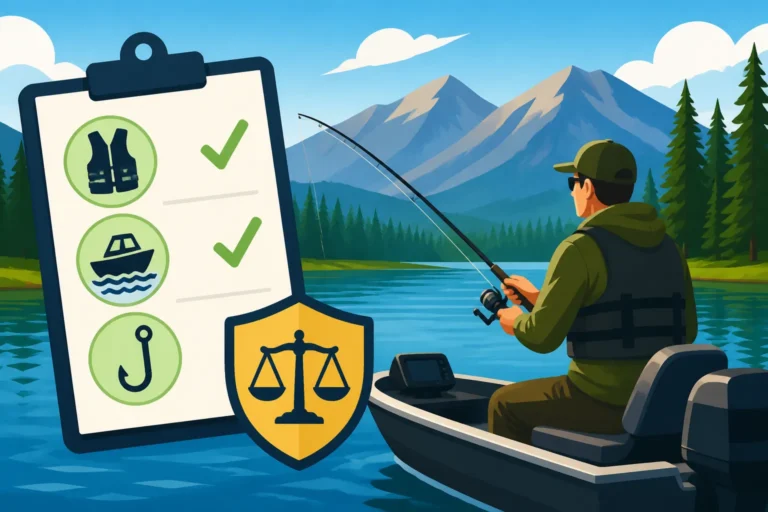
- Boating Laws: If you're using a boat for fishing, be aware of Alberta Boating Laws for Anglers. This includes requirements for items like PFDs (personal flotation devices), fire extinguishers, and sound-signaling devices. Even a small kayak needs to adhere to certain safety standards. For instance, knowing the Life Jacket Requirements for Alberta Boaters could literally save a life.
- Waste Management: Pack it in, pack it out. This applies to all garbage, food scraps, and even human waste in sensitive areas. Use designated outhouses where available, or carry a small trowel for burying human waste at least 60 meters (200 feet) from water sources, trails, and campsites.
- Fire Bans and Restrictions: Always check for current fire bans before starting any fire. If fires are permitted, use existing fire pits and ensure your fire is completely extinguished.
- Wildlife Awareness: You're sharing the landscape with wildlife. Store food securely to avoid attracting bears and other animals. Make noise when hiking to avoid surprising wildlife, and never approach or feed wild animals. Carrying bear spray is always a good idea in bear country.
- Off-Highway Vehicles (OHVs): If you plan to use an OHV, ensure you understand the designated trails and seasonal restrictions within specific PLUZs. Random OHV use on undesignated trails is often prohibited to protect sensitive ecosystems.
Essential Gear for Crown Land Adventures
Preparing properly for your Crown land adventure means having the right gear. Beyond your fishing tackle, consider these essentials:
- Navigation Tools: GPS device, map, compass, and a fully charged smartphone with offline mapping apps.
- Shelter: A durable tent, tarp, or bivvy sac suitable for the weather conditions.
- Water: Ample drinking water or a reliable water filter/purifier.
- First-Aid Kit: Comprehensive kit for cuts, scrapes, blisters, and other common injuries.
- Fire Starting Supplies: Waterproof matches, lighter, fire starter, even if not planning a campfire (for emergencies).
- Clothing: Layers suitable for changing weather, including rain gear.
- Food: Non-perishable food items, plus a sturdy cooler you might find on Amazon for any fresh catches.
- Communication: Satellite messenger or personal locator beacon (PLB) for remote areas without cell service.
- Bear Spray: Essential for safety in bear country, carried in an easily accessible holster.
- Sun Protection: Sunscreen, hat, and polarized sunglasses (which you can often find a great selection of on Amazon).
By being informed, prepared, and respectful of Alberta's incredible natural spaces, you can enjoy countless memorable fishing and camping trips on Crown land, ensuring these precious resources remain vibrant for everyone, now and in the future.
Disclaimer
The information provided in this guide is for general informational purposes only and is subject to change. Regulations regarding fishing licenses, camping permits, and Crown land access in Alberta are updated regularly. Always consult the most current official Alberta Guide to Sportfishing Regulations and the Alberta Environment and Protected Areas websites or local offices for the most accurate and up-to-date information before planning your trip. Ignorance of the law is not a defense for non-compliance.