Alberta senior proof of age requirement while fishing
It can be a little confusing trying to figure out all the ins and outs of fishing regulations in Alberta, especially when it comes to exemptions. Many senior anglers wonder exactly what identification they need to carry to prove they qualify for a license exemption. This guide is here to clear up that confusion, ensuring you understand the age requirements and the essential documents you must have with you when enjoying Alberta's beautiful waters.
Understanding Alberta's Senior Fishing License Exemptions
Alberta has a fantastic program that acknowledges the contributions and passion of its senior residents by offering a fishing license exemption. However, this exemption isn't a free pass from all regulations or the need for identification. It's crucial to understand the specifics so you can enjoy your time on the water without any worries about compliance.
The Age Qualification for Exemption
Let's get right to it: in Alberta, residents aged 65 years and older are exempt from needing a sportfishing license. That's right, once you hit that 65th birthday milestone, you no longer have to purchase an annual or short-term fishing license to cast a line in Alberta's general waters. This is a wonderful benefit for those who've spent a lifetime contributing to our communities and now wish to relax by a river or lake.
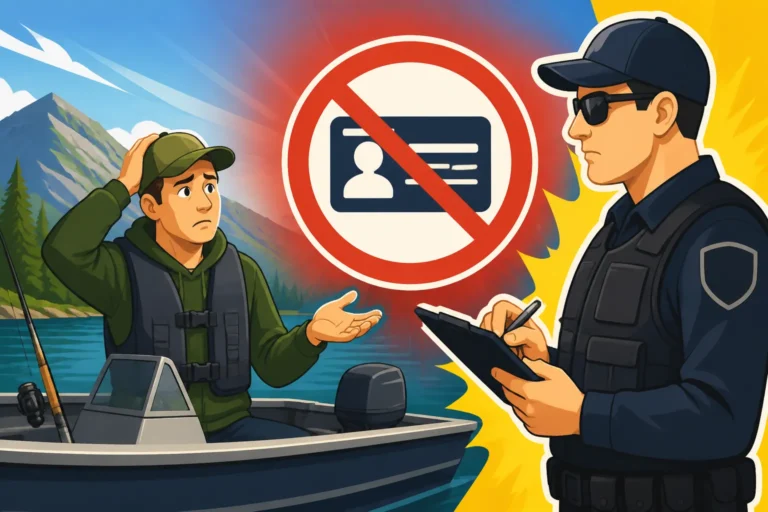
However, it’s not just about reaching the age; it's about being able to prove you've reached it. Just like a new angler needs to show their license, an exempt senior angler still needs to demonstrate to a Fish and Wildlife Officer that they meet the age criteria. This is where your proof of age comes in. It's a key part of responsible angling, ensuring that the privilege of exemption isn't misused and that everyone on the water is accounted for within the regulations. You might not need to pay for a license, but you certainly need to confirm your eligibility for that exemption. For a broader overview, check out our guide on the Alberta Fishing License Age Requirements.
What the Exemption Actually Means
This exemption means you don't need to purchase a physical fishing license tag or go through the buying process. But, and this is a big "but" that often catches people off guard, you are still required to obtain an Alberta Wildlife Identification Number (WIN) card. Think of your WIN card as your personal angler's ID number in the province. It's how the system identifies you, keeps track of your activities (like draws for special harvest licenses), and ensures you're a registered participant in Alberta's wildlife management. Even if you're exempt from buying a license, your WIN card is your portal to the system. You can learn more about this by reading our article on the Alberta WIN Card, Explained.
Furthermore, the exemption does not mean you're exempt from following any of the fishing regulations. Every single rule in the Alberta Guide to Sportfishing Regulations still applies to you. This includes bag and possession limits, size restrictions, seasonal closures, bait restrictions, and special regulations for specific waters. Ignorance of the rules is not an excuse, regardless of age. Always make sure you're up-to-date with the latest regulations for the specific body of water you're fishing. It's good practice to keep a current copy of the regulations, either physical or digital, with you.
Essential Documents to Carry for Senior Anglers
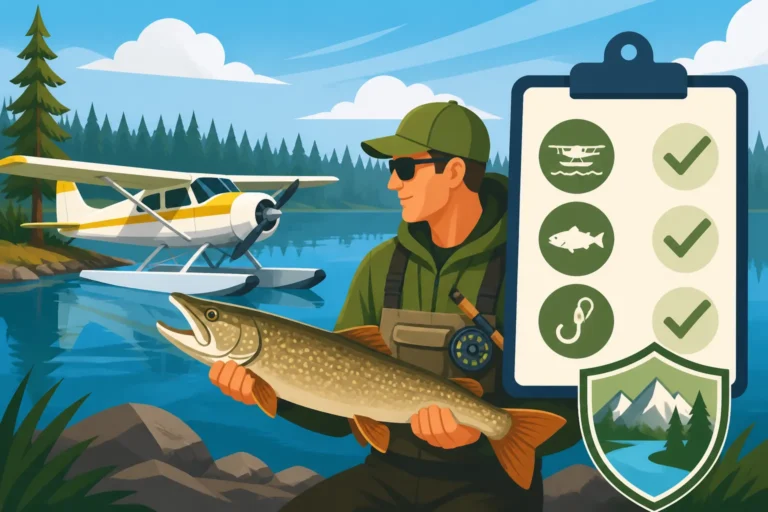
To ensure a smooth and enjoyable fishing trip, knowing exactly what documents to have on hand is paramount. It can save you from an awkward encounter with a Fish and Wildlife Officer and, more importantly, from potential fines. Being prepared means you can focus on the fish, not on your paperwork.
Primary Forms of Identification
When a Fish and Wildlife Officer approaches you on the water, they'll need to verify that you are indeed 65 years or older and an Alberta resident (if you're claiming the resident senior exemption). So, what counts as valid proof of age and residency?
Your Alberta Driver's License is typically the easiest and most universally accepted form of identification. It clearly shows your date of birth and confirms your residency. If you don't drive, a valid Alberta Identification Card (provincial ID) serves the same purpose. A Canadian passport can also work, as it proves your date of birth, though it doesn't automatically confirm Alberta residency. In any case, the key is an official, government-issued document that clearly displays your full name and date of birth. Make sure the document is current and not expired. I personally recommend keeping these documents in a waterproof pouch, like many readily available on Amazon, especially if you're out on a boat or near the water. It's a small investment for peace of mind.
The Importance of Your WIN Card
As mentioned earlier, even if you don't need a license, you do need an Alberta WIN card. This card is your personal identification number for all hunting and fishing activities in Alberta. It connects you to the provincial system and is often required even for reporting special harvest licenses or participating in draws. It costs a small fee and needs to be renewed every five years.
When asked by an officer, you should be able to produce your valid WIN card along with your proof of age. This two-pronged approach clearly establishes your identity and your eligibility for the senior exemption. If you don't have a WIN card, you'll need to obtain one. The process is straightforward and can often be done online through the MyWildAlberta portal. It's just one of those necessary steps to ensure proper management of our beautiful natural resources. Without a valid WIN card, you could be deemed to be fishing without proper documentation, which could lead to a penalty, even if you are age-exempt from the license itself. Consider reviewing Where and How to Buy an Alberta Fishing License for details on obtaining your WIN card.
Here’s a quick summary of the requirements for resident senior anglers:
| Age Requirement | License Exemption Status | Required Documents |
|---|---|---|
| 65 years or older | Exempt from purchasing a sportfishing license | Valid Alberta Driver's License OR Alberta Identification Card OR Canadian Passport AND Valid Alberta WIN Card |
| Under 65 years | Standard license required | Valid Alberta Sportfishing License AND Valid Alberta WIN Card AND Photo ID |
Practical Scenarios and Common Questions
Navigating the nuances of fishing regulations can sometimes throw a curveball, especially when different situations arise. Let's tackle a couple of common scenarios and questions that senior anglers often have.
Fishing with an Out-of-Province Senior
This is a really common question, and it's important to get it right. If you're an Alberta resident senior, you're covered by your exemption. But what if you have a friend or family member visiting from another province, say British Columbia or Ontario, who is also over 65? Do they get the same exemption?
Unfortunately, no. The Alberta senior fishing license exemption applies only to Alberta residents. If your friend from out of province is 65 or older, they are considered a non-resident of Alberta and will need to purchase a non-resident fishing license. The province offers various non-resident license options, including 1-day, 7-day, and annual licenses. It's essential they secure the appropriate license before they even cast a line. The rules around residency are very clear: to qualify for the resident senior exemption, you must permanently reside in Alberta. For more information on this, our article on Resident vs Non-Resident Fishing License Costs in Alberta might be helpful. This distinction is vital for maintaining the integrity of Alberta's fisheries management.
Digital vs. Physical Proof of Age
In our increasingly digital world, many people wonder if carrying a digital copy of their identification or WIN card on their smartphone is sufficient. The good news is that Alberta Environment and Protected Areas (AEPA) generally accepts digital copies of your WIN card and fishing licenses. This typically extends to your proof of age as well, assuming it's a clear, legible digital image of a valid government-issued ID.
However, a word of caution: technology can fail. Phones run out of battery, screens can crack, or signals can be non-existent in remote fishing spots. While a digital copy is usually acceptable, carrying a physical copy of your Alberta WIN card and a physical government-issued ID (like your driver's license) is always the safest bet. It eliminates any potential issues with device failure or interpretation by an officer. Many anglers find it convenient to keep a small, laminated copy of their WIN card in their wallet or tackle box. You can read more about this in our guide on Printing or Carrying a Digital Fishing License in Alberta. Ultimately, the onus is on you to produce verifiable proof of age upon request.
Staying Compliant and Enjoying Your Fishing
The goal of all these regulations isn't to make fishing complicated; it's to ensure the sustainability of Alberta's fisheries for generations to come. By understanding and adhering to the rules, senior anglers can continue to enjoy the peace and thrill of fishing with confidence.
Regular Checks of the Regulations
Fisheries regulations aren't static; they can and do change. Zone boundaries, species limits, and specific waterbody rules might be updated annually or even mid-season. It's your responsibility to stay informed about the most current regulations for the area you plan to fish. Before every fishing trip, or at least at the beginning of each fishing season, take a few minutes to review the latest Alberta Guide to Sportfishing Regulations.
You can find the most current guide on the MyWildAlberta website, or pick up a printed copy from many local fishing tackle shops or outdoor retailers. There are even apps available for your smartphone that can help you look up zone-specific regulations on the go. Staying informed ensures you're always fishing legally and responsibly. A great resource for diving deeper into the rules is our comprehensive guide, Reading the Alberta Guide to Sportfishing Regulations. Taking a few moments to review can prevent simple mistakes that could result in fines or worse.
Resources for Information and Assistance
If you ever have a question about fishing regulations, your WIN card, or what documents you need, don't hesitate to reach out to the experts. The Alberta Environment and Protected Areas (AEPA) contact centre is a fantastic resource. Their staff are knowledgeable and can provide clarification on specific rules or assist with WIN card issues.
Additionally, many local tackle shops and outdoor stores have staff who are well-versed in the provincial regulations. They can often offer practical advice and point you to the right sections of the regulations guide. The fishing community in Alberta is also incredibly supportive, and local fishing clubs or online forums can be great places to ask questions and share knowledge. Don't let uncertainty keep you from enjoying your time on the water. If you're planning for the future, you might also find our Alberta Fishing License Guide for 2026 helpful for any upcoming changes. Remember, a little research goes a long way in making your fishing experience stress-free and enjoyable. For comfortable fishing, especially for longer trips, a good pair of polarized sunglasses available on Amazon can greatly enhance visibility and reduce glare on the water, making it easier to spot fish and enjoy the scenery without eye strain.
Disclaimer
The information provided in this guide is for general informational purposes only and is subject to change. While we strive to keep the information up-to-date and correct, we make no representations or warranties of any kind, express or implied, about the completeness, accuracy, reliability, suitability, or availability with respect to the website or the information, products, services, or related graphics contained in this guide for any purpose. Always consult the official Alberta Guide to Sportfishing Regulations and Alberta Environment and Protected Areas for the most current and accurate information.