Alberta fishing license for blind or disabled anglers
It can be incredibly frustrating when you're eager to get out on the water and enjoy Alberta's fantastic fishing opportunities, but feel held back or unsure about specific regulations that apply to you as a disabled angler. Many jurisdictions have varying rules, and it’s not always clear what applies in our province. This comprehensive guide is here to cut through the confusion, explaining Alberta's fishing license requirements, potential accommodations, and practical tips specifically for blind or disabled anglers so you can focus on the joy of fishing.
Understanding Alberta's Approach to Accessibility in Fishing
Alberta is a province rich with natural beauty and incredible fishing, and it’s a passion many want to enjoy. While the province strives for accessibility in many areas, understanding the specific regulations around fishing licenses for individuals with disabilities can be a bit tricky, often leading to misunderstandings. It's important to clarify what the current framework looks like, so you know exactly where you stand before casting your line.
The Basics: Who Needs a License?
First and foremost, the general rule of thumb in Alberta is that almost everyone needs a sportfishing license to fish in public waters, with very few exceptions. This applies whether you're a seasoned pro or just starting out, and regardless of physical ability. The province aims to manage its fisheries sustainably, and license fees contribute directly to conservation efforts, habitat restoration, and stocking programs. So, even if you have a disability, the expectation is that you will hold a valid license and a Wildlife Identification Number (WIN) card. This might feel like an extra hurdle, but it's part of ensuring everyone contributes to keeping our waters healthy for future generations. You can learn more about the general requirements in our guide on the Alberta Fishing License Guide for 2026.
Specific Provisions for Anglers with Disabilities
This is where many anglers with disabilities often get confused, sometimes due to differing rules in other provinces or countries. As of the most current Alberta regulations, there are generally no specific fishing license fee exemptions or discounts solely based on a general disability status. The primary exemptions that exist are age-based:
- Youth: Alberta residents under 16 years of age do not need a sportfishing license.
- Seniors: Alberta resident seniors aged 65 and older are also exempt from requiring a sportfishing license.
These exemptions apply across the board, whether you have a disability or not. For example, if you are a disabled Alberta resident aged 68, you would already be exempt due to your age. However, if you are a disabled Alberta resident aged 45, you would still need to purchase a license. It’s a common misconception that having a disability automatically grants a free or discounted license, and it's important to clarify this upfront to avoid any surprises. The province's focus often leans more towards providing accessible physical infrastructure at fishing locations rather than specific license waivers for disability status.
The WIN Card Requirement
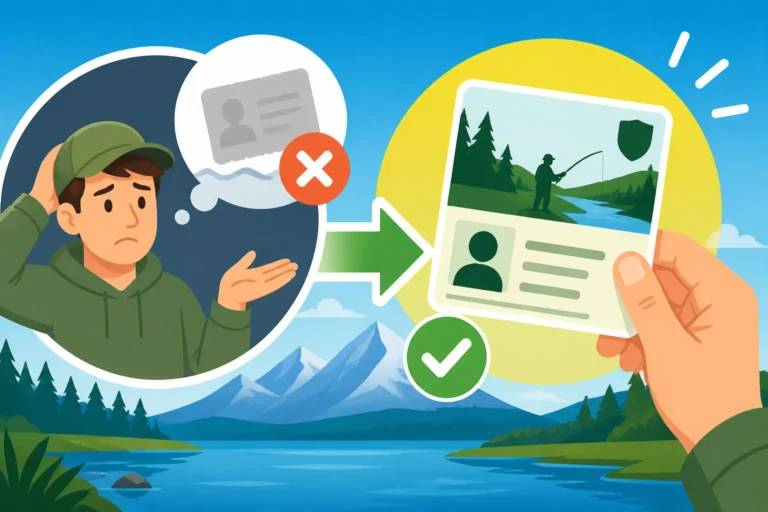
Before you can even purchase an Alberta sportfishing license, you absolutely need a valid Wildlife Identification Number (WIN) card. Think of it as your unique outdoorsman ID number. This card is mandatory for all hunters and anglers in Alberta, regardless of age or physical ability, unless you're a youth under 16 years old who is not purchasing any licenses. The WIN card helps Alberta Environment and Protected Areas track license purchases and manage outdoor recreation efficiently.
Getting a WIN card is a relatively straightforward process, usually involving a small one-time activation fee that allows you to purchase licenses for five years. You can apply for or renew your WIN card online through the MyWildAlberta portal, or in person at various license vendors. Without an active WIN card, you simply won't be able to proceed with purchasing your fishing license. For more details, you can refer to our dedicated guide on Alberta WIN Card, Explained.
Eligibility and Application Process for Disabled Anglers
Since there aren't specific disability-based exemptions for fishing licenses in Alberta, the application process for disabled anglers largely mirrors that of any other angler. However, understanding how 'disability' might be considered in other contexts, or what documentation could be useful for other related activities, is still valuable.
Defining "Disabled" for a Fishing License in Alberta
In the context of purchasing a fishing license in Alberta, the provincial regulations do not use a specific definition of "disabled" to grant exemptions or discounts directly. This differs from other programs or services which might define disability based on federal or provincial criteria, often linked to the Disability Tax Credit from the Canada Revenue Agency or specific medical conditions.
For sportfishing, the rules are broad: if you are an Alberta resident between the ages of 16 and 64, you need a license. If you are a non-resident, regardless of age (with very few exceptions for youth who don't actively fish), you need a license. It's a universal requirement for the most part. This means that while your disability might impact how you fish, it generally doesn't alter the fundamental need for a license in Alberta.
Required Documentation
Since disability status doesn't typically grant a license exemption, the documentation required for purchasing a fishing license is the same for all anglers. You'll need:
- A valid WIN Card: As mentioned, this is your crucial first step. If you don't have one, you'll need to purchase and activate it first. Understanding the Alberta WIN Card Activation Fee, Explained can help you prepare.
- Proof of Residency (if applicable): If you're an Alberta resident, you'll need to provide proof to qualify for resident license prices. This usually involves a valid Alberta driver's license or another government-issued ID showing your current Alberta address. For non-residents, specific identification will be required to confirm your non-resident status.
- Date of Birth: To verify if you fall under the age exemptions (under 16 or 65+ for residents), your date of birth is essential.
While you might carry documentation of your disability (e.g., a doctor's note, a Disability Tax Credit certificate), it's important to understand that this documentation won't waive the requirement to purchase an Alberta fishing license if you don't meet the age-based exemptions. However, keeping it handy can still be useful for other purposes, such as accessing accessible facilities or if you encounter a conservation officer who has questions about your setup or needs.
Step-by-Step Application Guide
Purchasing your Alberta fishing license is quite straightforward once you have your WIN card. The most common and convenient method is online, through the MyWildAlberta portal.
- Access MyWildAlberta: Head to the official MyWildAlberta website. This is the central hub for all things hunting and fishing licenses in the province.
- Log In or Create Account: You'll need to log in with your WIN card number and password. If it's your first time, you'll be prompted to create an account linked to your WIN card.
- Navigate to Licenses: Once logged in, look for the "Buy Licenses" or "Sportfishing" section.
- Select Your License: Choose the appropriate sportfishing license. Options typically include annual resident, annual non-resident Canadian, or annual non-resident non-Canadian licenses. There are also short-term options like the Alberta 1-Day Non-Resident Fishing License Cost or a 7-day version for visitors.
- Add to Cart and Pay: Add your selected license to your virtual cart. The system will calculate the total cost, including GST. Proceed to checkout and complete your payment using a credit card.
- Print or Save Digital Copy: After successful purchase, you'll receive a confirmation. You can usually print a physical copy of your license or save a digital version to your smartphone. Remember, you must be able to produce your license if requested by a conservation officer. Our article on Printing or Carrying a Digital Fishing License in Alberta offers more insight into this.
If you prefer an in-person experience, you can visit any authorized license issuer across Alberta. These are often sporting goods stores, tackle shops, or even general stores in smaller communities. Just bring your WIN card and appropriate identification, and the staff will assist you with the purchase.
Exemptions and Accommodations
While direct fishing license fee exemptions based on disability status are not currently offered in Alberta, there are other important considerations and accommodations that can make fishing more accessible and enjoyable for everyone.
License Fee Exemptions and Discounts
To reiterate, the primary exemptions are age-based:
- Under 16: As noted, Alberta residents under the age of 16 are exempt from needing a sportfishing license. This means a young disabled angler can fish without one. However, if they want to participate in draws or purchase special licenses (like for Walleye Special Harvest Licence), they would need a WIN card and often a regular license. Check out Alberta Youth Fishing License Exemption Under 16 for more details.
- 65 and Older: Alberta residents aged 65 and over are also exempt from needing a sportfishing license. If you are a senior angler with a disability, this exemption applies to you. For clarity, you might want to read Alberta Senior Fishing License Exemption at 65.
Beyond these age categories, all other anglers, including those with disabilities, are required to purchase a license. The costs are standardized, and there are no specific discounts for disability. However, understanding the various license options, such as combination hunting and fishing licenses, might be beneficial if you participate in multiple outdoor activities.
Companion Angler Rules
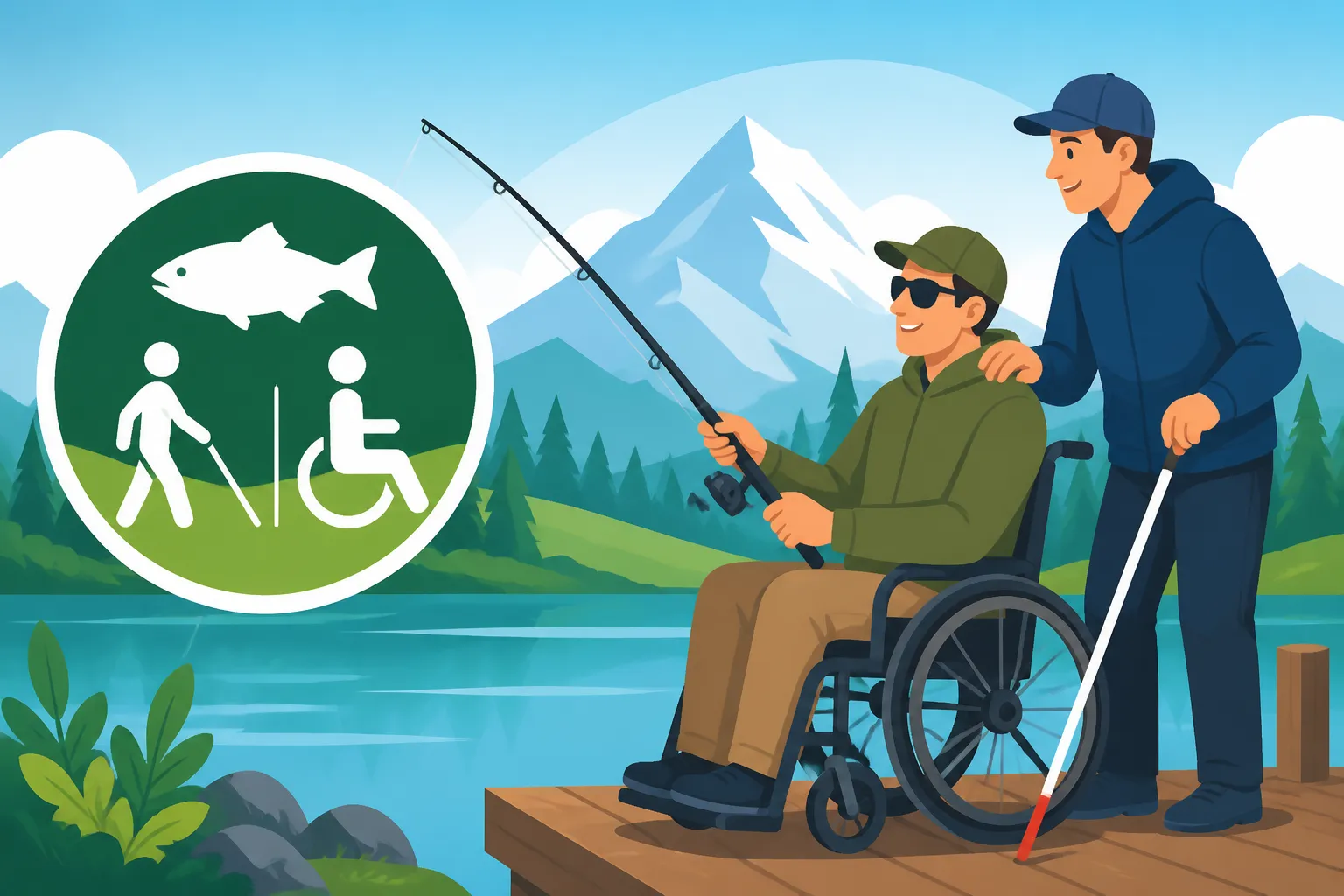
This is a crucial area where accommodations for disabled anglers become relevant. If you, as a disabled angler, require assistance, the rules around companions are important. Generally, anyone actively participating in fishing must have their own license. However, if a companion is solely assisting a licensed angler with a disability – for example, baiting hooks, casting, or retrieving a fish that the disabled angler hooked – and is not actually holding the rod or otherwise actively fishing themselves, they might not need their own license.
The key here is "actively fishing." If your companion picks up a second rod, casts it out, and fishes independently, they absolutely need their own license. If they are directly facilitating your fishing experience without fishing themselves, it’s generally permissible. It's always best to consult the current Reading the Alberta Guide to Sportfishing Regulations or contact Alberta Environment and Protected Areas directly to confirm the exact rules regarding assistance, as interpretations can vary, and it's better to be safe than sorry.
Accessible Fishing Spots and Resources
While specific license exemptions might be absent, Alberta has made strides in providing physically accessible fishing locations. Many provincial parks and community ponds feature accessible docks, fishing piers, or paved pathways to allow easier access for individuals using wheelchairs or other mobility aids.
- Provincial Parks: Places like Beauvais Lake Provincial Park, Fish Creek Provincial Park (in Calgary), or many municipal stocked ponds often have designated accessible fishing spots. These locations are usually maintained and can provide a safer, more comfortable experience.
- Community Ponds: Many urban and rural communities stock local ponds and have developed accessible features, making them ideal for a relaxed day of fishing.
- Online Resources: A good starting point is the "Accessible Outdoors" section on the MyWildAlberta website or general tourism sites for Alberta. They often highlight parks and facilities that offer accessible amenities. Additionally, local fishing clubs or disability support organizations can be excellent resources for finding suitable spots and connecting with other anglers.
Important Considerations and Tips
For disabled anglers, a bit of extra planning can make all the difference between a frustrating outing and a truly rewarding one. Beyond the regulations, thinking about practical aspects like carrying identification, specialized gear, and staying informed can significantly enhance your experience.
Carrying Proof of Exemption and Identification
Even if you’re a resident senior aged 65 or older and thus exempt from a license fee, you must still carry proof of age and residency, such as your Alberta driver's license or other government-issued ID. This is critical for proving your exemption to a conservation officer if you are stopped. Similarly, youth under 16 should carry some form of ID if possible, especially if they look older than their age.
While your disability documentation (like a Disability Tax Credit certificate or doctor's note) doesn't directly exempt you from a license fee, it can still be valuable to have. If you have specific medical needs or require certain accommodations, having this documentation can help explain your situation to authorities if questions arise, ensuring a smoother interaction. Always keep your WIN card, license (if required), and identification readily accessible, perhaps in a waterproof pouch that's easy to reach.
Adaptive Gear and Tools
The world of fishing has embraced accessibility, and there's a fantastic array of adaptive gear and tools available to make fishing enjoyable for everyone, regardless of physical limitations. Don't let a disability stop you from participating; instead, look for solutions that fit your needs.
- Rod Holders: Hands-free rod holders that attach to wheelchairs, boat seats, or even vests can allow you to fish comfortably without needing to constantly hold the rod. These are incredibly useful, especially for those with limited grip strength or mobility. You can find a wide range of options on platforms like Amazon, from clamp-on models to more elaborate stand-alone units.
- Electric Reels: For anglers with limited arm strength or mobility, electric reels can take the strain out of retrieving lines, especially when fighting larger fish or fishing in deep water. They can be a game-changer for maintaining independence.
- Casting Aids: Devices like casting slings or specialized grips can assist with casting for those who find traditional casting challenging. Some adaptive gear even allows for mouth-controlled casting or other innovative methods.
- Modified Grips: Fishing rods can be modified with larger, ergonomic grips or straps to provide a more secure and comfortable hold.
- Accessible Clothing and Footwear: Consider clothing designed for ease of movement, temperature regulation, and waterproof protection. Good, sturdy, non-slip footwear is also vital for safety, especially on docks or near water. Many excellent options for specialized apparel can be found on Amazon.
Investing in appropriate adaptive gear can transform your fishing experience, making it more comfortable, safer, and ultimately more successful.
Staying Up-to-Date with Regulations
Alberta's fishing regulations, particularly regarding specific zones, seasons, and species limits, can change annually. While license requirements for disabled anglers might not typically shift dramatically, it's paramount to be aware of all other rules that apply to your chosen fishing spot. For instance, knowing the Alberta Fishing Season Dates by Zone and the Alberta Bag and Possession Limits by Species is crucial for legal and ethical fishing.
- Annual Regulation Guide: Always download or pick up the latest "Alberta Guide to Sportfishing Regulations" at the beginning of each season. This guide is your bible for all the rules.
- MyWildAlberta Website: The MyWildAlberta website is continuously updated with the most current regulations, advisories, and news.
- Mobile Apps: There are often official or community-driven mobile apps that provide quick access to regulations and zone lookups, which can be particularly convenient when you're out on the water. Check out our guide on the Alberta Fishing Regulations App and Zone Lookup, Explained for more information.
Staying informed ensures that you are always fishing legally and contributing positively to the conservation of Alberta's fisheries. Don't forget, even special regulation waters or catch-and-release only sections apply to all anglers, so know before you go!
| Category | General Rule for All Anglers in Alberta | Specifics for Disabled Anglers (Alberta) |
|---|---|---|
| Fishing License | Required for ages 16-64 (residents), all non-residents | Required for ages 16-64; no specific disability-based exemptions/discounts |
| WIN Card | Mandatory for license purchase | Mandatory for license purchase |
| Age Exemptions | Residents under 16, residents 65+ | These age exemptions apply directly to disabled anglers too |
| Companion Angler | Companion must have own license if actively fishing | Companion assisting (not fishing) generally doesn't need a license |
| Required ID | WIN card, government ID (for age/residency) | Same as above; disability documentation for personal reference only |
| Accessible Fishing Spots | Increasingly available across the province | Many provincial parks and urban ponds have accessible features |
| Adaptive Gear | Not required, but highly recommended for comfort/safety | Essential for many, widely available (e.g., on Amazon) |
Disclaimer
Please note that fishing regulations can change. While every effort has been made to provide accurate and up-to-date information, it is your responsibility to consult the official Alberta Guide to Sportfishing Regulations or the MyWildAlberta website for the most current rules and regulations before you go fishing. This article is for informational purposes only and does not constitute legal advice.