Best time of year for trophy trout on the Crowsnest
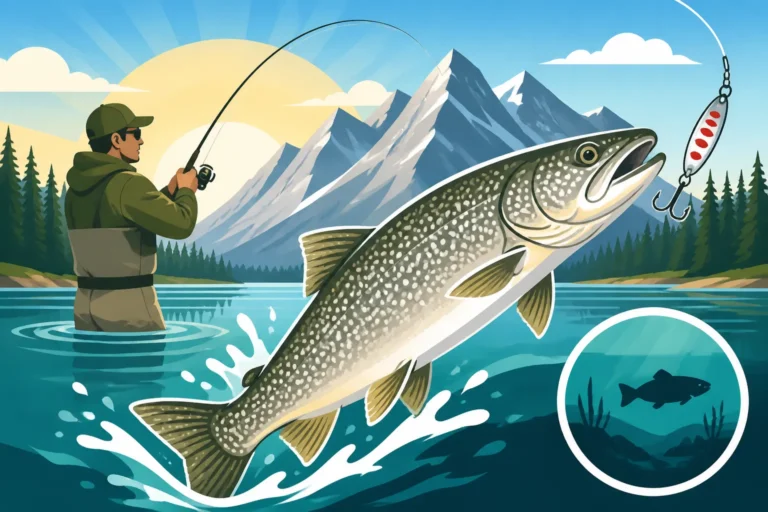
If you've ever cast a line into the clear, cold waters of Alberta's Crowsnest River, you've likely dreamt of hooking into one of its legendary trophy trout. It's a truly special place, but knowing when to dedicate your precious fishing time to maximize your chances for a truly massive fish can feel like a secret handshake. This guide is here to unravel that mystery, focusing on the prime seasons and the critical factors that align to produce those unforgettable, once-in-a-lifetime catches on the Crowsnest.
Understanding the Crowsnest River's Trophy Trout Potential
The Crowsnest River isn't just any trout stream; it's a celebrated gem in the hearts of Alberta anglers, known for its challenging yet incredibly rewarding fishing. It's the kind of river that can humble even seasoned veterans, but also offer up a fish that will haunt your dreams for years. Understanding why it's so special for trophy trout is the first step in figuring out when to target them.
Why the Crowsnest is a Trophy Destination
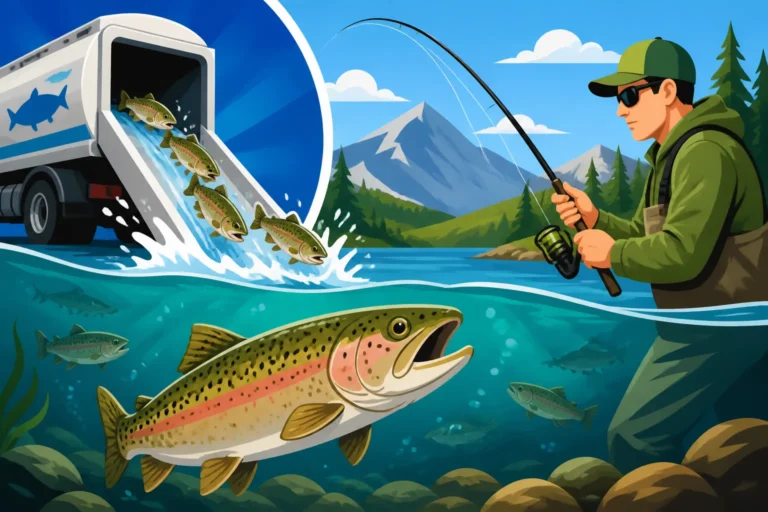
What makes the Crowsnest River stand out in a province teeming with fantastic fishing opportunities? For starters, its headwaters begin in the Rocky Mountains, feeding it with cold, oxygen-rich water that trout absolutely thrive in. This pristine environment supports a robust ecosystem, full of diverse insect life and forage fish, which are the building blocks for growing large trout. The river is home to strong populations of wild rainbow trout and brown trout, both species known for reaching impressive sizes in optimal conditions. Anglers frequently praise the river for the sheer fight these wild fish put up, a testament to their vitality. While much of the river is managed for catch-and-release, specifically for its treasured brown trout, this management strategy further allows fish to grow old and large, increasing the chances of encountering a true trophy. Plus, the river flows through some stunning landscapes, from rugged mountains to rolling foothills, making every trip a scenic adventure, even if the fish aren't biting every minute. It truly is one of the Best Fly Fishing Rivers in Alberta.
The Life Cycle of Trophy Trout and Seasonal Influences
To consistently catch big trout, you need to think like a big trout. These fish aren't just born large; they become trophies by surviving for many years, successfully avoiding predators and anglers, and finding consistent, rich food sources. Their growth is directly tied to the availability of food, water temperature, and energy expenditure, all of which fluctuate dramatically with the seasons. During warmer months, metabolism is high, and trout feed voraciously, packing on weight. As temperatures drop, their metabolism slows, and they become less active, conserving energy.
Spawning cycles are also a huge factor. Brown trout, for example, are fall spawners, and during the weeks leading up to and during their spawn, they become incredibly aggressive and territorial. This aggression makes them more willing to strike at larger, more enticing meals, presenting a prime opportunity for anglers targeting true giants. Rainbow trout, on the other hand, typically spawn in the spring. Understanding these natural rhythms and how they drive trout behavior is absolutely crucial for timing your trophy hunt on the Crowsnest. The longer a fish lives, the bigger it gets, and the Crowsnest provides the perfect blend of conditions for these fish to flourish into trophy specimens.
Unlocking Prime Seasons for Crowsnest River Trophy Trout
While you can technically fish the Crowsnest River year-round in certain accessible sections, not all seasons are created equal when it comes to pursuing those elusive trophy trout. Each period presents unique challenges and opportunities, but some windows offer a significantly higher probability of connecting with a true giant.
Spring into Action: The Post-Spawn Feast (April – Early June)
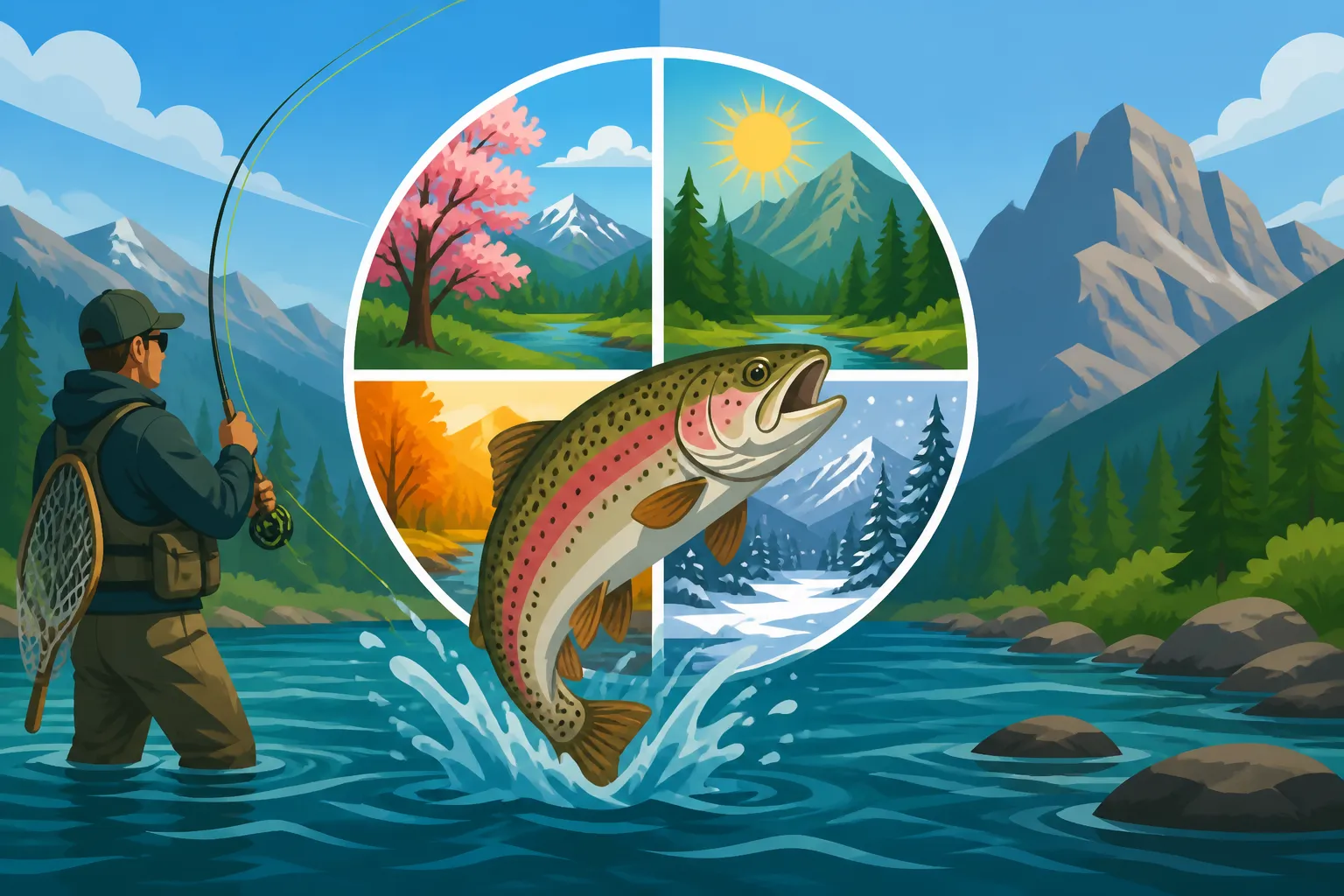
Spring on the Crowsnest River, generally from late April through early June, can be an excellent time to find larger trout, particularly hungry rainbows that have just finished their arduous spawning ritual. After the rigors of reproduction, these fish are often ravenous, looking to regain lost weight and energy. The melting snows often bring higher, slightly off-color water, which can provide cover for larger fish and wash more food into the system.
During this period, insect hatches like Skwalas and March Browns can bring even the biggest trout to the surface, creating thrilling dry fly opportunities. However, the exact timing can be tricky. Early spring can mean challenging runoff conditions, making the river high and swift. Once the peak runoff subsides and the water begins to clear, usually in late May or early June, the fishing can explode. Anglers wading the Crowsnest River below Lundbreck Falls often find success with larger nymphs and streamers that imitate sculpins or other baitfish, as these provide a high-calorie meal for recovering trout. It's a time of renewed activity, and if you hit it just right, you can intercept some truly magnificent fish.
Summer Strategies: Dealing with Heat and Pressure (Mid-June – August)
Summer, from mid-June through August, is when the Crowsnest River sees its highest fishing pressure and often its most challenging conditions for trophy trout. The water levels typically drop, and clarity increases, making the fish warier. Warmer water temperatures also mean trout can become stressed, especially in the afternoons. While smaller, eager trout are often plentiful, convincing a seasoned veteran to bite requires finesse and precise timing.
To target trophy trout during summer, your best bet is to fish during the cooler parts of the day – dawn and dusk. Early morning, as the first light hits the water, can bring superb dry fly fishing during prolific hatches, or streamer fishing for predatory brown trout. Focusing on deeper pools, shaded areas, and oxygenated riffles is critical. Larger trout will often retreat to these cooler, more secure spots. Terrestrial patterns like hoppers, ants, and beetles can also be very effective when fished along undercut banks and grassy edges, offering a substantial meal for opportunistic fish. Remember to always practice responsible Catch and Release Only Waters during warmer periods to minimize stress on these valuable fish.
Fall for Giants: The Pre-Spawn Aggression (September – October)
If there's one season that stands head and shoulders above the rest for trophy trout on the Crowsnest River, it's unequivocally the fall, primarily from September through October. This is the golden window for anglers dreaming of a truly massive brown trout. As water temperatures begin to cool, signaling the approach of winter and the brown trout spawn, these fish become incredibly aggressive. They're feeding heavily to build up energy reserves for spawning and the lean months ahead.
Brown trout, being fall spawners, become highly territorial and will aggressively defend their spawning redds (nests). This makes them susceptible to larger, more provocative flies and lures. Big streamers that imitate baitfish like sculpins or even smaller trout are incredibly effective. You might find success targeting the Crowsnest River near the upstream reaches, closer to prime spawning grounds. The vibrant fall foliage against the clear, cool water creates a breathtaking backdrop, and the fish are often at their most beautiful, displaying their full spawning colours. This period offers the best chance to connect with not just big fish, but truly legendary, older trout that have seen many seasons. Many dedicated anglers plan their entire year around being on the Crowsnest during these crucial weeks.
Winter's Secret: Opportunities for the Dedicated (November – March)
Winter fishing on the Crowsnest, from November through March, is not for the faint of heart, but it can offer a unique opportunity for those willing to brave the cold. Ice fishing is not typically the target on the flowing Crowsnest, but open sections can be fished. While fish activity slows dramatically due to cold water temperatures, leading to fewer but potentially larger bites, the river also sees significantly less pressure. The trout are holding in deeper, slower pools, conserving energy.
Your tactics need to change dramatically in winter. Slow, deep presentations are key. Small nymphs, midge patterns, and even tiny egg patterns can entice a lethargic trout. Streamers can still work, but retrieve them much slower, mimicking a stunned or injured baitfish. Success often comes down to patience, finding the deepest holes, and presenting your offering perfectly. While the numbers of fish caught might be lower, the fish you do hook are often of good size, having survived another season. Plus, the solitude of the winter Crowsnest can be a reward in itself. For specific regulations during this time, it's always wise to consult the Alberta Fishing Regulations Explained.
Essential Considerations for Your Trophy Trout Hunt
Beyond just timing your visit, several other factors can significantly influence your success when chasing trophy trout on the Crowsnest River. Being prepared and understanding these elements will give you a considerable edge.
Water Conditions: The Unseen Variable
Water conditions are paramount on any river system, and the Crowsnest is no exception. Factors like flow rate, water clarity, and temperature are often more critical than the specific date on the calendar. High, turbid water, often seen during spring runoff or after heavy rains, can make fishing incredibly difficult as trout struggle to see your offerings and find comfort in the turbulent currents. Conversely, extremely low and clear water, common during dry summer spells, makes trout exceptionally spooky and requires stealthier approaches.
The ideal conditions for trophy trout often involve stable, moderate flows with good clarity and water temperatures in the 8-14°C (46-57°F) range. You can often check real-time flow rates for the Crowsnest River through government hydrological websites before you even leave home. Learning to read the water – identifying deep pools, undercut banks, current seams, and riffles – becomes crucial. These are the places where big trout will hold, whether it's for security, food, or oxygenation. A slight bump in flow after a small rain, or a dip in temperature after a cool night, can trigger a feeding frenzy, so staying informed is a definite advantage.
Gear Up for Success
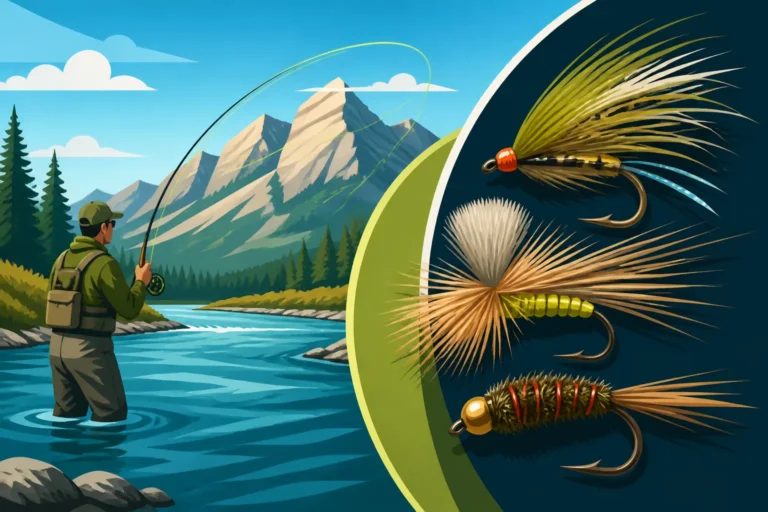
Targeting trophy trout on the Crowsnest requires gear that can handle the job. These aren't your average panfish; they're strong, wild fish that will test your tackle. For fly anglers, a 6 or 7-weight fly rod with a strong butt section is often preferred, allowing for better control of larger fish and the ability to cast bigger streamers. A reliable fly reel with a smooth drag and ample backing is non-negotiable. Many anglers find excellent deals on robust setups, including specialized Best Fly Rods for the Bow River (which also work well on the Crowsnest), or high-performance lines, through retailers like Amazon.
Spin anglers should opt for a medium-heavy rod with a fast action, capable of handling larger spoons, spinners, and plugs. A quality spinning reel spooled with strong braided line and a fluorocarbon leader is a solid choice. Don't forget a stout landing net with a rubberized mesh – this is absolutely essential for safely landing and releasing big trout without harming their protective slime coat or fins. You can often find a Best Landing Net for Trout suitable for large river fish with a quick search on Amazon, ensuring you’re prepared for that big catch. Durable waders and sturdy wading boots are also a must, as navigating the Crowsnest's rocky bottom and currents safely is key to accessing prime spots. Many anglers choose the Best Waders for Alberta Trout Rivers for their reliability.
Respecting the Resource: Catch and Release Best Practices
When you're fortunate enough to hook into a trophy trout on the Crowsnest River, the responsibility to handle it with the utmost care is paramount. These older, larger fish are the breeding stock of the river and are crucial for maintaining healthy populations. The Crowsnest River, particularly for brown trout, often has a zero-possession limit in many areas, meaning all brown trout must be released.
Here are some quick tips for ethical catch and release:
- Minimize Fight Time: Use appropriate tackle to bring the fish in as quickly as possible, reducing stress.
- Keep 'Em Wet: Try to keep the fish in the water as much as possible. If you must remove it for a quick photo, do so briefly, supporting its belly with both hands.
- Barbless Hooks: The Crowsnest often mandates barbless hooks. If not, crimp down your barbs to make hook removal easier and less damaging.
- Use a Net: A rubberized landing net is much gentler on a fish's scales and slime coat than handling it by hand or dragging it onto shore.
- Revive Carefully: If the fish seems lethargic, hold it gently in the current, facing upstream, until it can swim away strongly on its own. Never push or pump it.
Following these practices ensures that the majestic trophy trout of the Crowsnest River can continue to thrive for future generations of anglers. It's especially critical for species like the bull trout, which have very specific Alberta Bull Trout Zero Possession Rule guidelines.
Prime Seasons for Trophy Trout on the Crowsnest River
| Season | Approximate Dates | Typical Water Conditions | Trout Behavior Highlight | Best Tactics for Trophy Trout |
|---|---|---|---|---|
| Spring | Late April – Early June | High, often murky, then clearing | Post-spawn rainbows feeding aggressively | Large nymphs, streamers, early stonefly/mayfly dry flies |
| Summer | Mid-June – August | Lower, clear, warmer | Wary, seek cool deep spots, feed at dawn/dusk | Small nymphs, terrestrials, streamers (early/late), precise casts |
| Fall | September – October | Moderate flows, cool & clear | Brown trout pre-spawn aggression, heavy feeding | Large streamers, articulated flies, aggressive retrieves |
| Winter | November – March | Low, very cold, very clear | Lethargic, holding in deep pools, conserve energy | Small nymphs, midges, egg patterns, slow retrieves |
Disclaimer
The information provided in this guide is for general informational purposes only and is not intended to be a substitute for official regulations. Always consult the current Alberta Guide to Sportfishing Regulations before planning any fishing trip, as rules and conditions can change. Fishing involves inherent risks; always prioritize safety on and around the water.