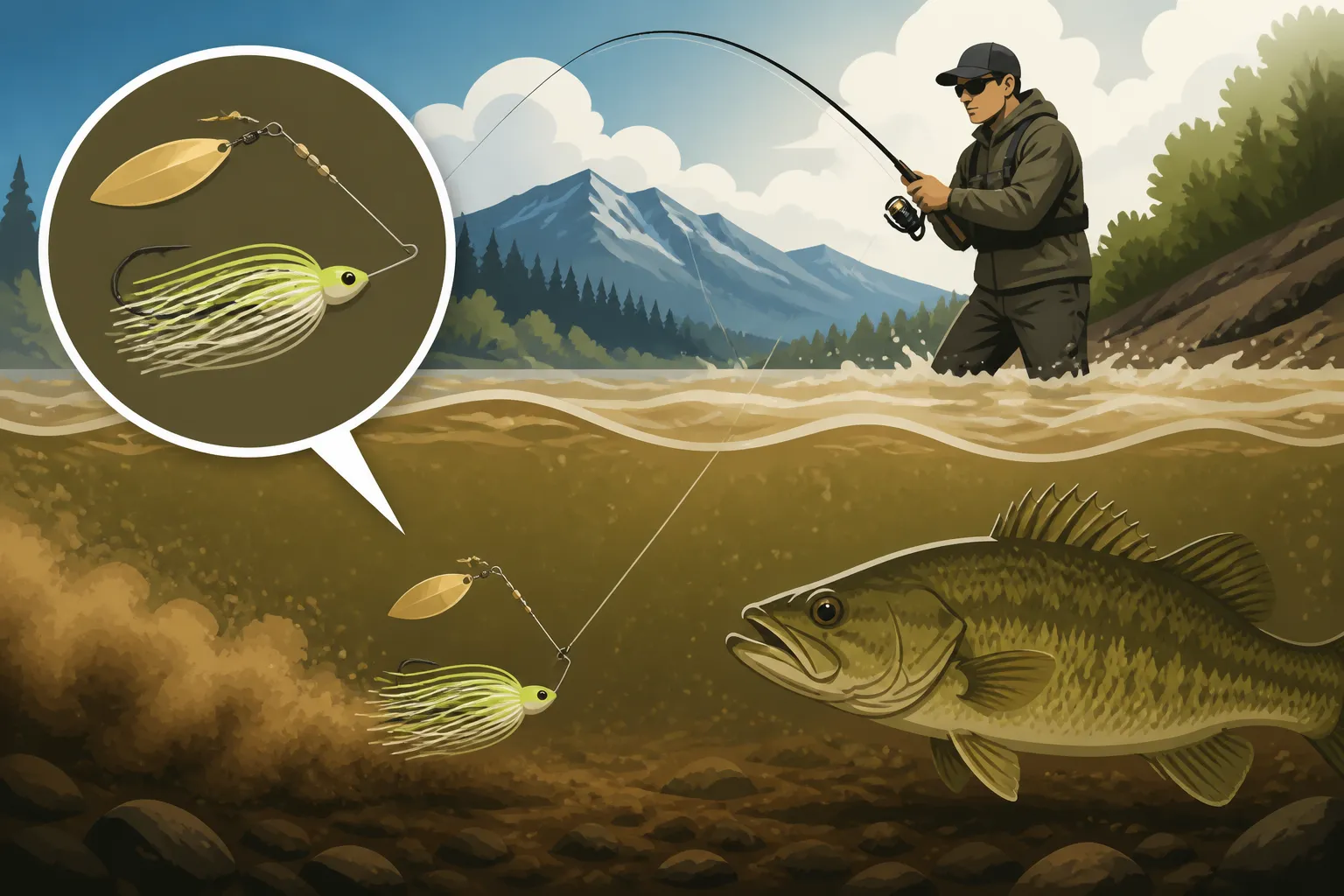
Best technique for fishing muddy runoff conditions
Oh, the dreaded muddy runoff! There's nothing quite like planning a fantastic day on the water, only to arrive and find your favourite river or lake churning with a chocolate milk hue from recent heavy rains or a rapid snowmelt. It can feel like all your usual strategies go right out the window, leaving you wondering if it's even worth wetting a line. But don't despair! Fishing in muddy runoff conditions in Alberta absolutely can be productive if you understand how these conditions affect fish and adapt your techniques accordingly. This guide is all about giving you the proven strategies to turn those murky days into successful ones.
Understanding Muddy Runoff and Its Impact on Fishing
When the landscape gets a good soaking or the spring thaw kicks into high gear, all that extra water has to go somewhere. Rivers swell, creeks overflow their banks, and lakes become agitated as tributaries dump vast amounts of sediment, silt, and debris. This isn't just a visual change; it dramatically alters the underwater environment for our finned friends.
Why Runoff Makes Water Murky
Think about a heavy rainstorm hitting a farmer's field or a sudden warm spell melting a foot of snow on open ground. The water picks up everything in its path – soil, organic matter, tiny particles of clay, and sand. This suspended material is what gives the water that characteristic cloudy, opaque look. In rivers, this can happen quickly, turning a clear stream into a torrent overnight. For lakes, it often means the shoreline areas and tributary mouths become especially discoloured.
The amount of turbidity can vary wildly. A light rain might just give the water a slight stain, making it more tea-coloured, while a torrential downpour or rapid melt can create truly impenetrable conditions. It's crucial to observe the specific level of murkiness, as your approach will need to be calibrated to it. Less visibility means more reliance on other senses for the fish, and thus, different tactics for us anglers.
How Fish React to Turbidity
Fish are creatures of habit, but they're also highly adaptable. When their world turns cloudy, their primary sense – sight – becomes severely limited. Imagine trying to hunt in a thick fog; it's disorienting. Fish respond to this in a few key ways:
Firstly, they often become less active visually. That means their ability to see your carefully chosen lure or bait is greatly reduced. This is why presentation and lure colour become less about matching the hatch and more about contrast and silhouette. Secondly, they rely much more heavily on their lateral line system (which detects vibrations) and their sense of smell. They'll use these to navigate, locate food, and avoid predators.
Thirdly, fish tend to move to specific areas where conditions are more tolerable or where food might be concentrated. They might seek out slower currents to conserve energy, or move closer to shore where the water might be slightly clearer or where runoff might wash in new food sources. Understanding these shifts is paramount to finding them when the water's off-colour.
The Challenges for Anglers
For us anglers, muddy runoff presents a unique set of frustrations. You've probably experienced it: casting your usual go-to lures with no success, feeling like you're fishing in a void. The biggest challenge is that fish can't see your offerings from a distance, which means they won't typically chase a lure very far. You also lose the ability to sight-fish, which is a common tactic in Alberta's clear trout streams.
Another challenge is simply locating the fish. They might be scattered, or concentrated in small, hard-to-find pockets. Even finding safe footing on slick, muddy banks can be a hazard. It's easy to get discouraged and pack up early, but with the right mindset and strategy, these challenging conditions can actually be quite rewarding, as less competition often means more fish for those who adapt.
Adapting Your Approach: Core Strategies for Muddy Waters
Okay, so the water's murky. Your usual tactics aren't cutting it. What now? This is where flexibility and a willingness to try something different come into play. Forget finesse and subtlety; in muddy water, you need to grab the fish's attention.
Location, Location, Location
This cannot be stressed enough. In clear water, fish might be anywhere. In muddy runoff, they will often gravitate to specific areas. Your job is to find these refuges.
Slack Water and Eddies in Rivers: Fast, turbid currents are exhausting for fish. They'll often seek out quieter water where they can rest and ambush prey without fighting the main flow. Look for eddies behind large rocks, fallen trees, or points of land. Seams where fast and slow water meet are prime spots. Fish will sit in the slower water, waiting for food to be swept by in the faster current.
Tributary Mouths and Inflows: This might seem counterintuitive, as tributaries often cause the muddy water. However, if a smaller, less affected tributary is flowing into a larger, murkier river or lake, the mixing zone can be a hotspot. The slightly clearer, incoming water can attract baitfish, which in turn attracts predators. Conversely, a clear stream flowing into a muddy lake can create a "mud line" where fish will patrol, benefiting from the clearer water while having access to food from the main lake.
Lake Edges and Shallows: In lakes, the turbidity often concentrates in the middle or deep basins. Fish might move closer to shore, especially if there's structure like submerged logs, docks, or weed lines. These shallow areas can sometimes be slightly clearer or offer ambush points where fish feel more secure in the low visibility. Consider fishing points, bays, and structure along the perimeter of the lake.
Lure Choice: Vibration, Scent, and Profile
When fish can't see well, they rely on other senses. Your lures need to appeal to those senses.
Vibration is Key: Lures that displace a lot of water and create strong vibrations are gold in muddy conditions. Think lipless crankbaits, spinnerbaits, chatterbaits, and even large jigs with bulky soft plastics. These lures send out a "dinner bell" that fish can feel through their lateral line, even if they can't see the lure until it's right on top of them. You can find a huge variety of these on Amazon with detailed descriptions of their vibration profiles.
Scent is Your Secret Weapon: If fish are relying on smell, give them something to sniff! Integrate scent into your presentation. This can mean using natural baits like worms, minnows, or cut bait. If you're using artificial lures, consider adding scent attractants in gels, sprays, or pastes directly to your baits. Some soft plastics are even infused with scent from the factory. A good fishing scent can be found on Amazon and applied to nearly any lure, giving the fish a reason to follow a scent trail to your hook.
Profile and Contrast: While colour isn't everything, it still plays a role. Instead of natural, subtle colours, go for high-contrast, bright, or dark colours. Chartreuse, orange, hot pink, and black can create a strong silhouette against the murky background. A black jig might seem odd, but its dark profile can be surprisingly visible in low light. The size of your lure also matters; don't be afraid to go a bit bigger than usual to present a more substantial target.
Line and Leader Considerations
In clear water, anglers often use light, nearly invisible fluorocarbon leaders. In muddy water, you can often get away with heavier lines and more visible leaders. The fish aren't relying on sight, so a slightly thicker line won't spook them as easily.
Braided Line: This is often a good choice for your main line in muddy conditions because it has no stretch, providing excellent sensitivity to feel subtle bites even when you can't see your line moving. Its high strength-to-diameter ratio also means you can run a stronger line.
Fluorocarbon or Monofilament Leaders: While you can use a slightly heavier leader, don't go overboard. A short section of 10-20 lb fluorocarbon can still offer some abrasion resistance and a tiny bit of stealth, but fish won't be as line-shy as in clear conditions. Monofilament can also work well, especially in slightly stained water, due to its stretch for absorbing head shakes.
Specific Techniques for Different Fish Species in Muddy Runoff
Now let's get down to the brass tacks of how to actually put these strategies into practice for some of Alberta's most popular species.
Walleye Tactics
Walleye are often quite tolerant of turbid water and, in some cases, can even become more aggressive as their excellent low-light vision gives them an advantage. This makes them a prime target during muddy conditions. For more general advice, you can check out our comprehensive guide on How to Catch Walleye in Alberta.
Bottom Bouncing with Crawler Harnesses: This is a classic walleye technique that truly shines in muddy water. The spinner blade on the harness creates vibration, the live worm (or scented artificial) provides scent, and the bottom bouncer keeps it all down in the strike zone. Troll these slowly along breaks, points, or the edges of current seams. The key is maintaining bottom contact.
Jigging with Scented Soft Plastics: Vertical jigging with a heavy jig head tipped with a scented soft plastic grub, paddle tail, or even a minnow can be incredibly effective. The erratic action and thumping of the jig head create vibrations, while the scent trail draws fish in. Focus on sharp drops, current eddies, and structure. Don't be afraid to try some of the brighter colours like chartreuse or fire tiger.
Slow Trolling Crankbaits: Deep-diving crankbaits that wobble aggressively can be excellent. The bill digging into the bottom or deflecting off structure creates additional vibration and noise. Troll these slowly, letting them dig, especially along depth contours or the aforementioned mud lines near clearer water inflows. Make sure the crankbait has a good rattle. Many effective options are available from brands featured on Amazon.
Pike Strategies
Northern Pike are aggressive predators that use their keen lateral line to detect prey. Muddy water often doesn't deter them, and they can be incredibly active. For a deeper dive into pike fishing, explore our article on How to Catch Northern Pike in Alberta.
Large, Noisy Baits: This is where big, loud lures come into their own. Spinnerbaits with large thumping blades (Colorado or Indiana blades work well), big lipless crankbaits, or even oversized soft plastic swimbaits rigged on heavy jig heads will draw attention. The more vibration and flash (if there's any light penetration), the better.
Shallow Water Ambush Points: Pike love to hide and ambush. In muddy water, they'll often hold tight to cover in shallow areas where the water might be slightly warmer or where prey fish are concentrated. Cast your noisy lures into weed lines, around fallen trees, or into pockets within reeds. Work the lures slowly but with plenty of starts, stops, and erratic movements to maximize vibration.
Topwater in "Stained" but Not "Soupy" Water: If the water is merely stained rather than truly opaque, and you're fishing shallow areas, a noisy topwater lure like a Whopper Plopper or a big buzzbait can be exciting. The commotion on the surface can be enough to draw a pike up for a strike, relying on sound and the disruption of the water surface rather than sight. Just ensure there's some visibility, even if minimal, for them to locate the lure accurately.
Trout Techniques (Rivers)
Trout, especially species like rainbow and brown trout, are generally sight-feeders and prefer clear, cold, oxygenated water. Muddy runoff is often their least favourite condition, making them the most challenging species to target effectively. However, it's not impossible if you adjust your expectations and tactics. For general trout fishing, check out the Bow River Fishing Guide or our advice on Fly Fishing for Trout on the Bow River – but note, these techniques might need serious modification in runoff!
Finding Clearer Pockets: This is the absolute first step. Forget fishing the main, raging, muddy current. You need to find zones of clearer water. This could be where a small, clear spring creek flows into a larger muddy river, creating a distinct seam. Or it might be the very edges of the river, in calm backwaters, or behind significant structure where the muddy current is deflected, and some of the sediment has settled.
Focus on Scent and Close Proximity: If you do find a pocket of calmer, slightly less turbid water where trout might be holding, your best bet is natural bait with strong scent. Worms (e.g., nightcrawlers), salmon eggs, or even scented soft baits designed for trout can be effective. Fish these dead drift or with a very slow retrieve, ensuring they are presented right in front of the fish's nose. In these conditions, trout aren't actively hunting over large areas; they're hunkering down and will only react to something presented almost perfectly.
Heavier, More Visible Nymphs (for the brave fly angler): For dedicated fly anglers, if the water is merely stained and not completely opaque, and you can find those calmer pockets, consider switching to much larger, darker, or brighter nymphs (e.g., Stoneflies, large San Juan Worms, Squirmy Wormies in red or chartreuse). Fish them with heavier split shot to get them down quickly and effectively. Forget delicate dry fly presentations; this is about getting something in their face that looks substantial and edible. This is a very niche application, and often, it's better to wait for the water to clear if trout are your primary target.
Essential Gear and Mindset for Muddy Water Success
Having the right tools and the right attitude can make all the difference when facing less-than-ideal water conditions.
Must-Have Gear for Low Visibility
Fishing in murky water means you'll rely less on your eyes for spotting fish or seeing subtle bites, and more on feeling, sound, and technology.
Fish Finders with Strong Sonar: A quality fish finder can be invaluable. Even if the water is muddy, sonar can still detect fish arches and bottom structure. Look for changes in depth, submerged cover, or baitfish schools that might indicate where predatory fish are holding. This is especially true for lake fishing, where understanding the underwater topography helps locate fish that have moved off the banks. If you're looking for a portable option, there are many excellent models you can research on Amazon.
Scent Attractants: As mentioned, these are crucial. Carrying a variety of scent gels or sprays (e.g., garlic, aniseseed, crawfish) can help you experiment and find what the fish are responding to. Apply generously and reapply frequently, as scent disperses quickly in moving water.
Heavy Jigs and Rigging Weights: To get your lures down to the strike zone quickly in increased current, you'll need heavier jig heads and perhaps more split shot than usual. Don't be afraid to go up a size or two.
High-Contrast Lures: Stock your tackle box with a good selection of chartreuse, orange, fire tiger, and black lures. These vibrant or dark colours provide the best silhouette in cloudy water, making them easier for fish to detect even with limited visibility. You'll find that many of the Best Tackle for Alberta Walleye or Best Pike Gear for Alberta Lakes will include these vibrant options for low-visibility conditions.
Patience and Persistence
Let's be real: fishing in muddy runoff isn't always easy. There will be days when the fish simply aren't cooperating, no matter what you try. It's easy to get frustrated, but remember that the fish are also dealing with a major disruption to their environment.
Slow Down Your Presentation: Often, fish will be lethargic and less willing to chase. Slowing down your retrieve or allowing your bait to sit in a prime spot for longer can trigger bites. Think of it as putting the food right in front of them, rather than making them work for it.
Cover Water Strategically: While you need to be patient, you also need to find the fish. Start by targeting obvious current breaks, eddies, and structure. If you don't get bites after a reasonable amount of time, move to the next likely spot. Don't spend hours in a barren zone. Use your boat or even simply walk the banks of a river or lake to explore various potential holding areas. Remember that understanding Alberta Fishing Regulations Explained will help you know where you can legally access and fish.
Adjust and Adapt: The exact level of murkiness can change throughout the day, or as you move upstream or downstream. Always be ready to change your lure colour, size, or technique if what you're doing isn't working. One spot might call for a rattling crankbait, while another might prefer a scented jig dragged slowly along the bottom. The most successful anglers in muddy conditions are those who are willing to try different things until they crack the code.
Here's a quick summary of techniques for murky water:
| Species | Primary Sense Target | Recommended Lure/Bait Types | Key Technique Tips |
|---|---|---|---|
| Walleye | Vibration, Scent | Crawler harnesses, scented soft plastics, rattling crankbaits | Slow bottom bouncing, vertical jigging, slow trolling along contours. |
| Pike | Vibration, Profile | Large spinnerbaits, lipless crankbaits, oversized swimbaits | Cast into shallow ambush points, slow retrieve with erratic movements. |
| Trout | Scent | Worms, salmon eggs, heavily weighted scented nymphs | Focus on clear pockets/eddies, dead drift or slow retrieve, close presentation. |
| Burbot | Scent, Vibration | Glow jigs with bait (e.g., cut fish) | Often good in murky conditions. Fish deep structure, jig actively. |
| Perch | Scent, Vibration | Small jigs with bait (maggots, tiny worms), small spoons | Fish close to bottom in schools, often near structure. |
Remember, the goal isn't just to fish in the muddy water, but to fish where the fish are, using lures they can detect. With a bit of strategic thinking and the right gear, those challenging muddy runoff days can turn into some surprisingly good fishing experiences in Alberta.
Disclaimer
This article is for general informational purposes only and does not constitute professional advice. Laws, prices and regulations vary by location and change over time. Consult a qualified professional for guidance on your specific situation.