Best fly size for the Bow River in spring
Trying to pick the perfect fly size for the Bow River in spring can feel like navigating a minefield. One day the river is a raging torrent, the next it’s crystal clear, and the fish’s preferences shift just as rapidly. This guide will walk you through the nuances of spring conditions on the Bow, helping you confidently select the right fly sizes to entice those beautiful Alberta trout.
Understanding the Bow River's Spring Transformation
Spring on the Bow isn't a single event; it's a dynamic, ever-changing period that challenges even the most seasoned angler. The river transitions from its icy winter slumber to a vibrant, bustling ecosystem, but this change is gradual and often unpredictable. Understanding these phases is crucial for selecting the appropriate fly sizes.
The Early Spring Thaw
As winter grudgingly releases its grip, usually from March through early April, the Bow River begins to thaw. This is a time of cold, often high, and sometimes murky water, especially after warmer days or initial snowmelt. Water temperatures hover just above freezing, and the trout are still quite lethargic. They're not expending much energy chasing tiny insects, but they are opportunistic feeders looking for a substantial meal. During this phase, you’ll typically find fish hugging the bottom, often in slower, deeper runs where they can conserve energy.
The challenges here are significant. The cold water limits insect activity, and visibility can be poor. Trout metabolism is slow, meaning they’re less likely to move far for a meal. This demands flies that are noticeable, easy to spot, and present a high-calorie offering. Think big, bulky, and often brightly colored to grab attention in less-than-ideal conditions. If you're planning your early season trips, our Best Time of Year to Fish in Alberta guide offers a broader perspective on seasonal opportunities.
Mid-Spring Runoff and Hatches
By late April into May, things really start to get interesting. Snowmelt from the mountains often increases, leading to higher flows and potentially more turbid water, commonly known as "runoff." However, interspersed with these high-water events are periods of relative clarity and warming temperatures. This is when the first significant insect hatches begin to emerge. Blue-Winged Olives (BWOs) are often the superstars, along with a smattering of midges and maybe even some early caddis.
This phase is a game of adapting to conditions. One day, the river might be roaring, requiring heavy nymph rigs. The next, it might settle, and you'll see trout rising to tiny BWOs. The fish, having been largely dormant, start to become more active, moving into feeding lanes and shallower riffles. They are still somewhat cautious, but the increasing insect activity gets them looking up and around. This is when having a diverse fly box becomes incredibly important, including a selection of sizes for both subsurface and surface presentations.
Late Spring's Promise
As May draws to a close and June approaches, the Bow River starts hinting at its glorious summer potential. While runoff can still be a factor, especially with prolonged warm spells melting mountain snowpacks, there are usually more consistent periods of lower, clearer water. Water temperatures steadily rise, and insect hatches become more prolific and diverse. More robust caddis hatches, larger stoneflies, and a variety of mayflies begin to show themselves, providing abundant food for the trout.
The fish are now much more active and willing to chase. They're less concentrated in deep pockets and spread out across the river, feasting on the buffet of emerging insects. This is a fantastic time for dry fly fishing, but don't discount subsurface presentations, as many trout still feed heavily on nymphs and emergers before they reach the surface. For a comprehensive look at tactics, our Fly Fishing for Trout on the Bow River guide provides excellent insights.
Key Factors Influencing Fly Size Choice
Choosing the right fly size isn't just about what looks good in your box; it's a strategic decision based on what the fish are actually seeing and eating. Several critical factors come into play, especially during the volatile spring season on the Bow.
Matching the Hatch: The Golden Rule
This is perhaps the most fundamental principle in fly fishing, and it’s especially pertinent on the Bow River. "Matching the hatch" means identifying the natural insects currently present in or on the water and then selecting a fly that closely imitates their size, shape, and color. In spring, this can be tricky because hatches can be sporadic. You might see a few midges one hour, then a burst of BWOs the next, or nothing at all for hours.
To effectively match the hatch, you need to be an observant angler. Spend time watching the water, flipping over rocks in the shallower areas to see what nymphs are clinging there, and noting any insects flying overhead or floating on the surface. If you see fish rising, pay close attention to the size of the naturals they're feeding on. This might mean getting close enough to see the actual bug or watching how the fish are feeding – a gentle sip usually indicates a small, delicate insect, while an aggressive splash might mean a larger, more active one. Don't be afraid to pull out a magnifying glass or simply cup your hand in the water to collect some drifting insects for a closer look.
Water Conditions: Flow, Clarity, and Temperature
The physical characteristics of the river play a huge role in fly size selection. During spring, these can change dramatically day by day, or even hour by hour.
- Flow: Higher flows, common during runoff, mean trout have less time to inspect a fly. They need a more substantial target that stands out. In these conditions, larger, heavier flies are often more effective because they sink faster and are more visible. Conversely, in lower, clearer flows, trout become more discerning, and smaller, more precise imitations are usually required.
- Clarity: Murky or stained water significantly reduces visibility. Just like with high flow, you need flies that grab attention. Larger flies, especially those with contrasting colors or a bit of flash, can be seen more easily by fish in cloudy water. When the water is crystal clear, however, trout have ample time to scrutinize your offering. This is when going smaller and using more realistic patterns becomes crucial.
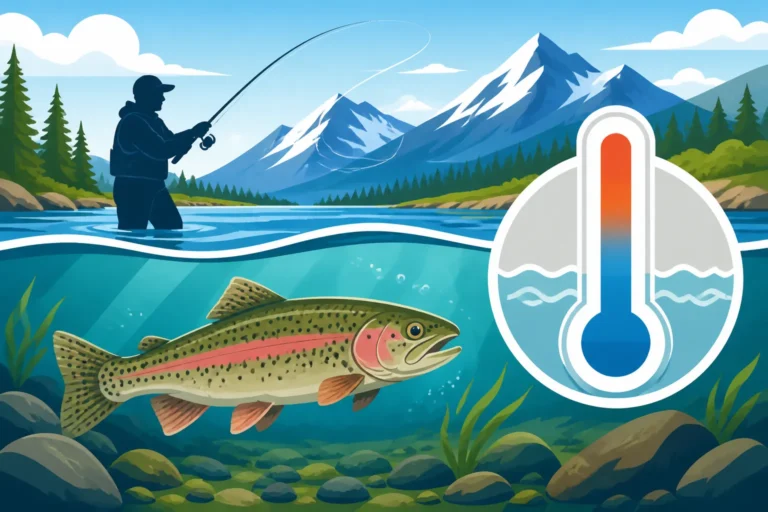
- Temperature: Cold water generally means slower insect activity and slower fish metabolism. Trout are less likely to chase. They prefer a meal that requires minimal effort, which often translates to a larger, more appealing single target. As water warms up, insect activity increases, and trout become more active, willing to chase smaller, faster-moving prey. Our Alberta Trout Season Opener Dates by Zone covers how these changes affect fishing opportunities.
Fish Behavior and Preferences
Finally, consider the trout themselves. Are they actively rising to surface insects? Are they holding deep, indicating a bottom-feeding preference? Are they spooky or aggressive?
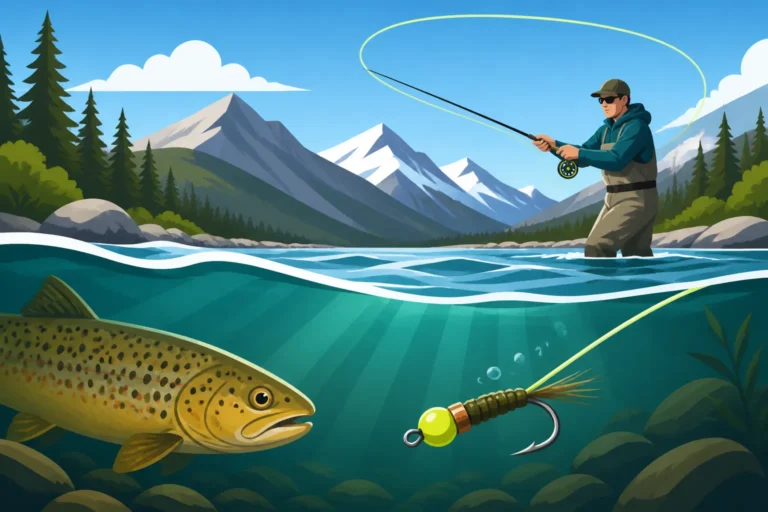
- Actively Rising: If trout are visibly feeding on the surface, you'll want to use dry flies that match the size and profile of the naturals. Often, these spring hatches (like BWOs) are small, requiring delicate presentations with flies in sizes #16 to #20.
- Bottom Feeding: If no surface activity is evident, trout are likely feeding on nymphs and other aquatic invertebrates near the riverbed. This is when larger, weighted nymphs or stonefly patterns (sizes #6 to #14) come into play. You might be fishing a multi-fly nymphing rig to cover different depths and insect types.
- Spooky vs. Aggressive: In clear, low water, particularly in pressured areas of the Bow near Calgary, trout can be very spooky. Smaller flies, lighter tippets, and delicate presentations are necessary. In contrast, during periods of abundant food or after a long winter, trout can be surprisingly aggressive, especially towards larger streamer patterns, which might tempt them to strike for a substantial meal.
Recommended Fly Sizes for Bow River in Spring
Let's break down the optimal fly sizes for different stages of spring on the Bow River. Remember, these are guidelines, and flexibility is your biggest asset.
Early Spring Nymphs and Streamers (March – Early April)
When the river is cold, possibly high, and still waking up from winter, trout are looking for easy, substantial meals. They’re not going to expend a lot of energy chasing tiny midges unless it’s an incredibly dense hatch in a slow pool.
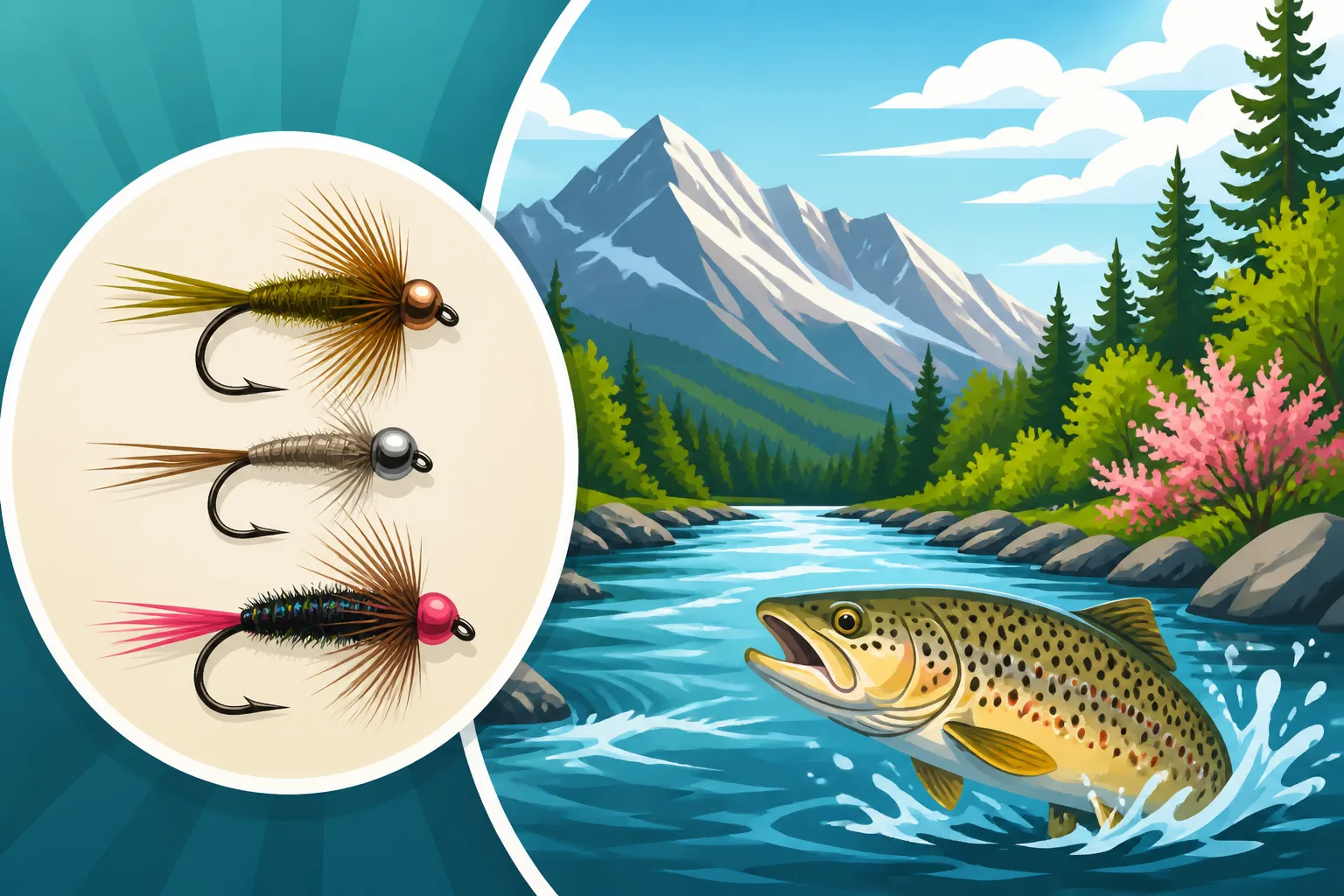
- Large Stonefly Nymphs: Think sizes #6 to #12. Patterns like a Pat's Rubber Leg, Girdle Bug, or 20 Incher Stone are fantastic. These flies imitate larger aquatic insects that are always present on the bottom and offer a high-protein meal. Their bulk and dark profiles stand out in cloudy water. You’ll want to fish these deep, often with added weight or on a Euro Nymphing the Bow River setup. Many anglers find excellent assortments of these on Amazon, ready for immediate use.
- San Juan Worms & Squirmy Wormies: These aren't natural insect imitations but are incredibly effective, especially in runoff or slightly stained water. Sizes #8 to #14 work well. They represent dislodged aquatic worms, which are common food sources during high water events. Their bright colors and squirmy action are irresistible.
- Large Baetis Nymphs: Even though the adults might be small, the nymphs can be substantial. A French Nymph or Pheasant Tail in sizes #14-16 can be a good lead fly, especially if the water isn’t too murky.
- Streamers: Don't underestimate the power of streamers for aggressive trout looking for a big meal. Patterns like the Sculpzilla, Woolly Bugger, or a small articulated streamer in sizes #2 to #8 can be deadly. Black, olive, or brown are excellent colors, and adding a bit of flash can help in cloudy conditions. These imitate baitfish or larger aquatic creatures, triggering a predatory response.
Mid-Spring Emergers and Dries (Late April – May)
This is the transition period where hatches become more consistent, and trout start looking up. You'll need a blend of subsurface and surface patterns, often smaller than early spring flies.
- Blue-Winged Olive (BWO) Nymphs and Emergers: Sizes #16 to #20 are standard. Patterns like a Barr's Emerger, RS2, or even a smaller Pheasant Tail are great nymph imitations. When they start to emerge, an Imposter or Sparkle Dun can be deadly. These are critically important as BWOs are often the first significant mayfly hatch of spring.
- BWO Dry Flies: When fish are actively rising, sizes #16 to #20 in a standard BWO dry fly (like a Parachute BWO or CDC Comparadun) are essential. Delicacy in presentation is key.
- Caddis Nymphs & Pupa: As water warms, caddis start to become active. A LaFontaine's Sparkle Pupa or a simple Hare's Ear Nymph in sizes #14 to #18 can be very effective, especially fished close to the bottom.
- Midge Larva and Pupae: Even in early spring, midges are active. As temperatures rise, their importance continues. Small Zebra Midges or Brassies in sizes #18 to #22 are always good to have, fished either as a dropper or on their own.
Late Spring Transition Flies (Late May – June)
As the river warms and summer approaches, a wider variety of insects emerge, and trout feeding becomes more consistent. Your fly box should reflect this diversity.
- Larger Mayfly Nymphs: Patterns like a Prince Nymph or Hare's Ear in sizes #12 to #16 can mimic other mayflies that become more active.
- Green Drake/Salmonfly Nymphs (Pre-Hatch): If you're fishing into late May or early June, keep an eye out for these larger insects. While the actual hatch might be in summer, their nymphs are migrating. A large stonefly imitation in sizes #6 to #10 could mimic these substantial meals.
- Caddis Dries: When caddis start hatching in earnest, especially in the evenings, patterns like an Elk Hair Caddis or Goddard Caddis in sizes #14 to #18 are fantastic. You might even see trout aggressively slashing at these. Our Best Tackle for Alberta Walleye doesn't apply here, but if you want to diversify your angling, it's a good read.
- Ants and Beetles: Terrestrial insects can start to fall into the water. Small ant or beetle patterns in sizes #14 to #18 can be surprisingly effective on warmer, clearer days.
- Attractor Dries: Sometimes, when nothing specific is hatching, a general attractor pattern like a Royal Wulff or a Stimulator in sizes #12 to #16 can bring fish up. These are more about triggering an opportunistic strike than a perfect imitation.
Here's a quick reference table for spring fly sizes on the Bow River:
| Spring Phase | Water Conditions | Primary Target Food | Recommended Fly Type(s) | Suggested Sizes | Example Patterns |
|---|---|---|---|---|---|
| Early Spring | Cold, high, murky | Large Nymphs, Worms | Heavy Nymphs, Streamers | #6 – #14 | Pat's Rubber Leg, San Juan Worm, Woolly Bugger |
| (March – Early April) | Baitfish | ||||
| Mid-Spring | Variable, improving | BWOs, Midges, Caddis | Small Nymphs, Emergers, Dries | #14 – #20 | Barr's Emerger, Parachute BWO, Zebra Midge |
| (Late April – May) | |||||
| Late Spring | Warmer, clearer, higher | Caddis, Mayflies, | Nymphs, Dries, Streamers | #10 – #18 (Dries) | Elk Hair Caddis, Prince Nymph, Sculpzilla |
| (Late May – June) | flows possible | Terrestrials, Baitfish | #6 – #14 (Nymphs/Str) |
Practical Tips for Success on the Bow River
Choosing the right fly size is part of the puzzle. How you approach the river and adapt to its ever-changing moods will ultimately determine your success.
Carrying a Range of Sizes
The biggest mistake you can make when fishing the Bow in spring is to show up with only a handful of fly sizes. Spring conditions are incredibly varied, and what worked yesterday might be completely useless today. Always carry a broad selection of fly patterns in different sizes. For example, if you're targeting BWOs, have nymphs, emergers, and dry flies in sizes ranging from #16 down to #20. Similarly, for stoneflies, have some #6s, #8s, and #10s. This isn’t just about having the right pattern, but also the right size of that pattern. Building a diverse fly box doesn't have to break the bank; many affordable fly assortments are available on Amazon that cover a good range.
Think of your fly box as a toolkit. You wouldn't try to build a house with only a hammer, and you shouldn't try to tackle the Bow River with only a few specific fly sizes. The more options you have, the better your chances of matching the particular mood of the fish on any given day. Remember, the fish aren't always looking for the biggest meal; sometimes they're keying in on tiny morsels. Our Fly Patterns for the Bow River post details specific recommendations.
Observing the Water and Banks
The river itself is the best guide to fly selection. Before you even make your first cast, take 10-15 minutes to simply observe.
- Look for rising fish: What kind of rises are they? Gentle sips indicate small, delicate dries. More aggressive splashes could mean larger, more active insects like caddis, or even trout chasing emergers just below the surface.
- Check the banks and eddies: Are there any insects flying around? Are there any dead or dying insects floating in the foam lines? These are crucial clues. If you see a specific insect, try to find a fly in your box that matches its size, shape, and color.
- Roll over rocks: In shallower, slower sections, gently roll over some rocks. What kind of nymphs and larvae are clinging to the underside? This gives you an immediate indication of the predominant subsurface food source. You might find large stonefly nymphs or smaller mayfly nymphs.
- Gauge water clarity and flow: This will influence how visible your fly needs to be and how much weight you might need to get it down. In high, murky water, bigger and brighter is often better. In low, clear water, stealth and realism (and therefore, often smaller sizes) are paramount. Our Wading Techniques for Alberta Trout Rivers article can help you safely access different parts of the river for these observations.
Adjusting on the Fly
One of the biggest lessons in spring fly fishing is to be willing to change. If you've been fishing a certain size or pattern for a while and aren't getting any bites, don't stubbornly stick with it. Trout on the Bow are smart, and their preferences can shift quickly.
Start with a reasonable assumption based on the spring phase (e.g., larger nymphs in early spring). If that's not working, try adjusting your size up or down. If you're fishing a #12 nymph, try a #10 or a #14. Sometimes, a subtle change in size, even within the same pattern, can make all the difference. For example, if you see small BWOs hatching and your #16 Parachute BWO isn't getting any love, try dropping to an #18 or even a #20. You might even switch to a different type of fly entirely, moving from a nymph to an emerger, or from a dry fly to a small streamer, particularly if the hatch dies down. Having a reliable leader and tippet setup is also key to these quick changes, and you can stock up on spools of different sizes from places like Amazon to ensure you're always ready.
Remember that presentation matters just as much as fly selection. Even the perfect fly in the perfect size won't catch fish if it's dragging unnaturally through the water or landing with a splash. Work on your cast, your drifts, and your stealth. When you combine precise fly sizing with excellent presentation, you'll unlock the incredible potential of the Bow River in spring.
Disclaimer
Fishing involves inherent risks. Always prioritize safety on and around the water. Be aware of changing weather and river conditions, wear appropriate safety gear including a personal flotation device when boating, and inform others of your fishing plans. Adhere to all Alberta fishing regulations, including licensing requirements, catch limits, and bait restrictions. Regulations can change, so consult the most current Alberta Guide to Sportfishing Regulations before each outing. The information provided in this guide is for general informational purposes only and does not constitute professional advice.