Best Techniques for Perch Through the Ice
There’s nothing quite like the crisp air and serene quiet of a winter day out on the ice, but let’s be honest, trying to pinpoint those elusive yellow perch beneath a thick layer of ice can sometimes feel like a wild goose chase. Many anglers find themselves drilling hole after hole, wondering if they’re even in the right zip code for a hungry school. This comprehensive guide is here to unravel the mysteries of ice fishing for perch in Alberta, offering proven techniques, essential gear advice, and local insights to help you fill your bucket.
Understanding Alberta's Perch in Winter
Catching perch through the ice isn't just about dropping a line; it's about understanding their winter world. These panfish, while often abundant, can be incredibly finicky and prone to moving. Knowing their habits and what drives them when the water freezes over is your first step to consistent success.
Where Perch Hide Under the Ice
When Alberta's lakes and ponds cap over with ice, perch transition from their active summer feeding patterns to a more concentrated existence. They typically congregate in specific areas where food is accessible and oxygen levels are stable. You're generally looking for structural elements that provide cover and a buffet.
Think about areas like weed lines, especially green weeds that still produce oxygen. Often, perch will hang just off the deeper edges of these weed beds, ready to dart in for a meal. Submerged humps, points extending into deeper water, and rocky bottom transitions are also prime real estate. If a lake has old creek channels or riverbeds winding through it, those depressions can be excellent travel corridors and holding spots for perch. The key is to find these features, which might be obvious in summer but require a good fish finder or even a detailed contour map to locate under the ice. In shallower lakes, they might be scattered over flats, but in deeper lakes, they’ll often relate to structure that offers access to varying depths. Don't be afraid to explore different depth ranges, from just a few feet below the ice to deeper basins of 20-30 feet or more, as perch can suspend or hug the bottom depending on the forage and light conditions.
What Perch Eat in the Cold
Perch are opportunistic feeders, and their diet in winter mainly consists of whatever small invertebrates and baitfish are available. Understanding their preferred menu items is crucial for selecting the right bait and lure. During the colder months, their metabolism slows down, meaning they're less likely to chase down fast-moving prey.
Their primary food sources often include insect larvae like bloodworms and mayfly nymphs, small crustaceans such as scuds or freshwater shrimp, and tiny baitfish like minnows or juvenile perch. This is why small, subtle presentations often outfish aggressive ones. You're trying to mimic a slow-moving, easy meal. Sometimes, a tiny minnow presented just above the bottom is irresistible. Other times, a small jig tipped with a maggot or wax worm is all it takes. The type of forage can vary significantly from one lake to another, so if you're fishing a new spot, it's a good idea to research the local ecosystem or ask at a local bait shop what the perch are keying on. Matching the hatch, so to speak, even under the ice, can be a game-changer. For a deeper dive into their feeding habits, you might want to read up on Yellow Perch in Alberta Lakes.
Essential Gear for Ice Fishing Perch
Hitting the ice unprepared for perch fishing is a surefire way to have a frustrating day. Perch are often subtle biters, especially in cold water, and having the right tools can make all the difference between a blank slate and a bucket full of tasty fillets. From sensitive rods to life-saving safety gear, let’s talk about what you need.
Rods, Reels, and Line for Finicky Bites
When targeting perch through the ice, sensitivity is paramount. These fish often "mouth" the bait or deliver incredibly light taps, which can be easily missed on an overly stiff rod. A good ice fishing rod for perch will typically be ultra-light to light action, ranging from 24 to 32 inches in length. A shorter rod gives you better control in the confines of an ice hut, while a slightly longer rod can offer more give when a bigger fish surprises you. The tip should be very sensitive, often fiberglass or a spring bobber, to detect those subtle takes.
Pair this sensitive rod with a small spinning reel, typically a 500 to 1000 size, spooled with 2 to 4-pound test monofilament or fluorocarbon line. Monofilament offers a bit of stretch, which can be forgiving, while fluorocarbon provides excellent sensitivity and invisibility in clear water. Some anglers prefer a braided main line with a fluorocarbon leader for maximum sensitivity, especially when fishing in deeper water. Companies like Frabill, Clam, and Fenwick make excellent ice rods designed specifically for panfish. You can often find great deals on these combos on sites like Amazon, making it easy to get started without breaking the bank. Remember, a light drag setting is crucial to prevent snapping off when a larger walleye or pike decides to check out your perch presentation. For beginners, a balanced rod and reel combo can simplify the setup process; check out Best Rod and Reel Combo for Beginners for more guidance.
Finding the Fish: Electronics and Augers
This is where modern technology truly shines in ice fishing. You can drill all the holes in the world, but if you're not over fish, you won't catch anything. A quality ice auger and a reliable fish finder are indispensable.
For augers, you have options: manual, propane, or electric. Manual augers are lightweight and affordable, perfect for a few holes, but they'll wear you out fast if you're hole-hopping extensively or dealing with thick ice. Propane augers, like those from Eskimo, offer power and convenience without the fumes of gas. Electric augers, such as those from Ion or Strikemaster, are increasingly popular for their quiet operation, lack of fumes, and instant start-up, though battery life can be a concern on long, cold days. Choose one that matches your physical capability and the typical ice thickness in your fishing spots. For a deeper dive into options, consider checking out Best Ice Auger for Alberta Lakes.
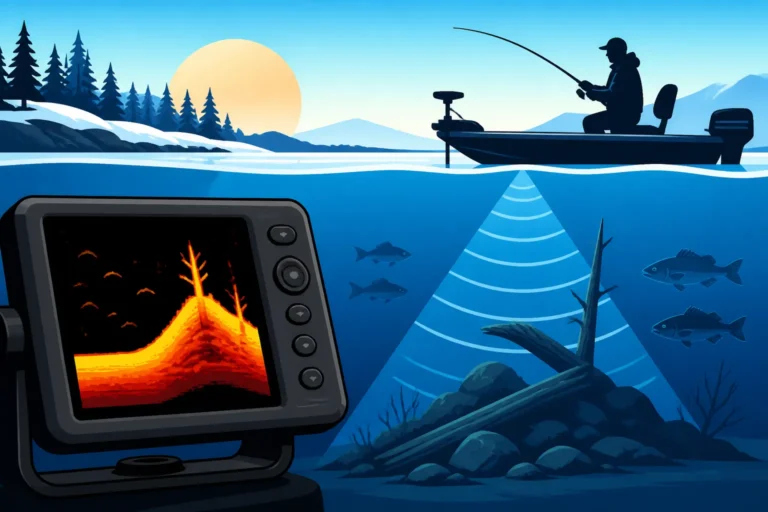
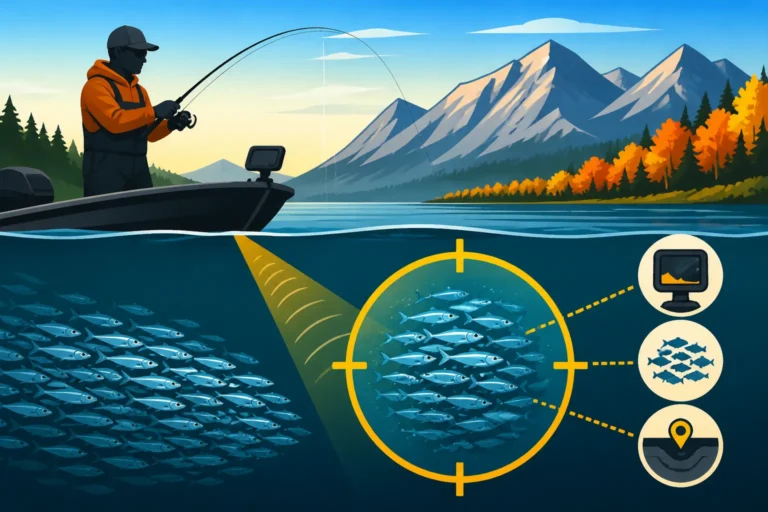
Once you've got your holes drilled, a flasher or a portable fish finder becomes your eyes beneath the ice. Brands like Vexilar, Marcum, and Humminbird offer excellent portable units. These devices allow you to see your lure, detect fish approaching it, and observe their reaction in real-time. This feedback is invaluable for adjusting your presentation. If fish are coming up to your lure but not biting, you know to try a different jigging motion, a different lure color, or to change your depth. They also help you quickly determine the depth and bottom structure, saving you countless minutes of blind fishing. Some units even offer GPS mapping, allowing you to mark productive spots and easily return to them. For the serious angler, a good fish finder is an investment that pays dividends in catch rates. You might also want to look for Best Fish Finders for Alberta Lakes if you're planning for a variety of species.
Staying Warm and Comfortable on the Ice
Alberta winters are no joke, and comfort on the ice directly translates to how long you can fish and how much you enjoy it. Layering is key: start with a moisture-wicking base layer, add insulating middle layers (fleece, down), and finish with a waterproof and windproof outer shell, ideally a floatation suit for safety. Brands like Striker Ice and Clam make specialized ice fishing suits that are both warm and buoyant.
Beyond clothing, a good ice hut or shelter is a game-changer. These range from simple flip-over shelters that attach to a sled to full-sized pop-up tents. They shield you from the wind, retain heat from a portable heater, and make the experience much more enjoyable. For long sessions, a comfortable chair or bucket, and warm boots with thick insulated soles (like Baffin or Muck Boots) are essential. Don't forget hand warmers, a thermos of hot coffee or soup, and plenty of snacks. Staying hydrated is also important, even in the cold. A portable propane heater is a common accessory for warmth inside a shelter; just make sure to have proper ventilation to avoid carbon monoxide buildup. You can find many of these items, from shelters to heaters, on Amazon. To learn more about shelters, check out Best Ice Hut for Alberta Lakes.
Top Techniques for Ice Fishing Perch
Once you've got your gear sorted, it's time to talk tactics. Perch might be small, but they can be incredibly challenging to catch consistently through the ice. The right technique, often involving subtle movements and strategic baiting, can make all the difference.
Jigging Strategies and Lure Choices
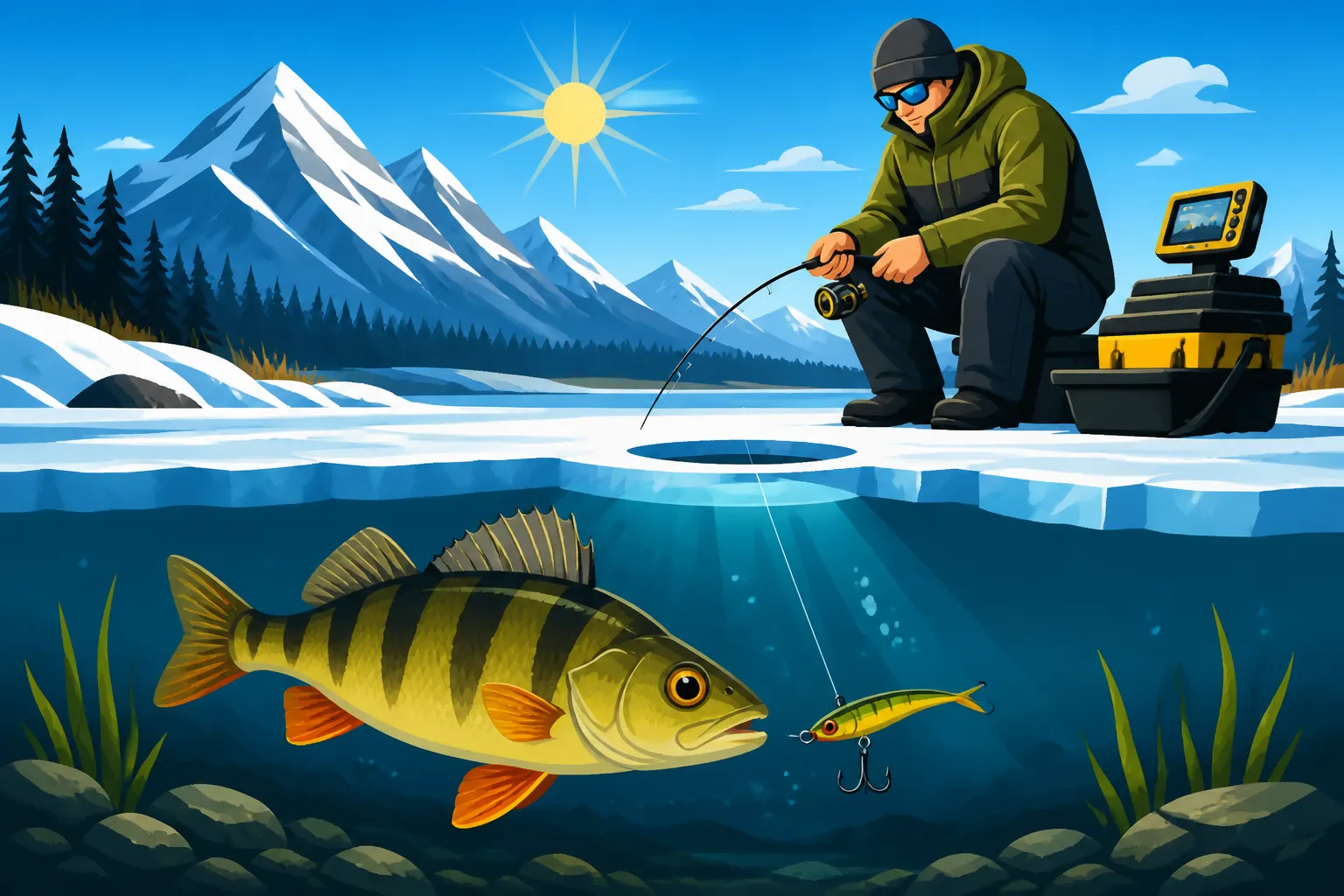
Jigging is by far the most popular and effective method for ice fishing perch. It involves actively moving your lure up and down to attract fish. The "sweet spot" for perch is often just a few inches to a foot or two off the bottom, but they can also suspend higher in the water column if baitfish are present.
Start by dropping your lure to the bottom, then reel up a few inches so it's visible to any fish hugging the lakebed. From there, your jigging motion should generally be subtle. Think small, quick twitches of the wrist, followed by a pause. The pause is often when the fish strike, so pay close attention to your rod tip. Sometimes a simple "lift and drop" is effective, other times a more erratic "flutter and fall" might trigger a bite. Don't be afraid to experiment with different cadences until you find what the fish prefer on a given day. If fish are showing interest but not committing, try making your movements even smaller or prolonging your pauses.
When it comes to lures, small is often better for perch. Common choices include tiny tungsten jigs, small spoons, and specialized ice fishing plastics.
- Tungsten Jigs: These are excellent because tungsten is denser than lead, allowing for a smaller profile lure that still drops quickly. They come in various shapes and colours. Tip them with a maggot, wax worm, or a small piece of perch eye for added scent and attraction. Popular tungsten jig brands include VMC, Northland, and Custom Jigs & Spins.
- Small Spoons: Spoons like the classic Swedish Pimple, Acme Kastmaster, or Northland Forage Minnow create flash and vibration as they fall, mimicking a wounded baitfish. They can be very effective, especially when tipped with a minnow head or a grub.
- Ice Fishing Plastics: Micro-plastics like Berkley Gulp! Alive! maggots, minnows, or small insect imitations can be deadly. They come pre-scented and are often more durable than live bait. Pair these with a tiny jig head for a natural presentation.
Experiment with colours too. On bright days and in clear water, natural colours like silver, gold, or white often work best. In darker conditions or stained water, brighter colours like chartreuse, orange, or glow-in-yellow can be more visible. Always have a variety in your tackle box, which you can easily stock up on through retailers like Amazon.
Deadsticking and Live Bait Presentations
While jigging is active, deadsticking offers a more passive, yet highly effective, approach for perch. This involves setting up a second rod (where regulations allow, Alberta typically allows two lines per angler) with a static or very slowly moving bait presentation. It’s perfect for those ultra-finicky perch that are wary of aggressive jigging.
For deadsticking, a simple bobber or tip-up setup works wonders. You'll typically use live bait, which is often irresistible to perch.
- Minnows: Small minnows (fatheads, shiners) are a top choice. Hook them lightly through the back, just behind the dorsal fin, or through the lips, allowing them to swim naturally. Suspend them at various depths, but often just off the bottom or near any observed fish on your sonar. The subtle struggles of the minnow are often enough to trigger a bite.
- Maggots and Wax Worms: These small grubs are fantastic for tipping jigs but can also be fished on a small hook under a bobber. They provide natural scent and movement. A small cluster of a few maggots on a tiny hook can be very enticing.
- Perch Eyes: While it sounds a bit gruesome, a small piece of perch eye can be a highly effective bait, particularly on lakes where perch are cannibals. It’s tough, stays on the hook well, and offers a strong natural scent.
The key to deadsticking is patience. Let the bait do the work. If you're using a bobber, watch for the slightest dip or twitch. With a tip-up, the flag will alert you to a bite. Position your deadstick rod a short distance from your jigging hole. Often, the more active fish will hit your jig, while the shyer ones will cautiously approach and take the deadstick bait. This combination can drastically increase your catch rate.
Hole Hopping vs. Stationary Fishing
One of the biggest debates in ice fishing is whether to stay put or keep moving. For perch, the answer is often a strategic blend, but leaning towards mobility.
-
Hole Hopping: Perch are schooling fish, but those schools can move quickly or be concentrated in specific pockets. Drilling a series of holes (say, 5-10 holes in a grid or along a contour line) and moving between them every 5-10 minutes if you don't get a bite is an incredibly effective strategy. This "search and destroy" method allows you to cover a lot of water and find active schools. If you find a school, fish that hole until the bite slows, then move to the next. The beauty of a portable fish finder is that you can quickly drop it into each new hole to see if fish are present before even dropping your lure. An electric auger, like those readily available on Amazon, makes this much easier. This aggressive approach is often key to unlocking a hot bite on a lake you’re less familiar with.
-
Stationary Fishing: There are times when staying put is the right move. If you've located a consistently active school, or if weather conditions (like extreme cold or high winds) make moving difficult, settling into an ice hut over a productive spot can be the way to go. This is especially true on smaller ponds or specific structures where perch are known to congregate reliably. If you're in a comfortable, heated shelter, you can fish longer and more precisely. However, even when stationary, don't be afraid to drill a few holes within your hut to try slightly different depths or spots, or even outside the hut if the weather allows, to expand your strike zone. Sometimes, just moving your lure to an adjacent hole can trigger bites from more aggressive fish in the school. The choice often depends on the fish activity, the size of the body of water, and your comfort level with the weather.
Reading the Ice and Maximizing Your Catch
Ice fishing is more than just dropping a line; it’s about becoming one with the environment. From understanding fish behavior to staying safe on the ice, paying attention to these details can turn a slow day into a memorable one.
Understanding Perch Behavior and Bite Windows
Perch, like most fish, have specific periods of activity that make them more likely to bite. These are often referred to as "bite windows." While every day is different, some general patterns emerge that can help you plan your outing.
- Dawn and Dusk: These low-light periods are often prime time for perch. Just after sunrise and before sunset, perch tend to be more active, moving onto shallower flats or along weed lines to feed. Their vision gives them an advantage over prey in dim light. If you can, try to be on the ice and set up an hour before sunrise and stay an hour after sunset.
- Midday Lull vs. Midday Feast: On some days, especially bright, clear days, perch might experience a midday lull, retreating to deeper water or holding tighter to cover. However, on overcast days or during periods of stable weather, they can be active throughout the day. It really pays to check your fish finder regularly and vary your depths if the bite slows.
- Barometric Pressure: Changes in barometric pressure can significantly influence fish activity. A stable, high-pressure system generally leads to more active fish, while a sudden drop in pressure (often preceding a storm) can make them lethargic. You can track this with a simple weather app. Understanding How barometric pressure affects Alberta walleye fishing can give you an edge, and the same principles often apply to perch.
- Moon Phases: While not as universally agreed upon, some anglers swear by the solunar tables, which predict fish activity based on moon phases and positions. Major and minor feeding times often coincide with moonrise/moonset and moon overhead/underfoot. It's worth checking a solunar calendar for your area; even if it's not foolproof, it might give you an extra edge.
The key is adaptability. If the bite is slow, don't be afraid to change your lure, your depth, your jigging retrieve, or even your location. A school of perch can move quickly, and what worked an hour ago might not work now.
Adapting to Weather and Ice Conditions
Alberta's winter weather can be fickle, and understanding its impact on both fish and safety is paramount.
- Cold Fronts: A sudden cold front can shut down a perch bite almost entirely. Fish become lethargic and less willing to chase. During these times, focus on small, subtle presentations, deadsticking, and offering natural baits. Look for deeper water where fish might retreat to more stable temperatures.
- Snow Cover: A heavy blanket of snow on the ice can reduce light penetration, making fish more comfortable in shallower water during the day. However, it also insulates the ice, making it harder to drill through!
- Clear vs. Stained Water: In clear water, line visibility becomes more important. Opt for fluorocarbon leaders and more natural lure colours. In stained or muddy water, brighter, glow-in-the-dark lures can be more effective as they stand out.
- Ice Thickness and Safety: This is non-negotiable. Always prioritize safety. The general rule of thumb for safe ice is at least 4 inches for foot traffic, 5-7 inches for a snowmobile or ATV, and 8-12 inches for a small car or truck. However, ice conditions can vary wildly, even on the same body of water. Always check ice thickness with an auger or spud bar as you venture out. Be wary of areas with currents (inlets, outlets), springs, or pressure ridges, as these can have weaker ice. Carry ice picks, a throw rope, and fish with a buddy. Never take unnecessary risks. A useful resource for general safety is How thick ice needs to be to fish safely in Alberta. For specific guidelines on Alberta ice fishing season dates, always consult the official regulations.
Ethical Angling and Safety on the Ice
Beyond personal safety, responsible angling practices are crucial for maintaining healthy fish populations and enjoying Alberta's beautiful natural resources for years to come.
- Respect Bag Limits: Always know and adhere to the Alberta walleye daily limit or perch limits for the specific body of water you're fishing. These limits are in place to ensure sustainability. Don't be tempted to keep more than you're allowed, even if the bite is hot.
- Catch and Release: If you're not planning to eat your perch, practice proper catch and release techniques. Minimize handling, especially in freezing temperatures, and quickly return the fish to the water. A good pair of pliers or forceps can help with quick hook removal, minimizing stress on the fish.
- Dispose of Waste Properly: Pack out everything you pack in, including bait containers, discarded line, and any trash. Leaving litter on the ice or shore degrades the environment and is disrespectful to other anglers and wildlife.
- Ice Hut Etiquette: If you're using an ice hut, ensure it's removed by the designated date (typically March 15th in Alberta) to prevent it from becoming a hazard or litter when the ice melts. Always check local regulations for specific dates.
- Know the Regulations: Always carry a copy of the current Alberta Guide to Sportfishing Regulations, either physically or digitally on your phone. Regulations can change annually and are specific to different zones and water bodies. For example, some waters might have different limits or special harvest license programs. Understanding Reading the Alberta Guide to Sportfishing Regulations is a must for any angler. You can also learn about your Alberta Fishing License Guide for 2026 and Alberta WIN Card, Explained to ensure you're compliant.
Alberta's Best Perch Waters for Ice Fishing
Alberta is blessed with numerous lakes and ponds that offer fantastic ice fishing opportunities for yellow perch. While specific conditions can change year to year, some locations consistently produce good numbers of these feisty panfish.
Popular Lakes Known for Perch
If you're looking for reliable action and are willing to share the ice with other anglers, these popular spots are often a safe bet for perch:
- Pigeon Lake: Located southwest of Edmonton, Pigeon Lake is renowned for its excellent perch fishing. It's a relatively shallow, fertile lake with abundant weed growth, providing ideal habitat. The perch here can be quite large, often reaching impressive sizes for the species. Access is good, with several public access points. You'll often find anglers spread out, especially in the shallower bays and along weed edges. For more specific local information, check out Pigeon Lake Fishing Guide.
- Gull Lake: Another popular spot west of Lacombe, Gull Lake offers solid perch opportunities. It’s a larger lake with a mix of depths and structure. Perch are often found near weed beds and transition areas. This lake can get busy, but its size allows for plenty of space to explore. The perch here are typically good-sized.
- Sylvan Lake: West of Red Deer, Sylvan Lake is a well-known multi-species fishery, and perch are a staple here too. While it can be busy in summer, the ice fishing offers a different experience. Look for perch in bays and around structure.
- Lake Wabamun: Situated west of Edmonton, Wabamun is famous for its large northern pike, but it also holds a healthy population of yellow perch. The perch here can grow quite large, offering a fun fight on light tackle. Focus on the extensive weed lines and submerged structure.
- Keho Lake: Southeast of Ponoka, Keho Lake is another consistent producer of perch, often yielding good numbers. It's known for its pike as well, so be prepared for a potential bonus fish! For specific pike information, see Keho Lake Pike Fishing.
- Many Other Smaller Lakes: Beyond these well-known lakes, many smaller provincial park lakes and local ponds across Alberta are regularly stocked or naturally support healthy perch populations. These might be less pressured and offer a more solitary experience. A great way to find them is by checking the Alberta Environment and Protected Areas stocking reports or asking at local bait shops. You can explore Alberta Provincial Park Fishing Guide for some ideas.
Exploring Smaller, Less Pressured Spots
While the popular lakes are great, sometimes the best perch fishing comes from exploring those lesser-known, smaller bodies of water. These often receive less fishing pressure and can hide some true gems.
- Local Farm Ponds and Dugouts: Many rural areas of Alberta have private or public ponds and dugouts that hold surprising numbers of perch. Always ensure you have permission to access private land. These smaller waters can warm up and cool down faster, influencing fish activity, but when they're on, they can offer non-stop action. The perch here might not be trophy-sized, but they make for excellent table fare.
- Remote Lakes and Reservoirs: Alberta has countless lakes, some of which require a bit more effort to reach. These can range from smaller lakes in Kananaskis Country to more remote reservoirs in central Alberta. Use online mapping tools to identify potential waters, then research access points and regulations. Be prepared for potentially deeper snow and longer walks if you venture off the beaten path. Always check the official regulations for these specific waters, as special rules may apply. For some high-country options, consider checking out Kananaskis Country Fishing Guide.
- The Advantage of Solitude: Fishing these less pressured spots often means you have the entire school to yourself. This can lead to faster action and less competition from other anglers. It also allows you to experiment with different techniques without feeling like you're missing out on a bite elsewhere. The fish in these spots might also be less wary, making them easier to trick with a variety of lures and baits.
- Doing Your Homework: Before venturing to a new, smaller spot, do your research. Check the Alberta Guide to Sportfishing Regulations for any specific rules, find out about access, and if possible, talk to locals or check online forums for recent reports. Sometimes, a quick chat with a knowledgeable employee at a local outdoor gear store can reveal a hidden gem for ice fishing.
| Lure Type | Best Use Case | Tipping Options | Typical Depth | Presentation Notes |
|---|---|---|---|---|
| Tungsten Jigs | Finicky bites, deep water, subtle presentations | Maggot, wax worm, plastics | All depths | Small twitches, long pauses; match lure size to baitfish size. |
| Small Spoons | Aggressive perch, attracting from a distance | Minnow head, maggot, plastics | Mid to Deep | Lift and fall, fluttering action; let it hit bottom, then bring up slightly. |
| Plastic Baits | Consistent scent, durability, clear water | No tipping needed (pre-scented) | All depths | Slow jigging, deadsticking; mimic natural insect or small minnow movement. |
| Live Minnows | Deadsticking, wary fish, natural appeal | Hooked through lip or back | All depths | Bobber or tip-up; let minnow swim naturally, minimal rod movement. |
| Perch Eyes | Tough bait, strong scent, cannibalistic perch | Tipped on small jig | All depths | Small jigging motions; excellent on tough bites. |
| Tiny Swimmer Baits | Mimicking small baitfish, active perch | None | Shallow-Mid | Erratic retrieves, short snaps, then pause. Can be very effective for larger perch. |
Disclaimer
The information provided in this guide is for general informational purposes only and is subject to change. Fishing regulations, ice conditions, and fish populations can vary by location and season. Always consult the official Alberta Guide to Sportfishing Regulations, available from MyWildAlberta, and exercise extreme caution and judgment when venturing onto the ice. Safety should always be your top priority.