Pigeon Lake Fishing Guide
There's nothing quite like the excitement of planning a fishing trip to a new lake, but sometimes the sheer unknown of a large water body like Pigeon Lake can feel overwhelming. You might be wondering what fish species call it home, where the best spots are, or even what regulations you need to follow to stay legal. This comprehensive guide is designed to cut through that confusion, giving you all the insider knowledge and practical advice you need to conquer Pigeon Lake and make your next angling adventure a resounding success.
Understanding Pigeon Lake's Unique Fishery
Pigeon Lake, nestled in the heart of Alberta, isn't just another body of water; it's a vibrant ecosystem with its own distinct personality and fishing opportunities. Known for its relatively shallow depths and productive waters, it’s a favorite among many local anglers, and for good reason. Understanding what makes this lake tick is the first step toward a memorable day on the water.
Species You'll Find and What Makes Them Thrive
When you drop a line into Pigeon Lake, you're primarily aiming for three fantastic sportfish, though other species do lurk beneath the surface. Each of these main players thrives in Pigeon Lake's fertile environment, offering different challenges and rewards to the dedicated angler.
First and foremost, Walleye are the undisputed stars of Pigeon Lake. This lake is renowned for its healthy walleye population, offering anglers consistent action and the chance at some truly respectable fish. Walleye here thrive due to the lake's rich forage base, including yellow perch and various minnow species, and its extensive weed beds and subtle structural elements provide excellent ambush points and cover. They appreciate the relatively turbid waters and varied bottom contours, making them a prime target throughout the open water and ice fishing seasons. While not typically a trophy lake for giants, it consistently produces good numbers of eater-sized walleye, with occasional larger specimens making an appearance.
Next up, we have the toothy and tenacious Northern Pike. These aggressive predators are abundant in Pigeon Lake, particularly in and around the extensive weed beds that characterize much of its shoreline and shallower bays. Pike grow to impressive sizes here, with many anglers reporting fish in the 30-inch range and bigger ones not uncommon. They are opportunistic feeders, preying on anything from perch and minnows to smaller pike and waterfowl, making them an exciting catch on a variety of lures. Their explosive strikes and strong fights make them a perennial favorite, especially for those looking for an adrenaline rush.
Finally, the humble Yellow Perch plays a significant role in Pigeon Lake's fishery. These panfish are incredibly numerous and provide fantastic action, especially for families or anglers looking for consistent bites. Perch are a crucial forage species for both walleye and pike, but they're also a delicious table fish in their own right. They school up in large numbers, often around weed lines and subtle depth changes, and are relatively easy to catch once you locate a school. While not the biggest fish in the lake, a cooler full of fresh perch fillets is a welcome sight after a productive day. Beyond these three, you might occasionally encounter burbot or even lake whitefish, though they are less frequently targeted by recreational anglers on Pigeon Lake.
General Lake Characteristics and Structure
Pigeon Lake stands out from many of Alberta's deep, cold mountain lakes. It's classified as a mesotrophic lake, meaning it's moderately productive with good nutrient levels, leading to a healthy food chain. The lake is relatively shallow, with an average depth of around 6 meters (about 20 feet) and a maximum depth of approximately 9 meters (30 feet). This shallow nature means the water warms up quickly in spring and cools down in the fall, influencing fish behavior and seasonal patterns significantly.
The most defining structural feature of Pigeon Lake is its expansive weed beds. These aquatic vegetation jungles, primarily found in the shallower bays and along much of the shoreline, are vital fish habitat. They provide cover, ambush points for predators like pike, and foraging grounds for walleye and perch. As you move away from the shorelines, you'll encounter a relatively flat, silty bottom, but don't let that fool you. Subtle depth changes, such as gradual drop-offs, slight humps, or depressions in the main basin, become critical holding areas for walleye, especially during the warmer months when they might seek slightly cooler, deeper water.
The lake is fed by several small creeks and springs, though these are not major river systems. These feeder creeks, particularly their mouths and associated mudflats, can be excellent early-season hotspots as fish congregate there for spawning or to feed on new forage. Water clarity in Pigeon Lake can vary, often having a slight stain due to its productive nature and the silty bottom, which can be advantageous for walleye fishing as they prefer lower light conditions. Understanding these characteristics — the shallow depths, prevalent weed lines, subtle structural variations, and water conditions — is key to unlocking Pigeon Lake's fishing potential.
Seasonal Fishing Strategies for Pigeon Lake
Fishing on Pigeon Lake is a year-round affair, each season offering distinct opportunities and requiring different approaches. The lake's relatively shallow nature means fish respond quite dramatically to changes in water temperature, so adapting your strategy to the time of year is crucial for consistent success.
Spring Fishing Tactics and Hotspots
As the ice finally recedes from Pigeon Lake, usually in late April or early May, the angling season kicks into high gear. This is a time of immense change and opportunity, with fish migrating to shallower, warmer waters to feed aggressively after the long winter. Your focus during this period, from ice-out until early summer, should be on these warmer, oxygenated zones.
Walleye in the spring are often found concentrating in shallower bays and around the mouths of any inflowing creeks, however small. These areas warm up faster and provide critical pre-spawn staging grounds and post-spawn recovery zones. Target depths often range from 4 to 10 feet. Effective techniques include slowly jigging minnows (live or artificial, where legal), soft plastics on a jig head, or small crankbaits that mimic baitfish. A subtle presentation is often best, as the fish can still be a bit sluggish. Casting parallel to breaking ice edges, if any remain, can also be productive.
Northern Pike are also highly active in the spring, moving into shallow, vegetated bays to spawn. After spawning, they remain in these areas, ambushing unsuspecting baitfish. Look for pike in depths of 2 to 8 feet, particularly in newly emerging weed beds or areas with submerged brush. Spinnerbaits, spoons (like a classic Five of Diamonds or Daredevle), and shallow-running crankbaits are incredibly effective. Don't be afraid to cast right into the thick stuff; pike love to hide and dart out. Patience and covering water efficiently are key. As the spring progresses, and the water continues to warm, fish will become more aggressive, and their preferred depths may slightly increase.
Summer Adventures: Deep Weeds and Open Water
Summer on Pigeon Lake brings warmer water, longer days, and a shift in fish behavior. While the shallow weed beds still hold plenty of pike and perch, walleye often move to deeper water or retreat into the denser, cooler sections of the weed lines. This means adjusting your tactics to target these summer patterns.
Walleye during the peak of summer can be found along the deep edges of prominent weed beds or relating to the subtle humps and drop-offs in the main lake basin. Depths of 10-20 feet become more productive. Trolling crankbaits is a highly effective method for covering water and finding active fish. Consider classic walleye crankbaits in natural baitfish patterns or bright colors depending on water clarity. Alternatively, vertical jigging with a jig-and-minnow or a jigging spoon over structure can yield excellent results once you've located a school. Remember, walleye are light-sensitive, so early mornings, late evenings, or overcast days often produce the best bites.
Northern Pike remain prevalent in the extensive weed beds throughout the summer. They'll lurk in the densest cover, waiting for an opportunity to strike. Topwater lures, like frogs or poppers, can provide explosive action over submerged weeds, especially during low light conditions. Spinnerbaits and weedless soft plastics are also highly effective when retrieved through the vegetation. For larger pike that might be holding a bit deeper, large spoons or swimbaits cast along the weed edges can entice a strike. For a truly unique experience, consider exploring the various access points around the lake, such as those near Mulhurst Bay or Ma-Me-O Beach. If you're looking for shore fishing opportunities, these areas can be quite productive, especially around any docks or deeper cuts.
Fall Fishing Frenzy and Preparation for Ice
As the air chills and water temperatures begin to drop in late summer and early fall, Pigeon Lake enters one of its most productive fishing periods. Fish sense the approaching winter and embark on a feeding frenzy, building up reserves, which means they are often more aggressive and willing to chase down a meal. This makes fall a prime time to target larger fish.
Walleye in the fall typically transition from their summer haunts back to shallower to mid-depth areas, often congregating along prominent points, humps, and extended weed lines that still offer cover and access to forage. They are actively feeding on baitfish that are also schooling up. Trolling deeper-diving crankbaits or snap-jigging heavier jigs with large soft plastics or minnows can be incredibly effective. As the water cools further, don't overlook areas where baitfish might be pushed against drop-offs or bottlenecked near constrictions. The last few weeks before ice-up can offer some of the best walleye fishing of the year.
Northern Pike also become exceptionally aggressive in the fall, feeding heavily and often putting on significant weight. They'll patrol the same areas as walleye – weed edges, points, and transitional zones – but will also readily hit large spoons, spinnerbaits, and swimbaits retrieved at a moderate to fast pace. Casting large jerkbaits can also elicit violent strikes from big pike looking for a substantial meal. Focus on covering water, especially parallel to the remaining green weed beds, as pike will be actively hunting. The cooling water also means a comfortable time to be out on the lake before the winter deep freeze.
Ice Fishing on Pigeon Lake: A Winter Wonderland
When winter finally blankets Alberta, Pigeon Lake transforms into a bustling ice fishing hub. Its relatively shallow nature and productive waters make it an outstanding choice for hardwater enthusiasts, drawing anglers from across the province. The ice fishing season typically runs from December through March, weather permitting, offering consistent action for all the lake's primary species.
Walleye are a primary target through the ice. They often suspend or cruise near the bottom in the main lake basin, especially around subtle humps, drop-offs, and points. Popular techniques include jigging spoons (often tipped with a minnow head or piece of plastic) or small Rapala-style swimming lures. Deadsticking, where a second rod is set up with a simple hook and minnow or a scented bait near the bottom, is also incredibly effective. Early morning and late afternoon into dusk are usually the peak bite times for walleye. Be mindful of areas with slightly deeper water, typically 12-20 feet, as these often hold more active fish.
Northern Pike provide thrilling action through the ice. They are frequently found in shallower water, often in 5-15 feet, especially near the remaining green weed beds in bays or along shorelines. Pike are aggressive, so tip-ups rigged with large smelts or herring are a classic and highly effective method. Jigging larger spoons or swimbaits can also entice a strike. Always use a strong wire or heavy fluorocarbon leader when targeting pike to prevent bite-offs. Safety is paramount when ice fishing. Always check ice thickness before venturing out, and be aware of varying conditions, especially near inlets or pressure ridges. You can often find groups of ice shacks in popular areas, indicating where others have found success. For comprehensive details on winter angling, check out our guide on Ice Fishing in Alberta.
Essential Gear and Techniques for Success
Heading out onto Pigeon Lake, whether it's your first time or your hundredth, requires the right tools and a solid understanding of how to use them. While you don't need a boatload of specialized equipment, having the essentials dialed in for the species you're targeting will make a world of difference.
Rods, Reels, and Line for Each Species
Matching your tackle to the fish you're pursuing is key. For Walleye, you'll want a rod that offers a good blend of sensitivity and backbone. A medium-light to medium power spinning rod, typically 6'6" to 7' in length, with a fast or extra-fast action tip, is ideal for detecting subtle bites and setting the hook effectively. Pair this with a 2000 or 2500 series spinning reel spooled with 8-15 lb braided line. The braid offers incredible sensitivity and hook-setting power, and it's best to add a 6-10 lb fluorocarbon leader of about 4-6 feet for invisibility and abrasion resistance. This setup is versatile enough for jigging, slip bobbers, and even light trolling. For more insights, our guide on How to Catch Walleye in Alberta dives deeper into these specifics.
When it comes to Northern Pike, you need gear with more muscle. A medium-heavy to heavy power rod, either spinning or baitcasting, in the 6'6" to 7'6" range, is perfect. This will give you the leverage to cast larger lures and handle the strong, head-shaking fights of bigger pike. Match it with a 3000-4000 series spinning reel or a robust baitcasting reel, spooled with 30-50 lb braided line. A steel or heavy fluorocarbon leader (40-80 lb test) is absolutely essential to prevent bite-offs from their razor-sharp teeth. Don't skip this step – losing a trophy fish to a severed line is heartbreaking. You can find more specific recommendations for tackling these toothy critters in our article on How to Catch Northern Pike in Alberta.
For the ubiquitous Yellow Perch, a lighter touch is best. An ultralight or light power spinning rod, around 5'6" to 6'6", with a very sensitive tip, will make catching even small perch feel like a blast. Pair this with a small 1000 series spinning reel spooled with 4-6 lb monofilament or light braided line with a fluorocarbon leader. This delicate setup allows for excellent presentation of small jigs and baits, and maximizes the fun of reeling in these feisty panfish.
Lures and Baits That Get Results
Pigeon Lake fish respond well to a variety of lures and baits, but having a few proven producers in your tackle box is a smart move. For Walleye, jigs are indispensable. Pair a 1/8 to 1/4 oz jig head with a live minnow, a scented soft plastic (like a Berkley Gulp! Minnow or a simple paddle tail grub), or even a nightcrawler piece. Crankbaits are also incredibly effective, especially when trolling to cover water. Look for models like Rapala Shad Raps, Berkley Flicker Shads, or Salmo Hornets in natural baitfish colors (perch, silver) or brighter patterns for stained water. When the fish are less active, a crawler harness slowly trolled or drifted with a nightcrawler can be irresistible.
For aggressive Northern Pike, you'll want lures that create a lot of flash and vibration. Classic spoons like the Williams Wabler, Len Thompson Five of Diamonds, or Daredevle are perennial favorites. Spinnerbaits with large willow or Colorado blades are excellent for working through weeds, and soft plastic swimbaits or jerkbaits can imitate larger baitfish. For summer topwater action, consider frogs or large poppers fished over weed beds. Always remember, when targeting pike, using the Best Lures for Northern Pike in Alberta means thinking big and bold.
Yellow Perch are generally less picky. Small 1/32 to 1/8 oz jigs tipped with a tiny piece of worm, a maggot, or a small soft plastic grub are very effective. Small spoons or even a simple hook and bobber setup with a piece of nightcrawler or a mealworm will usually get them biting. The key is often finding the schools, then presenting a small, enticing meal.
Boat and Shore Access: Where to Launch and Cast
Pigeon Lake offers several excellent points of access for both boaters and shore anglers, making it a versatile destination. Knowing where to launch your boat or cast from the bank can significantly impact your fishing experience.
For boaters, there are well-maintained public boat launches available at various points around the lake. The most popular include Mulhurst Bay on the north side and Ma-Me-O Beach on the south side. These launches typically have good parking, docks, and concrete ramps suitable for a range of boat sizes, from small aluminum fishing boats to larger multispecies craft. While the lake is relatively shallow, you'll still want a boat that can handle open water conditions, as windy days can kick up a chop. For those with kayaks or canoes, these launches are also convenient, and you might find more secluded spots to put in, particularly around some of the campgrounds or day-use areas.
Shore access, while more limited on a lake this size, is still quite good in certain areas. Ma-Me-O Beach Provincial Park offers extensive public shoreline, including piers and designated swimming areas from which you can cast a line. The shallow, sandy bottom here makes it a great spot for families, with opportunities to catch perch and smaller pike. Similarly, Mulhurst Bay has some public access points and park areas that allow for shore fishing. Exploring the small communities and resorts around the lake, such as the Village at Pigeon Lake, might reveal additional public access points, though always be respectful of private property. Remember, even from shore, a valid Alberta fishing license is required.
Navigating Regulations and Conservation
Fishing in Alberta, and specifically on a popular lake like Pigeon, isn't just about catching fish; it's also about understanding and respecting the rules designed to protect and sustain our incredible fisheries. Familiarizing yourself with the regulations isn't just a legal requirement, it's a commitment to conservation that ensures future generations can enjoy the same opportunities.
Understanding Alberta's Fishing License Requirements
Before you even think about casting a line in Pigeon Lake, you need to ensure you're properly licensed. In Alberta, this means acquiring a Wildlife Identification Number (WIN) card, which acts as your unique identifier for all hunting and fishing licenses. Once you have your WIN card, you'll need to purchase an Alberta Sportfishing Licence.
The process is fairly straightforward. You can purchase your WIN card and fishing license online through the MyWildAlberta portal or from authorized license vendors, which include many tackle shops, sporting goods stores, and even some general stores. It's important to remember that licenses are typically valid from April 1st to March 31st of the following year, regardless of when you purchase them. There are various license options, including annual resident, non-resident Canadian, and non-resident non-Canadian licenses. Exemptions apply for certain age groups; for instance, Alberta residents under 16 and over 65 might not require a license, but it's always best to verify current regulations. For a complete breakdown, consult our guide on the Alberta Fishing License Guide for 2026 and How Much Does an Alberta Fishing License Cost. Always carry proof of your valid license and your WIN card when fishing.
Pigeon Lake Specific Regulations and Limits
Alberta's fishing regulations are zone-specific, and Pigeon Lake falls under particular management rules to protect its valuable fishery. It is absolutely crucial to consult the current Alberta Guide to Sportfishing Regulations before you head out, as regulations can change annually. You can find a digital copy on the MyWildAlberta website or pick up a physical copy at most license vendors. This guide will outline everything from season dates to specific bag and possession limits for each species. Our article Alberta Fishing Regulations Explained can provide a general overview.
For Pigeon Lake, walleye regulations are often a point of particular interest. In recent years, due to successful recovery efforts, the lake has been part of a Walleye Special Harvest Licence (WSHL) program. This means that if you wish to keep walleye from Pigeon Lake, you typically need to apply for and be drawn for a specific harvest tag, in addition to your general fishing license. The draw process and specific numbers vary each year, so checking the current guide is non-negotiable. For instance, the general Alberta rule for walleye is zero possession unless specifically permitted by a special harvest license.
Additionally, pay close attention to the bag and possession limits for Northern Pike and Yellow Perch. These limits dictate how many fish you can keep per day and how many you can have in your possession at any given time (including at home). For example, Pigeon Lake often has specific limits for pike, such as one pike under a certain length (e.g., 63 cm) and one over. These rules are in place to ensure a balanced fishery and prevent overharvesting. Also, be aware of any tackle restrictions, such as potential barbless hook requirements (though Pigeon Lake does not typically have a full barbless hook rule, specific areas or species might, so always check). The guide on Alberta Bag and Possession Limits by Species provides excellent general information.
Practicing Responsible Catch and Release
Even if you plan to keep a legal limit of fish, responsible catch and release practices are vital for the long-term health of Pigeon Lake's fishery, especially for species like walleye that are managed with conservative limits. Catch and release isn't just about letting a fish go; it's about giving that fish the best possible chance of survival.
Here are some key tips for practicing responsible catch and release:
- Handle Fish Minimally and Gently: Avoid touching fish unnecessarily. If you must handle them, wet your hands first to protect their delicate slime coat, which acts as a barrier against disease.
- Minimize Out-of-Water Time: The longer a fish is out of water, the more stress it endures. Have your camera ready, take a quick photo, and return the fish to the water promptly.
- Use Proper Dehooking Tools: Pliers or hemostats are invaluable for quickly and safely removing hooks, especially from toothy pike or deeply hooked walleye.
- Avoid Handling by the Gills: Gills are extremely fragile and essential for respiration. Never hold a fish by the gills if you intend to release it.
- Support the Fish's Weight: For larger fish, support their body horizontally, especially if they are heavy, to prevent internal organ damage. A large, rubberized landing net can help immensely here.
- Revive If Necessary: If a fish appears lethargic, hold it gently in the water, facing into the current (if any), and move it back and forth slightly until it can swim away on its own.
By following these practices, you contribute directly to the health and sustainability of Pigeon Lake's abundant fish populations.
Planning Your Trip and Local Resources
A successful fishing trip to Pigeon Lake involves more than just knowing where to cast; it's also about smart planning, tapping into local expertise, and prioritizing safety. Whether you're a seasoned angler or a family looking for a relaxing getaway, these resources can make your experience smoother and more enjoyable.
Finding Local Guides and Accommodations
For those unfamiliar with Pigeon Lake or looking to maximize their time on the water, hiring a local fishing guide can be an invaluable investment. A good guide knows the lake intimately – where the fish are biting, what lures they prefer, and how to navigate the specific challenges of the local fishery. They can provide all the necessary gear, teach you effective techniques, and ensure you're fishing within regulations. A fantastic resource for finding reputable local guides is FishingBooker. Their platform allows you to browse experienced charter captains and guides operating on Pigeon Lake, read reviews from other anglers, and book your trip with confidence. It's especially useful for targeting specific species or learning the ropes of a new water body.
When it comes to accommodations, Pigeon Lake offers a variety of options to suit different preferences and budgets. The lake is surrounded by several charming communities. Mulhurst Bay and Ma-Me-O Beach both offer direct lake access and feature a mix of private cabins, vacation rentals, and a few smaller resorts or campgrounds. The Village at Pigeon Lake, though not directly on the water, is a popular hub just a short drive away, offering hotels, boutique shops, and dining options. Many provincial and private campgrounds are also located nearby, providing excellent facilities for RVs and tents, often with lake access or proximity. Booking in advance, especially during peak summer months or popular ice fishing weekends, is highly recommended to secure your preferred lodging.
Staying Safe on the Water
Safety should always be your top priority, whether you're in a boat or fishing from shore. Pigeon Lake, like any large body of water, demands respect. This means being prepared for changing weather conditions, understanding basic boating safety, and, in winter, being acutely aware of ice safety protocols.
First, weather awareness is critical. Pigeon Lake can become surprisingly choppy on windy days, despite its shallow nature. Always check the forecast before heading out and be prepared for sudden changes. Carry appropriate rain gear, extra layers, and sun protection. In a boat, always let someone know your float plan – where you're going, when you expect to return, and who is with you. For boaters, understanding and adhering to Alberta Boating Laws for Anglers is paramount. This includes having all required safety equipment on board, such as a PFD (personal flotation device) for everyone on the boat, a bailing device, a whistle or air horn, and navigation lights if operating after sunset. Our guide on Life Jacket Requirements for Alberta Boaters details specific needs. If you operate a motorized boat, ensure you have your Pleasure Craft Operator Card (PCOC).
During the winter, ice safety becomes the paramount concern. Never venture onto the ice without first checking its thickness. A minimum of 4 inches (10 cm) of clear, new ice is generally considered safe for individual foot travel, but more is needed for groups, snowmobiles, or ATVs. Be wary of areas near inlets, outlets, or pressure ridges where ice can be significantly thinner. Carry ice picks, a throw rope, and fish with a buddy. It's always better to be overly cautious than to take unnecessary risks.
Community and Local Fishing Reports
One of the best ways to stay informed and increase your chances of success on Pigeon Lake is to tap into the local angling community and resources. Local bait and tackle shops are invaluable. Stores like Pigeon Lake Bait & Tackle (if one exists, confirm with search results; otherwise, mention general local bait shops) are often treasure troves of up-to-the-minute fishing reports, advice on hot baits, and current conditions. The staff are usually passionate anglers themselves and happy to share their knowledge.
Online forums and social media groups dedicated to Alberta fishing can also be a fantastic resource. Here, anglers share their successes, challenges, and tips, giving you a real-time pulse on what's happening on the lake. Be mindful that information can be general, and specific "honey holes" are rarely disclosed, but it's great for understanding overall patterns or current water conditions. Don't be afraid to ask polite questions, but remember that the best way to get truly localized knowledge is to spend time on the water yourself and respect the lake's resources. Connecting with this community can also lead to new fishing buddies and shared adventures.
Detailed Fishing Hotspots on Pigeon Lake
Pigeon Lake, despite its relatively uniform depth, has distinct areas that tend to be more productive for certain species or at specific times of the year. Understanding these localized hotspots can help you refine your strategy and spend more time with a bent rod. Remember, fish move, so these are starting points, but consistently good areas.
Northern Shores: Mulhurst Bay and Surrounds
The northern side of Pigeon Lake, particularly around Mulhurst Bay, is a fantastic place to start your fishing exploration. Mulhurst Bay itself is one of the deeper bays on the lake and offers a well-maintained public boat launch, making it an easy access point. This area is characterized by extensive weed lines that run parallel to the shore and around various points. These weeds provide excellent cover and foraging grounds for both walleye and northern pike.
In spring, the shallower sections of Mulhurst Bay warm up quickly, drawing in both walleye and pike looking for warmer water and spawning grounds. Casting spinnerbaits or shallow-diving crankbaits along the weed edges or over submerged vegetation can be very productive for pike. Walleye will often cruise the slightly deeper drop-offs just outside the main weed beds. As summer progresses, walleye might move to the deeper sections of the bay or follow the weed lines out to where they meet the main lake basin, typically in the 10-15 foot range. Trolling crankbaits through these transitional zones can be highly effective. The public dock areas can also offer shore anglers opportunities for perch and smaller pike.
Southern Shores: Ma-Me-O Beach and Beyond
Moving to the southern side of Pigeon Lake, the area around Ma-Me-O Beach offers a different, but equally rewarding, fishing experience. Ma-Me-O Beach is famous for its beautiful sandy shores and clear, shallow water, making it very popular for swimming. However, it's also a great fishing destination, especially for families and shore anglers. The extensive public access and long, shallow flats here are ideal for yellow perch, which often school up in large numbers. Casting small jigs or bait under a bobber can yield continuous perch action.
Further out from the beach, as the water gradually deepens, you'll encounter more pronounced points and subtle structural changes. These areas can be excellent for walleye, particularly during the shoulder seasons (spring and fall) when they are moving into shallower feeding zones. Look for areas where the sandy flats transition to a more silty or weedy bottom. Pike also patrol these southern weed lines and can be targeted with spoons or spinnerbaits. During the ice fishing season, the areas off Ma-Me-O Beach become very popular for their consistent walleye and perch bite, often drawing a large village of ice shacks. This southern end, being slightly more exposed, can also be a good place to drift across during summer for active pike.
Central Basin and Deeper Structures
While Pigeon Lake is generally shallow, it does have a main central basin with slightly deeper water, and it's here that you'll find some of the more subtle, yet highly productive, structures. These deeper areas and their associated contours are often key to unlocking the lake's larger walleye and even some deeper-holding pike, especially during the warmer summer months or during the ice fishing season.
The central basin itself, with its maximum depths of around 9 meters (30 feet), might seem featureless, but careful observation with a fish finder can reveal subtle mid-lake humps, rock piles (though rare), or gradual depth transitions. These slight changes in bottom contour can act as magnets for baitfish, which in turn attract predatory walleye. Targeting these areas with vertical jigging techniques, using jigging spoons or heavy jigs tipped with minnows, can be incredibly effective once a school of walleye is located. Trolling deep-diving crankbaits across these basin features is another excellent strategy for covering water and triggering strikes from active fish.
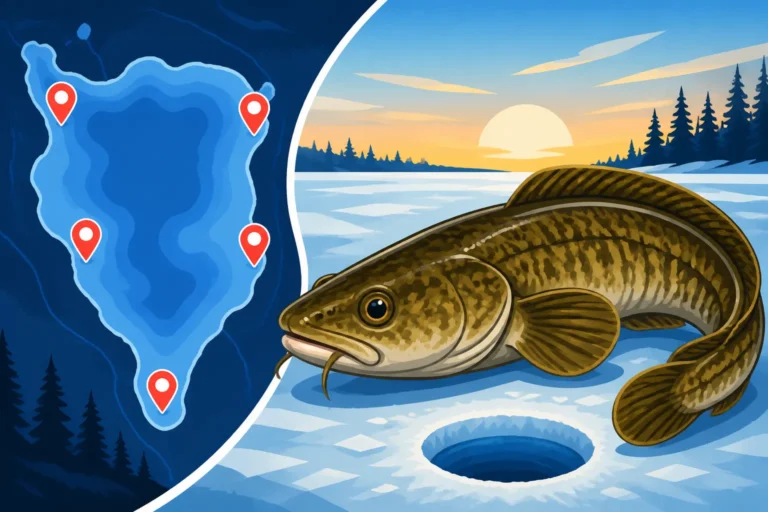
During the ice fishing season, the deeper central basin becomes a prime location for walleye and even burbot. Anglers will often set up their ice shacks over these humps and drop-offs, using sonar to pinpoint fish. While the weed lines hold plenty of fish, exploring these deeper, less obvious structures can often yield bigger walleye that prefer the stability of deeper water. Remember that these "deeper" structures are relative to Pigeon Lake's overall shallow profile, so don't expect dramatic underwater cliffs. Instead, focus on detecting those 2-3 foot changes in depth that can concentrate fish.
Disclaimer
Fishing regulations and conditions in Alberta can change frequently. While we strive to provide the most accurate and up-to-date information, it is your responsibility to consult the current Alberta Guide to Sportfishing Regulations before engaging in any fishing activities. This guide is for informational purposes only and does not supersede official government publications. Always prioritize safety and practice responsible angling.