Best Baits for Walleye on Lesser Slave Lake
Trying to figure out the best baits for walleye on Lesser Slave Lake can feel like an overwhelming task. This massive, sprawling body of water presents unique challenges and opportunities, and what works one day might not even get a sniff the next. This guide will cut through the noise, offering a comprehensive look at the most effective baits and techniques to help you consistently land those elusive Lesser Slave walleye, no matter the season or conditions.
Understanding Walleye Behavior on Lesser Slave Lake
Before we even talk about specific baits, it's crucial to understand the walleye themselves, especially in a fishery as dynamic as Lesser Slave Lake. These fish are masters of adaptation, constantly responding to changes in water temperature, light levels, available forage, and even barometric pressure. Lesser Slave is a huge, relatively shallow lake compared to some others in Alberta, with vast expanses of sandy flats, rocky reefs, and extensive weed beds, all of which influence walleye movements and feeding patterns.
Seasonal Influences on Walleye Habits
Walleye behavior changes dramatically throughout the year. In spring, after ice-out, they're often focused on spawning. As the water warms, they move to shallower areas and then eventually deeper structures as summer progresses. Fall sees them bulking up for winter, often moving into predictable feeding lanes. Even in winter, under the ice, their activity levels fluctuate, but they remain catchable. Knowing these general patterns is your first step to bait selection. For more on the yearly cycles, check out our guide on Walleye Spawning Season in Alberta.
During the post-spawn period in late spring, walleye are often recuperating and can be found in shallower, warmer bays or near river mouths, like the Lesser Slave River, which feeds into the lake. They're not super aggressive yet but will respond to easy meals. As summer kicks in and the lake stratifies, many walleye will move to deeper water, congregating around points, humps, and the edges of weed lines where oxygen levels are stable and baitfish are plentiful. This is often where anglers really start to dial in their summer patterns.
Preferred Forage in Lesser Slave Lake
Walleye are opportunistic predators, but they do have preferences based on what's readily available. Lesser Slave Lake is teeming with various baitfish, including ciscoes (lake herring), yellow perch, and various minnow species. These forage fish heavily influence the walleye's diet and, consequently, what baits we should be throwing. If you can "match the hatch" – or in this case, match the baitfish – you're already halfway to success.
Consider the size and color of the local forage. Ciscoes, for instance, have a silvery, slender profile, while perch are more robust with distinct barring. Your artificial baits should aim to mimic these profiles and colors, especially during active feeding periods. Even live bait choices are often dictated by what walleye are naturally preying upon. If you're seeing schools of baitfish on your fish finder, try to present something similar in size and movement. Understanding What walleye eat in Alberta lakes can significantly improve your bait selection.
The Power of Live Bait for Lesser Slave Walleye
When in doubt, live bait is almost always a reliable choice for walleye, and Lesser Slave Lake is no exception. There's just something about the natural scent, movement, and taste that hard-to-catch walleye find irresistible, especially when they're not in an aggressive chasing mood. The key is often in the presentation, keeping the bait lively and appealing.
Minnows: The All-Season Champion
Minnows, particularly shiners or smaller chub species, are arguably the most consistent walleye bait across all seasons on Lesser Slave Lake. Their natural swimming action and flash are incredibly enticing. They mimic the primary forage of walleye in the lake, making them a top choice for discerning fish.
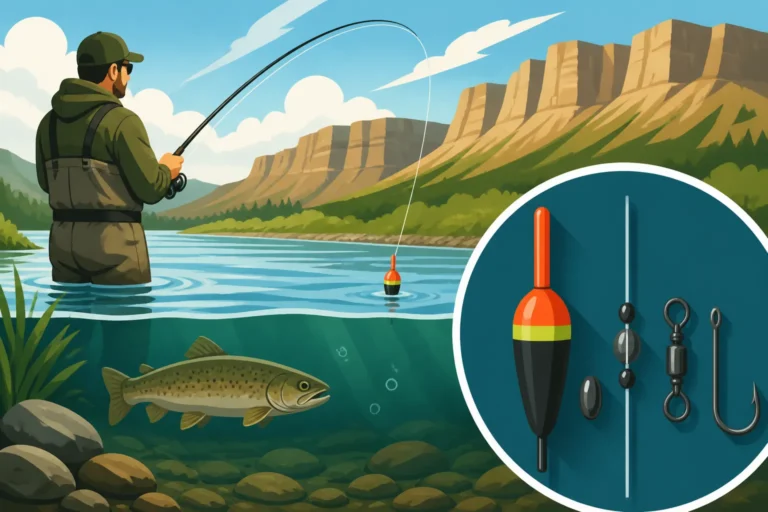
For spring and early summer, when walleye are often shallower, a lively minnow suspended under a bobber or slowly retrieved on a jig head can be deadly. As fish move deeper in summer, try still-fishing with minnows on a bottom-bouncer rig, or slowly trolling them on a spinner harness. Many anglers swear by the effectiveness of a minnow hooked through the lips, allowing it to swim naturally. For ice fishing, minnows on a simple jig or spoon are hard to beat. You can often find decent minnows at local bait shops around the lake, or sometimes even through online retailers on platforms like Amazon if you're planning ahead and can ensure proper handling.
Leeches: The Summer Walleye Magnet
Leeches are another stellar live bait, particularly once the water temperatures in Lesser Slave Lake rise in late spring and summer. They are incredibly tough, stay alive for a long time on the hook, and have a unique wriggling action that walleye absolutely love. They’re also less prone to being stolen by smaller panfish than worms can be, making them a more efficient option in some situations.
When using leeches, simplicity is often best. A single leech hooked through the suction cup on a plain jig head, a spinner rig, or even just a snelled hook beneath a slip bobber, can be incredibly effective. For deeper water, slowly dragging a leech on a bottom bouncer or a Lindy Rig can entice hesitant walleye. Their dark, undulating profile against the lighter lake bottom is very attractive. Make sure your leeches are lively and fresh; a sluggish leech won't get the same attention.
Nightcrawlers: Versatile and Readily Available
Nightcrawlers, or earthworms, are a universal bait that walleye readily consume, especially during the warmer months on Lesser Slave Lake. While perhaps not as iconic for walleye as minnows or leeches, their availability and ease of use make them a staple for many anglers. They emit a strong scent trail and offer a substantial meal, appealing to hungry fish.
Often, nightcrawlers are presented on a "worm harness" or "crawler harness" – a rig consisting of a weight, a spinner blade, and two or three small hooks threaded through the worm. This creates a tantalizing, flashing, and wriggling presentation when trolled or retrieved slowly, perfect for covering large areas of Lesser Slave Lake and finding active fish. They also work well on a jig head or under a slip bobber in shallower, weedier areas. For best results, keep your nightcrawlers cool and fresh; lively worms perform much better than lethargic ones. Many anglers even buy them in bulk from local garden centers or on Amazon for convenience, especially during peak season.
Artificial Lures for Aggressive Lesser Slave Walleye
While live bait often shines, artificial lures are indispensable, especially when walleye are active and chasing. They allow you to cover water more efficiently, present a wider range of actions and depths, and often provoke aggressive reaction strikes. The sheer variety available means there's an artificial lure for almost every situation on Lesser Slave Lake.
Jigs: The Finesse and Power Player
Jigs are perhaps the most versatile artificial lure for walleye on Lesser Slave Lake. They can be fished vertically, cast and retrieved, or even trolled slowly. Their effectiveness lies in their ability to mimic injured baitfish or provoke a strike with erratic movements.
- Jig Head Weight and Color: The weight of your jig head is critical, needing to be heavy enough to maintain bottom contact in wind or current, but light enough to present naturally. Common weights for Lesser Slave range from 1/8 oz to 1/2 oz, depending on depth and conditions. Colors like chartreuse, orange, white, and various greens are popular, often mimicking perch or ciscoes.
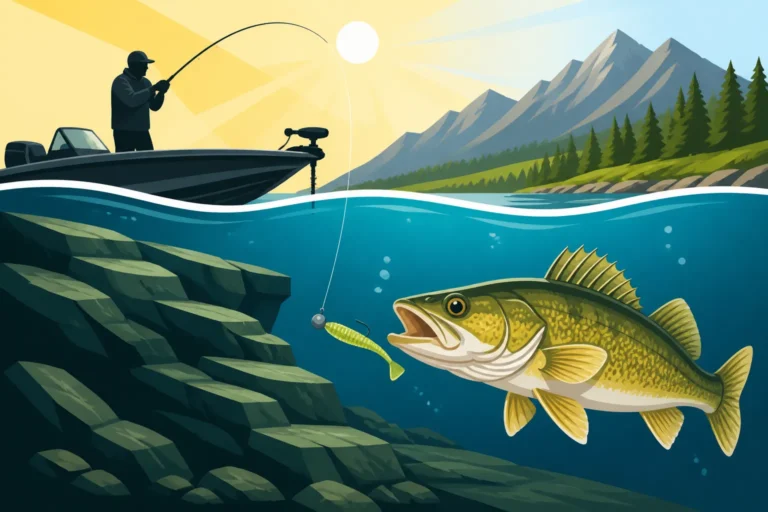
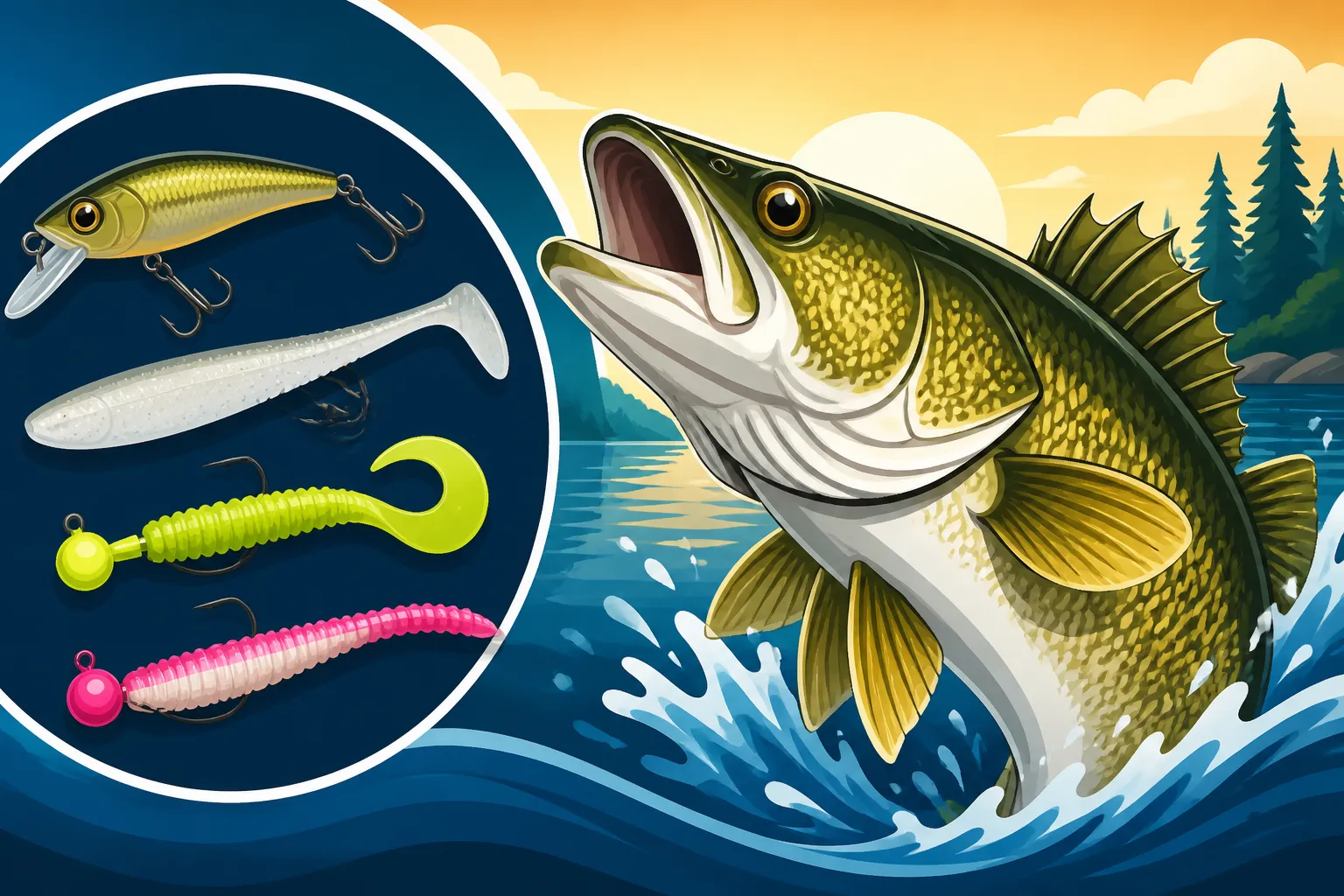
- Plastic Trailers: Pairing your jig head with a soft plastic trailer can drastically increase its appeal. Paddle tail swimbaits, grubs, and creature baits add scent, bulk, and action. For example, a 3-4 inch paddle tail swimbait in a perch pattern on a 1/4 oz jig head is a fantastic combination for exploring weed edges or rocky drop-offs. The vibration and profile are excellent for drawing strikes.
- Tipping with Live Bait: Don't forget the power of "tipping" your artificial jig with a small piece of live bait – a minnow head, a quarter of a nightcrawler, or even just a small leech. This combination offers the best of both worlds: the action and visibility of the artificial lure with the irresistible scent and taste of live bait. This technique is especially potent when walleye are finicky. Our guide on Best Baits for Walleye on Lesser Slave Lake is packed with more details on this topic.
Crankbaits: The Trolling and Searching Tool
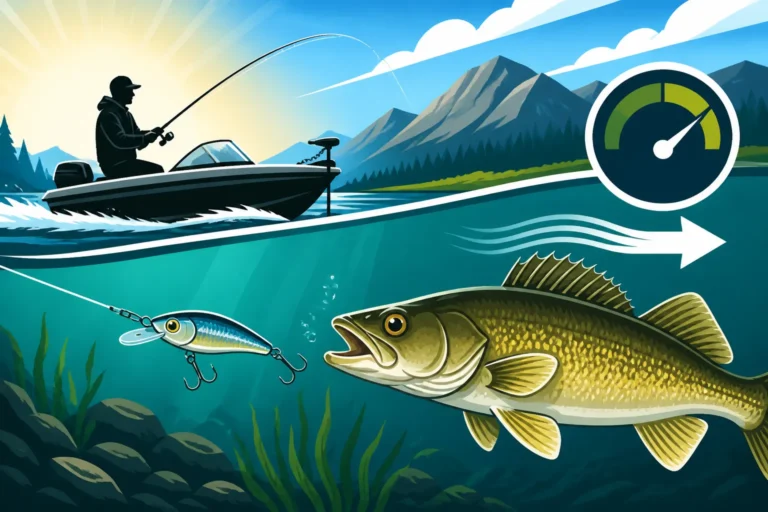
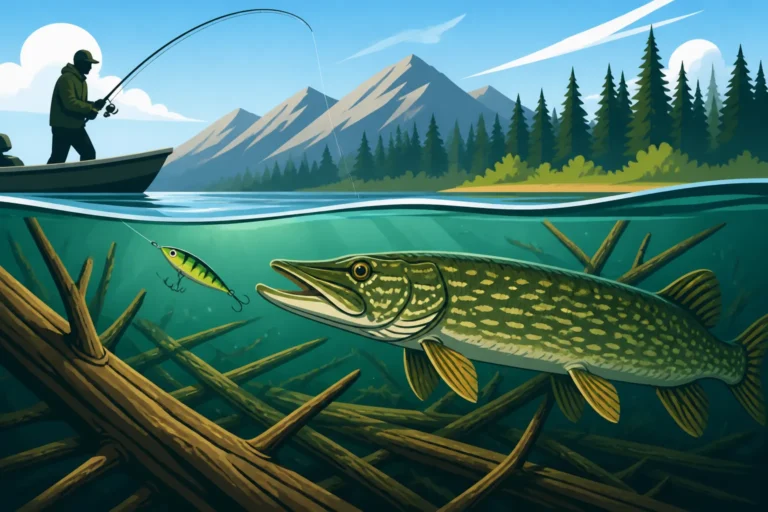
Crankbaits are fantastic for covering large expanses of Lesser Slave Lake, especially when trying to locate active schools of walleye. Their diving lips and internal rattles create enticing vibrations and flash, drawing fish from a distance.
- Shallow vs. Deep Divers: You'll need a range of crankbaits to match the varying depths of Lesser Slave. Shallow-diving crankbaits are great for spring and fall, or fishing over weed tops. Deep-diving models, often reaching 10-20+ feet, are essential for targeting summer walleye holding on deeper structure. Brands like Rapala, Berkley, and Salmo offer excellent options, many of which are easily found on Amazon.
- Color and Profile: Match the local forage whenever possible. Silver and blue, perch patterns, and firetiger are classic walleye colors. The shape of the crankbait is also important; slender models often imitate ciscoes, while broader, flatter ones might mimic perch. Trolling speed is critical for getting the right action and depth from your chosen crankbait. Vary your speed until you find what triggers bites. For more specific lure choices, see our advice on Best Walleye Lures for Lesser Slave Lake in Summer.
Spinner Rigs and Blade Baits: Flash and Vibration
Spinner rigs, often incorporating a worm harness, were mentioned with live bait, but they deserve a spotlight as an artificial presentation too. The flash and vibration of the spinning blade are potent attractors. Blade baits, like those from Vib-E, are also excellent, especially for vertical jigging or casting.
- Spinner Rig Variations: While often tipped with a worm, a spinner rig can also be fished with just a plastic minnow or grub, offering excellent flash and vibration. Different blade types (Colorado, Indiana, Willowleaf) offer varying degrees of flash and thump, allowing you to fine-tune your presentation based on water clarity and fish aggressiveness.
- Blade Bait Action: Blade baits are compact, metal lures that vibrate intensely on the retrieve or lift. They are incredibly effective for targeting walleye suspended over deep structure or schools found on your fish finder. A sharp snap of the rod tip followed by a controlled fall is often the key to triggering a strike. They offer incredible versatility and can be found in a wide array of sizes and colors to suit various Lesser Slave Lake conditions.
The Art of Presentation and Rigging
Having the right bait is only half the battle; how you present it makes all the difference. Walleye are often particular, and a subtle tweak to your rigging or retrieval can turn a slow day into a memorable one. This is especially true on a heavily fished lake like Lesser Slave, where walleye can become conditioned to certain presentations.
Depth Control and Retrieval Speed
Walleye are often structure-oriented, meaning they relate closely to changes in bottom contour, weed lines, or rock piles. Presenting your bait at the correct depth is paramount. Your fish finder is your best friend here, helping you pinpoint depth, structure, and even schools of baitfish and walleye. For tips on maximizing your electronics, check out Best Fish Finders for Alberta Lakes.
- Bottom Bouncers and Lindy Rigs: These rigs are designed specifically for presenting baits effectively near the bottom, where walleye often feed. Bottom bouncers prevent snags while keeping your bait just above the lakebed. Lindy Rigs, with their long snells, allow live bait to drift naturally.
- Trolling vs. Casting: Trolling allows you to cover vast areas of Lesser Slave Lake and keep your bait in the strike zone consistently. Pay close attention to your speed; slight variations can be critical. Casting and retrieving are better for targeting specific structures or when walleye are in shallower, tighter areas.
- Jigging Cadence: When jigging, experiment with different lift heights, pauses, and rates of fall. Sometimes a hard snap and a long pause are effective; other times, a subtle quiver and slow drop might be what the walleye prefer. Let the fish tell you what they want.
Color Choices and Water Clarity
The color of your bait plays a significant role, especially in Lesser Slave Lake's varied water clarity. The lake can range from stained to relatively clear depending on the area and recent weather.
- Bright Colors for Stained Water: In stained or murky water, brighter colors like chartreuse, orange, or firetiger offer better visibility and contrast. These colors can help walleye locate your bait by sight, even in low light conditions or deeper water.
- Natural Colors for Clear Water: In clearer water, more natural patterns that mimic actual baitfish (silvers, whites, browns, perch patterns) tend to be more effective. Walleye in clear water often have a better look at your bait and can be spooked by overly aggressive or unnatural presentations. Always have a variety of colors in your tackle box to adapt to the conditions.
Seasonal Bait Strategies for Lesser Slave Lake
Tailoring your bait choice to the specific season is key to consistent success on Lesser Slave Lake. Walleye are creatures of habit, but their habits shift dramatically throughout the year.
| Season | Typical Walleye Depth | Preferred Bait Types (Primary) | Preferred Bait Types (Secondary) | Key Presentation Techniques |
|---|---|---|---|---|
| Spring (Ice Out – Early June) | Shallow (2-15 ft) | Live Minnows, Small Jigs (tipped) | Shallow Crankbaits, Soft Plastics | Slow retrieval, slip bobber, short casts |
| Summer (June – Aug) | Mid-Deep (15-35 ft) | Leeches, Nightcrawlers (harness) | Deep Crankbaits, Jigs, Blade Baits | Trolling, bottom bouncing, vertical jigging |
| Fall (Sept – Ice Up) | Mid-Deep (10-30 ft) | Live Minnows, Larger Jigs (tipped) | Larger Crankbaits, Blade Baits | Trolling faster, aggressive jigging, slower retrieval |
| Winter (Ice Fishing) | Variable (5-40 ft, structure) | Live Minnows, Walleye Jigs | Jigging Spoons, Soft Plastics (scented) | Vertical jigging, dead sticking, tip-ups |
Spring: Shallow Water Opportunities
After the ice melts, walleye in Lesser Slave Lake are often found in relatively shallow water, particularly in bays and areas near river inlets where water warms up quickly. They are often recuperating from the spawn and not overly aggressive.
During this time, slow presentations are key. Live minnows, fished under a slip bobber or slowly retrieved on a light jig head, are incredibly effective. Small crankbaits that dive only a few feet can also entice bites, especially on calm, sunny days when walleye are cruising. Focus on depths of 5-15 feet, especially areas with emerging weeds or rocky transitions. For more details on the early season, you might find our insights on Spring Trout Fishing Techniques for Alberta Streams helpful for understanding early season dynamics, even if it's a different species.
Summer: Deeper Structure and Trolling
As Lesser Slave Lake warms up in summer, walleye tend to move deeper, seeking cooler, more oxygenated water and congregating around structure like points, humps, and the deeper edges of weed lines. This is prime time for trolling and vertical jigging.
Leeches and nightcrawlers on bottom bouncer rigs or Lindy Rigs are incredibly effective, slowly dragged along contours. Deep-diving crankbaits in perch, silver, or firetiger patterns are also excellent for covering water and triggering reaction strikes while trolling. When you locate a school on your fish finder, switch to vertical jigging with a jig-and-plastic combo or a blade bait, often tipped with a minnow head. This combination works wonders in depths of 15-35 feet. Consider reading about Best Time to Fish Lesser Slave Lake in Summer for more focused tips.
Fall: Aggressive Feeding and Larger Baits
As fall approaches, Lesser Slave Lake walleye go on a feeding binge, trying to pack on weight before winter. They become more aggressive, and often larger baits can be more effective. Walleye will start to move shallower again, particularly during low light conditions, but will also stage on deeper breaks.
Larger live minnows, trolled or cast, are excellent choices. Aggressive jigging with larger plastics or blade baits can also be very productive. Trolling larger deep-diving crankbaits at slightly faster speeds can also trigger those aggressive pre-winter strikes. Focus on sharp breaklines, rocky points, and areas where baitfish are congregating. This is a great time to target trophy-sized walleye.
Winter: Ice Fishing Strategies
Ice fishing for walleye on Lesser Slave Lake can be incredibly rewarding. Walleye remain active under the ice, but their metabolism slows down, often requiring a more patient and nuanced approach.
- Jigging and Deadsticking: The most common approach is a one-two punch: active jigging with a walleye jig, lipless crankbait, or spoon (often tipped with a minnow or a piece of a minnow), combined with a "deadstick" rod set up nearby, usually with a live minnow suspended under a bobber or on a simple hook. Walleye are often attracted by the commotion of the jig, then come in for the easy meal on the deadstick.
- Electronics are Key: A good fish finder or flasher is almost essential for ice fishing on Lesser Slave Lake, helping you locate structure, monitor depth, and see how walleye are reacting to your bait. For more on ice fishing, consult our Ice Fishing in Alberta guide.
- Patience and Persistence: Walleye bites can be subtle in winter. Pay close attention to your rod tip or bobber for even the slightest twitch. Drilling multiple holes and moving around to find active fish is often crucial for success.
Maximizing Your Walleye Catch on Lesser Slave Lake
Fishing Lesser Slave Lake successfully isn't just about the right bait; it's about the entire approach. Integrating a few best practices can dramatically increase your chances of putting walleye in the boat or on the ice.
Utilizing Modern Electronics
A quality fish finder or sonar unit is no longer a luxury, but a necessity for serious walleye anglers on Lesser Slave Lake. This vast lake has endless potential walleye habitat, and electronics help you narrow down your search, identify productive structure, and even spot individual fish.
Learning how to read your sonar effectively can make a world of difference. Look for baitfish schools, sharp drop-offs, humps, and submerged weed lines. Pay attention to how fish react to your bait on the screen, especially when vertical jigging. Understanding How to read structure for walleye on Lesser Slave Lake will provide you with a significant advantage. This technology, readily available from retailers like Amazon, can transform your fishing experience by showing you what's beneath the surface.
Adapting to Weather and Water Conditions
Walleye are highly sensitive to changes in their environment. Barometric pressure shifts, drastic temperature changes, and even wind direction can all impact their feeding behavior on Lesser Slave Lake. A keen angler constantly observes and adapts.
On bright, sunny days with high pressure, walleye might move deeper or become more light-shy, requiring more subtle presentations or natural colors. On overcast, windy days, they might become more aggressive, moving shallower and responding well to noisy crankbaits or faster retrieves. Pay attention to water clarity too; recent rain can muddy the water, necessitating brighter baits or those with strong scent. Always be prepared to change your bait, color, or presentation method based on the conditions you encounter.
Ethical Angling Practices
As responsible anglers, we have a role to play in protecting the incredible Lesser Slave Lake walleye fishery. Practicing ethical angling ensures healthy fish populations for generations to come.
- Handle Fish Gently: If you're planning to release walleye, handle them as little as possible. Use a rubberized net to protect their slime coat, and keep them in the water as much as you can. Remove hooks quickly and gently, using long-nosed pliers or a dehooking tool.
- Know the Regulations: Always be aware of the current Alberta fishing regulations, including specific limits for walleye on Lesser Slave Lake, any special harvest license requirements, and size restrictions. These regulations are designed to sustain the fishery. You can find comprehensive details in the Alberta Fishing Regulations Explained guide.
The Value of Local Knowledge
While guides like this offer a great starting point, nothing beats real-time, local knowledge. Don't be afraid to talk to other anglers at the boat launch, visit local tackle shops, or hire a guide for your first trip to Lesser Slave Lake. They can offer invaluable insights into current hot spots, bait preferences, and techniques that are working right now. Fishing reports, local forums, and social media groups dedicated to Alberta fishing can also be excellent resources for up-to-date information.
Disclaimer
The information provided in this guide is for general informational purposes only and is subject to change. Always consult the most current Alberta Guide to Sportfishing Regulations before heading out on the water. Fishing conditions, regulations, and fish behavior can vary greatly, and personal safety should always be your top priority.