How to Catch Bull Trout and Release Them Safely
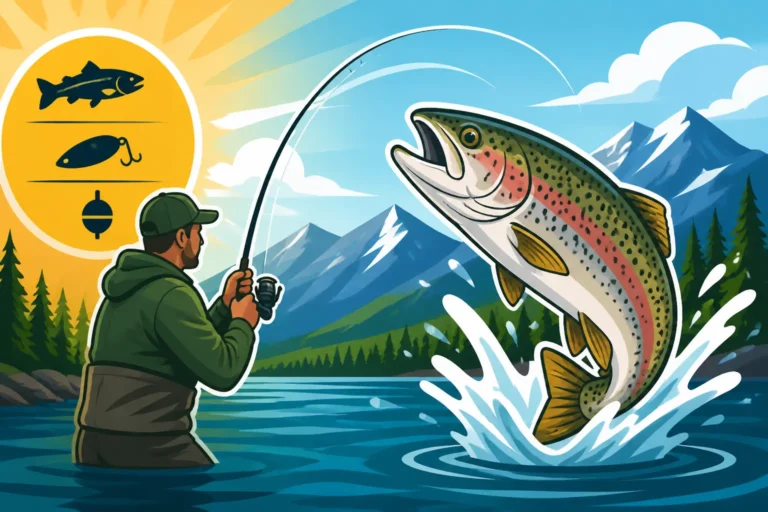
There’s a special kind of thrill, and sometimes a little anxiety, that comes with hooking into a bull trout in Alberta. These magnificent fish are revered, native, and critically important to our ecosystem, but they’re also a protected species, meaning catch-and-release is not just encouraged, it's mandatory. This guide is here to walk you through everything you need to know about successfully and responsibly targeting these elusive beauties, from identifying them correctly to ensuring their safe return to the water.
The Majesty and Mystery of Alberta's Bull Trout
Alberta’s bull trout hold a truly special place in the hearts of local anglers. They are magnificent, powerful, and notoriously challenging to catch, making an encounter with one a memorable experience. But beyond the angler's pursuit, their status as a protected species means there's a serious responsibility that comes with targeting them.
Why Bull Trout Are So Special and Protected
Imagine an apex predator, perfectly adapted to its environment, sitting at the top of the food chain in pristine, cold mountain waters. That's the bull trout. These fish are not only beautiful with their unique char markings, but they are also a crucial indicator of the health of Alberta's cold-water ecosystems. Unlike many other trout species found in our province, bull trout are native to Alberta, having inhabited these waters for thousands of years. They require very specific conditions to thrive: incredibly cold, clean, and well-oxygenated water, often found in high-elevation streams and lakes.
Unfortunately, due to habitat degradation, fragmentation, and historical overfishing, bull trout populations have declined significantly over the decades. They are incredibly sensitive to changes in water quality, temperature, and habitat structure, making them vulnerable. Because of this, they are classified as a "threatened" species in Alberta, leading to very strict conservation measures. The most significant of these is the "zero possession" rule, which means that any bull trout caught must be immediately and safely released. There are no exceptions. This strict regulation is a testament to how precarious their existence is and how vital every individual fish is to the survival and recovery of the species. For more on their significance, check out our in-depth article on Bull Trout: Alberta's Threatened Native Fish.
Identifying a Bull Trout vs. Other Char and Trout
One of the biggest frustrations, and indeed a critical responsibility for any angler in bull trout waters, is correctly identifying your catch. It’s surprisingly easy to confuse a bull trout with other char species, particularly lake trout or brook trout, which share similar habitats and general appearances. Misidentifying a bull trout could lead to serious legal consequences, but more importantly, it could harm a protected fish.
So, how do you tell them apart? Bull trout (Salvelinus confluentus) have some distinct features. Their bodies are typically olive-green to brown on the back, fading to white on the belly. What truly sets them apart are their spots: usually pale yellow, orange, or reddish spots that are smaller than the pupil of their eye, and critically, these spots are not found on their dorsal fin. Their fins are often dusky or grayish, with a white leading edge on the pectoral, pelvic, and anal fins, though this white margin is usually less pronounced than on a brook trout. They also have a large, broad head and a strong, elongated mouth that extends well past the eye.
Contrast this with a lake trout, which might have similar spots, but theirs are typically larger and lighter, and they do extend onto the dorsal fin. Lake trout also have a deeply forked tail, whereas a bull trout's tail is only slightly forked or square. Brook trout, another char, are often confused with bull trout. Brook trout have vibrant red or orange spots with blue halos (known as "halos" or "vermiculations") along their flanks and backs, and their fins are much more brightly coloured, with very prominent white leading edges and often a black stripe. Rainbow trout and cutthroat trout, while sometimes found in the same waters, are generally easier to distinguish due to their distinct patterns, colours, and presence of a lateral line stripe (rainbow) or red slash under the jaw (cutthroat). It’s a subtle but vital difference, and knowing How to tell a bull trout from a lake trout can prevent a lot of headaches and keep our precious bull trout safe. Always, always err on the side of caution. If in doubt, treat it as a bull trout and release it immediately and carefully.
Where to Find Bull Trout in Alberta's Waters
Locating bull trout can feel like searching for a needle in a haystack, especially if you're new to Alberta's diverse fisheries. These fish are habitat specialists, which means they won't just pop up anywhere. Understanding their preferred environment is key to increasing your chances of an encounter.
Understanding Their Preferred Habitat
Bull trout are the epitome of cold-water fish. They demand pristine conditions that are becoming increasingly rare in our changing world. Their ideal home is characterized by exceptionally cold, clear, and highly oxygenated water. This means you'll typically find them in the headwaters of mountain streams, deep, cold mountain lakes, and the upper reaches of larger river systems that originate in the Rockies.
They thrive in complex habitats, places with plenty of overhead cover from riparian vegetation, large woody debris, and deep pools with undercut banks. These features provide essential shade, thermal refugia during warmer periods, and ambush points for these predatory fish. Spawning occurs in fall, and they need gravel beds that are free of silt to successfully reproduce, further emphasizing their need for clean, undisturbed environments. If a waterway loses its tree cover, experiences increased sedimentation from erosion, or warms up even a few degrees, bull trout populations quickly suffer. They are a true barometer of ecosystem health. Knowing Where bull trout still live wild in Alberta means understanding the importance of these undisturbed, natural stream and river systems.
Key Rivers and Lakes Known for Bull Trout Encounters
While precise locations are often closely guarded secrets among bull trout enthusiasts to protect these sensitive fish, several regions and specific waterways in Alberta are generally recognized for offering opportunities to encounter them. Keep in mind that specific regulations can vary by zone and even by specific river section, so always consult the current Alberta Guide to Sportfishing Regulations before heading out.
Some of Alberta's most renowned bull trout waters are nestled deep in the Rocky Mountains and foothills. The Oldman River system, particularly its upper reaches and tributaries, is a prime example, offering stunning scenery and good bull trout habitat. The Crowsnest River, especially its upper sections and feeder creeks near the mountains, is another legendary spot. Anglers often frequent the Crowsnest River Trout Fishing areas hoping for a glimpse of these beautiful fish.
Other areas include the headwaters of the Livingstone River, the Highwood River, and certain sections of the Elbow River and Sheep River. Even parts of the upper Bow River system, especially further west into the mountains, can yield bull trout, though they are less common in the main stem closer to Calgary. In terms of lakes, some of the deeper, colder mountain lakes in Kananaskis Country or further north in the Willmore Wilderness Park might hold bull trout, often requiring significant effort to reach. Remember, these fish are often found in wilderness areas, so preparedness for remote conditions is crucial. Always respect private property, aboriginal treaty lands, and ensure you have the necessary permits for any specific region, especially within national parks like Banff or Jasper, which have their own distinct fishing regulations.
Essential Gear for Targeting and Safely Handling Bull Trout
Catching bull trout isn't just about showing up with any rod and reel; it's about being prepared with the right tools, not only to effectively entice these strong fish but, more importantly, to ensure their immediate and healthy release. Think of your gear as part of your conservation toolkit.
Rod, Reel, and Line Considerations
When you're targeting bull trout, you're often fishing in current or in deep water, and you're dealing with a powerful, fast-swimming predator. This means your gear needs to be robust enough to handle the fight, but sensitive enough to detect subtle takes.
For spinning gear, a medium-light to medium power rod, around 7 to 8 feet in length, is often ideal. The extra length helps with casting heavier lures and managing line in current, while the medium action provides enough backbone to control a fighting fish without over-stressing it. Paired with a reliable spinning reel in the 2500-4000 series range, spooled with 8-12 lb monofilament or fluorocarbon, or 15-20 lb braided line with a fluorocarbon leader, you'll be well-equipped. Braided line offers superior sensitivity for feeling subtle bites and excellent casting distance, but always ensure you use a fluorocarbon leader (6-10 lb test, 3-6 feet long) for invisibility and abrasion resistance, especially in clear mountain streams. A good quality, durable rod and reel combo can be found on platforms like Amazon, offering a balance of performance and value that won't let you down when a bull trout decides to strike.
Fly anglers targeting bull trout typically opt for 6 to 8-weight rods, especially for casting larger, heavier streamers. A fast-action rod will make casting these bigger flies easier. You'll want a reel with a good drag system, spooled with a weight-forward floating line or, more commonly, a sink-tip or full-sinking line to get those streamers down into the feeding zone quickly. A stout leader (0X-2X equivalent) is also essential to handle the aggressive takes and strong jaws of these fish.
Lure Selection and Barbless Hooks
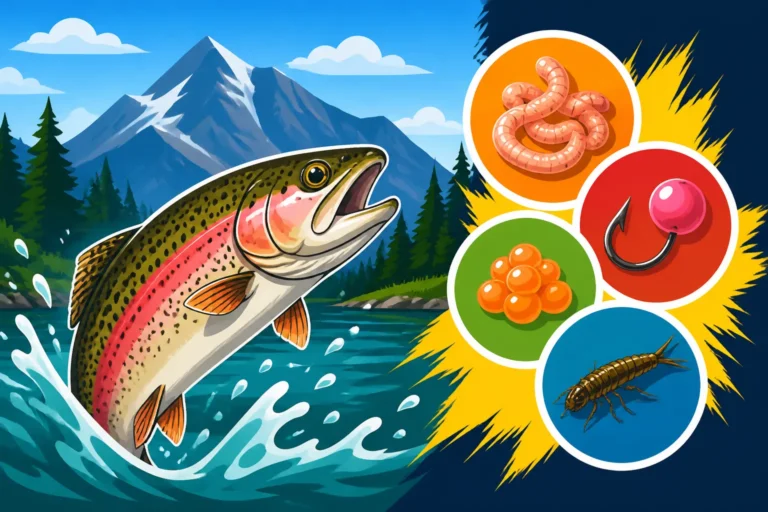
Bull trout are primarily piscivorous, meaning they eat other fish. So, lures that imitate baitfish are your best bet. In-line spinners, such as the classic Panther Martin, Mepps, or Blue Fox, in sizes from 3 to 5, can be incredibly effective, especially in moving water. Spoons like a Five of Diamonds, Little Cleo, or Len Thompson in silver, gold, or brass finishes also work well, particularly in lakes or larger river pools. Jerkbaits (e.g., Rapala, Lucky Craft) in natural baitfish colours or bright patterns can trigger aggressive strikes. Soft plastic swimbaits rigged on jig heads are also gaining popularity for their realistic presentation. For fly anglers, large streamer patterns that imitate sculpins, dace, or other small forage fish (e.g., Sculpzillas, Sex Dungeons, articulated streamers) are the go-to choices.
Now, for the absolute non-negotiable rule: barbless hooks are mandatory. This isn't just a suggestion; it's a critical regulation in many Alberta waters, particularly those with sensitive trout populations, and it is universally the best practice for catch-and-release, especially for protected species like bull trout. Barbless hooks minimize tissue damage, allowing for quicker and safer release, significantly improving the fish's chances of survival. You can buy lures that come with barbless hooks, or you can easily modify barbed hooks by pinching down the barb with a pair of pliers. This simple act is one of the most effective conservation tools you have. Make sure you understand all the specifics laid out in our guide on Alberta Barbless Hook Requirement Waters.
Critical Release Tools
Your mission isn't over once you've landed the fish. In fact, the most crucial part of bull trout fishing begins then: the safe release. Having the right tools readily available will make this process smooth and stress-free for both you and the fish.
First and foremost, a rubberized, knotless landing net is essential. These nets are designed to protect the fish's delicate slime coat, fins, and scales. Traditional knotted nylon nets can strip away the slime, which is a fish's first line of defense against disease, and damage fins. A wide, deep rubber net allows you to scoop the fish quickly, keep it submerged while you prepare for release, and minimize physical contact.
Next, a good pair of long-nosed pliers or hemostats (forceps) is vital for quick and efficient hook removal. Since you'll be using barbless hooks, they should come out easily. These tools allow you to remove the hook with minimal handling of the fish, often without even needing to take it out of the water. Ensure they are sharp and sturdy, capable of getting into tight spaces if the hook is swallowed slightly.
While not strictly a "release tool," polarized sunglasses are incredibly helpful for spotting fish and navigating rocky rivers safely. And remember, a good fishing vest or pack with all your essentials organized will make reaching for your release tools a breeze when the moment counts. You can find excellent quality nets and pliers readily available on platforms like Amazon, ensuring you have the best chance to keep your bull trout encounters positive for the fish.
Effective Techniques for Catching Bull Trout
Bull trout are intelligent, opportunistic predators, but they can also be incredibly wary, especially in the clear, pristine waters they call home. Mastering a few key techniques tailored to their habitat and feeding habits will greatly increase your success rate.
Stream Fishing Strategies
Fishing for bull trout in their native river and stream habitats is arguably the most rewarding. It requires a keen eye for reading the water and a stealthy approach.
Reading the Water: Bull trout, like all predatory fish, are masters of energy conservation. They'll position themselves in places where food comes to them, but where they expend minimal energy. Look for deep pools, especially those with current breaks behind large rocks, fallen logs, or undercut banks. These are prime ambush points. The "tail-outs" of pools, where the water begins to speed up again, can also be productive, as can the seams where fast water meets slower water. During warmer months, pay close attention to shaded areas and deeper pockets where the water stays cooler.
Casting and Presentation: For spinners and spoons, cast slightly upstream and across the current, allowing your lure to sink and drift naturally through the target zone. The goal is to imitate a stunned or injured baitfish. Maintain a tight line to feel strikes and guide your lure without creating an unnatural drag. For jerkbaits, a twitch-pause retrieve can be deadly, mimicking a struggling minnow. When working through complex structure, be prepared for snags, but remember that structure is where the fish often are. Move slowly and deliberately along the bank, avoiding heavy footsteps or shadows over the water, which can easily spook these sensitive fish. You might need to make repeated casts to the same spot, varying your retrieve speed or angle, to trigger a strike.
Lake Fishing Approaches
While less common than stream fishing, bull trout can be found in some of Alberta's deep, cold mountain lakes. Here, the techniques shift from precise casting in current to covering more water and targeting deeper structures.
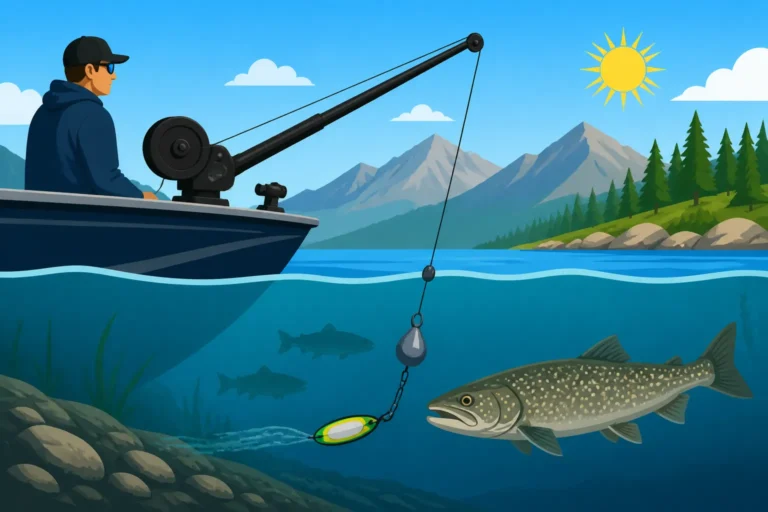
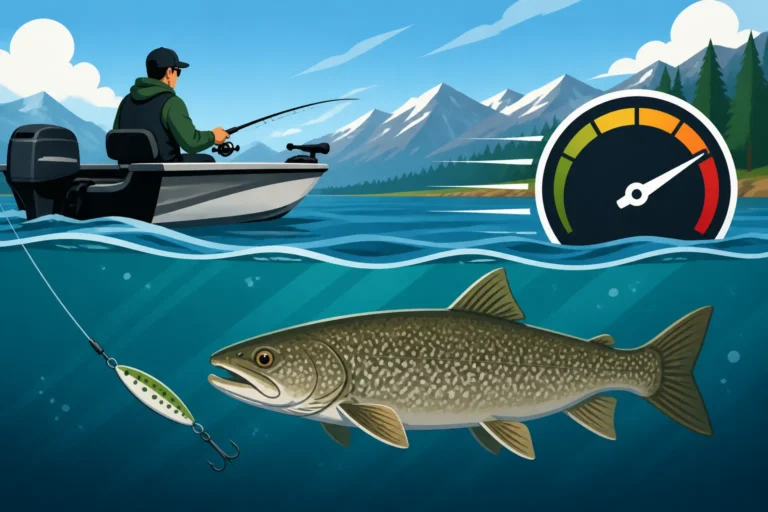
Trolling: This is often the most effective method for covering large areas and finding active fish in lakes. Use spoons, large crankbaits, or even substantial flies trolled behind a boat. Vary your speed and depth until you find what works. Downriggers can be invaluable here, allowing you to precisely control the depth of your lure, getting it down to where the bull trout are holding, often in 30 to 80 feet of water or even deeper, especially during the summer months when surface waters warm. Look for structure like submerged points, humps, or drop-offs, which often hold baitfish, and therefore, bull trout. Much like with How to Catch Lake Trout in Alberta, understanding the thermocline and where baitfish congregate will be crucial for success.
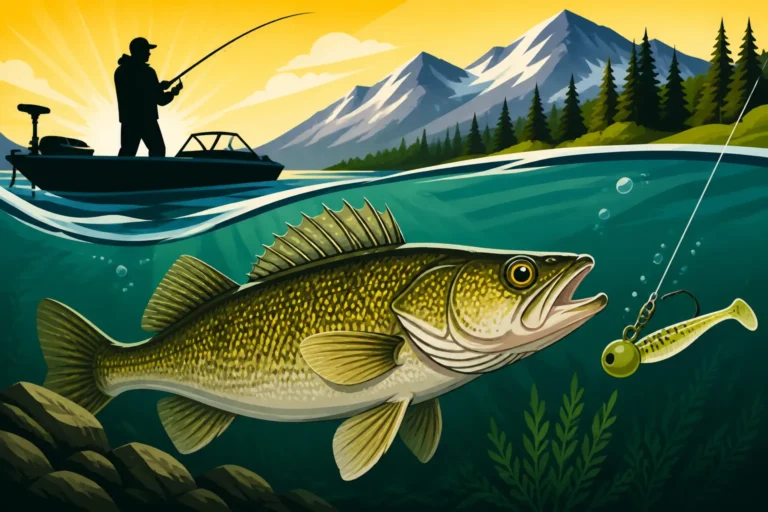
Jigging: When you locate a promising piece of deep structure on your fish finder, vertical jigging can be highly effective. Use heavy jigging spoons, tubes, or large soft plastics. Drop your lure to the bottom, then use a series of lifts and drops, mimicking a wounded baitfish. Bites can be subtle at depth, so a sensitive rod and braided line are beneficial. This technique is particularly good for targeting fish suspended over deeper water or tight to bottom structure. Remember, bull trout often ambush prey, so erratic movements can trigger their predatory instincts.
Fly Fishing for Bull Trout
Fly fishing for bull trout is an exhilarating experience, often done with heavier gear than typical trout setups due to the size of the flies and the fish.
Streamer Patterns: Forget tiny dry flies and delicate nymphs. Bull trout on the fly primarily fall for large, often articulated, streamer patterns. Think flies that imitate sculpins, dace, minnows, or juvenile whitefish. Colors like olive, black, white, and natural browns are effective. Articulated streamers, which have multiple segments, offer an incredibly lifelike swimming action in the water, irresistible to a hungry bull trout. Examples include Sex Dungeons, Sculpzillas, or even larger Woolly Bugger variations.
Heavy Sinking Lines and Techniques: To get these large flies down to where the bull trout are, you'll need sinking lines or sink-tip leaders. A full-sinking line or a heavy sink-tip (Type IV or V) will help present your streamer effectively in deep pools or fast currents. The technique often involves casting across or slightly downstream, allowing the fly to sink, and then stripping it back in erratic jerks and pauses. This "swinging" or "stripping" technique is meant to mimic a fleeing or injured baitfish. For more advanced techniques, you can adapt some of the strategies used in Fly Fishing for Trout on the Bow River, especially those concerning targeting large, predatory trout with streamers. The key is aggressive presentation combined with an understanding of where these apex predators lie in wait.
The Art of Safe and Responsible Bull Trout Release
Catching a bull trout is a privilege, but it’s a temporary one. The real mark of a responsible angler is ensuring that fish swims away strong and healthy. This isn't just good sportsmanship; for bull trout, it's a critical part of their conservation.
Minimizing Stress During the Fight
The moment you feel that powerful tug, the clock starts ticking. The goal is to land the fish as quickly and efficiently as possible without over-stressing it.
Fight Quickly, But Don't Horse It: While you want to land the fish fast, avoid "horsing" it in, which means pulling it in so hard that you risk snapping your line or damaging the fish by tearing hooks. Instead, apply steady, firm pressure. Use your rod's backbone to turn the fish's head and guide it towards you. A longer rod can give you better leverage, especially in current. The longer a fish fights, the more lactic acid builds up in its muscles, which can lead to delayed mortality after release. This is particularly true in warmer water, although bull trout generally inhabit very cold environments, prolonged fights are still detrimental.
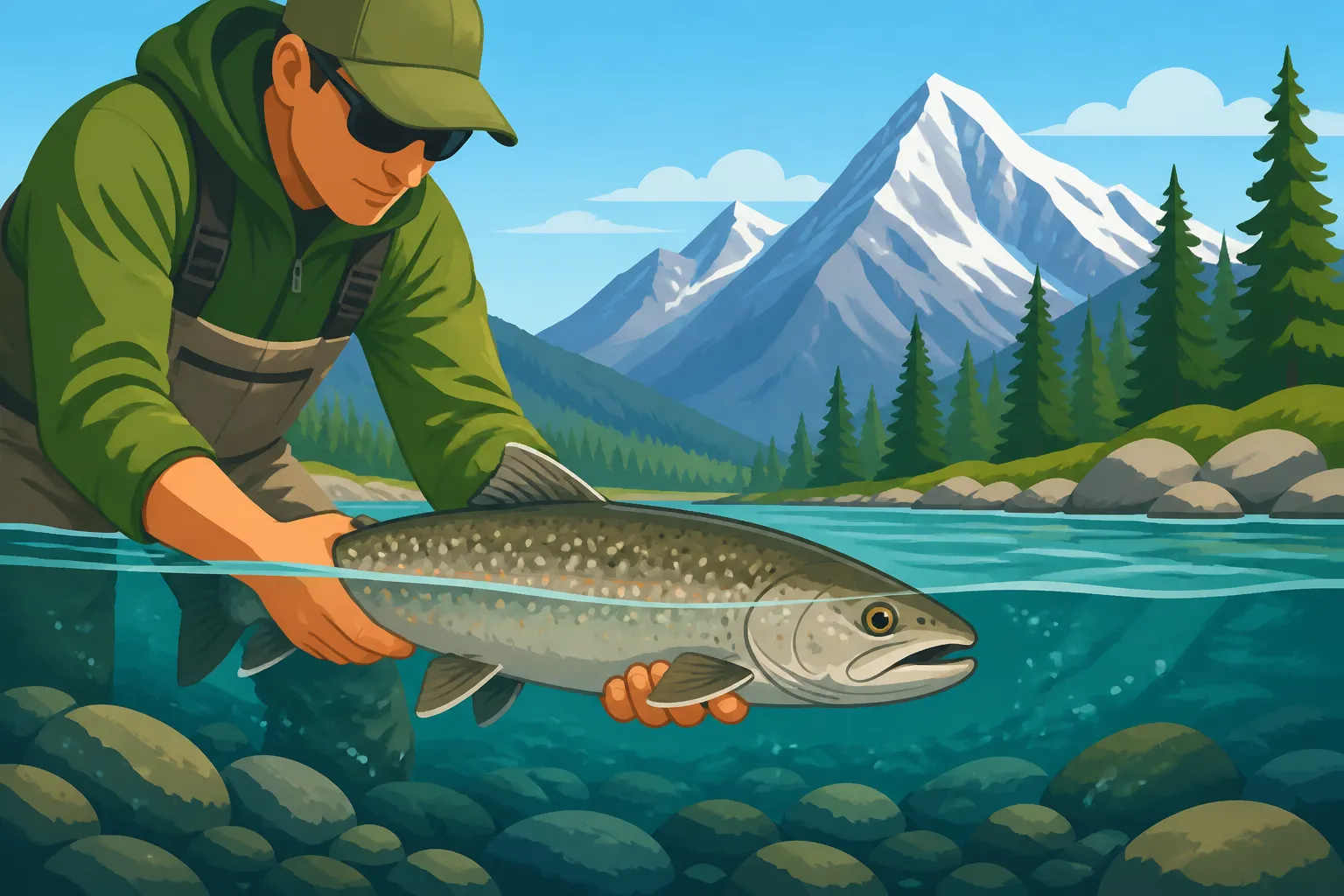
Keep the Fish in Water: This is paramount. Bull trout are exceptionally sensitive to air exposure. Their gills are designed to extract oxygen from water, not air. Every second out of water is stressful and potentially damaging. When you get the fish close, try to unhook it while it’s still submerged in your net or gently held in the water. If you absolutely must lift it for a quick photo, do so for the briefest moment possible, and ensure your hands are wet. Many of the crucial tips for ensuring fish survival are discussed in detail in Bull trout catch and release survival tips, and they should be religiously followed.
Proper Handling and Hook Removal
This is where your specialized tools and knowledge really come into play. Gentle, minimal contact is the guiding principle.
Wet Hands Only, Avoid Gills: Always, always wet your hands thoroughly before touching a fish. Dry hands can strip away the fish's protective slime coat, making it vulnerable to disease and infection. If you can avoid touching the fish directly at all, even better. Never hold a fish by the gills or insert your fingers under the gill plate; this is one of the most damaging ways to handle any fish and can be fatal. Support the fish horizontally, ideally with one hand under the belly near the pectoral fins and the other gently supporting the tail. Never hold a fish vertically by its jaw or tail alone, as this can dislocate its jaw or damage its spine and internal organs.
Quick, Gentle Hook Removal: With your barbless hook and long-nosed pliers or hemostats, removing the hook should be a swift process. Once the fish is securely netted (and still in the water!), use your tools to grasp the hook shank and gently back the hook out the way it went in. If the hook is deeply swallowed, which is less likely with lures than with bait, cut the line as close to the hook as possible. Don't try to rip or dig out a deeply embedded hook; the damage caused by removal attempts often outweighs leaving the hook to rust out. Keep the fish calm and minimize movement during this process.
Reviving the Fish for a Strong Release
After the fight and hook removal, the bull trout may be exhausted. Giving it time to recover before releasing it ensures it has the best chance of survival.
Cradle and Face the Current: Gently cradle the fish in the water, supporting it horizontally. If there's a gentle current, face the fish upstream, allowing water to flow over its gills. This helps to re-oxygenate its blood. If there's no current, you can gently move the fish forward and backward a few inches to help push water through its gills, but avoid vigorous, unnatural movements.
Wait for Strong Tail Kicks: Don't release the fish until it shows clear signs of recovery. It will start to make strong, deliberate tail kicks, and it will try to swim away from your hands. This indicates it has regained its strength and orientation. Once it feels ready, release it gently in calm water, allowing it to swim off on its own terms. Never toss or throw a fish back into the water. Watch it swim away to ensure it doesn't just float to the surface or get caught in the current. Remember, the Alberta Bull Trout Zero Possession Rule means this fish must be released, and making sure it survives is our ethical duty. There are no exceptions for keeping even an accidentally injured bull trout; as the regulations state, Is Keeping a Bull Trout Ever Legal in Alberta? The answer is unequivocally no.
Regulations and Conservation: Being a Responsible Bull Trout Angler
Being an angler in Alberta comes with a profound responsibility, especially when it comes to threatened species like the bull trout. Our collective actions directly impact their survival and recovery.
Understanding the Zero Possession Rule
Let's reiterate this because it is absolutely critical: the zero possession rule for bull trout in Alberta means that if you catch one, it must be released immediately and unharmed. There is no bag limit, no size limit that allows for retention, and no exceptions for a fish that appears injured or dead. If you catch it, you release it. This rule is clearly outlined in the Alberta Fishing Regulations Explained and is enforced vigorously.
What This Means in Practice:
- Immediate Release: As soon as you positively identify a bull trout, the goal is to get it back into the water as quickly and gently as possible.
- No Retention: You cannot put it in a cooler, a livewell, or on a stringer. You cannot take it home for a photograph, nor can you keep it to try and revive it in a controlled environment. It must be released at the point of catch.
- Barbless Hooks are Essential: This goes hand-in-hand with the zero possession rule. Barbless hooks minimize the damage caused by the hook, making immediate release much easier and more effective.
- Consequences of Non-Compliance: Violating the zero possession rule can lead to significant fines, confiscation of gear, and potential fishing bans. These penalties are designed to deter actions that further jeopardize this vulnerable species. Law enforcement takes bull trout conservation seriously, and so should every angler.
The Role of Anglers in Bull Trout Conservation
Beyond adhering strictly to the regulations, responsible anglers play a vital role in the ongoing conservation efforts for bull trout. We are often the eyes and ears on the water, and our actions can make a tangible difference.
Catch and Release Ethics: Embrace the philosophy of catch and release as an opportunity to connect with these incredible fish without causing lasting harm. Educate yourself on the best practices (as outlined above) and share that knowledge respectfully with others. Think of yourself as an ambassador for the species.
Reporting Violations: If you witness someone violating fishing regulations, particularly regarding protected species, it's important to report it to Alberta Environment and Protected Areas (AEPA) through their Report-A-Poacher line. This might feel uncomfortable, but it's a critical step in protecting our fisheries for future generations.
Supporting Habitat Protection: Many organizations work tirelessly to protect and restore bull trout habitat. Support these efforts through donations, volunteering, or simply by advocating for responsible land and water management in your local area. Reducing your own environmental footprint when fishing—packing out all garbage, staying on designated trails, and preventing the spread of aquatic invasive species—also contributes to overall habitat health. The more we learn about Endangered and Protected Fish Species in Alberta, the better equipped we are to protect them. Every careful release, every shared piece of knowledge, every moment of advocacy helps ensure that the majestic bull trout continues to grace Alberta’s pristine waters for years to come.
Here's a quick reference table to help distinguish Bull Trout from some look-alikes:
| Feature | Bull Trout | Lake Trout | Brook Trout | Rainbow Trout |
|---|---|---|---|---|
| Native Status | Native to Alberta | Native to Alberta (some areas), widely stocked | Non-native (Eastern char), widely stocked | Non-native, widely stocked |
| Spots | Pale yellow, orange, or reddish; smaller than eye pupil; no spots on dorsal fin | Light, irregular spots; often extend onto dorsal fin | Red/blue-haloed spots; worm-like markings on back (vermiculations) | Small, dark spots; often a pink/red lateral band |
| Tail | Slightly forked to square | Deeply forked | Slightly forked to square | Slightly forked to square |
| Head/Mouth | Large, broad head; mouth extends past eye | Large head; mouth extends past eye | Smaller head; mouth extends to eye | Proportional head; mouth extends to eye |
| Fins | Dusky/grayish, white leading edge (less pronounced than brook trout) | Pale, sometimes mottled | Bright white leading edges with black stripe | Clear to dusky, spotting often on caudal fin |
| Overall Color | Olive-green/brown back, fading to white belly | Grayish, silvery, sometimes mottled | Dark green/brown back, lighter flanks | Silvery/greenish, often with a pink stripe |
| Alberta Regs | Zero Possession (Catch & Release Only) | Varies by zone, often retention allowed | Varies by zone, often retention allowed | Varies by zone, often retention allowed |
Disclaimer
The information provided in this guide is for general informational purposes only and is not a substitute for the official Alberta Guide to Sportfishing Regulations. Regulations can change frequently. Always consult the most current version of the Alberta Guide to Sportfishing Regulations, available from Alberta Environment and Protected Areas, before engaging in any fishing activities. Adherence to all local, provincial, and federal laws is the responsibility of the angler.