Best fly for a summer mayfly hatch on the Bow
There’s nothing quite like standing on the banks of Alberta’s Bow River on a warm summer day, the sun glinting off the water, when suddenly you spot it: a steady rhythm of rises. Fish are actively feeding on the surface, dimpling the water as they sip insects. It's exhilarating, a true "match the hatch" moment. But then the frustration sets in – you cast, you drift, and nothing. Your perfectly presented fly is ignored time and time again. This often comes down to not having the right fly pattern to mimic the natural insects, specifically the abundant summer mayfly hatches that drive trout into a feeding frenzy. This guide is here to demystify those hatches and equip you with the knowledge of which flies to tie on to turn those frustrating refusals into thrilling hook-ups on the legendary Bow.
Understanding the Bow River's Summer Mayfly Hatches
The Bow River is renowned globally for its incredible trout fishing, and a huge part of that reputation comes from its prolific insect life, especially the summer mayfly hatches. These hatches are pivotal, as they represent a major food source that can put even the largest trout into an aggressive feeding mood. But it's not enough to just know there's a "mayfly hatch"; you need to understand which mayflies are hatching and how the trout are reacting to them.
The Importance of Matching the Hatch
"Matching the hatch" isn't just a catchy phrase in fly fishing; it's a fundamental strategy, especially on a technical river like the Bow. When a specific insect species is hatching, trout become highly selective. They've often seen thousands of these naturals drifting by, and they develop a very precise search image. This means they're looking for an insect that matches in size, shape, and color, and is presented in a way that mimics the natural drift. If your fly is too big, too small, the wrong color, or even sitting incorrectly on the water, those discerning Bow River trout will likely ignore it. It’s like trying to sneak a cheap knock-off past a gourmet chef – they know the real deal when they see it.
Ignoring the hatch means you’re essentially fishing blind, hoping a curious trout takes a chance. While this can sometimes work with attractor patterns, it significantly reduces your odds during a heavy mayfly hatch when fish are locked into a specific food source. Taking the time to observe the insects on the water and the fish's feeding behavior will pay dividends, allowing you to select a fly that truly imitates what they're actively eating.
Common Mayfly Species on the Bow in Summer
During the summer months, the Bow River comes alive with several key mayfly species that are essential for any angler to recognize. Understanding these main players will give you a significant advantage when trying to match the hatch.
One of the most anticipated and widespread hatches are the Pale Morning Duns (PMDs). These smaller, delicate mayflies typically hatch from late morning into the afternoon on sunny days, painting the river with their pale yellow to olive bodies. They can range in size, often from a size 16 down to a tiny 20 or even 22. Their emergence often brings a significant number of trout to the surface, and matching their delicate profile and color is crucial.
Another important summer mayfly is the Green Drake. While not as ubiquitous as PMDs, when Green Drakes hatch, they do so with force. These are larger mayflies, often sizes 10 to 14, with distinctive green bodies and prominent wings. Their emergence can cause large trout to rise confidently, making for some truly exciting dry fly fishing. Green Drake hatches are usually a bit more sporadic than PMDs, but when they happen, they demand attention. Best dry fly patterns for summer Bow River hatches will often focus heavily on these key species.
Beyond these, you'll also encounter various other mayfly species throughout the summer, including smaller baetis or blue-winged olives, though they are often more prominent in spring and fall. Even if the hatch isn't thick, resident populations of these nymphs are always present, meaning nymphing techniques can be effective even without an active hatch. Observing the size and color of any naturals drifting in the current, or even turning over rocks to see nymphs, provides vital clues to guide your fly selection.
Key Characteristics of Effective Mayfly Patterns
When the trout on the Bow River are keyed into a mayfly hatch, they become incredibly selective. It's not just about having a fly that's "close enough." To truly fool these educated fish, your fly needs to possess specific characteristics that perfectly mimic the natural insect. This requires attention to detail in your fly selection, focusing on more than just the pattern name.
Size and Profile
Perhaps the most critical factor when matching a mayfly hatch on the Bow is getting the size right. Trout have an amazing ability to discern even subtle differences in the size of their prey. If the natural insects are tiny size 18 PMDs, and you're throwing a size 14, you're likely to get nothing but refusals. Carry a wide range of sizes for your go-to patterns. When you see naturals on the water, try to scoop one up and compare it directly to your flies. This immediate comparison is invaluable.
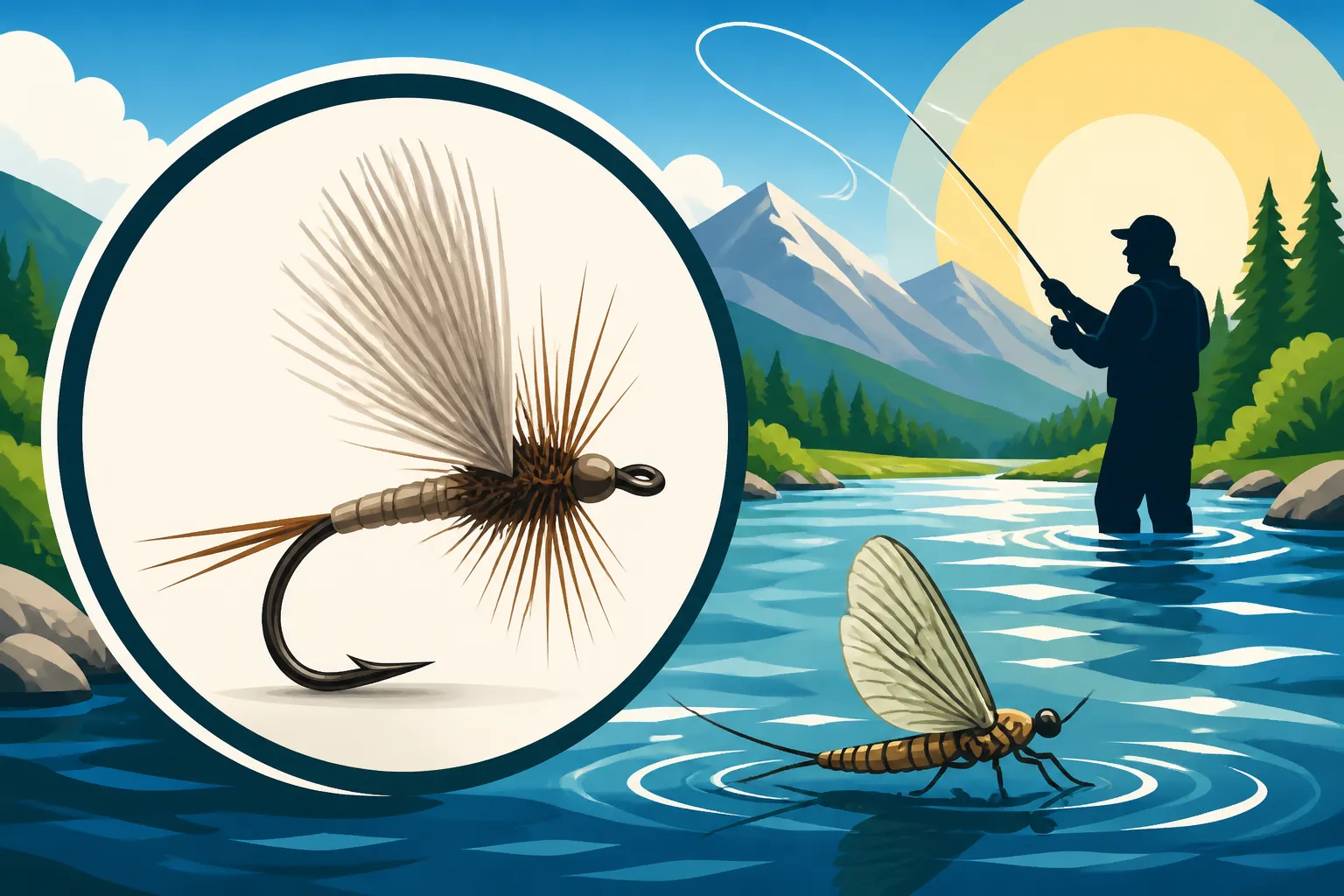
Beyond size, the profile or shape of your fly is equally important. Is the natural insect riding high on the water with upright wings, or is it struggling, sunken slightly in the surface film with wings splayed? Some mayflies have long, slender bodies, while others are a bit more robust. Your fly should mimic this overall silhouette. Patterns like Parachute Adams or Sparkle Duns imitate different aspects of a mayfly's profile, from upright wings to the shuck of an emerger. This attention to detail in shape helps convince wary trout that your offering is the real thing.
Coloration
While size and profile often take precedence, coloration becomes increasingly important on the Bow's clear waters, especially on bright, sunny days. Mayflies, particularly PMDs, can have subtle variations in body color ranging from pale yellow to olive, and even brownish-olive. Their wings can be translucent or slightly greyish. Trout feeding voraciously on a hatch will notice these nuances.
It's wise to carry several shades of your chosen mayfly patterns. For instance, with PMDs, have some with a pale yellow body, some with a light olive, and even a cream variant. The best way to determine the correct color is to catch a natural and hold it against your fly box. You'll be surprised how different flies can look in the box compared to what's floating on the water or what's in your hand. Sometimes, a subtle difference in body colour is all it takes to switch from being ignored to being eaten.
Presentation and Drift
Having the perfect fly is only half the battle; how you present it to the fish is just as crucial, if not more so, on the Bow River. Trout, especially large, wary ones, are incredibly sensitive to drag. A fly that is dragging unnaturally on the surface, pulling against the current, will almost always be refused, regardless of how perfectly it matches the hatch. Your goal is a completely "dead drift," where your fly floats at the exact same speed and direction as the natural insects around it.
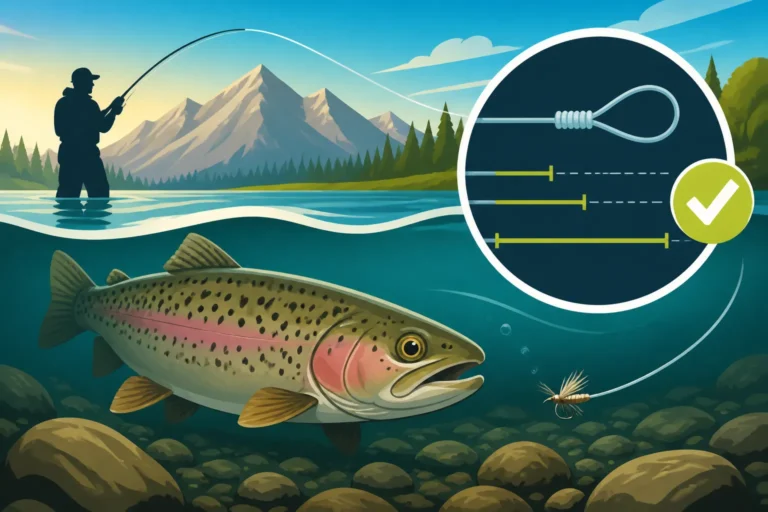
Achieving a dead drift often involves skillful casting, mending your line, and understanding the complex currents of the Bow. Casting upstream and allowing your line to flow downstream with the current, mending to remove any drag caused by varying current speeds, is a fundamental technique. You'll also need to consider your leader and tippet. Long, fine leaders and tippets (often 5X or 6X for summer mayflies) are essential for a delicate presentation and to avoid spooking fish. For further reading on presentation, checking out resources like Dry Fly Fishing Alberta Mountain Streams can provide transferable insights.
Top Fly Patterns for Summer Mayfly Hatches on the Bow
When mayflies are dancing on the surface of the Bow River, having the right fly tied on can make all the difference. It's not always about one magic fly; sometimes it's about having a few key patterns that cover different stages of the hatch and cater to the trout's varying preferences. Remember, even during a hatch, trout might be feeding on nymphs below, emergers in the surface film, or fully-winged adults on top.
Dry Fly Patterns
Dry flies are arguably the most exciting to fish, as you get to see the trout rise and take your fly. For summer mayfly hatches on the Bow, having a solid selection of these patterns is essential:
-
Parachute Adams: This is arguably the most versatile and widely used dry fly pattern, and for good reason. It imitates a generic mayfly very well, and its parachute hackle ensures it sits low in the water, making it visible to the angler while still appearing natural to the fish. For PMD hatches, tie on a Parachute Adams in sizes 16-20 with a pale grey or tan body. For larger Green Drakes, a size 12-14 Parachute Adams with an olive body can be very effective. This fly is a staple that should always be in your box.
-
Sparkle Dun (PMD or Green Drake): The Sparkle Dun is a fantastic emerger/cripple imitation. It mimics a mayfly that has just broken free of its nymphal shuck but hasn't fully taken flight, or one that's struggling in the surface film. The trailing shuck material (often Z-lon or Antron) perfectly replicates the nymphal shuck, making it irresistible to selective trout. For PMD hatches, look for sizes 16-20 in pale yellow or olive. For Green Drakes, go for sizes 12-14 in olive. When fish are rising but refusing traditional high-floating dries, a Sparkle Dun is often the answer, as trout are frequently targeting insects stuck in the surface film. You can often find a great selection of these specialized patterns at your local fly shop or even online through retailers like Amazon, especially if you're looking for specific sizes or colors that are harder to come by.
-
Comparadun (PMD or Green Drake): Similar to the Sparkle Dun in its lower profile, the Comparadun features deer hair wings that lay flatter, giving it a very realistic silhouette. It’s another excellent pattern for mimicking emerging or crippled mayflies that aren't standing tall on the water. It's particularly effective when fish are being very picky and prefer a less flashy, more subdued presentation. Again, matching the size (16-20 for PMDs, 12-14 for Green Drakes) and body color (pale yellow, olive, cream) is key.
Emerger Patterns
Sometimes, trout are feeding just below or in the surface film, not quite breaking through to take a dry fly. This is when emerger patterns shine. They imitate the vulnerable stage of the insect as it transitions from nymph to adult.
-
Barr's Emerger (PMD or Green Drake): This pattern, designed to represent a mayfly ascending through the water column, is deadly when fish are feeding on emergers. It has a sparse body and often a wing bud of material that suggests the forming wings of the adult. Fish will often take this pattern aggressively. Sizes 16-20 for PMDs in olive or yellow, and sizes 12-14 for Green Drakes, are good starting points. Fish it just below the surface, or even grease your leader to suspend it in the film.
-
Soft Hackle (Partridge and Orange, Pheasant Tail Soft Hackle): Soft hackles are incredibly versatile and can imitate a variety of emerging insects, including mayflies. The soft hackle material moves enticingly in the water, mimicking the legs and gills of an insect struggling to emerge. While often thought of as a wet fly, when swung gently or allowed to drift freely near the surface, they can be phenomenal emergers. A size 16-18 Pheasant Tail Soft Hackle can be a great general emerger for PMDs, while a larger olive or brown soft hackle can represent Green Drake emergers.
Nymph Patterns
Even during a prolific hatch, trout spend a significant amount of time feeding on nymphs subsurface. In fact, many fly anglers will tell you that a well-presented nymph will often catch more fish, even when dries are coming off. This is because nymphs are a constant, reliable food source. If fish aren't rising, or if the hatch is sparse, don't hesitate to go subsurface.
-
Pheasant Tail Nymph: This classic pattern is a universal mayfly nymph imitation. Its slender profile and natural coloration make it effective for mimicking a wide range of mayfly species before they emerge. For summer Bow River fishing, sizes 14-20 are most common, often fished with a small amount of weight or under an indicator. This is a must-have in your fly box at all times, as mayfly nymphs are always present.
-
Hare's Ear Nymph: Another fantastic generalist mayfly nymph, the Hare's Ear has a buggier profile than the Pheasant Tail, often incorporating a bit of flash or ribbing. It's effective for mimicking slightly larger or more active nymphs. Again, sizes 14-18 are good choices for summer on the Bow. These nymphs can be fished singularly, or as part of a tandem nymph rig, particularly when doing some Euro Nymphing the Bow River.
-
Frenchie (Perdigon Nymph): These are modern, slim-profile nymphs, often with a tungsten bead for quick sinking. They're excellent imitations of mayfly nymphs and are especially good in fast water or when you need to get down to depth quickly without a lot of bulk. Their sleek design helps them cut through the water column efficiently. For PMD nymphs, a Frenchie in pale olive or tan in sizes 16-20 can be incredibly effective. For those looking to expand their fly box, checking out the offerings at a place like Bass Pro Shops or even a dedicated online fly vendor can be a great starting point for finding these specialized patterns.
Tips for Success During a Mayfly Hatch
Fishing a summer mayfly hatch on the Bow River can be incredibly rewarding, but it also demands keen observation and precise execution. It's not just about having the right fly; it's about understanding the subtle cues the river and its inhabitants provide. A little extra effort in observing and adapting can turn a frustrating day into a memorable one.
Observation is Key
Before you even make your first cast, take the time to observe the water. This is perhaps the most crucial tip for success. What kind of insects are flying around? Are they actually mayflies, or are they caddis? What color are they? How big are they? Look closely at the surface film – are there spent adults, struggling emergers, or just shucks? Then, watch the trout. How are they rising?
- Sipping Rises: Gentle sips or dimples often indicate fish are taking emergers from the surface film or even spent adults.
- Splashing Rises: More aggressive, splashy rises usually mean fish are targeting active duns or caddis fluttering on the surface.
- Subsurface Flashes: If you see flashes of silver just below the surface but no actual rises, fish are likely feeding on nymphs or emergers before they break through.
Matching your fly and your presentation to these observations is paramount. If fish are sipping emergers, a Sparkle Dun or a Barr's Emerger fished just in or below the film will be more effective than a high-floating dry fly. Conversely, if they're splashing at active duns, a well-tied Parachute Adams might be the ticket.
Gear Considerations
The right gear can significantly impact your success during a delicate mayfly hatch. For Bow River trout, especially when fishing small dries and emergers, a lighter setup is typically preferred.
-
Rod and Reel: A 9-foot, 4-weight or 5-weight fly rod is generally considered ideal for the Bow. These rods offer enough backbone to fight larger trout but are delicate enough to present small flies with accuracy. A matching reel with a smooth drag is important, as Bow River trout can make powerful runs. If you're targeting big fish primarily with nymphs, you might opt for a 6-weight, but for most dry fly situations, the lighter rod is better. Many anglers find their perfect setup at stores like Bass Pro Shops, which offer a wide range of options for every budget. You can gain more insight into appropriate setups from resources like Best Rods for Alberta Rivers or Best Fly Rods for the Bow River.
-
Fly Line, Leader, and Tippet: A weight-forward floating line is standard. The most critical components, however, are your leader and tippet. When fishing tiny flies and trying to achieve a drag-free drift on clear water, a long (9-12 foot) tapered leader, often ending in 5X or even 6X tippet, is essential. The finer tippet allows for a more natural drift and is less visible to discerning trout. Always carry spools of tippet in various sizes, as you'll often need to adapt on the fly (pun intended!). Learn more about specific tippet choices in articles like Best Tippet Size for Stocked Trout, which offers insights applicable to other trout scenarios.
Reading the Water
Understanding where trout hold and feed during a hatch will save you precious time and improve your catch rate. Trout will position themselves in areas where food is concentrated and easily accessible, often conserving energy while feeding.
Look for seams where faster currents meet slower water. Mayflies and other insects often get funneled along these seams, creating a natural conveyor belt of food. Riffles that transition into slower runs are prime spots, as nymphs emerge from the riffles and float into the calmer water where trout can feed more easily. Look for subtle current breaks, eddies, and even behind larger rocks or structure that provide a "food lane" and a place for fish to hold out of the main current.
Trout will often rise in predictable patterns within these areas. Don't just cast blindly; observe where the fish are rising, how frequently, and try to anticipate their next feeding lane. A careful, calculated approach to reading the water and stalking your target fish will dramatically increase your chances of success. Sometimes the best presentation is achieved by wading strategically, which is covered in detail in Wading Techniques for Alberta Trout Rivers.
By combining solid pattern selection, meticulous observation, and skillful presentation, you'll be well on your way to mastering the art of fishing the summer mayfly hatches on the Bow River. It's a challenging but incredibly rewarding experience that truly embodies the spirit of fly fishing.
Summary of Key Mayfly Patterns for the Bow River
Here's a quick reference for some of the most effective mayfly patterns to have in your fly box for summer hatches on the Bow River:
| Pattern Type | Specific Pattern Name | Key Imitation | Typical Sizes | Common Colors | When to Use |
|---|---|---|---|---|---|
| Dry Fly | Parachute Adams | Generic Dun | #12 – #20 | Grey, Tan, Olive | Active rises on duns |
| Dry Fly | Sparkle Dun | Emerging Dun, Cripple | #12 – #20 | Pale Yellow, Olive, Cream | Fish sipping in surface film |
| Dry Fly | Comparadun | Emerging Dun, Cripple | #12 – #20 | Pale Yellow, Olive, Cream | Picky fish, lower profile needed |
| Emerger | Barr's Emerger | Ascending Nymph | #12 – #20 | Olive, Pale Yellow | Fish subtly flashing or sipping |
| Emerger | Soft Hackle | Emerging Nymph | #14 – #18 | Pheasant Tail, Olive | Fish subtly flashing, wet fly swing |
| Nymph | Pheasant Tail Nymph | Mayfly Nymph | #14 – #20 | Natural Brown, Olive | Fish not rising, subsurface feeding |
| Nymph | Hare's Ear Nymph | Mayfly Nymph | #14 – #18 | Natural Brown, Olive | General subsurface feeding |
| Nymph | Frenchie / Perdigon | Mayfly Nymph | #16 – #20 | Olive, Tan, Chartreuse | Fast water, need quick sink |
Disclaimer
This article is for general informational purposes only and does not constitute professional advice. Laws, prices and regulations vary by location and change over time. Consult a qualified professional for guidance on your specific situation.