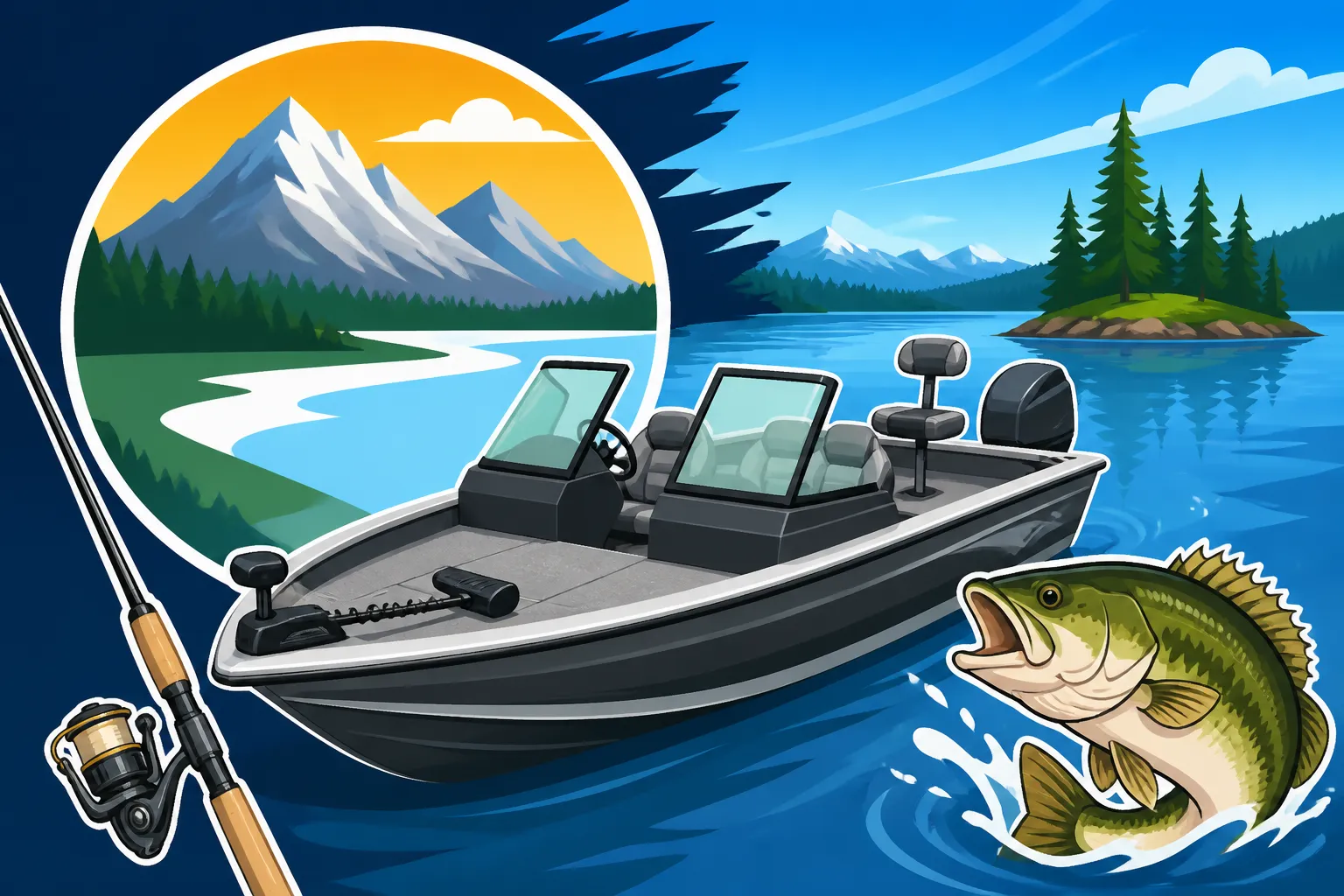
Best used boat to buy for lake fishing
Navigating the world of used boats for lake fishing in Alberta can feel like a daunting task, full of uncertainty and the fear of making an expensive mistake. You want to get out on the water, enjoy the serene beauty of our provincial lakes, and chase those elusive walleye or lake trout without breaking the bank. This guide is here to walk you through everything you need to know to confidently choose the best used fishing boat for your Alberta lake adventures, helping you find a reliable vessel that fits both your fishing style and your budget.
Why a Used Boat for Alberta Lakes?
Let's face it, fishing isn't just a hobby; for many of us, it's a passion, a way of life, and an escape. But that passion often collides with the reality of our wallets. New boats, with all their bells and whistles, can come with a price tag that makes your eyes water faster than a strong headwind on Lesser Slave Lake. That's where the smart decision to go used really shines.
The Allure of Affordability
The sticker shock of a brand new boat can be enough to deter even the most dedicated angler. Used boats, however, open up a world of possibilities that might otherwise be out reach. You can often get significantly more boat for your money, meaning a larger engine, more features, or simply a better overall quality boat than you could afford new. This isn't just about saving a few bucks; it's about making your fishing dreams a tangible reality sooner rather than later. For many families, a used boat means more weekends spent creating memories on the water and less time crunching numbers. It's about access, plain and simple.
Proving Grounds for New Anglers
If you're new to boat ownership, or even relatively new to serious lake fishing, jumping into a brand new, fully loaded vessel can be overwhelming. A used boat serves as an excellent proving ground. It allows you to learn the ropes of boat maintenance, trailering, launching, and handling in different conditions without the constant worry of dinging up a pristine new investment. You get to figure out what features you truly value, what size boat works best for your family and fishing style, and what compromises you're willing to make. It's a low-stakes way to develop your boating confidence and tailor your future boating needs, much like learning the basics of How to Catch Walleye in Alberta before investing in specialized gear.
Practicality for Alberta's Diverse Waters
Alberta boasts an incredible array of lakes, from the vast, deep waters of Cold Lake to the shallower, reedy expanses of Pigeon Lake, and the wild beauty of smaller, less-travelled spots. A used boat, especially one that's already seen some action, can often be a more practical choice. You won't cringe quite as much if you bump a dock, scrape a sandy bottom, or navigate through some weeds. You're buying a tool for fishing, not a showpiece. This practical approach means you can focus on the fishing itself and exploring all the wonderful spots Alberta has to offer, rather than constantly worrying about depreciation or keeping your vessel spotless. Whether you're planning on Ice Fishing in Alberta or summer trolling, a well-chosen used boat can handle it.
What Kind of Used Boat is Best for Alberta Lake Fishing?
Choosing the "best" used boat really boils down to understanding your primary fishing goals, the types of lakes you plan to frequent, and your personal preferences. There's no one-size-fits-all answer, but we can definitely narrow down the options.
Aluminum vs. Fiberglass: The Great Debate
This is often the first major decision you'll face when looking at used boats, and both materials have their loyal fans, especially when it comes to Best Boats for Alberta Lakes and Rivers.
Aluminum Fishing Boats
Aluminum boats are often heralded as the workhorses of Alberta's fishing scene. They are generally lighter than their fiberglass counterparts, which translates to easier towing, better fuel economy on the road, and often the ability to launch in shallower access points. Their durability is another huge plus; they can take a bump or scrape from rocky shores or submerged stumps better than fiberglass, making them ideal for exploring less developed access points or handling the occasional rough day on the water. Maintenance is typically straightforward, and they tend to hold their value well over time.
However, aluminum boats, especially those with flatter bottoms, can deliver a rougher ride in choppy water. On a windy day on a large lake like Lesser Slave Lake, you'll feel every wave. They also tend to be noisier on the water, which can sometimes spook fish. If you're primarily fishing smaller, calmer lakes like many found in Kananaskis Lakes Fishing Guide or larger lakes on relatively calm days, a well-built aluminum boat can be an excellent, cost-effective choice. Look for riveted hulls in older models, but welded hulls offer superior strength and longevity.
Fiberglass Fishing Boats
Fiberglass boats, on the other hand, offer a different set of advantages. They are typically heavier, and that weight, combined with their usually deeper V-hulls, provides a much smoother, drier ride in rough water. If you're planning to tackle the big waters of Cold Lake for lake trout, or brave the often choppy conditions of Lake Athabasca, fiberglass will offer a more comfortable experience. They also tend to be more stable when standing to fish, offer more integrated storage solutions, and can often be outfitted with more advanced features. The sleek finish and often customizable interiors can also be a draw.
The downsides? They are heavier, meaning you'll need a more capable tow vehicle and will use more fuel both on the road and on the water. They are also more susceptible to damage from impacts, and repairs can be more complex and costly. If you find a used fiberglass boat, pay very close attention to any signs of previous repairs, cracks in the gel coat, or, critically, soft spots in the floor or transom which can indicate rot.
Hull Design Matters for Lake Conditions
Beyond the material, the shape of the boat's hull is paramount to how it performs on the water.
V-Hull Designs
A deep V-hull slices through waves, providing a comfortable ride in rough conditions. This design is fantastic for anglers who plan to venture out onto large, open lakes where wind and chop are common. Boats with a deeper V are generally more stable when moving at speed but can be less stable when sitting still, especially for standing anglers. If your fishing grounds include big water bodies known for their unpredictable nature, prioritize a deeper V-hull. These are often found on larger multi-species boats or dedicated walleye boats.
Modified V-Hull and Flat-Bottom Designs
Many fishing boats, particularly aluminum models, feature a modified V-hull or even a mostly flat bottom. A modified V offers a compromise: a somewhat smoother ride than a completely flat bottom, but still good stability for standing and excellent shallow water access. These are very popular for all-around lake fishing on smaller to medium-sized lakes, or rivers. Flat-bottom boats, often called "jon boats," are exceptionally stable for standing and can get into very shallow water, but they offer a notoriously jarring ride in anything but perfectly calm conditions. They are also prone to "slapping" the water, creating noise that can scare fish. Consider these for calmer prairie lakes or back bays.
Powering Your Lake Adventures
The engine is the heart of your fishing boat, and a used boat often comes with a used outboard. Understanding your options here is crucial.
Outboard Motors
Most fishing boats on Alberta lakes are powered by outboard motors. When buying used, you'll encounter both 2-stroke and 4-stroke engines.
- 2-Stroke Engines: Generally lighter, more powerful for their size, and simpler in design, which can sometimes mean easier DIY repairs. However, older 2-strokes are known for being less fuel-efficient, noisier, and producing more emissions. Modern direct-injected 2-strokes (like Evinrude E-TECs or Mercury Optimax) are much cleaner and more fuel-efficient, but still consume oil.
- 4-Stroke Engines: These are typically quieter, much more fuel-efficient, and produce fewer emissions. They run cleaner and smoother. The trade-off is that they are generally heavier, more complex (which can lead to higher repair costs if something goes wrong), and initially more expensive. For lake fishing where longer runs are common, the fuel savings and quieter operation of a 4-stroke can be a significant advantage.
When inspecting a used motor, always look for signs of corrosion, damage to the propeller, and oil leaks. Ask about maintenance history and service records. A compression test is highly recommended before purchase to check the health of the engine's cylinders.
Trolling Motors
For any serious lake angler, a good trolling motor is indispensable for precise boat positioning, moving silently along shorelines, or holding over structure. Many used boats will come with an existing trolling motor. Check its functionality, battery life, and thrust. Look for models from reliable brands. If the boat doesn't have one, factor the cost of a new or used Best Trolling Motor for a Fishing Kayak (or boat) into your budget. Bow-mounted electric trolling motors are preferred for better boat control. They can make the difference between a frustrating day and a successful one, especially when trying to hold position in a light breeze to fish a particular weed line or drop-off on a lake known for Walleye Fishing in Alberta.
Key Considerations When Shopping for a Used Fishing Boat
So, you've decided on the type of boat you're looking for. Now comes the nitty-gritty: inspecting that potential dream machine to make sure it's not a nightmare in disguise. This is where your inner detective needs to come out, because a thorough inspection can save you a world of heartache and money down the road.
Inspecting the Hull and Transom
This is paramount. The hull is the boat's foundation, and any significant structural issues can be incredibly expensive, if not impossible, to fix.
- For Aluminum Hulls: Look for deep dents, punctures, or signs of poorly executed repairs (like messy welds or excessive sealant). Pay close attention to the keel (the bottom-most part) and the chine (where the bottom meets the sides). Minor dents aren't usually a deal-breaker, but anything that compromises the hull's integrity could lead to leaks. Also, check the rivets on riveted hulls – loose or corroded rivets are a common source of leaks.
- For Fiberglass Hulls: Examine the entire hull for cracks, especially around stress points like the transom, engine mount, and where the hull meets the deck. Small spiderweb cracks in the gel coat are often cosmetic, but larger, deeper cracks could indicate structural damage. Look for signs of "blistering" (small bubbles under the gel coat), which can be an indication of osmotic blistering or fiberglass degradation.
The transom (the flat, vertical section at the back where the engine mounts) is perhaps the most critical component. It bears the full weight and thrust of the outboard motor. Inspect it carefully for any signs of cracking, flex, or softness. Push on it firmly. If it feels spongy, or if you see stress cracks radiating from the engine mounting bolts, walk away. A rotten or weak transom is a major repair that can exceed the value of many used boats.
Checking the Motor's Health
The outboard motor is often the most expensive component of a fishing boat. Its condition dictates reliability and ongoing costs.
- Ask for Maintenance Records: A responsible boat owner will have records of oil changes, winterization, and any repairs. This shows they cared for the engine.
- Check the Hour Meter: Many newer 4-stroke outboards have hour meters. While not a definitive indicator of wear, it gives you an idea of its usage. However, low hours on a very old engine might also indicate it's been sitting, which can lead to its own issues.
- Visual Inspection: Look for signs of leaks (oil, fuel, coolant), corrosion (especially in saltwater or coastal areas, though less common for strictly Alberta lake boats), and damage to the propeller (dings, bent blades). A propeller with excessive damage indicates either careless operation or a motor that's been run hard.
- Compression Test: If you're serious about a boat, consider having a marine mechanic perform a compression test. This checks the internal health of the engine's cylinders. Uneven or low compression can indicate serious engine wear.
- Test Drive: Absolutely non-negotiable. The motor should start easily, run smoothly, shift cleanly into forward and reverse, and deliver strong, consistent power across the RPM range. Listen for unusual noises, feel for excessive vibration, and watch for smoke (excessive white or black smoke can indicate problems).
Electrical Systems and Accessories
A boat's electrical system can be a hidden money pit if not properly maintained.
- Batteries: Check the age and condition of all batteries (starting battery, trolling motor batteries). Look for corrosion around the terminals. Batteries typically last 3-5 years and are a recurring expense.
- Wiring: Examine exposed wiring for fraying, cracked insulation, or signs of shoddy amateur repairs. All connections should be clean and secure.
- Lights: Test all navigation lights, anchor lights, and interior lights.
- Bilge Pump: This is critical safety equipment. Ensure it works and pumps water effectively.
- Livewell/Baitwell: If the boat has one, fill it with water and test the pump and aeration system. Ensure it drains properly.
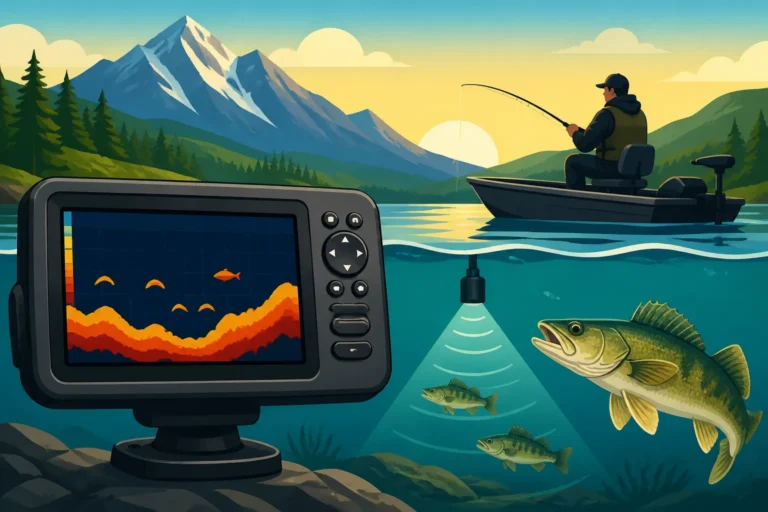
- Electronics: Test any installed fish finders, GPS units, or radios. A quality Best Fish Finders for Alberta Lakes can be a huge bonus, but confirm it powers on and displays properly. Factor in the cost if you'll need to replace outdated or non-functional units. You might find great deals on new accessories from Amazon after you secure your boat.
The Trailer: Often Overlooked, Always Crucial
A boat trailer isn't just a way to get your boat to the water; it's a piece of safety equipment. A faulty trailer can lead to dangerous situations and costly repairs.
- Tires: Check for wear (especially uneven wear), cracks in the sidewalls, and proper inflation. Don't forget the spare!
- Bearings: Check for play in the wheels. Lift the wheel and try to wobble it; excessive movement indicates bad bearings. Get them checked or repacked if there's any doubt.
- Lights: All brake lights, turn signals, and running lights must work. Wiring issues are common on trailers.
- Frame: Inspect the entire frame for rust, especially at welds. Heavy rust can compromise structural integrity.
- Winch and Strap: Ensure the winch operates smoothly and the strap is in good condition, free of frays or tears.
- Brakes: If the trailer has surge brakes, check their operation and fluid levels.
Paperwork and Ownership
This is the legal side of buying a used boat, and it's essential to protect yourself.
- Bill of Sale: Ensure you get a clear, detailed bill of sale that includes the boat's Hull Identification Number (HIN), the motor's serial number, and the trailer's VIN.
- Registration: In Alberta, all boats with a motor (even electric trolling motors) require registration with Transport Canada. Ensure the seller has the current pleasure craft license (PCL) and that the HIN on the boat matches the PCL. The trailer will also have provincial registration. Familiarize yourself with Alberta Boat Registration Rules.
- Proof of Ownership: Verify the seller is the legal owner. This often means cross-referencing names on the registration with their ID. Beware of situations where the person selling isn't the registered owner, as this could indicate a stolen boat or other legal issues.
Where to Find and How to Negotiate for a Used Boat
Now that you know what to look for, let's talk about where to find these used treasures and how to seal the deal without overpaying or getting taken for a ride.
Online Marketplaces and Dealerships
The digital age has made finding a used boat easier than ever, but it also means wading through a lot of listings.
Online Platforms
Websites like Kijiji, Facebook Marketplace, and other localized classifieds are goldmines for private sellers. They offer a huge selection, and you can often find better deals because you're negotiating directly with the owner, cutting out the middleman. The downside is that you're buying "as is," with no warranty or recourse if something goes wrong. You'll need to be extra diligent with your inspections. Use keywords like "fishing boat Alberta," "walleye boat," or "aluminum fishing boat" in your searches.
Marine Dealerships
Many marine dealerships, including larger retailers like Bass Pro Shops, often have a selection of used boats on their lots. Buying from a dealer typically offers a few advantages:
- Inspected Boats: Dealerships usually inspect and often service their used inventory, offering a bit more peace of mind.
- Limited Warranty: Some dealers might offer a short-term warranty on used boats or engines, which can be invaluable.
- Financing Options: Dealerships can often help arrange financing.
- Trade-ins: If you have an existing boat, they might take it as a trade-in.
The trade-off is usually a higher price compared to a private sale, to cover their overhead and the services they provide.
What to Ask the Seller
Before you even go to look at a boat, a few well-placed questions can save you a wasted trip.
- "Why are you selling the boat?" (Listen for red flags like "too many problems" or vague answers.)
- "How long have you owned it?" (Longer ownership often indicates a more reliable boat.)
- "Where has the boat been used primarily?" (Freshwater vs. saltwater makes a difference in corrosion.)
- "What kind of maintenance has been done, and do you have records?"
- "Have there been any major repairs or accidents?"
- "When was the last time the engine was serviced?"
- "Are there any known issues I should be aware of?" (An honest seller will disclose minor issues.)
- "When can I see the boat, and is a test drive possible?" (Always insist on a test drive on the water if possible.)
- "What comes with the boat?" (e.g., life jackets, anchor, safety gear, spare prop. Some of this is essential according to Life Jacket Requirements for Alberta Boaters.)
The Art of the Deal
Negotiating for a used boat requires patience, research, and a clear head.
- Do Your Research: Look at comparable boats online to get a sense of fair market value. Don't overpay for an old model just because it looks shiny.
- Bring a Friend: Ideally, bring someone knowledgeable about boats and engines. A second set of eyes can spot things you missed, and they can act as a sounding board.
- Pre-Purchase Inspection: For any significant investment, hire a qualified marine mechanic to perform a pre-purchase inspection of the engine and boat. This might cost a few hundred dollars, but it can save you thousands in hidden repairs. Think of it as insurance.
- Be Prepared to Walk Away: This is your strongest negotiating tool. If something feels off, if the seller is evasive, or if the boat has too many problems for the price, be ready to find another option. There are always more boats out there.
- Identify Flaws: During your inspection, make a mental (or actual) list of any flaws or needed repairs. These become points for negotiation. "The tires on the trailer are bald, and the fish finder doesn't work. I'll need to factor in replacement costs, so how about we adjust the price?"
- Cash is King: If you have cash in hand, you often have more leverage for a lower price.
Buying a used boat for lake fishing in Alberta can be a fantastic way to access the amazing fishing opportunities our province offers. By being thorough, asking the right questions, and knowing what to look for, you can find a reliable vessel that will bring years of enjoyment on the water.
Used Boat Comparison: Aluminum vs. Fiberglass for Alberta Lakes
Here's a quick comparison to help you weigh the pros and cons of aluminum and fiberglass for your used boat purchase, considering common Alberta lake conditions.
| Feature | Aluminum Boats (Used) | Fiberglass Boats (Used) |
|---|---|---|
| Initial Cost | Often lower | Often higher |
| Durability | Very durable, good for bumps/scrapes on rocky shores | Prone to cosmetic damage, but strong construction |
| Ride Quality | Rougher in choppy water, can be noisy | Smoother, drier ride in waves, quieter |
| Stability | Good for standing, especially flatter hulls | Very stable for standing, often heavier |
| Weight | Lighter, easier to tow and launch | Heavier, requires more capable tow vehicle |
| Maintenance | Generally simpler, easier DIY repairs | More complex repairs if hull is damaged |
| Fuel Economy | Better on road (lighter), engine dependent on water | Higher fuel consumption (heavier), engine dependent |
| Corrosion Risk | Can corrode with improper maintenance (electrolysis) | Minimal corrosion risk from water |
| Common Use | All-around, shallow access, river fishing, smaller lakes | Large lakes, rough water, dedicated tournament fishing |
| Typical Alberta Lakes | Pigeon Lake, smaller reservoirs, Bow River Fishing Guide (smaller models) | Cold Lake, Lesser Slave Lake Fishing Guide, Sylvan Lake |
Disclaimer
This article is for general informational purposes only and does not constitute professional advice. Laws, prices and regulations vary by location and change over time. Consult a qualified professional for guidance on your specific situation.