Best popper for topwater pike
There's nothing quite like the heart-stopping excitement of a northern pike absolutely exploding on a topwater lure. That sudden, violent splash and the ensuing battle can quickly become an angler's obsession. But finding the right popper that consistently coaxes those toothy giants to the surface in Alberta's diverse waters can feel like a quest. This guide is all about helping you cut through the noise, understand what makes a popper irresistible to pike, and equip you with the knowledge to make those surface strikes a regular, thrilling part of your fishing adventures.
The Thrill of Topwater Pike: Why Poppers are a Game Changer
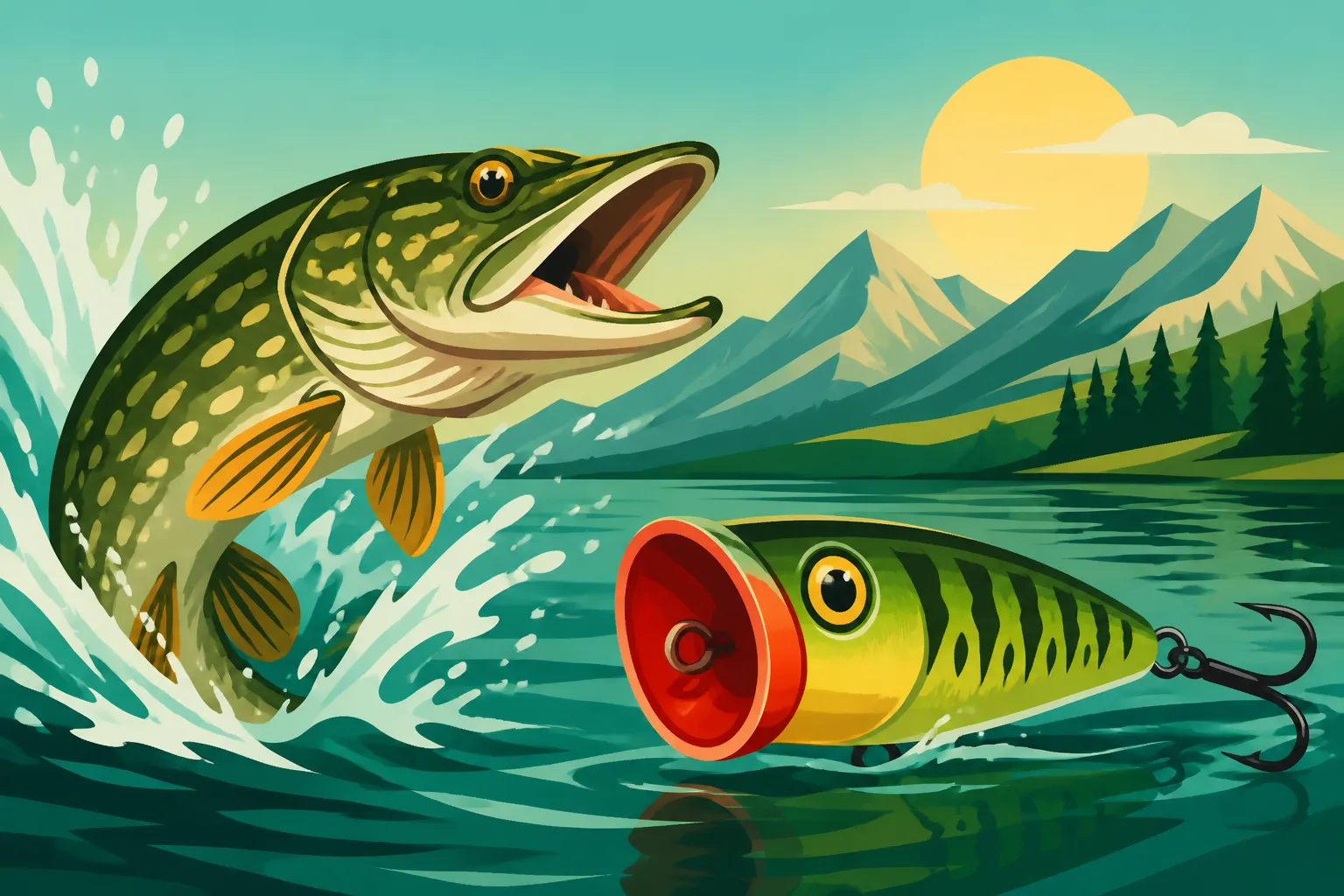
Fishing for northern pike on topwater is not just a technique; it's an experience. The visual aspect of seeing a large, predatory fish track your lure and then commit to a strike is incredibly addictive. It often happens in calmer, shallower waters where pike are actively hunting, making it accessible and exciting. Poppers, with their distinct splash and gurgle, are uniquely suited to capitalize on this aggressive hunting behaviour, turning an otherwise subtle retrieve into an audible, irresistible invitation for a strike.
Understanding the Pike's Aggressive Nature
Northern pike are apex predators in many of Alberta's lakes and rivers, known for their ambush tactics and voracious appetites. They often lie in wait along weed lines, under lily pads, or near submerged timber, ready to dart out and engulf unsuspecting prey. This aggressive, territorial nature makes them prime candidates for topwater presentations. They're not just feeding; they're also defending their territory, and a noisy, splashing popper invading their space can trigger an instinctual, often violent, reaction strike, even if they're not actively feeding on sub-surface offerings. The sheer thrill of witnessing a pike's dark silhouette surge from the depths and obliterate your lure on the surface is a spectacle unlike any other in freshwater fishing. Understanding this blend of hunger and territoriality is key to maximizing your success with poppers.
When and Where to Unleash Your Popper
Poppers shine brightest in specific conditions and locations. Generally, they are most effective during low-light periods – think early mornings, late evenings, or even overcast days – when pike are more comfortable hunting in shallower water. Warmer water temperatures also tend to push pike into these shallower, weedy areas. Look for spots with dense cover such as lily pad fields, thick submerged grass beds, fallen trees, or emergent vegetation. These are pike strongholds, offering both ambush points and protection. Shallow bays, back eddies in rivers, and protected coves are prime real estate for topwater action. When the sun is high and bright, pike often retreat to deeper, cooler water or seek dense overhead cover, making topwater less effective. However, a heavily overcast day can extend the topwater bite throughout the afternoon. Remember, pike are visual hunters, and the commotion your popper creates needs to be easily detected against the surface. For more on where these fish hide, check out Northern Pike Habits in Alberta Lakes.
Decoding the Best Popper: Features That Attract Alberta Pike
Not all poppers are created equal, especially when you're targeting the formidable northern pike. The best popper for Alberta pike combines specific characteristics designed to withstand powerful strikes and effectively trigger a feeding or reaction response from these toothy predators. From how big it is to how loud it is, every detail plays a role in its effectiveness.
Size, Profile, and Mimicry
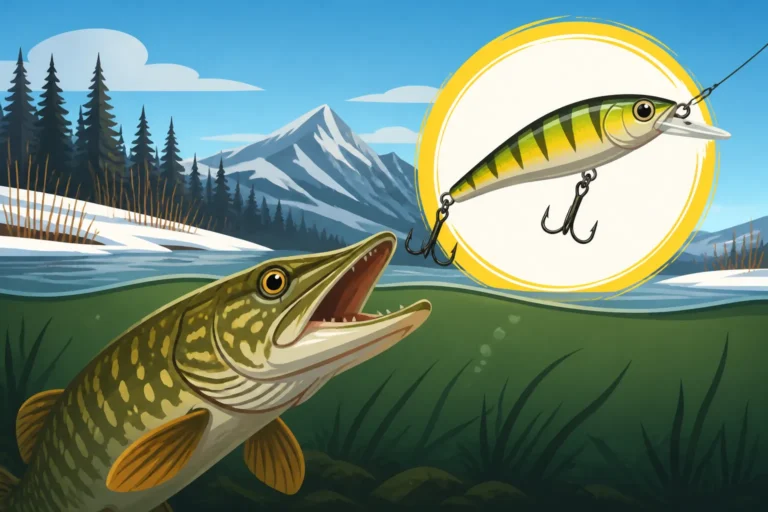
When it comes to pike poppers, size often matters. Pike are not shy about attacking large prey, and a popper that presents a substantial profile can attract bigger fish. Lures ranging from 4 to 6 inches are often a sweet spot, mimicking common pike forage like frogs, mice, or larger baitfish struggling on the surface. The profile should be chunky enough to displace water effectively but streamlined enough to cast well. While perfect mimicry isn't always necessary for an aggressive reaction strike, a general shape that resembles something alive and vulnerable on the surface can certainly help. Some poppers have a wider, rounder face for more splash, while others have a more tapered head for a subtle "walk-the-dog" action. Considering the size of the pike you expect to encounter will guide your choice; if you're targeting trophy pike, don't be afraid to go big! Many anglers find excellent options browsing the extensive fishing sections at retailers like Bass Pro Shops.
The Allure of Color and Sound
The visual and auditory appeal of a popper are crucial. For colors, contrast is often key. Bright, high-visibility patterns like chartreuse, firetiger, or bright orange can be excellent in stained or murky water, making the lure stand out. In clearer water, more natural patterns resembling frogs, perch, or shiners might be more effective. Black poppers, especially fished against a bright sky at dawn or dusk, create a strong silhouette that pike can easily spot from below.
The "sound" of a popper refers to the splash and gurgle it creates. A deep, loud "chug" often signifies a struggling animal, while a more subtle "blip" can imitate a small creature or a feeding fish. Many poppers also incorporate internal rattles, which add an extra layer of auditory attraction, especially in low light or turbid conditions. The combination of a strong visual and an enticing sound profile is what truly makes a popper irresistible.
Durability for Tooth-Filled Encounters
Pike have a mouth full of razor-sharp teeth, and a flimsy popper won't last long. Durability is non-negotiable. Look for poppers constructed from tough, high-quality plastics that can withstand repeated strikes. More importantly, inspect the hooks and split rings. Stock hooks on many lures are often too weak for larger pike. It's almost always a good idea to upgrade to stronger, sharper treble hooks and heavy-duty split rings. You want hooks that can penetrate a pike's bony mouth and hold firm throughout the fight without bending or breaking. Some anglers even prefer single, in-line hooks for easier fish release and less potential harm to the fish. The last thing you want is to lose a trophy fish or have your favourite lure destroyed after just one strike. For quality replacement hooks, reputable online stores like Amazon offer a wide selection of brands and sizes.
Mastering Popper Presentation: Techniques for Explosive Strikes
Fishing a popper effectively for northern pike isn't just about casting it out and reeling it in. It's an art form that involves specific retrieve techniques, keen observation, and an understanding of pike behaviour. Mastering these presentations will significantly increase your hook-up ratio and the sheer number of explosive topwater strikes you experience.
The Art of the Pop and Pause
The classic "pop and pause" is the bread and butter of popper fishing. After casting your lure near promising cover, let it sit for a few seconds. This mimics a stunned or injured prey item. Then, give your rod tip a sharp, downward twitch to make the popper "pop" or "chug" across the surface, creating a splash and gurgling sound. This action is designed to simulate a fleeing or struggling animal. Immediately after the pop, let the lure sit again. The pause is often when the strike occurs, as the pike rushes in to engulf what it perceives as an easy meal.
Vary the duration of your pauses and the intensity of your pops. Sometimes a subtle "blip" is all it takes, other times a violent "chug-chug-pop!" is required to get a pike's attention. Experiment with two quick pops followed by a longer pause, or a continuous series of gentle pops. Pay attention to how the pike are reacting; if they're following but not committing, try changing your rhythm. Remember, the goal is to trigger that aggressive, instinctual strike.
Reading the Water and Targeting Cover
Successful popper fishing heavily relies on your ability to read the water and identify prime pike habitat. As mentioned, weed lines, lily pads, submerged timber, and reeds are key. Cast your popper as close to these structures as possible without getting snagged. Pike often hug these areas, waiting for an ambush opportunity. For example, if you see a break in a lily pad field, cast your popper right into it. If there's a shady pocket under an overhanging tree, put your popper there.
Work your popper along the edges of weed beds, over submerged grass, and through open pockets within dense cover. The objective is to present the lure in the pike's comfort zone, where they feel secure and ready to strike. Don't be afraid to cast multiple times to the same promising spot; sometimes it takes a few passes to entice a reluctant pike. Understanding Best Kayak Fishing Spots in Alberta or Best Shore Fishing Spots in Alberta can give you an edge in finding these prime locations.
Handling the Strike and the Fight
The most challenging (and thrilling) part of topwater pike fishing is often the strike itself. It's natural to want to set the hook immediately when you see the splash, but resist the urge! Pike often just swat at the lure initially, or engulf it completely, and setting the hook too early can pull the lure right out of their mouth. Instead, wait until you feel the weight of the fish on your line before sweeping the rod back firmly to set the hook. This "wait and feel" approach dramatically increases your hook-up success.
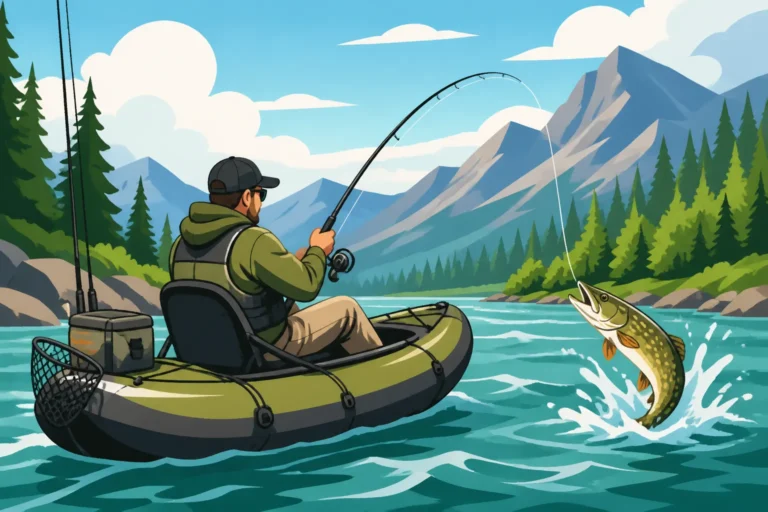
Once hooked, pike are powerful fighters, especially on the surface. Keep your rod tip up, maintain constant pressure, and be prepared for strong runs and head shakes. They will often try to spit the hook or rub it off on nearby cover. Use your rod to steer the fish away from snags and keep it in open water. Remember, they have sharp teeth, so use a long-nosed pliers or a fish gripper for safe unhooking. For further details on handling these fish, consider reading How to Catch Northern Pike in Alberta.
Optimizing Your Setup: Rods, Reels, and Lines for Popper Fishing
Having the right gear is paramount when chasing northern pike with topwater poppers. Your rod, reel, and line need to be matched not only to the size and action of your poppers but also to the sheer power of the fish you're targeting. A robust and balanced setup will ensure longer casts, better lure control, and the strength to handle those explosive strikes and fierce fights.
The Right Rod and Reel Combination
For popper fishing, a medium-heavy to heavy power rod, typically 6'6" to 7'6" in length, is ideal. The stout backbone provides the leverage needed to cast larger poppers accurately and allows for firm hooksets through a pike's bony jaw. A fast action tip is also beneficial, as it gives you the responsiveness required to impart precise popping and chugging actions to your lure while still maintaining enough bend to absorb headshakes.
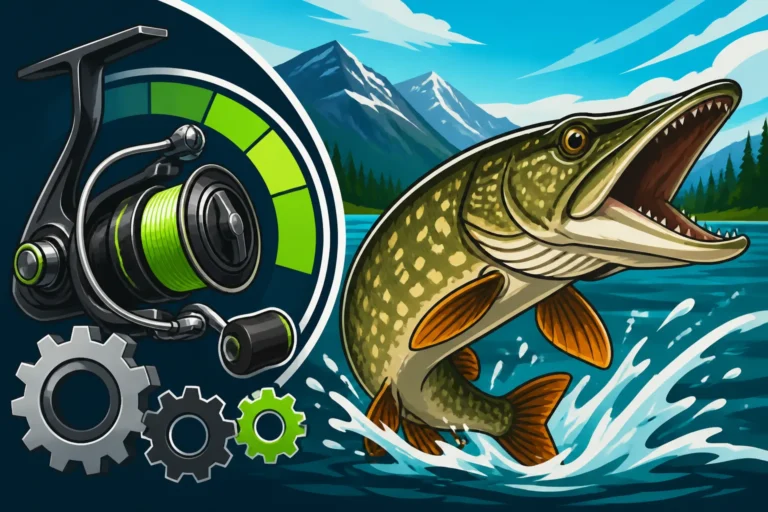
A baitcasting reel is generally preferred over a spinning reel for this technique. Baitcasters offer superior casting accuracy for placing poppers tight to cover, better line control during the retrieve, and the cranking power needed to battle larger pike. Look for a reel with a retrieve ratio in the 6.X:1 to 7.X:1 range; this allows for quick line pickup when a pike surges towards you after a strike. A robust drag system is also critical to handle powerful runs without snapping your line. Many anglers find great deals on reliable baitcasting setups at Bass Pro Shops.
Line Choice and Leader Essentials
Your choice of fishing line plays a crucial role in popper performance and fight capability. Braided line is highly recommended for topwater pike fishing. Its zero-stretch properties provide excellent sensitivity, allowing you to feel every bump and subtle take, and transmit your rod movements directly to the popper for crisp action. Moreover, braided line's strength and abrasion resistance are invaluable when fighting pike around heavy cover. A braided line test between 30 and 50 pounds is a good starting point, depending on the size of the pike you expect to encounter.
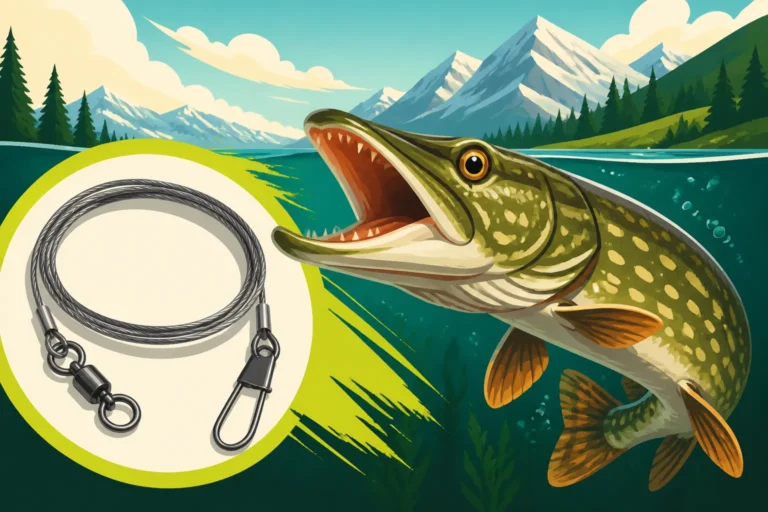
However, pike have very sharp teeth that can easily slice through braided line or monofilament. This makes a stout leader absolutely essential. A high-quality fluorocarbon leader (60-80 lb test) or a steel leader (wire or titanium) is a must-have. While fluorocarbon is less visible and can sometimes lead to more strikes, it's still susceptible to being cut by a pike's teeth, especially if the fish gets the lure deep. Steel leaders offer maximum protection against bite-offs, though some anglers believe they can occasionally deter finicky fish. For topwater, where the lure is already creating commotion, the slight visibility of a steel leader is often negligible compared to the protection it offers. Make sure your leader is long enough (12-18 inches) to prevent a pike from biting off your main line. You can find a variety of Best Leader for Pike Fishing options online or at your local tackle shop.
Common Challenges and Troubleshooting for Topwater Pike
Even with the perfect popper and setup, topwater pike fishing can present its share of challenges. Sometimes the pike are just not cooperating, or you're constantly battling snags. Knowing how to troubleshoot these common issues can turn a frustrating outing into a successful one, keeping those exciting surface strikes coming.
When Pike are Shy: Adjusting Your Approach
There will be days when pike follow your popper right up to the boat or shore but refuse to commit. This "short strike" or "looker" behavior is common and can be maddening. When this happens, it's a clear sign you need to adjust your retrieve.
First, try slowing down. Lengthen your pauses significantly, sometimes up to 10-15 seconds. This gives a hesitant pike more time to decide and can make the popper seem even more vulnerable. Second, try changing the intensity of your pops. If you've been using aggressive chugs, switch to softer, more subtle "blips." Conversely, if you've been subtle, try a louder, more erratic retrieve to trigger a reaction. Third, consider downsizing your popper slightly or changing its color to something more natural. Sometimes, a smaller, less intimidating presentation can seal the deal. Finally, don't be afraid to try a different type of topwater lure if poppers aren't cutting it. A walking bait, for instance, offers a different action that might appeal to those shy fish.
Dealing with Weeds and Snags
Popper fishing often takes you into heavy cover, which is precisely where pike love to ambush, but it also means dealing with weeds and snags. Nothing ruins the rhythm like constantly clearing your lure or getting hopelessly hung up.
To minimize snags, always try to cast to the edge of the cover, rather than into the densest parts. If you're fishing over submerged weeds, keep your rod tip high and use a slightly faster retrieve to keep the popper on the surface. When fishing near lily pads, aim for the pockets of open water or the very edge of the pads. If your popper does get snagged on a weed, a gentle twitch of the rod tip can often free it without pulling it out of the strike zone. Sometimes, a quick reel turn will pull the popper free, creating a splash that might even trigger a strike! Using single, inline hooks instead of treble hooks can also help reduce snagging, and they are easier on the fish during release. For more on tactical lure choices, see Best Lures for Northern Pike in Alberta.
Safe Handling and Release of Pike
Catching a pike on a topwater popper is exhilarating, but it's crucial to prioritize the fish's well-being for a successful release. Pike are resilient, but their sharp teeth and aggressive nature require careful handling. Always use a proper landing net with a rubberized mesh, which is much gentler on the fish's slime coat and fins than traditional nylon nets.
Once the fish is in the net, use a pair of long-nosed pliers to remove the hooks. A jaw spreader can be helpful if the fish has swallowed the lure deep, but use it carefully to avoid injury. Avoid holding the fish vertically by its jaw, as this can damage its spine. Instead, support its belly with one hand while gripping its lower jaw with the other, keeping it horizontal. If you plan to take a photo, do so quickly and get the fish back in the water as soon as possible. Gently hold the fish in the water, facing the current if present, until it vigorously swims away on its own. This ensures the best chance of survival, allowing you to enjoy future topwater battles. The more you practice proper catch and release, the healthier Alberta's pike populations will remain.
Popper Comparison for Pike Anglers
Here's a quick look at how different popper styles stack up for targeting northern pike:
| Popper Style | Typical Action | Ideal Conditions | Advantages | Disadvantages |
|---|---|---|---|---|
| Chugger Poppers | Aggressive "chug" and splash | Low light, choppy water, active pike | High commotion, loud, draws attention | Can be too aggressive for shy pike |
| Walk-the-Dog Poppers | Side-to-side gliding/darting | Calm water, clearer conditions, subtle | Erratic, natural swimming action, versatile | Less splash, requires more angler skill |
| Hybrid Poppers | Mix of chug, pop, and glide | Varying conditions, adaptable | Versatile, can mimic diverse prey | May not excel at one specific action as much |
| Propeller Poppers | Splash and gurgle from props | Heavy cover, weed pockets | Unique commotion, visual disturbance | Can foul in weeds, less durable props sometimes |
Disclaimer
This article is for general informational purposes only and does not constitute professional advice. Laws, prices and regulations vary by location and change over time. Consult a qualified professional for guidance on your specific situation.