Best Jigs for Alberta Pike
We've all been there: staring at a vast Alberta lake or river, convinced there's a monster pike lurking, but unsure which lure will entice it to strike. Northern Pike are famously aggressive, but they can also be surprisingly finicky, making lure selection a real headache. This guide is going to cut through the confusion and dive deep into the world of jigs, revealing why they're often the most versatile and effective tools in your tackle box for hooking those toothy giants across Alberta's diverse waters.
Why Jigs Are So Effective for Alberta Pike
When it comes to Northern Pike, there's a misconception that you always need big, flashy spoons or massive crankbaits to get their attention. While those certainly have their place, jigs offer a level of subtlety and versatility that often outshines other lures, especially when pike are pressured or in specific feeding moods. They allow you to control depth, speed, and action in a way that truly mimics natural prey.
Mimicking Prey and Versatility
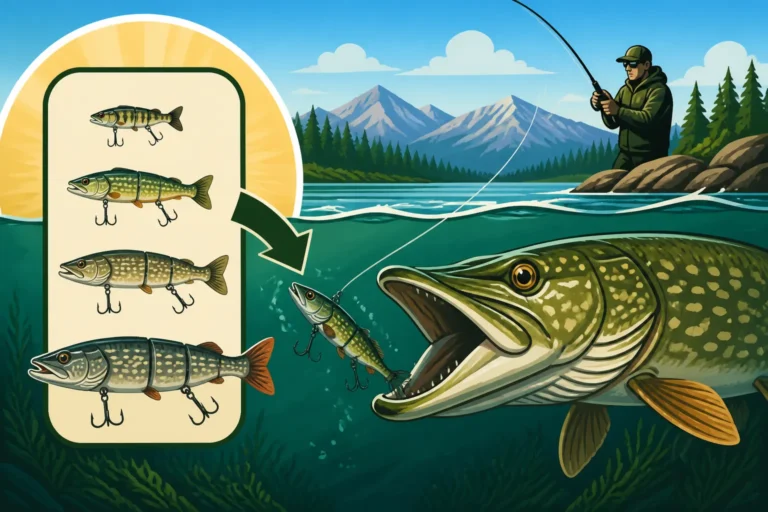
Pike are opportunistic predators, and their diet consists largely of baitfish, frogs, and even small mammals or birds if the opportunity arises. What makes jigs so potent is their incredible ability to imitate these food sources. A soft plastic paddle tail jig retrieved with a steady swim can look exactly like a distressed baitfish darting through the water column. A simple grub or tube jig, twitched along the bottom, can mimic a crayfish or a frog trying to hide amongst the weeds. The beauty is in the angler's control: you dictate the action, the speed, and the depth, making it incredibly adaptable to what the pike are keying in on that day. You can pause it, drop it, swim it, or hop it – each action sending a different signal to a hungry pike. This level of control is hard to achieve with other lure types, especially in varied conditions.
Furthermore, jigs are inherently versatile because of their two main components: the jig head and the trailer. You can mix and match these endlessly to create different profiles, weights, and actions. Want a heavier jig to get down to deep-holding pike quickly? Pair a heavy lead head with a slender profile soft plastic. Need a slow-falling, lifelike presentation for suspended fish? Opt for a lighter head and a bulky, buoyant plastic. This modularity means that with a relatively small selection of jig heads and various soft plastic or bucktail trailers, you can effectively cover almost any pike fishing scenario you're likely to encounter in Alberta. It’s like having a whole tackle box in just a few containers.
Targeting Pike in Diverse Habitats
Alberta's fishing landscape for pike is incredibly varied, from the vast expanses of Lesser Slave Lake to the weed-choked bays of Pigeon Lake, or the shallow rivers like the Peace River. Pike will inhabit all sorts of structures – weed lines, rocky drop-offs, submerged timber, open water baitfish schools, and even shallow muddy flats. The challenge for anglers is presenting a lure effectively in each of these distinct environments. This is where jigs truly shine.
For instance, if you're fishing dense weed beds, a weedless jig head paired with a soft plastic can be retrieved right through the cover where big pike ambush unsuspecting prey, minimizing snags that would plague a treble-hooked spoon or crankbait. When pike are holding tight to a sharp drop-off, a heavier jig can be vertically jigged or slowly dragged along the contour, staying in the strike zone longer. In open water, a swimming paddle tail jig can be cast and retrieved to cover vast areas, especially when you're targeting roaming fish. Even in moving water, like sections of the North Saskatchewan River, jigs can be drifted along current seams or fished around log jams with precision. This ability to adapt to so many different types of cover and structure makes jigs an indispensable part of any serious pike angler's arsenal. It's not just about what you're throwing, but how you can effectively get it to where the fish are hiding. Northern Pike Habits in Alberta Lakes are extremely varied, and jigs allow you to adapt to them all.
Decoding Different Types of Jigs for Pike
Navigating the world of jigs can feel a bit overwhelming given the sheer number of options. However, for targeting Alberta pike, we can break them down into a few key categories based on their design and how they're intended to be fished. Understanding these components is crucial to building an effective pike jig system in your tackle box.
Jig Heads: Weight, Shape, and Hook Size
The jig head is the foundation of your jig setup, dictating its weight, sink rate, and often its action. For pike, you're generally looking for robust jig heads that can withstand the aggressive strikes and powerful fights these fish deliver.
Weight is paramount. In shallower waters (2-8 feet), lighter jig heads from 1/4 oz to 1/2 oz are often sufficient to keep your lure in the strike zone without sinking too quickly. These are great for casting over weed flats or working shallow breaks. As you move into deeper water, say 8-20 feet or more, especially when targeting suspended fish or working along deep structure, you'll need to increase your weight to 3/4 oz, 1 oz, or even heavier (up to 1.5 oz or 2 oz) to ensure your jig gets down efficiently and maintains bottom contact if that's your goal. The specific weight also affects how quickly you can retrieve it – lighter jigs can be burned faster in the shallows, while heavier ones allow for a slower, more deliberate presentation in deep water.
Shape also plays a significant role. The classic round head jig is a universal performer, offering a natural fall and good stability in the water. For fishing through weeds or over rocky bottoms, a bullet-shaped or stand-up jig head can be advantageous, reducing snags and allowing the soft plastic trailer to "stand up" enticingly off the bottom. Some jig heads have unique designs, like those with flat bottoms, which are excellent for dragging or hopping along the bottom, creating a puff of sediment that can attract curious pike. You'll find a massive selection of these at reputable retailers like Bass Pro Shops.
Finally, hook size is critical. Pike have large, bony mouths and require strong, sharp hooks. Look for jig heads with heavy-gauge hooks, typically 3/0, 4/0, 5/0, or even 6/0, depending on the size of your soft plastic trailer and the size of pike you anticipate. A hook that is too small will result in missed strikes or straightened hooks, which is no fun when you've finally connected with a big one. The barb needs to be robust enough to hold up through head shakes and jumps.
Soft Plastic Trailers: Paddletails, Grubs, and Tubes
The soft plastic trailer is the "meat" of your jig, providing the visual appeal, vibration, and profile that convinces a pike to strike. The market is flooded with options, but a few styles consistently perform well for Alberta pike.
Paddletails are perhaps the most popular and versatile. These soft plastics feature a flat, boot-shaped tail that kicks and thumps as it's retrieved, creating irresistible vibration and movement. They perfectly mimic baitfish and are incredibly effective when retrieved with a steady swim, a stop-and-go retrieve, or even jigged vertically. Sizes ranging from 4-7 inches are ideal for pike, and common colors include natural baitfish patterns (perch, smelt), chartreuse, white, and firetiger. This type of jig is excellent for covering water and triggering reaction strikes from active pike.
Grubs are simpler in design, typically featuring a ribbed body and a curly or ribbon tail. They offer a more subtle, undulating action compared to paddletails. Grubs are fantastic for a slower retrieve, working along the bottom, or when pike are less aggressive and prefer a less frantic presentation. They can also be effective when fish are suspended, presenting a smaller, more compact profile. Look for grubs in 4-6 inch sizes, again in natural and bright colors, to imitate anything from leeches to smaller baitfish.
Tube jigs are hollow, cylindrical soft plastics with tentacle-like tails that flare out in the water. Their unique design creates a spiraling, gliding action on the fall, which can be incredibly enticing to pike, especially in clearer waters. Tube jigs excel when fished with a lift-and-drop presentation or dragged along the bottom, where their tentacles mimic a distressed creature. They are particularly effective in colder water or when pike are deeper and need a more nuanced presentation. Sizes around 3.5-5 inches are typically good for pike, often in white, black, or natural patterns. Using a sturdy leader is key when fishing these toothy critters, as discussed in Best Leader for Pike Fishing.
Bucktail and Marabou Jigs: Old School Effectiveness
While soft plastics dominate the modern jig market, traditional bucktail and marabou jigs are tried-and-true pike killers that should never be underestimated. These natural fiber jigs offer a unique action and profile that often outperforms plastics, especially in certain conditions.
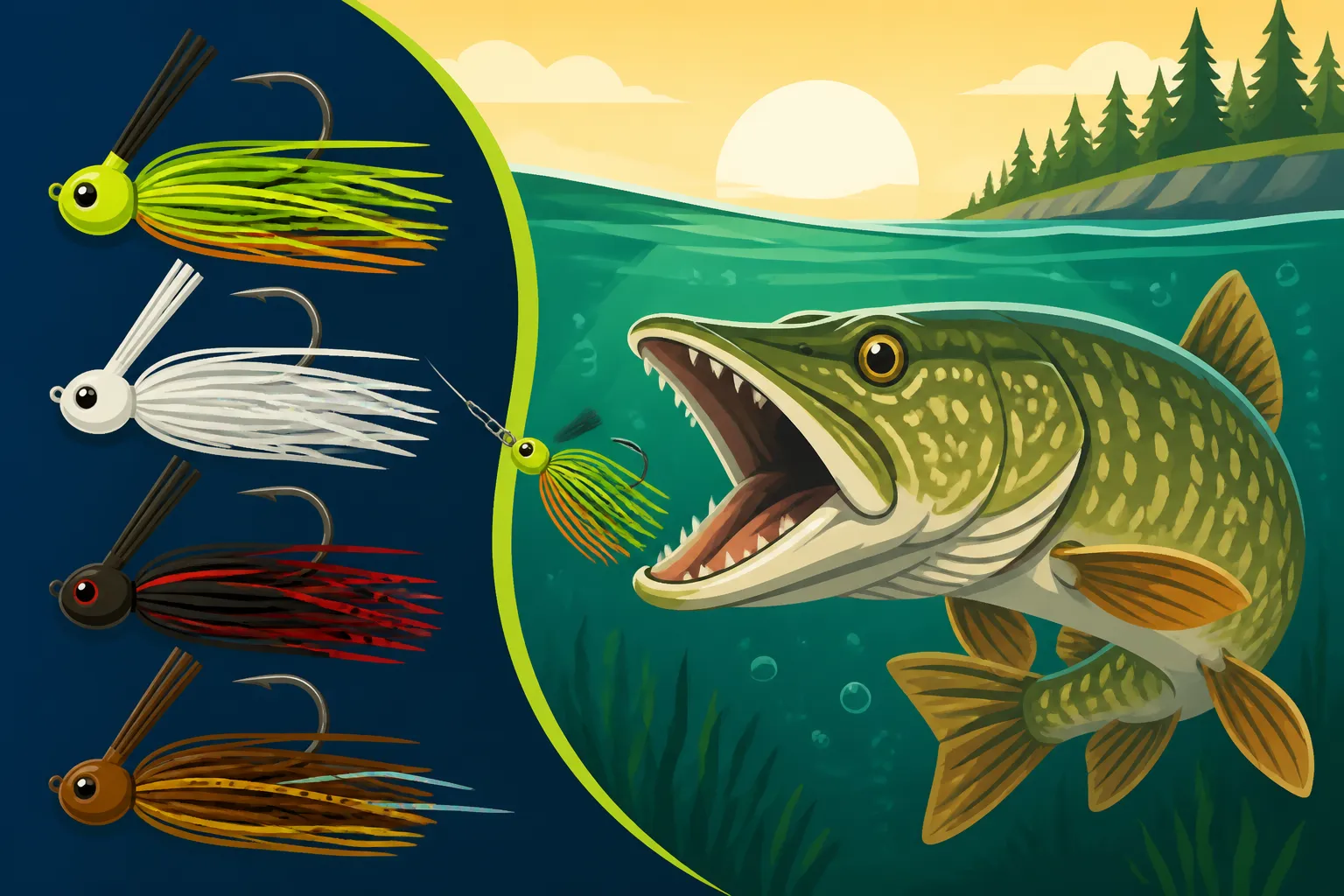
Bucktail jigs are made from deer hair tied onto a jig head. The stiff, hollow hairs "breathe" and pulse in the water, even with minimal movement, creating a lifelike profile that perfectly imitates fleeing baitfish. They sink relatively quickly and can be worked aggressively or with subtle twitches. Bucktails are incredibly durable and often outlast multiple soft plastic trailers. They are particularly effective when pike are feeding on larger baitfish or when you need a lure that moves a lot of water without being overly bulky. Colors like white, black, chartreuse, and combinations thereof are classics. The key is finding one with plenty of hair that flares well in the water.
Marabou jigs use soft, wispy marabou feathers, which offer an even more subtle and fluid action than bucktail. Marabou pulsates and expands beautifully in the water, creating a larger profile on the retrieve and a slow, tantalizing collapse on the pause. This makes them exceptional for cooler water, pressured fish, or when you need a very slow, natural presentation. They are excellent for vertical jigging or slow-rolling along contours. While perhaps not as snag-resistant as some bucktails, their alluring action can be irresistible. Common colors mirror bucktails, with white, black, yellow, and olive being popular choices. These classic jigs are sometimes harder to find in big box stores but can often be found at smaller, independent tackle shops or online at places like Amazon.
Seasonal Strategies: Matching Jigs to Alberta's Pike Seasons
Northern Pike behavior, and consequently the most effective jig presentations, changes dramatically with the seasons in Alberta. Understanding these seasonal shifts is key to consistently hooking these powerful predators. From the moment the ice breaks to the depths of winter, jigs can be adapted to almost any situation.
Spring Pike: Shallow Water Aggression
As Alberta thaws and ice-out occurs, pike begin to move into shallower waters for their spawning rituals. Post-spawn, they are often hungry and aggressive, seeking to replenish energy. This is a prime time for jig fishing, as pike will readily ambush baitfish in the warming shallows.
During early spring, focus your efforts on northern bays, shallow flats, and areas with emergent vegetation. These spots warm up faster and attract baitfish, making them ideal ambush points. Lighter jig heads (1/4 to 1/2 oz) paired with soft plastic paddletails (4-6 inches) in natural baitfish colors or bright options like chartreuse and white are incredibly effective. A slow, steady retrieve with occasional pauses is often all it takes. Think about mimicking a sluggish baitfish that has just come out of winter dormancy. You can also try a "snap jigging" retrieve, where you sharply lift the rod tip to make the jig dart, then let it fall on a semi-slack line. Pike will often hit on the fall. Don't be afraid to experiment with slightly larger profiles too, as a hungry pike won't pass up an easy meal. Best Techniques for Early Spring Pike will give you even more insights into this exciting season.
Summer Pike: Deeper Structure and Weeds
As summer progresses and water temperatures rise, pike in many Alberta lakes will often move to deeper, cooler water or relate tightly to dense weed lines and other oxygen-rich cover. This transition requires a change in your jigging strategy.
For pike holding in deeper water (8-20+ feet), especially on large lakes like Cold Lake or Lesser Slave Lake, you'll need heavier jig heads (3/4 oz to 1.5 oz) to reach them efficiently. Vertical jigging directly over submerged humps, rocky points, or along deep weed edges becomes very effective. Big soft plastic paddletails (6-8 inches) or large bucktail jigs in natural perch or smelt patterns are excellent choices. Look for areas where deep water meets shallow structure. When pike are tucked into thick weed beds in shallower bays, switch to a weedless jig head or one with a stout brush guard. Texas-rigging a grub or creature bait on a heavy EWG hook with a bullet weight pegged to the line can also work wonders. Swim these rigs slowly through the lanes and pockets in the vegetation, or let them fall into open holes. Summer pike can be particular, so subtle twitches and pauses are often more productive than a fast, frantic retrieve. This is often the time when big, trophy pike are caught.
Fall Pike: Feeding Frenzy and Preparation
Fall is often considered one of the best times to target large Northern Pike in Alberta. As water temperatures cool, pike become extremely active, feeding heavily to build up reserves for the coming winter. They often move shallower again, but with a different intensity than spring.
During the fall, pike will aggressively chase down bait. This means you can often use larger jigs and a more aggressive retrieve. Think 1 oz jig heads with 6-8 inch paddletails, or substantial bucktail jigs. Focus on areas where baitfish are schooling up, such as points, humps, and the edges of expansive weed beds that are still healthy. Pike will patrol these areas relentlessly. A powerful cast and retrieve, often incorporating a "rip-jigging" motion (sharp upward rips followed by a controlled fall), can trigger violent strikes. Don't be afraid of bright, attention-grabbing colors like firetiger or chartreuse, especially in stained water. This is the season to really capitalize on pike's predatory instincts. Best Techniques for Fall Trout Fishing can also give you some transferable insights into fall fishing intensity, even if for a different species.
Ice Fishing Pike: Vertical Presentation
Even through the ice, jigs remain highly effective for Northern Pike in Alberta. Ice fishing for pike requires a somewhat different approach, focusing on vertical presentation and patient hole-hopping.
For ice fishing pike, heavier jigging spoons (often considered a type of jig) and weighty soft plastic jigs (1/2 to 1 oz) are the way to go. Look for soft plastics that have good movement even with minimal jigging, like a curly tail grub or a large tube jig. Often, these are tipped with a piece of natural bait like a minnow head or a smelt for added scent and appeal. Fish over deeper weed beds, submerged structures, and transition areas where pike will cruise for food. A common technique involves lowering your jig to the desired depth (often just above the weeds or structure) and then lifting and dropping it with varying intensity. Pay close attention to your fish finder; pike will often come in quickly to investigate. Sometimes a subtle quiver is all it takes, other times a more aggressive series of rips is needed to draw them in. Ensure you have a wide enough hole to land a big pike and a sturdy leader to handle their teeth!
Essential Rigging and Presentation Tips for Pike Jigs
Landing a monster pike on a jig isn't just about choosing the right lure; it's also about how you rig and present it. These crucial details can make the difference between a frustrating day of missed strikes and a triumphant day on the water.
The Importance of a Good Leader
This cannot be stressed enough: Northern Pike have razor-sharp teeth that will absolutely shred standard monofilament or fluorocarbon line. Fishing for pike without a bite leader is a recipe for losing jigs and, more importantly, losing fish. Your main line can be braided line, which offers incredible strength and sensitivity, but it must be connected to a robust leader material. Best Braided Line for Pike Fishing provides more detail on ideal main lines.
There are primarily two types of leaders commonly used for pike:
- Steel or Titanium Leaders: These are virtually bite-proof and come in various strengths and lengths. Steel leaders are very common and reliable. Titanium leaders are more expensive but offer better flexibility and are kink-resistant, meaning they last longer. For jigs, leaders between 6-12 inches are typically sufficient. They prevent the pike from biting through your line when it inhales the jig. You can buy pre-made leaders with swivels and snaps, which are incredibly convenient, or tie your own.
- Heavy Fluorocarbon Leaders: While not completely bite-proof like metal, heavy fluorocarbon (50-80 lb test) offers a significant advantage in clear water because it's nearly invisible. It's more abrasion-resistant than mono and often stiff enough to resist tangles around the jig. The key here is heavy fluorocarbon; anything less than 50 lb test is likely to be cut. It's a good choice when fishing pressured fish in clear water where a metal leader might spook them. However, always check your leader for nicks and abrasions after every fish and replace it if compromised. Best Leader for Pike Fishing offers a deep dive into this critical piece of gear.
Always attach your leader to your main line with a strong knot like a uni-to-uni or a double uni knot, or use a high-quality swivel if you're experiencing line twist. To the jig itself, you can tie directly to the jig eye if the leader is flexible enough, or use a small, strong snap to allow for quick lure changes.
Retrieval Techniques: From Snap Jigs to Slow Rolling
How you retrieve your jig is just as important as the jig itself. Pike respond to a variety of actions, and knowing when to use which technique will significantly increase your success rate.
- The Swim (Steady Retrieve): This is perhaps the most straightforward and effective technique for paddletail jigs. Simply cast out and reel steadily, allowing the paddletail to kick and vibrate. Vary your retrieve speed until you find what the pike prefer. This is great for covering water and targeting active fish.
- Lift and Drop (Bounce or Hop): This technique involves lifting your rod tip sharply (6-12 inches), letting the jig dart upwards, then lowering the rod tip to allow the jig to fall back towards the bottom on a semi-slack line. Pike often strike as the jig is falling. This works well with almost all jig types and is particularly effective when pike are hugging the bottom or suspended just above structure.
- Slow Rolling: Similar to a steady retrieve, but much slower, keeping the jig just above or ticking the bottom. This is ideal for grubs, tube jigs, and bucktails, especially in colder water or when fish are lethargic. The subtle movement is often enough to entice a strike without overworking the lure.
- Snap Jigging (Rip Jigging): A more aggressive version of the lift-and-drop. Cast out, let the jig sink, and then sharply rip the rod tip upwards (1-3 feet) to make the jig jump dramatically, then let it fall. This creates a powerful flash and disturbance, triggering reaction strikes from aggressive pike, especially in fall or early spring.
- Dragging: For soft plastic creatures or tube jigs, simply cast out, let it sink to the bottom, and then slowly drag it back with your rod tip, occasionally pausing or giving it a slight twitch. This mimics a bottom-dwelling critter and can be deadly around rocky areas or subtle structure.
Choosing the Right Rod and Line
Your rod and line setup needs to be matched to the demands of pike fishing with jigs. You're dealing with powerful fish, sometimes heavy lures, and often dense cover.
For rods, a medium-heavy to heavy power spinning or baitcasting rod, typically 6'6" to 7'6" in length, is ideal.
- Spinning rods (medium-heavy, fast action) are excellent for lighter jigs (1/4 – 3/4 oz) and for making long casts with lighter presentations. They offer good sensitivity for detecting subtle bites.
- Baitcasting rods (heavy power, fast action) are generally preferred for heavier jigs (3/4 oz and up) and for fishing in heavy cover. The power allows you to set the hook firmly and muscle big fish out of thick weeds or timber. The fast action tip provides sensitivity while maintaining backbone. Check out Best Spinning Rods for Walleye (which often crossover for pike) for some excellent rod choice guidance.
When it comes to line, braided line is almost universally recommended for jig fishing for pike.
- Braided line (20-50 lb test) offers superior strength for its diameter, incredible sensitivity (allowing you to feel the slightest tap), and no stretch, which means powerful hook sets. Its buoyancy can also help jigs fall more slowly and naturally.
- Fluorocarbon (12-20 lb test) can be used as a main line in extremely clear water, but its stretch can hinder hook sets with jigs, and it's less abrasion-resistant than braid when it comes to pike teeth (hence the need for a separate heavy leader). For pure jigging, braid is the clear winner as a main line.
Equipping yourself with the right rod, reel, and line, combined with a proper leader, will give you the confidence and capability to tackle any Alberta pike that decides to test your jig.
Must-Have Jigs for Your Alberta Pike Tackle Box
Building a diverse jig collection for Alberta pike doesn't mean you need every single jig on the market. Instead, focus on a few reliable staples that cover a wide range of conditions and then add some specialty options for those tricky days. Think about what a store like Bass Pro Shops or even online at Amazon would stock in their pike sections and build from there.
All-Rounder Picks for Most Scenarios
When you're heading out to any of Alberta's fantastic pike waters, from the smaller lakes to the larger systems like Lesser Slave Lake, having a few go-to jig setups will ensure you're ready for anything.
- 1/2 to 3/4 oz Round Head Jig with 5-6 inch Paddletail: This is your bread and butter. The round head is versatile, and the paddletail offers that irresistible swimming action.
- Colors: White (for general baitfish imitation), Chartreuse (for stained water or aggressive fish), and a natural Perch or Smelt pattern.
- Why it works: This combination mimics a wide variety of baitfish, can be retrieved with a steady swim, a lift-and-drop, or even slow-rolled. It’s effective in a wide range of depths, from shallow weed lines to moderate drop-offs. It's truly a universal pike catcher.
- Scenario: Casting along weed edges in summer, prospecting shallow bays in spring or fall, or working points where pike are actively cruising.
- 3/8 to 1/2 oz Bucktail Jig: Don't underestimate the classics. A good quality bucktail jig with plenty of hair has an amazing pulsing action that soft plastics sometimes can't replicate.
- Colors: White, Black (especially effective in clear water or low light), and Yellow.
- Why it works: The natural hair gives a very lifelike appearance and movement, even with minimal angler input. It's durable, sinks well, and can be worked effectively with various jigging motions or a simple retrieve. It often excels when pike are keying in on slimmer baitfish.
- Scenario: Fishing river currents, targeting wary pike in clear lakes, or when fish are less aggressive and a subtle, natural presentation is needed.
These two styles, with a few color and size variations, will form the backbone of your pike jig arsenal and account for a significant portion of your catches.
Specialty Jigs for Tricky Conditions
Even with solid all-rounders, there will be days when pike are finicky, or the conditions are challenging. This is when specialty jigs truly shine, giving you an edge when the bite is tough.
- Weedless Jig Heads with Creature Baits or Grubs: When you're fishing dense, snag-filled cover like lily pads, thick coontail, or submerged brush, standard jigs with exposed hooks will just get hung up.
- Jig Head: Look for weedless designs with brush guards or use a weighted EWG (Extra Wide Gap) hook in a Texas Rig style.
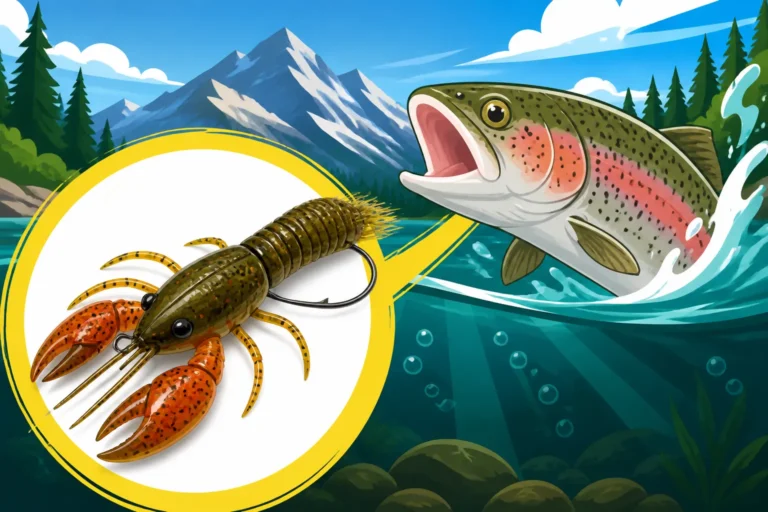
- Trailers: Soft plastic grubs (4-5 inches) or creature baits (impersonating crayfish or frogs) work well.
- Why it works: These setups allow you to fish right in the thickest cover where big pike lurk, without constantly snagging. The presentation is usually slower and more deliberate, enticing pike that are tucked deep into cover.
- Scenario: Working through heavy weed mats in shallow bays, fishing around fallen trees, or targeting pike in dense shoreline cover.
- Heavy Jig Head (1 oz+) with Large (7-9 inch) Paddletail or Swimbait: For targeting bigger pike in deeper water or when you want to make a statement, upsizing your jig can be incredibly effective.
- Jig Head: Heavy, stout jig heads are essential to get these larger profiles down and ensure a strong hook set.
- Trailers: Bigger paddletails or swimbait-style soft plastics.
- Why it works: A larger profile represents a significant meal, which can be irresistible to bigger, more predatory pike. The heavier weight gets you into deeper strike zones quickly, and the large paddletail creates a strong thumping vibration that can call fish from a distance.
- Scenario: Vertical jigging over deep structure, casting into open water for suspended trophy pike, or when chasing those Northern Pike Growth Rate to Trophy Size fish in fall.
- Tube Jigs (3.5-5 inch) with Internal Jig Head: The unique spiral fall and subtle tentacle action of tube jigs can be incredibly effective, especially in clearer water or for hesitant fish.
- Jig Head: Internal tube jigs or specific tube jig heads that fit inside the plastic.
- Colors: White, black, natural patterns like smoke or watermelon.
- Why it works: The slow, undulating fall and subtle action are very natural and can fool wary pike. The soft plastic texture feels realistic, encouraging fish to hold on longer.
- Scenario: Slow-fishing clear water lakes, vertical jigging through the ice, or when pike are shut down and require a finesse approach.
By having a mix of these all-rounders and specialty jigs, you'll be well-prepared for whatever Alberta's diverse pike fishing conditions throw at you. Remember to stock up on a few different colors and sizes to match varying water clarity and baitfish profiles.
Here's a quick reference table to help visualize these jig choices:
| Jig Type & Size | Ideal Season | Water Depth & Cover | Retrieval Style | Why it's Effective |
|---|---|---|---|---|
| 1/2 oz Paddletail (5-6") | Spring, Summer, Fall | Shallow to Mid-Depth Weeds/Open | Steady Swim, Lift & Drop | Versatile baitfish imitation, good vibration. |
| 3/8 oz Bucktail Jig | All Seasons | Clear Water, Currents, Structure | Slow Roll, Twitch, Snap | Natural pulsing action, durable, subtle. |
| Weedless Grub/Creature (4-5") | Summer, Fall | Heavy Weeds, Timber, Snags | Slow Drag, Hop, Texas Rig | Minimizes snags, targets pike in dense cover. |
| 1 oz+ Large Paddletail (7-9") | Summer, Fall | Deep Structure, Open Water | Rip Jig, Vertical Jigging | Big profile for trophy pike, strong vibration, deep. |
| Tube Jig (3.5-5") with Internal Head | All Seasons, Ice | Clear Water, Suspended Fish | Lift & Drop, Slow Glide | Unique spiraling fall, subtle tentacle action. |
Disclaimer
This article is for general informational purposes only and does not constitute professional advice. Laws, prices and regulations vary by location and change over time. Consult a qualified professional for guidance on your specific situation.