Best Gear for Bow River Fly Fishing
Oh, the Bow River! It's one of those places that calls to your soul if you love fly fishing. But let's be honest, stepping onto its legendary banks for the first time can feel a little overwhelming, especially when you start looking at all the gear. You might find yourself staring at rows of rods, reels, and tiny flies, wondering what on earth you actually need to tackle this incredible fishery. Don't worry, friend, this guide is here to cut through the confusion and walk you through the essential gear that will set you up for success and make your Bow River fly fishing adventure truly unforgettable.
The Foundation: Rod, Reel, and Line Selection for the Bow
Getting the right rod, reel, and line combination is like building a sturdy house – you need a solid foundation. On the Bow River, where you might encounter anything from a feisty 16-inch rainbow to a monstrous 25-inch brown trout, your setup needs to be versatile, powerful, and reliable. It’s not just about casting pretty loops; it's about fighting strong fish in often swift currents and handling the sometimes unpredictable Alberta wind.
Choosing Your Fly Rod: Power and Length for the Bow
For most situations on the Bow River, a 9-foot, 6-weight fly rod is widely considered the sweet spot. Why 9 feet? That extra length really helps with line control, especially when you're mending line to get a drag-free drift with a dry fly or when you're trying to keep multiple nymphs in the strike zone. The 6-weight designation provides enough backbone to cast larger indicator nymph rigs, handle streamers, and, crucially, land those surprisingly strong Bow River trout without overplaying them. While a 5-weight can be a joy for smaller dries, it might feel underpowered when you hook into a hefty brown in a strong current, making the fight longer and potentially more stressful for the fish. Conversely, a 7-weight might be overkill for general use, though some anglers prefer it for throwing big streamers or in extremely windy conditions.
When it comes to rod action, you'll generally find fast-action rods to be popular on the Bow. These rods are stiffer and recover quickly, which translates to more power for casting heavy rigs and punching through the wind that frequently sweeps across the river valley. However, a moderate-fast action rod can be more forgiving for beginners, offering a bit more feel and making delicate dry fly presentations a little easier. Ultimately, the best rod for you will feel comfortable in your hand and allow you to make accurate casts. Don't be afraid to try a few different options at your local fly shop before making a commitment, or read reviews from fellow anglers who fish similar waters to the Bow. You'll find a fantastic selection of reputable brands like Orvis, Sage, and Redington, whether you're shopping at a specialty store or browsing the extensive range at Bass Pro Shops. For an even deeper dive into rod choices, check out Best Fly Rods for the Bow River.
Matching Your Fly Reel: Balance and Drag
Your fly reel on the Bow River isn't just a line holder; it's an essential tool, especially when you hook into a trophy fish that decides to make a run for it. The primary job of your reel is to have a smooth, consistent drag system that applies just enough pressure to tire out a fish without breaking your tippet. Many modern reels feature disc drags, which are generally very reliable. You'll want a reel that's appropriately sized for your 9-foot, 6-weight rod, ensuring the entire setup feels balanced in your hand. An unbalanced setup can lead to casting fatigue and make accurate presentations more difficult.
Look for a reel with a large arbor design. Large arbor reels have a larger diameter spool, which means they retrieve line faster (great for keeping up with a running fish) and reduce line memory, preventing those annoying coils that can snag your guides. While capacity isn't typically an issue for trout fishing, ensure your reel can comfortably hold your chosen fly line plus at least 50-75 yards of backing. A quality reel is an investment, but it's one that will serve you well for years and can be transferred to other rods of similar weight. It’s worth the peace of mind knowing your gear won't fail when that fish of a lifetime takes your fly.
Fly Line Choices: Weight Forward, Nymphing, and Specialty Lines
The fly line is the engine of your fly fishing system; it's what carries your fly to the target. For general Bow River fishing, a weight-forward (WF) floating line is the absolute workhorse. These lines have a heavier, tapered section at the front, which helps load the rod quickly and punch through the wind, making casting easier and more efficient. A standard WF floating line in a 6-weight will be perfect for most dry fly, nymphing, and even smaller streamer applications.
However, the Bow's incredible subsurface fishery often demands specialized lines. If you find yourself primarily nymphing with heavy indicator rigs, a nymph-specific line or an indicator line might be beneficial. These lines often have a slightly different taper that helps turn over heavy rigs more easily and may have an extra-long front taper to allow for larger, more visible indicators. Another option for deep nymphing or streamer fishing is a sinking tip line. These lines have a floating main body with a specific length of sinking line at the tip, allowing your flies to get down to depth quickly. Having a spare spool with a different type of line can drastically increase your versatility on the water. When buying lines, consider brands known for durability and casting performance. You can often find great deals and a wide selection of these specialized lines from various manufacturers online through retailers like Amazon.
Essential Terminal Tackle: Leaders, Tippets, and Indicators
Once you have your rod, reel, and line sorted, it's time to focus on the connection between your fly line and your fly – your terminal tackle. This often-overlooked segment of your setup is absolutely critical for success on the Bow River, where trout can be incredibly discerning. The right leader and tippet ensure proper fly presentation, while a well-chosen indicator helps you detect those subtle subsurface bites.
Leaders for Various Techniques
A leader is the clear, tapered section of monofilament or fluorocarbon that connects your fly line to your tippet. Its primary job is to provide a seamless transition from the thicker fly line to the thin tippet, allowing your fly to land naturally without "splashing down." For general dry fly and shallow nymphing on the Bow, a standard 9-foot tapered leader, typically in 3X or 4X, is a great starting point. The taper helps with delicate presentations and ensures your fly turns over properly.
However, if you're dedicated to Euro Nymphing, which is a highly effective technique on the Bow River for getting nymphs into the strike zone quickly and precisely, you might opt for a longer, level line leader or a specialized Euro Nymphing leader. These are often much longer (10-20 feet) and designed to transmit subtle takes directly to your hand rather than relying on an indicator. Fluorocarbon leaders are also an excellent choice, especially for nymphing or streamer fishing, as fluorocarbon is nearly invisible underwater and sinks faster than monofilament. It’s also much more abrasion resistant, which is a huge plus when fishing around rocky bottoms. Having a variety of leaders in your vest will allow you to quickly adapt to changing conditions or techniques throughout your fishing day.
Tippet Material and Sizes
Tippet is the final, thinnest section of line that you tie your fly onto, extending from the end of your leader. It's consumable, so you'll go through a lot of it! On the Bow, where the water can often be crystal clear, stealth is key, meaning using the right tippet size is paramount. For most dry fly situations, 4X or 5X tippet is common. 4X offers a good balance of strength and finesse for larger dries, while 5X is perfect for smaller, more delicate patterns. When nymphing, you might often step up to 3X or even 2X, especially if you're fishing heavier flies or in faster currents, to prevent break-offs from stronger takes or snags.
Like leaders, tippet comes in both monofilament and fluorocarbon. Monofilament is typically more supple and floats better, making it ideal for dry flies where you want the fly to drift naturally on the surface. Fluorocarbon, on the other hand, sinks and is far less visible underwater due to its refractive index being close to that of water, making it the preferred choice for nymphing and streamer fishing. It also has superior abrasion resistance, which is a huge bonus when your flies are bouncing along the rocky riverbed. Always match your tippet size to your fly size; a good rule of thumb is that your tippet "X" rating should roughly correspond to the inverse of your fly size (e.g., a size 16 fly often pairs well with 4X tippet, while a size 20 might need 5X or 6X). Keeping a spool of 3X, 4X, and 5X fluorocarbon and 4X and 5X monofilament is a good habit for any Bow River angler.
Strike Indicators and Split Shot
When you’re fishing nymphs, a strike indicator is your best friend. It’s essentially a small float that attaches to your leader and signals when a fish takes your subsurface fly. Without it, you’d miss countless subtle bites. There's a wide array of indicators available, from buoyant yarn indicators that are highly sensitive and easy to adjust, to foam indicators that offer great buoyancy for heavier rigs, and even those subtle, clear indicators that fish are less likely to spook from. The choice often comes down to personal preference and the conditions you're fishing. For heavy nymphing rigs or in turbulent water, larger foam indicators might be necessary for visibility, while smaller, more subtle indicators are better for clear, slower pools.
Alongside your indicators, split shot is indispensable for getting your nymphs down to the fish quickly and keeping them in the strike zone. Trout typically feed close to the bottom, so adding a few small split shot weights (often removed from their dispenser with a tool, as they can be hard to grip with cold fingers) can make all the difference. It's a delicate balance: enough weight to get down, but not so much that your rig constantly snags the bottom. Always start with less and add more if needed, positioning them a foot or two above your lead fly. Proper indicator and split shot placement, combined with good mending techniques, will significantly increase your hook-up rates when Euro Nymphing the Bow River.
Fly Patterns for the Bow River's Diverse Hatches
The Bow River is renowned for its prolific insect hatches, which in turn support a thriving population of large, healthy trout. Having the right flies in your box is like having the right tools for a specific job – it makes all the difference. While the river can sometimes be challenging, a well-stocked fly box that covers the primary food sources of Bow River trout will put you in a prime position for success.
Dry Flies: Imitating Surface Insects
Few things in fly fishing are as thrilling as watching a large trout rise to sip your dry fly from the surface. The Bow River sees strong hatches of various insects, making dry fly fishing a highly effective and exciting method, especially during the warmer months. Caddisflies are a staple, with their erratic egg-laying flights often bringing fish to the surface. Classic patterns like the Elk Hair Caddis in sizes 12-16 are essential. Mayflies, particularly the Pale Morning Dun (PMD) and Blue Winged Olive (BWO) hatches, can provide incredible dry fly action. Stock up on Parachute Adams, PMD Comparaduns, and small BWO patterns (sizes 16-22). Stoneflies, while not as prevalent in continuous hatches, are significant food sources, especially large golden stones and chernobyl ants, which are fantastic terrestrial imitations during summer.
Remember, trout on the Bow can be incredibly selective, often keying in on a specific size or color during a hatch. Observing the natural insects on the water (or in the air) is crucial. A good pair of polarized sunglasses will help you spot rising fish and identify the naturals. Don't forget your terrestrials like hoppers, ants, and beetles for late summer fishing when natural hatches might be sparser. These patterns are often what trigger the biggest trout to come up for a meal. For a comprehensive look at what to tie on, be sure to consult Fly Patterns for the Bow River.
Nymphs: Subsurface Staples
While the dry fly action gets all the glory, nymphs are undoubtedly the primary food source for Bow River trout throughout the year. They spend most of their lives underwater, and trout are constantly feeding on them. Therefore, a robust selection of nymphs is absolutely non-negotiable for consistent success. You’ll want a variety of patterns that imitate the aquatic insects found in the Bow. Classic mayfly nymphs like the Pheasant Tail and Hare's Ear Nymph in sizes 14-20 are always producers. Stonefly nymphs, especially the larger variety, are crucial, particularly in spring and fall – consider patterns like Pat's Rubber Legs or Kaufmann Stone in sizes 8-14.
Don't overlook patterns that imitate other key food items. Scuds (freshwater shrimp) are abundant in the Bow's weed beds, making various scud patterns in olive, grey, and tan (sizes 14-18) highly effective. The San Juan Worm, while not imitating a natural insect, is a proven fish catcher, especially after rain events or when trout are being particularly picky. Having a range of sizes and weights (beaded vs. unweighted) for each pattern allows you to adjust to different water depths and current speeds. The deeper the water or faster the current, the heavier your nymph needs to be to get into the feeding lane.
Streamers: Hunting for Bigger Fish
If you're looking to target the largest predatory brown and rainbow trout in the Bow River, streamers are your weapon of choice. These patterns imitate baitfish, leeches, or sculpins, and they often trigger an aggressive, territorial strike from bigger fish that aren't interested in delicately sipping a tiny dry fly. Streamer fishing is a more active, hunt-and-retrieve style of fishing that can be incredibly rewarding.
Essential streamer patterns for the Bow include the ubiquitous Woolly Bugger (black, olive, brown, white – in various sizes, often weighted). Clouser Minnows in olive/white or black/white are also highly effective, mimicking fleeing baitfish. Other patterns like Sculpzillas or Sex Dungeons, which imitate bottom-dwelling sculpins, can be deadly when fished close to the riverbed. When streamer fishing, varying your retrieve is key. Experiment with slow, steady strips, quick jerks, or even dead-drifting them through likely holding water. Streamers are particularly effective in lower light conditions, during overcast days, or when the water is slightly off-colour. They can also be fantastic during the fall, when larger trout are getting aggressive before the spawn.
Wading Gear: Staying Safe and Comfortable in the Cold Bow Waters
The Bow River, especially the productive sections near Calgary, is known for its relatively shallow, wadeable areas, but don't let that fool you. The water is consistently cold, even in summer, due to its glacial origins. Good wading gear isn't just about comfort; it's a critical safety component that can make or break your fishing day. Getting cold or falling due to poor footing can quickly turn an enjoyable outing into a miserable, or even dangerous, experience.
Waders: Breathable Comfort vs. Neoprene Warmth
For 99% of your Bow River fly fishing, a good pair of breathable chest waders is the way to go. Neoprene waders, while incredibly warm, are simply too hot and cumbersome for active fishing, especially with the amount of walking you'll do to access different runs and pools. Breathable waders, typically made from Gore-Tex or similar proprietary fabrics, allow perspiration to escape while preventing water from entering. This keeps you dry and comfortable throughout the day, whether you're battling the summer sun or facing a brisk autumn breeze.
When choosing waders, pay close attention to fit. They should be loose enough to allow for layering in colder weather and full range of motion, but not so baggy that they become a tripping hazard or create excessive drag in the current. Look for features like reinforced knees and seat, which add durability, especially if you plan on kneeling or sitting on rocky banks. Integrated gravel guards are also a must, preventing small stones and debris from entering your wading boots. Brands like Simms and Orvis are highly regarded for their quality and durability, and many excellent options are available at various price points, often found at reputable outdoor retailers. Finding the right pair of waders will make your long days on the water infinitely more enjoyable. If you want more in-depth advice, check out Best Waders for Alberta Trout Rivers.
Wading Boots: Grip and Ankle Support
Wading the Bow River can be challenging due to its often slippery, rocky, and uneven bottom. A good pair of wading boots with excellent grip and ankle support is paramount for your safety and confidence. You'll be navigating everything from smooth, algae-covered rocks to jagged boulders, and a slip can lead to a nasty fall or even a lost rod.
Wading boots typically come with either felt soles or rubber soles. Felt soles traditionally offer superior grip on slick, wet rocks, but they can be problematic. Some jurisdictions have banned felt soles due to their propensity to transport invasive species (though Alberta has its own specific regulations to check). Rubber soles, especially those with aggressive tread patterns or studded designs, have come a long way and now offer excellent traction. Many anglers opt for rubber soles and then add screw-in studs or cleats for extra grip on particularly treacherous sections. Regardless of the sole material, prioritize boots that provide robust ankle support. This is crucial for stability on uneven terrain and helps prevent twists and sprains. Make sure to try on boots with your waders on, and ideally, a pair of thick wading socks, to ensure a comfortable and secure fit.
Wading Staffs and Safety Essentials
Even with the best wading boots, a wading staff is an invaluable tool for navigating the Bow River, particularly in unfamiliar or fast-moving sections. It provides a crucial third point of contact with the riverbed, significantly enhancing your stability and helping you probe depths before committing your weight. A foldable, collapsible wading staff that can be easily attached to your vest or pack is ideal. It should be strong enough to support your weight and have a comfortable grip. Many experienced anglers wouldn't consider stepping into the Bow without one, especially if venturing into deeper or swifter currents.
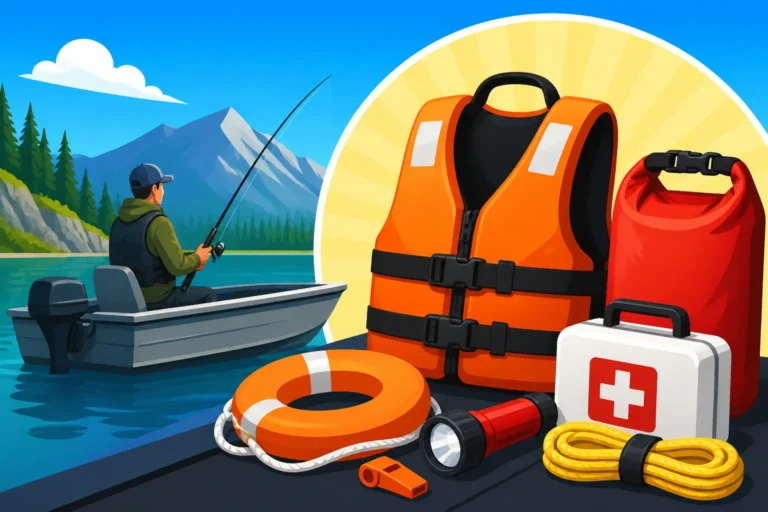
Beyond a wading staff, consider other safety essentials. If you're going to be floating the river in a drift boat or even wading in deeper sections where a fall could be serious, wearing a PFD (Personal Flotation Device) is a smart choice. A small first-aid kit, a whistle, and a way to communicate (like a fully charged phone in a waterproof case) are also important. The Bow River can be powerful, and currents can be stronger than they appear. Always err on the side of caution, especially when fishing alone or in remote areas. Knowing your limits and being prepared for unexpected situations is part of being a responsible angler.
Accessories and Tools for the Savvy Angler
Beyond the big-ticket items like rods and waders, a collection of smaller accessories and tools can dramatically improve your efficiency, comfort, and success on the Bow River. These are the items that streamline your fishing experience, making tasks easier and ensuring you're prepared for whatever the river throws your way.
Vests, Packs, and Storage
How you carry your gear can make a huge difference in your day. Fly vests are a classic choice, offering a multitude of pockets to keep flies, leaders, tools, and snacks within easy reach. They distribute weight evenly and allow for excellent ventilation. However, some anglers find them a bit bulky. Chest packs are a more minimalist option, keeping essentials right in front of you. Sling packs, worn over one shoulder, offer a balance, allowing quick access by swinging the pack around to your front, then out of the way when casting. Backpacks are best for longer hikes or when carrying extra layers, water, or lunch, but they require you to take them off to access gear.
Regardless of your chosen carrying system, the key is organization. Invest in good quality fly boxes that protect your precious flies and keep them sorted by type and size. Having separate boxes for dry flies, nymphs, and streamers will save you precious time on the water. A good leader wallet to keep different X-sizes of tippet and spare leaders organized is also invaluable. Whether you're purchasing gear from a large retailer like Bass Pro Shops or searching for specific organizational tools on Amazon, prioritize items that are durable, waterproof (or water-resistant with good zippers), and allow you to quickly find what you need. For more specific storage advice, consider reading Best Fly Boxes for the Bow River.
Nets and Release Tools
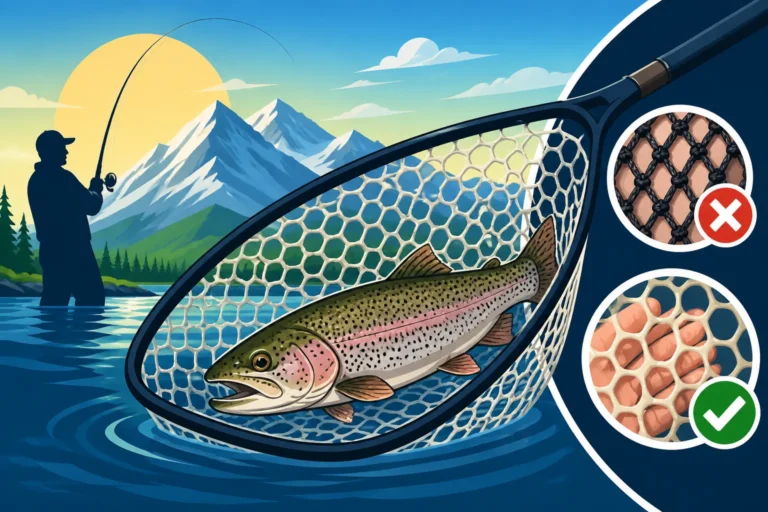
Responsible catch and release practices are fundamental to the health of the Bow River fishery. A good landing net is essential, not just for landing fish, but for protecting them. Look for a net with a rubberized, knotless mesh bag. This type of mesh is much gentler on a fish's delicate slime coat, fins, and scales compared to traditional knotted nylon nets, which can strip away protective slime and cause damage. A larger net is always better on the Bow, as you never know when you'll hook into a true trophy trout. Many anglers prefer a net with a longer handle or a lanyard that allows it to be secured to their back or vest, keeping it out of the way until needed. For specific recommendations, check out Best Landing Net for Trout.
Once you've landed a fish, having the right release tools will ensure a quick and safe release. Forceps or hemostats are crucial for easily and quickly removing hooks, especially if the fish has swallowed the fly a bit deeper. A good pair of long-nosed pliers can also be useful for bigger, stubborn hooks or for pinching down barbs (which is often a mandatory regulation on certain waters, including sections of the Bow). Always wet your hands before handling a fish to protect its slime coat, keep it in the water as much as possible, and work quickly. Practicing proper catch and release helps ensure that the Bow River remains a world-class fishery for generations to come. This is especially vital when dealing with sensitive species, which is why we also have strict rules for species like Bull Trout: Alberta's Threatened Native Fish.
Vision and Protection: Sunglasses, Hat, and Sunscreen
These might seem like minor details, but neglecting them can significantly detract from your fishing experience and even pose health risks. Polarized sunglasses are absolutely non-negotiable for fly fishing. They do two crucial jobs: first, they cut through the glare on the water's surface, allowing you to see submerged structure, weed lines, and, most importantly, fish! Being able to spot fish or subtle takes underwater gives you a huge advantage. Second, they protect your eyes from stray hooks and UV radiation, which is particularly important with all the reflective surfaces around water. Invest in a quality pair with good optics; your eyes will thank you.
A broad-brimmed hat (or a baseball cap with a neck gaiter) offers crucial protection from the sun on your face, neck, and ears, which are highly susceptible to sunburn. Combine this with a good quality, water-resistant sunscreen, and you’ll be much more comfortable and safer during long days on the water. Don't forget lip balm with SPF protection. Finally, a small bottle of insect repellent can be a lifesaver, especially during peak bug season when mosquitoes and biting flies can be relentless. Being prepared for the elements allows you to focus on the fishing, not on discomfort.
Specialized Gear for Unique Bow River Scenarios
While most anglers will spend their time wading the Bow, there are certain situations where specialized gear, particularly watercraft, can open up entirely new fishing opportunities and allow you to access different parts of the river. Whether it's to cover more water, reach otherwise inaccessible spots, or simply enjoy a different fishing experience, having options for getting on the water can be a game-changer.
Float Tubes and Kayaks for Access
For anglers who want to explore beyond easy wading access without investing in a full drift boat, float tubes and fishing kayaks offer excellent alternatives. Float tubes allow you to sit low in the water, propelling yourself with fins, giving you a stealthy approach to fish that might be spooky from the bank. They are lightweight, relatively inexpensive, and great for stillwater back channels or slower sections of the Bow. However, they are not ideal for fast currents or long distances.
Fishing kayaks, especially purpose-built ones designed for angling, have become incredibly popular. They offer more stability, storage, and mobility than a float tube, allowing you to cover significant distances and even navigate some moderate currents. Pedal-drive kayaks free up your hands for casting and fighting fish, offering unparalleled control. When choosing a kayak for the Bow, prioritize stability, ample storage for gear, and a comfortable seating position for long hours on the water. A good PFD is essential, and make sure you understand the river's currents and potential hazards before venturing out. Exploring the range of options at Bass Pro Shops or even smaller specialty stores can help you find the right fit, or you can research models online through sites like Amazon. For more on this topic, refer to Best Kayaks for Alberta Fishing.
Drift Boats and Jet Boats for Covering Water
For many, the quintessential Bow River fly fishing experience involves a drift boat. These specialized boats, typically rowed by a guide, allow anglers to efficiently cover vast stretches of the river, accessing prime fishing lies that would be impossible to reach by wading. The guide skillfully positions the boat, allowing anglers to cast to risers, nymph productive seams, or swing streamers through deep pools. Fishing from a drift boat offers unparalleled access and comfort, making it ideal for full-day excursions or for anglers who prefer not to wade extensively. If you're considering a guided trip, this is almost certainly how you'll experience the river.
Jet boats, while less common for fly fishing due to their noise and disturbance, are sometimes used to access very remote or difficult-to-reach sections of the lower Bow River where guides might need to cover long distances quickly. They use an impeller instead of a propeller, allowing them to navigate very shallow water. However, for the classic fly fishing experience, the quiet approach of a drift boat is generally preferred, minimizing disturbance to the fish and allowing for more intimate engagement with the river environment.
Camera Gear and Photography Tips
The Bow River provides countless opportunities for stunning photography, from the majestic scenery to the magnificent trout you'll encounter. Many anglers like to capture these memories, but it's important to do so responsibly, especially when photographing fish. For casual photos, a smartphone in a waterproof case is often sufficient. If you're serious about photography, a compact mirrorless or DSLR camera with a weather-sealed body and lenses is ideal, stored in a dry bag when not in use.
When taking photos of fish, always prioritize the fish's well-being. Keep the fish in the water as much as possible. If you must lift it, do so quickly, support its entire body (especially larger fish), and never place it on dry ground or squeeze it. A quick "grip and grin" shot with the fish held gently just above the water is best, then get it back in the river immediately. Practice your shots beforehand so you can be efficient when the moment comes. Capturing the beauty of the Bow River and its inhabitants is a wonderful way to remember your trip, but the fish's health should always come first.
Planning Your Bow River Adventure: What Else to Consider
You've got your gear sorted, you're ready to hit the water, but before you cast your first fly, there are a few more critical pieces of the puzzle to consider. The Bow River is a complex and dynamic fishery, and a little forethought and local knowledge can go a long way in ensuring a safe, enjoyable, and successful trip. From understanding regulations to tapping into local expertise, these elements are just as important as the gear in your pack.
Understanding Bow River Regulations
This might not be the most exciting part of fishing, but it is, without a doubt, the most important. Alberta has very specific and often complex fishing regulations, and the Bow River is no exception. These rules are in place to protect the fishery and ensure its sustainability. Before you even think about putting a line in the water, you absolutely must purchase an Alberta Fishing License Guide for 2026 and, if you don't already have one, an Alberta WIN Card. It's not just a suggestion; it's the law, and the penalties for fishing without a license can be severe.
Beyond the license, you need to understand the zone-specific regulations for the section of the Bow River you plan to fish. Different sections can have different season dates, bait restrictions, tackle restrictions (e.g., single barbless hooks only), and specific bag and possession limits for various species. Some areas are strictly catch-and-release, while others might allow retention of certain species within strict limits. The official "Alberta Guide to Sportfishing Regulations" is your bible. You can often find a physical copy at tackle shops or download it from the provincial government's website. Seriously, take the time to read and understand Alberta Fishing Regulations Explained and how to effectively navigate Reading the Alberta Guide to Sportfishing Regulations. Ignorance of the rules is not an excuse.
Fishing Guides vs. DIY Exploration
For many first-time visitors or those new to fly fishing, hiring a professional guide for a day (or even two) on the Bow River is one of the best investments you can make. A good guide doesn't just put you on fish; they teach you about the river, its nuances, the specific techniques that work, and local etiquette. They'll have all the necessary gear, know the current hatches, and can quickly adapt to changing conditions. They can also provide invaluable instruction on casting, wading safety, and fish handling. It’s a fast-track to understanding this incredible fishery and can save you years of trial and error.
However, if you're an experienced angler who enjoys the challenge of figuring things out for yourself, or if you've been on the Bow before, DIY exploration is incredibly rewarding. There are many public access points along the river, especially within and around Calgary, that offer fantastic wading opportunities. Just be prepared to walk, scout, and potentially deal with more crowded spots, especially on weekends. Combining a guided trip initially with subsequent DIY days is a popular strategy, giving you the best of both worlds.
Local Knowledge and Resources
The best source of up-to-date information on the Bow River often comes from the folks who live and breathe it every day: local fly shop owners and their staff. These individuals are a treasure trove of knowledge, from current river conditions (flow rates, water clarity, temperatures) to recent successful fly patterns and general areas where fish are active. Don't be shy; stop in, buy some flies, and ask for advice. They'll appreciate the business and are usually happy to share their insights. Many of these shops also carry a curated selection of brands that you might also find through larger retailers like Bass Pro Shops or Amazon, ensuring quality products.
Online fishing forums and local social media groups dedicated to Alberta fishing can also provide valuable real-time reports and connect you with fellow anglers. Just remember to take online advice with a grain of salt and always verify information with official sources. Checking river flow data from government websites is also essential, as fluctuating water levels can drastically impact fishing conditions and safety. Leveraging these local resources will give you a significant advantage and enhance your overall Bow River experience, turning a good day into a truly great one.
Disclaimer
This article is for general informational purposes only and does not constitute professional advice. Laws, prices and regulations vary by location and change over time. Consult a qualified professional for guidance on your specific situation.