What longnose sucker are and where they live
It's easy to overlook or even dismiss the more "unconventional" fish in our Alberta waters, especially those that aren't trophy trout or hard-fighting walleye. But ignoring species like the longnose sucker means missing out on a fascinating part of our aquatic ecosystems. This guide will shine a spotlight on the longnose sucker, demystifying what they are, where they thrive across Alberta, and why these humble bottom-feeders play a surprisingly important role in our fishing experiences and the overall health of our rivers and lakes.
What Exactly is a Longnose Sucker?
When you hear "sucker," you might picture a bottom-dwelling fish with a big, round mouth, and you wouldn't be wrong. But the longnose sucker (scientific name: Catostomus catostomus) is a distinct species with its own unique characteristics and ecological niche. They're often misunderstood, sometimes confused with other sucker species, but once you know what to look for, they're quite easy to identify.
Identifying Features and Distinguishing from Other Suckers
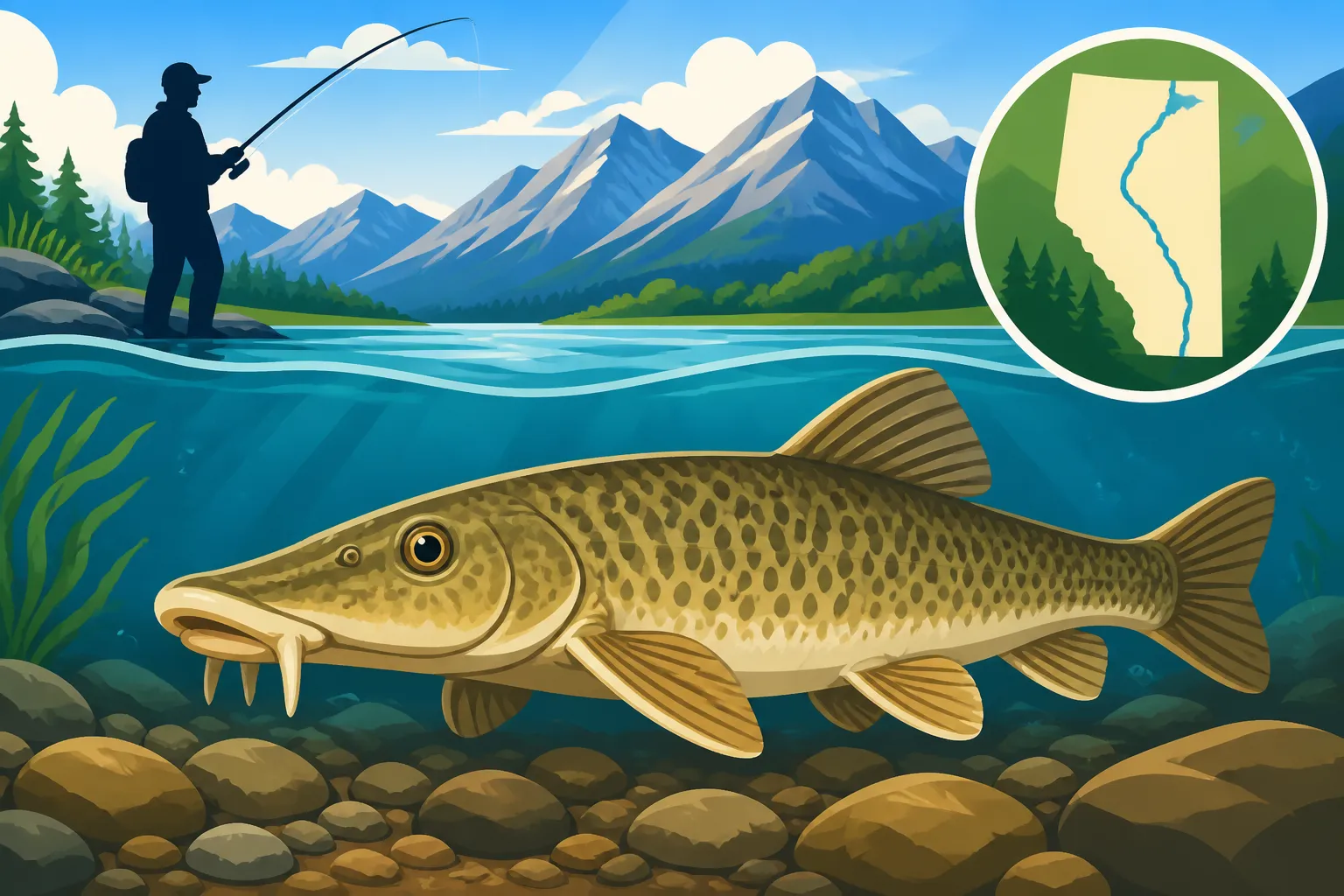
The longnose sucker gets its name, quite aptly, from its elongated snout. Imagine a fish that's constantly looking down, almost perpetually sniffing out dinner on the riverbed – that's the longnose. Their mouth is located on the underside of their head, perfect for suctioning up food particles, invertebrates, and plant matter from the bottom. This isn't just a slight difference; their snout extends noticeably beyond their upper lip, a key identifier that helps distinguish them from other suckers you might encounter in Alberta, like the white sucker.
Beyond the distinctive nose, longnose suckers typically have a streamlined, cylindrical body that's usually dark olive to dusky brown on the back, fading to lighter shades, often yellowish or white, on their belly. During spawning, males can even develop a reddish stripe along their sides and noticeable tubercles (small bumps) on their heads and fins. They generally have relatively small scales and a well-developed lateral line. If you're ever out on the water and catch what you think might be a sucker, take a moment to observe that snout. It's the giveaway! For a deeper dive into identifying various species, you might find a comprehensive Fish Species Identification Guide for Alberta really helpful.
Habitat Preferences and Behavior
Longnose suckers are incredibly adaptable fish, which is why they're so widespread. They prefer cooler, clear waters but can tolerate a surprising range of conditions. You'll often find them in rivers and streams, especially those with moderate to fast currents, where they can hug the bottom and feed without being swept away. They love clean gravel, sand, and rubble bottoms, sifting through the substrate with their specialized mouths. However, don't count them out of lakes! They also inhabit larger, deeper lakes where they can forage along the bottom in cooler, oxygen-rich zones.
Behaviorally, longnose suckers are generally schooling fish, moving in groups as they forage. They're primarily bottom-feeders, cruising along the substrate, vacuuming up detritus and small invertebrates. While they're active year-round, their spawning season in spring is when they become most noticeable, often congregating in shallow river sections or tributary streams. During this time, they become quite active, moving into faster flowing, gravelly areas to lay their eggs, sometimes making a real splash.
Their Role in the Ecosystem
It's easy to think of suckers as "trash fish" or just bait, but that does a disservice to their vital role in Alberta's aquatic ecosystems. Longnose suckers are nature's vacuum cleaners. By constantly sifting through the bottom sediments, they help to clean the riverbeds and lake bottoms, preventing the buildup of organic matter that could otherwise lead to oxygen depletion or habitat degradation for other species. They consume a wide variety of detritus, algae, aquatic insect larvae, and small crustaceans, essentially turning "waste" into usable energy within the food chain.
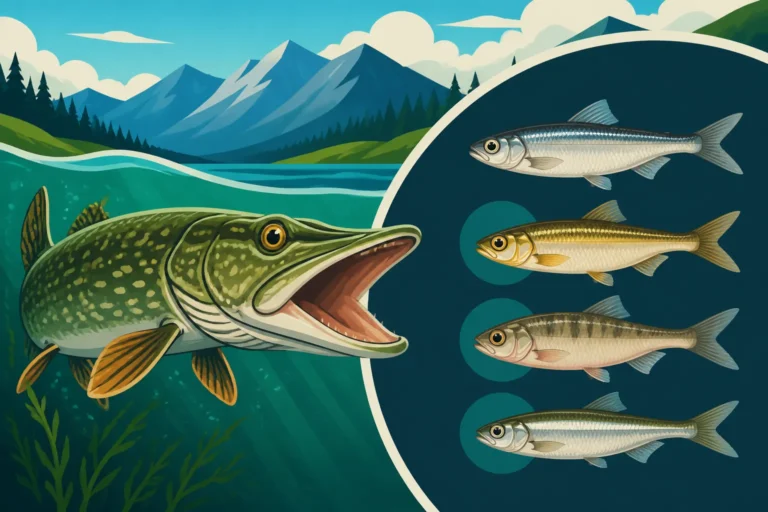
Furthermore, longnose suckers are a crucial forage fish for many of the highly sought-after game species in Alberta. Larger fish like northern pike, walleye, and even lake trout rely on suckers as a significant food source, especially the younger, more vulnerable ones. Imagine a big Northern Pike Fishing in Alberta lurking in a weed bed, waiting for an unsuspecting school of suckers to pass by. Without these foundational species, the populations of our favorite sport fish would struggle significantly. They're truly unsung heroes of the aquatic world, maintaining balance and supporting the fish we love to catch.
Where Do Longnose Suckers Live in Alberta?
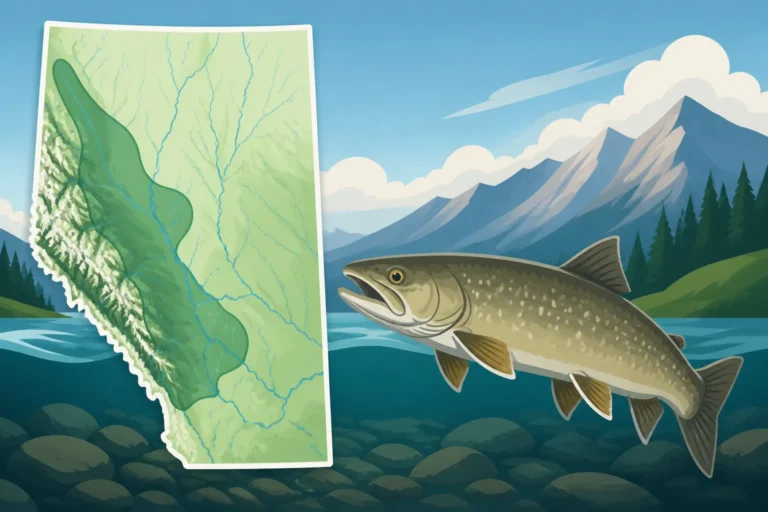
Longnose suckers are one of the most widely distributed freshwater fish in North America, and Alberta is no exception. You'd be hard-pressed to find a major watershed in the province where they aren't present. Their adaptability allows them to thrive in a diverse range of aquatic environments, from our cold mountain streams to the warmer, slower-moving prairie rivers and deep, expansive lakes.
Major River Systems and Tributaries
If you're fishing almost any significant river system in Alberta, there's a good chance you'll encounter longnose suckers. They are abundant in the major east-flowing rivers that originate in the Rocky Mountains and drain into Hudson Bay. This includes the Bow River, where they often share the waters with its famous trout, and the Red Deer River and North Saskatchewan River. Their preference for cooler, flowing water with clean gravelly or sandy bottoms makes these river environments ideal.
They're also common in countless smaller tributaries and streams that feed these larger systems. While often overshadowed by trout in these clearer, faster waters, suckers are a constant presence, working hard on the bottom. So next time you're enjoying a day on one of the Best Fishing Rivers in Alberta, remember that longnose suckers are likely down there, too, doing their important work.
Lake Environments and Specific Examples
Beyond rivers, longnose suckers are also significant residents of many of Alberta's lakes, especially the larger, deeper ones. Here, they typically stick to the cooler, oxygenated bottom zones, feeding along the lakebed. Lakes like Lesser Slave Lake and Cold Lake are known for their healthy populations of longnose suckers, which in turn support the robust populations of walleye and lake trout that these lakes are famous for.
In these lake environments, they provide a steady food source for top predators. If you're wondering How deep lake trout go in summer on a lake like Cold Lake, you can bet that the longnose suckers are often found in similar deep, cool haunts, making them a prime target for these apex predators. Whether you're targeting Lake Trout Fishing in Alberta or Walleye Fishing in Alberta, understanding the presence and habits of their forage base, like the longnose sucker, can give you a real edge.
Distribution Across Alberta's Zones
Due to their widespread distribution, longnose suckers can be found almost everywhere from the Rocky Mountains' foothills to the vast northern reaches of the province. They are truly an integral part of Alberta's aquatic biodiversity. While specific regulations might vary slightly by zone for game fish, the longnose sucker is generally managed under simpler provincial guidelines, highlighting their prevalence. It's always wise to consult the Alberta Fishing Regulations Explained for any waterbody you plan to fish, even if you're just casually catching suckers.
| Feature | Longnose Sucker | White Sucker | Northern Sucker (General) |
|---|---|---|---|
| Snout | Long, extending well beyond upper lip | Blunt, not extending beyond upper lip | Varies, but generally not as long as longnose |
| Mouth | Inferior (downward pointing), large fleshy lips | Inferior (downward pointing), large fleshy lips | Inferior (downward pointing) |
| Body Shape | Slender, cylindrical | Robust, often stockier | Varies, generally robust |
| Coloration | Dark olive/brown back, lighter sides/belly | Darker back (grey/brown), silvery sides, white belly | Grey/brown, often mottled |
| Scales | Relatively small | Larger, noticeable | Varies, often moderate |
| Preferred Habitat | Cool, clear rivers & deep lakes (gravel/sand) | Diverse, often warmer, murkier water (mud/silt) | Similar to longnose, but often more generalized |
| Diet | Detritus, insects, algae, small crustaceans | Detritus, insects, algae, plant matter | Detritus, insects, algae |
Why Should Anglers Care About Longnose Suckers?
Okay, so they're everywhere and they clean the river. But why should you, the angler, truly care about them beyond a passing observation? Well, beyond their ecological duties, longnose suckers offer some insights and opportunities that might just surprise you.
Indicator Species for Water Health
Think of longnose suckers as sentinels of the river. Because they are bottom-dwellers and relatively long-lived, their health and abundance can tell us a lot about the health of the aquatic environment they inhabit. A healthy population of longnose suckers often indicates good water quality, stable habitat, and a thriving food web below the surface. Conversely, a noticeable decline could signal environmental stress or pollution.
For the environmentally conscious angler, knowing about the presence of a healthy sucker population can be reassuring. It means the water you're fishing is likely in good shape, which bodes well for all the other species, including your target fish. Protecting these seemingly less glamorous species contributes directly to the overall health of our treasured fishing spots.
Forage Fish for Game Species
We touched on this earlier, but it's worth reiterating: longnose suckers are vital to the diet of many of Alberta's most prized game fish. They are essentially living protein bars swimming around for walleye, northern pike, lake trout, and even larger brown trout. When you're trying to figure out What walleye eat in Alberta lakes or What northern pike eat in Alberta lakes, suckers are very high on that list.
Understanding that suckers are a primary food source can actually inform your fishing strategy. If you know suckers are present, you might choose lures that imitate their profile and coloration. For instance, a long, slender spoon or soft plastic bait in natural olive or brown tones could mimic a juvenile sucker, making it an irresistible meal for a hungry predator. Many anglers specifically use dead or live (where legal) suckers as bait for trophy pike or lake trout. You can find a vast array of such baits and lures on platforms like Amazon, offering various sizes and colors to match the local forage.
Potential as a Sport Fish (Yes, Really!)
Now, this might sound a little out there, but hear me out: longnose suckers can actually be fun to catch! While they won't typically jump like a rainbow trout or fight with the same aggressive head shakes as a pike, they offer a surprisingly strong, dogged fight, especially the larger specimens. Hook one in a decent current, and you'll quickly realize they have quite a bit of power.
They're also an excellent species for introducing new anglers, especially kids, to the joy of fishing. They're generally easy to catch, not overly picky, and provide consistent action. It builds confidence and teaches patience, without the pressure of needing specific techniques or expensive gear. A simple worm on a hook, fished on the bottom, is often all it takes. For such basic gear, looking on Amazon can often yield great, affordable starter kits or simple hooks and weights that are perfect for a casual outing targeting suckers.
Fishing for Longnose Suckers (If You're Curious!)
So, you've read this far, and maybe, just maybe, you're a little intrigued by the idea of intentionally targeting a longnose sucker. Or perhaps you just want to know how to handle one if you accidentally hook it. Either way, understanding some basic techniques and respectful handling practices is a good idea.
Simple Techniques and Gear
Catching longnose suckers doesn't require a lot of fancy gear or advanced techniques. In fact, it's one of the simplest forms of fishing.
- Bottom Fishing is Key: Since they are bottom-feeders, your bait needs to be on or near the bottom. A simple slip-sinker rig or a small weight above a hook will do the trick.
- Bait Choices: Worms are king! Nightcrawlers or smaller earthworms are incredibly effective. Pieces of corn, bread, or even small artificial baits can also work. They're not particularly finicky.
- Rod and Reel: Almost any light to medium action spinning rod and reel combo will work. You don't need heavy line; 6-10 lb monofilament is usually plenty. If you're looking for an inexpensive, versatile setup, a quick search on Amazon for "beginner fishing combo" will give you plenty of options that would be perfect for targeting suckers (and many other panfish!).
- Where to Cast: In rivers, look for slower eddies, deeper pools, or along the edges of current seams where food might settle. In lakes, target areas with a soft bottom or where rivers enter.
- Patience: Cast out, let your bait settle, and wait for that subtle tug. Sometimes it's a gentle tap, other times a more aggressive pull.
Remember, while suckers are plentiful, all anglers in Alberta still require an Alberta Fishing License Guide for 2026 if they are of age, even when targeting non-game species.
Handling and Respectful Release
If you do decide to catch a longnose sucker, it's important to handle them with respect, just as you would any other fish. Even if you don't plan to keep them, minimizing stress and injury is part of responsible angling.
- Wet Hands: Always wet your hands before handling any fish. This protects their delicate slime coat, which is their first line of defense against disease.
- Support the Body: When lifting the fish, support its full body weight, especially if it's a larger one. Avoid holding them solely by the mouth or gills.
- Remove Hook Gently: Use pliers or a de-hooking tool to remove the hook quickly and cleanly. Small single hooks are usually easy to remove.
- Release Quickly: If you're releasing the fish, do so as quickly as possible. Gently place it back in the water and allow it to swim away under its own power. Sometimes a gentle cradle in the water, facing into a slight current, can help them revive.
While there aren't usually specific limits for suckers, understanding how to manage the fish you catch, whether it's a prized trout or a humble sucker, is part of being a good steward of our waters. For tips on managing other species, checking out articles like Best Techniques for Panfish in Alberta might give you more ideas for ethical handling.
The longnose sucker might not be the flashiest fish in Alberta's waters, and it rarely makes it into the "trophy" discussion, or even the Alberta Provincial Fish Records by Species for that matter. But these unassuming bottom-dwellers are a cornerstone of our aquatic ecosystems, contributing to water health, feeding our beloved game fish, and even offering a unique, simple angling experience. Taking the time to understand and appreciate them adds another layer of depth to your Alberta fishing adventures.
Disclaimer
This article is for general informational purposes only and does not constitute professional advice. Laws, prices and regulations vary by location and change over time. Consult a qualified professional for guidance on your specific situation.