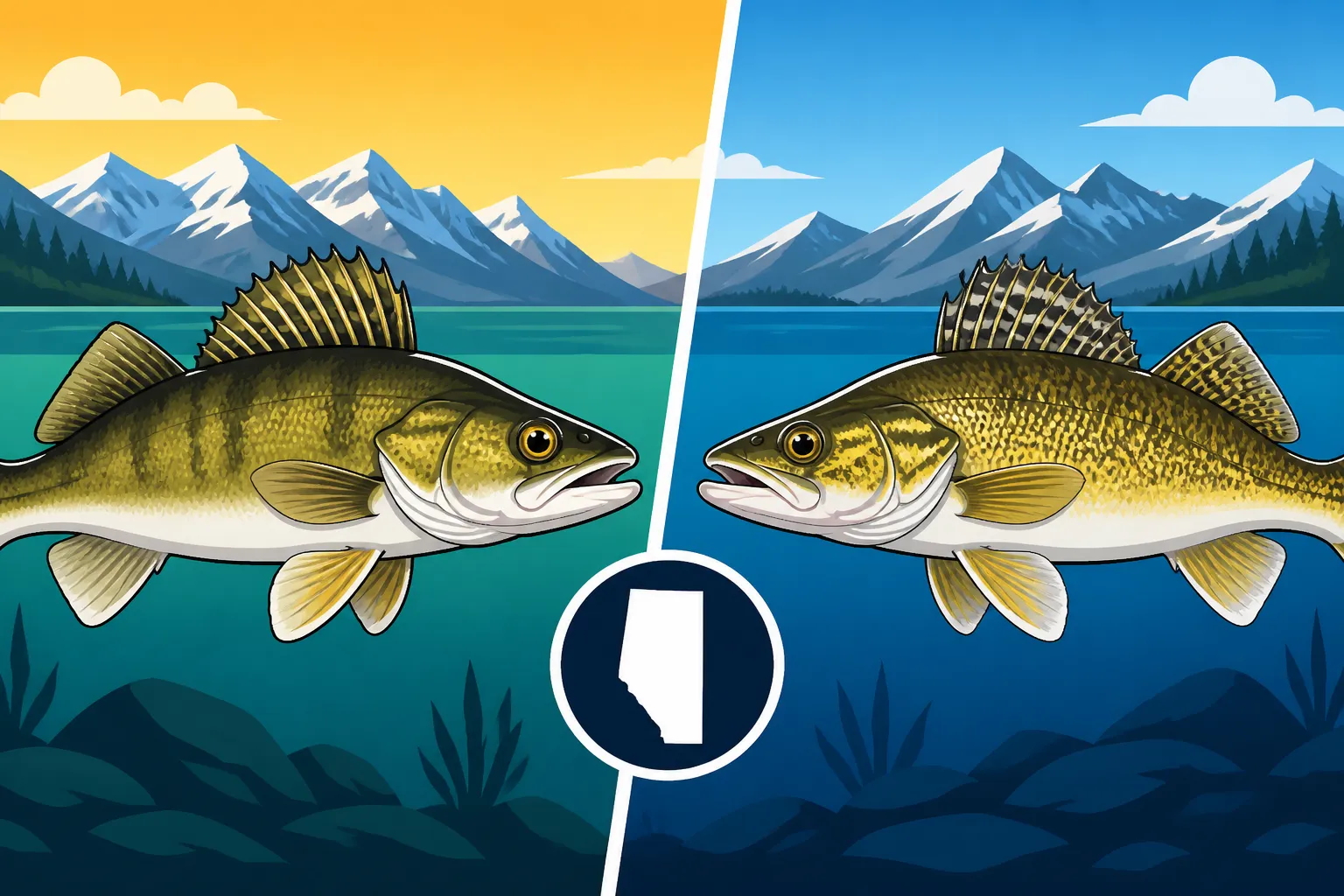
What sauger look like compared to walleye
It’s happened to the best of us: you reel in a beautiful fish in an Alberta river or lake, and as you admire your catch, a nagging question pops into your head. Is this a walleye, or is it a sauger? This common confusion can lead to real headaches, especially when different species have different regulations. This guide will walk you through the tell-tale signs to confidently identify walleye versus sauger, ensuring you stay compliant and enhance your angling knowledge.
Why Accurately Identifying Walleye and Sauger is So Important for Alberta Anglers
Catching a fish is exciting, but knowing exactly what you’ve caught is more than just bragging rights. In Alberta, distinguishing between a walleye and a sauger isn't just a fun challenge; it's a crucial skill that can keep you out of trouble, help you become a more effective angler, and even play a small part in conservation. Trust me, I've seen firsthand how a simple mistake can turn a great day on the water into a stressful one.
Avoiding Legal Headaches and Penalties
This is probably the biggest reason why you must know the difference. Alberta's fishing regulations, detailed in the annual Guide to Sportfishing Regulations, often have different possession and size limits for walleye compared to sauger. For example, some zones might have a generous limit for sauger but a much stricter or even zero possession limit for walleye, especially in areas where walleye populations are recovering. Imagine reeling in a beautiful fish, thinking it’s a sauger, only to find out it was a walleye, and you've just exceeded the limit or kept a fish from a catch-and-release zone. Fisheries officers are out there, and ignorance of the law is never an excuse. A simple misidentification could lead to fines and the loss of your catch, which is a situation no one wants to be in. It's truly a frustration many anglers face, particularly when species look so similar. Understanding these nuances is key to a worry-free fishing experience. You can always refer to the Alberta Bag and Possession Limits by Species for specific regulations.
Understanding Fish Behavior and Habitat
Beyond the rulebook, knowing your fish helps you become a better angler. Walleye and sauger, while similar, often prefer slightly different habitats and exhibit distinct behaviors. Walleye tend to be more comfortable in larger, deeper lakes and rivers with clear to moderately stained water, often schooling over sand, gravel, or rocky bottoms. They're ambush predators, often found near structures or drop-offs. Sauger, on the other hand, generally prefer murkier, warmer, and shallower waters, especially in larger river systems like the Peace or Athabasca. They're often found hugging the bottom in slow-moving currents or turbid backwaters. If you can correctly identify a fish, it gives you clues about where you caught it and why it was there, which can then inform your strategy for finding more of them. It's like learning the secret language of the fish, giving you an edge on your next outing. This kind of knowledge is invaluable for predicting where to cast next, and understanding What walleye eat in Alberta lakes can further refine your approach.
Contributing to Conservation Efforts
Finally, accurate identification contributes to the bigger picture of conservation. Fisheries biologists rely on accurate catch data, and if anglers are consistently misreporting species, it can skew population assessments. Walleye, for instance, are the subject of significant conservation efforts in Alberta, including special harvest license programs in certain lakes to manage their populations. When you correctly identify your catch, whether you keep it (within limits) or release it, you're providing more accurate data, even indirectly. This helps ensure sustainable fishing opportunities for future generations. It's a small but meaningful way to give back to the waters we all cherish. The Walleye Special Harvest Licence Recovery Program is a great example of focused conservation in action.
The Definitive Visual Showdown: Walleye vs. Sauger Physical Traits
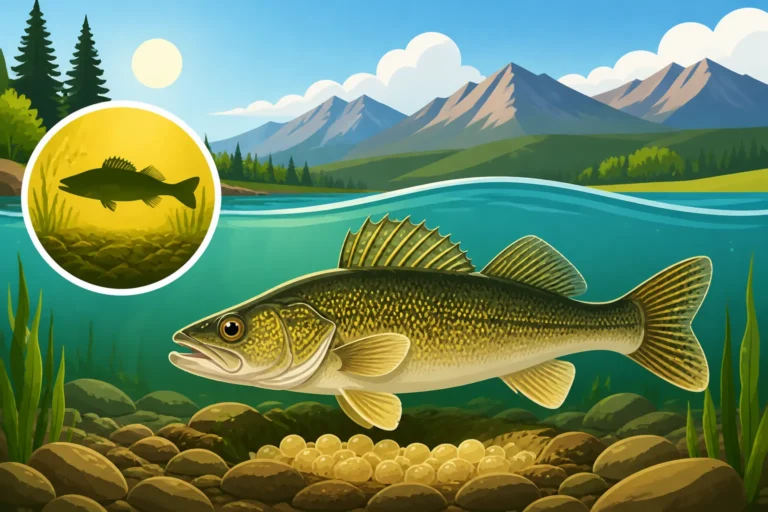
Alright, let's get down to brass tacks. You've got a fish in your hand, and you need to know for sure. While they're both members of the perch family and share a torpedo-like body, there are several distinct physical markers that will help you tell them apart with confidence. It's all in the details, and once you know what to look for, it becomes second nature.
The Dorsal Fin: Your Number One Clue
This is arguably the easiest and most reliable way to distinguish between a walleye and a sauger. Both fish have two dorsal fins – a spiny front dorsal and a soft-rayed rear dorsal.
- Walleye: Look closely at the spiny front dorsal fin. It will typically be quite uniform in color, with a distinct, prominent black spot on the very bottom rear edge of the fin, where it meets the body. This spot is like their fingerprint. The rest of the fin might be somewhat clear or faintly mottled, but that black spot is the key.
- Sauger: Now, for the sauger, you won't find that single, prominent black spot. Instead, their spiny front dorsal fin will be heavily mottled with distinct rows of dark spots. It looks more like a leopard pattern across the entire fin. You might also notice a subtle black blotch at the base of the fin, but it won't be that single, sharp spot you see on a walleye.
This dorsal fin difference is your go-to identifier. If you remember nothing else, remember this!
Body Shape, Patterning, and Overall Color
While the dorsal fin is the clincher, other visual cues can support your identification.
- Walleye: Generally, walleye have a more uniform, often golden or olive-green body coloration, fading to white on their belly. They might have several faint, dark vertical bars or blotches along their sides, but these are often subtle and can vary greatly depending on the water clarity and light conditions. Their bodies tend to be a bit more slender and streamlined.
- Sauger: Sauger tend to have a more pronounced, darker blotchy or mottled pattern along their sides, often appearing more like distinct saddles or irregular patches, rather than faint bars. Their overall color is usually a bit darker, more brownish or brassy, reflecting their preference for murkier waters. Their bodies can sometimes appear slightly stockier, particularly in the mid-section, though this is a less reliable indicator than the fins. They often blend in exceptionally well with a rocky or silty river bottom, making them masters of camouflage.
These patterns are especially noticeable when the fish is fresh out of the water, before its colours start to fade. If you're really unsure, snapping a quick photo before release can help for later review, or if you're using a fishing identification guide you might have picked up on Amazon, these visual cues will be highlighted.
Tail (Caudal) Fin and Other Fin Peculiarities
Don't stop at the dorsal fin and body! The tail and other fins offer further clues.
- Walleye: The lower lobe of a walleye's tail fin often has a distinct white tip. This is another excellent field mark that sets them apart from sauger. Their pectoral and pelvic fins are usually clear or yellowish, matching their overall body tone.
- Sauger: The sauger's tail fin will not have that prominent white tip. Instead, it will be mottled or spotted, continuing the pattern often seen on their dorsal fins. Their pectoral fins, too, often display the same spotty or banded patterns as their dorsal and caudal fins, which is another great differentiator. If you see spots on the pectoral fins, you're almost certainly holding a sauger.
Mouth, Teeth, and Eye Differences
While less obvious, there are subtle differences in their heads as well.
- Walleye: Both species have sharp, canine-like teeth, but walleye tend to have a slightly larger mouth in proportion to their head. Their eyes, famously, have a cloudy, reflective layer (the tapetum lucidum) that helps them see in low light, giving them that characteristic "walleye" look.
- Sauger: Sauger have a similar set of teeth and eyes, but their eyes might appear slightly less milky or cloudy compared to a walleye, though this isn't a definitive identifier by itself. The mouth size difference is often negligible and difficult to discern for the untrained eye. Focus on the fins first!
To summarize these key differences, here's a handy table:
| Feature | Walleye | Sauger |
|---|---|---|
| Spiny Dorsal Fin | One distinct black spot on the rear base | Numerous distinct dark spots in rows across the fin |
| Body Pattern | Faint, subtle vertical bars or blotches | Distinct, irregular dark blotches or saddle patterns |
| Tail Fin | Distinct white tip on the lower lobe | No white tip; often mottled or spotted |
| Pectoral/Pelvic Fins | Generally clear or yellowish | Often spotted or banded |
| Overall Color | Golden, olive-green; lighter | Brownish, brassy; darker, more mottled |
| Preferred Habitat | Clearer, deeper lakes and larger rivers | Murkier, shallower rivers; often in current |
Where You're Likely to Encounter Each Species in Alberta Waters
Knowing the physical differences is paramount, but understanding where these fish prefer to live in Alberta can give you a powerful "hint" even before you reel one in. While there can be overlap, walleye and sauger often stake out different territories. This is another crucial piece of the puzzle for a well-rounded Alberta angler. For general guidelines, you might want to consult resources like Best Fishing Lakes in Alberta and Best Fishing Rivers in Alberta.
Walleye's Preferred Haunts Across the Province
Walleye are one of Alberta's most popular sport fish, and for good reason! They thrive in a variety of environments but generally prefer larger, often deeper lakes and major river systems with good water clarity to moderate stain. Think big water with plenty of structure – rocky reefs, humps, weed lines, and sharp drop-offs.
In Alberta, you'll find healthy walleye populations in lakes like Lesser Slave Lake, Lac La Biche, and parts of the North Saskatchewan and Red Deer Rivers. These waters offer the deeper, cooler environments and abundant forage that walleye seek. They are primarily visual predators, and while they can tolerate some turbidity, they often prefer conditions where they can use their keen eyesight, especially in low light. So, if you're pulling a fish from a large, relatively clear lake, the odds might lean slightly towards a walleye. Remember to check Alberta Walleye Limit by Zone for the specific body of water you're fishing.
Sauger's Niche in Alberta's River Systems
Sauger, while closely related to walleye, are truly river rats at heart. They tend to prefer larger, often more turbid (murky) river environments where they can hug the bottom in slower currents, behind structure, or in deep pools. They are more tolerant of silt and sediment and often feed by feel and vibration in these lower-visibility conditions.
You'll primarily encounter sauger in the major river systems of northern and central Alberta, such as the Athabasca River, Peace River, and often in the turbid sections of the North Saskatchewan River. These rivers provide the kind of silty, stained, and current-heavy environments where sauger thrive. While you might catch a sauger in a lake, it's far less common than in river systems. So, if you're fishing a big, often murky river, especially one with a good current, and you hook a "walleye-looking" fish, it's worth taking an extra moment to check for those sauger spots on the dorsal fin and tail! More details can be found in Sauger Identification and Habits.
The Curious Case of the Saugeye Hybrid
Just to keep things interesting, nature occasionally throws a curveball: the saugeye. This is a fertile hybrid cross between a female walleye and a male sauger. These hybrids can occur naturally in areas where both species overlap, but they are also sometimes stocked by fisheries management as they often exhibit faster growth rates and better survival than either parent species in certain environments.
Identifying a saugeye can be tricky because they often display a mix of traits from both parents. They might have faint spots on their dorsal fin and a faint white tip on their tail. Their body patterning can also be intermediate. If you catch a fish that seems to have a blend of both walleye and sauger features, it's very possible you've landed a saugeye. In Alberta, saugeye are usually managed under walleye regulations, so when in doubt, it’s always safest to treat them as a walleye for regulatory purposes. This underscores why knowing your Alberta Fishing Regulations Explained is so vital, and why tools like the Alberta Sportfishing Regulations App and Zone Lookup, Explained are indispensable.
On-the-Water Identification Strategies for Confidence
Even with all the knowledge in your head, identifying a fish quickly and accurately when you're out on the water, maybe in less-than-ideal light or with a fish flopping around, can be challenging. But don't worry, there are some practical strategies you can employ to make the process smoother and more reliable.
The Quick 'Check-and-Release' Method
When you land a fish and you're unsure, especially if you plan to release it, a quick but thorough check is essential.
- Secure the Fish: Handle the fish gently but firmly. A lipping tool or a wet net can help keep it calm and minimize stress. Always wet your hands before touching the fish to protect its slime coat.
- Focus on the Dorsal Fin First: This is your primary indicator. Carefully spread the spiny dorsal fin and look for the patterns we discussed.
- Single black spot on the base? Likely a walleye.
- Rows of distinct spots across the whole fin? Likely a sauger.
- Check the Tail: If the dorsal fin isn't immediately conclusive (though it usually is), quickly glance at the lower lobe of the tail fin.
- Clear white tip? Points to a walleye.
- Mottled or spotted, no white tip? Points to a sauger.
- Observe Body Pattern: A quick look at the body patterning can further solidify your ID. Is it subtly barred (walleye) or more distinctly mottled (sauger)?
- Minimize Out-of-Water Time: The quicker you identify, the quicker you can decide whether to keep (if legal) or release the fish, reducing stress on the animal. If it's a borderline case and you're unsure, especially regarding regulations, err on the side of caution and release it. That's always the safest bet.
Leveraging Technology and Resources
We live in a modern age, and there are fantastic tools at your disposal to help with identification right there on the water, or to confirm later.
- Smartphone Apps: The official Alberta Sportfishing Regulations App and Zone Lookup, Explained is an absolute must-have for any serious angler in the province. Not only does it have current regulations, but it often includes species identification guides with photos. You can quickly look up pictures of walleye and sauger side-by-side to compare. Many anglers keep a specific fishing identification app loaded on their phones, which can be invaluable.
- Printed Guides: While not always as immediate as an app, carrying a small, waterproof laminated fishing identification guide is a great idea. You can find excellent regional guides that focus on Alberta fish species. Many of these are readily available through retailers like Amazon and are designed for quick reference. Having a physical guide ensures you're never without resources, even if your phone battery dies.
- Photos for Later Review: If you're still uncertain, take a clear photo of the fish, especially focusing on its dorsal fin, tail, and body patterning. Later, you can compare it to known images or even ask an experienced angler or fisheries professional for their opinion. This is a great learning tool. Just remember to get the fish back in the water quickly and safely after the photo!
When in Doubt: Practice Catch-and-Release
This is perhaps the most important rule of thumb. If you've gone through all the steps, used your resources, and you're still not 100% sure if that fish is a walleye or a sauger, especially if it's borderline legal for one species but not the other, the most responsible action is to gently release it. Conservation is key, and it's better to let a fish go than risk violating regulations or unknowingly harming a vulnerable population. Alberta's waters are a precious resource, and we all play a role in protecting them.
Disclaimer
This article is for general informational purposes only and does not constitute professional advice. Laws, prices and regulations vary by location and change over time. Consult a qualified professional for guidance on your specific situation.