What baitfish Alberta pike key on
It's incredibly frustrating when you're out on an Alberta lake or river, casting your heart out, and the northern pike just aren't biting. You see them lurking, you know they're there, but you can't figure out what they're looking for. Understanding what baitfish Alberta pike key on is the absolute secret to unlocking more successful fishing trips, helping you choose the right lures and techniques to fool these aggressive predators, and filling your cooler with some fantastic fish.
Understanding the Alberta Pike's Diet and Hunting Style
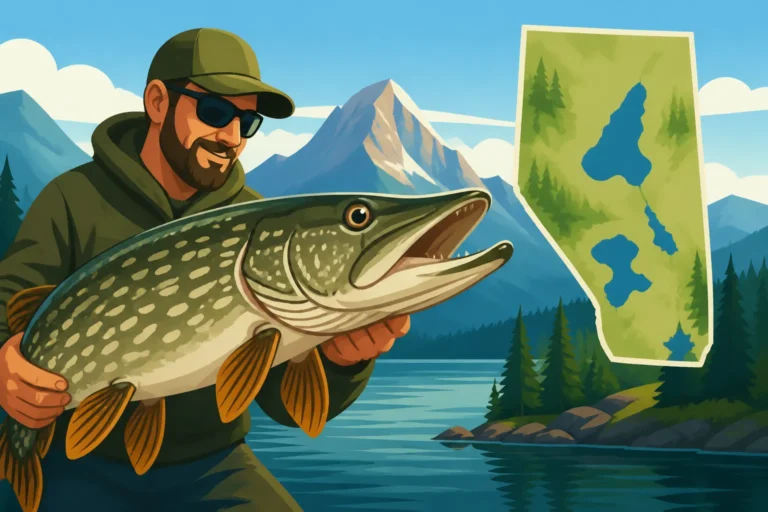
Northern pike are apex predators in most Alberta aquatic ecosystems. They are opportunistic hunters with an insatiable appetite, known for their aggressive strikes and powerful fights. To truly understand what baitfish they key on, you first need to get inside their heads (or stomachs, rather) and appreciate their primary hunting strategies and sensory capabilities. These aren't picky eaters, but they are efficient, and they prefer an easy meal.
Ambush Predators with a Keen Eye
Pike are often characterized as ambush predators, and for good reason. Their long, torpedo-shaped bodies, dorsal fin set far back, and powerful tail are perfectly designed for explosive bursts of speed from a hidden lie. They love to lurk in thick weed beds, submerged timber, or along sharp drop-offs, waiting for an unsuspecting meal to swim by. This means that slower-moving, disoriented, or easily accessible prey is often their target. They have excellent eyesight, particularly in low light conditions, which makes visual presentation of your lure incredibly important. They're looking for size, profile, and movement that screams "easy meal."
Think about it from their perspective: why waste energy chasing a fast, healthy minnow across open water when a school of disoriented baitfish is schooling right next to your weed edge? This predatory instinct directly influences what lures and presentations will be most effective. You're not just throwing a lure; you're mimicking a vulnerable meal. This can be especially crucial when fishing clear waters where the pike have ample time to inspect your offering.
Opportunistic Hunters and Aggressive Eaters
While their ambush tactics are well-known, northern pike are also highly opportunistic and won't hesitate to actively pursue prey. If a school of baitfish is abundant, or if a larger, slower fish presents itself, a pike will often engage in more active hunting. Their diet is incredibly varied, encompassing everything from smaller fish and frogs to ducklings and even small mammals that fall into the water. This broad diet tells us that they aren't necessarily hyper-focused on one specific type of baitfish all the time, but rather on what is most readily available and easiest to catch.
This opportunistic nature is a key factor. When a particular baitfish species is undergoing a spawn or is highly concentrated in a certain area, pike will quickly key in on that abundant food source. For example, during a sucker spawn in a river, pike will gorge themselves on these easy targets. If you want to dive deeper into their behavior, check out Northern Pike Habits in Alberta Lakes. Understanding this broad, yet efficient, predatory behavior helps us narrow down the most common and effective baitfish imitations.
Common Baitfish That Attract Alberta Pike
Alberta's waters host a variety of baitfish species that form the bulk of a northern pike's diet. While "minnows" might be a common term, it's helpful to know which specific types of forage fish are most prevalent and desirable to these toothy predators. Mimicking these key species with your lures is your best bet for consistent success.
Suckers: A Pike's Favorite Meal
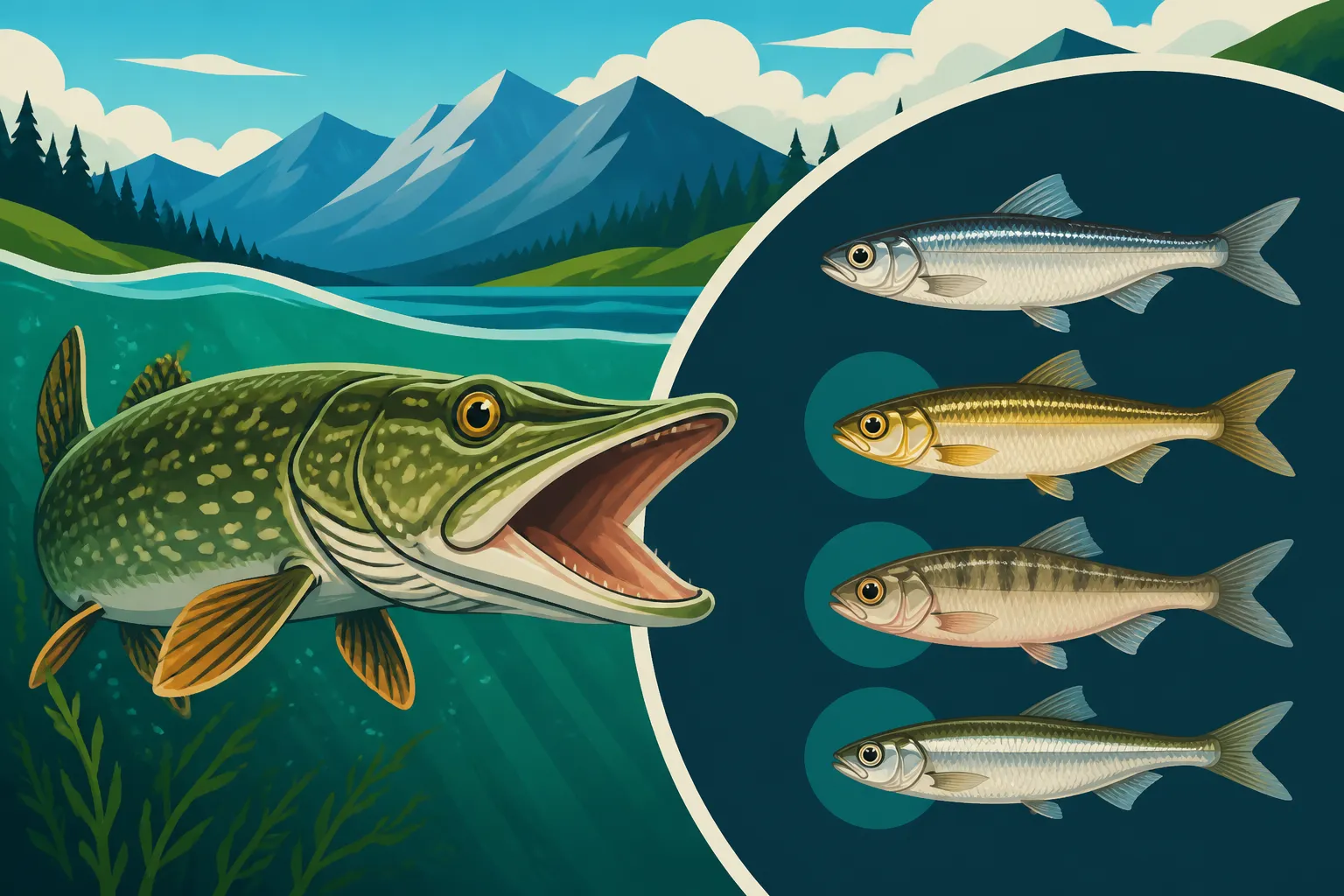
Suckers are arguably one of the most important forage fish for northern pike in Alberta. Species like the white sucker and longnose sucker are common in many lakes and rivers throughout the province. They are relatively slow-moving, often bottom-oriented, and can grow to a considerable size, making them a substantial meal for a hungry pike. Pike often target suckers during their spring spawning runs when they become highly concentrated and vulnerable in shallower waters and tributary rivers.
A pike seeing a sucker often translates to a big, easy meal that provides a lot of calories for minimal effort. This is particularly true for larger pike looking to put on weight. Think about a big, sluggish sucker slowly swimming along a weed line or near a drop-off – it's an irresistible target for a lurking pike. Anglers often find success using larger lures that mimic the profile and slow, undulating movement of a sucker, especially in spring and early summer.
Perch and Cisco (Lake Whitefish): Abundant and Available
Yellow perch are another cornerstone of the pike diet, especially in lakes where they coexist in large numbers. Perch are schooling fish, and their presence often indicates a healthy pike population. They provide a continuous food source throughout the year. Pike will actively hunt perch in weed beds, along transitions, and even in open water if the perch are schooled up. Their distinct striped pattern and vertical profile make them easily identifiable targets.
Cisco, also known as lake herring, and various species of lake whitefish are also vital forage, particularly in deeper, colder lakes. These pelagic (open-water) schooling fish are crucial for the growth of larger pike that are willing to venture away from shallow cover. Pike will often patrol drop-offs and open water basins where cisco and whitefish congregate. Matching the slender, silvery profile of these baitfish can be incredibly effective when targeting deeper-water pike, especially during periods when these baitfish are actively schooling or spawning. Lake Whitefish in Alberta Lakes are a prime food source.
Other Minnows and Smaller Fish Species
Beyond suckers, perch, and cisco, pike will also feed on a wide array of smaller minnows and other fish species. This includes emerald shiners, spottail shiners, fathead minnows, and even smaller members of their own species (cannibalism is not uncommon among pike, especially larger ones). Any small fish that is abundant and easy to catch will make its way onto a pike's menu. This highlights the opportunistic nature of pike and the importance of presenting lures that broadly imitate a small, vulnerable fish.
Different bodies of water will have different dominant minnow populations. For instance, a particular river system might be teeming with shiners, while a prairie lake might have an abundance of sticklebacks or juvenile game fish. Being aware of the local forage base can give you a significant advantage. If you're fishing a new body of water, it's always a good idea to inquire about the local baitfish to better inform your lure choices.
| Baitfish Type | Typical Habitat | Pike Targeting Strategy | Key Characteristics for Lure Matching |
|---|---|---|---|
| Suckers | Bottom, shallow weedy areas, rivers (spawning) | Ambush, slow pursuit | Larger profile, brown/dark coloration, slow swim action |
| Perch | Weeds, structure, open water schools | Ambush, active chase | Medium profile, yellow/green with stripes, erratic darting |
| Cisco/Whitefish | Open water, deeper basins, drop-offs | Active chase, suspended | Slender profile, silvery/iridescent, smooth swimming |
| Shiners | Shallow water, open water schools | Ambush, active chase | Small/medium profile, silvery, fast darting/flickering |
| Juvenile Game Fish | Various, depending on species | Opportunistic | Varied profiles and colours, mimic local fry |
Matching Your Lures to Natural Pike Prey
Knowing what baitfish pike eat is only half the battle; the other half is selecting the right lures and techniques to imitate that prey. This isn't just about color; it's about profile, size, action, and presentation. The goal is to make your artificial offering look as much like a struggling or unaware baitfish as possible.
Crankbaits and Jerkbaits: Mimicking Wounded Minnows
Crankbaits and jerkbaits are absolute staples for pike fishing, and for good reason—they excel at imitating a variety of baitfish. Deep-diving crankbaits can mimic suckers rooting along the bottom or cisco suspended in open water, while shallower models are perfect for perch in weed beds. The key is to match the size and profile to the dominant forage. If pike are keying on larger suckers, go with a bigger crankbait. If it's smaller perch, size down.
Jerkbaits, with their erratic, darting action when retrieved, are phenomenal for imitating a wounded or disoriented minnow. A "slash, pause, slash" retrieve mimics a baitfish that's struggling, making it an irresistible target for an opportunistic pike. Colors like perch patterns, silvery cisco imitations, or natural sucker browns are often highly effective. You can find a huge variety of these on Amazon, making it easy to stock up for any situation. Don't be afraid to experiment with retrieve speeds and pauses; sometimes a longer pause is what triggers a hesitant pike. If you're looking for more specific lure guidance, check out Best Lures for Northern Pike in Alberta.
Swimbaits and Spinnerbaits: Versatility for Various Forage
Soft plastic swimbaits, especially those with a paddle tail, offer a more subtle yet incredibly realistic imitation of a swimming baitfish. Rigged on a jig head, they can be retrieved steadily, bumped along the bottom, or allowed to sink and twitch, mimicking a dying fish. Their soft plastic bodies allow for a very natural movement in the water, which can be crucial in clear conditions or when pike are finicky. Sizes can range from small minnow imitations to large, multi-jointed swimbaits that perfectly mimic substantial suckers or mature perch.
Spinnerbaits, while perhaps not as realistic in appearance as swimbaits, are fantastic for their flash and vibration. These lures create a lot of commotion, which can be excellent for attracting pike from cover or in stained water. The spinning blades imitate the flash of schooling baitfish or the frantic movements of a distressed fish trying to escape. Chartreuse, white, and perch patterns are popular choices. They are also highly weedless, allowing you to fish them effectively through the very cover where pike love to ambush their prey, helping you get into those tight spots where the big ones often hide.
Spoons and Soft Plastics: Simple Yet Deadly
Classic spoons, like the Daredevil or Williams Wabler, have been catching pike for generations. Their wobbling action when retrieved, especially on a fast retrieve or when fluttered on the fall, imitates a wounded baitfish struggling to swim. Silver, gold, red and white, and five of diamonds patterns are perennially popular and effectively mimic the flash and profile of various baitfish species. They cast a mile and cover water efficiently, which is great for searching large areas.
For a more minimalist approach, simple soft plastics like shad bodies or grub tails on a jig head can also be incredibly effective. These are often used when jigging for pike, especially through the ice or in deeper water. The key is the subtle action and the ability to present them precisely in the strike zone. Tipping these with a piece of bait, like a minnow head or a small chunk of sucker, can sometimes provide an extra edge, adding natural scent to your presentation. If you're new to fishing or just want to try a variety of options, a starter kit of diverse lures from Amazon can be a great way to begin.
Seasonal Shifts and Environmental Factors Affecting Pike Feeding
Pike are creatures of habit, but their habits are strongly influenced by the seasons and environmental conditions. What baitfish they key on, and where they find them, can change dramatically throughout the year and even day to day. Being aware of these shifts will make you a much more adaptable and successful angler.
Spring: Post-Spawn Hunger and Shallow Forage
After the ice melts and pike complete their arduous spawning ritual, they are often ravenous. In spring, pike will key heavily on any readily available forage in shallower waters. This often includes smaller minnows, perch moving into shallow bays to feed, and particularly suckers that are making their own spawning runs in rivers and shallow areas of lakes. The water is still cool, so pike don't need to expend huge amounts of energy chasing down fast prey. They'll be looking for easy meals close to their spawning grounds or in emerging weed growth.
Think about shallow bays warming up quickly in the sun. This draws in baitfish, and the pike aren't far behind. Large, slow-moving lures that mimic a sluggish sucker or a disoriented perch can be deadly. Spinnerbaits and shallow-diving crankbaits worked slowly through newly emerging weeds are also highly effective. Knowing Best Techniques for Early Spring Pike can make a huge difference in your success rate during this prime time.
Summer: Weed Lines, Drop-Offs, and Open Water
As water temperatures rise in summer, pike often relate more strongly to dense weed lines, deeper drop-offs, and even venture into open water to hunt pelagic baitfish like cisco. While they still ambush from cover, they become more active, chasing faster-moving prey. Perch will be abundant in the weeds, and cisco schools will be holding in cooler, deeper parts of the lake. This is when a varied approach is key.
You might find pike cruising the outside edges of weed beds, looking for perch or other small fish that stray too far. Trolling or casting large crankbaits and swimbaits that imitate cisco or larger perch in open water or along contours can be incredibly productive. For fishing in thick weeds, a weedless spoon or spinnerbait is essential. The warmer water means pike are more active and willing to chase, so faster retrieves can be very effective.
Fall: The Pre-Winter Feast
Fall is often considered a prime time for trophy pike, as they go on a feeding frenzy to bulk up for winter. As water temperatures cool, baitfish often school up more tightly and move into deeper basins or around main lake points. Pike follow suit, becoming extremely aggressive. Larger, meatier baitfish like suckers and larger cisco become top targets. This is when fishing with bigger lures truly shines.
Big swimbaits, large crankbaits, and even deadbait rigs (where permitted) can be incredibly effective. Pike will actively hunt these large meals, so covering water and presenting a substantial offering is key. Look for areas where baitfish are congregating, often found with a good fish finder. This pre-winter gorging period is when pike are at their heaviest and most aggressive, offering some truly memorable battles. Best lure retrieve speed for pike in fall can give you an edge during this productive season.
Winter: Under the Ice
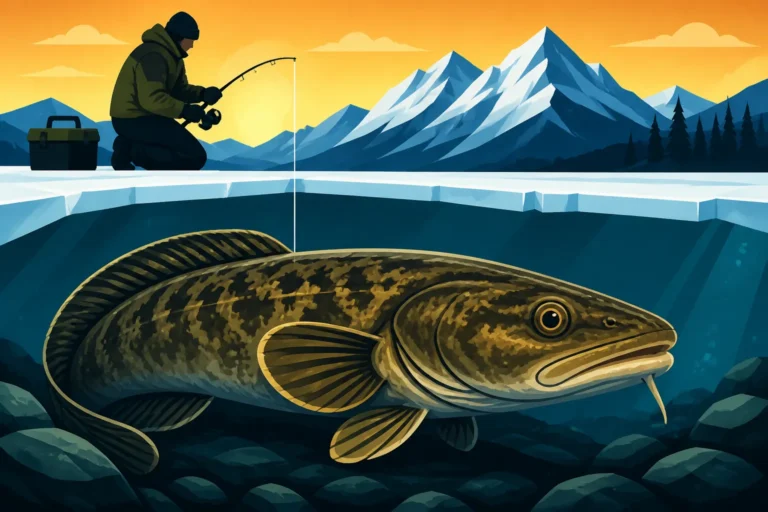
Even under a blanket of ice, pike remain active predators. Ice fishing for pike can be fantastic, as they continue to key on available baitfish. Perch, minnows, and smaller whitefish are still primary targets. Pike will often patrol shallower weed beds, points, and drop-offs beneath the ice, using the cover to ambush. They might also suspend in open water, waiting for schools of cisco or whitefish.
Large spoons, jigging swimbaits, and deadbait fished under tip-ups or deadsticks are common techniques. Smelt, herring, or even large minnows can be incredibly effective when allowed to sit or slowly jigged. Look for structure under the ice, like submerged weed beds or changes in bottom contour, as these are natural ambush points. If you're interested in cold-weather tactics, exploring Ice Fishing in Alberta will give you a comprehensive overview of how to target fish throughout the winter months. Remember, their diet doesn't change drastically, but their behavior shifts to find the most accessible food in a cold, dark environment.
Disclaimer
This article is for general informational purposes only and does not constitute professional advice. Laws, prices and regulations vary by location and change over time. Consult a qualified professional for guidance on your specific situation.