Rocky Mountain Whitefish vs Lake Whitefish Identification
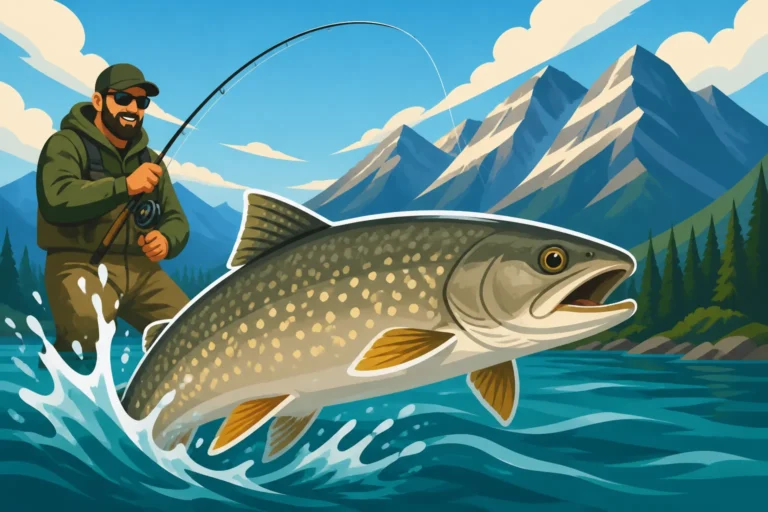
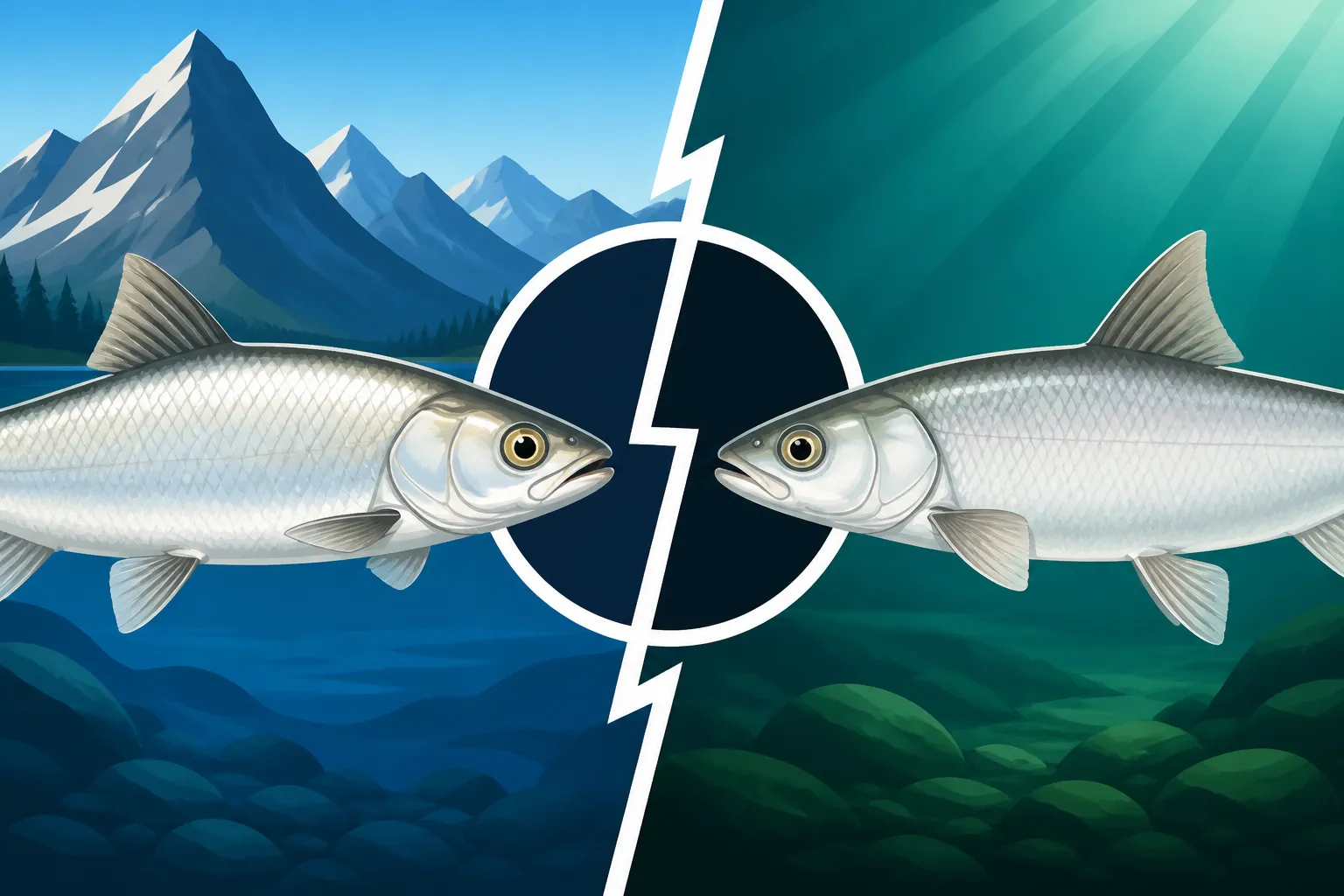
It can be incredibly frustrating out on the water when you've just landed a beautiful fish, only to stare at it and wonder, "Is this a Rocky Mountain Whitefish or a Lake Whitefish?" The confusion is real, and it’s a common dilemma for many Alberta anglers. These two species, while both part of the whitefish family, have distinct characteristics and preferred habitats that are important to understand for proper identification, especially with varying regulations. This guide is here to help you confidently tell the difference between these often-mistaken fish, ensuring you're fishing by the book and truly appreciating your catch.
Understanding the Whitefish Family in Alberta's Waters
Alberta is blessed with incredible fishing opportunities, and whitefish are a staple for many anglers, especially in our colder, clearer waters. However, the term "whitefish" itself can be a bit of a catch-all, leading to confusion. We have several species that fall under this umbrella, but the two most commonly encountered by recreational anglers are the Rocky Mountain Whitefish and the Lake Whitefish. Knowing which one you're looking at isn't just for bragging rights; it's crucial because their ecological roles and even fishing regulations can differ.
The Coregonidae Family: A Brief Introduction
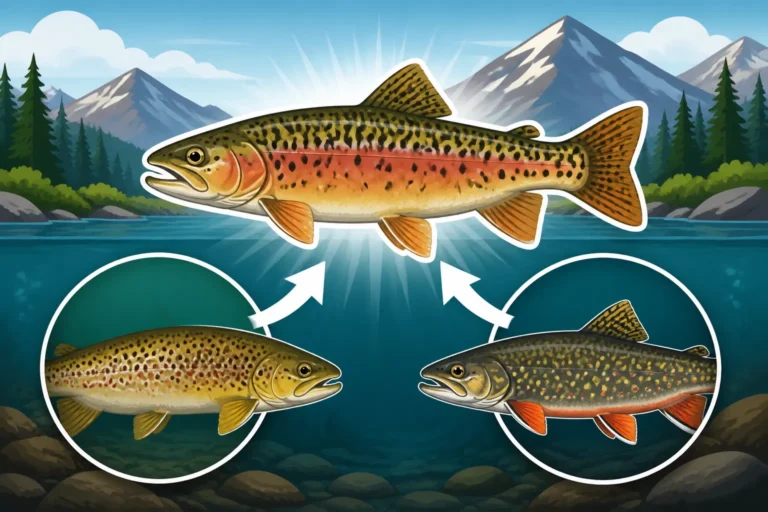
Both Rocky Mountain Whitefish ( Prosopium williamsoni) and Lake Whitefish (Coregonus clupeaformis) belong to the Coregonidae subfamily, which is part of the larger Salmonidae family – the same family that includes trout and salmon. This lineage explains some of their shared characteristics, like the presence of an adipose fin (that small, fleshy fin on their back near the tail). However, within this family, evolution has sculpted them for very different lifestyles and environments.
Think of it like different breeds of dogs – they're all canines, but a chihuahua is very different from a St. Bernard. Similarly, these two whitefish species have adapted to unique niches within Alberta's diverse aquatic ecosystems, from swift mountain rivers to vast, deep lakes. Understanding this foundational family connection helps to frame why they share some similarities, but also highlights why their differences are so important to pinpoint. Many anglers, especially those new to identifying fish beyond trout and pike, often group them together, missing out on the nuances that make each species special.
Why Identification Matters for Anglers
Beyond the natural curiosity, there are some very practical reasons why you need to be able to tell these two species apart. First and foremost, regulations. The Alberta Guide to Sportfishing Regulations is a thick book for a reason, and it often has specific rules for different species in different zones. While both might share some general whitefish rules, there can be subtle differences in possession limits, season dates, or even specific gear restrictions depending on the waterbody and the species you're targeting. Imagine mistakenly keeping a fish that falls under a different regulation – it’s a mistake no one wants to make. You can find more details in Alberta Fishing Regulations Explained.
Secondly, knowing your species helps you become a more effective angler. Each whitefish has its preferred diet, habitat, and behavior patterns. If you can correctly identify which species inhabits a certain stretch of river or part of a lake, you can tailor your approach – from lure selection to presentation – to increase your chances of success. It's about respecting the fish and the regulations, but also about honing your craft as an angler. Finally, there's the conservation aspect. Knowing what you're catching and where helps contribute to data that biologists use to monitor fish populations, ensuring these wonderful species continue to thrive for future generations.
Physical Traits: Spotting the Differences
When you've got a fish in hand, often just for a quick moment before release, you need to know what to look for immediately. While they share the general "whitefish" appearance, there are some key physical markers that, once you learn them, will make identification much clearer. It’s all about looking at the details.
Head Shape and Mouth Position
This is often the first and most telling difference. The head and mouth are like the fish's specialized tools for feeding in its environment, and since these two whitefish live in different places and eat slightly different things, their heads reflect that.
The Rocky Mountain Whitefish has a distinctive small, almost dainty mouth, positioned slightly underneath its snout. It’s often described as being "sub-terminal." This mouth shape is perfectly adapted for picking small invertebrates off the bottom of rocky, flowing rivers and streams. Their head tapers smoothly, giving them a streamlined appearance suited for current. When you look at its profile, you'll notice that the snout slightly overhangs the mouth. This characteristic design helps them to forage effectively in swift water, sifting through gravel and pebbles for insects. It's built for precision feeding in a demanding environment, and it's a dead giveaway once you know what to look for. You'll often find these beautiful fish in Best Fly Fishing Rivers in Alberta.
In contrast, the Lake Whitefish typically boasts a larger, more terminal (or slightly sub-terminal) mouth. It's usually more horizontally aligned with the rest of its head, and the snout doesn't overhang it as significantly as with its mountain cousin. This wider, more robust mouth is designed for scooping up a broader range of food items, from small crustaceans and insects to even tiny baitfish, from the bottom or suspended in the water column of larger, often deeper, lake environments. Its head can appear blunter, less streamlined than the Rocky Mountain Whitefish, reflecting its life in calmer, larger bodies of water where sustained powerful swimming against current isn't as constant a requirement.
Fin Characteristics
While both are salmonids and share the adipose fin, there are subtle yet important differences in their other fins, especially the dorsal and pectoral fins, that can help with identification. These small details are often overlooked but can confirm your suspicions once you've checked the mouth.
The Rocky Mountain Whitefish often has somewhat larger, more pronounced fins, especially the pectoral and pelvic fins, relative to its body size. These larger fins aid in maneuvering and holding position in the swift currents they call home. Their dorsal fin might appear a bit taller and more triangular. The tail fin (caudal fin) is typically moderately forked. The overall impression is one of agility and control in moving water, allowing them to dart and hold their ground effortlessly. These fins are also typically clear or only very lightly pigmented, blending with their often-bright, silvery bodies.
The Lake Whitefish, on the other hand, tends to have fins that are more proportionate to its generally larger body size, but perhaps less pronounced in their individual size compared to its mountain counterpart. Their dorsal fin might be a bit lower and more rounded. The tail fin is typically deeply forked, a common trait in many fish that spend their lives cruising in open water, providing excellent propulsion. The fins can sometimes have a slightly darker or more opaque appearance, though this can vary with water clarity and individual fish. These fins are designed for efficient propulsion and sustained cruising in the larger, more open expanses of lakes, rather than the intricate maneuvering required in a river.
Body Shape and Coloration
The overall body shape and coloration are also good indicators, reflecting the different environments these fish inhabit. While coloration can vary widely based on diet, water clarity, and genetics, there are some general trends you can observe.
The Rocky Mountain Whitefish has a distinctly more slender, fusiform (torpedo-like) body shape. This streamlined build is ideal for living in rivers and streams, allowing them to cut through currents with minimal effort. Their coloration tends to be bright and silvery on the sides, fading to a lighter, almost white belly. Their backs are usually a darker olive-green, brown, or grayish hue, providing camouflage from aerial predators in clear, shallow waters. Sometimes, you might notice a very subtle mottling or a few scattered dark spots, but generally, their flanks are clean. They are built for speed and agility in moving water. You'll often see them darting across gravel runs or holding in eddies in places like the Oldman River or the Crowsnest.
The Lake Whitefish generally possesses a deeper, more robust, and somewhat chunkier body shape. This profile is well-suited for living in lakes, where larger body mass can be advantageous for predator avoidance and sustained cruising. Their coloration can be similar to the Rocky Mountain Whitefish – silvery sides and a white belly – but their backs might be a darker olive to brownish-green, often with a hint of gold or bronze, especially in more tannic waters. The scales can sometimes appear larger and more prominent. While generally lacking spots, some individuals might show very faint markings. Their larger, rounder bodies give them a substantial feel, quite different from the sleekness of a river whitefish. These are the fish you'll often encounter in Lesser Slave Lake Fishing Guide or Cold Lake Lake Trout Fishing, where they form a key part of the aquatic food web.
Habitat and Behavior: Where They Live and How They Act
Beyond the physical appearance, understanding where each whitefish species prefers to live and how they behave offers another crucial layer for identification. These environmental preferences strongly influence their physical adaptations and can often give you a clue before you even land the fish.
Preferred Waterways and Depths
Knowing the typical haunts of each species can narrow down your identification significantly. If you're fishing a small, fast-flowing stream, you're highly unlikely to encounter a Lake Whitefish, and vice versa in a large, deep lake.
The Rocky Mountain Whitefish are, as their name suggests, quintessential residents of cold, clear mountain rivers and streams. They absolutely thrive in moving water, from riffles and runs to deeper pools and eddies. You'll find them holding behind structure like boulders, log jams, or cut banks, where they can conserve energy out of the main current while waiting for food to drift by. They generally prefer depths between 1 to 5 meters, though they can be found shallower or deeper depending on the specific river features, water temperature, and time of day. Their presence is a good indicator of healthy, well-oxygenated stream environments, often sharing their waters with various trout species. Places like the Bow River or the Oldman River are prime Mountain Whitefish in Alberta Rivers territory.
Conversely, the Lake Whitefish are primarily lacustrine, meaning they prefer lake environments. They inhabit a wide range of lakes, from large, deep, oligotrophic (nutrient-poor) waters to shallower, more productive mesotrophic (moderately nutrient-rich) lakes. While they do not typically enter rivers for extended periods outside of spawning, they can sometimes be found near river mouths in larger lake systems. They are often found in deeper, cooler parts of lakes during the warmer months, commonly at depths ranging from 10 to 30 meters, though they will move shallower during dawn, dusk, or in cooler seasons. They are schooling fish, often found suspended or foraging on the bottom over soft substrates or gravel beds. If you're fishing a vast expanse of water like Lesser Slave Lake or Lake Athabasca, the likelihood of encountering Lake Whitefish in Alberta Lakes is much higher.
Diet and Feeding Habits
What these fish eat and how they forage are also direct reflections of their specialized mouths and preferred habitats. Observing their feeding behavior, or even examining stomach contents if you harvest a fish (where legal), can provide additional clues.
The Rocky Mountain Whitefish are primarily bottom-feeders, specializing in small aquatic invertebrates. Their sub-terminal mouth is perfectly designed for "nosing" along the bottom, picking off insect larvae (like stoneflies, caddisflies, and mayflies), nymphs, small crustaceans, and even occasionally terrestrial insects that fall into the water. They are opportunistic feeders and will readily rise to take dry flies during hatches, making them a popular target for fly anglers. They are meticulous diners, often making short, quick darts to snatch their prey. Their diet is a direct reflection of the rich insect life found in their riverine habitats.
The Lake Whitefish have a more varied diet, reflecting the wider range of food sources available in lakes. They are also primarily bottom-feeders, but their larger mouth allows them to consume a broader spectrum of prey. This includes various benthic invertebrates like Mysis shrimp, amphipods, chironomid larvae, mollusks, and even small fish eggs or very young baitfish. They are known for their schooling behavior and will often cruise along the lake bottom or suspend in the water column to feed on zooplankton. Their feeding can be more methodical, often sifting through substrate or engulfing larger mouthfuls of water to filter out plankton. When you’re out on a big lake, and you hook into a fish that's been gorging on a mix of smaller organisms, it's a good bet you've got a Lake Whitefish.
Angling Considerations: Targeting Each Species
Knowing the differences in identification isn't just an academic exercise; it has real implications for how you approach fishing for these species. Different fish mean different techniques, gear, and strategies.
Best Techniques for Rocky Mountain Whitefish
Targeting Rocky Mountain Whitefish is a distinct pleasure, often done in conjunction with trout fishing. Their riverine habitat and diet dictate specific tactics.
When fishing for Rocky Mountain Whitefish, think small and subtle. Since they primarily feed on small invertebrates and nymphs, light tackle is key. For fly anglers, nymphing rigs with small stonefly, caddisfly, or mayfly imitations fished dead drift along the bottom are incredibly effective. Euro nymphing techniques are also very popular for these fish. During hatches, they will readily rise to dry flies, offering exciting sight-fishing opportunities. For spin anglers, tiny jigs (1/32 to 1/8 ounce) tipped with a piece of worm or grub, small spoons, or micro-spinners presented upstream and allowed to drift naturally are often successful. Look for them in runs, riffles, and behind current breaks in rivers like the Crowsnest or the Bow. A light action rod, typically in the 2-4 weight for fly fishing or ultra-light spinning gear, will give you the best feel for their often subtle takes. Many anglers use light leaders, often 4-6 lb fluorocarbon, for fishing these clear waters. You can find excellent gear options, from tiny jigs to quality fluorocarbon leaders, on Amazon. For specific fly patterns, check out Fly Patterns for the Bow River.
Best Techniques for Lake Whitefish
Lake Whitefish require a different approach due to their deeper, lake-dwelling habits and broader diet. Their schooling nature can also make for some fast action once you locate them.
For Lake Whitefish, especially in deeper lakes, vertical jigging is a highly effective technique. Small, weighted spoons (1/8 to 1/4 ounce), often tipped with a maggot or small piece of worm, are jigged just off the bottom. Ice fishing is particularly popular for Lake Whitefish, where anglers use similar jigging spoons or small jigs with bait. When boat fishing, trolling with small spoons or crankbaits that mimic minnows or invertebrates can also be productive, especially in cooler waters. Downriggers can be useful to reach their preferred depths. Look for them over gradual slopes, humps, or deep flats, especially near areas with good invertebrate populations. A medium-light spinning rod with 6-8 lb monofilament or braided line is generally appropriate for boat and ice fishing. A good fish finder is almost essential for locating these schooling fish in the vastness of larger lakes, helping you pinpoint those critical depths and structures. For more on targeting this species, check out How to Catch Lake Trout in Alberta, as some techniques can overlap due to shared deep water habitats.
Why Accurate Identification Matters
Beyond just satisfying curiosity, knowing exactly which whitefish species you've caught carries important implications for adhering to regulations, practicing responsible angling, and even understanding the broader health of Alberta’s aquatic ecosystems. It’s about being a responsible steward of our natural resources.
Regulatory Compliance and Conservation
Let’s be honest, fishing regulations can sometimes feel like a maze. But they exist for a reason: to protect fish populations and ensure sustainable angling for everyone. Misidentifying a fish can lead to inadvertently breaking these rules, which can result in fines or penalties. For example, some specific waters might have special regulations for one whitefish species but not another, or different daily limits. Being able to correctly identify your catch on the spot means you can quickly decide if it’s a keeper (if harvesting is allowed and desired) or if it needs to be released immediately.
Moreover, accurate identification feeds into vital conservation efforts. Fisheries biologists rely on reported catch data, as well as their own surveys, to assess the health and abundance of different fish populations. If anglers consistently misidentify species, it can skew this data, potentially leading to inaccurate management decisions. For instance, Bull Trout: Alberta's Threatened Native Fish highlights how critical species identification is for protecting vulnerable populations. By knowing your whitefish, you're directly contributing to better conservation outcomes and helping ensure these wonderful species continue to thrive in Alberta's beautiful waters.
Enhancing Your Angling Experience
There's a deep satisfaction that comes from truly understanding the fish you're pursuing. When you can identify a fish down to its specific species, you gain a richer appreciation for its unique adaptations, its role in the ecosystem, and the specific challenges and rewards of targeting it. It turns fishing from a general activity into a focused pursuit, where every detail, from water temperature to insect hatches, becomes part of the puzzle.
Knowing whether you’re casting for a sleek, river-dwelling Rocky Mountain Whitefish or a robust, lake-cruising Lake Whitefish allows you to refine your techniques, choose more effective gear, and even select your fishing spots with greater precision. It’s about becoming a more knowledgeable and skilled angler. This enhanced understanding ultimately leads to more successful and fulfilling days on the water. A good Best Tackle Box Setup for Alberta Anglers would definitely include specific items for whitefish, once you know which type you're after. Many anglers love to share their catches and knowledge, and being able to confidently discuss the differences between these species elevates your standing within the angling community. You might even discover that you prefer targeting one species over the other, leading you down new and exciting angling paths.
Comparative Summary: Rocky Mountain vs. Lake Whitefish
To help solidify the distinctions we've discussed, here's a quick comparison table of the key features to look for when trying to identify a Rocky Mountain Whitefish versus a Lake Whitefish in Alberta's waters. Keep this in mind next time you're out on the water, perhaps even having a handy field guide from Amazon with you!
| Feature | Rocky Mountain Whitefish | Lake Whitefish |
|---|---|---|
| Scientific Name | Prosopium williamsoni | Coregonus clupeaformis |
| Primary Habitat | Cold, clear mountain rivers and streams, moving water | Large, deep lakes, occasionally near river mouths |
| Mouth Position | Small, sub-terminal (underneath snout), snout overhangs | Larger, terminal or slightly sub-terminal, less snout overhang |
| Body Shape | Slender, streamlined, torpedo-like | Deeper, more robust, somewhat chunkier body |
| Fin Size | Often larger fins relative to body, for maneuvering | Fins proportionate to body, sometimes less pronounced |
| Tail Fin (Caudal) | Moderately forked | Deeply forked |
| Coloration | Silvery sides, darker olive/brown/grey back, clean flanks | Silvery sides, darker olive/brown/green back, often with bronze |
| Typical Diet | Small aquatic insects, nymphs, terrestrial insects | Varied benthic invertebrates, zooplankton, small fish eggs |
| Feeding Style | Nosing along bottom, picking off prey, rising for dries | Sifting bottom, cruising, filter-feeding |
| Angling Method | Fly fishing (nymphs, dries), small jigs/spoons | Vertical jigging (spoons, jigs), trolling (spoons, crankbaits) |
This table should serve as a handy reference point. Remember, identifying fish can sometimes be tricky, especially with variations in individual fish or different water conditions. But by focusing on these distinct characteristics, you'll become much more confident in your ability to tell these two fascinating Alberta whitefish species apart. A digital copy of the Alberta Fishing Regulations App and Zone Lookup, Explained can also be a lifesaver for quick reference on specific rules.
Disclaimer
This article is for general informational purposes only and does not constitute professional advice. Laws, prices and regulations vary by location and change over time. Consult a qualified professional for guidance on your specific situation.